Artwork
The prophet Elias and the widow of Sarepta
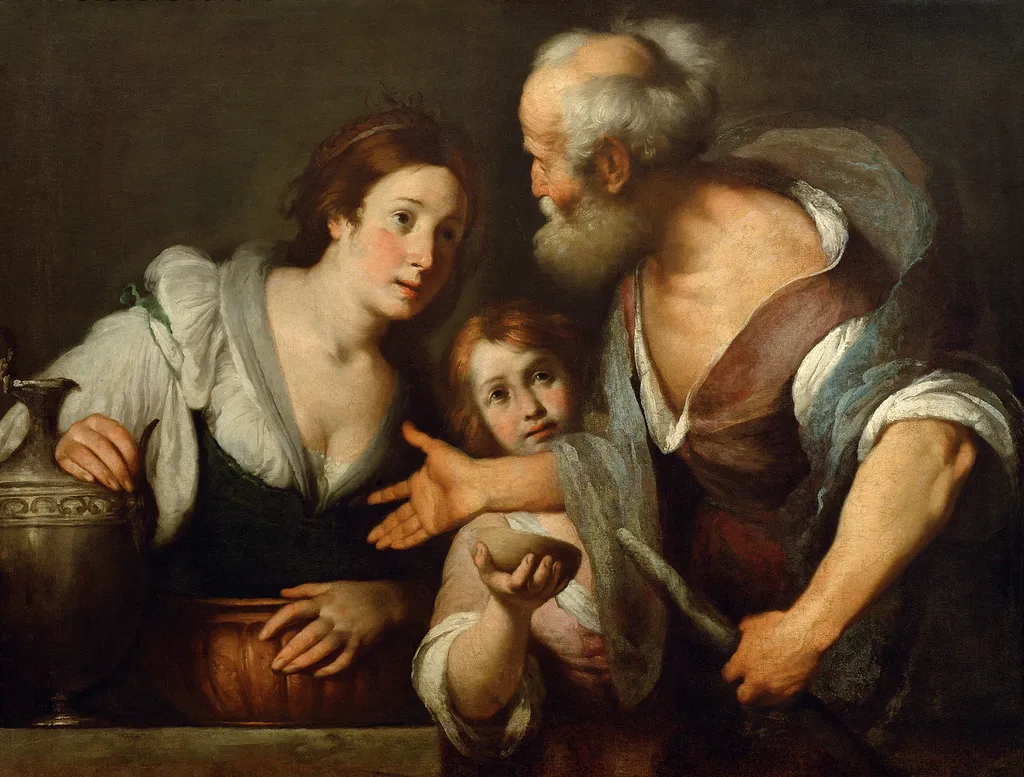
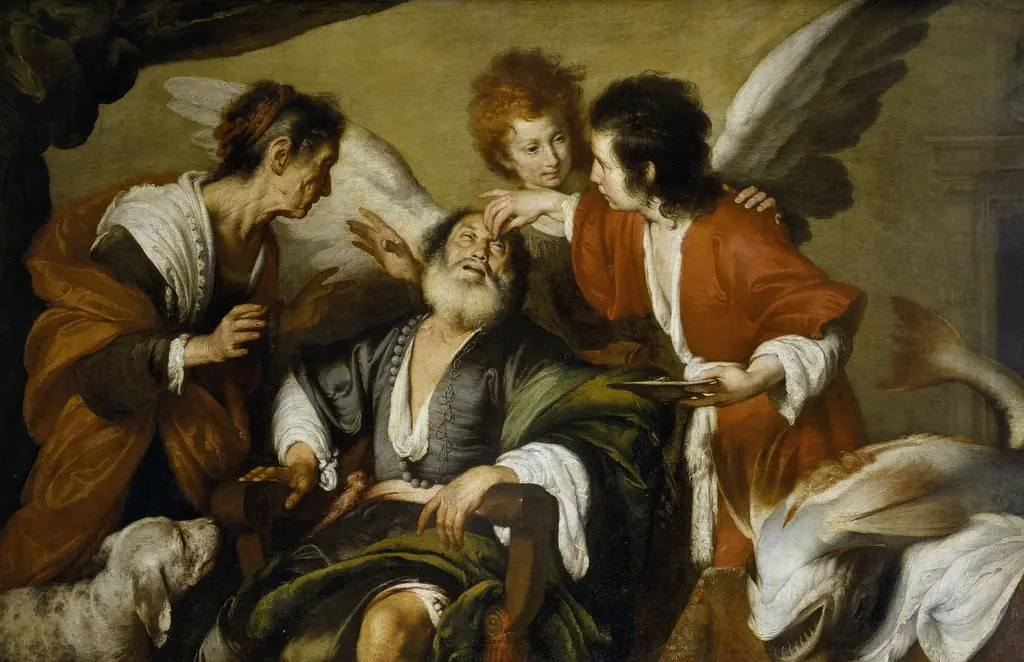
The prophet Elias and the widow of Sarepta is an oil painting by the Early Baroque Italian artist Bernardo Strozzi. It dates from 1630 and is held in the collection of the Kunsthistorisches Museum.
About this work
Subject & Meaning
Executed by Bernardo Strozzi in a religious genre, the scene invites contemplation of faith and divine providence, themes typical of Strozzi’s sacred subjects.
The painting portrays the biblical story of the prophet Elijah (Elias) meeting the widow of Sarepta (Zarephath) during a famine, as indicated by the work’s title and its depiction of those two figures. Executed by Bernardo Strozzi in a religious genre, the scene invites contemplation of faith and divine providence, themes typical of Strozzi’s sacred subjects. The encounter underscores the virtue of charity and the reward of trusting in divine assistance.
History & Provenance
Bernardo Strozzi created the oil painting The prophet Elias and the widow of Sarepta during the early 1630s. While some records suggest a date of 1640, the work is primarily attributed to 1630. The painting measures 106 cm in height and 138 cm in width.
It is currently held in the collection of the Kunsthistorisches Museum in Vienna. The specific commission details and the full chain of ownership prior to its museum acquisition are not documented in the available sources.
Context
Bernardo Strozzi's 1630 oil painting The prophet Elias and the widow of Sarepta entered the Kunsthistorisches Museum collection in 1640, marking a significant moment in the artist's mature religious output. The work depicts the biblical narrative of Elijah and the Widow of Zarephath, a subject tied to themes of divine providence and charity. As part of Strozzi's extensive religious corpus, the painting reflects his role in shaping Venetian Baroque spirituality, blending Caravaggesque realism with expressive emotional depth.
Its presence in a major imperial collection underscores its contemporary and enduring significance within art historical narratives of Counter-Reformation visual culture.
Legacy
Bernardo Strozzi’s 1630 canvas depicting the prophet Elias alongside the widow of Sarepta entered the Kunsthistorisches Museum’s collection, where it remains on view. The work has been cited in scholarly discussions of 17th-century Venetian religious painting and as an example of Strozzi’s blending of narrative drama with naturalistic detail. Its composition influenced later interpretations of the Elijah story in European art, particularly in works emphasizing compassion toward the marginalized.
Overview
Bernardo Strozzi executed The Prophet Elias and the Widow of Sarepta in 1630 with oil on canvas. The painting, now part of the Kunsthistorisches Museum collection, presents a compact interior scene that brings together the Old Testament prophet Elijah and the biblical widow of Zarephath, accompanied by her child.
Technique & Style
Strozzi employs a pronounced chiaroscuro, allowing a narrow beam of light to illuminate the faces of the three figures against a darkened background. The contrast heightens the intimacy of the encounter and underscores the Baroque interest in drama and emotional immediacy.
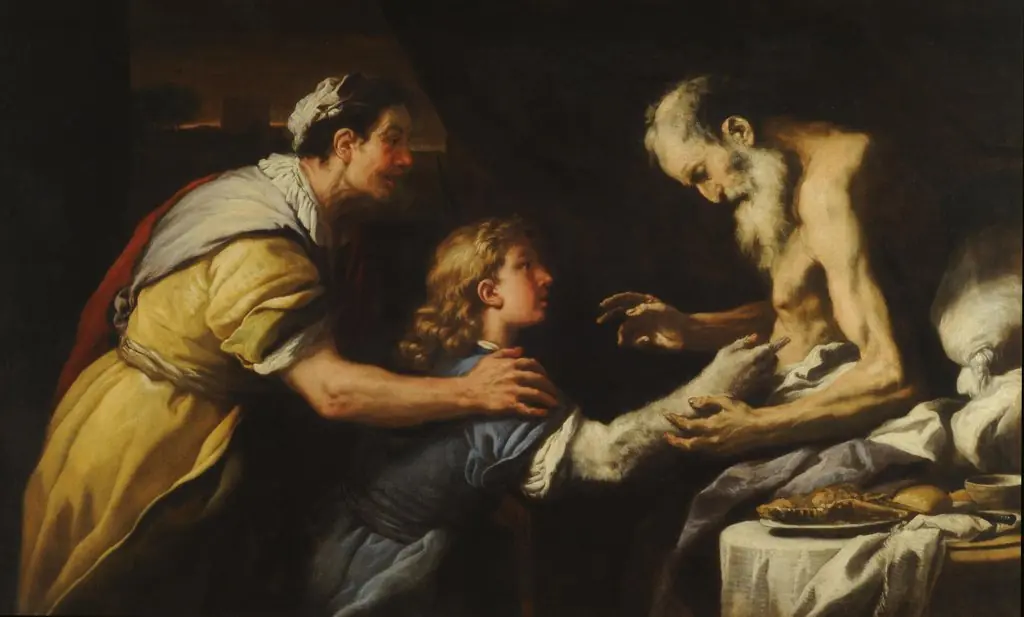
Own this work as a print
Artist & collection
Artist
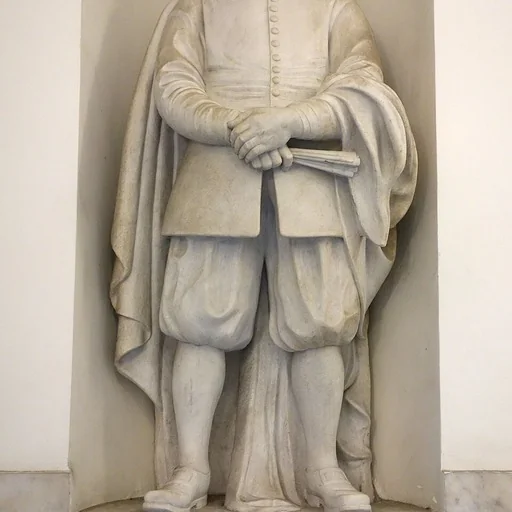
Bernardo Strozzi, named il Cappuccino and il Prete Genovese (c. 1581 – 2 August 1644), was an Italian Baroque artist who was a painter and engraver. A canvas and fresco artist, his wide subject range included history,…

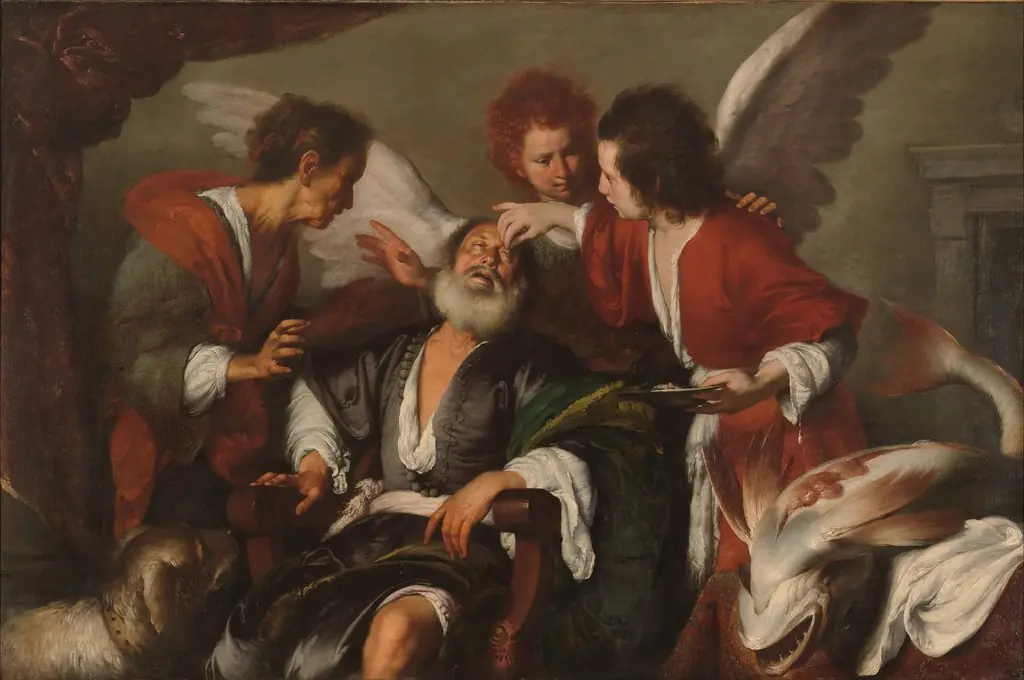
- Introduction of Jacob to Isaac
 Iosif tălmăcind visele în închisoare
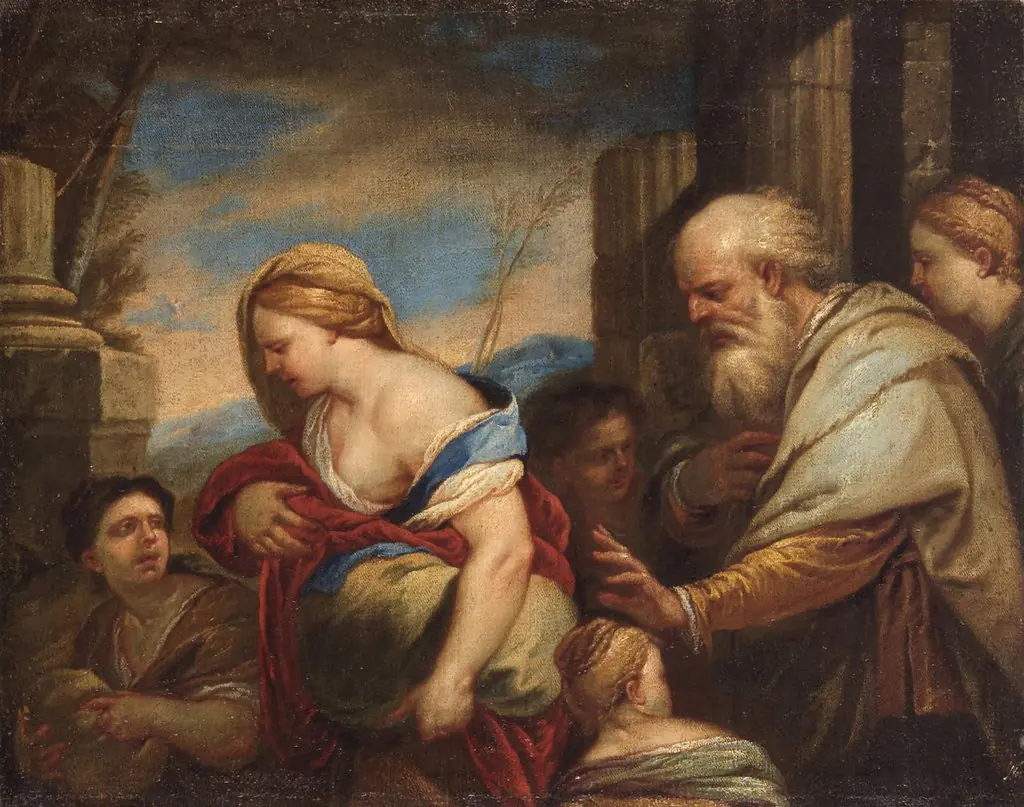 Expulsion of Hagar by Abraham
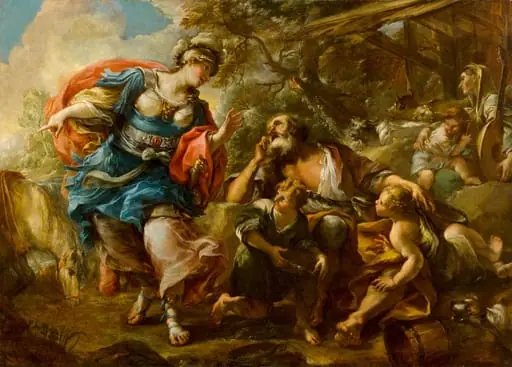 Erminia ja paimenet
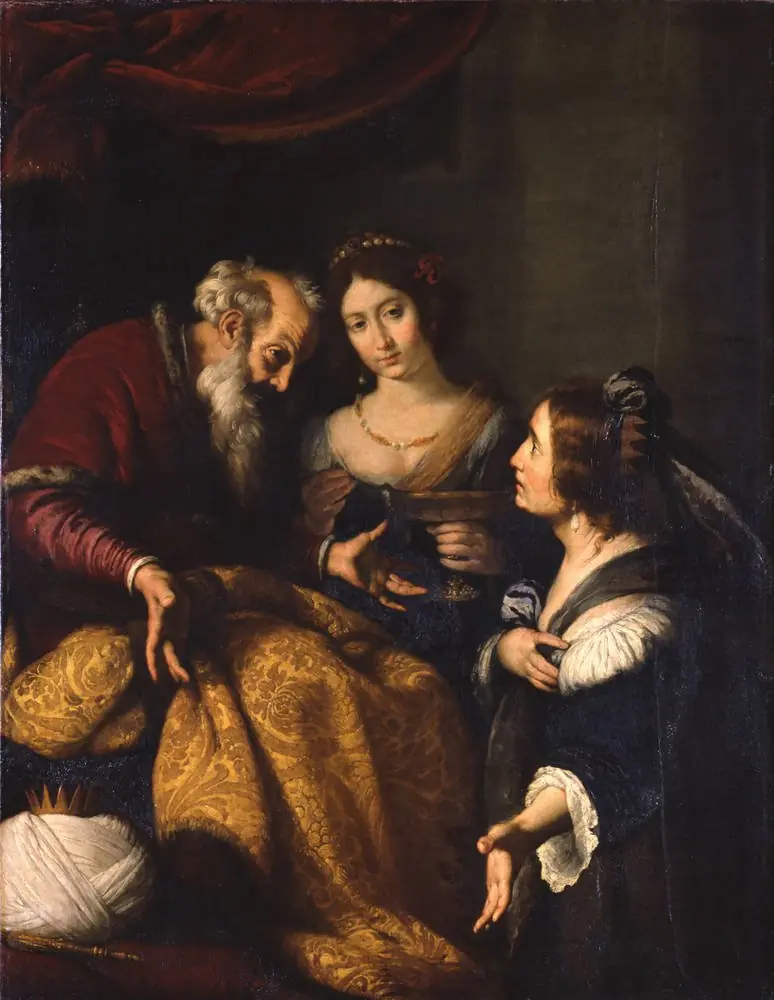 Bathseba before David
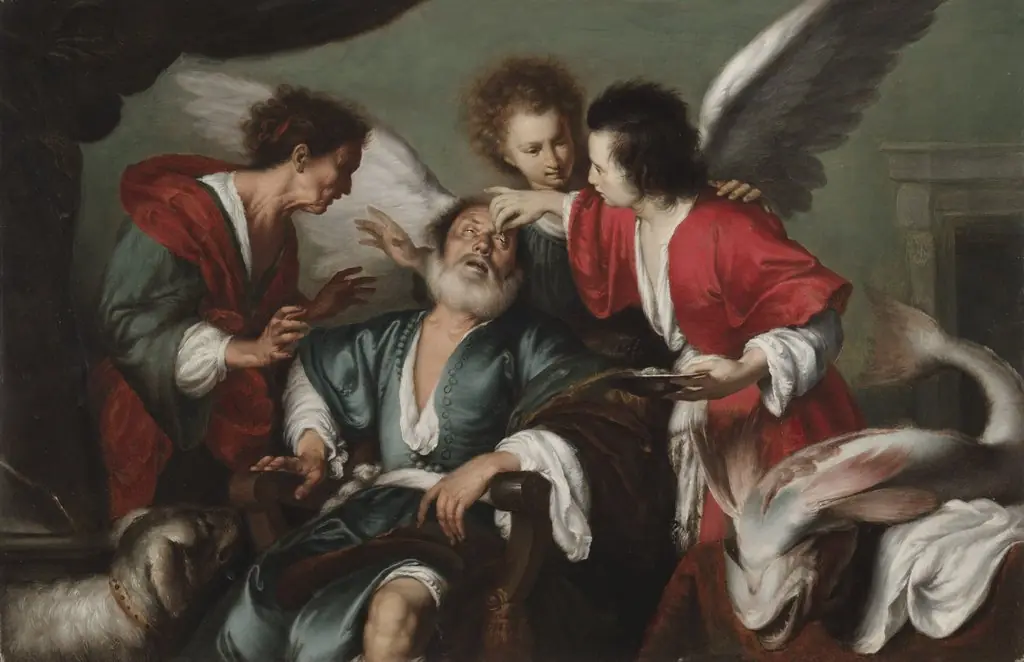
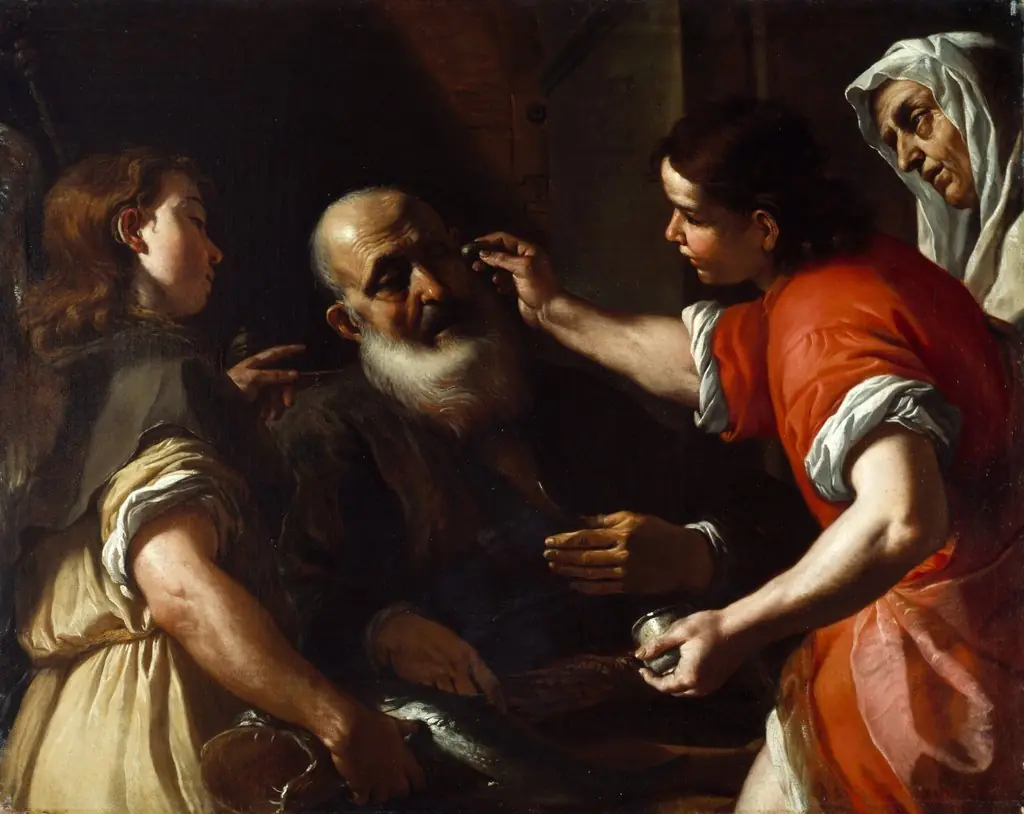 Tobias Healing His Father's Blindness
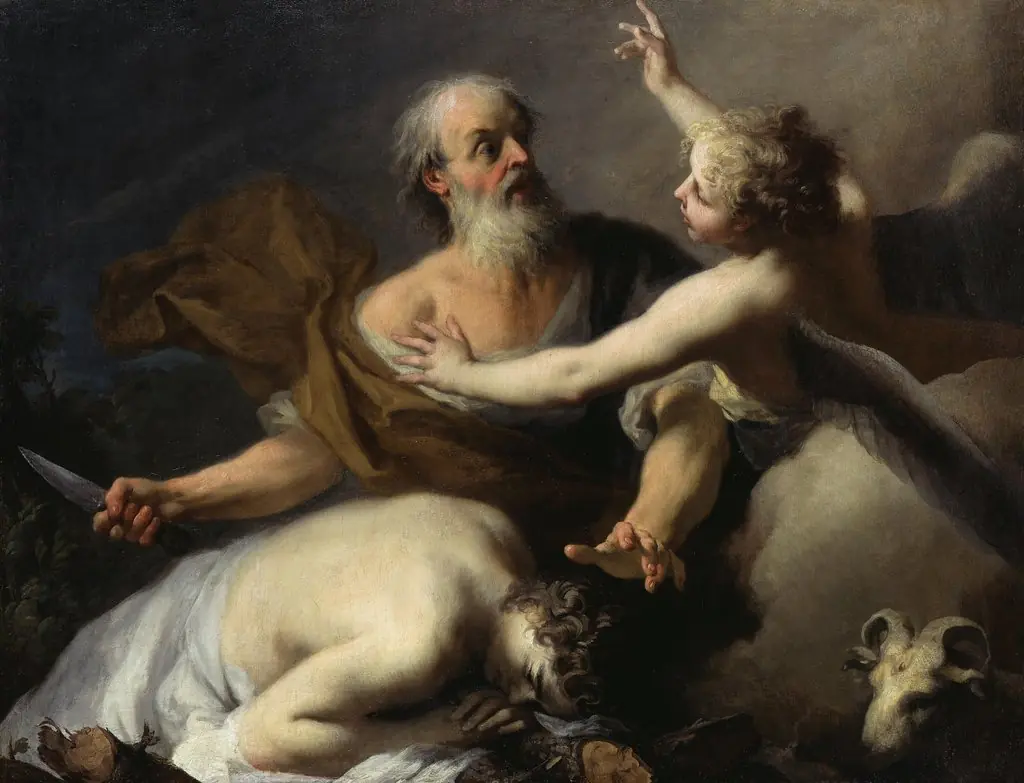 Abraham's Sacrifice of Isaac
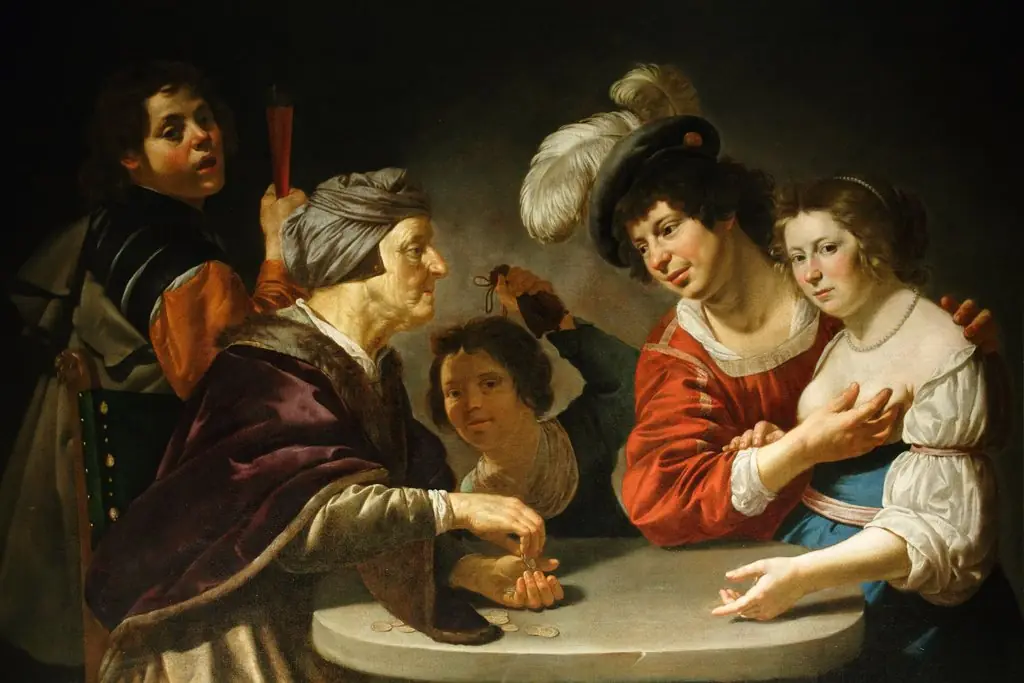 The procruress
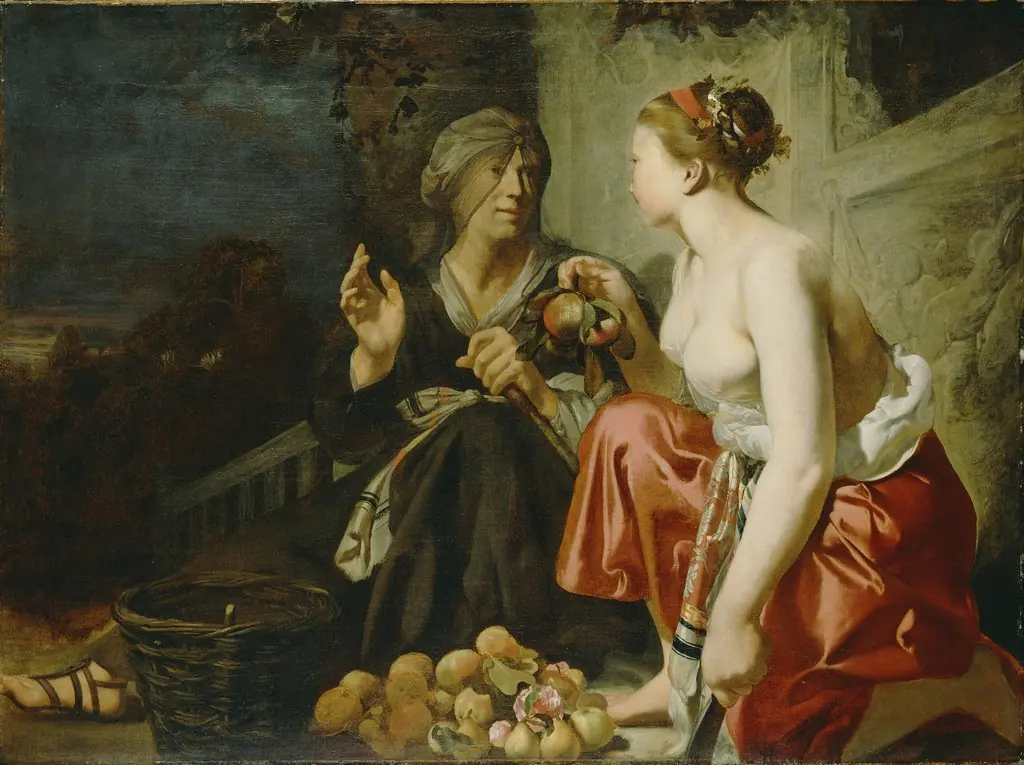 Vertumnus and Pomona
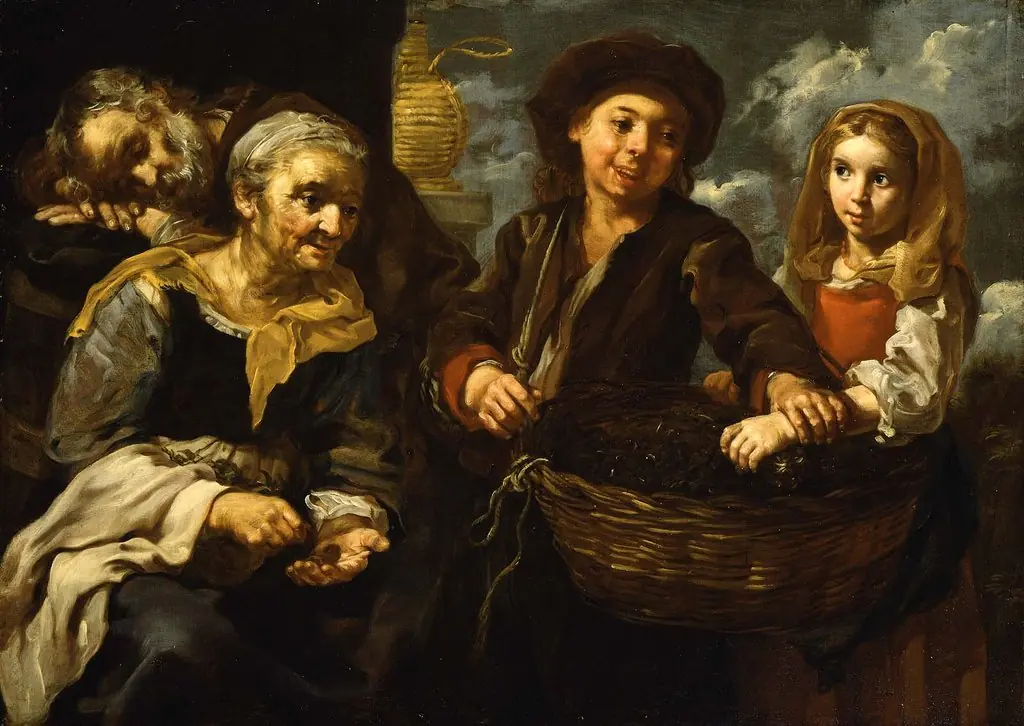 Young Boy Selling Vegetables
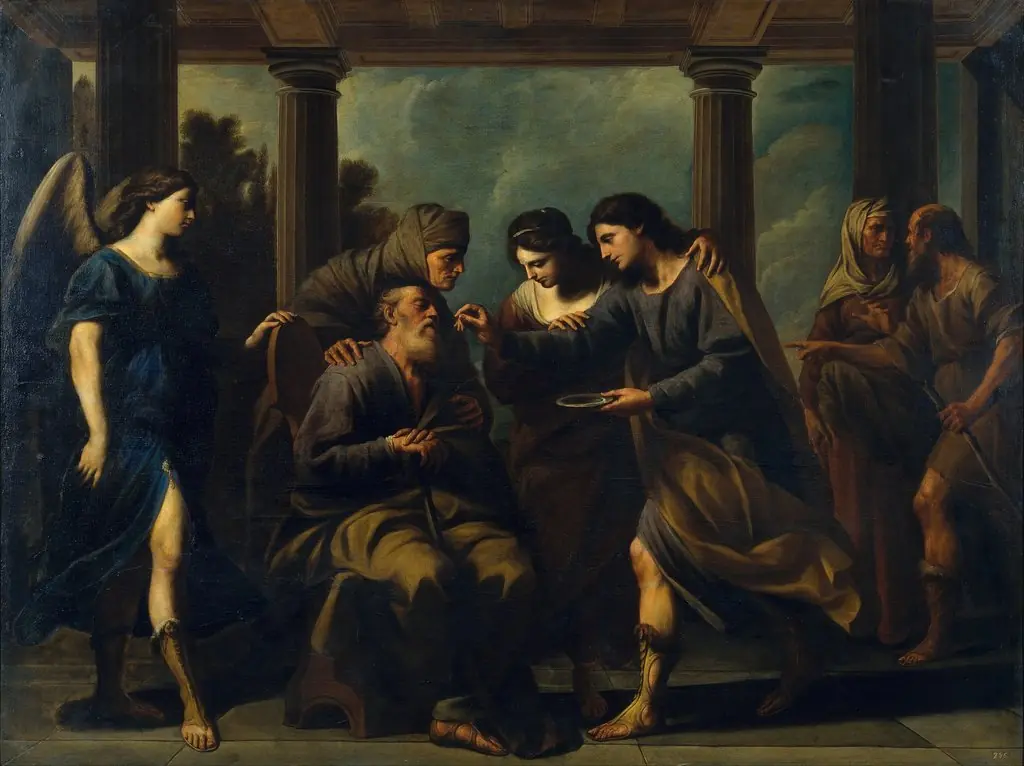 Tobias Heals his Blind Father
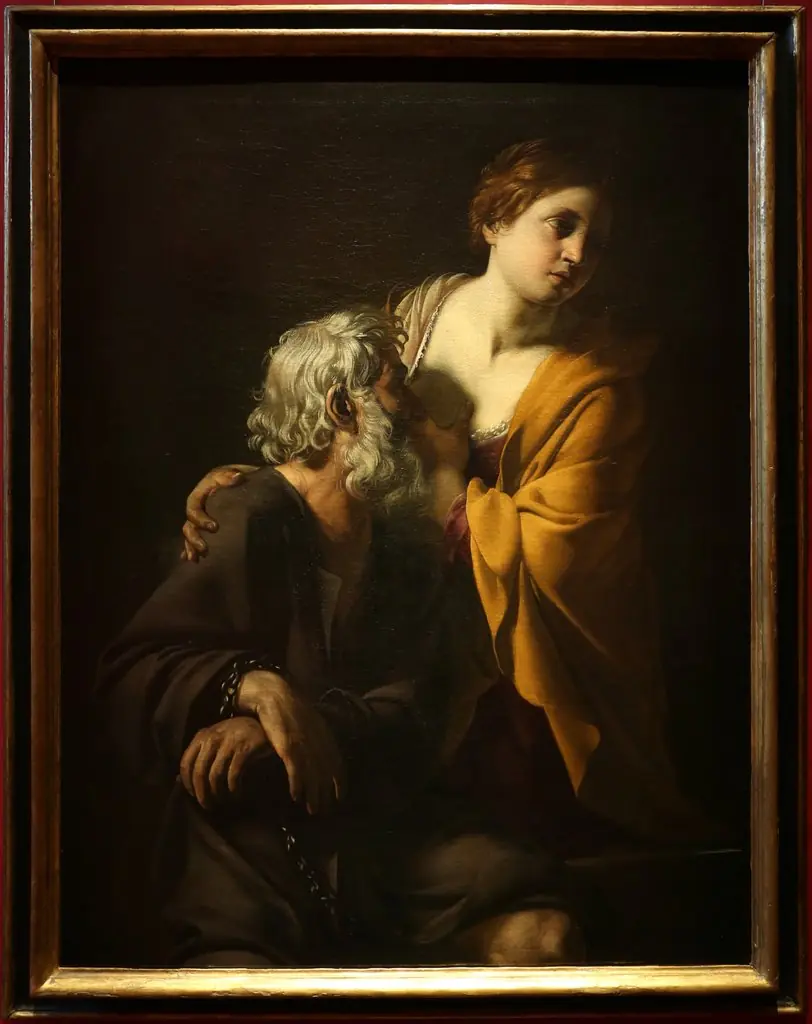 carità romana