Artwork
Untitled
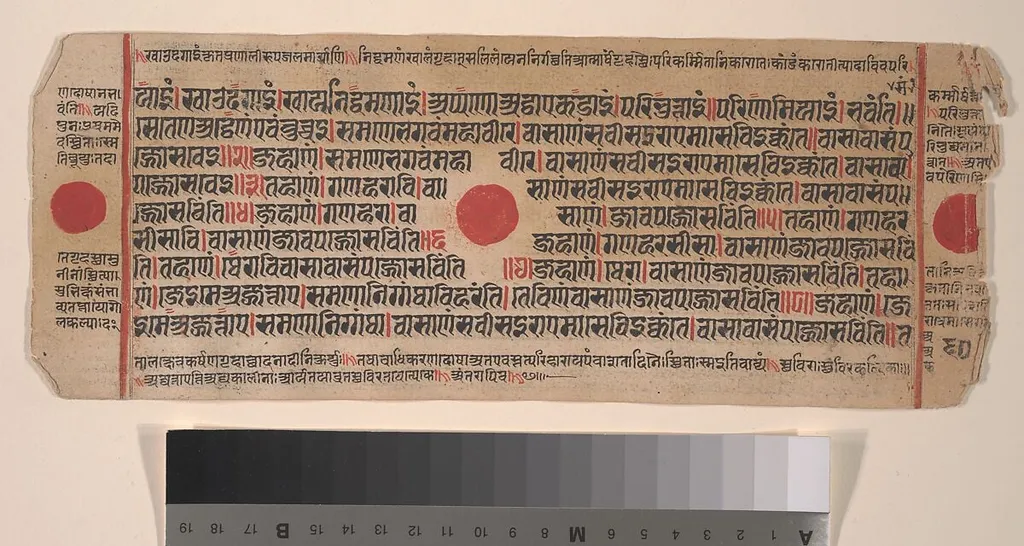
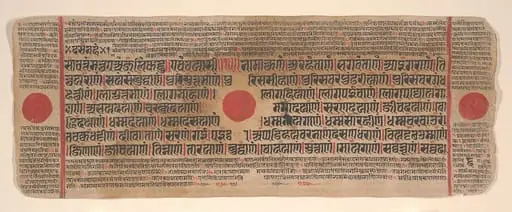
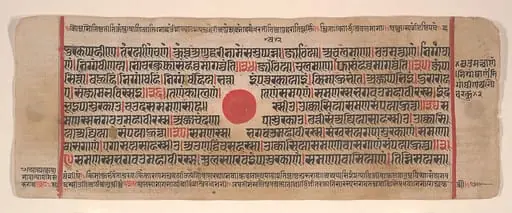
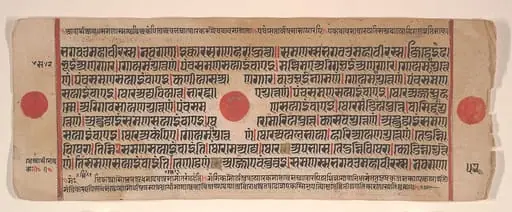
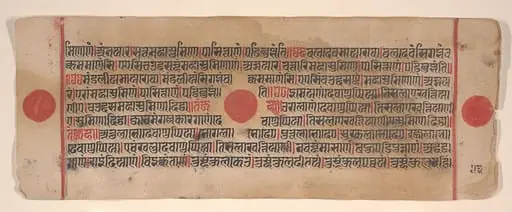
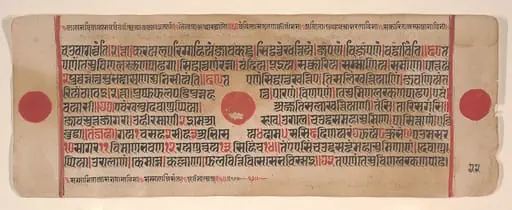
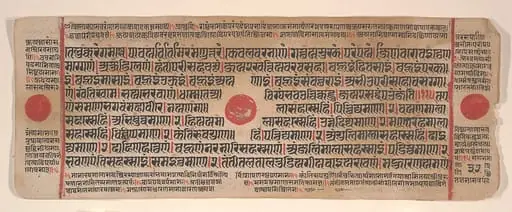
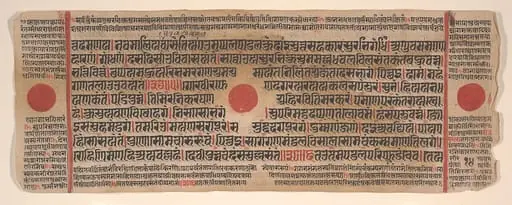
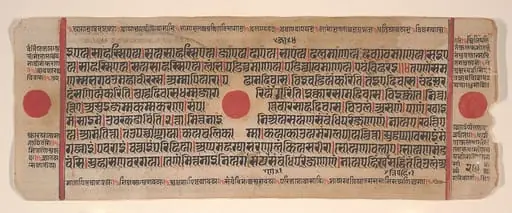
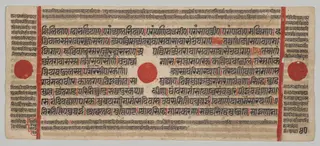
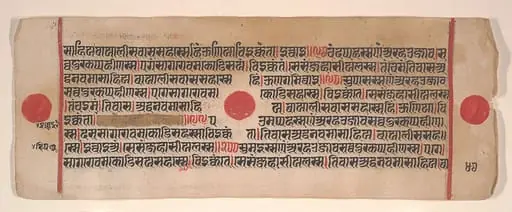
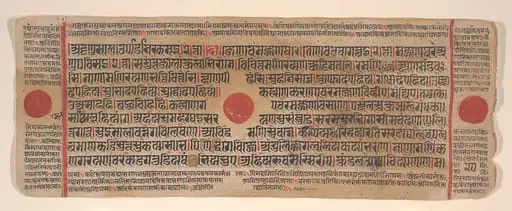
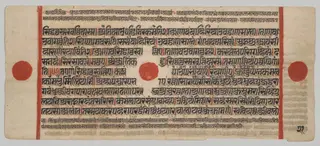
Untitled is a watercolor painting by the Indian Miniature artist Bhadrabahu. It dates from 1449 and is held in the collection of the Metropolitan Museum of Art.
About this work
Subject & Meaning
The inclusion of gold alongside opaque pigments supports its function as a devotional object representing the spiritual concepts of the Jain tradition.
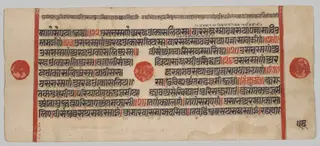
The work is a religious painting that depicts the Jain tradition. Created in 1449, the piece utilizes ink, opaque watercolor, and gold on paper to illustrate themes central to this Indian religious faith. While the title remains 'Untitled,' the subject matter is firmly identified as Jainism, situating the artwork within the genre of religious art.
The inclusion of gold alongside opaque pigments supports its function as a devotional object representing the spiritual concepts of the Jain tradition. The painting originates from India during the mid-15th century.
Technique & Style
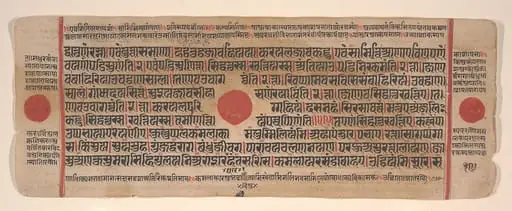
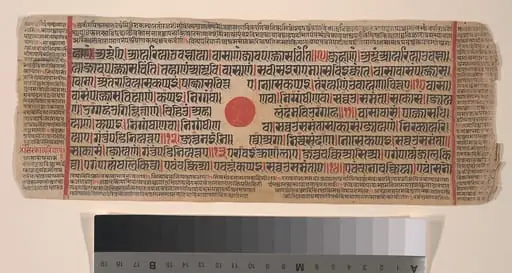
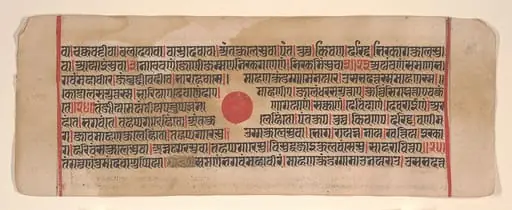
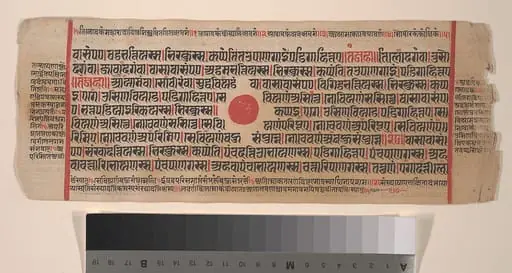
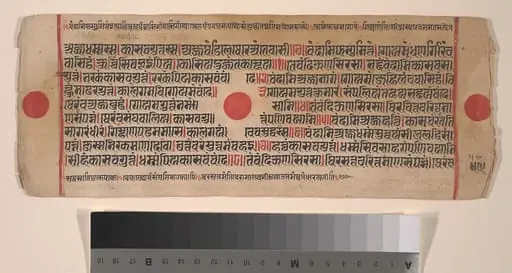
Created in 1449, this religious painting is executed on paper using a combination of ink, opaque watercolor, and gold. The work reflects the Jain manuscript-painting tradition through its specific material choices and format. Measuring 11.4 cm in height and 28.9 cm in width, the horizontal sheet serves as the ground for the depiction.
The application of gold alongside opaque pigments and ink defines the visual texture and luminosity characteristic of this mid-15th-century Indian production, and the work is held in the collection of the Metropolitan Museum of Art.
History & Provenance
Untitled is a 1449 Jain religious painting executed in ink, opaque watercolor and gold on paper by an unidentified Indian artist. The work, classified as a painting within the religious art genre, portrays Jain subject matter and was produced in India. It entered the collection of the Metropolitan Museum of Art, where it is catalogued under accession number 57.51.38.69 as part of the museum's South Asian holdings.
The dating to 1449 is recorded in the museum's metadata, which also documents the work's dimensions and place of creation.
Overview
This untitled painting, created in 1449, is a devotional work rendered in ink, opaque watercolor, and gold on paper. Originating from a Jain manuscript, it illustrates a scene central to Jain religious practice. The composition features a revered teacher, likely the monk Bhadrabahu, imparting knowledge, surrounded by elements symbolic of spiritual enlightenment and purity within the Jain tradition.
Context
As a page from a Jain manuscript, this painting is more than a mere illustration; it is an integral part of a sacred text. Within this tradition, the extensive use of gold was not solely decorative but carried profound symbolic weight, representing purity and the divine light of knowledge. Such works served to visually reinforce spiritual teachings and aid in devotional contemplation.
Artist & collection