Artwork
Untitled
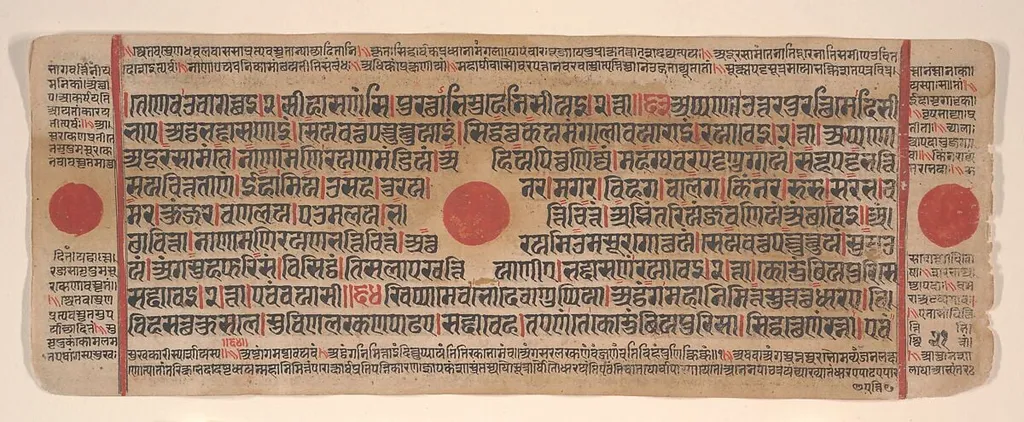
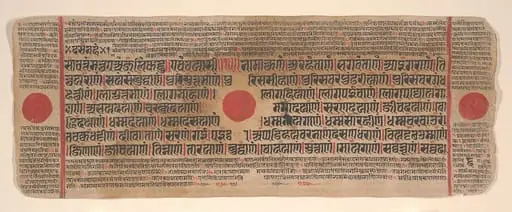
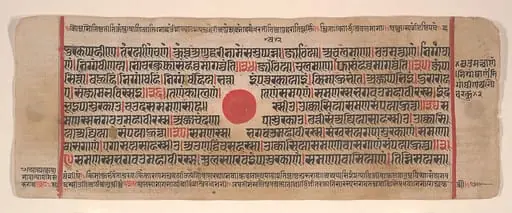
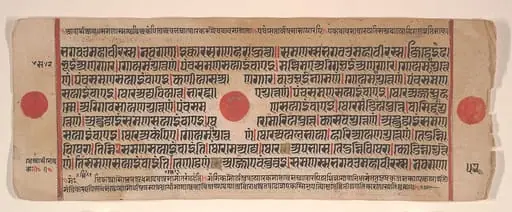
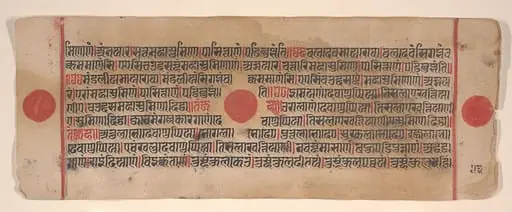
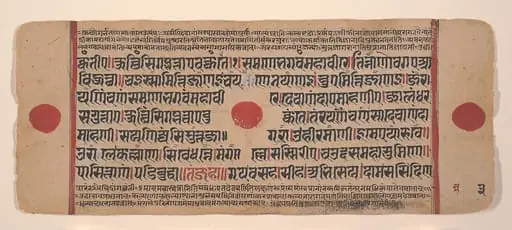
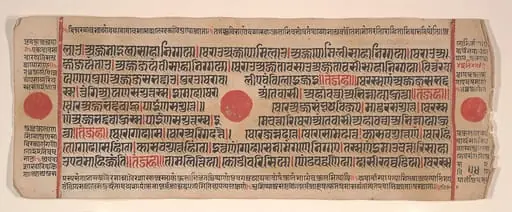
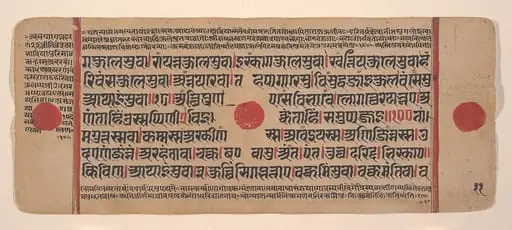
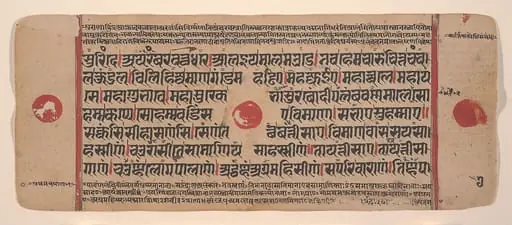
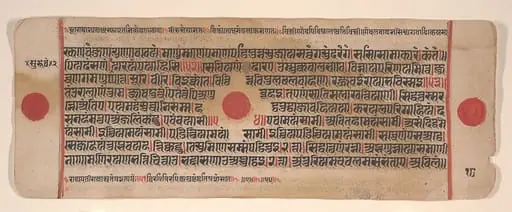
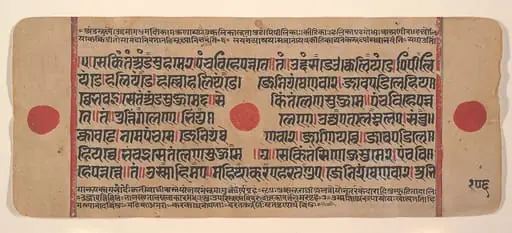
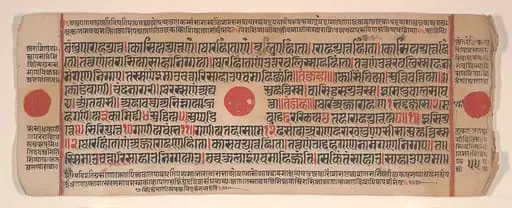
Untitled is a watercolor painting by the Indian Miniature artist Bhadrabahu. It dates from 1449 and is held in the collection of the Metropolitan Museum of Art.
About this work
Subject & Meaning
Its iconography, simple robes, a modest staff, and a serene expression, signifies the spiritual pursuit of liberation (moksha) central to Jain doctrine.
The work portrays a solitary ascetic identified as a Jain monk, embodying core Jain principles of renunciation and non‑attachment. Its iconography, simple robes, a modest staff, and a serene expression, signifies the spiritual pursuit of liberation (moksha) central to Jain doctrine. The painting’s religious genre underscores its role within devotional practices, serving both as an object of contemplation and a visual narrative of the path toward ethical purity.
Executed in ink, opaque watercolor, and gold on paper in 1449, the piece reflects the devotional artistic traditions of medieval Indian Jain communities, linking aesthetic form to theological meaning.
Technique & Style
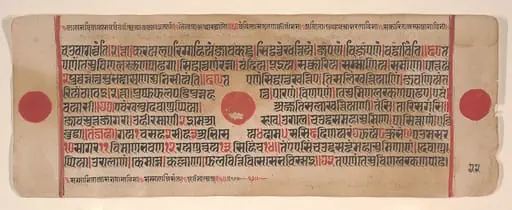
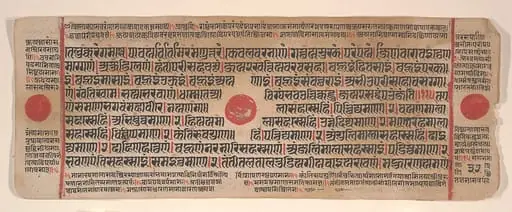
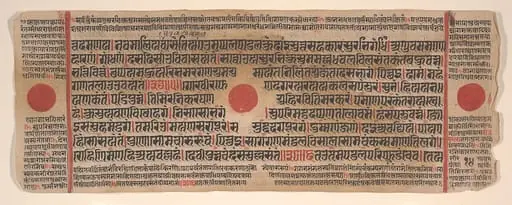
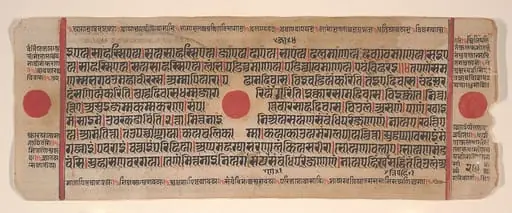
This 1449 religious painting by Bhadrabahu employs ink, opaque watercolor, and gold on paper as its medium. The work, classified as a painting, depicts Jainism and measures 11.4 cm in height by 28.9 cm in width. The use of gold alongside opaque watercolor suggests a rich, decorative surface typical of Jain manuscript and devotional traditions, while the paper support indicates it was produced in India during the mid-15th century.
The combination of precise ink drawing with layered, opaque pigments and gold leaf or gold paint would have created luminous, hierarchically important imagery befitting its religious function.
History & Provenance
Created in 1449 in India, this religious painting titled Untitled was executed by the artist Bhadrabahu. The work utilizes ink, opaque watercolor, and gold on paper to depict themes related to Jainism. Currently held in the collection of the Metropolitan Museum of Art, the piece is cataloged under the accession number 57.51.38.31.
While the specific circumstances of its commission and the detailed chain of ownership prior to its museum acquisition are not explicitly detailed in the available records, the work's inception date and place of origin are firmly established. The painting measures 11.4 cm in height and 28.9 cm in width, reflecting the intimate scale typical of such devotional manuscripts from the region.
The 1449 ink and opaque watercolor painting titled Untitled by Bhadrabahu is held in the collection of the Metropolitan Museum of Art. The institution identifies the work under the accession number 57.51.38.31. While the artwork's physical dimensions and religious subject matter regarding Jainism are documented within the museum's records, the provided sources do not contain specific information regarding past exhibitions or a detailed provenance history beyond its current location and classification.
Overview
This untitled work, created in 1449, is a religious painting executed with ink, opaque watercolor, and gold on paper. It portrays a scene central to Jainism, featuring a revered spiritual leader, Bhadrabahu, engaged in teaching. The small-scale composition captures a moment of instruction under a tree, rendered with vibrant colors and symbolic details that underscore the sacred nature of the depicted event.
Context
This painting serves as a visual representation of Jainism, an ancient Indian religion that emphasizes non-violence and spiritual liberation. Depicting a significant historical figure like Bhadrabahu underscores the tradition's lineage of spiritual teachers and its enduring principles. Such artworks were likely created for devotional purposes, offering a visual aid for meditation or instruction within Jain communities, reinforcing the faith's core tenets and veneration of its leaders.
Artist & collection