Artwork
Untitled
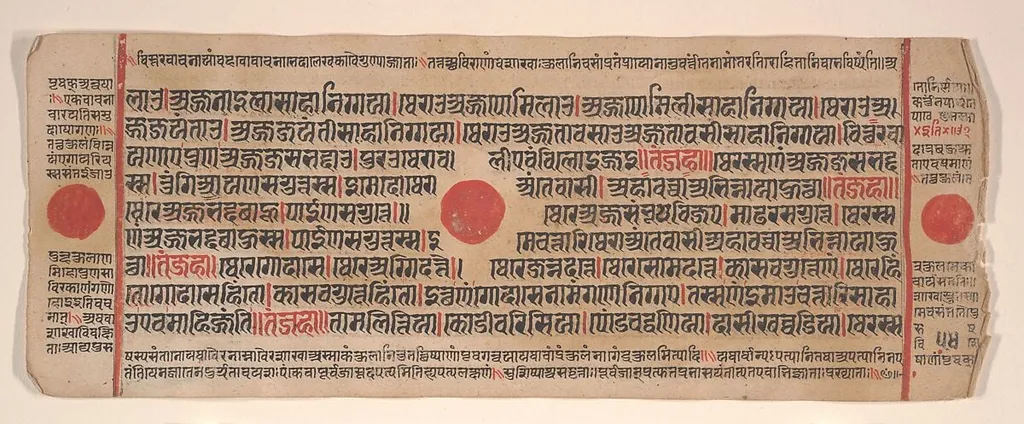
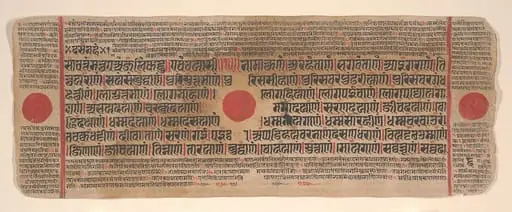
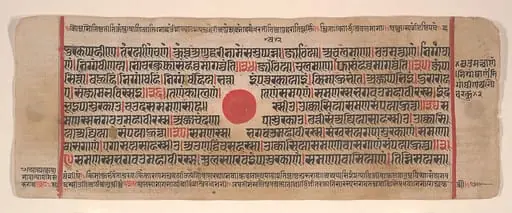
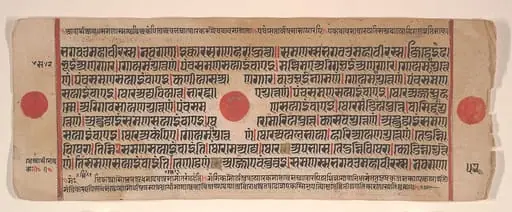
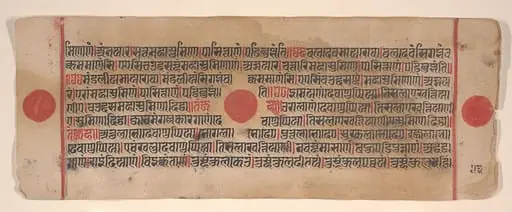
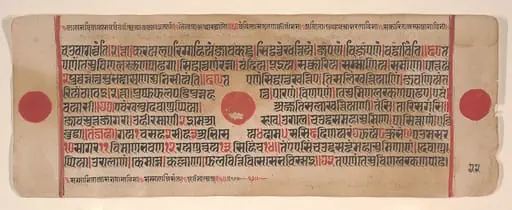
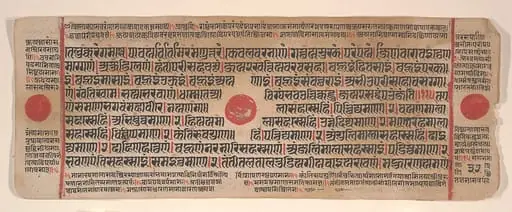
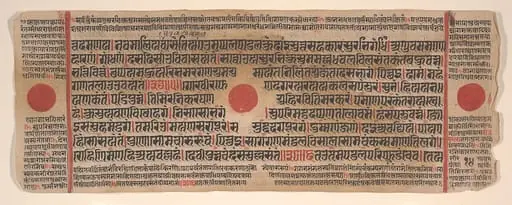
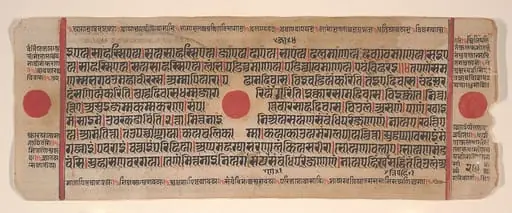
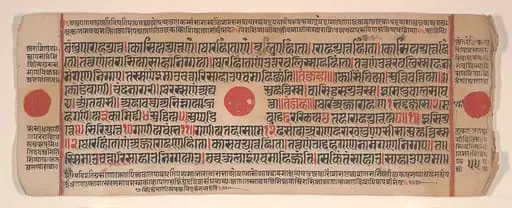
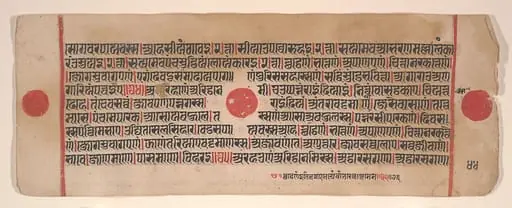
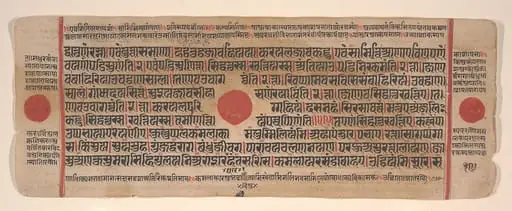
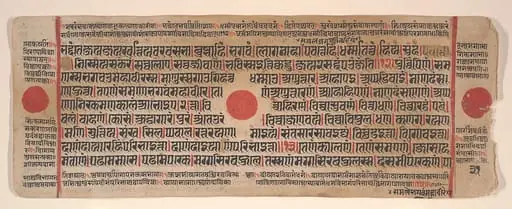
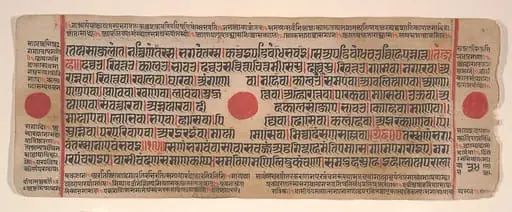
Untitled is a watercolor painting by the Indian Miniature artist Bhadrabahu. It dates from 1449 and is held in the collection of the Metropolitan Museum of Art.
About this work
Subject & Meaning
While the specific narrative scene or individual figures are not detailed in the available records, the iconography is rooted in Jain spiritual traditions.
Created in India in 1449, this work is classified as religious art depicting themes of Jainism. While the specific narrative scene or individual figures are not detailed in the available records, the iconography is rooted in Jain spiritual traditions. Executed in ink, opaque watercolor, and gold on paper, the painting served a devotional rather than decorative function, embodying the tenets of the faith it illustrates.
The use of gold and the choice of medium align with conventional methods for rendering sacred Jain imagery during this period.
Technique & Style
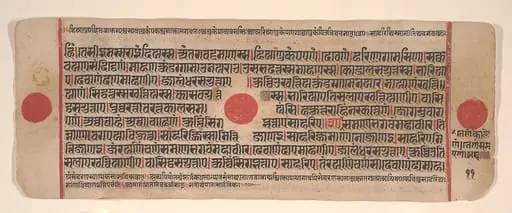
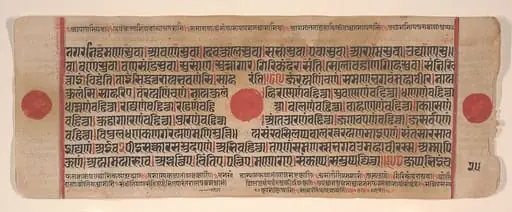
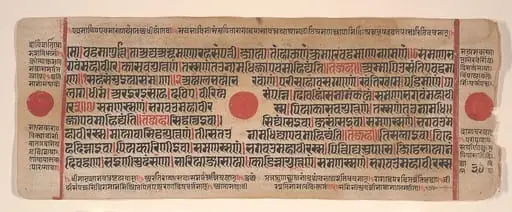
Untitled (1449) is an Indian Jain manuscript painting executed in ink, opaque watercolor, and gold on paper. The work measures approximately 28.9 cm in width and 11.4 cm in height, reflecting the small-scale format typical of devotional manuscripts. Its technique combines fine linear drawing with washes of color and areas of gilding that highlight sacred figures, a hallmark of Jain visual rhetoric.
The support is paper, and the work is housed in the Metropolitan Museum of Art, where it is catalogued under accession number 57.51.38.56.
History & Provenance
The work was created in India in 1449 and belongs to the Jain manuscript tradition of western India. It entered the collection of the Metropolitan Museum of Art, where it is catalogued under accession number 57.51.38.56. The painting's small format and devotional subject suggest it was produced for private worship or portable use. No exhibition history, loan history, or prior provenance details are documented in the available sources.
Context
Untitled (1449) is an example of Jain manuscript illumination, executed in ink, opaque watercolor, and gold on paper to produce a religious composition. The painting belongs to the broader corpus of medieval western Indian Jain manuscript art and exemplifies its stylistic conventions. Its inclusion in the Metropolitan Museum of Art's collection has made it a reference point for the study of Jain visual culture, and its date, dimensions, and use of gold leaf illustrate the material sophistication of contemporary Jain workshops.
Overview
This untitled painting, created in 1449, utilizes ink, opaque watercolor, and gold on paper. It portrays a scene central to Jainism, featuring a revered figure in white robes seated beneath a tree. Surrounding the central figure are various smaller human and animal forms, indicative of its narrative or symbolic content within the Jain tradition. The work functions as a religious illustration.
Artist & collection