Artwork
A marriage party
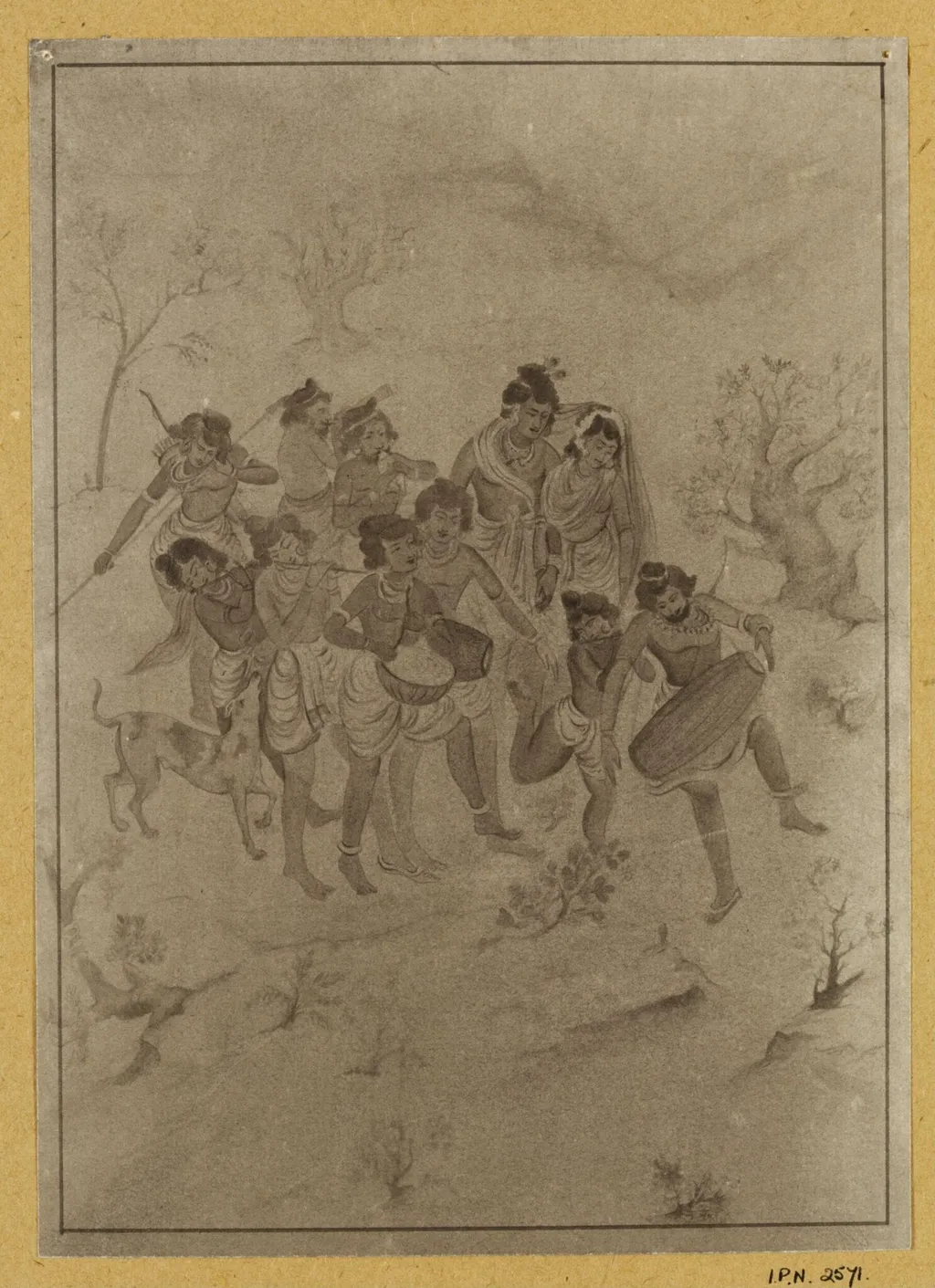
A marriage party is a paint painting by the Bengal School artist Nandalal Bose. It dates from 1900 and is held in the collection of the Victoria and Albert Museum.
About this work
Overview
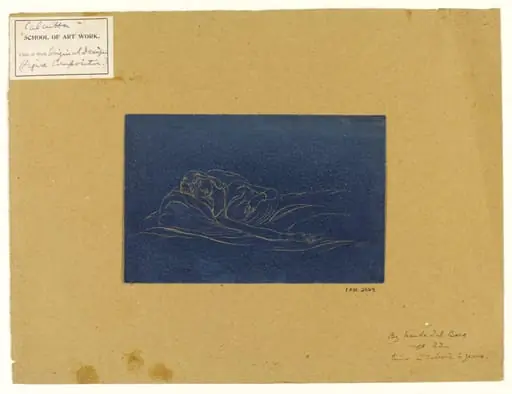
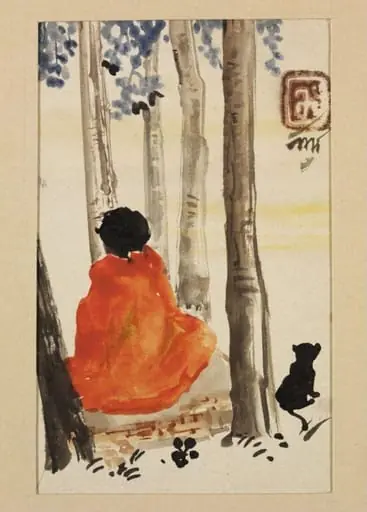
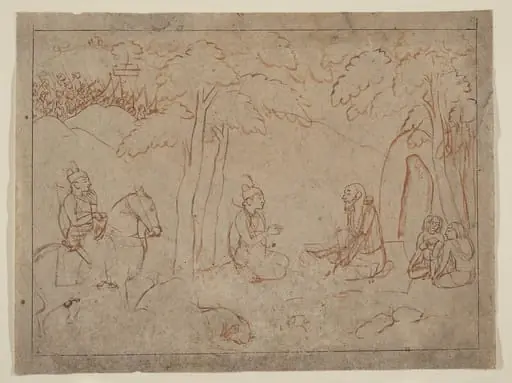
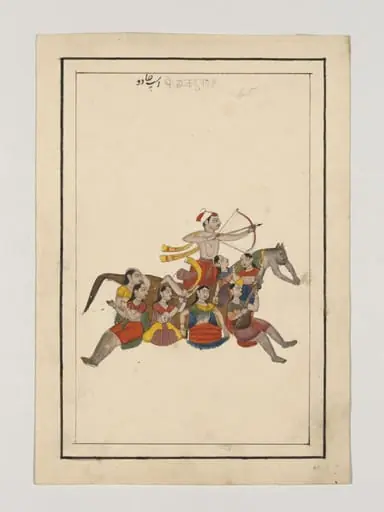
Created early in his career, this monochrome study by Nandalal Bose reflects his formative engagement with the Bengal School’s ideals. Executed in soft gray tones, it captures a tribal wedding procession with restrained elegance, revealing his transition from academic training toward a distinctly Indian visual language rooted in intimacy rather than spectacle.
Subject & Meaning
The painting depicts a bride and groom walking amid musicians, their figures rendered with minimal detail and quiet dignity. Rather than dramatizing the event, Bose focuses on a tender, fleeting moment, neither ceremonial nor theatrical, suggesting a personal, almost private connection between the couple and their surroundings, grounded in rural Indian life.
Technique & Style
Bose employs delicate, flowing lines and subtle tonal gradations to define forms without heavy shading. The absence of color emphasizes line and composition, aligning with the Bengal School’s rejection of Western naturalism. The figures and landscape are simplified, evoking traditional Indian miniatures and folk art while maintaining a lyrical, understated mood.
History & Provenance
This work dates from Bose’s early years as a student under Abanindranath Tagore and E. B. Havell, when he was actively redefining Indian art through indigenous themes. It predates his later, more colorful murals and public commissions, serving as a key example of his personal artistic development during the formative phase of the Bengal School.
Context
In early 20th-century India, artists sought to distance themselves from colonial academic styles by reviving indigenous narratives and aesthetics. Bose’s focus on tribal subjects and quiet moments reflected a broader cultural movement to reclaim spiritual and regional identity, moving away from grand historical epics toward everyday authenticity.
Legacy
This study anticipates Bose’s mature style, where emotional restraint and cultural specificity became hallmarks. Though later works embraced color and scale, this early piece remains significant for its sensitivity and its role in shaping a modern Indian idiom that valued quiet observation over theatrical display.
Artist & collection
Artist
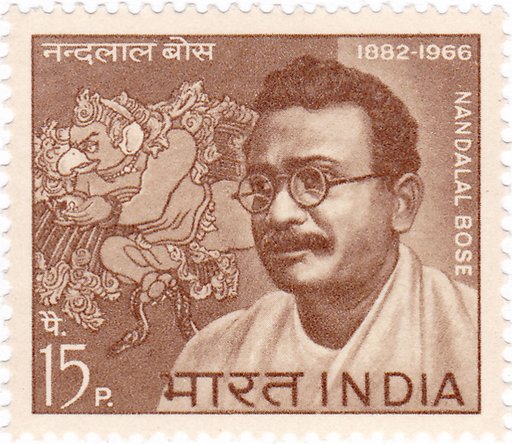
Nandalal Bose was one of the pioneers of modern Indian art and a key figure of Contextual Modernism.