Artwork
Grotto with Friars
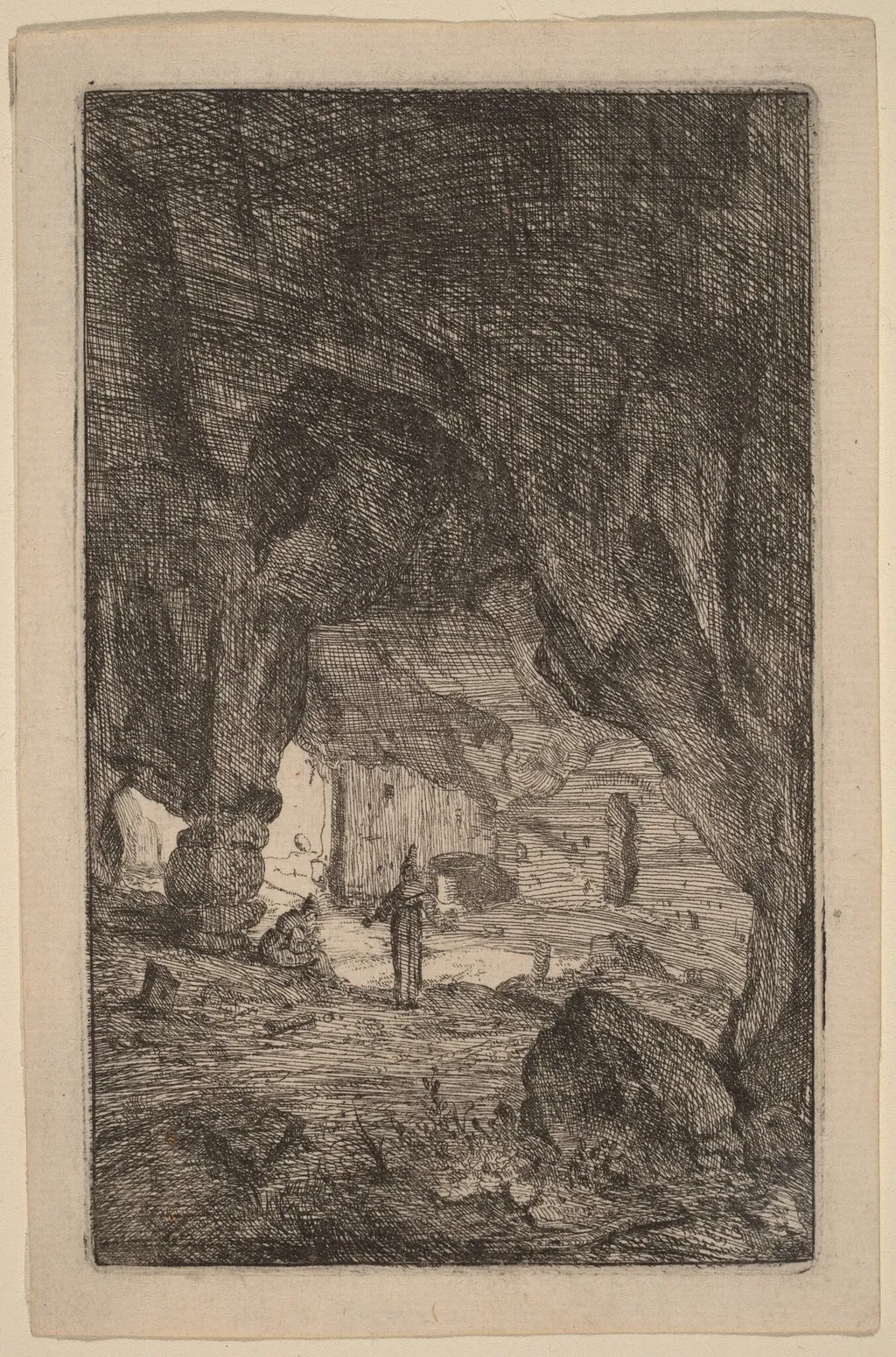
Grotto with Friars is an ink print by the Renaissance artist Bartholomeus Breenbergh. It dates from 1640 and is held in the collection of the National Gallery of Art.
About this work
Overview
Breenbergh, known for his Italianate landscapes and biblical scenes, frequently explored the interplay of light and shadow in grotto settings.
Created in 1640, Grotto with Friars is an etching with drypoint by the Dutch Golden Age artist Bartholomeus Breenbergh. The work depicts a confined, rocky cavern inhabited by three robed figures, likely friars, engaged in quiet contemplation or study. The composition is tightly framed, emphasizing the rough, uneven textures of the cave walls which are rendered through dense cross-hatching and the artist's characteristic use of drypoint burr to create deep, velvety shadows.
Within this dim interior, the figures are arranged in a triangular grouping: one leans on a staff, another holds an open book, and a third rests their head on their hand in a gesture of thought. A small table in the foreground holds a pitcher and a cup, grounding the scene in a humble, ascetic reality. Breenbergh, known for his Italianate landscapes and biblical scenes, frequently explored the interplay of light and shadow in grotto settings.
This print exemplifies his skill in translating atmospheric depth and textural variety into the graphic medium, capturing a moment of spiritual introspection within a natural, rugged environment.
Subject & Meaning
The composition depicts a dimly lit grotto where three monks are gathered. One leans on a walking staff, another studies a book, while the third rests his head on his hand, suggesting contemplation or scholarly activity. A low table bearing a pitcher and cup adds a domestic, ritualistic element to the scene.
Technique & Style
Breenbergh employed both etching and drypoint, allowing for delicate line work and rich, velvety shading. The drypoint burr creates soft, dense tones that render the rocky walls and textured surfaces with a tactile quality. This hybrid approach was a common practice among 17th‑century printmakers seeking greater tonal depth.
History & Provenance
Created in the mid‑17th century, the print reflects the period’s interest in combining religious subject matter with naturalistic detail. While specific ownership records are scarce, the work is catalogued among Breenbergh’s known prints and appears in several museum collections specializing in Dutch Golden Age graphic art.
Own this work as a print
Artist & collection


![The Fantastic Rocks and Castle at Bomarzo [verso], by Bartholomeus Breenbergh](https://artifactworldgallery.com/img/bartholomeus-breenbergh--the-fantastic-rocks-and-castle-at-bomarzo-verso--5a96047e30ba1d0f-w320.webp)
![The Fantastic Rocks and Castle at Bomarzo [recto], by Bartholomeus Breenbergh](https://artifactworldgallery.com/img/bartholomeus-breenbergh--the-fantastic-rocks-and-castle-at-bomarzo-recto--e05f03da6f1f9c0a-w320.webp)
- Ruins of an Amphitheater
 The Hunter
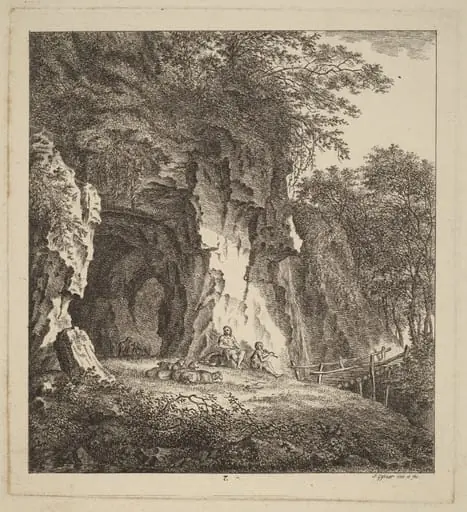 Two Shepherds in a Rocky Landscape
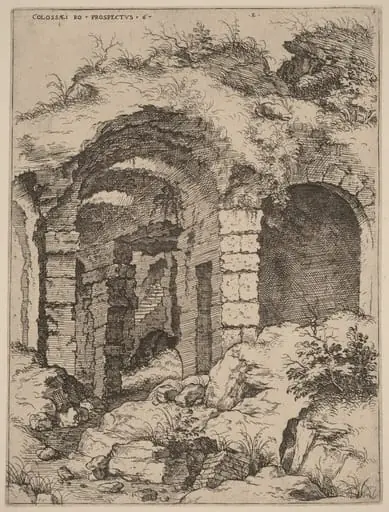 Sixth View of the Colosseum
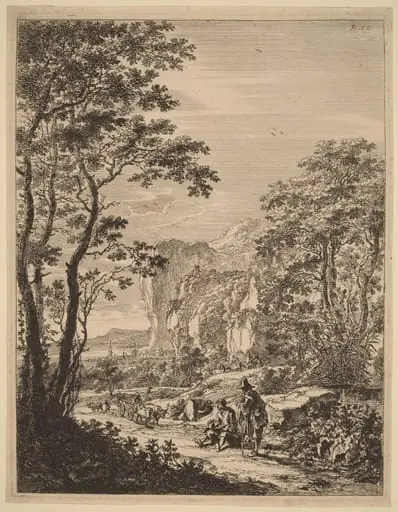 The Ox-Cart: View between Ancona and Sinigaglia
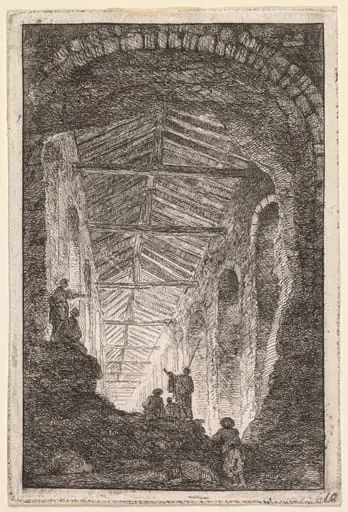 The Antique Gallery
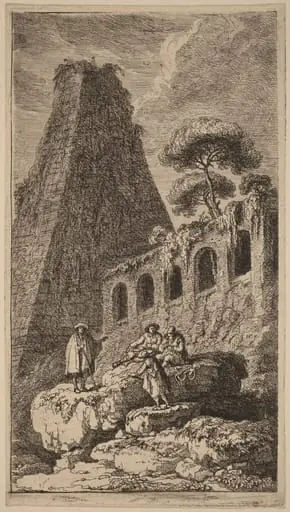 The Pyramid of Sesto near the Gates of St. Pauli in Rome
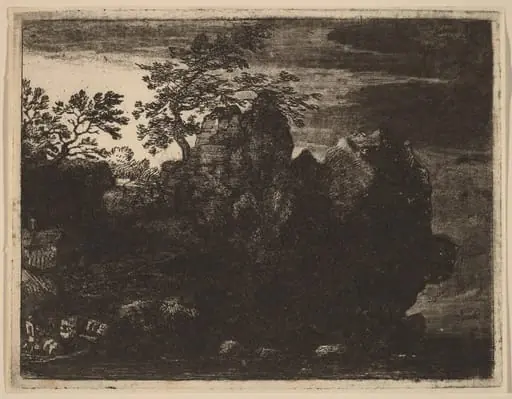 Large Rock at the River
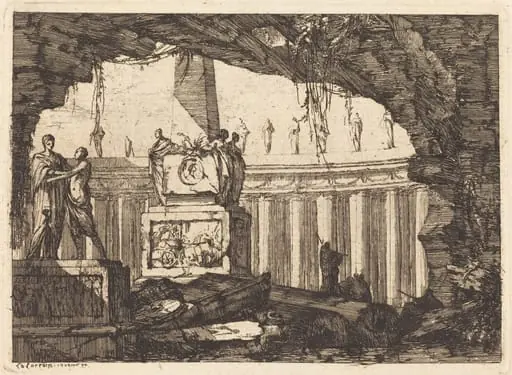 Architectural Fantasy with an Obelisk and Arcade
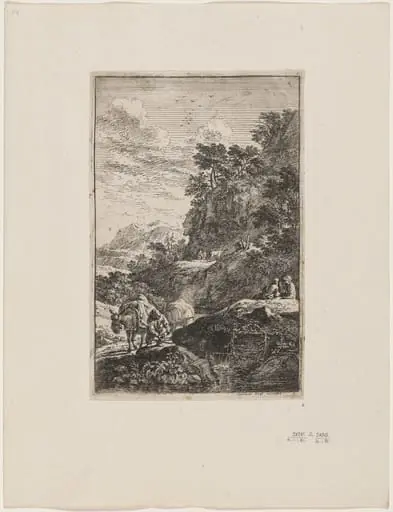 Drover with Two Mules
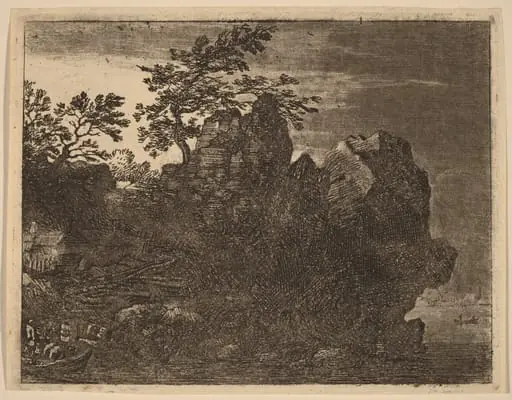 Large Rock at the River
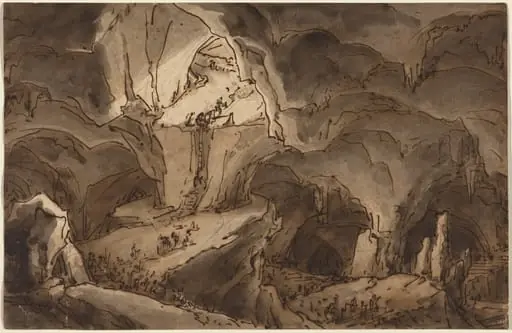 Entrance to the Bowels of the Earth