Artwork
Exempel und Lehr Jetziger Welt Lauf
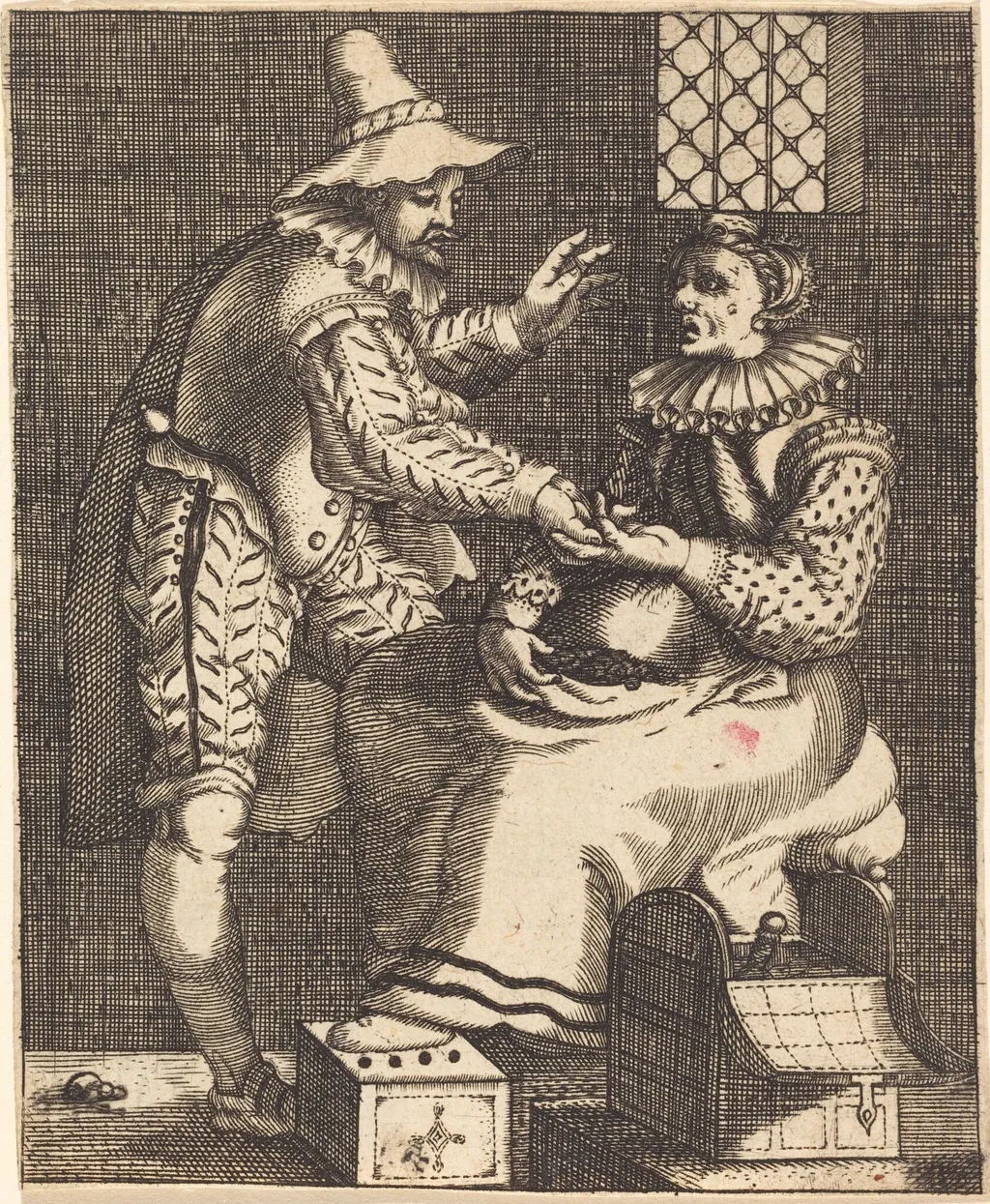
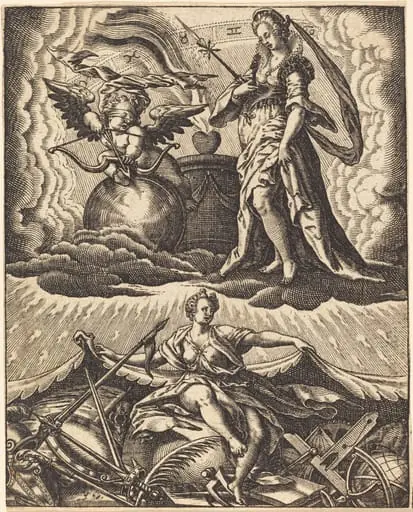
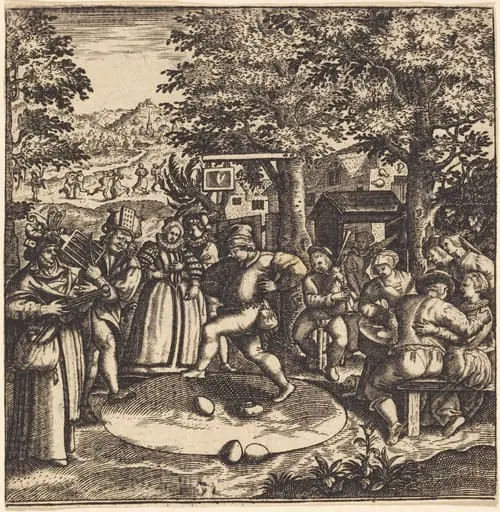
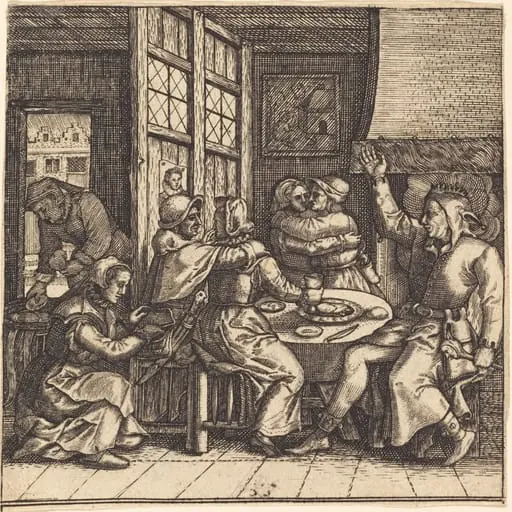
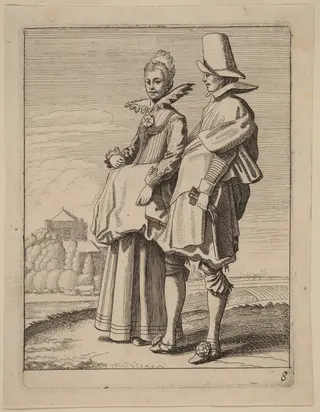
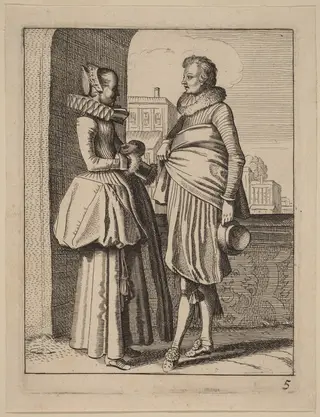
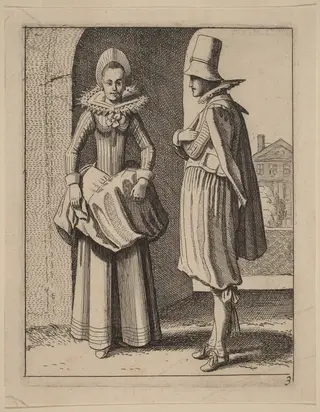
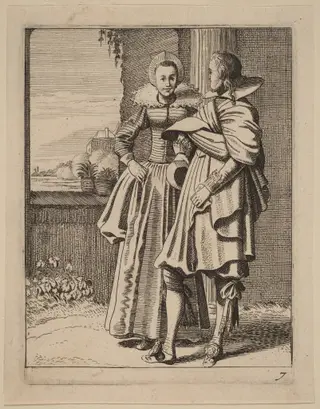
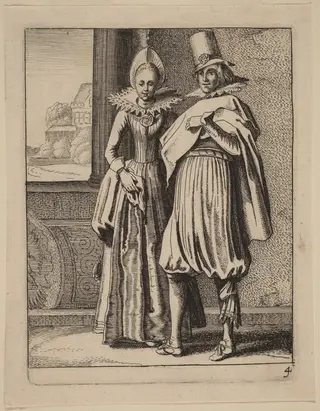
Exempel und Lehr Jetziger Welt Lauf is an ink print by the Baroque artist Andreas Bretschneider III. It dates from 1622 and is held in the collection of the National Gallery of Art.
About this work
Overview
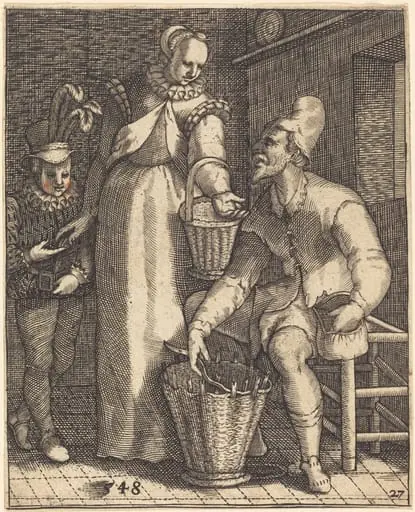
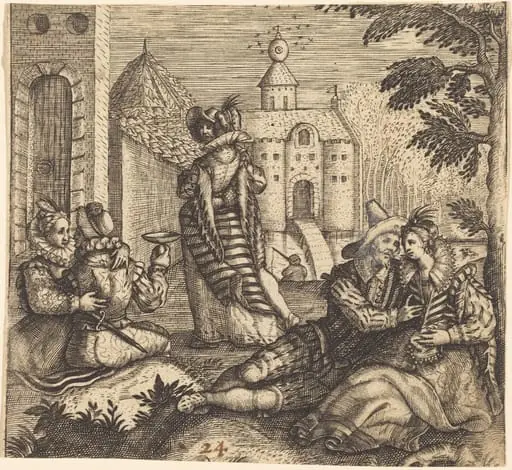
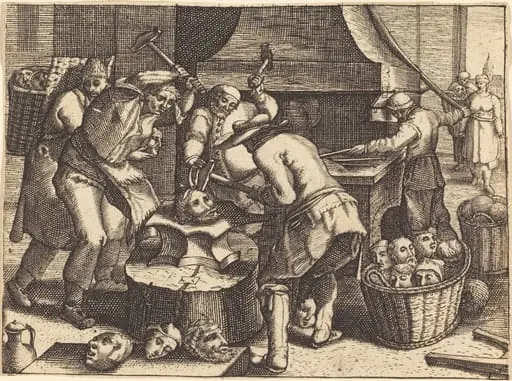
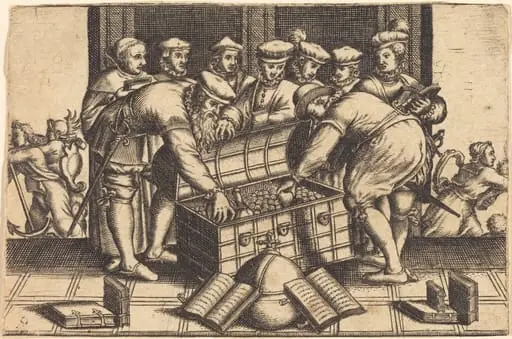
Rendered in fine linear detail, the composition centers on two figures engaged in a silent exchange, surrounded by an intimate, shadowed interior.
Created in 1622 by Andreas Bretschneider III, this etching is a single-print work that captures a moment of moral instruction. Rendered in fine linear detail, the composition centers on two figures engaged in a silent exchange, surrounded by an intimate, shadowed interior. The technique of etching allows for precise, controlled lines that emphasize texture and gesture, reinforcing the scene’s contemplative tone.
Subject & Meaning
The image presents a symbolic encounter between two figures: one clad in somber, authoritative robes pointing skyward, the other in ornate attire, hand on chest, reaching toward a small box marked with an unfamiliar sigil. The contrast suggests a lesson in humility or spiritual warning, with the box possibly representing worldly temptation or hidden knowledge. The dynamic between them implies a transfer of moral insight rather than mere dialogue.
Technique & Style
Bretschneider employed etching to achieve sharp, incised lines and subtle tonal gradations. The dim interior is built through cross-hatching and controlled ink density, drawing attention to the expressive hands and faces. The textures of fabric, wood, and stone are rendered with deliberate precision, enhancing the tactile realism of the scene while maintaining a restrained, almost theatrical lighting that isolates the figures from their surroundings.
History & Provenance
The work originates from early 17th-century Germany, a period marked by religious and philosophical introspection. Though little is documented about Bretschneider’s life, this print aligns with contemporary moralizing imagery produced for private collectors. Its survival suggests it was valued as a didactic object, possibly circulated among educated circles interested in allegorical visual culture.
Context
Produced during the Thirty Years’ War, the print reflects a broader European trend of using visual allegory to convey ethical lessons amid social upheaval. Similar imagery appeared in emblem books and religious pamphlets, where symbols like the upward-pointing staff and mysterious box served as visual metaphors for divine judgment or the transience of earthly wealth.
Legacy
While not widely reproduced, this etching remains a representative example of Northern European moral prints from the early Baroque era. It contributes to the understanding of how visual symbolism was used to communicate complex ideas in a pre-literate or semi-literate context, preserving a quiet but persistent tradition of didactic imagery in print culture.
Own this work as a print
Artist & collection