Artwork
Mr. Tucker of Yeovil
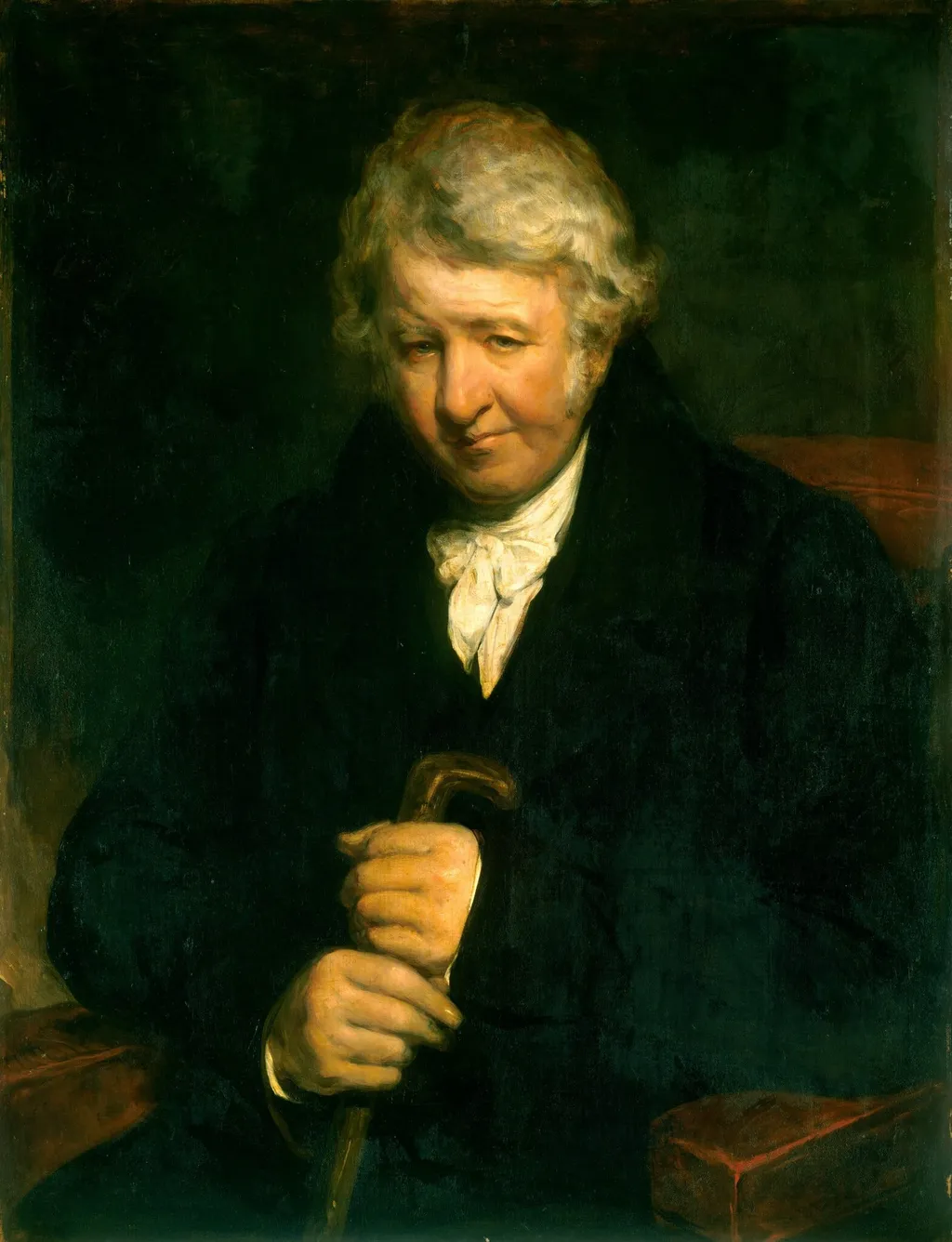
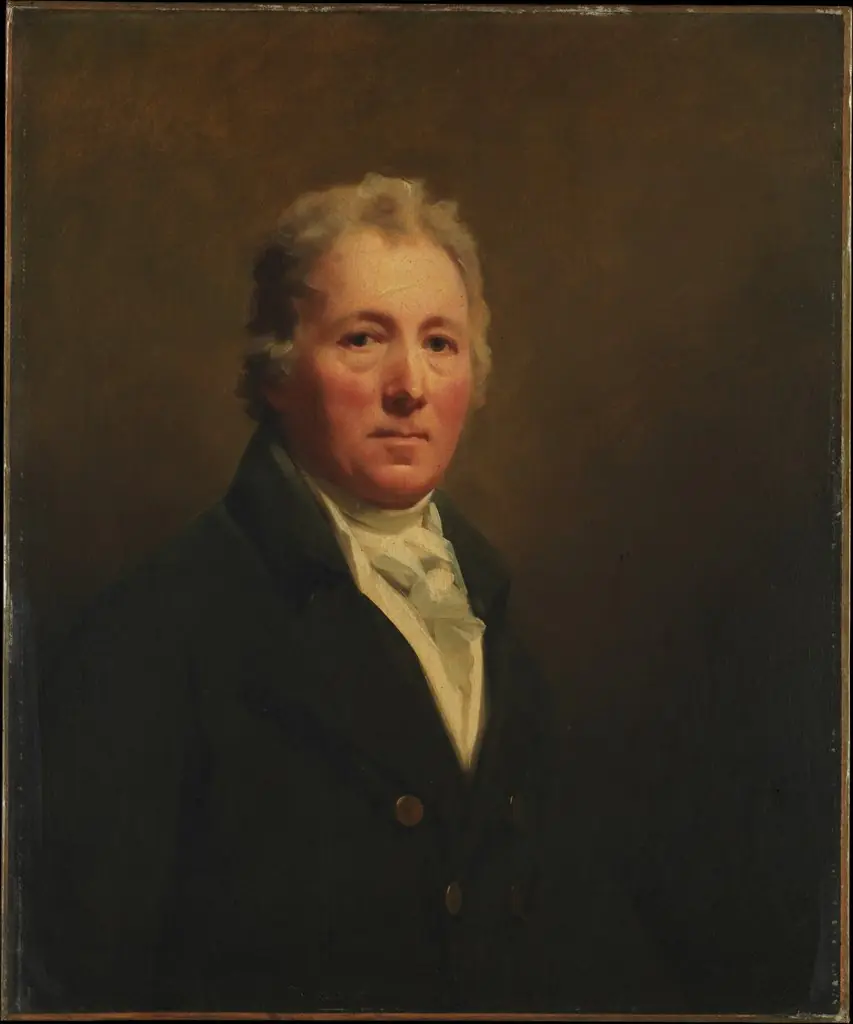
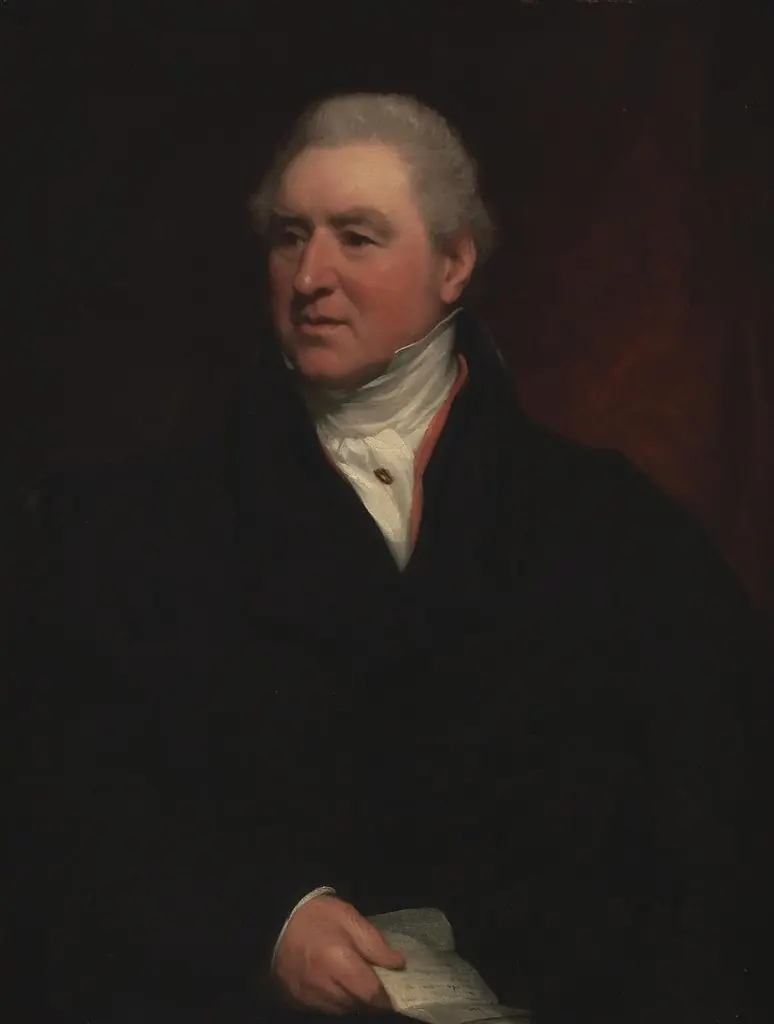
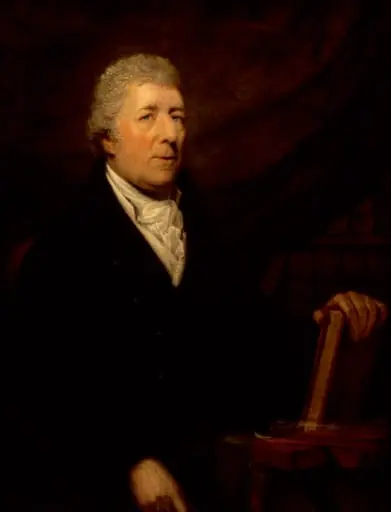
Mr. Tucker of Yeovil is an oil painting. It dates from 1810 and is held in the collection of the National Gallery of Art. The work titled Mr.
About this work
Technique & Style
Attributed to a British artist active in the 19th century, the piece exemplifies the oil-on-canvas technique characteristic of the period's portrait tradition.
Created in 1800, Mr. Tucker of Yeovil is an oil painting executed on a canvas support. The work measures 91.3 cm in height and 71.4 cm in width. Attributed to a British artist active in the 19th century, the piece exemplifies the oil-on-canvas technique characteristic of the period's portrait tradition.
The National Gallery of Art in Washington, D.C., currently holds the painting, which was acquired as a gift in 1976 following its time in private collections.
History & Provenance
The painting Mr. Tucker of Yeovil is dated to 1800. By 1954, the work was in the collection of J.H. Bingham, where it was attributed to George Smith of Chichester. It later entered the collection of Dr. and Mrs. Henry L. Feffer in Bethesda, Maryland, at which point the attribution shifted to William Smith of Chichester.
The Feffers subsequently gifted the painting to the National Gallery of Art in Washington, D.C., in 1976. The specific circumstances regarding the original commission or the precise creation timeline beyond the 1800 date are not detailed in the available records.
The work is held by the National Gallery of Art, Washington, D.C., where it entered the collection in 1976 as a gift from Dr. and Mrs. Henry L. Feffer.
It is recorded under accession number 1976.1.1 in the museum’s holdings. The painting was previously owned by J.H. Bingham by 1954 and later by Dr. and Mrs. Feffer, who donated it to the National Gallery of Art in 1976.
Context
Mr. Tucker of Yeovil is an oil on canvas painting attributed to a British 19th-century artist, documented in the National Gallery of Art's collection in Washington, D.C. Provenance records indicate a chain of ownership beginning with J.H. Bingham by 1954, later passing through the Bingham collection at the Graves Art Gallery in Sheffield, then to Dr. and Mrs. Henry L. Feffer before its donation to the National Gallery of Art in 1976. The work measures 71.4 cm in width and 91.3 cm in height, reflecting the scale typical of early 19th-century British portraiture.
Scholarly attention to the painting remains limited, with minimal critical commentary noted in available records. Its attribution to the British 19th century aligns with broader categorizations of portraiture from the period, though specific analyses of its stylistic or historical significance within art history are not widely cited in the provided sources.
Overview
The work titled Mr. Tucker of Yeovil is an oil painting on canvas that presents a solitary figure in a dark coat. The composition isolates the sitter against an unadorned, sombre backdrop, drawing attention to his facial features and hands. The restrained setting emphasizes the portrait’s intimate, observational character.
Subject & Meaning
The portrait depicts a middle‑aged man with greying, slightly wavy hair, a neatly tied white cravat, and a walking stick held in one hand. The direct, unembellished rendering suggests a focus on the individual’s personal dignity and social standing, while the subdued attire and accessories hint at the modest respectability of a provincial gentleman.
Artist & collection