Artwork
William Forsyth (1749–1814)
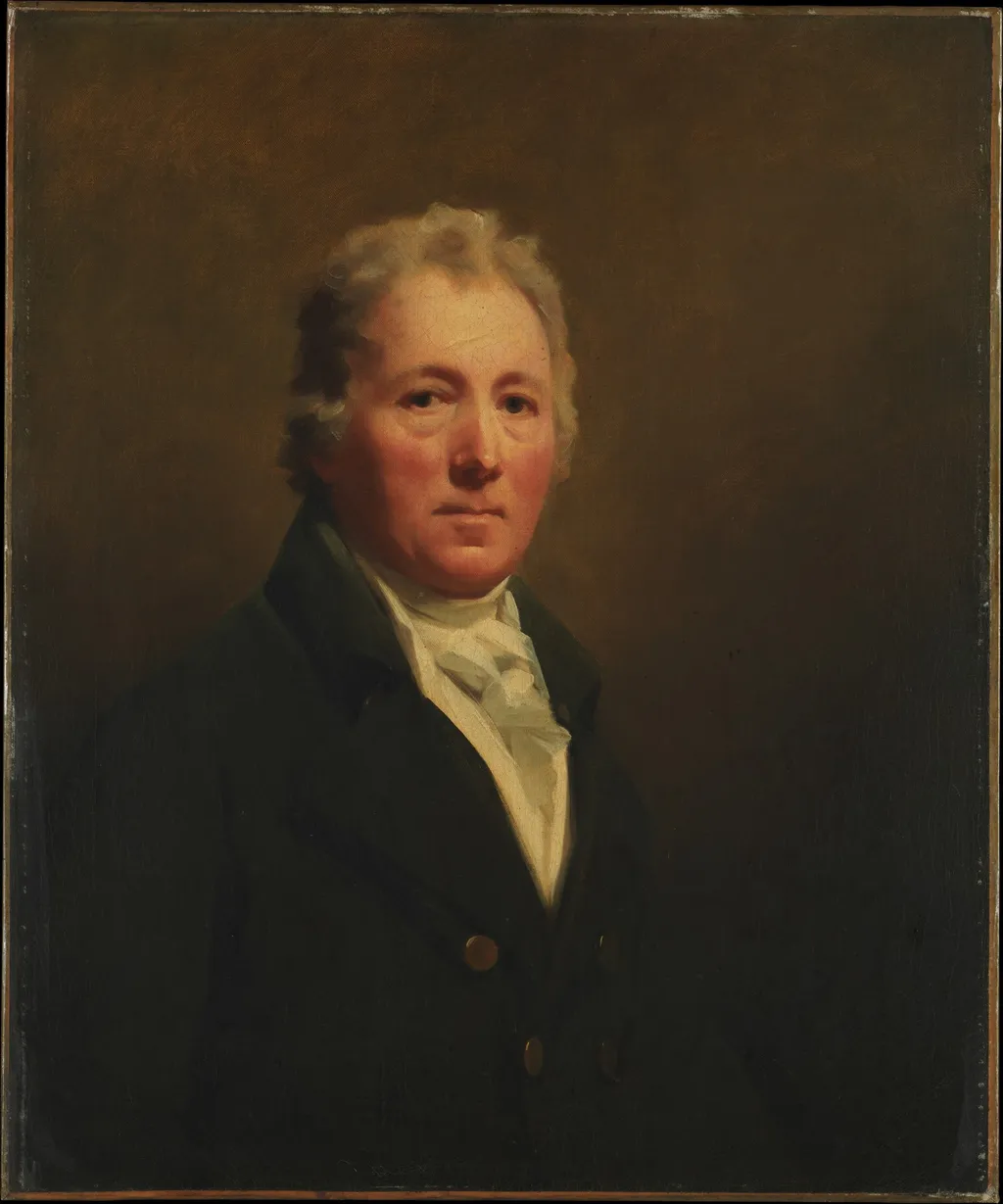
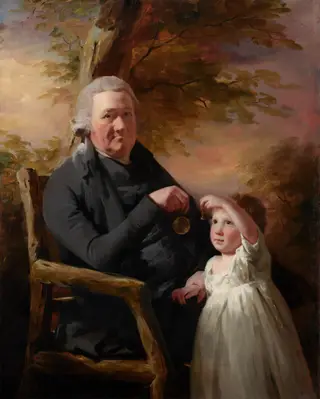
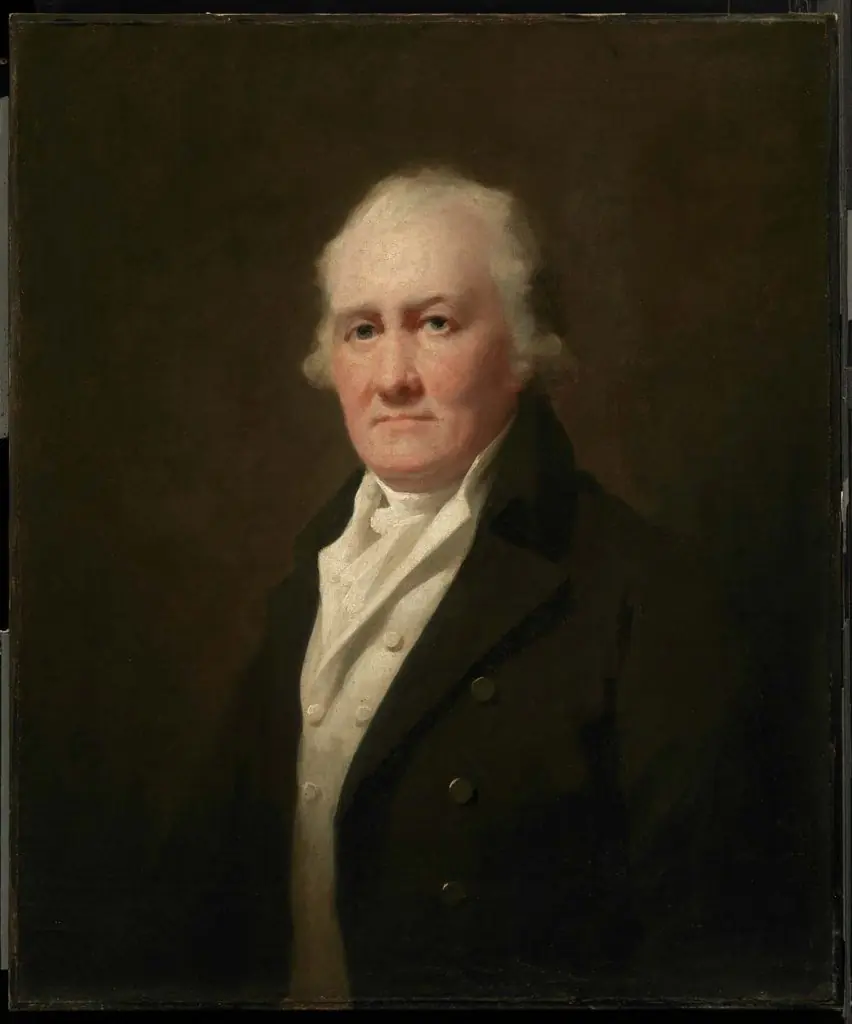
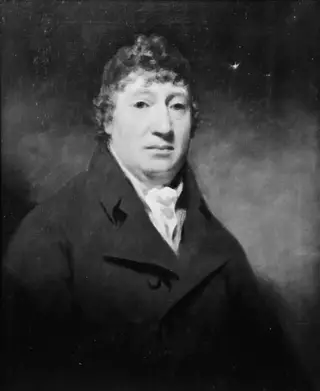
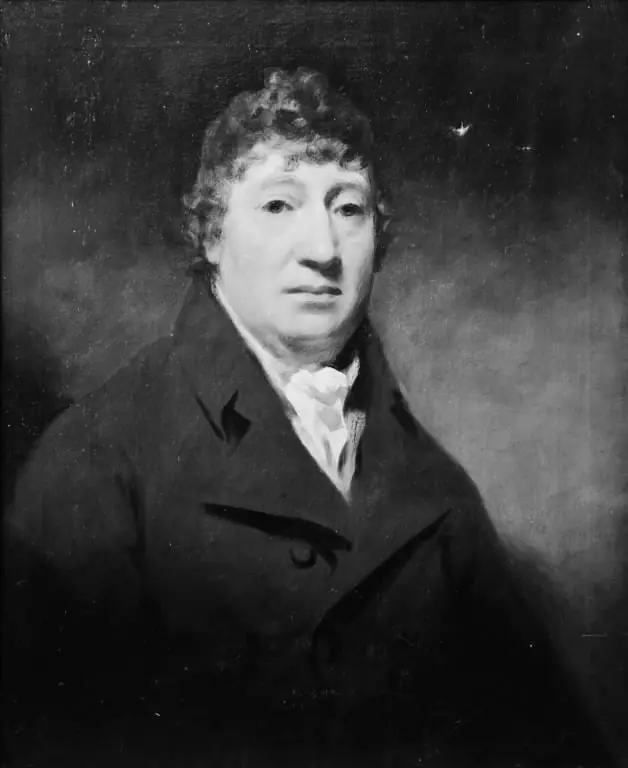
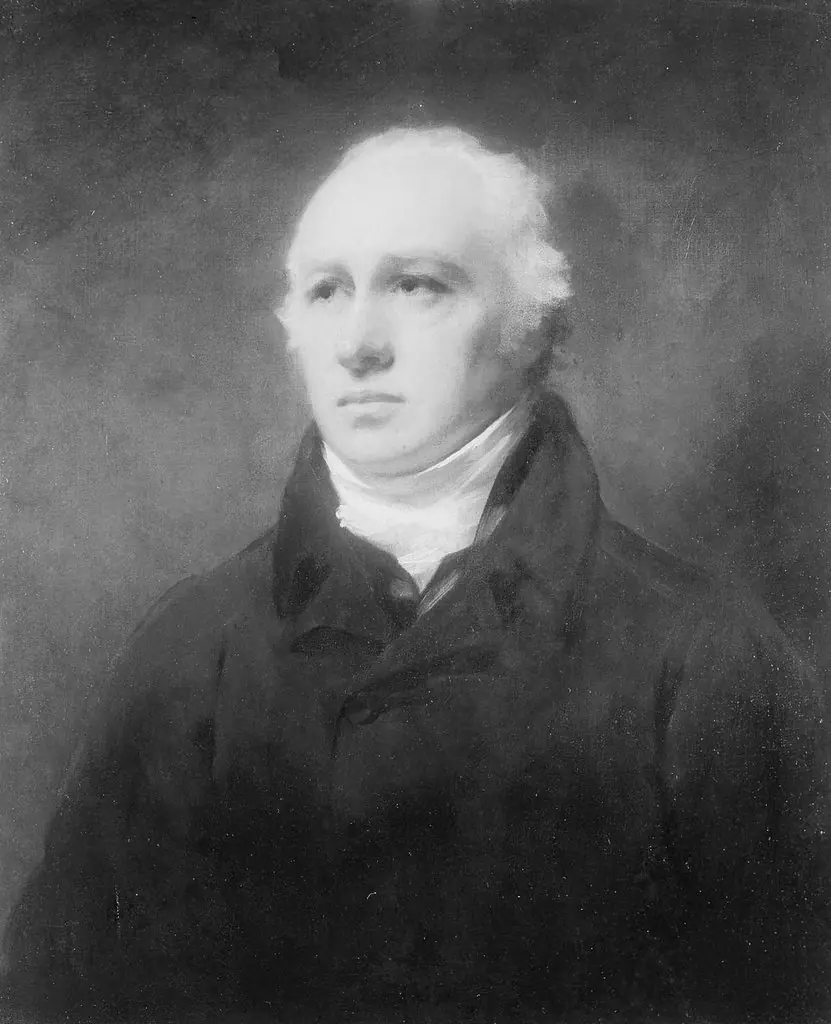
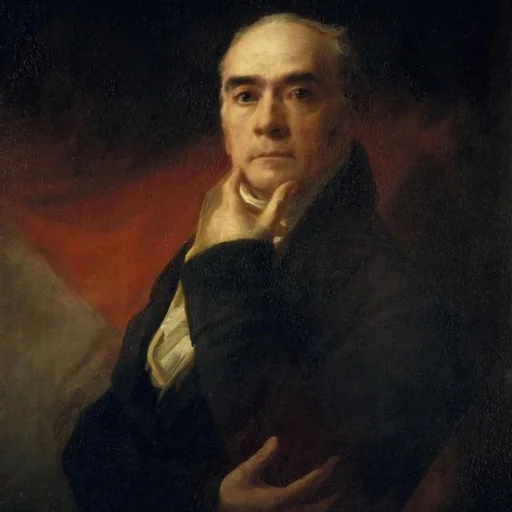
William Forsyth (1749–1814) is an oil painting by Henry Raeburn. It dates from 1800 and is held in the collection of the Metropolitan Museum of Art.
About this work
Subject & Meaning
The work follows the conventions of contemporary portraiture, presenting the sitter in a dignified pose that underscores his social standing.
The portrait, titled William Forsyth (1749–1814), shows a gentleman rendered in oil on canvas in 1800. It measures 76.2 cm by 63.2 cm and is part of the Metropolitan Museum of Art collection. The work follows the conventions of contemporary portraiture, presenting the sitter in a dignified pose that underscores his social standing.
As a representation of a specific individual, the painting functions both as a record of his appearance and as a statement of status within early-19th-century British society.
Technique & Style
Executed in 1800, this portrait of William Forsyth is an oil painting on canvas. The work measures 76.2 cm in height and 63.2 cm in width. Created by Sir Henry Raeburn, the piece adheres to the conventions of portraiture from the turn of the nineteenth century, utilizing oil paint to render the likeness of the sitter.
History & Provenance
This oil-on-canvas portrait was created by Sir Henry Raeburn in 1800. The work depicts William Forsyth (1749–1814) and measures 76.2 cm in height by 63.2 cm in width. It currently resides in the collection of the Metropolitan Museum of Art. No specific accession number or exhibition history is documented in the available sources.
Context
The painting William Forsyth (1749–1814) is an early nineteenth-century portrait executed in oil on canvas by Sir Henry Raeburn in 1800. Measuring 76.2 cm by 63.2 cm, the work is classified as a portrait and is part of the collection of the Metropolitan Museum of Art in New York. Its creation reflects the formal portraiture practices of British artists during the Regency period, and its inclusion in a major museum collection underscores its significance within Raeburn's oeuvre and the broader development of portrait painting in Britain.
Overview
Henry Raeburn completed this oil portrait of William Forsyth in 1800. The painting captures its subject with a serious demeanor, his form emerging from a muted background. Raeburn, a prominent Scottish artist, rendered Forsyth's features and attire with a focus on subtle detail and controlled illumination, creating a dignified and direct representation. The work is now part of the collection at The Metropolitan Museum of Art.
Own this work as a print
Artist & collection
Artist
Sir Henry Raeburn (; 4 March 1756 – 8 July 1823) was a Scottish portrait painter. He served as Portrait Painter to King George IV in Scotland.