Artwork
L'Orage (The Storm)
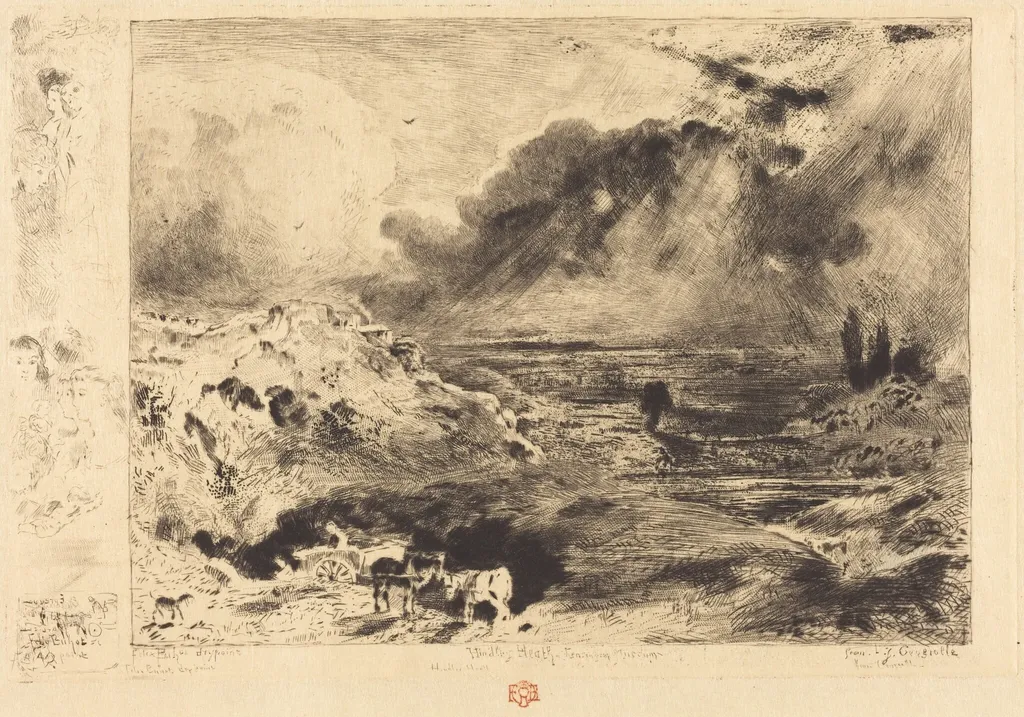
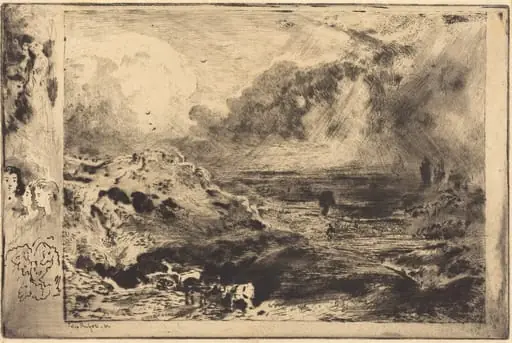
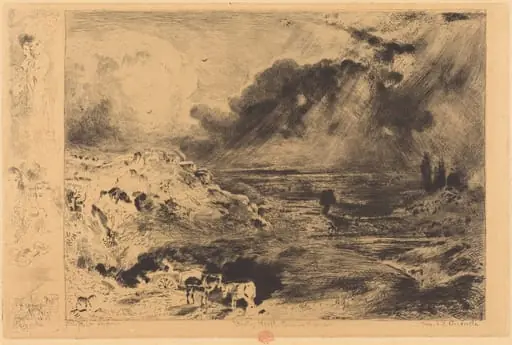
L'Orage (The Storm) is an ink print by the Impressionist artist Félix-Hilaire Buhot. It dates from 1879 and is held in the collection of the National Gallery of Art.
- Inscription
- Inscribed:lower left in plate: Felix Buhot drypoint / Felix Buhot drypoint; lower center in plate: Hindley Heath - Kensington Museum / Hindley Heath; lower right in plate: from L.Z. Gerstolle / from Constable; lower center stamped in red: FB (Lugt 978); lower left margin in plate, enclosed within rectangle: Epreuve d'artiste (in reverse) / Félix Buhot sc / drypoint / FBAQ
About this work
Overview
The composition features rolling hills beneath a dark, swirling cloud mass that conveys the imminent force of a storm.
Félix-Hilaire Buhot's 'L'Orage' (The Storm), created in 1879, is a masterful example of the artist's innovative approach to printmaking during the late 19th century. Executed as a drypoint and roulette print with isolated areas of etching and possibly salt lift on Japanese paper, the work depicts a dramatic rural landscape dominated by a turbulent sky. The composition features rolling hills beneath a dark, swirling cloud mass that conveys the imminent force of a storm.
In the foreground, a small group of figures and several cows appear faint and indistinct, their forms rendered with rough, textured lines that emphasize their vulnerability against the elemental chaos. Buhot utilizes the unique properties of Japanese paper to enhance the atmospheric depth, allowing the ink to settle in varied tones that mimic the shifting light of a tempest. This piece reflects Buhot's significant contribution to the revival of etching in France, where he moved beyond traditional techniques to experiment with texture, tone, and the expressive potential of the medium.
The work stands as a testament to his ability to capture fleeting atmospheric conditions and the emotional weight of nature through the intricate interplay of line and shadow.
Subject & Meaning
The work captures a moment of impending weather, emphasizing the power of nature over the pastoral setting. The looming storm cloud and the wind‑tossed atmosphere suggest a fleeting, perhaps ominous, interruption to everyday rural life, inviting contemplation of humanity’s vulnerability within the natural world.
Technique & Style
Buhot combines drypoint’s crisp, burr‑laden lines with roulette‑produced textures, creating a contrast between sharply defined outlines and softer, smudged areas. Isolated etching and a possible salt‑lift process introduce tonal variation, while the Japanese paper’s rough surface enhances the sense of movement and unfinished immediacy in the sky and terrain.
History & Provenance
Printed in the late nineteenth century, L’Orage reflects Buhot’s interest in experimental printmaking methods that were gaining popularity among French artists. The piece has been documented in several collections of 19th‑century prints, though specific ownership records prior to its inclusion in museum holdings remain limited.
Context
Created during a period when French printmakers were exploring new textures and atmospheric effects, the work aligns with contemporary interests in naturalism and the depiction of fleeting weather conditions. Its use of Japanese paper also mirrors the broader Japonisme trend influencing European artists of the era.
Own this work as a print
Artist & collection

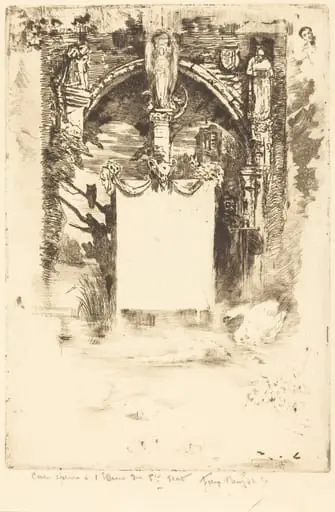 Ex-Libris pour "L'Ensorcelée" (Bookplate for "L'Ensorcelée")
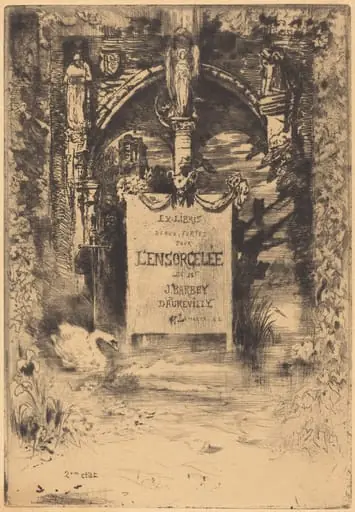 Ex-Libris pour "L'Ensorcelée" (Bookplate for "L'Ensorcelée")
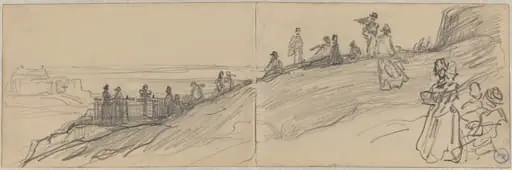 Figures on Top of a Hill, Overlooking the Sea
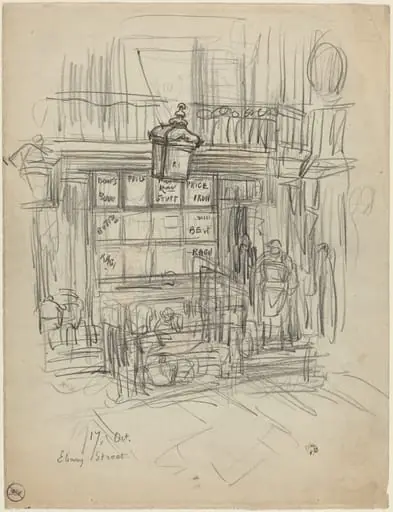 Ebury Street
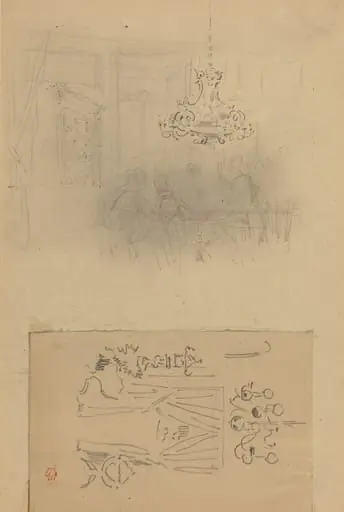 A Gathering in an Interior; A Curtained Doorway
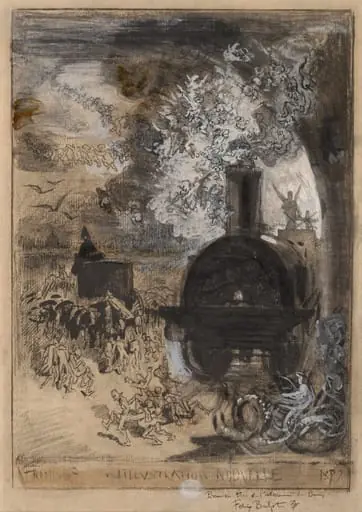 Frontispiece for L'Illustration Nouvelle: The Burial of the Burin
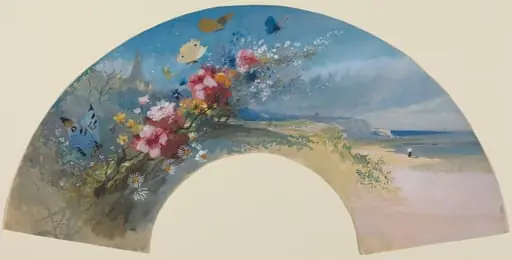 Fan with Wildflowers and Butterflies against the Norman Coast
![Gillingham Pier, London [verso], by Félix-Hilaire Buhot](https://artifactworldgallery.com/img/felix-hilaire-buhot--gillingham-pier-london-verso--641e03dd7de8217b-w320.webp) Gillingham Pier, London [verso]
Gillingham Pier, London [verso]