Artwork
Envy
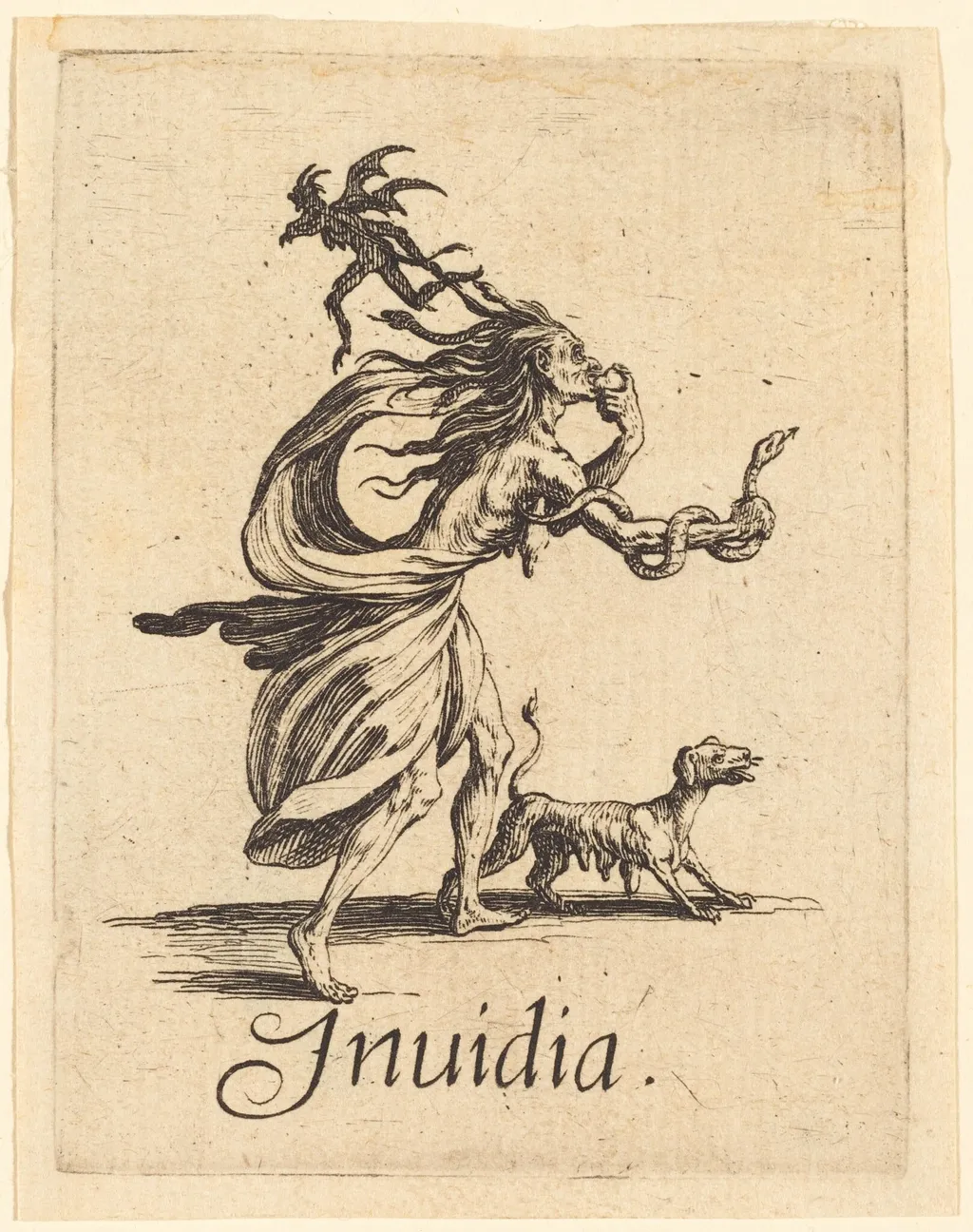
Envy is an ink print by the Baroque artist Jacques Callot. It dates from 1621 and is held in the collection of the National Gallery of Art.
About this work
Overview
Created circa 1621, Envy is an etching and engraving executed on laid paper by Jacques Callot, a prominent French printmaker of the early Baroque period. The work exemplifies Callot’s prolific output, which includes more than a thousand prints that document a wide range of social and religious subjects.
Subject & Meaning
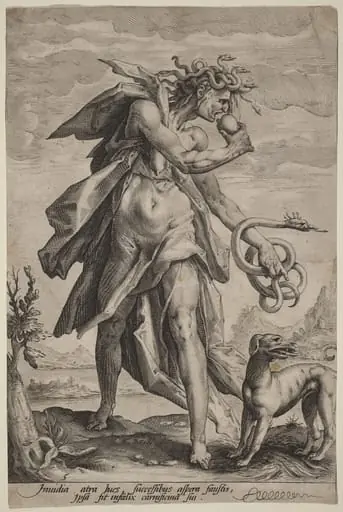
The composition presents a solitary woman, her long hair and billowing dress caught by an unseen wind, as she grasps a coiled snake and appears to blow into it.
The composition presents a solitary woman, her long hair and billowing dress caught by an unseen wind, as she grasps a coiled snake and appears to blow into it. A small dog crouches at her feet, while a diminutive winged figure with a human face hovers above. These elements combine to form an allegorical representation of the sin of envy, a common moral theme in seventeenth‑century visual culture.
Technique & Style
Callot employed a hybrid of etching and engraving, allowing him to achieve both delicate tonal washes and crisp linear detail. The use of laid paper provides a subtle texture that enhances the light‑colored background, while the intricate rendering of the figure’s drapery and the animal forms reflects the Baroque interest in movement and dramatic contrast.
History & Provenance
The print belongs to Callot’s extensive series of figurative works that portray everyday life and moralizing subjects. Produced in the Duchy of Lorraine, it circulated among collectors and patrons interested in the emerging French print market of the early seventeenth century, though specific ownership records for this particular impression are scarce.
Context
During Callot’s career, the print medium was increasingly used to disseminate allegorical and didactic imagery. Envy aligns with contemporary artistic conventions that personified the seven deadly sins, offering viewers a visual meditation on moral vice within a richly detailed, yet compact, format.
Legacy
Callot’s innovative combination of etching and engraving techniques influenced later printmakers across Europe, establishing a model for the nuanced treatment of allegorical subjects. Works such as Envy continue to be studied for their technical mastery and their role in the visual vocabulary of Baroque moral allegory.
Own this work as a print
Artist & collection
Artist
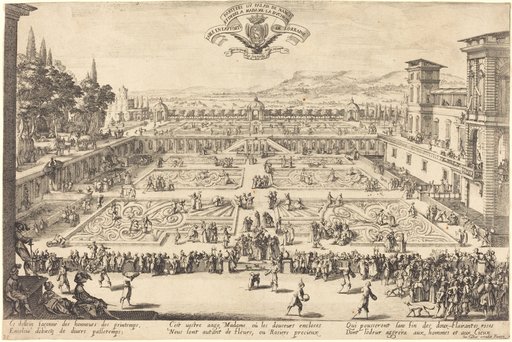
Jacques Callot (French: ; c. 1592 – 1635) was a baroque printmaker and draftsman from the Duchy of Lorraine. He is an important person in the development of the old master print. He made more than 1,400 etchings that…

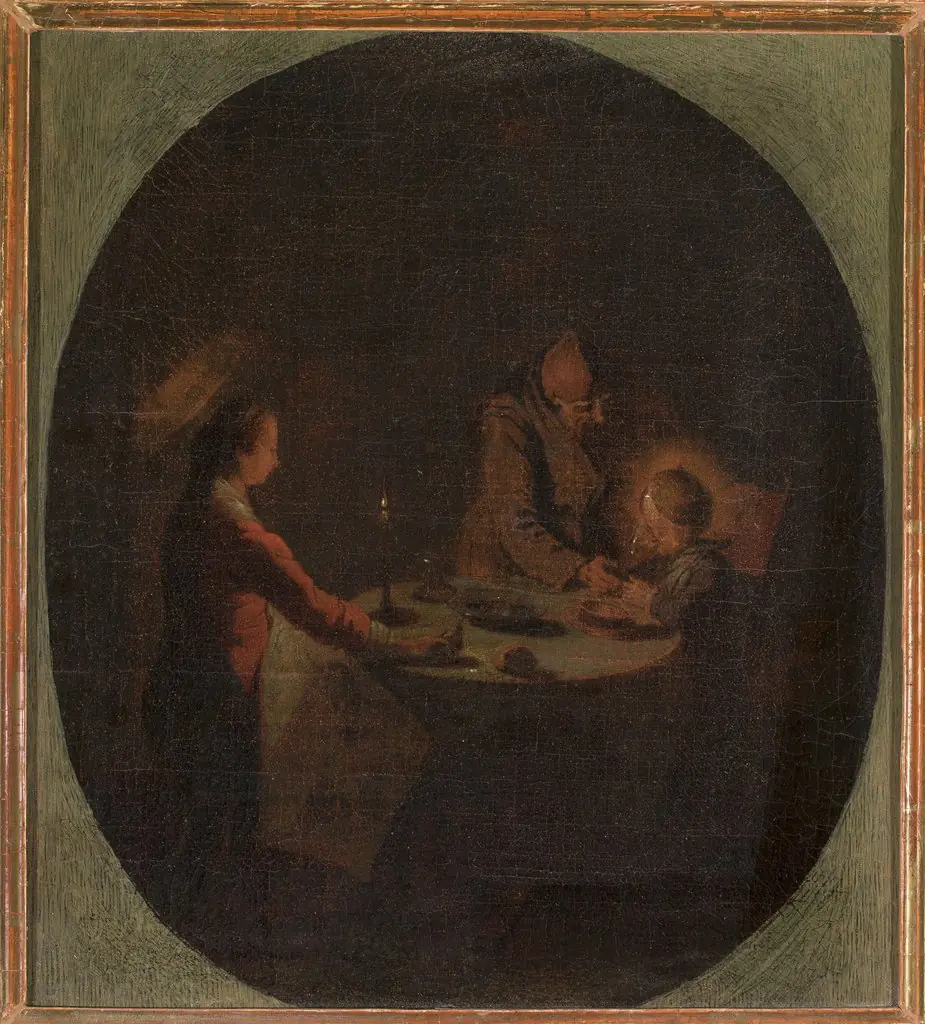 Holy Family at supper
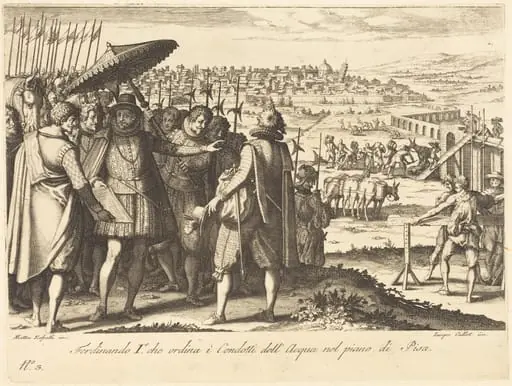 Restoration of the Aqueduct at Pisa
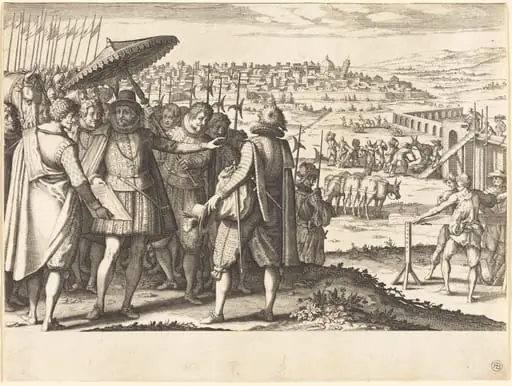 Restoration of the Aqueduct at Pisa
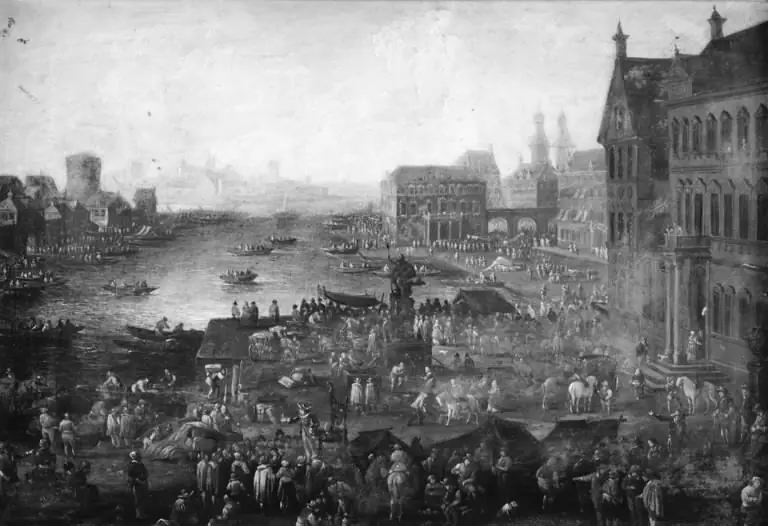 Square in Paris with Many Figures
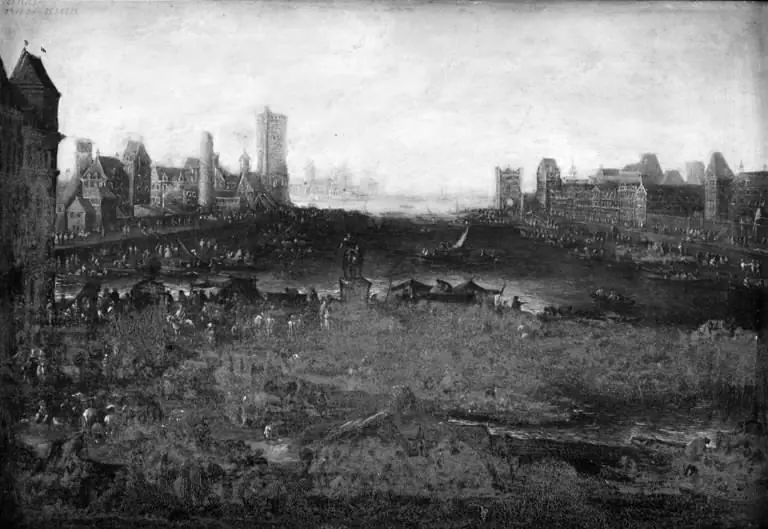 Square in Paris with Many Figures
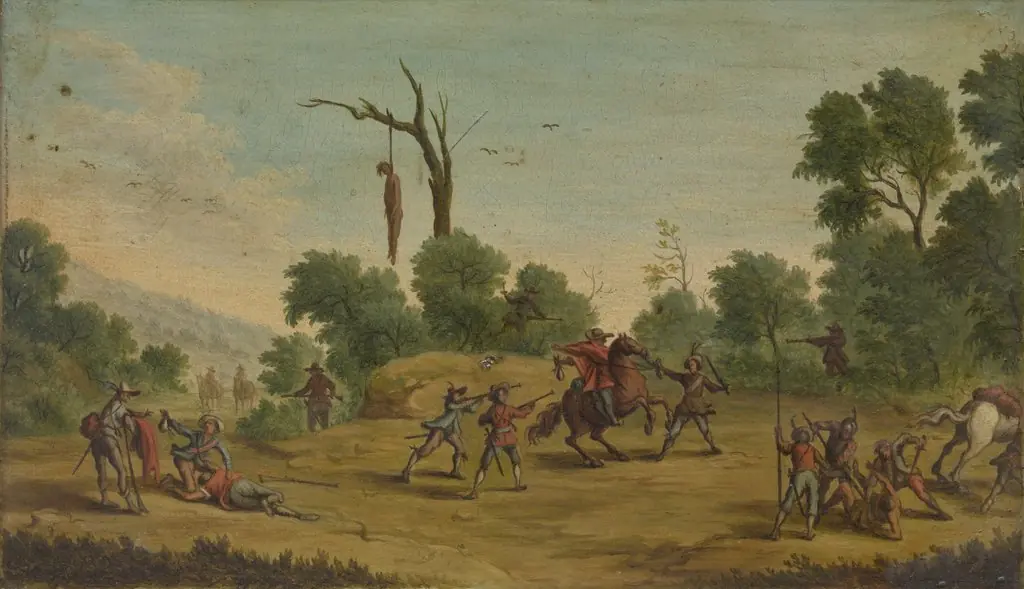 Horsemen Attacked by Robbers
 HOW WILL A COVERED PART BE CORRECTED?HOW WIKA A COVERED HEART DEED CORRECTED?
![Christ Walking on the Water [second plate], by Jacques Callot](https://artifactworldgallery.com/img/jacques-callot--christ-walking-on-the-water-second-plate--2069f3bfe4cb2126-w320.webp) Christ Walking on the Water [second plate]
Christ Walking on the Water [second plate]