Artwork
Sloth
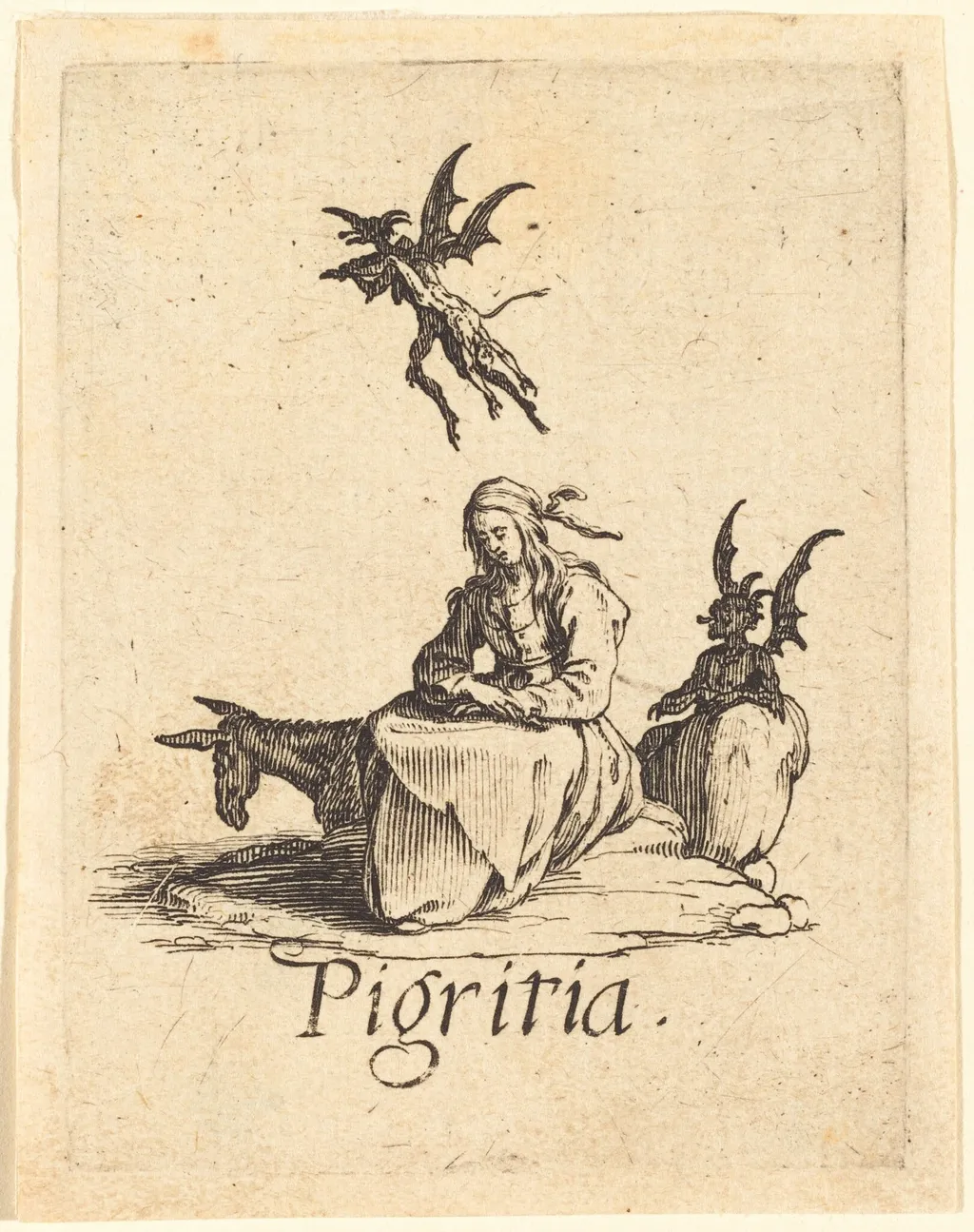
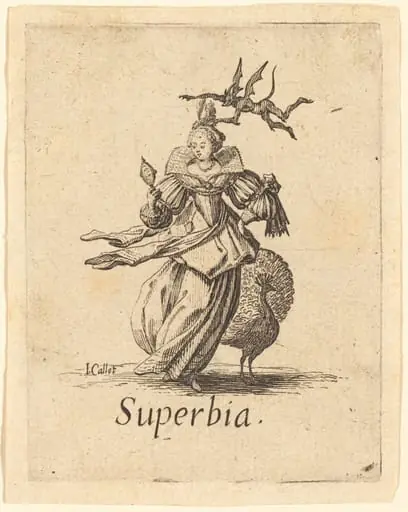
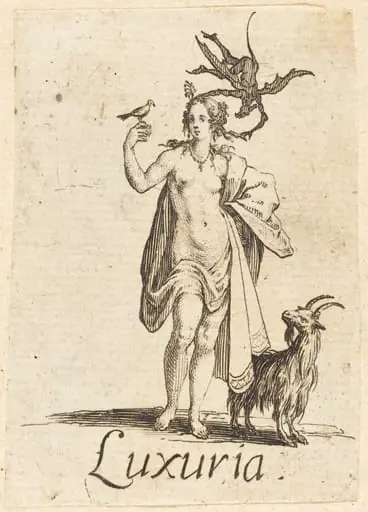
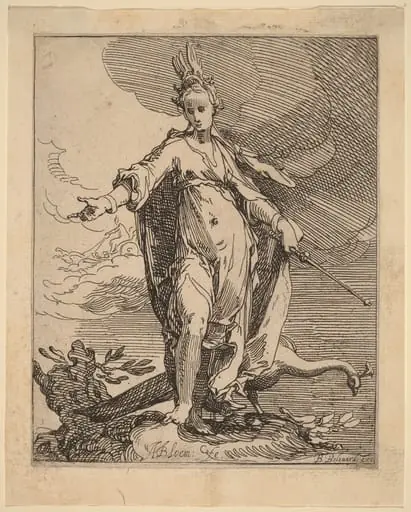
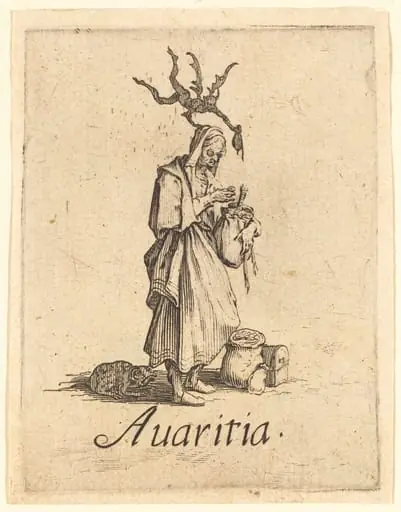
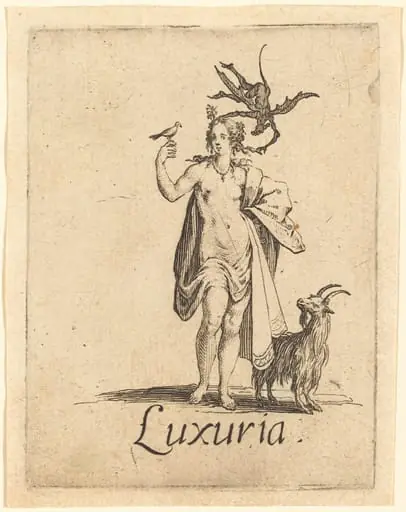
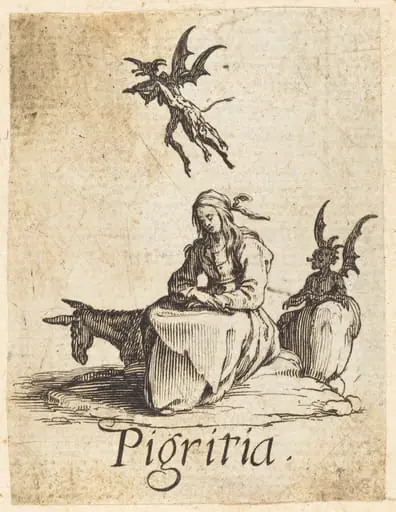
Sloth is an ink print by the Baroque artist Jacques Callot. It dates from 1621 and is held in the collection of the National Gallery of Art.
About this work
Overview
Sloth is a print created by French Baroque artist Jacques Callot around 1621, utilizing etching and engraving techniques on laid paper.
Subject & Meaning
The work depicts a personification of sloth, labeled 'Pigritia', shown in a state of lethargy on a rock near water, accompanied by mythological creatures (a winged goat and a horned ram), symbolizing laziness within the social commentary characteristic of Callot's oeuvre.
Technique & Style
Callot employed sharp lines through etching and engraving to achieve a rough, unpolished appearance in the figures, reflecting his mastery of printmaking.
History & Provenance
Created circa 1621, 'Sloth' is part of Callot's prolific output of over 1,400 etchings, which frequently captured aspects of contemporary life in detailed settings.
Context
This piece fits within Callot's broader thematic focus on documenting human behavior and various social figures of his time, set against nuanced environmental backdrops.
Legacy
While specific legacy details of 'Sloth' are not provided, it contributes to Callot's recognized influence in Baroque printmaking, known for its detailed and socially aware depictions.
Own this work as a print
Artist & collection
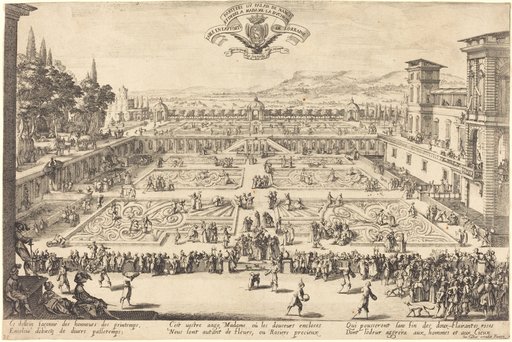
Artist
Jacques Callot (French: ; c. 1592 – 1635) was a baroque printmaker and draftsman from the Duchy of Lorraine. He is an important person in the development of the old master print. He made more than 1,400 etchings that…

 Holy Family at supper
 Restoration of the Aqueduct at Pisa
 Restoration of the Aqueduct at Pisa
 Square in Paris with Many Figures
 Square in Paris with Many Figures
 Horsemen Attacked by Robbers
 HOW WILL A COVERED PART BE CORRECTED?HOW WIKA A COVERED HEART DEED CORRECTED?
![Christ Walking on the Water [second plate], by Jacques Callot](https://artifactworldgallery.com/img/jacques-callot--christ-walking-on-the-water-second-plate--2069f3bfe4cb2126-w320.webp) Christ Walking on the Water [second plate]
Christ Walking on the Water [second plate]