Subject
Demon
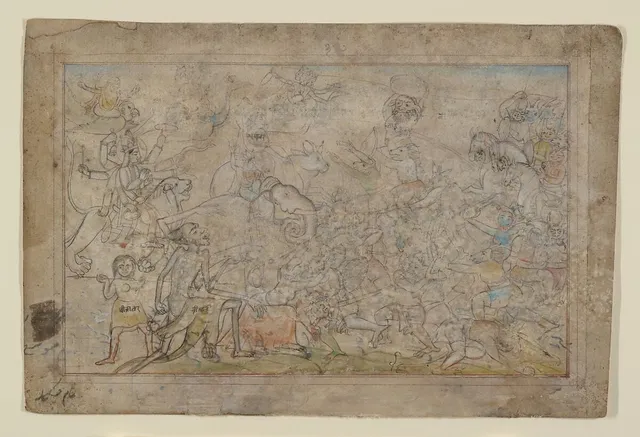
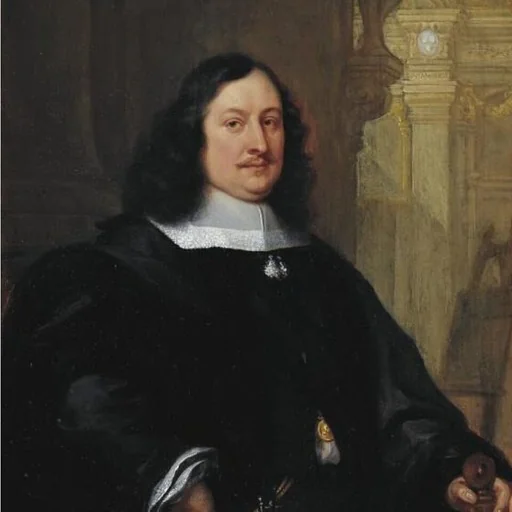
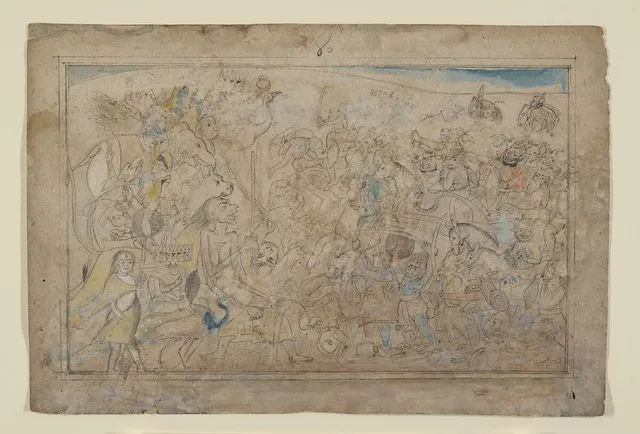
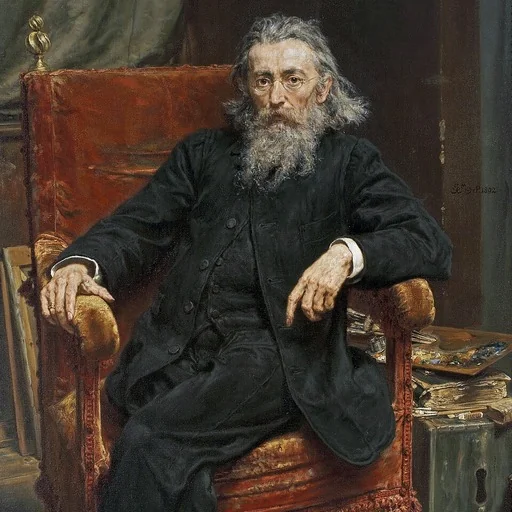
Demon is a subject in art. The gallery holds 53 works in this subject in art, including works by David Teniers the Younger, Jan Matejko and Seu Family.
A demon is an evil or malevolent supernatural entity. Historically, belief in demons, or stories about demons, occurs in folklore, mythology, religion, occultism, and literature; these beliefs are reflected in media including fiction, comics, film, television, and video games.
Key artists
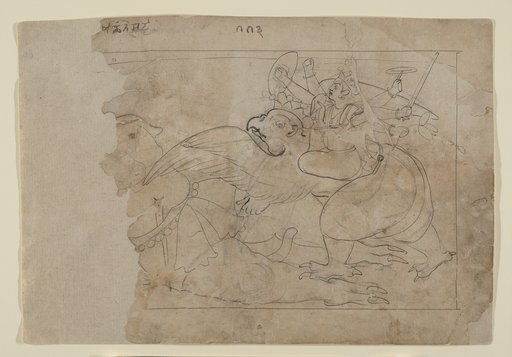

Overview
A demon is a malevolent supernatural entity prevalent across folklore, mythology, religion, and occultism. Belief in such beings likely extends back to the Paleolithic age, rooted in humanity's fear of the unknown, the strange, and the horrific. Anthropologically, demons function as projections onto unknown or hostile forces, personifying destructive natural phenomena, specific diseases, and unexplained harm into rational agents with evil intentions. In many global traditions, demons operate as independent agents causing varied evils, while in Abrahamic frameworks they often serve as minions of the Devil, tempting humans toward sin. This pervasive concept bridges the human and divine realms, serving as a vehicle to explain suffering, social transgression, and the presence of evil in the world.
Iconography & meaning
The iconography and meaning of demons have shifted dramatically across history, driven largely by linguistic and cultural transformations. The Ancient Greek word daimon originally denoted a spirit or divine power, lacking negative connotations and describing entities that distributed fate or served as intermediary guides, as seen in the works of Plato. During the Roman Empire, however, early Christians reinterpreted pagan daimones as malevolent entities, viewing traditional cult statues as infested by the troupe of Satan. This negative shift was codified in the Septuagint, the Greek translation of the Hebrew Bible, which permanently associated the term with evil. In archaeological and art historical contexts, a demon is often classified as a chimera, a hybrid creature with an animal head and human legs, contrasting with monsters that possess animal bodies. Iconographically, demons are frequently depicted as invisible, aerial beings that enter homes undetected, or as impure, foul smelling entities that strike victims through breath, venom, or sudden seizure, often operating in desolate or dark locations.
Across movements & periods
The treatment of the demon has evolved significantly across movements, periods, and cultures. In ancient Mesopotamia, demonic entities were originally executors of divine punishment, but by the first millennium BCE they were conceptualized as practically autonomous malevolent forces emanating from the underworld. In ancient Egypt, malevolent spirits were subordinate to specific deities and associated with the realm of chaos, highlighted in magical texts with red ink. During classical antiquity, Greek and Roman traditions viewed these beings as morally ambivalent intermediaries or protectors, a view that shifted to strict malevolence under Christian influence. In ethnic and polytheistic religions, demons were originally personifications of unpredictable natural forces or protective spirits, a neutral conception that was actively subverted by Christian mission, which equated them with the Devil. By the late 19th century, Romantic and Symbolist artists shifted away from strictly biblical depictions, treating demons as psychological metaphors or tragic, isolated figures, a transformation that paralleled the contemporary esoteric and occult revival.
Notable depictions
Notable artistic depictions of demons reveal a shift from theological illustration to psychological exploration. In 1781, Henry Fuseli painted The Nightmare, depicting an incubus perched upon a sleeping woman, a work that visually translates the phenomenon of sleep paralysis into a chilling chiaroscuro of good and evil. William Blake explored the infernal in his 1804 work Satan Calling Up His Legions, portraying the devil commanding his hosts in a distinct, symbolic coloration characteristic of his Romantic vision. At the turn of the 20th century, Russian painter Mikhail Vrubel produced a deeply personal series based on a poem by Lermontov. His 1890 painting Demon Seated portrays the entity as a tormented figure on a hillside, using bold, dark colors and heavy application. Vrubel continued this exploration with The Demon Downcast in 1901 or 1902, a sweeping landscape featuring a grieving demon set against jagged, distorted mountains rendered with a palette knife to resemble stained glass. William-Adolphe Bouguereau also engaged the theme in Dante and Virgil, capturing the eternal, violent struggle of damned souls in Hell with intense detail and reddish hues.
Legacy
The legacy of the demon extends far beyond its theological origins, permeating modern psychology, literature, and popular culture. In contemporary Western esoteric traditions, demons are frequently employed as metaphors for inner psychological processes, commonly referred to as inner demons. This psychological framing has a profound afterlife in literature, where figures like Mephistopheles evolved from late medieval demonological handbooks into complex literary characters in the Faust legend, ultimately canonized by Goethe as an ironic emissary of psychological temptation. Furthermore, the demon's cultural afterlife is heavily documented in modern fiction, comics, film, television, and video games, where countless entities derived from historical grimoires like the Ars Goetia are reimagined. The enduring fascination with these entities, whether as literal malevolent forces or as symbolic representations of human anxiety and desire, ensures their continued presence as a potent cultural motif.
Works
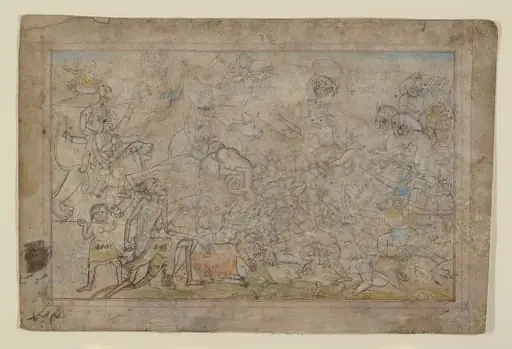 Untitled
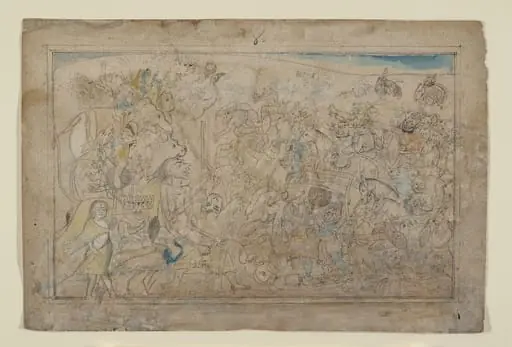 Untitled
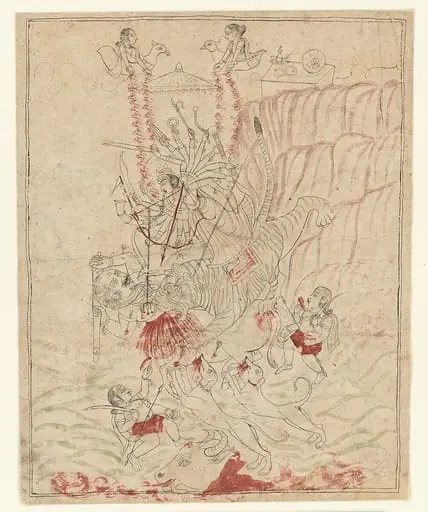 Untitled
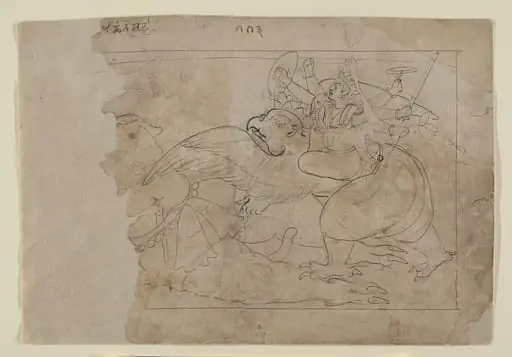 Untitled
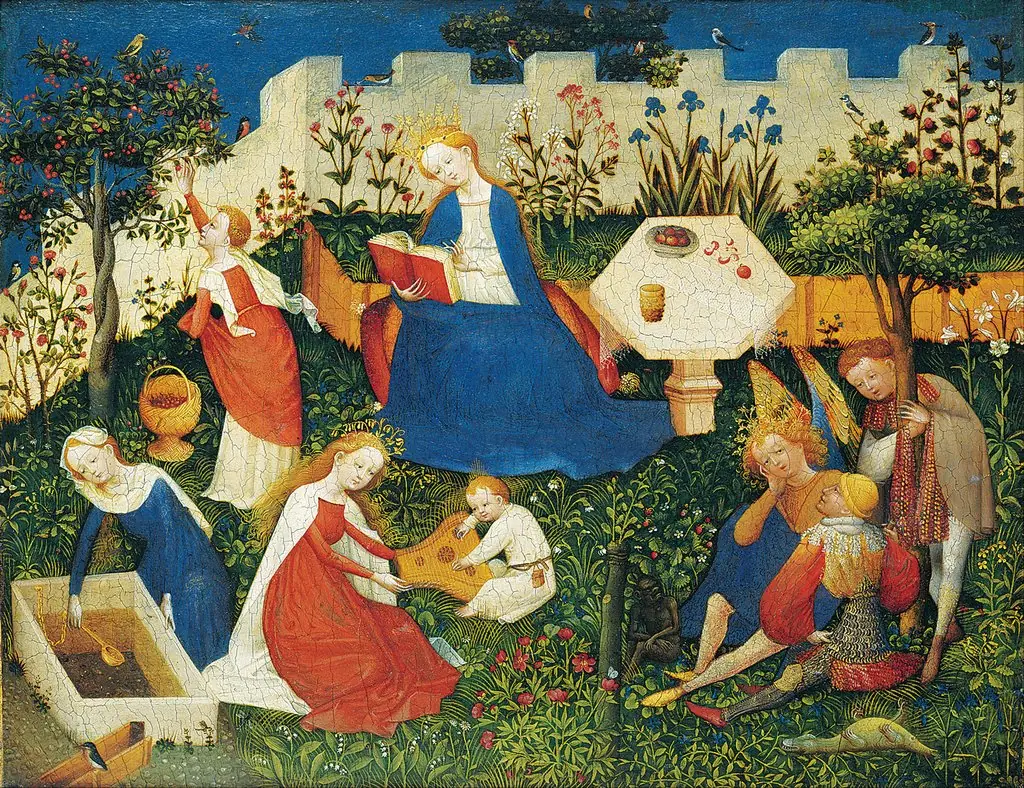 Paradiesgärtlein
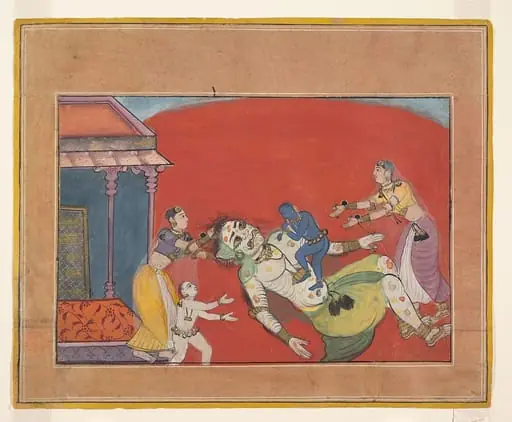 Untitled
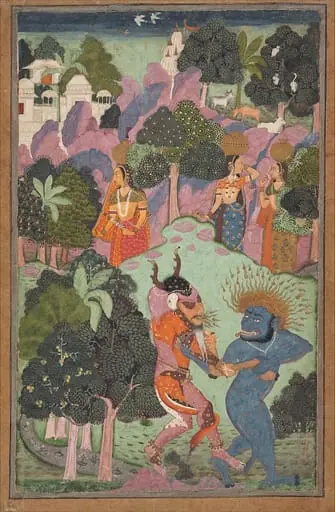 Untitled
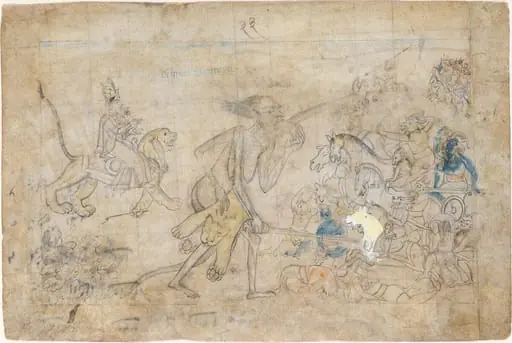 Untitled
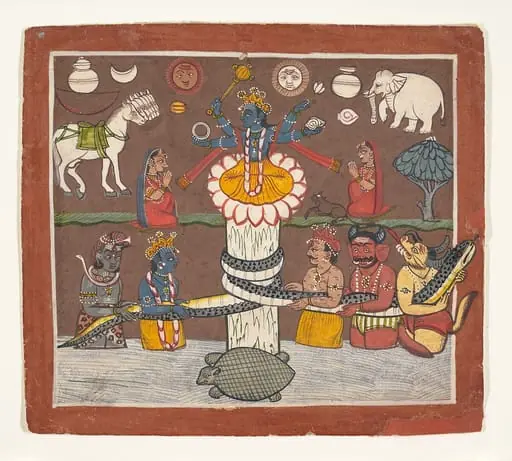 Untitled
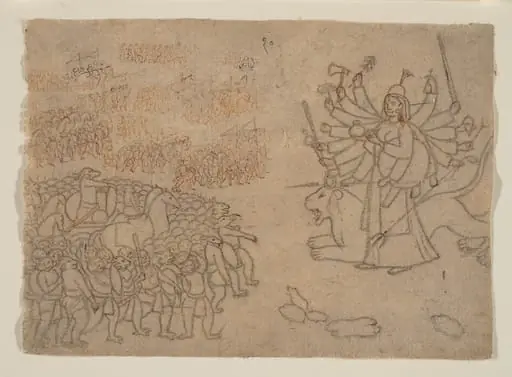 Untitled
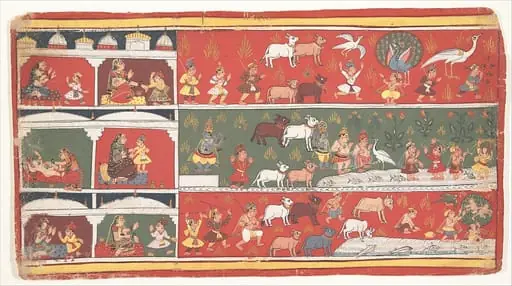 Untitled
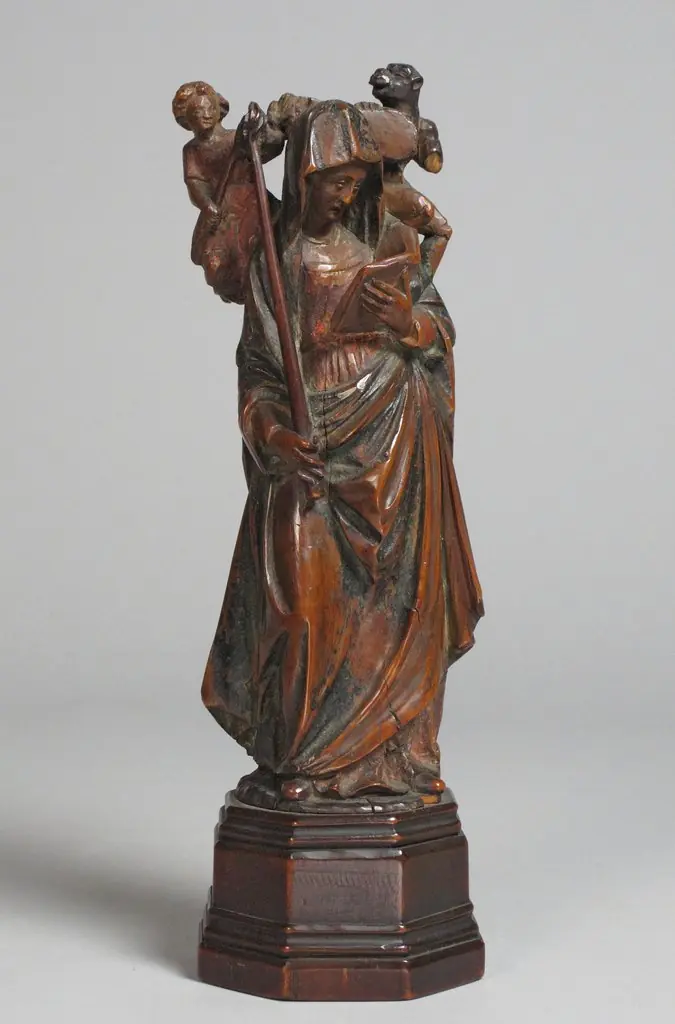 Saint Geneviève
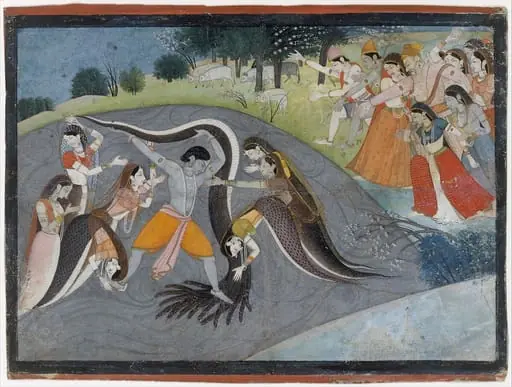 Untitled
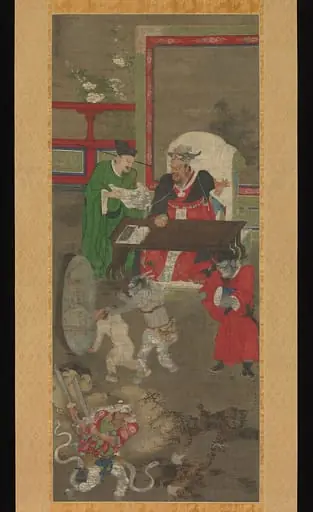 金處士筆 十王図の内|Ten Kings of Hell
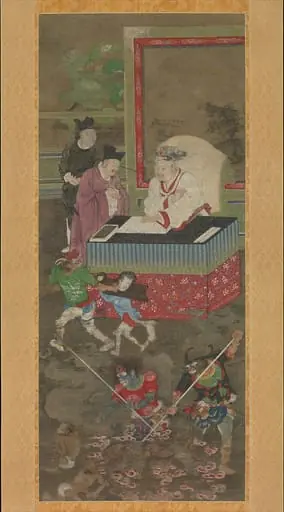 南宋 金處士 十王圖 軸|Ten Kings of Hell
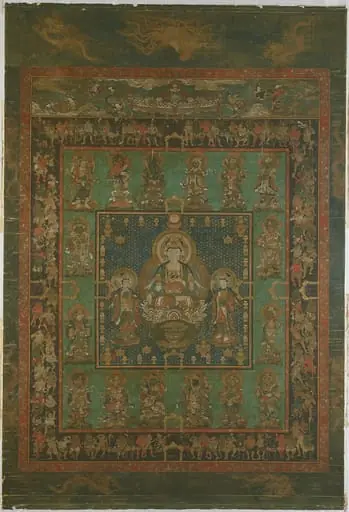 般若菩薩曼荼羅図|Mandala of the Bodhisattva Hannya (Prajnaparamita)
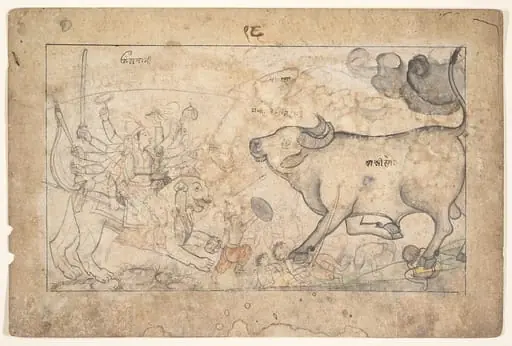 Untitled
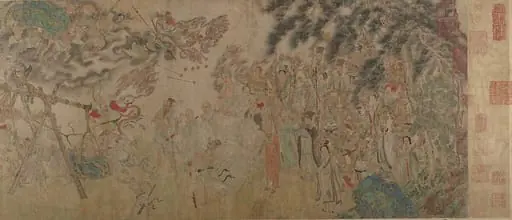 明/清 佚名 揭缽圖 卷|Raising the Alms-Bowl
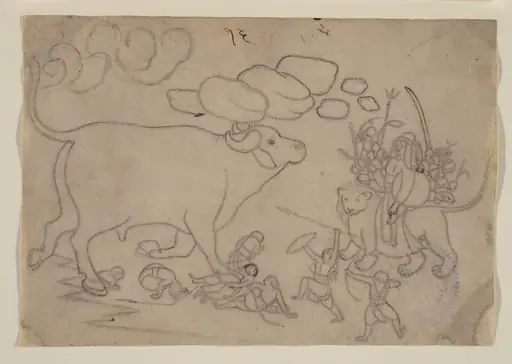 Untitled
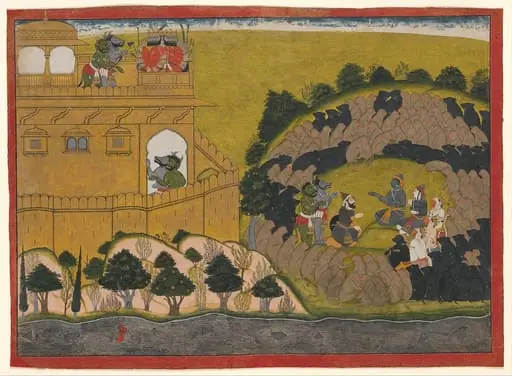 Untitled
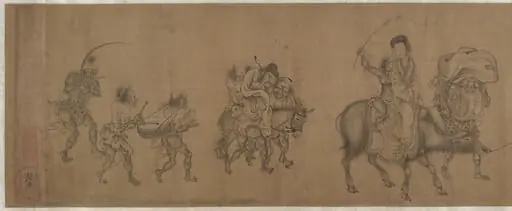 南宋/元 顏庚 鍾馗嫁妹圖 卷|The Demon Queller Zhong Kui Giving His Sister Away in Marriage
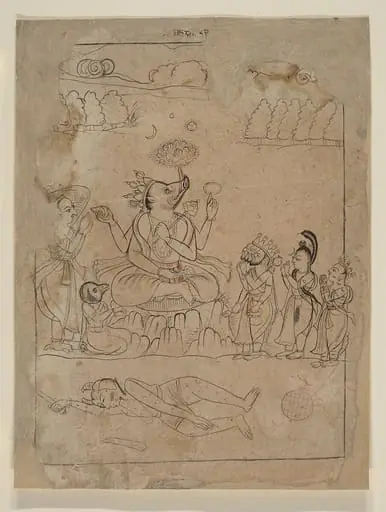 Untitled
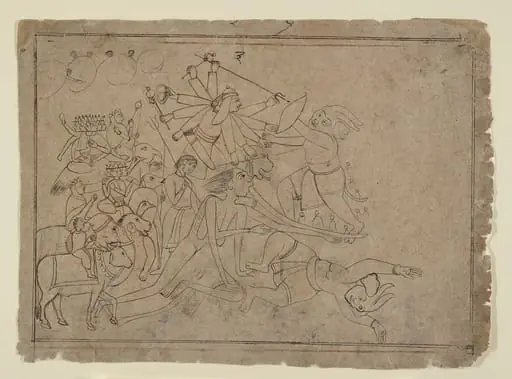 Untitled
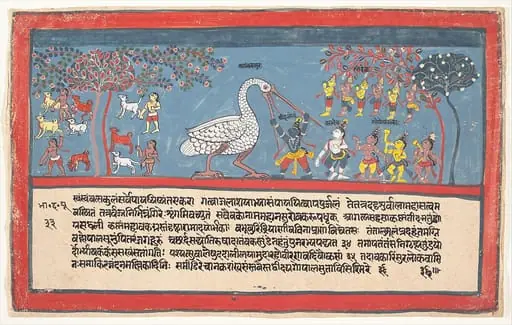 Untitled
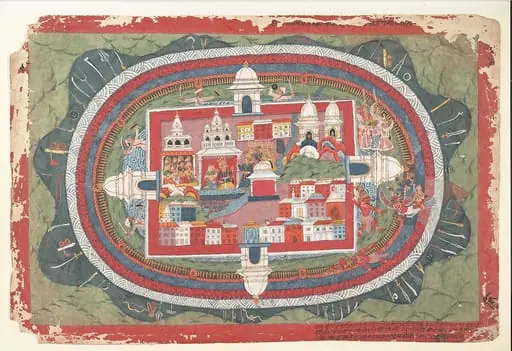 Untitled
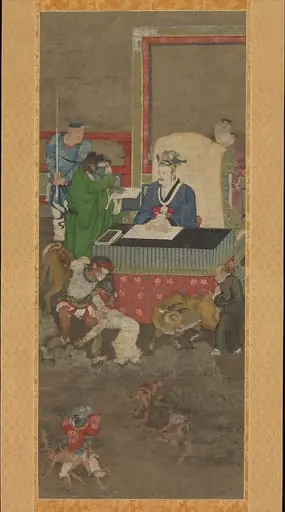 金處士筆 十王図の内|Ten Kings of Hell
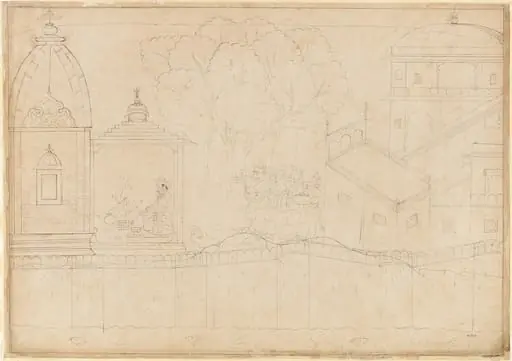 Untitled
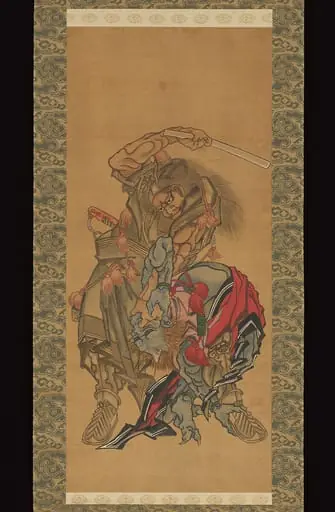 Untitled
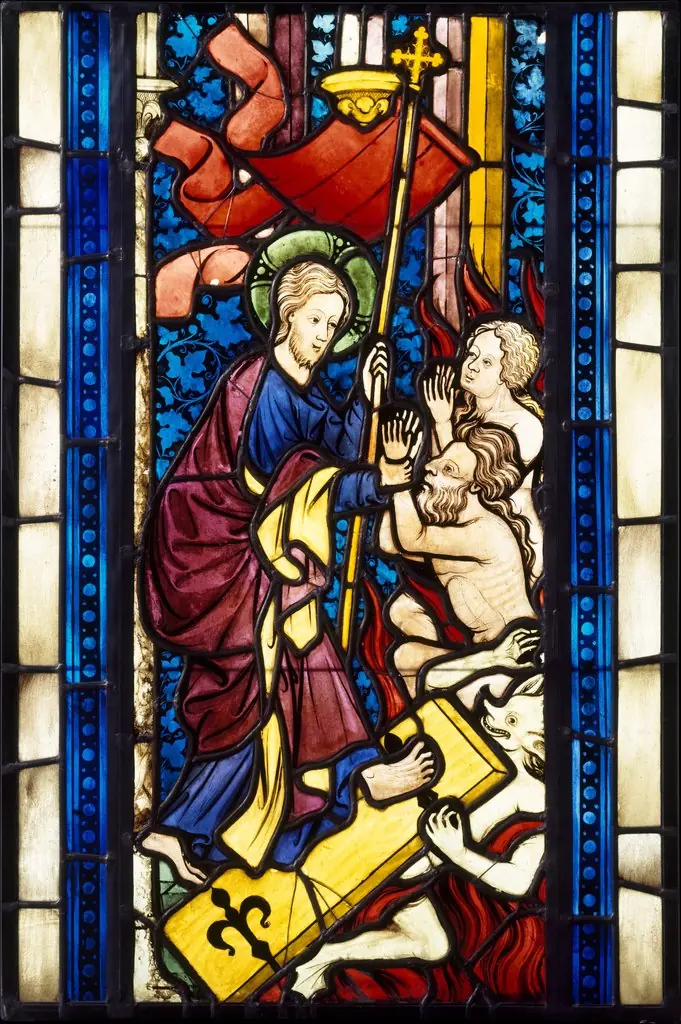 The Harrowing of Hell
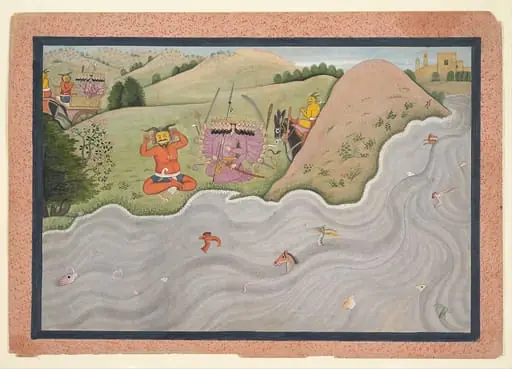 Untitled
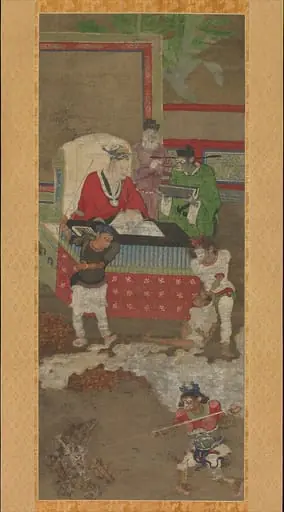 金處士筆 十王図の内|Ten Kings of Hell
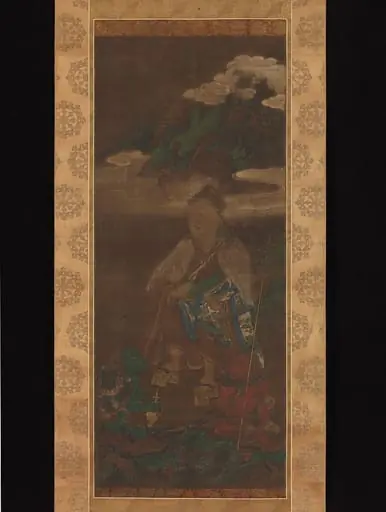 Untitled
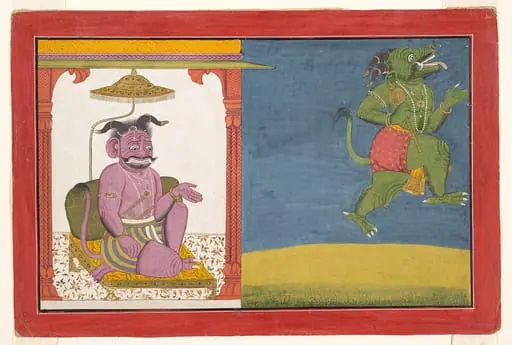 Untitled
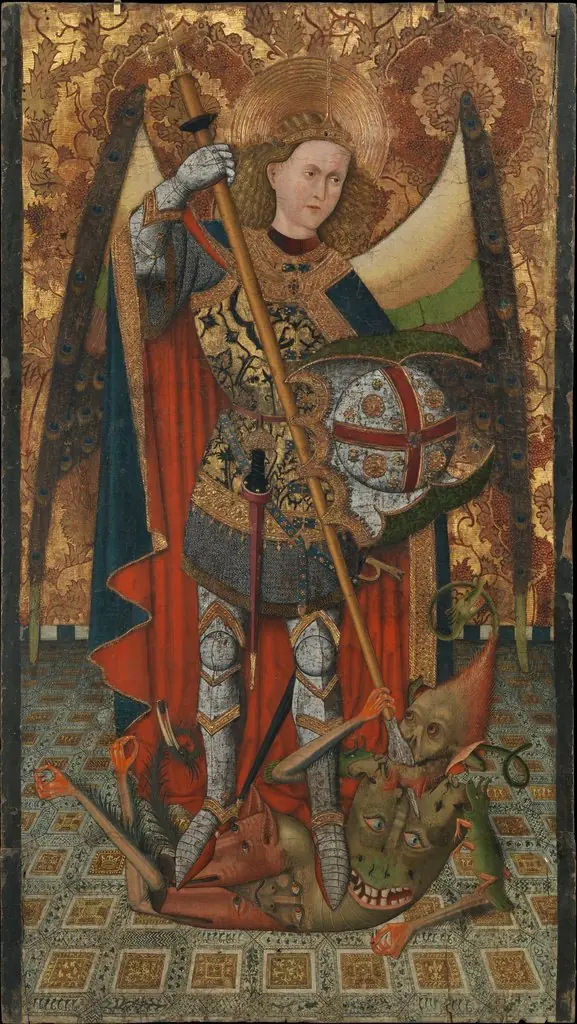 Saint Michael
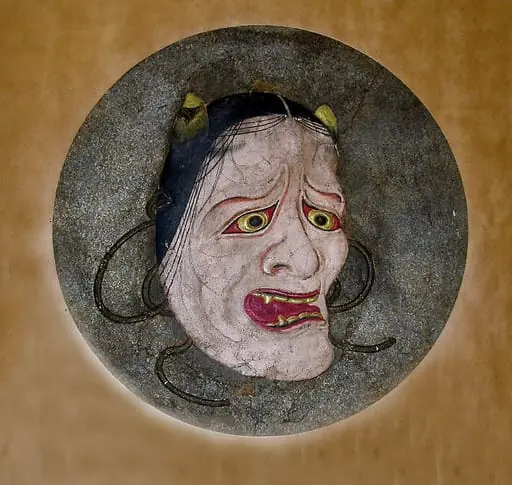 能面図・般若|Noh Mask of a Demoness (Hannya)
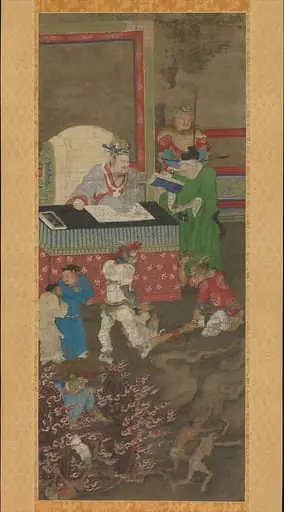 金處士筆 十王図の内|Ten Kings of Hell
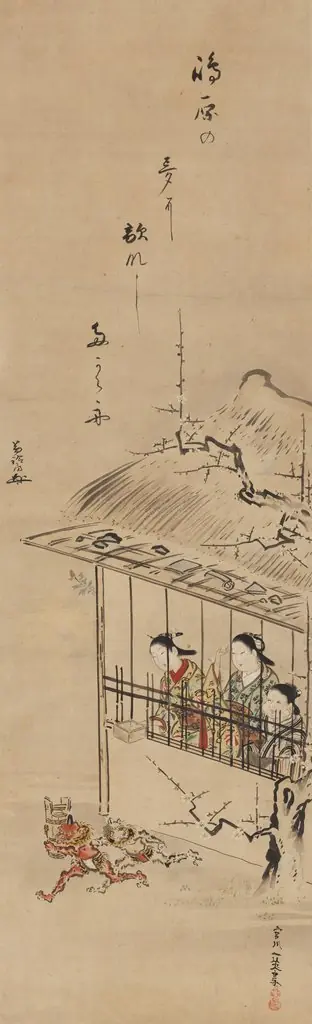 Shimabara Courtesans Exorcizing Demons
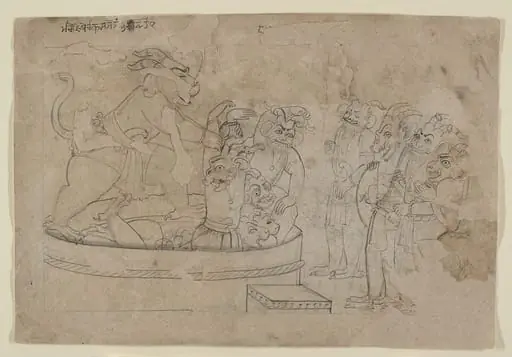 Untitled
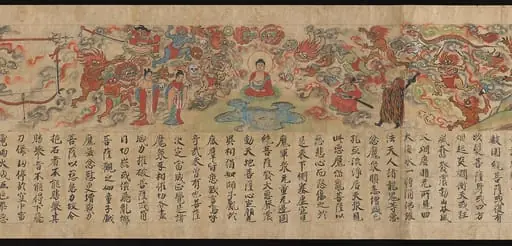 『過去現在絵因果経』 断簡 (松永本)|Scene from The Illustrated Sutra of Past and Present Karma (Kako genzai e-inga-kyō; Matsunaga Version)
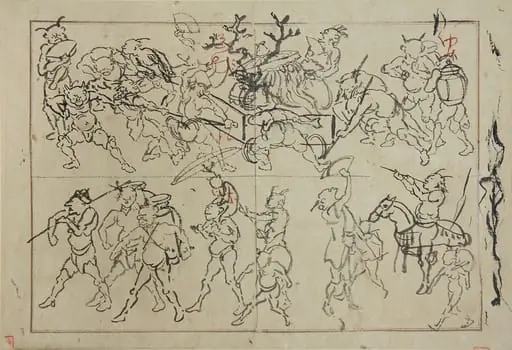 Untitled
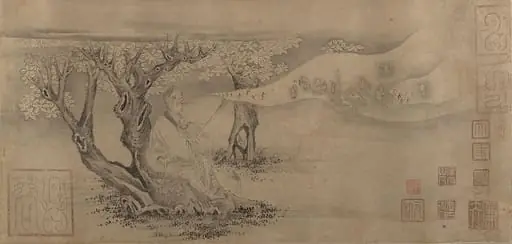 Untitled
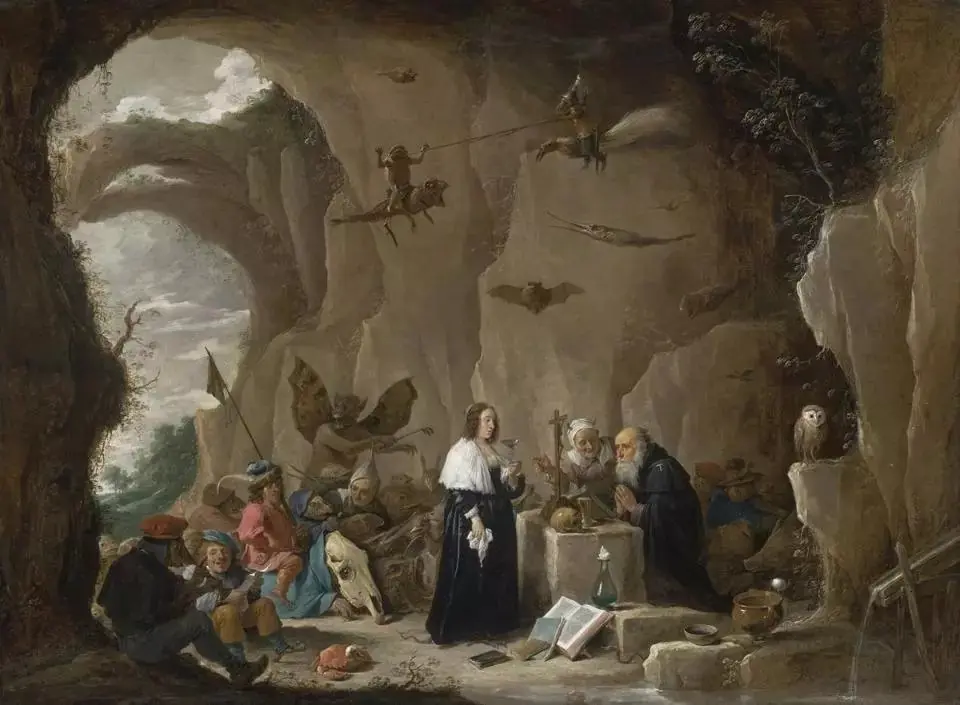 The Temptation of St. Anthony
 Untitled
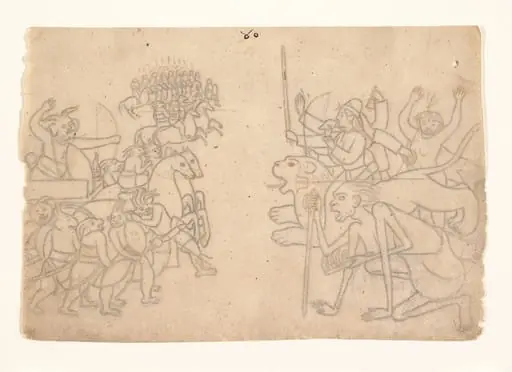 Untitled
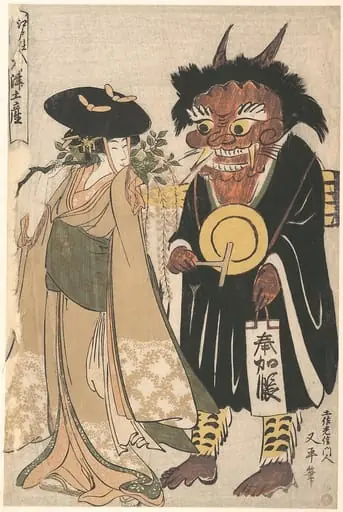 江戸仕入大津土産|Young Woman with an Otsue Demon Dressed as an Itinerant Priest
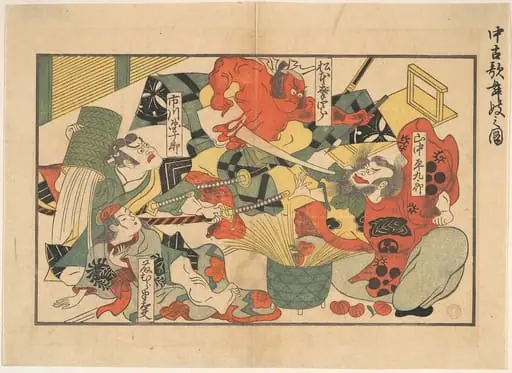 Untitled
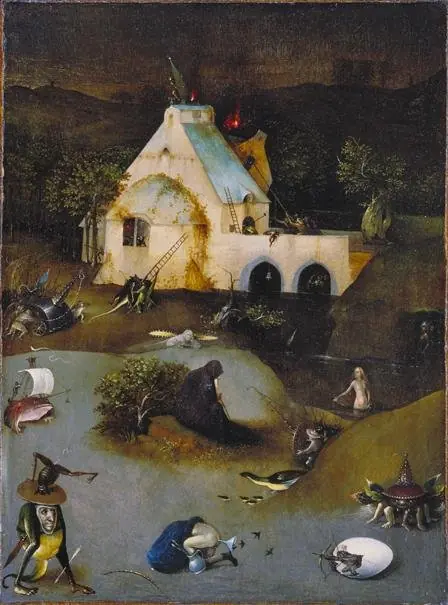 The Temptation of Saint Anthony
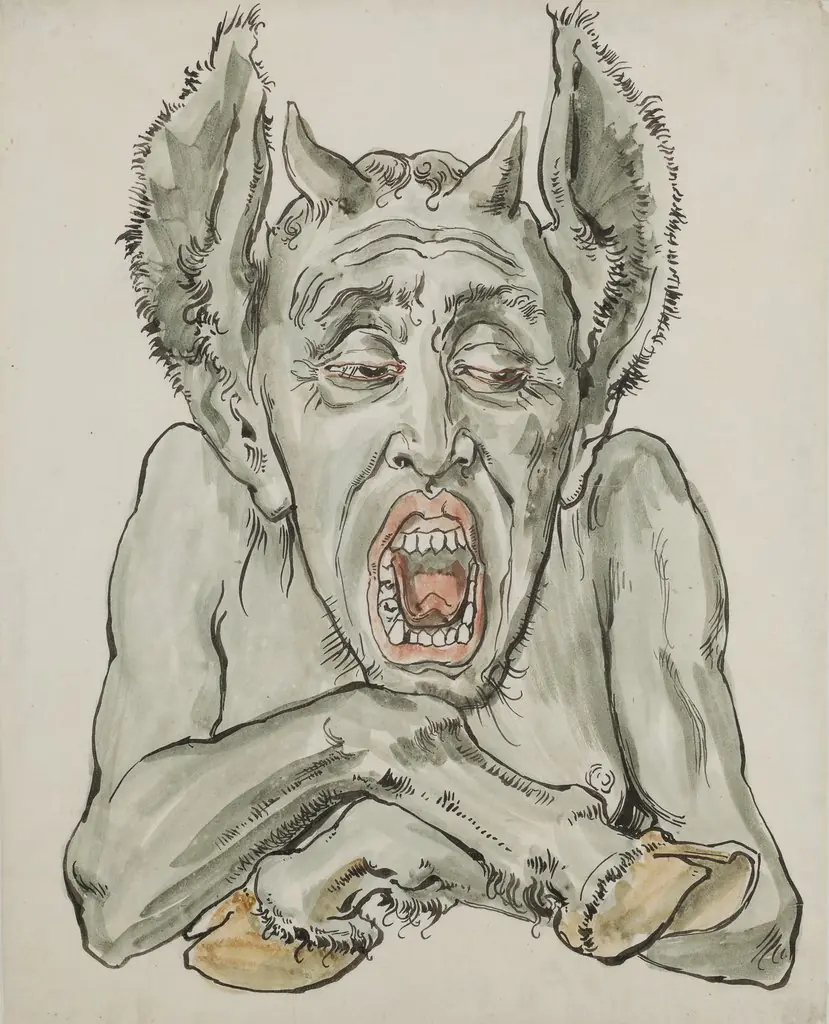 Karton do polichromii Kościoła Mariackiego - Popiersie diabła z rozwartą paszczą
![Entry of M. de Couvonge and M. de Chalabre [extra plate]](https://artifactworldgallery.com/img/jacques-callot--entry-of-m-de-couvonge-and-m-de-chalabre-extra-plate--ce91e6366c96e1ba-w320.webp) Entry of M. de Couvonge and M. de Chalabre [extra plate]
Entry of M. de Couvonge and M. de Chalabre [extra plate]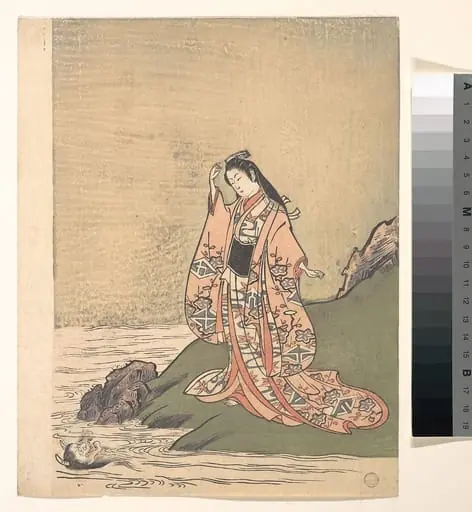 Untitled
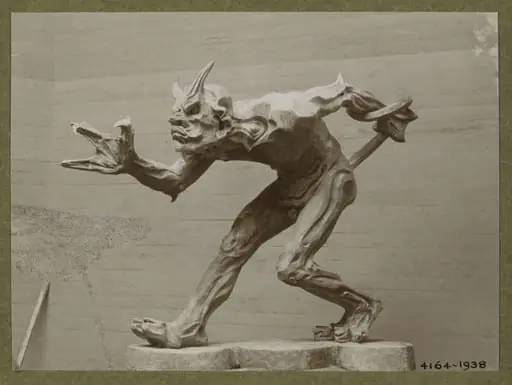 Untitled
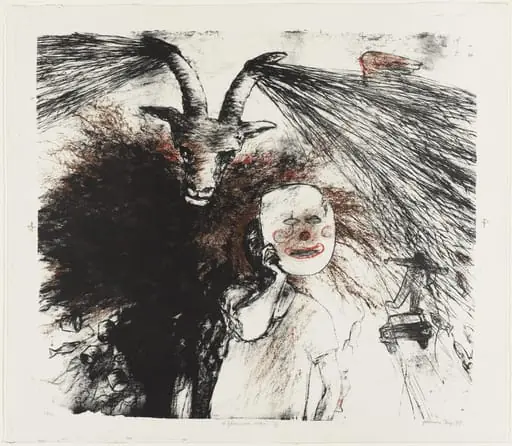 Untitled
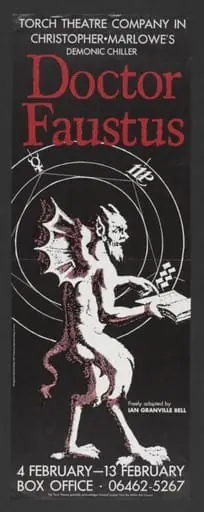 Poster
Frequently asked questions
What is Demon?
Demon is a subject in art. A demon is an evil or malevolent supernatural entity.
How many Demon works does Artifact World Gallery have?
Artifact World Gallery holds 53 public-domain Demon works, all free to view and download.
Who are the key Demon artists?
Key Demon artists in the collection include David Teniers the Younger, Jan Matejko and Seu Family.
Where can I see Demon works?
Demon works in the collection are held by Metropolitan Museum of Art, Victoria and Albert Museum and National Gallery of Art.