Artwork
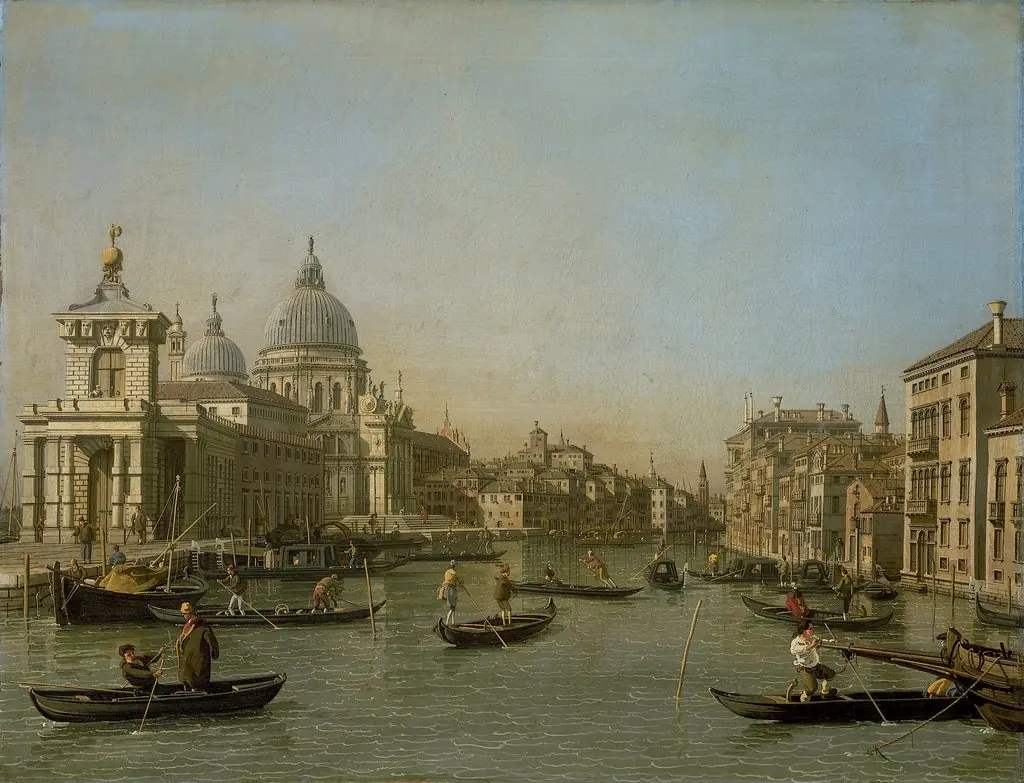
View of the Grand Canal: Santa Maria della Salute and the Dogana from Campo Santa Maria Zobenigo
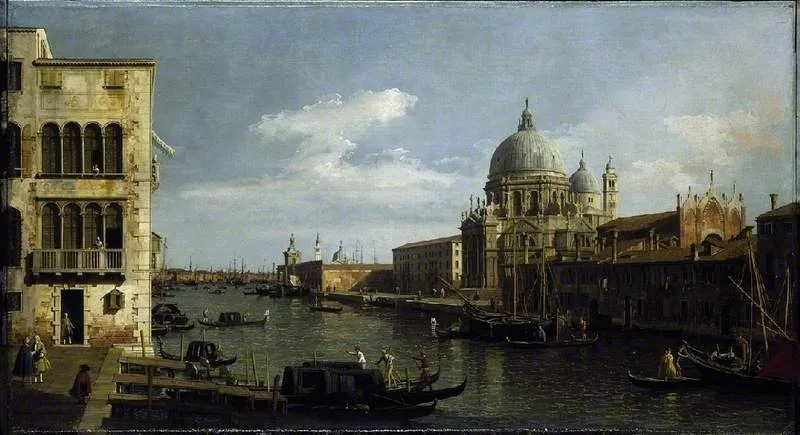
View of the Grand Canal: Santa Maria della Salute and the Dogana from Campo Santa Maria Zobenigo is an oil painting by the Rococo painting artist Canaletto. It dates from 1730 and is held in the collection of the Fitzwilliam Museum.
About this work
Overview
The work is now held in the Fitzwilliam Museum, Cambridge, having been bequeathed by Dr.
View of the Grand Canal: Santa Maria della Salute and the Dogana from Campo Santa Maria Zobenigo is an oil on canvas painting by the Venetian veduta master Giovanni Antonio Canal, known as Canaletto, dated to 1730. Measuring 54.6 by 100.3 cm, this horizontal cityscape depicts one of Venice's most celebrated architectural vistas from the Campo Santa Maria Zobenigo, looking east toward the entrance of the Grand Canal. The work is now held in the Fitzwilliam Museum, Cambridge, having been bequeathed by Dr. D. M. McDonald in 1991 and received in 1992 under accession number PD.106-1992. As a prime example of Canaletto's early maturity, the painting exemplifies the luminous, sun-drenched vedute that transformed European perceptions of Venice and established the genre as a prestigious art form for Grand Tour collectors.
Subject & Meaning
The painting presents a panoramic eastward view across the Grand Canal from the Campo Santa Maria Zobenigo, with the monumental Baroque church of Santa Maria della Salute dominating the right bank with its twin domes and bell tower. To the left foreground stands the sixteenth-century Palazzo Pisani-Gritti, its arched windows and balconies overlooking wooden landing jetties where small figures gather. The Gothic brick facade of San Gregorio appears behind shadowy houses, while in the distance the tower and colonnades of the Dogana da Mar mark the customs point where seafaring vessels enter the city. Beyond, the dome and bell tower of San Giorgio Maggiore rise from its island. The canal itself teems with gondolas and larger vessels, while the sky occupies the upper half of the composition in pale blue with soft clouds. The scene encodes multiple layers of Venetian identity: the Salute, erected between 1631 and 1680 as a thank-offering to the Virgin for deliverance from plague, speaks to the city's devotional resilience; the Dogana asserts its commercial dominance; and the annual pontoon bridge still constructed to the Salute every November symbolizes human mastery over water. A small Venetian devotional box hanging on the left building wall offers passers-by a moment of prayer, embedding private piety within the public, mercantile life of the canal.
Technique & Style
Canaletto executed this work in oil on canvas, employing the smooth brushwork and precise architectural draftsmanship that distinguish his vedute. The palette of muted ochres, grays, and blues creates atmospheric harmony, while light falls evenlycts evenly across the composition with gentle shadows. The handling shows particular attention to the textural differentiation of materials, brilliant rendition of brickwork, marble, stucco, and wood, with distant elements treated atmospherically to enhance spatial depth. The horizontal format, at just over a meter in width, accommodates the sweeping canal vista while maintaining rigorous linear perspective. Canaletto's technique balances apparent naturalism with artful construction; he rarely reproduced topographically exact views, instead prioritizing pictorial effect over documentary accuracy, altering building scale or omitting details as composition demanded. This illusionistic approach, making viewers believe they know the real Venice from his paintings, represents his supreme achievement as an artist of constructed reality. The even light and clear atmospheric conditions exemplify the quality that Alessandro Marchesini noted in 1725, that in Canaletto's work 'you can see the sun shining in it.'
History & Provenance
The painting dates to 1730, placing it in Canaletto's early mature period when he was establishing dominance in the Venetian veduta market under the agency of Joseph Smith, the English merchant who channeled his work to Grand Tour collectors. The provenance traces from Commander David Heber-Percy, through whose sale at Christie's, London, on 25 June 1971, lot 24, it passed to Leggatt Brothers, London, before acquisition by Dr. D. M. McDonald. Dr. McDonald bequeathed the painting in 1991, and it was received by the Fitzwilliam Museum in 1992. The museum's collection also includes a related view of the same stretch of canal by Canaletto's nephew Bernardo Bellotto, allowing direct comparison between the two artists' treatments. In 1742, Smith published a series of engravings after Canaletto's paintings, a set of which the Fitzwilliam owns, demonstrating the wide dissemination of such views through reproductive media.
Context
Canaletto emerged from a family of scene painters, completing his apprenticeship alongside his brother and father, Bernardo Canal, before transitioning to oil paintings and landscapes. He was taught and mentored by Luca Carlevaris, whose city landscapes he ultimately eclipsed in talent and popularity, adding more light to his paintings than his predecessor. His work was particularly admired by Giuseppe Bernardino Bison, among others. The veduta genre that Canaletto perfected served the flourishing market of European aristocrats undertaking the Grand Tour, for whom such paintings functioned as prestigious souvenirs and assertions of cultural refinement. When Canaletto painted this view, he was working chiefly under Joseph Smith's agency, and his popularity in England eventually prompted his residence there between 1746 and 1755, during which he applied his idealized vision to London and the Thames. Scholarly comparison with Bellotto's version of the same subject reveals telling differences: Canaletto's Santa Maria della Salute appears taller and bulkier, while Bellotto gives more prominence to the distant tower of San Giorgio and concentrates more on atmosphere than architecture. These distinctions illuminate the nephew's cooler, more geometric eye against the uncle's luminous constructivism.
Legacy
Canaletto's vedute, including this early example, established a visual template for European understanding of Venice that persists in popular imagination. His technical brilliance and the public fondness for his accessible style have ensured that his major works rarely appear on the market, with most held by major galleries and museums; national laws in many countries restrict the export of such culturally important works. The record auction price for a Canaletto, £18.6 million for View of the Grand Canal from Palazzo Balbi to the Rialto at Sotheby's London in July 2005, indicates the enduring market valuation of his finest productions. The Fitzwilliam's pairing of this canvas with Bellotto's version creates a unique opportunity to study the intergenerational dialogue within the veduta tradition and the subtle evolution from Canaletto's architectural luminosity toward his nephew's atmospheric geometry. The painting continues to serve as a primary document for understanding the visual culture of eighteenth-century Venice, the Grand Tour economy, and the construction of urban identity through art.
Artist & collection
Artist
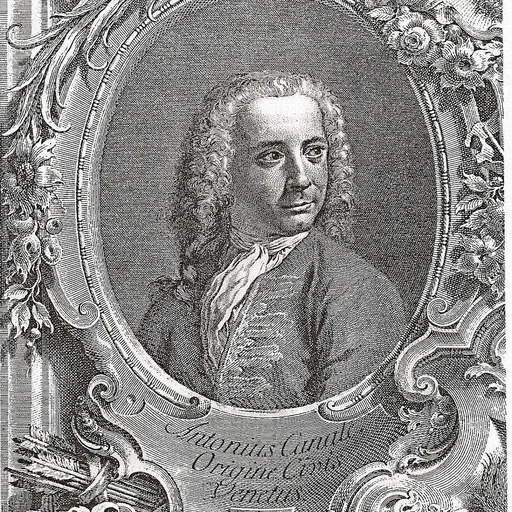
Giovanni Antonio Canal (18 October 1697 – 19 April 1768), commonly known as Canaletto (Italian: ), was an Italian painter from the Republic of Venice, considered an important member of the 18th-century Venetian school.

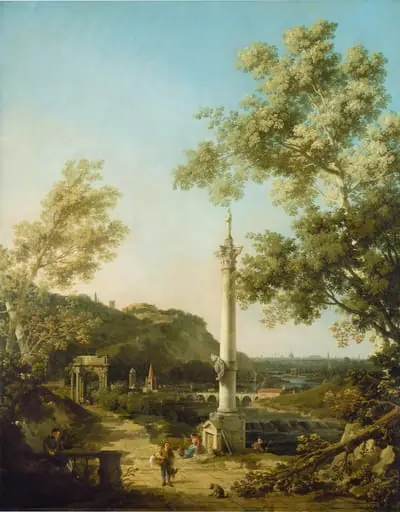
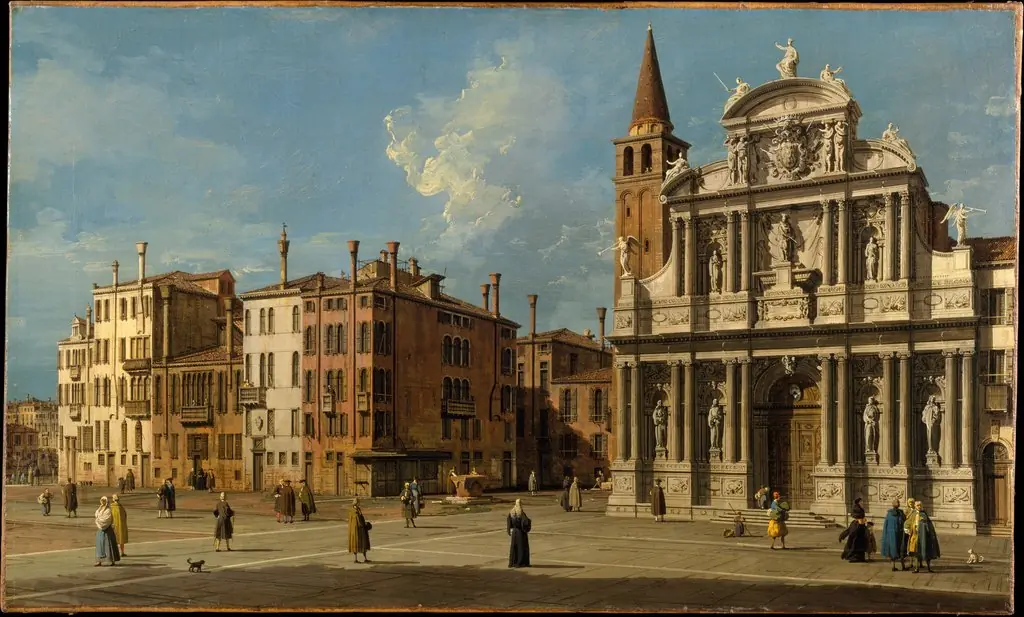
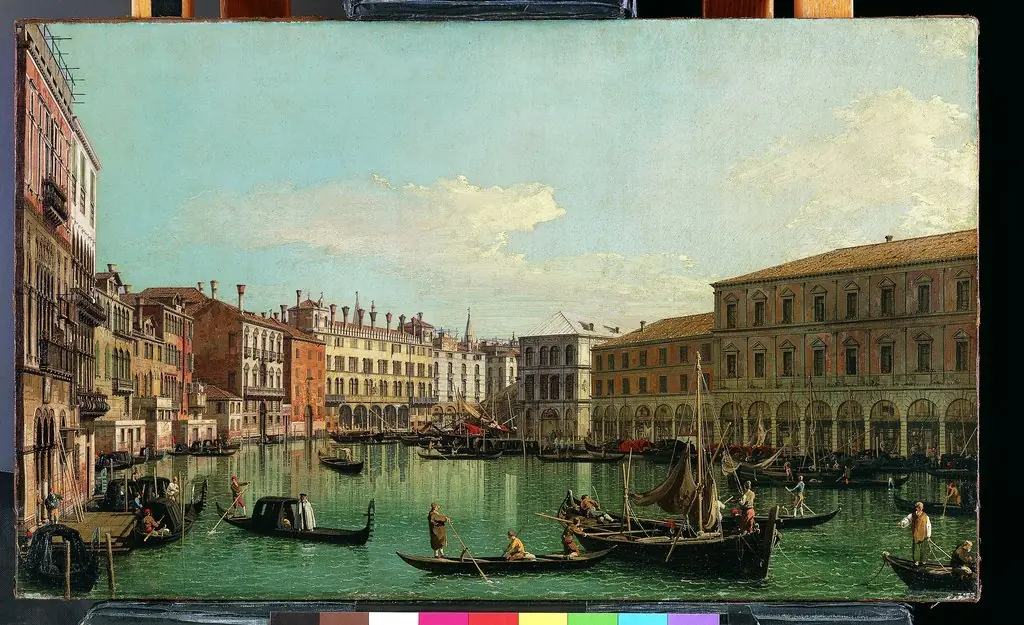
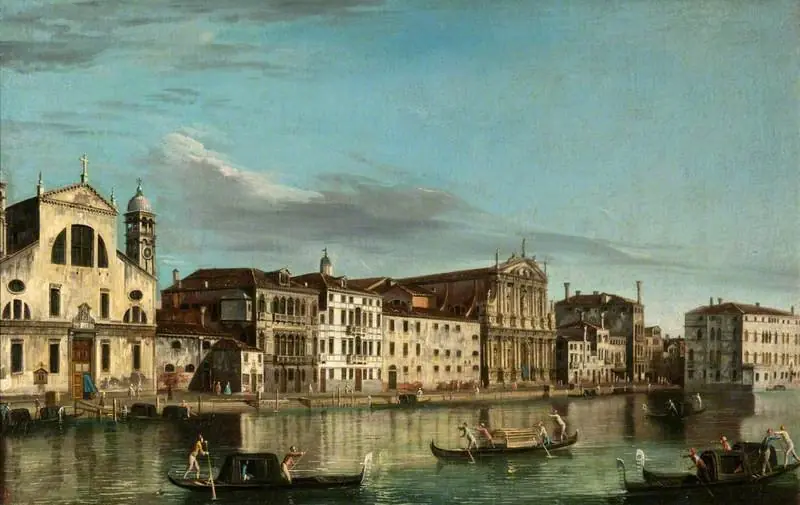
- The Grand Canal: Santa Lucia and the Church of the Scalzi, Venice
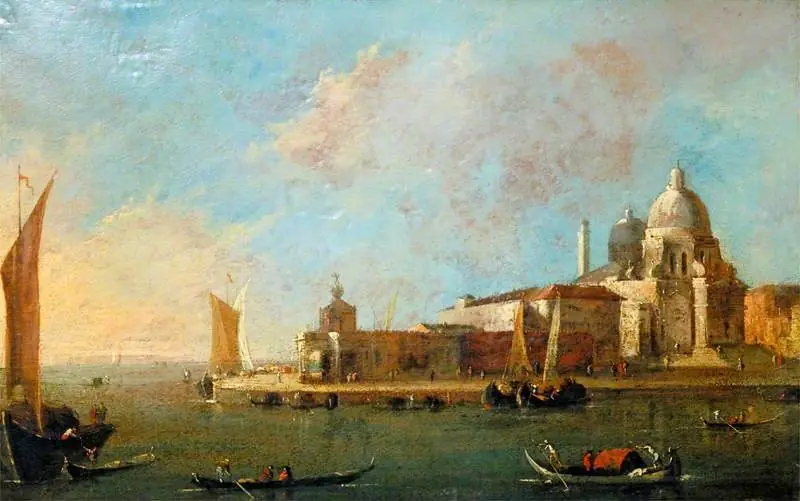 Venice: View of Santa Maria della Salute and the Dogana
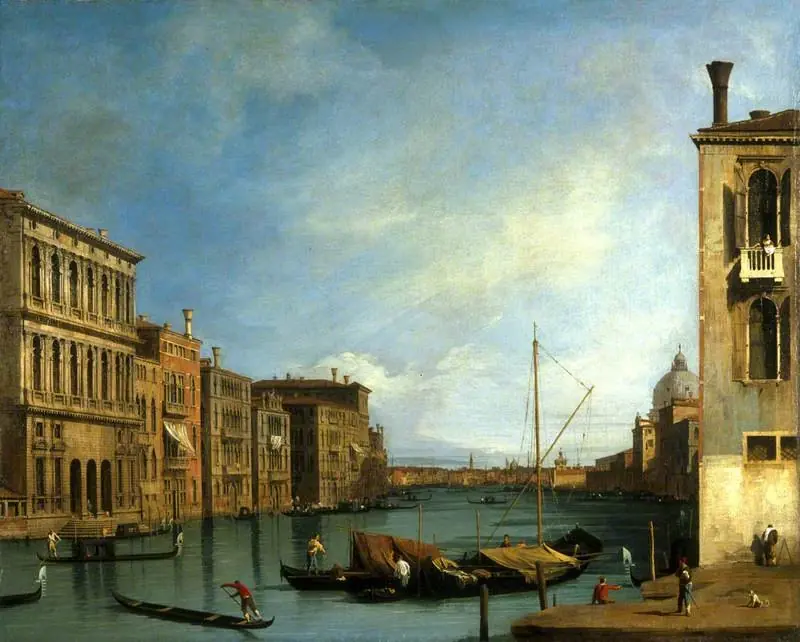 The Grand Canal from the Campo San Vio, Venice
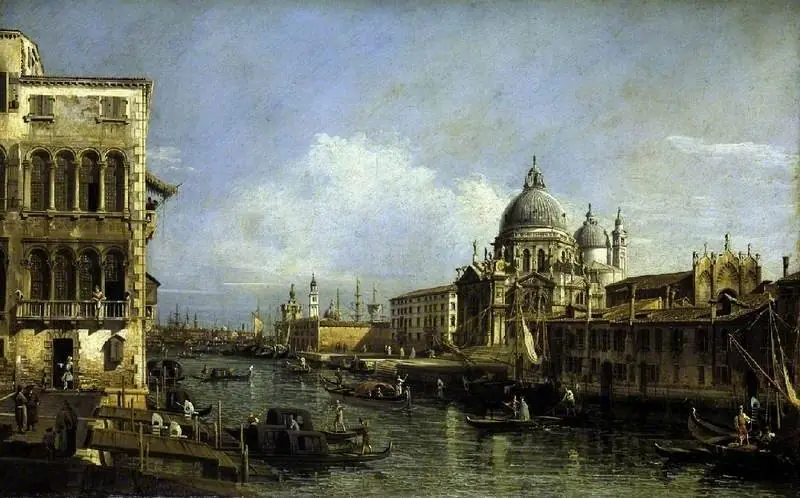 A View at the Entrance of the Grand Canal, Venice
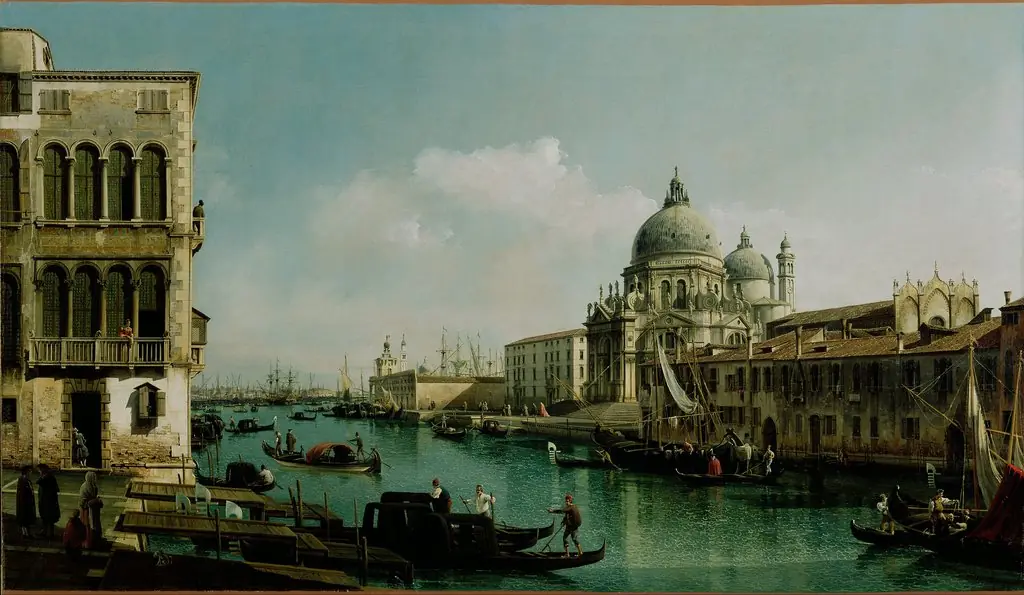 View of the Grand Canal: Santa Maria della Salute and the Dogana from Campo Santa Maria Zobenigo
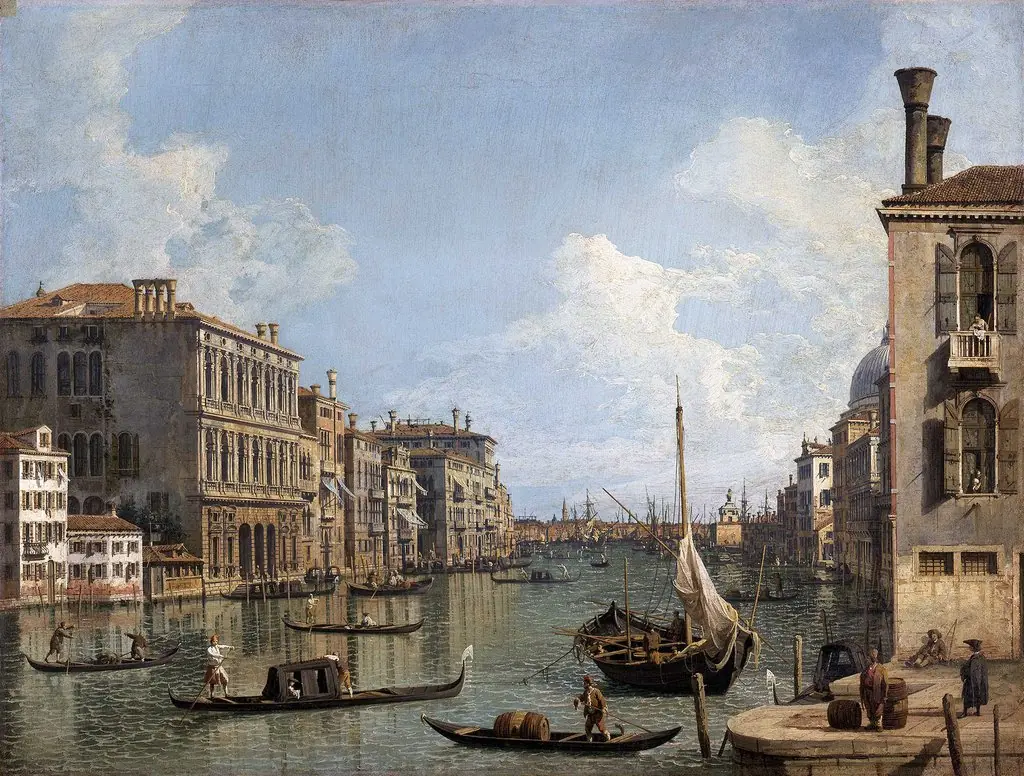 View of the Grand Canal toward the Punta della Dogana
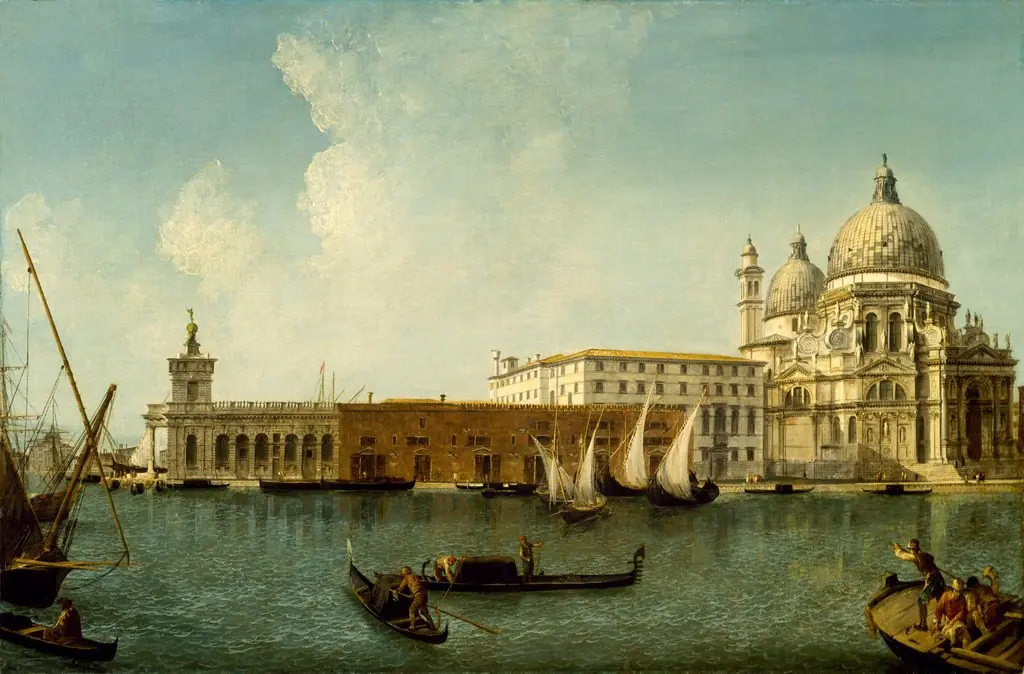 View of the Dogana and Santa Maria della Salute
 Venice: Santa Maria della Salute and the Dogana Seen from across the Grand Canal
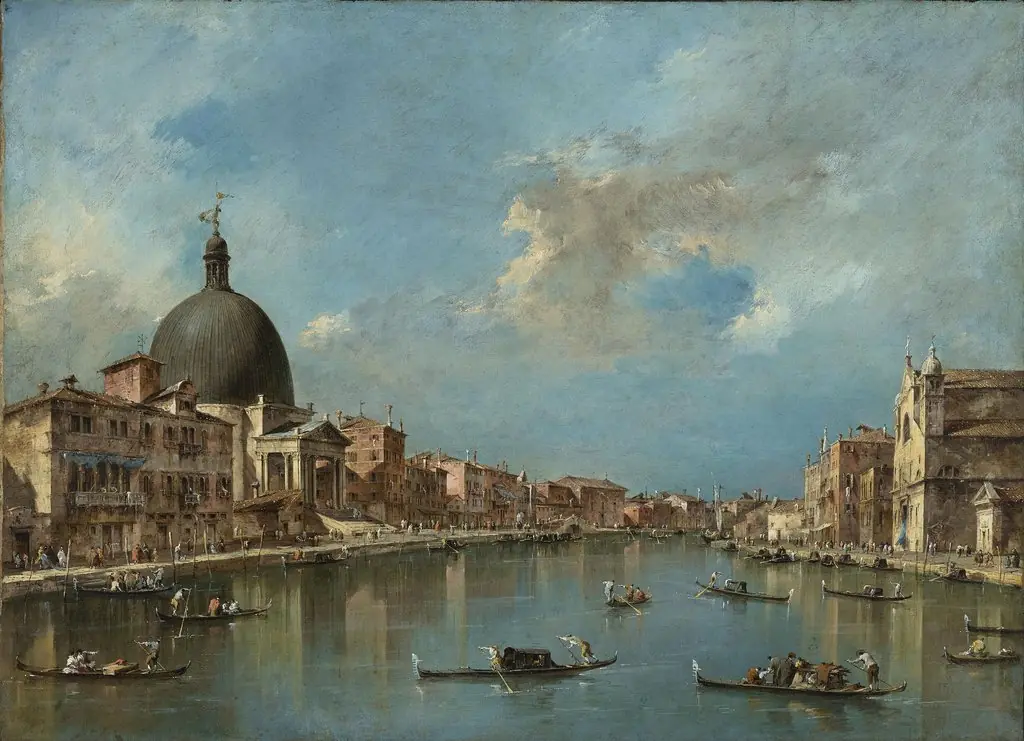 The Grand Canal with San Simeone Piccolo and Santa Lucia
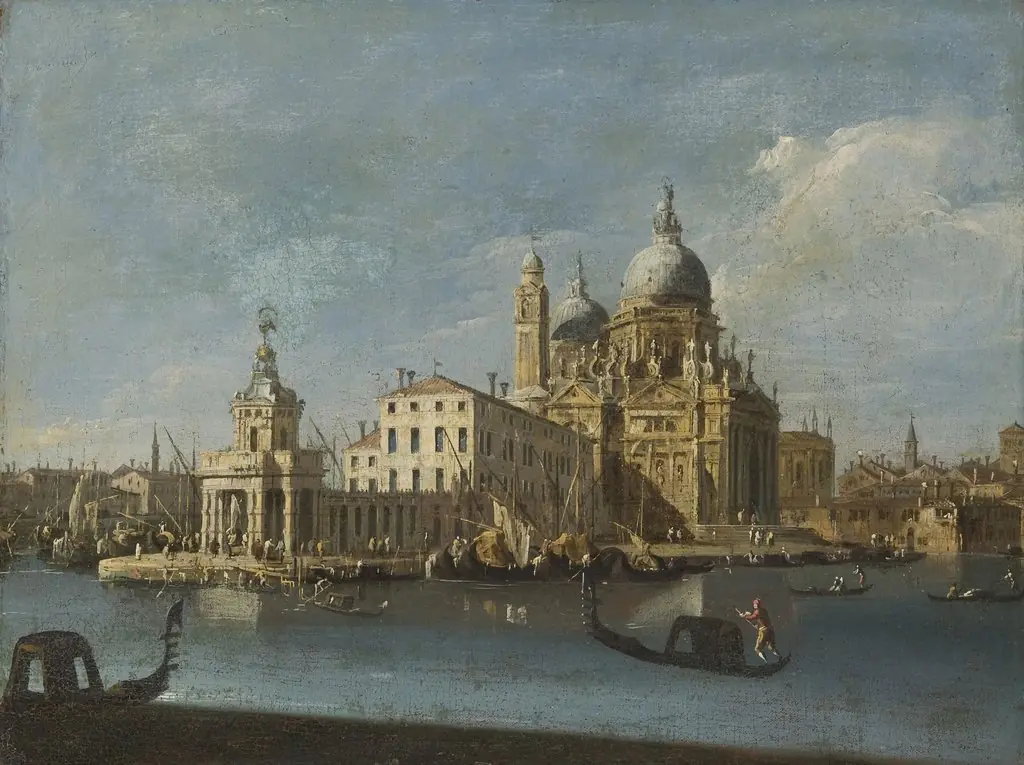 Santa Maria della Salute and the Dogana
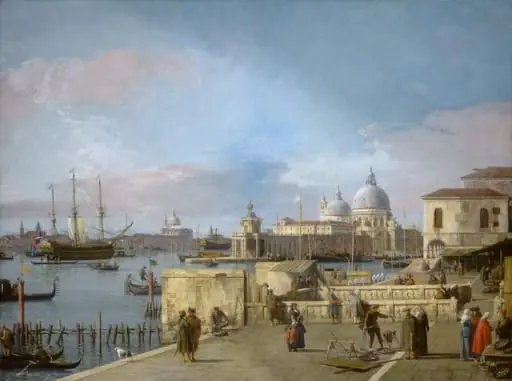
 The Entrance to the Grand Canal at the Punta della Dogana and Santa Maria della Salute