Artwork
The Porta Portello, Padua
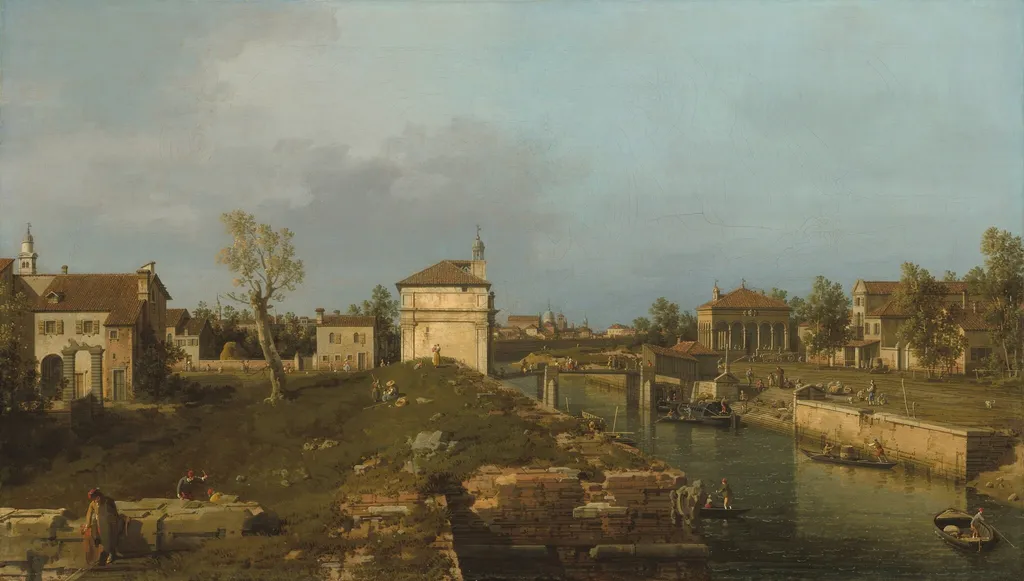
The Porta Portello, Padua is an oil painting by the Baroque artist Canaletto. It dates from 1742 and is held in the collection of the National Gallery of Art.
About this work
Technique & Style
Classified as a veduta or cityscape, the piece depicts the city of Padua with the formal precision characteristic of Giovanni Antonio Canal, known as Canaletto.
This work is an oil painting on canvas measuring 62 by 109 centimetres. Classified as a veduta or cityscape, the piece depicts the city of Padua with the formal precision characteristic of Giovanni Antonio Canal, known as Canaletto. The composition utilises the fluidity of oil paint to render architectural details and atmospheric perspective typical of the artist's mature style. The work's horizontal format emphasises the breadth of the urban landscape portrayed.
History & Provenance
The Porta Portello, Padua is dated to 1742 and aligns with Canaletto's known production during his Paduan sojourn of the late 1730s and early 1740s. The painting entered the market in 1943 when L.T.N. Gould sold it to P. & D. Colnaghi & Co., London, which resold it the same year to Francis F. Madan, London, catalogued at the time as a work by Bernardo Bellotto. Madan's 1955 sale at Christie's corrected the attribution to Canaletto and transferred it to H. Cevat.
By 1957 it had passed through the David M. Koetser Gallery to the Samuel H. Kress Foundation, which donated it in 1961 to the National Gallery of Art, Washington, D.C., where it remains as part of the Kress Collection.
Overview
Canaletto's The Porta Portello, Padua, painted around 1742, is an oil on canvas work that exemplifies the artist's renowned vedute style. This painting captures a specific urban landscape, showcasing his characteristic attention to architectural detail and the atmosphere of 18th-century Italian cities. It stands as a significant example of his output, which often blended precise topographical representation with an aesthetic sensibility.
Subject & Meaning
The artwork depicts the Porta Portello gate in Padua, a prominent feature of the city's canal system. Canaletto meticulously renders the historic buildings and the waterway, conveying a sense of daily activity within the port. This piece is characteristic of his approach, where actual locations are presented with a degree of artistic interpretation, creating a vivid impression of urban life that transcends mere documentation.
Context
Born Giovanni Antonio Canal in Venice in 1697, the artist known as Canaletto became a preeminent figure of the 18th-century Venetian school. He specialized in capturing the urban environment, producing numerous detailed cityscapes like this one, alongside more imaginative compositions. His work was instrumental in shaping the vedute genre, offering a distinctive perspective on European cities during a period of significant artistic and cultural exchange.
Artist & collection
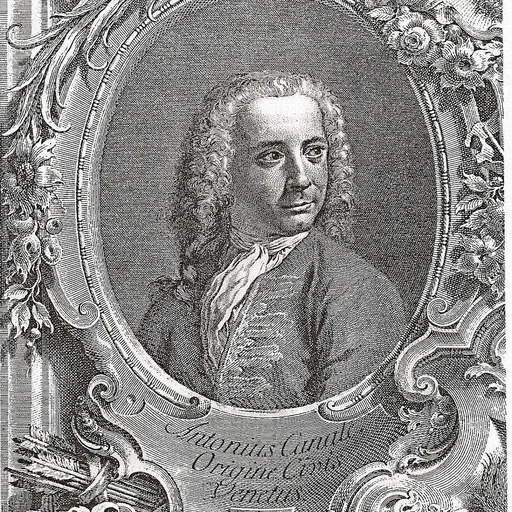
Artist
Giovanni Antonio Canal (18 October 1697 – 19 April 1768), commonly known as Canaletto (Italian: ), was an Italian painter from the Republic of Venice, considered an important member of the 18th-century Venetian school.

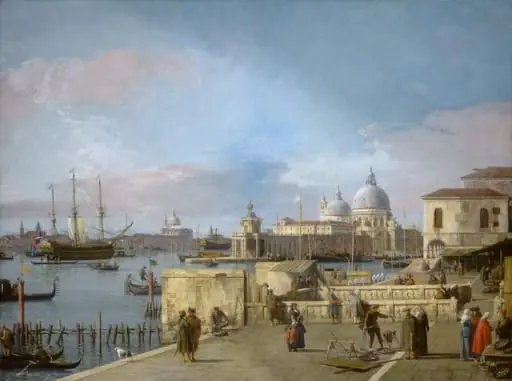 Entrance to the Grand Canal from the Molo, Venice
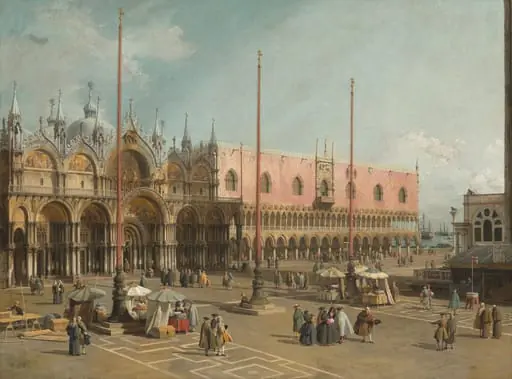 The Square of Saint Mark's, Venice
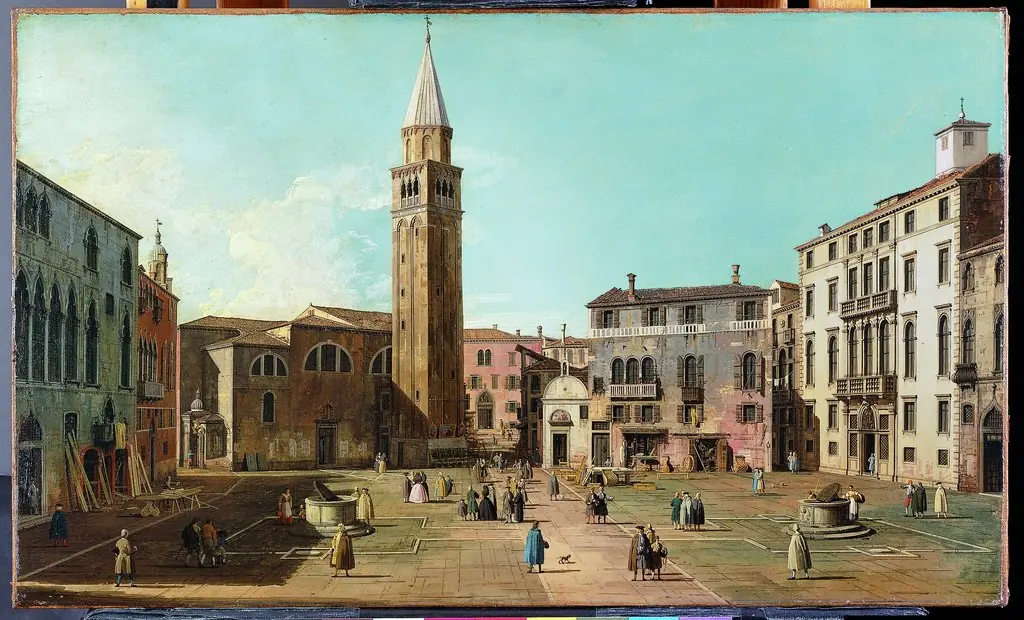 Campo Sant'Angelo
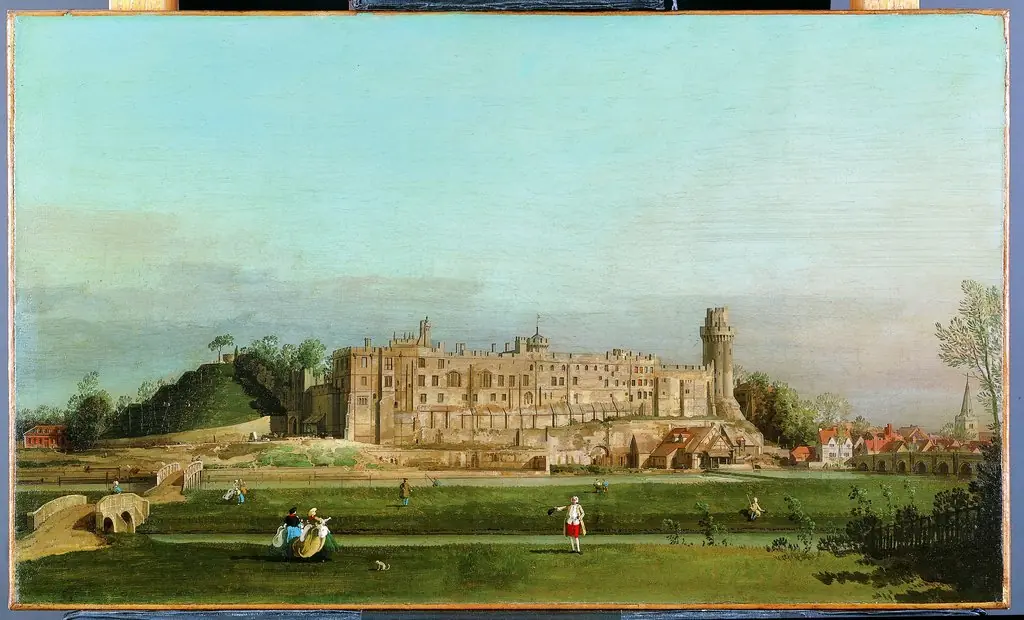 Warwick Castle
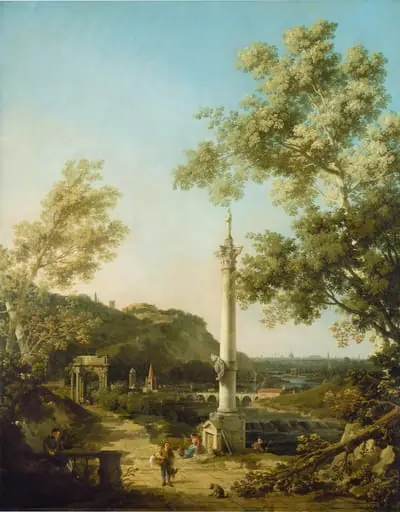 English Landscape Capriccio with a Column
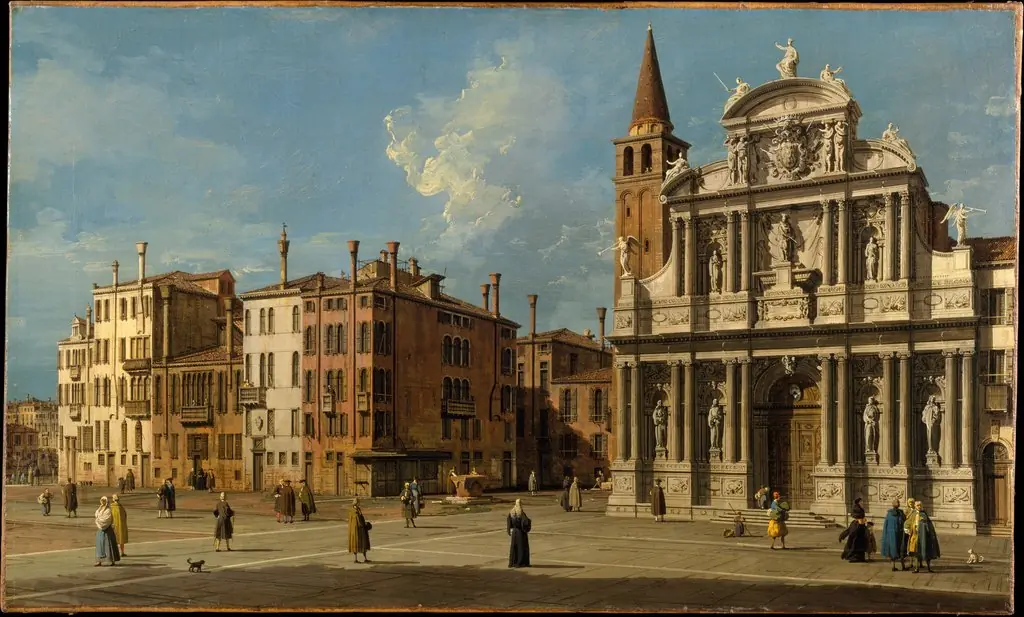 Campo Santa Maria Zobenigo, Venice
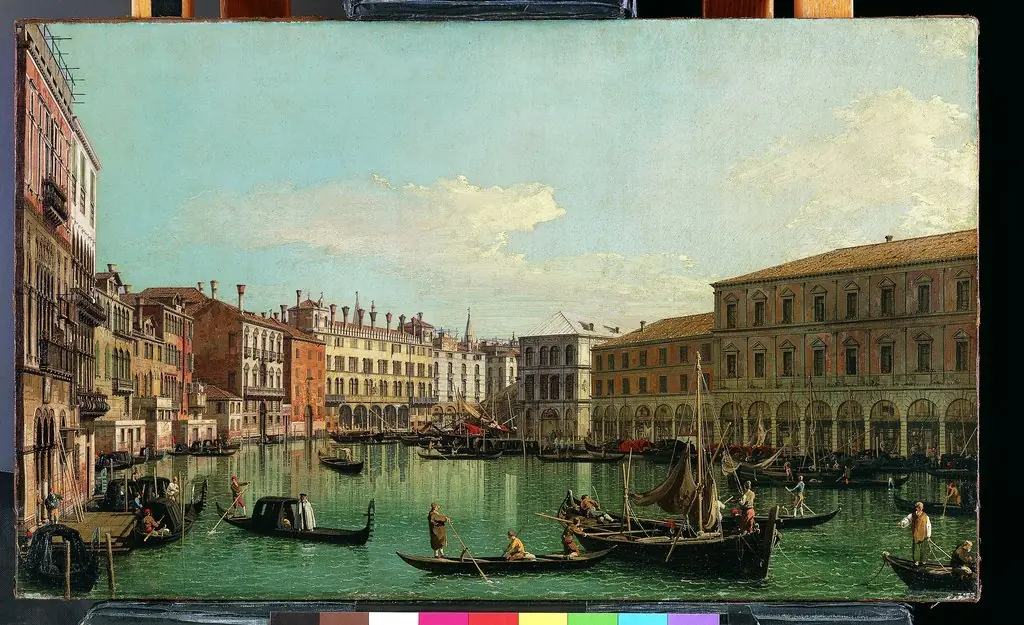 The Grand Canal, Venice, Looking South toward the Rialto Bridge
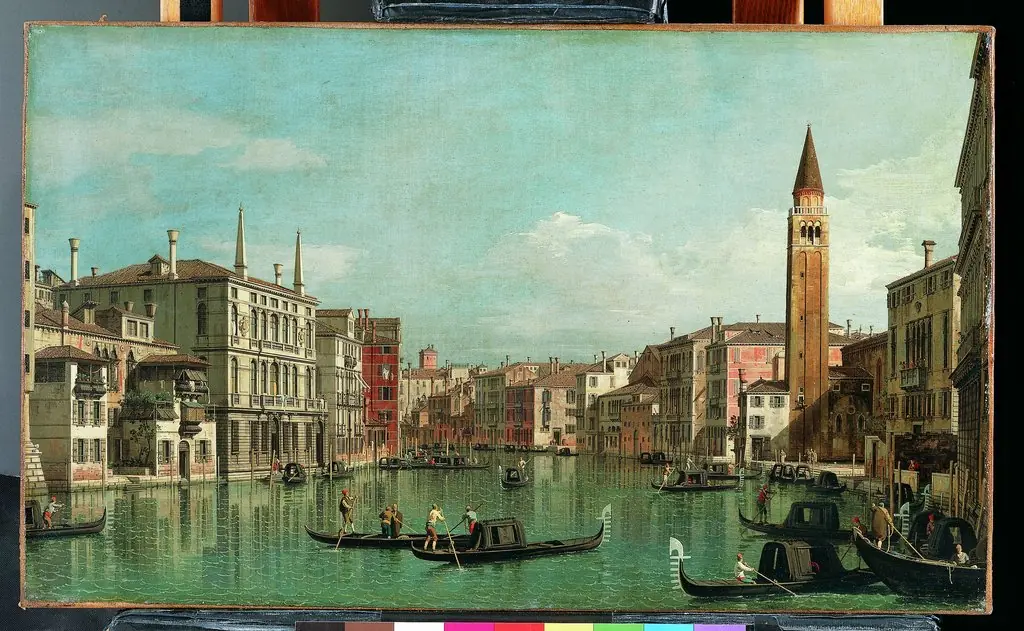 The Grand Canal, Venice, Looking Southeast, with the Campo della Carità to the Right
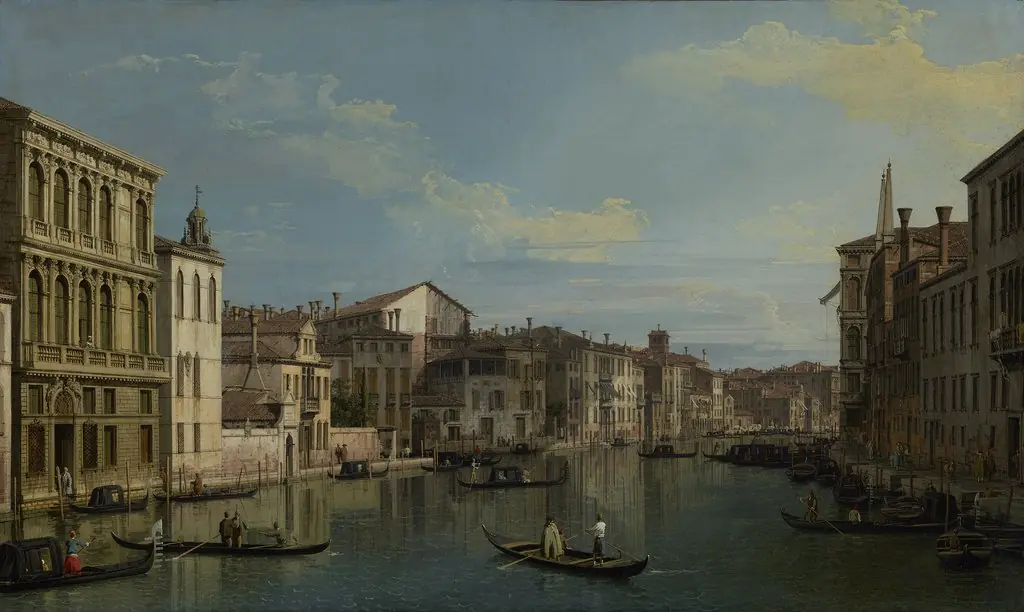 The Grand Canal in Venice from Palazzo Flangini to Campo San Marcuola
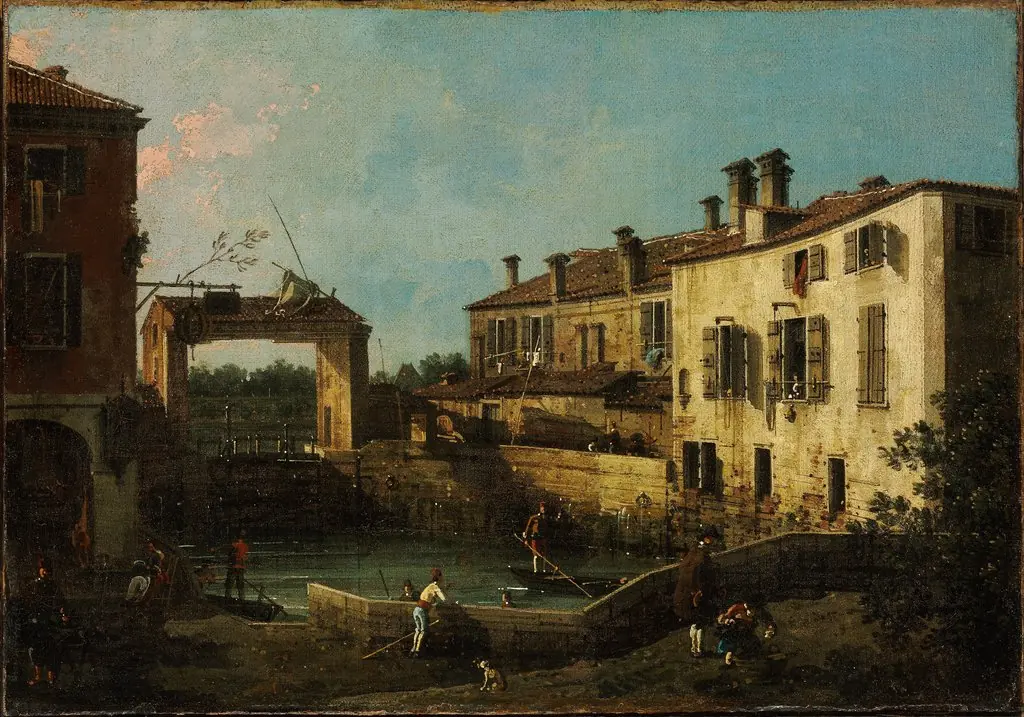 The Lock at Dolo
 The Terrace
 The Terrace
 View of the Tiber from the south – Ripa Grande
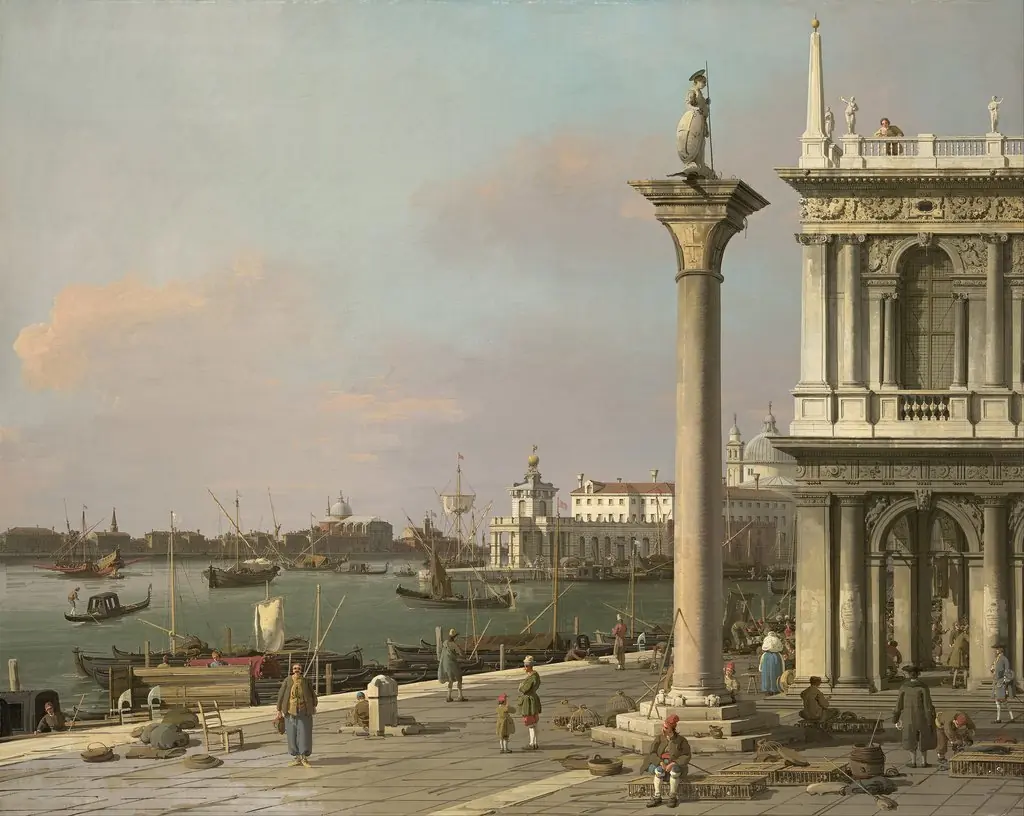 Bacino di San Marco from the Piazzetta
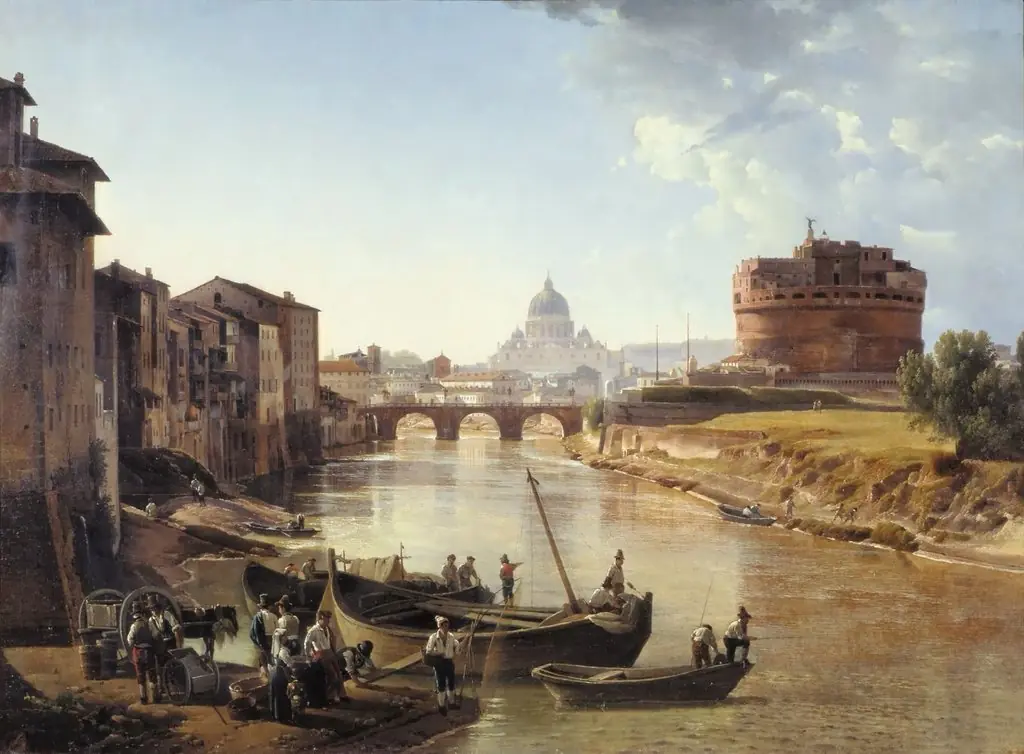 The New Rome. Castel Sant'Angelo
 Fanciful View of the Castel Sant'Angelo, Rome
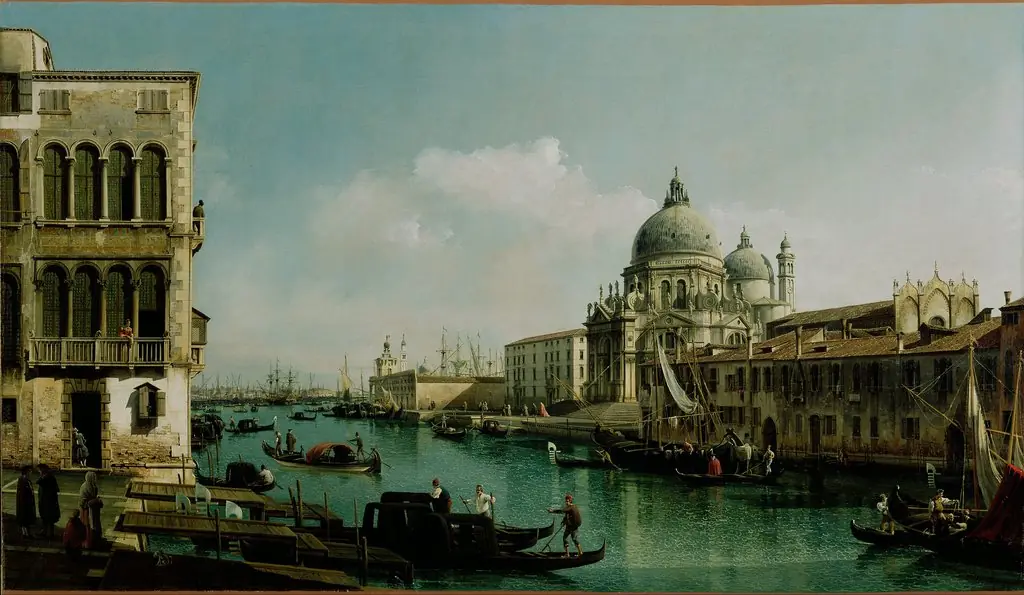 View of the Grand Canal: Santa Maria della Salute and the Dogana from Campo Santa Maria Zobenigo
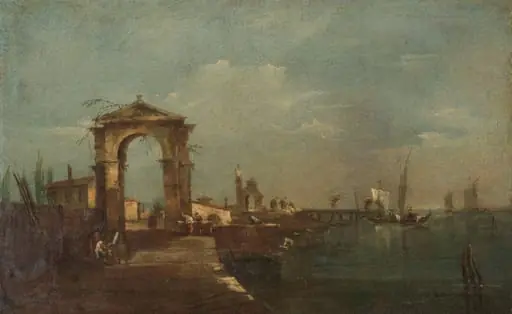 Landscape with a Quay and Ships on a Lake
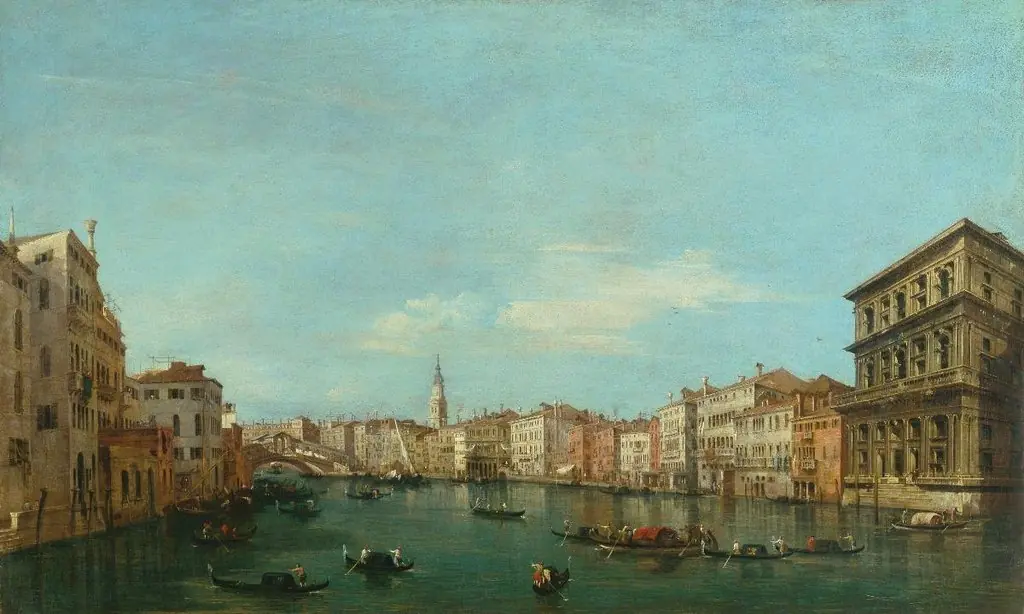 Il Canal Grande a palazzo Grimani, verso il ponte di Rialto
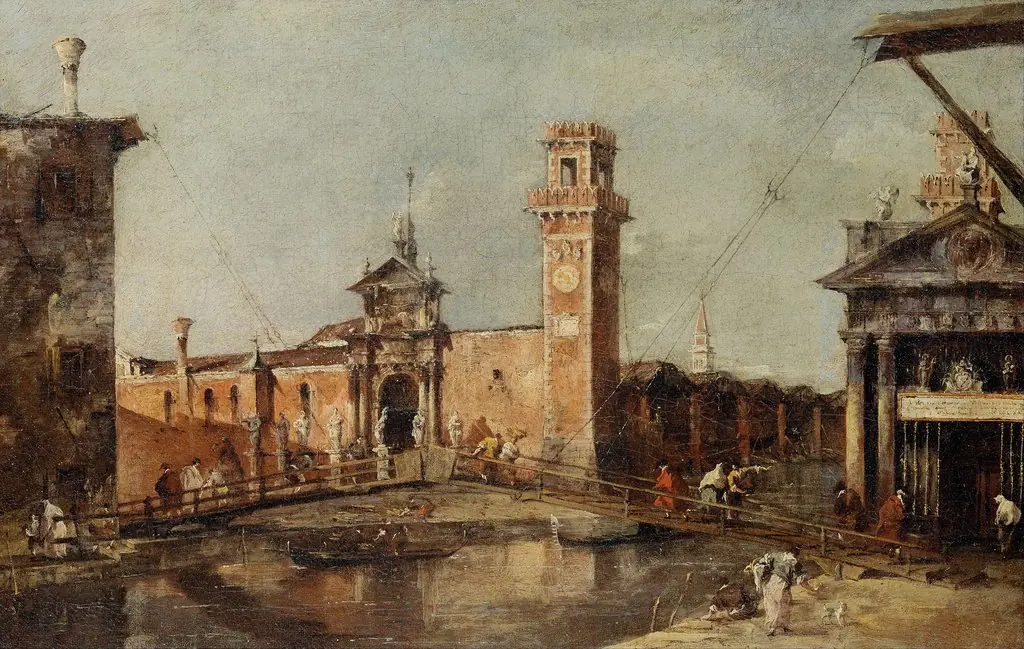
- The Entrance to the Arsenal in Venice