Artwork
Portrait of Catherine I
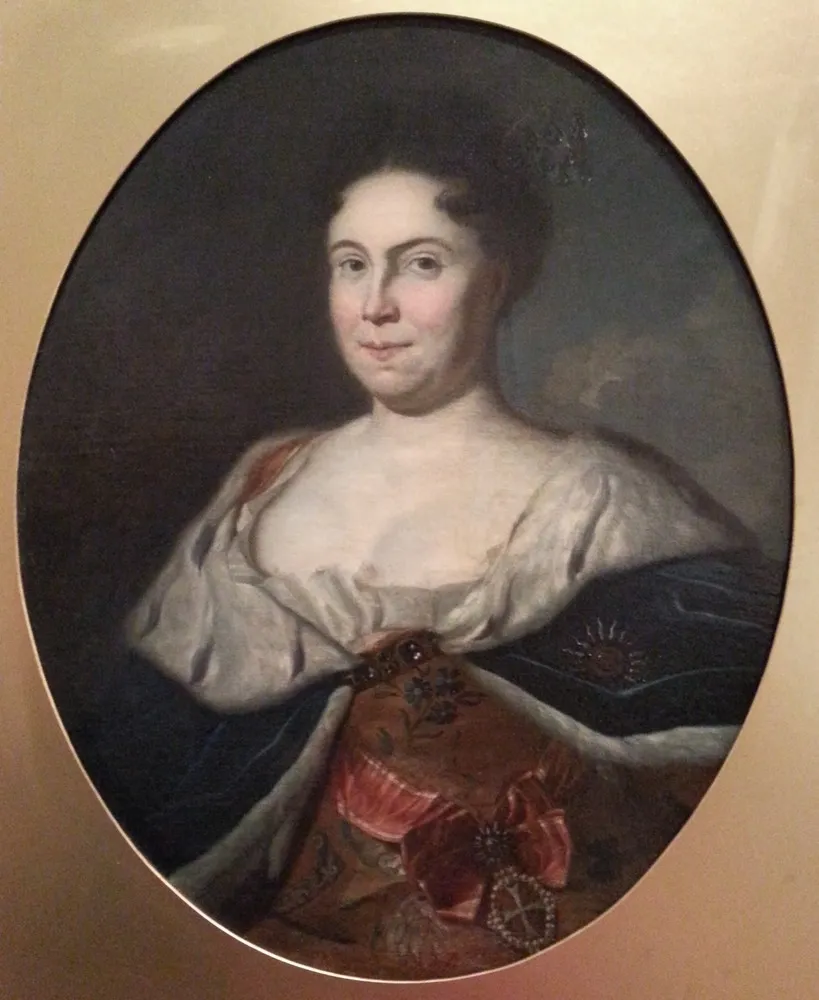
Portrait of Catherine I is an oil painting by the Rococo painting artist Carel de Moor. It dates from 1717 and is held in the collection of the Hermitage Museum.
About this work
Overview
Portrait of Catherine I is a 1717 oil on canvas painting by the Dutch artist Carel de Moor.
Portrait of Catherine I is a 1717 oil on canvas painting by the Dutch artist Carel de Moor. Measuring 81 by 64 centimeters, the oval-framed work depicts Catherine I of Russia and was painted from life during the second abroad journey of Tsar Peter the Great. The painting is currently held in the State Hermitage Museum in Saint Petersburg. The portrait is significant both as a rare life study of the Russian Empress by a noted Leiden fijnschilder and for its complex provenance, which saw the work disappear from public view for decades before its twentieth-century recovery.
Subject & Meaning
The painting portrays Catherine Alexeyevna, born Marta Skowrońska, a former servant who became the second wife of Peter the Great and later Empress of Russia. De Moor captures her humble origins and lower-class beauty without idealization, producing what researchers have described as a realistic portrait that is not so flattering to the model. She is dressed in regal attire, wearing a white silk bodice with voluminous sleeves and a deep blue velvet mantle lined with ermine, fastened by a sun-shaped clasp. A russet skirt with floral embroidery and a pearl-strung medallion completes the imperial iconography, asserting her newly elevated royal status despite the unvarnished rendering of her features.
Technique & Style
Executed in oil on canvas, the portrait demonstrates the polished, finished technique typical of formal court portraiture, infused with the refined handling of the Leiden fijnschilders. The composition is an oval format focusing on the sitter from the chest up, set against a dark, indistinct background of muted brown and gray tones that minimizes spatial depth. Soft light illuminating from the upper left highlights the face, chest, and white fabric, while shadows pool in the folds of the blue mantle. The brushwork is smooth and blended in the flesh tones and fabrics, with finer, meticulous detail reserved for the jewelry and textiles. The overall palette is restrained, relying on whites, deep blues, russet reds, and warm browns.
History & Provenance
Carel de Moor painted the portrait from life in The Hague in March 1717, alongside a likeness of the Tsar, completing the work in his studio by May of the same year. In 1718, both portraits were sent overland to Russia, where the diplomat Boris Kurakin received them. Kurakin likely kept the depiction of Catherine for himself, while the companion portrait of Peter became lost. The painting remained at the Kurakin family estate in Nadezhdino, Saratov Gubernia, for nearly two centuries. It first became known to the wider public at the historical-artistic exhibition of Russian portraits in the Taurida Palace in 1905, but subsequently vanished from sight. In 1956, the State Hermitage acquired the work via the Expert Purchasing Committee from M. M. Uspensky.
Context
Carel de Moor was a prominent Leiden painter trained by Gerrit Dou, Abraham van den Tempel, and Frans van Mieris, establishing his reputation within the Leiden fijnschilder tradition. By 1717, he was a highly sought portraitist commanding high prices from elite patrons across the Netherlands, including major commissions such as a monumental portrait of the entire magistrate of The Hague that same year. His international reputation had already attracted foreign patrons, including Cosimo III de' Medici and the imperial ambassador in The Hague. The commission from the Russian court underscores this international standing. For many years, this painting was considered a companion piece to Andrei Matveyev's portrait of Peter the Great, reflecting the scholarly effort to reconstruct the original diplomatic pairing lost after 1718.
Legacy
The portrait has endured as an essential visual document of Catherine I, valued for its unidealized record of her appearance. It has been featured in modern scholarship and exhibitions examining the Empress's life, including the 2024 online exhibition Catherine I: The First Royal Owner of Sarskoe Selo organized by the Tsarskoe Selo museum. The painting's image also circulated through reproductive prints, such as a 1724 engraving by Jacobus Houbraken held in the State Historical Museum, which helped cement the visual legacy of De Moor's likeness of the Empress across broader European audiences.
Artist & collection
Artist
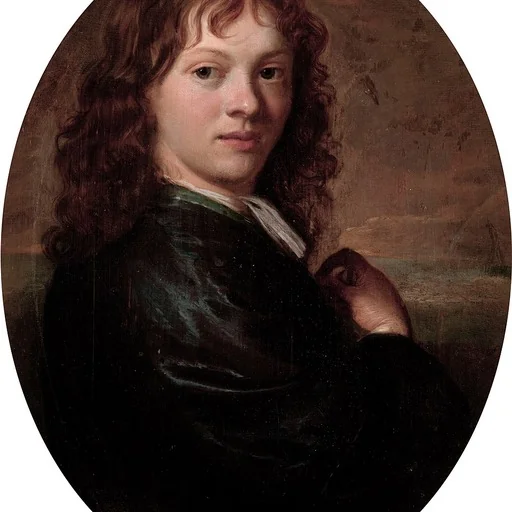
Carel de Moor (25 February 1655 – 16 February 1738) was a Dutch Golden Age etcher and painter. He was a pupil of the Dutch Golden Age painter Gerard Dou.

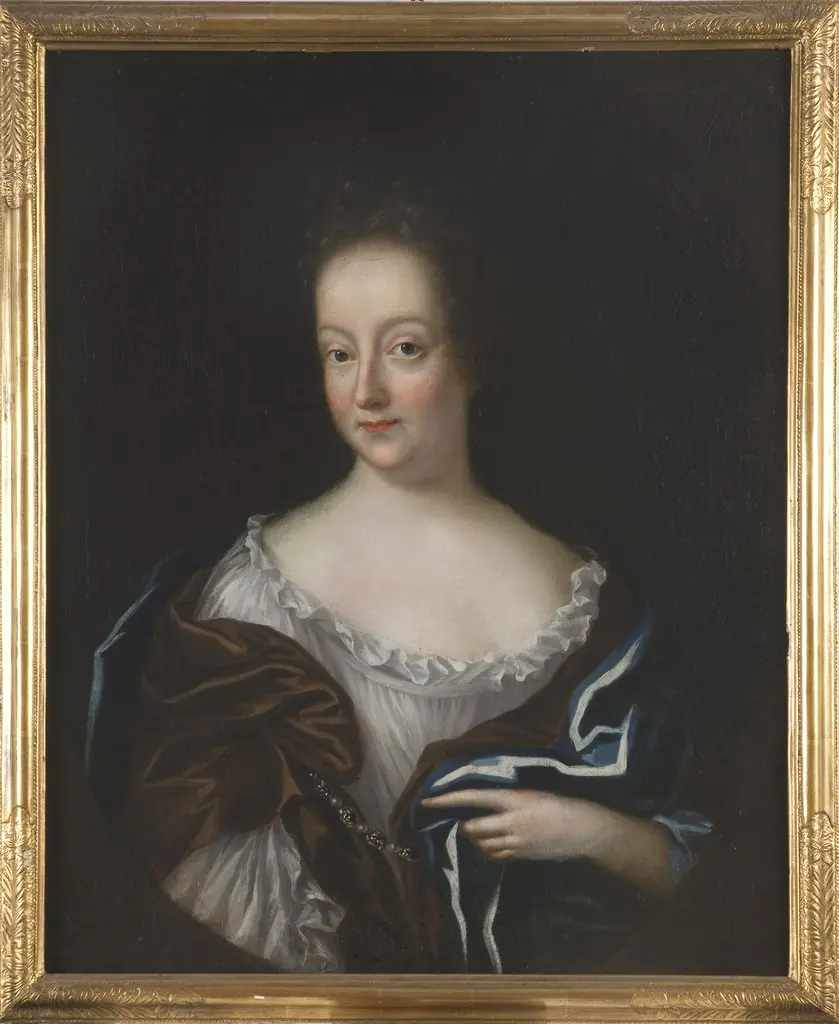
- Beata Elisabet von Königsmarck (1637-1723), grevinna, gift med greve Pontus Fredrik De la Gardie
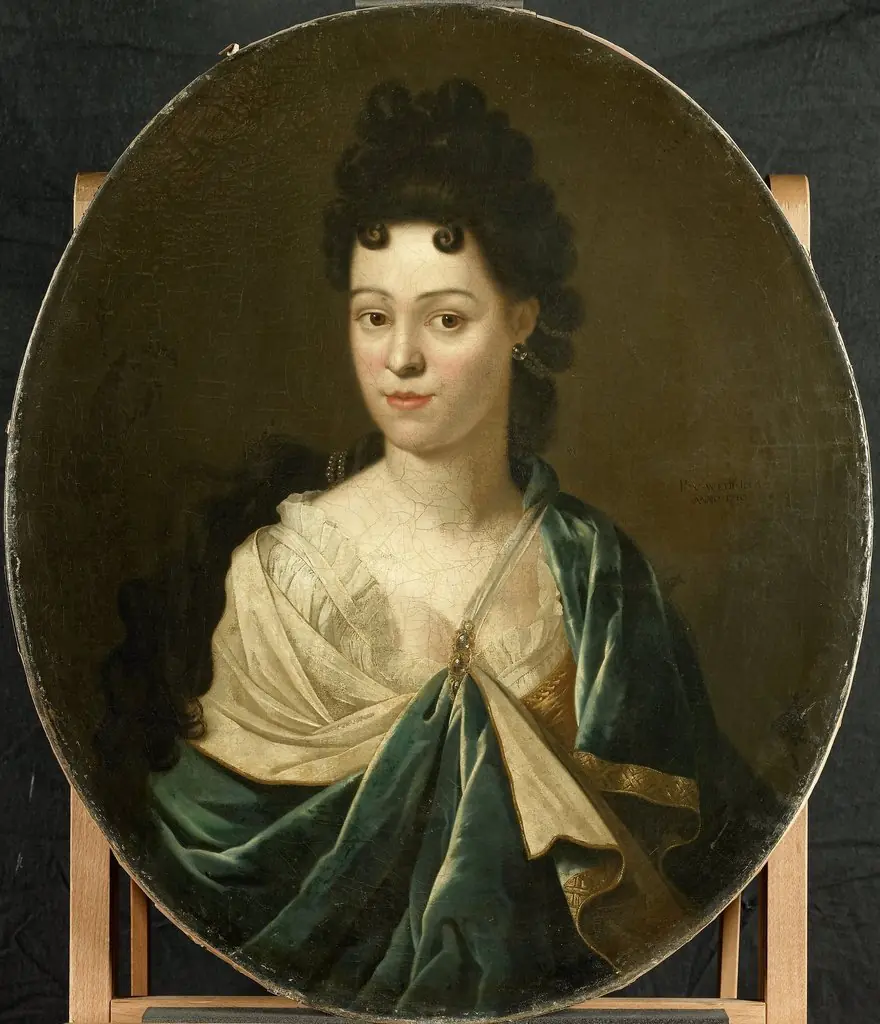 Portrait of Mrs. Brust-Batailhy
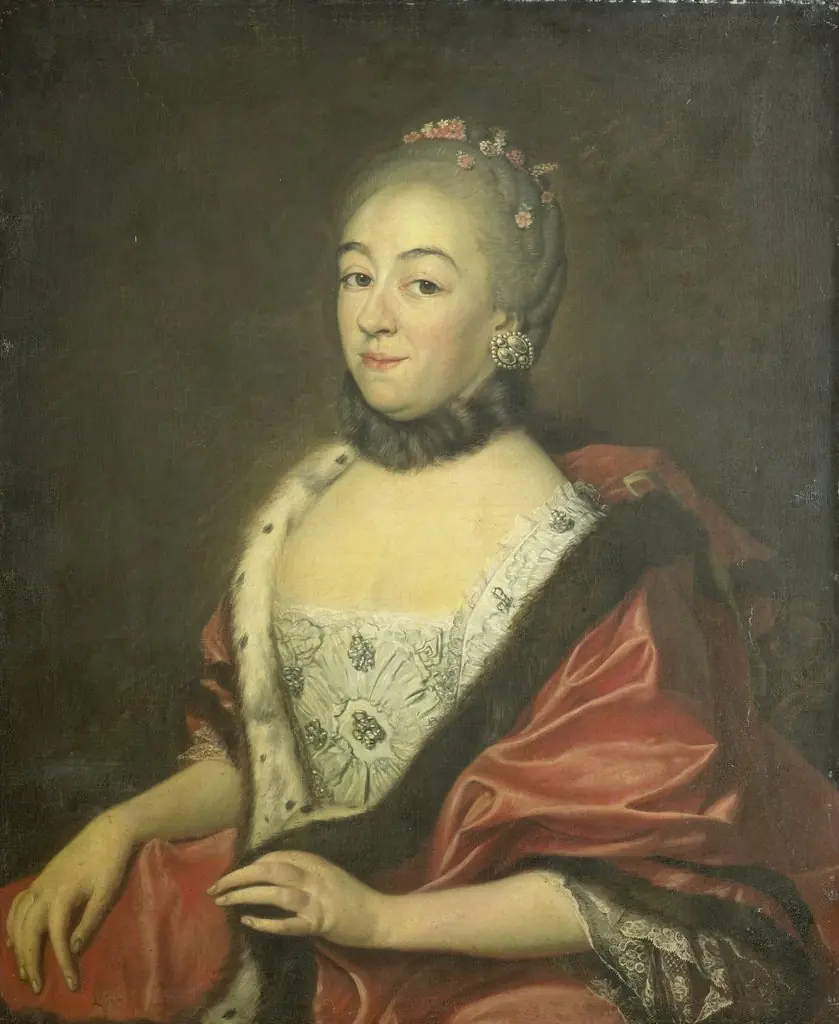 Sandrina van den Broecke, Wife of George Lodewijk Matthes
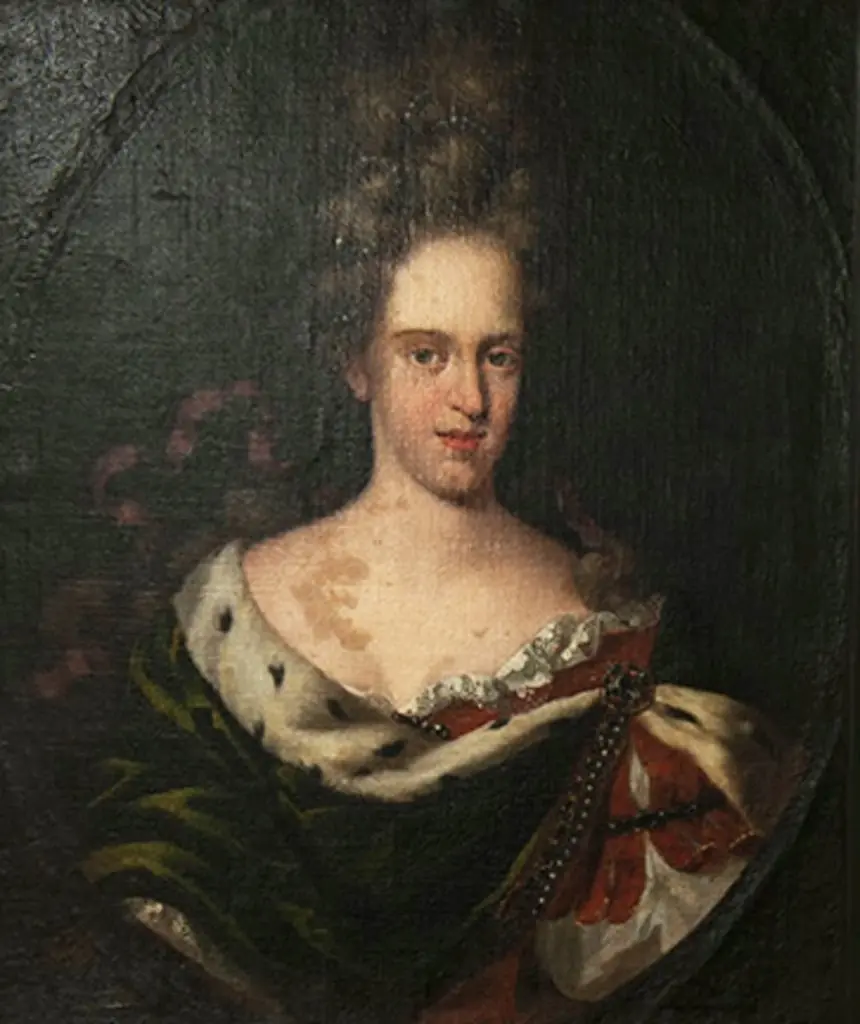 Maria Josepha Anna von Bayern
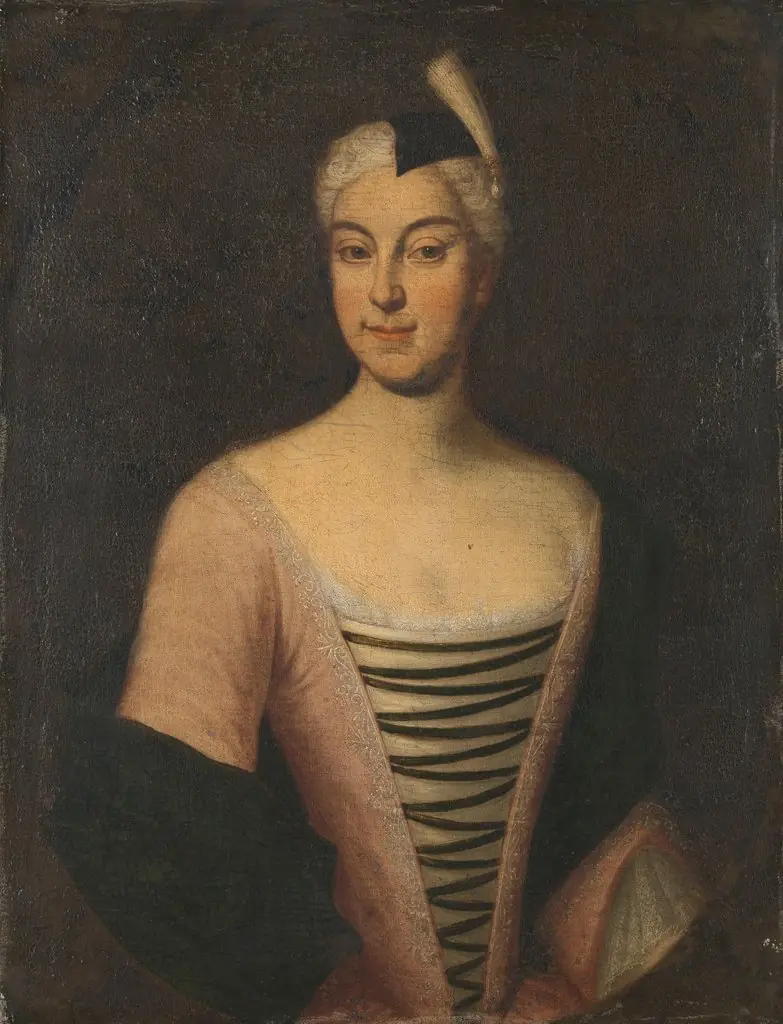 Portrait of a woman
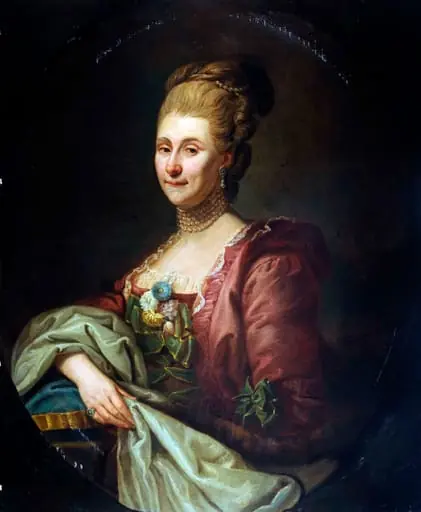 Portretul arhiducesei Maria Christina
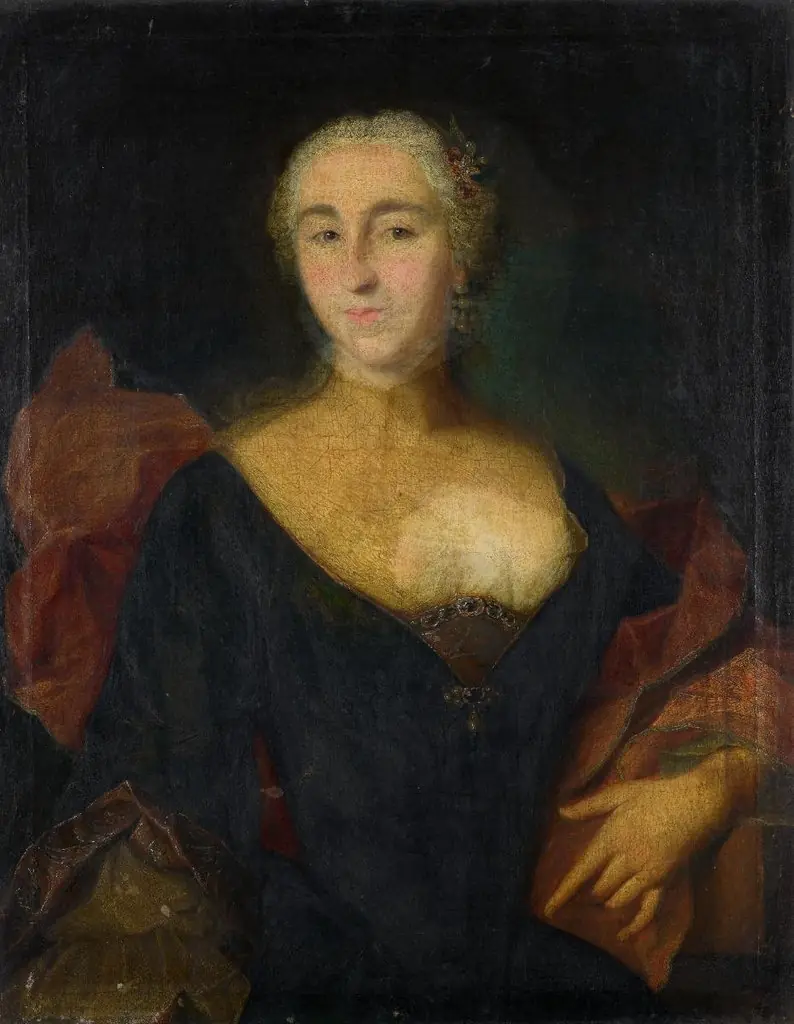 Bildnis einer jüngeren Dame
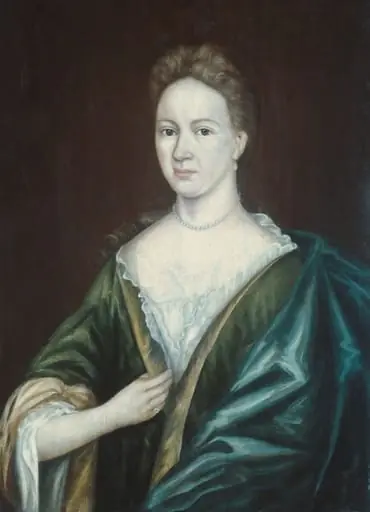 Mrs. Augustus Jay
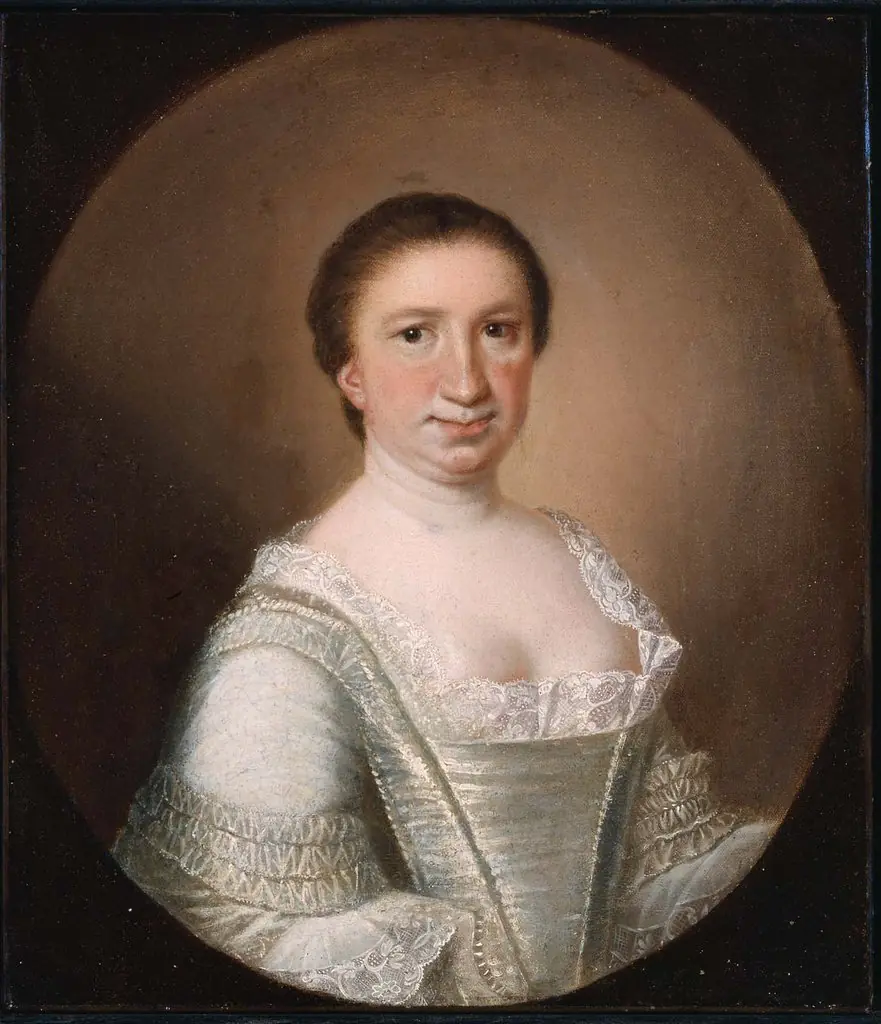 Mrs. Lionel Chalmers (Martha Logan)
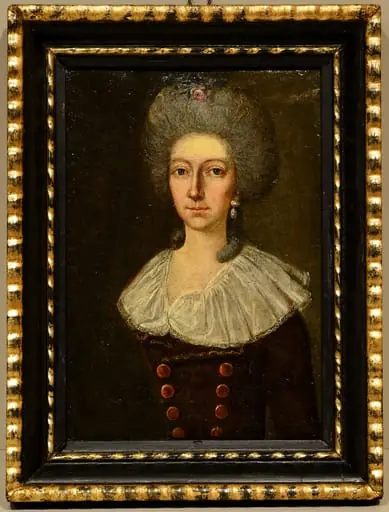 Äbtissin Auguste Dorothea von Braunschweig-Wolfenbüttel
 Mrs. David Chesebrough
 Bildnis der Prinzessin Francisca Elisabeth von Parma