Artwork
Mrs. Augustus Jay
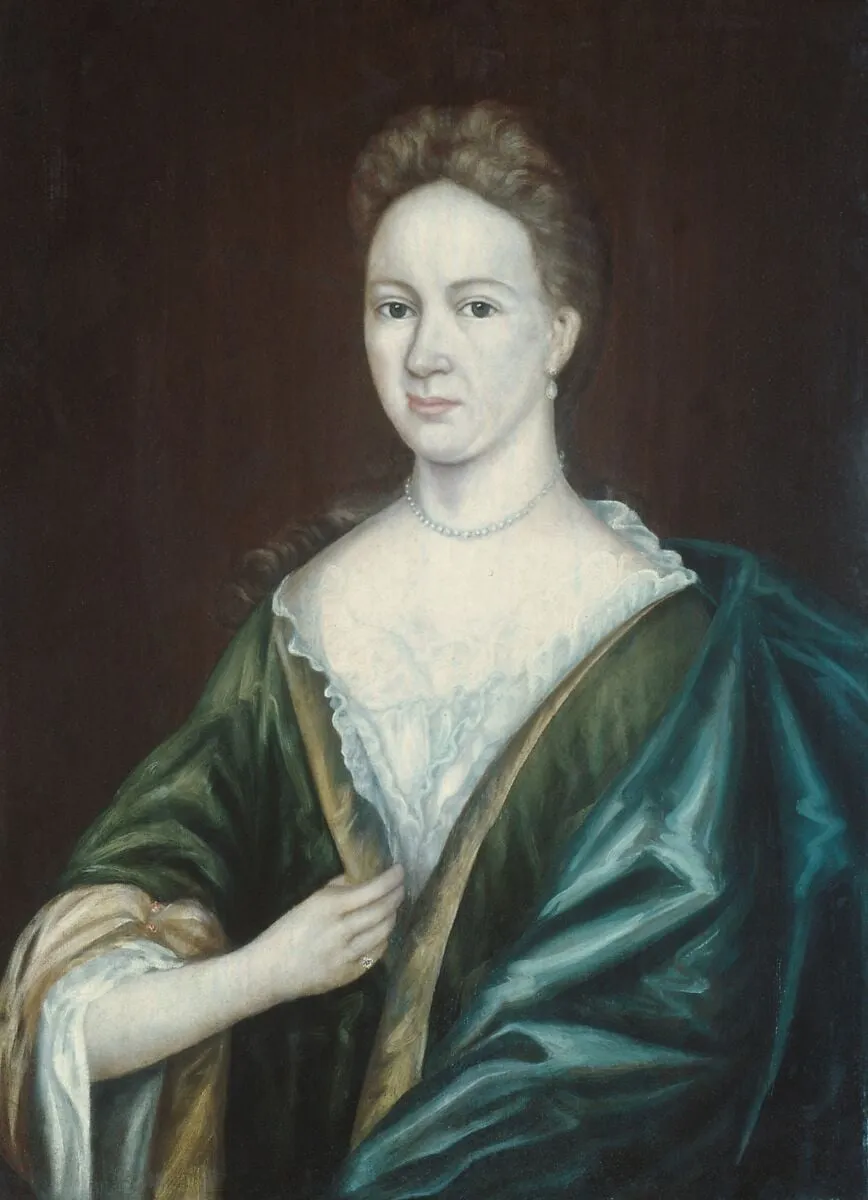
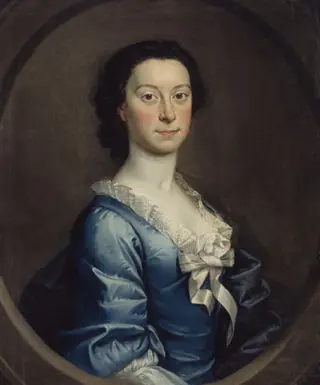
Mrs. Augustus Jay is an oil painting by the Baroque artist Gerrit Duyckinck. It dates from 1700 and is held in the collection of the Metropolitan Museum of Art.
About this work
Subject & Meaning
The work is a formal portrait depicting Anna Maria Bayard Jay, also identified as Mrs.
The work is a formal portrait depicting Anna Maria Bayard Jay, also identified as Mrs. Augustus Jay. Created around 1700 by Gerrit Duyckinck, the painting focuses exclusively on the likeness of this specific woman, serving as a visual record of her identity and status within early American society. As a genre portrait executed in oil on a wood panel, the image functions primarily as a commemorative representation of the sitter rather than employing complex allegorical symbolism or narrative iconography.
The composition centers on the subject herself, highlighting her presence through the direct medium of portraiture common to the period, thereby representing her individual persona and familial connection to Augustus Jay.
Technique & Style
The portrait is executed in oil paint on a wooden panel, a support typical of early eighteenth-century American portraiture. The painted surface measures 80.6 cm in height by 57.1 cm in width, presenting the sitter in a vertical format suited to a half-length likeness. The handling reflects the conventions of the colonial Anglo-Dutch portrait tradition associated with Gerrit Duyckinck, employing the smooth, linear brushwork and restrained palette characteristic of small-scale panel portraits of the period.
The work is held in the collection of the Metropolitan Museum of Art's American Wing, where its condition has been maintained for study and display.
History & Provenance
The portrait of Anna Maria Bayard Jay, titled Mrs. Augustus Jay, is an oil-on-panel work dated to circa 1700 and attributed to the American painter Gerrit Duyckinck. The painting depicts the sitter in a bust-length format and is currently housed in the Metropolitan Museum of Art, where it forms part of the American Wing collection. While the sources record its date, medium, artist, and present location, they do not provide information about the original commission, earlier owners, or any subsequent transfers before its accession to the Met.
Consequently, the known provenance begins with the museum’s holdings, and the creation history rests on the attribution to Duyckinck and the early eighteenth‑century dating.
The portrait Mrs. Augustus Jay is held in the collection of the Metropolitan Museum of Art, New York. The work is catalogued with the accession number 1975.1.178, placed within The American Wing. It was exhibited in 2018 as part of the display "The New York Collects: Drawings and Prints, 1960–1980" at the Metropolitan Museum of Art, which included works from the museum's holdings.
Overview
Painted in 1700 by Gerrit Duyckinck, Mrs. Augustus Jay is a half-length portrait of Anna Maria Bayard Jay, the wife of a prominent New York merchant. Executed in oil on wood, the work depicts the sitter seated in a rigid, formal pose against a plain brown background. She wears a dark dress with a crisp, wide lace collar and a tight white cap, her pale face presented with direct, unsmiling clarity.
Her hands are folded demurely over a red book resting on her lap, a common attribute in portraiture of the era signifying piety or literacy. Duyckinck, a Dutch-born artist active in the colony, employed a straightforward, unadorned style characteristic of early American portraiture, prioritizing the accurate rendering of status and identity over decorative flourish. This painting is historically significant as one of the earliest known oil portraits created in New York, offering a rare visual record of the colonial elite at the turn of the eighteenth century.
It stands as a key example of the Dutch artistic tradition transplanted to the American colonies, bridging European conventions with the emerging cultural identity of New York.
Context
As an early New York portrait by an immigrant artist, this work contributes to understanding the development of American colonial art. It exemplifies the practical, unembellished style often favored in the colonies, where artists like Duyckinck provided essential representations for the burgeoning merchant class. Such portraits form a crucial part of the American Wing's collection, illustrating the artistic landscape of the era.
Artist & collection
Artist
Gerrit Duyckinck was born in 1660 in New Amsterdam, the son of Evert Duyckinck, a portraitist and glazier, and Hendrickje Simons.

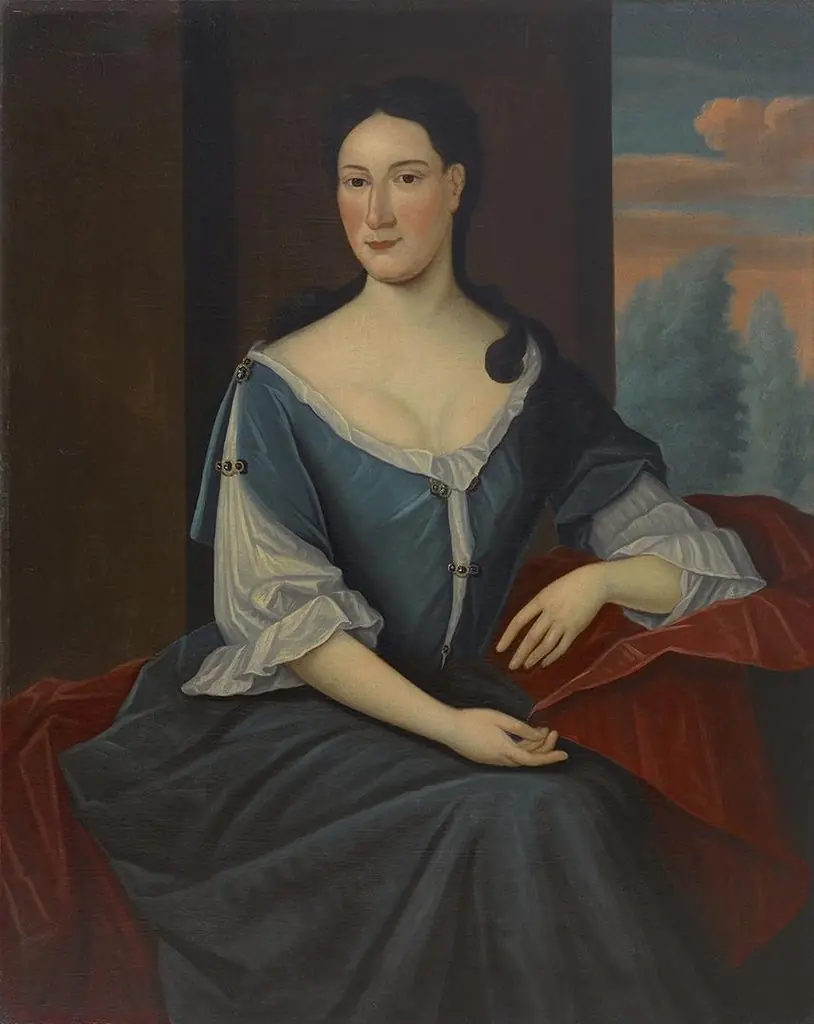 Mrs. Jacob Franks (Abigaill Levy)
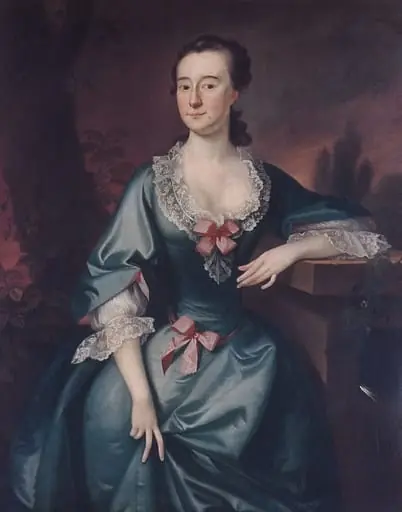 Mrs. David Chesebrough
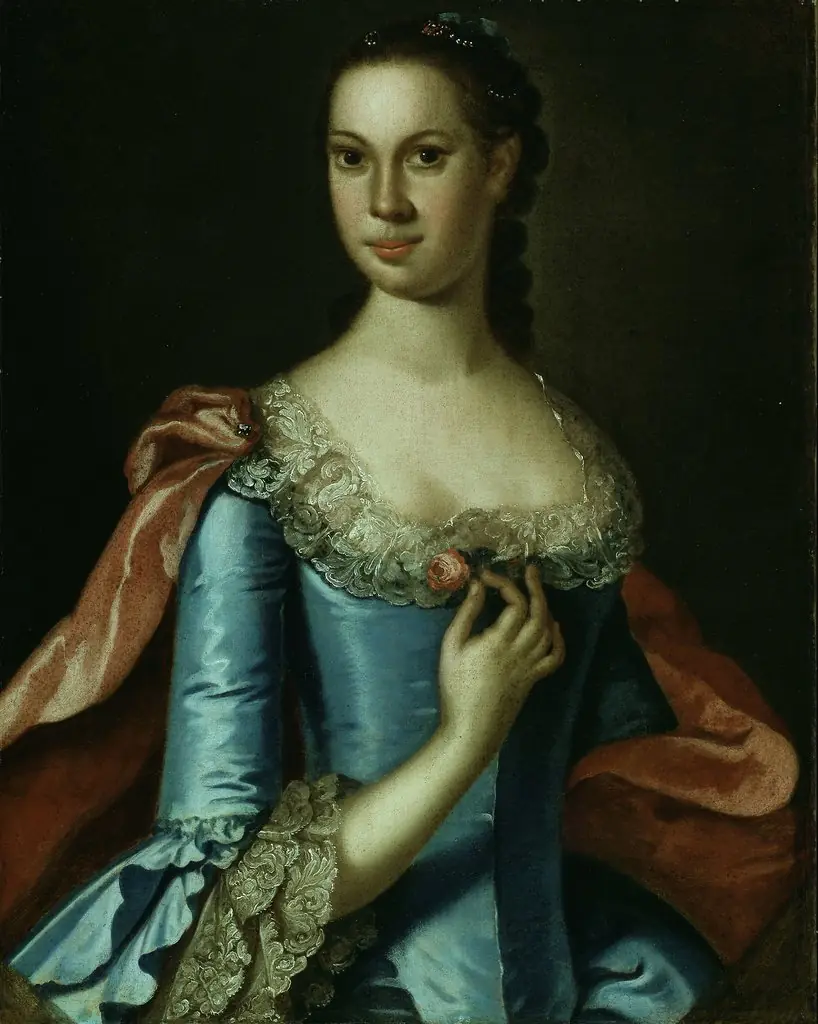 Mrs. William Carmichael
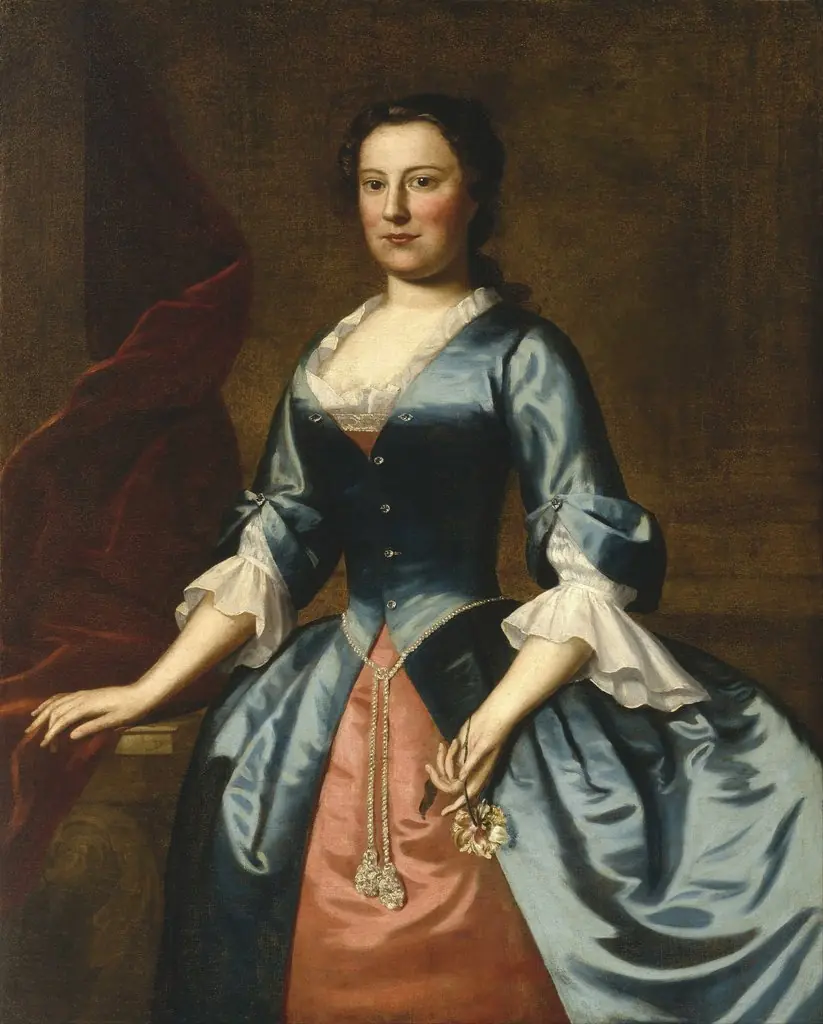 Portrait of Mrs. Samuel McCall, Sr. (Anne McCall, 1720–1785)
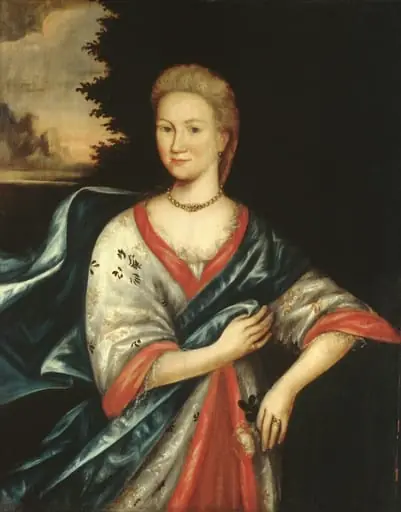 Portrait of a Lady
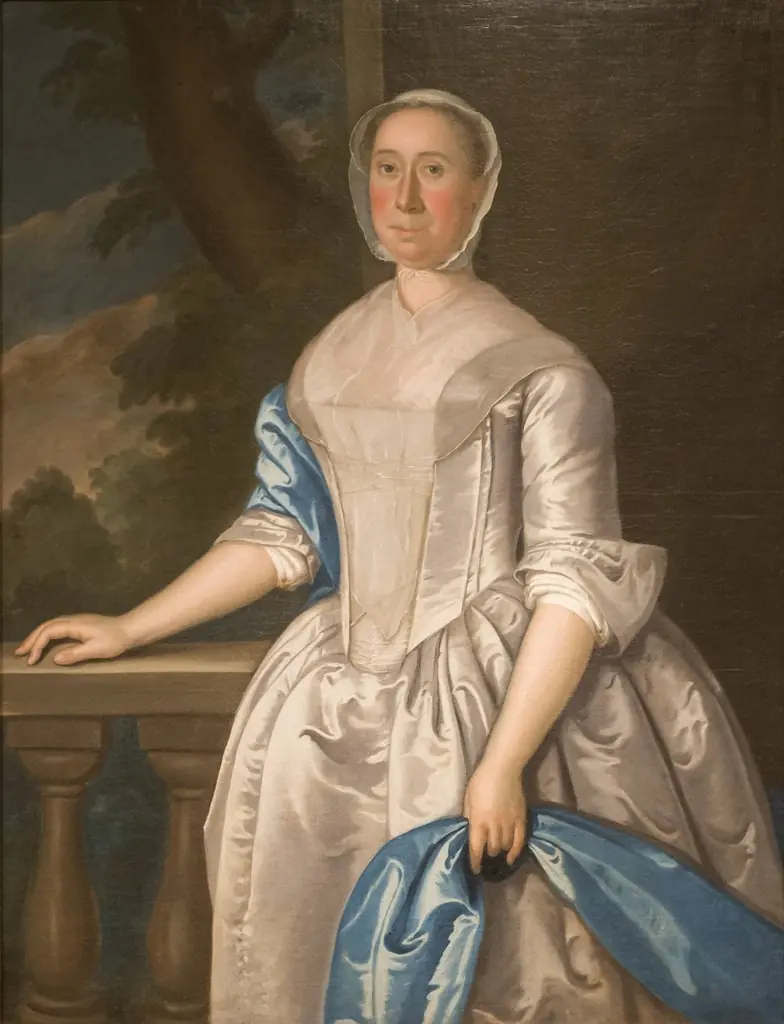 Mrs. Thomas Sprigg
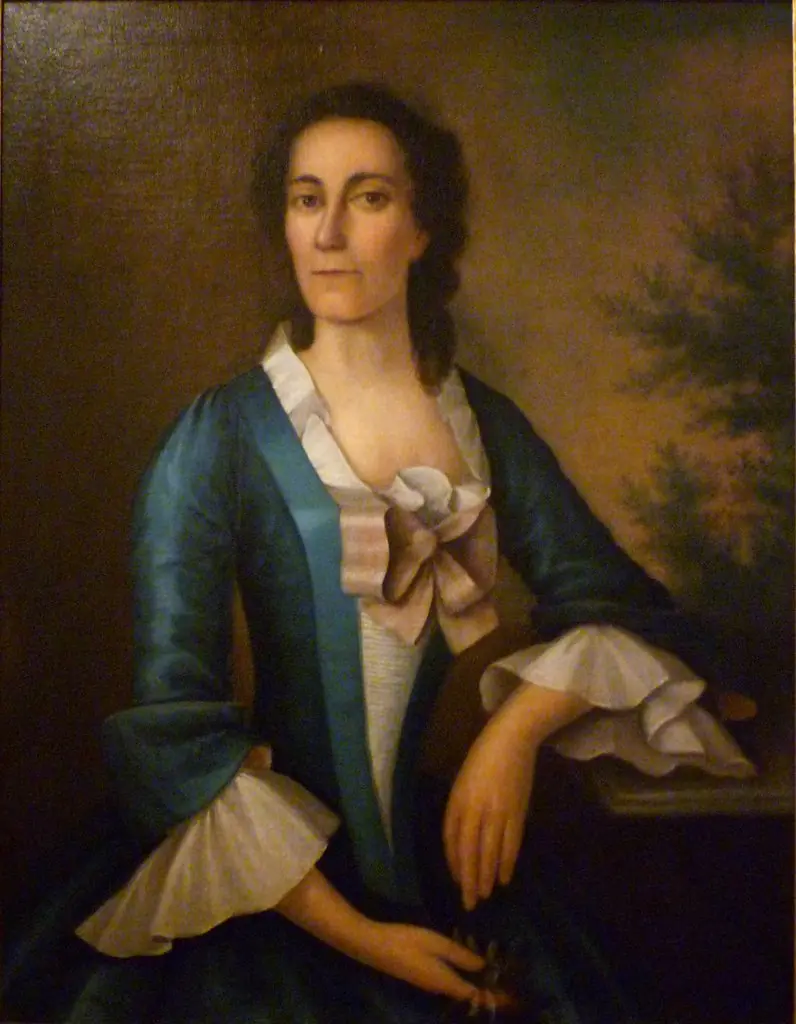 Portrait of Mrs. Thomas Shippard
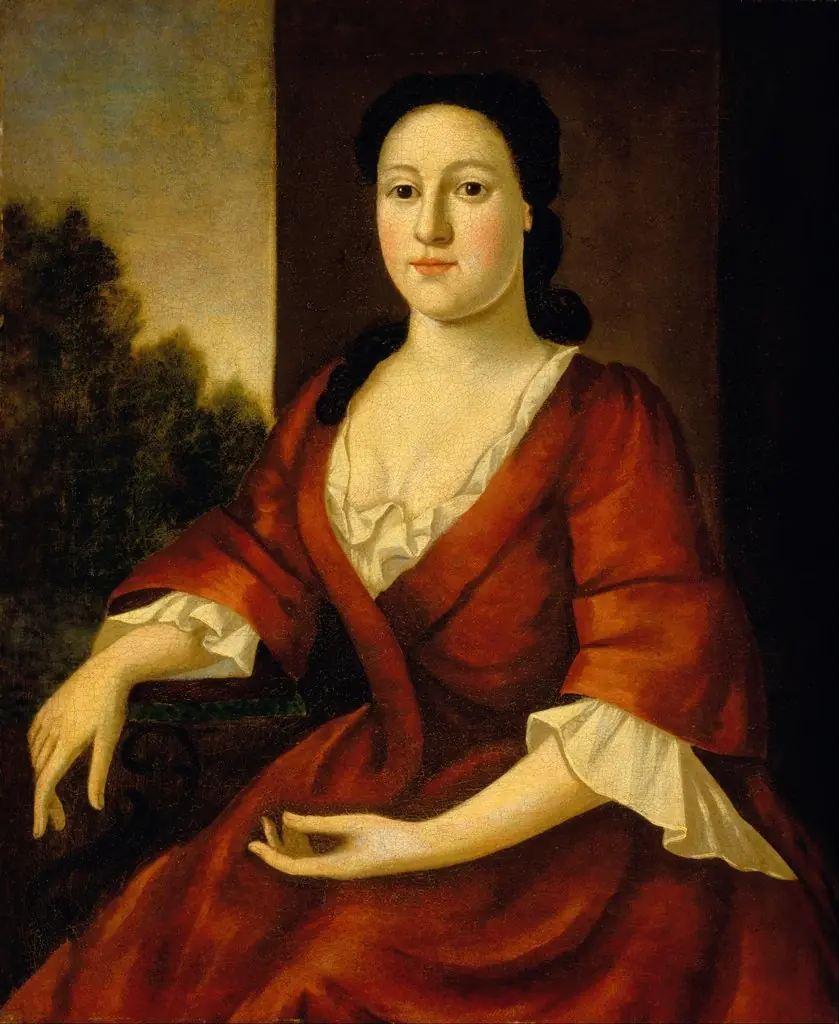 Portrait of Mrs. John Greenleaf (Priscilla Brown, born 1725)
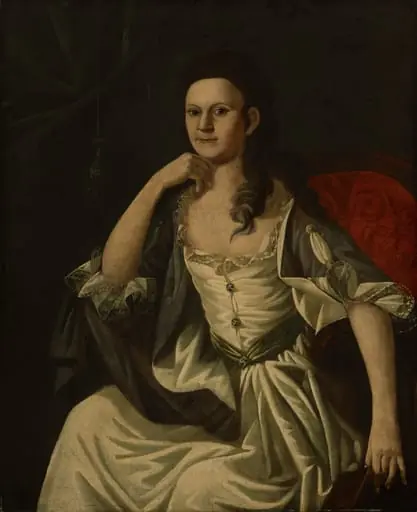 Jane Cutler Doane
 Possible Portrait of Hester Vanhomrigh ('Vanessa') (1690-1723)