Artwork
Descent from the Cross
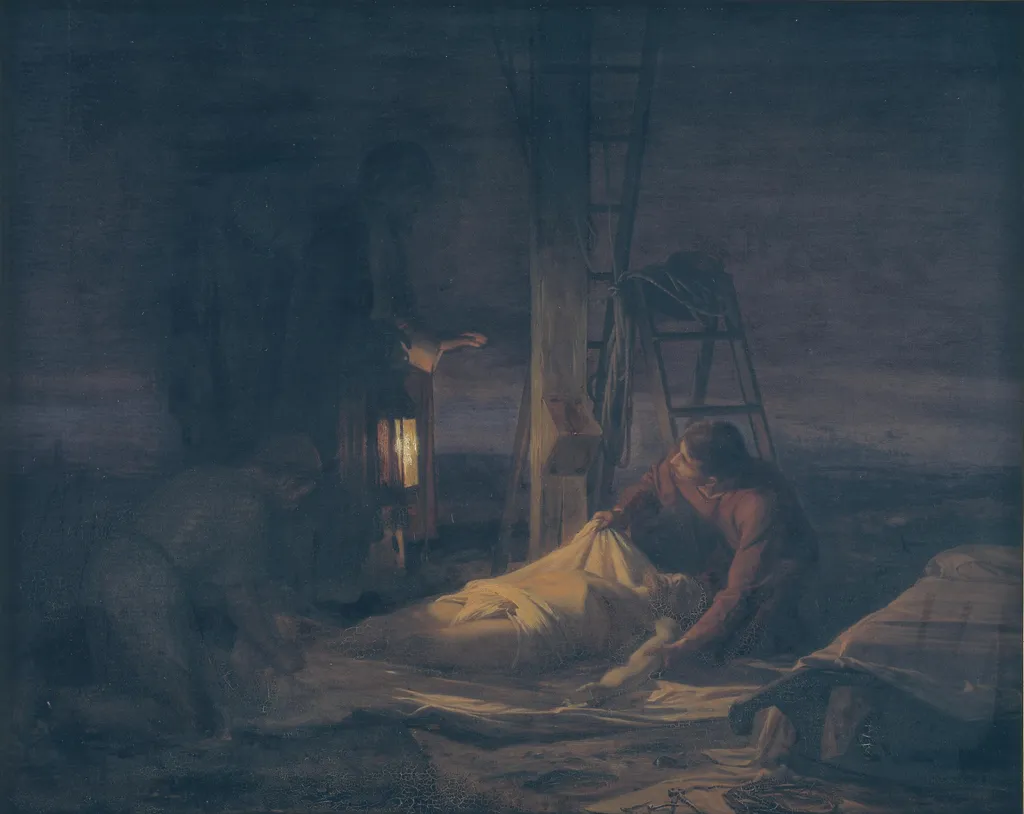
Descent from the Cross is an oil painting by the Naturalist artist Carl Bloch. It is held in the collection of the Statens Museum for Kunst.
About this work
Technique & Style
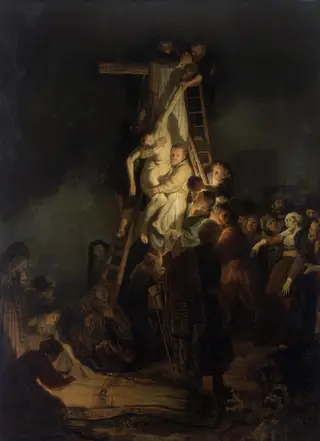
The palette is restrained yet luminous, using muted earth tones punctuated by subtle highlights to convey the gravity of the scene.
Executed in oil on canvas in 1886, the work measures 77 cm in height and 97 cm in width. The handling favors precise, smoothly blended modeling to articulate the forms of the figures, with careful attention to the fall of drapery and the anatomy beneath. The palette is restrained yet luminous, using muted earth tones punctuated by subtle highlights to convey the gravity of the scene.
Stylistically, the composition adheres to a realist approach within a religious narrative, emphasizing human pathos and physical presence while maintaining a measured, devotional tone.
History & Provenance
Carl Bloch created the oil-on-canvas painting Descent from the Cross in 1886. The work depicts the biblical scene of the removal of Jesus Christ from the cross and is classified as religious art. It is currently held in the collection of the Statens Museum for Kunst, where it remains part of the institution's holdings. The painting measures 77 cm in height and 97 cm in width.
Carl Bloch's 1886 oil painting, Descent from the Cross, is held in the collection of the Statens Museum for Kunst in Copenhagen. The work is executed on canvas and measures 77 cm in height by 97 cm in width. While the painting depicts the biblical scene of the Descent from the Cross, the provided sources do not list a specific inventory or accession number, nor do they detail any exhibition history for the piece.
Context
Carl Bloch's 1886 religious painting Descent from the Cross, housed at the Statens Museum for Kunst in Copenhagen, portrays the moment of Christ's removal from the cross. Executed in oil on canvas (77 cm × 97 cm), it belongs to the broader tradition of 19th-century Nordic religious art and reflects Bloch's focus on historical realism within biblical narratives. The work is situated within his oeuvre of large-scale altarpieces and genre scenes, emphasizing emotional gravity through meticulous detail.
Its creation aligns with contemporary European academic approaches to religious subjects, though it remains less studied than his later genre works.
Legacy
Carl Bloch's 1886 painting Descent from the Cross entered the collection of the Statens Museum for Kunst in Copenhagen, where it remains on view. The work helped shape Nordic religious painting in the late 19th century, influencing artists who sought naturalistic treatments of biblical narratives. Its composition and emotional clarity were cited by contemporaries as a model for devotional art in Scandinavia.
The painting is documented in the museum's holdings and described in authoritative art historical references as a significant example of religious genre painting from the period.
Overview
Carl Bloch’s 1894 oil on canvas, Descent from the Cross, presents a solemn moment from the Passion of Christ. The composition is confined to a dim interior where the body of Jesus is being lowered from the cross. A soft lantern glow illuminates the scene, emphasizing the figures against the rough wooden surroundings and creating a restrained, contemplative atmosphere.
Subject & Meaning
The work captures the biblical episode of Jesus’ removal from the crucifixion site, a theme that underscores themes of sacrifice and mourning. Bloch focuses on the human tenderness of the attendants, whose careful gestures convey reverence and sorrow, inviting viewers to reflect on the spiritual significance of Christ’s death and the compassion of those present.
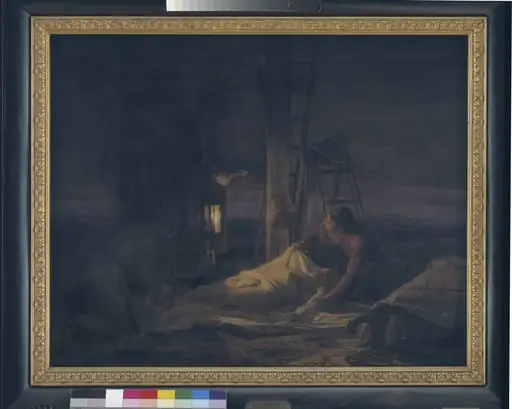
Own this work as a print
Artist & collection

 The Descent from the Cross
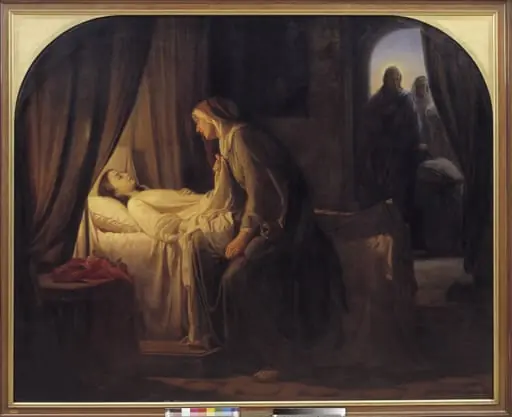 The Daughter of Jairius
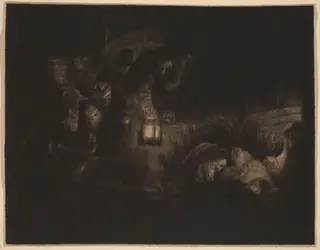 The Adoration of the Shepherds: a Night Piece
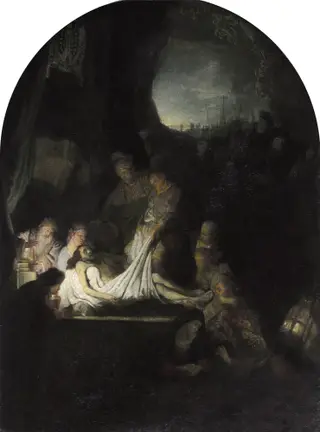 The Entombment
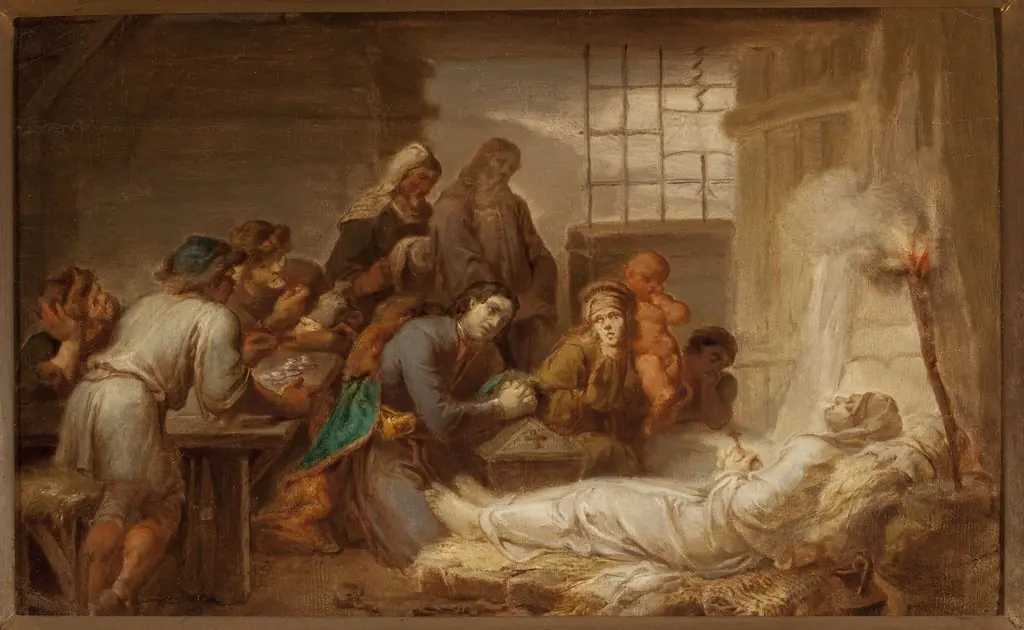 Death in exile
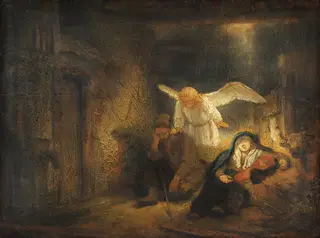 Joseph's dream
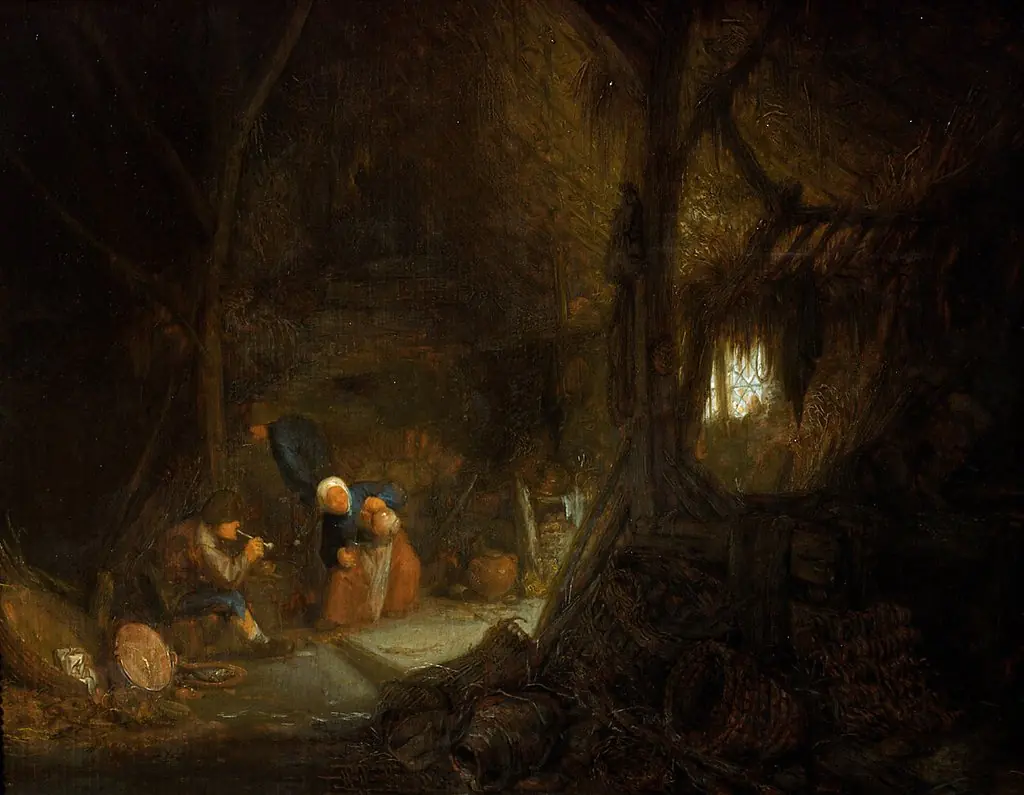 Peasants in a barn
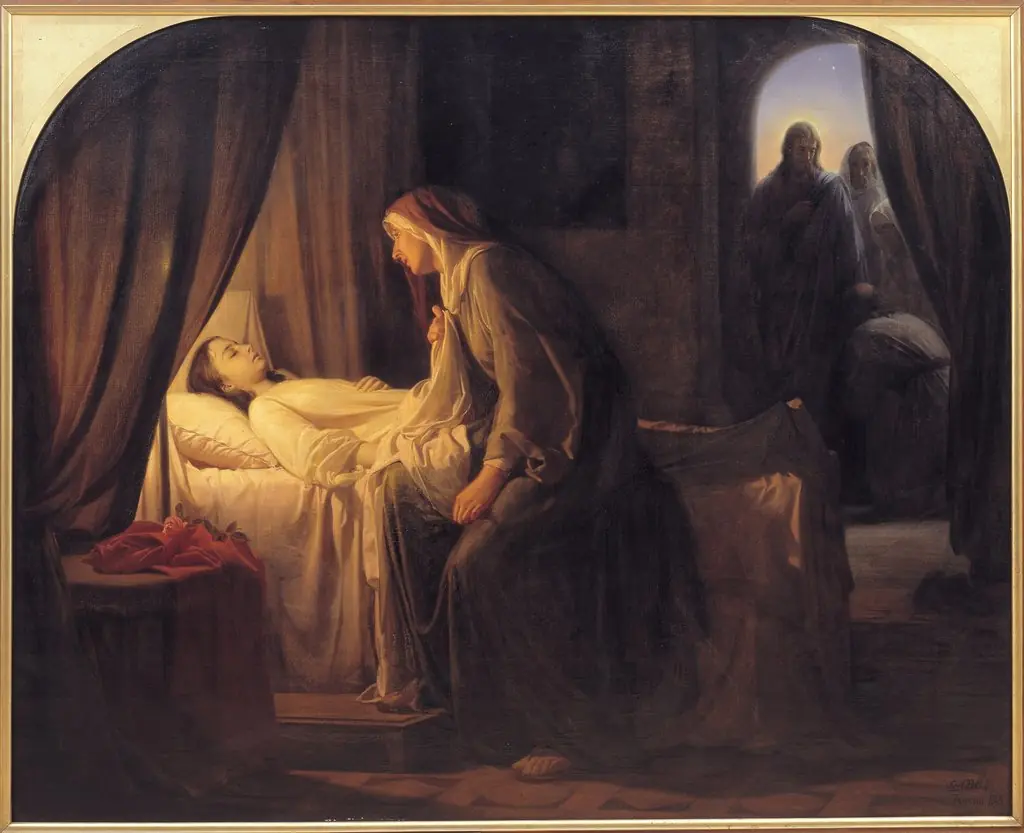 The Daughter of Jairius
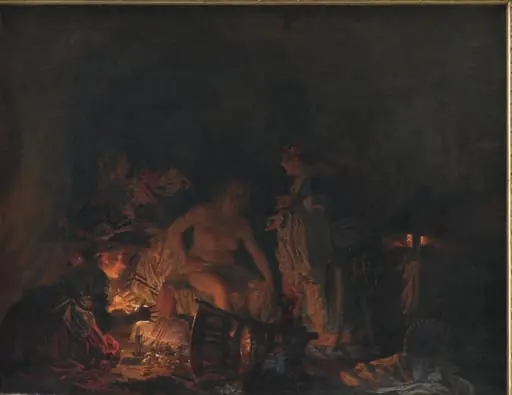 Leonora Christina being Examined in Prison
 ¡Siempre incompleta la dicha!
 Leonora Christina being Examined in Prison
- Descent from the Cross