Artwork
Carl Alexander von Ungern-Sternberg, Swedish Envoy in Copenhagen
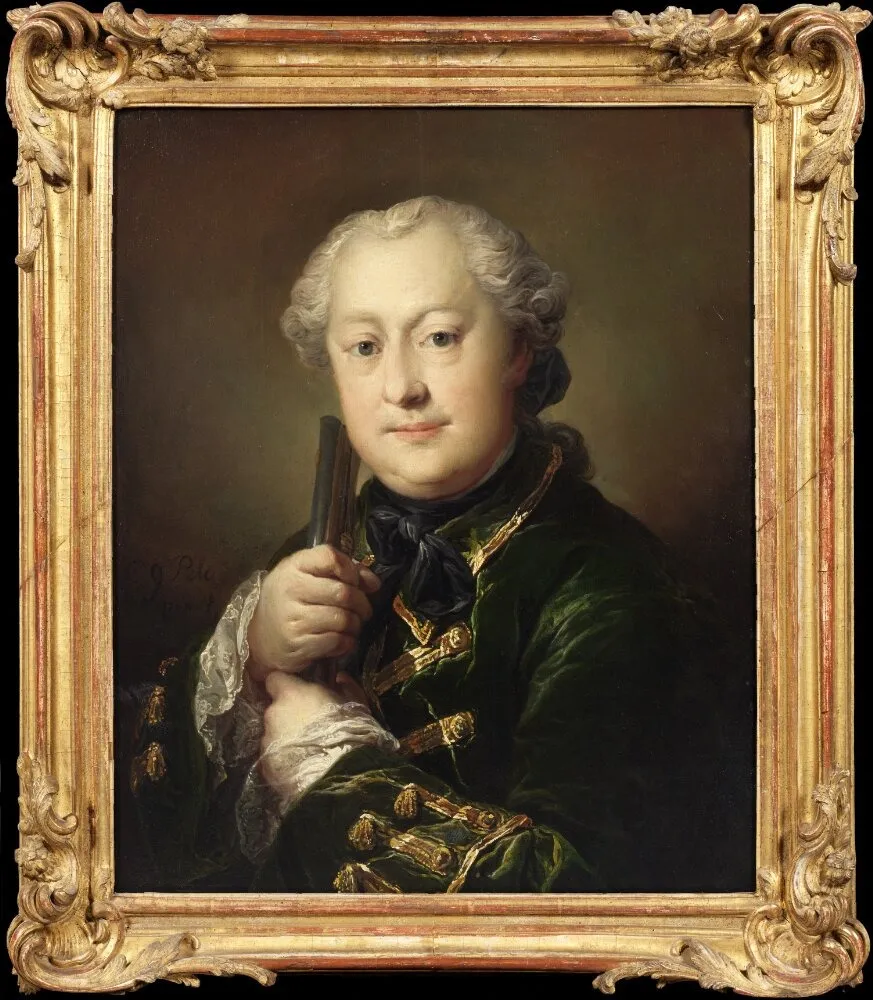
Carl Alexander von Ungern-Sternberg, Swedish Envoy in Copenhagen is an oil painting by the Rococo painting artist Carl Gustaf Pilo. It dates from 1760 and is held in the collection of the Nationalmuseum.
About this work
Overview
Pilo, a Swedish-born artist who became Denmark’s foremost portraitist, was then serving as court painter and director of the Royal Danish Academy of Art.
Painted in 1760 by Carl Gustaf Pilo, this oil portrait captures Carl Alexander von Ungern-Sternberg, Sweden’s diplomatic representative in Copenhagen. Pilo, a Swedish-born artist who became Denmark’s foremost portraitist, was then serving as court painter and director of the Royal Danish Academy of Art. The work exemplifies the refined elegance of mid-18th-century diplomatic portraiture, commissioned to affirm the envoy’s status within the Nordic political sphere.
Subject & Meaning
The subject, a Swedish diplomat stationed in Denmark, is portrayed with composed authority, his direct gaze engaging the viewer as a sign of confidence and presence. His formal attire, green velvet coat with gold embroidery, lace cuffs, and black bow tie, signals his noble rank and diplomatic role. The object held in his right hand, likely a document or cane, reinforces his official function, while the restrained background isolates him as a figure of institutional importance.
Technique & Style
Pilo employed a realistic approach with meticulous attention to textile detail, using glazing to achieve the rich depth of the velvet and subtle highlights on the lace. Subtle chiaroscuro defines the contours of the face and hands, lending volume without dramatic contrast. The brushwork is controlled, avoiding overt impasto; texture emerges through layered pigments rather than thick application, aligning with Rococo’s preference for refined surface quality over expressive brushwork.
History & Provenance
Commissioned during Pilo’s tenure at the Danish court, the portrait was likely created to affirm diplomatic ties between Sweden and Denmark. It remained within institutional or aristocratic collections in Scandinavia, reflecting its role as a record of political representation. No public record of early ownership beyond court circles exists, but its preservation suggests continued recognition of its historical and artistic value in Nordic cultural institutions.
Context
In the 1760s, Nordic courts maintained complex diplomatic networks, and portraits of envoys served as visual tools of state representation. Pilo’s position as Denmark’s leading portraitist placed him at the center of this practice. The Rococo style, with its emphasis on elegance and subtle ornamentation, suited the refined aesthetics of aristocratic diplomacy, where appearance conveyed political legitimacy and social standing.
Legacy
The portrait stands as a representative example of Pilo’s diplomatic portraiture, illustrating how art functioned within 18th-century statecraft. While not widely exhibited today, it remains a key reference for understanding the visual language of Nordic diplomacy and the role of court painters in shaping the public image of political figures during a period of shifting alliances.
Artist & collection
Artist
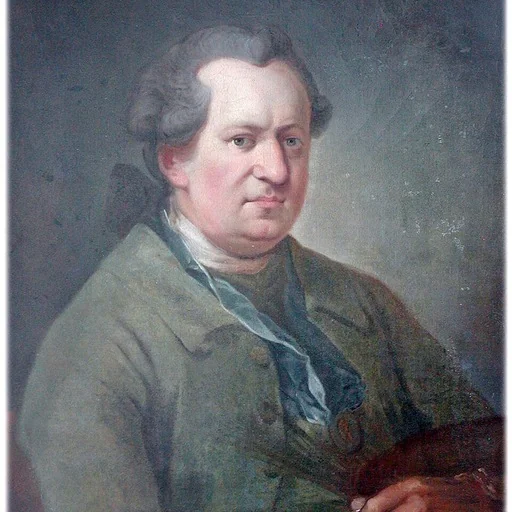
Carl Gustaf Pilo (5 March 1711 – 2 March 1793) was a Swedish painter. Pilo worked extensively in Denmark as a painter to the Danish Royal Court and as professor and director at the Royal Danish Academy of Art (Danish:…

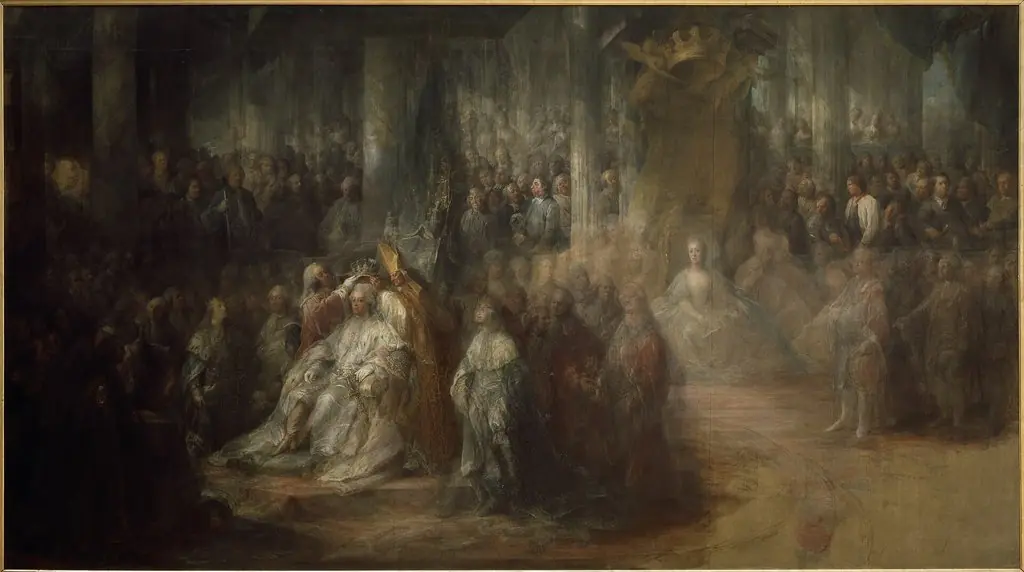 Coronation of Gustav III.
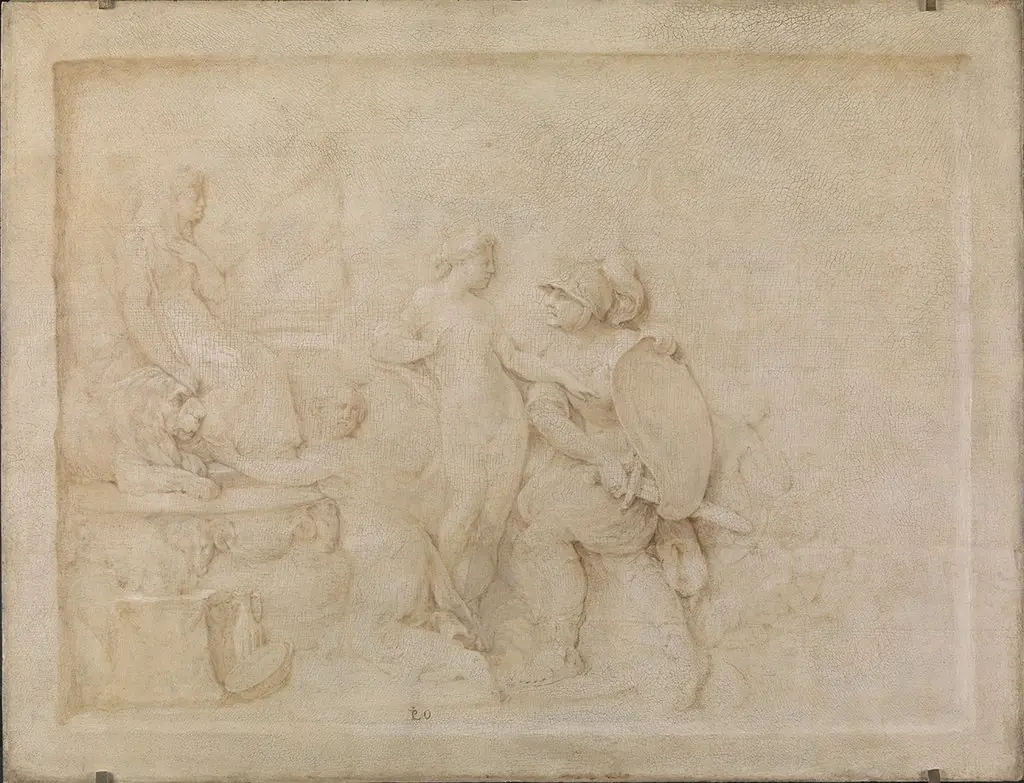 Aeneas hindres af Venus i sin hævn mod Helena, som har søgt tilflugt ved Cybeles alter
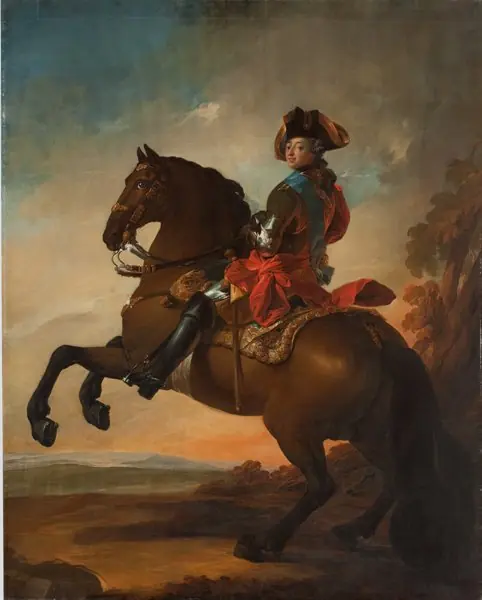 Frederik V on Horseback
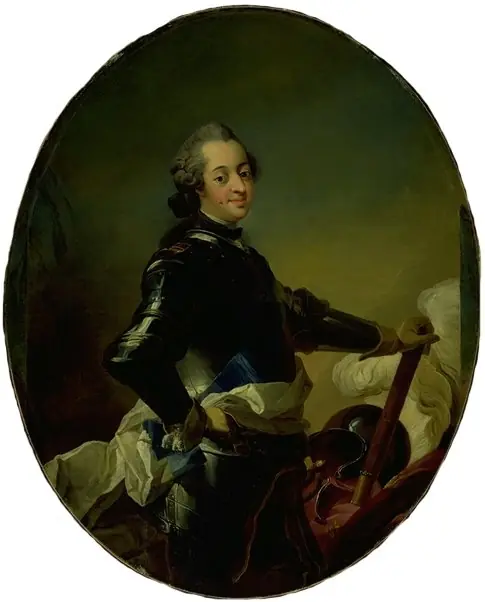 Portræt af Frederik V i rustning
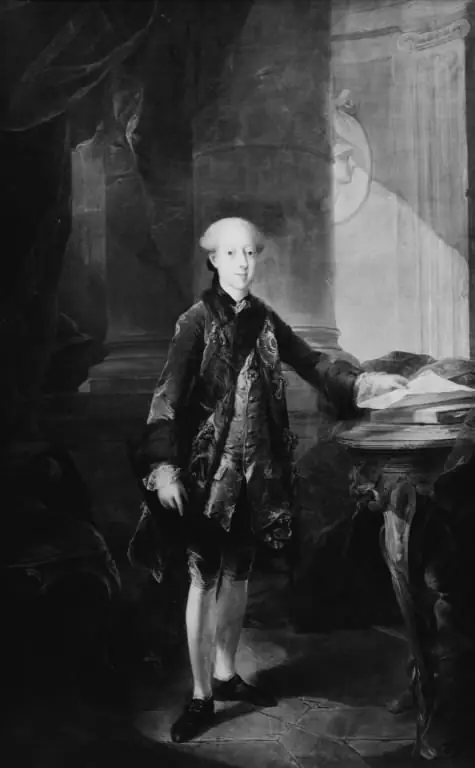 Portræt af Christian VII som kronprins
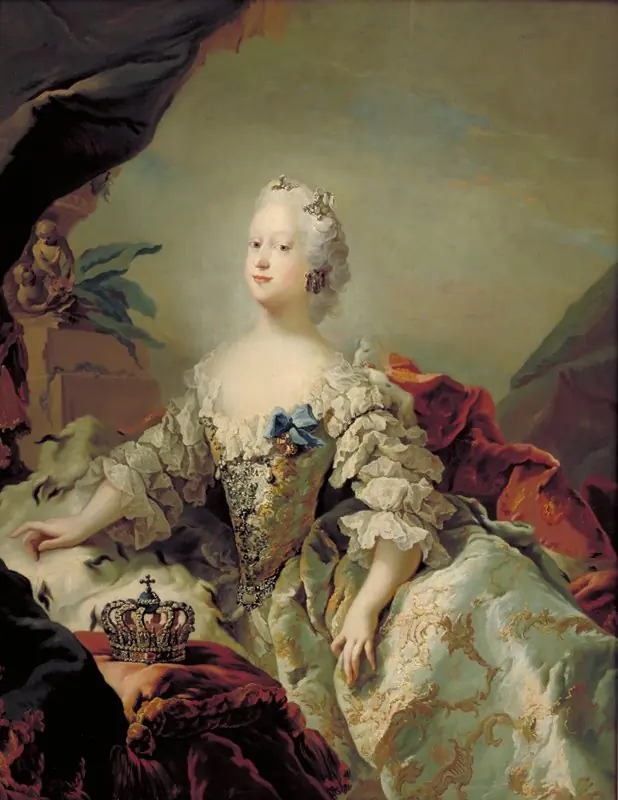 Louise, Frederik V's First Queen in her Coronation Robes
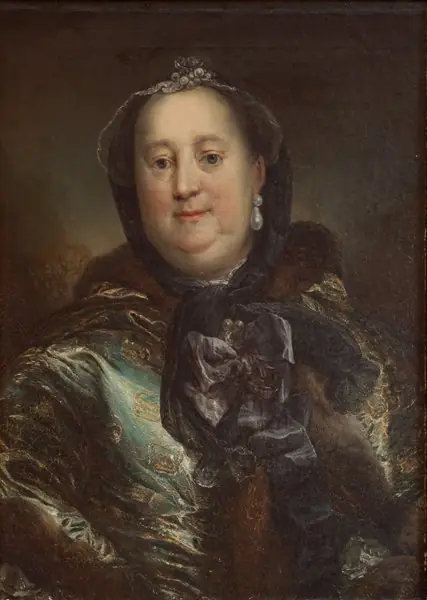 Portræt af hertuginde Antoinette Amalie af Braunschweig-Wolfenbüttel
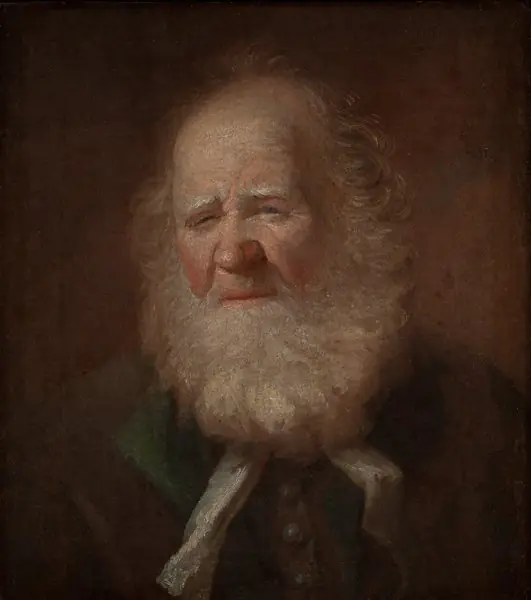 Portræt af Christian Jacobsen Drakenberg
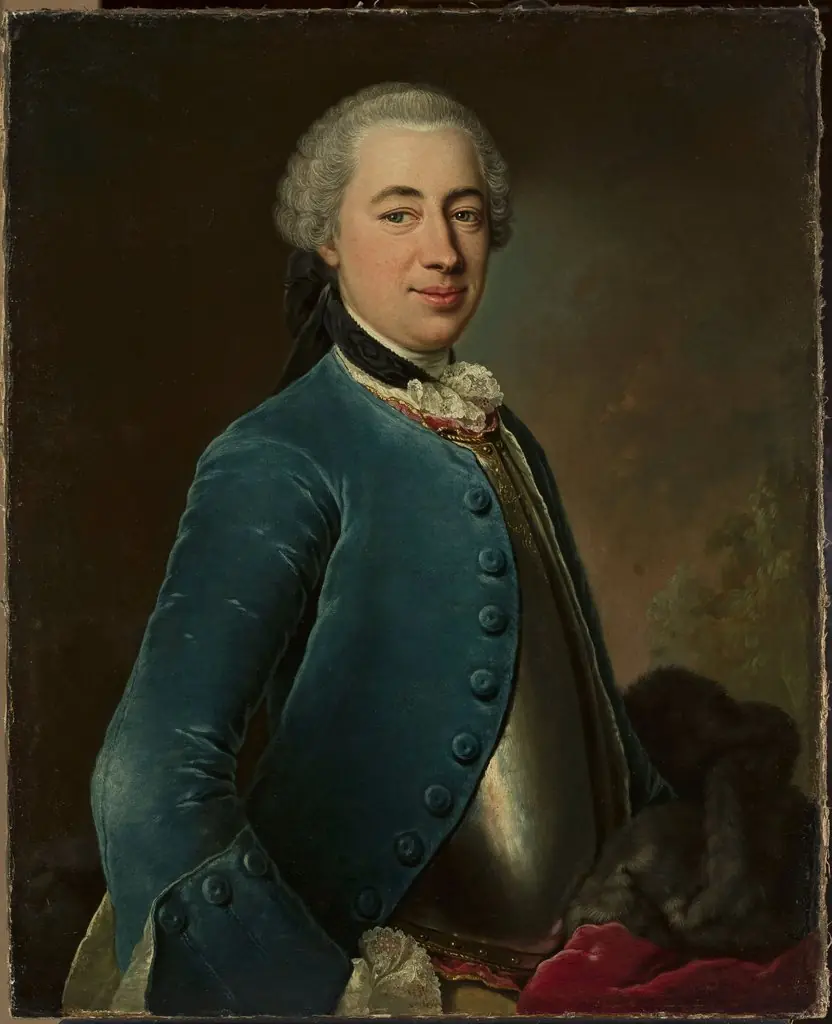
- Portrait of a man in armour
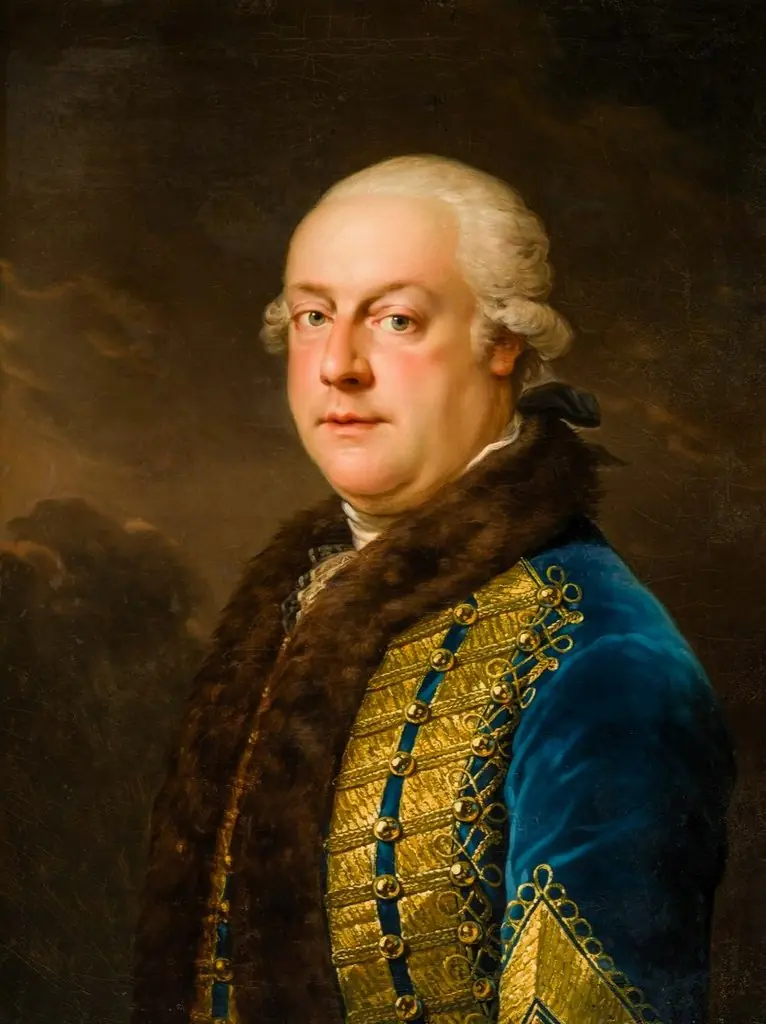 Portrait of Count Miklós Esterházy
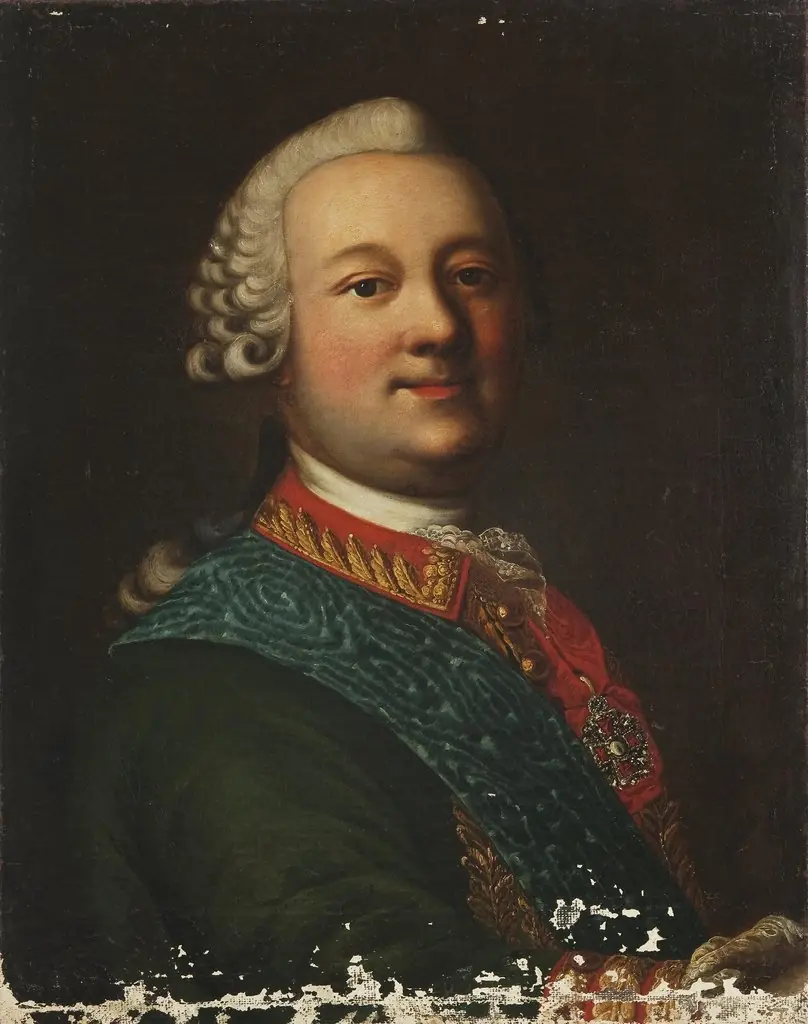 Portrait of Count Piotr Panin
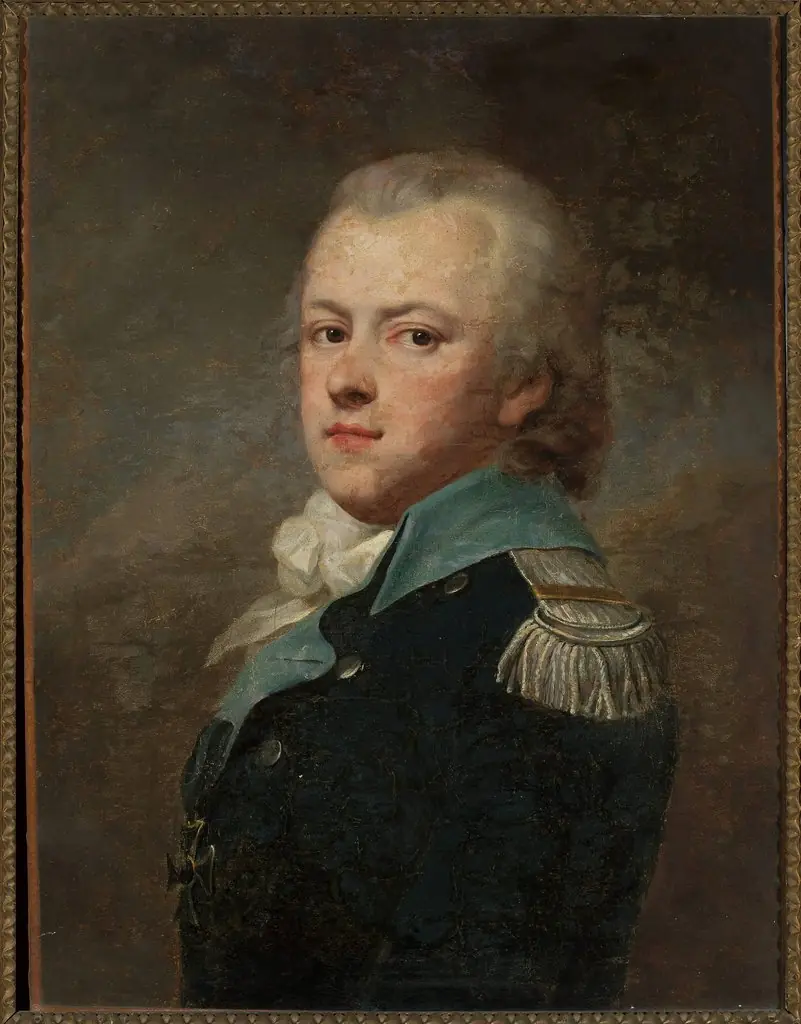 Portrait of Jan Krasicki, Rogala coat of arms (ca. 1764–1831) in a dark blue uniform jacket of the 14th Potocki Infantry Regiment
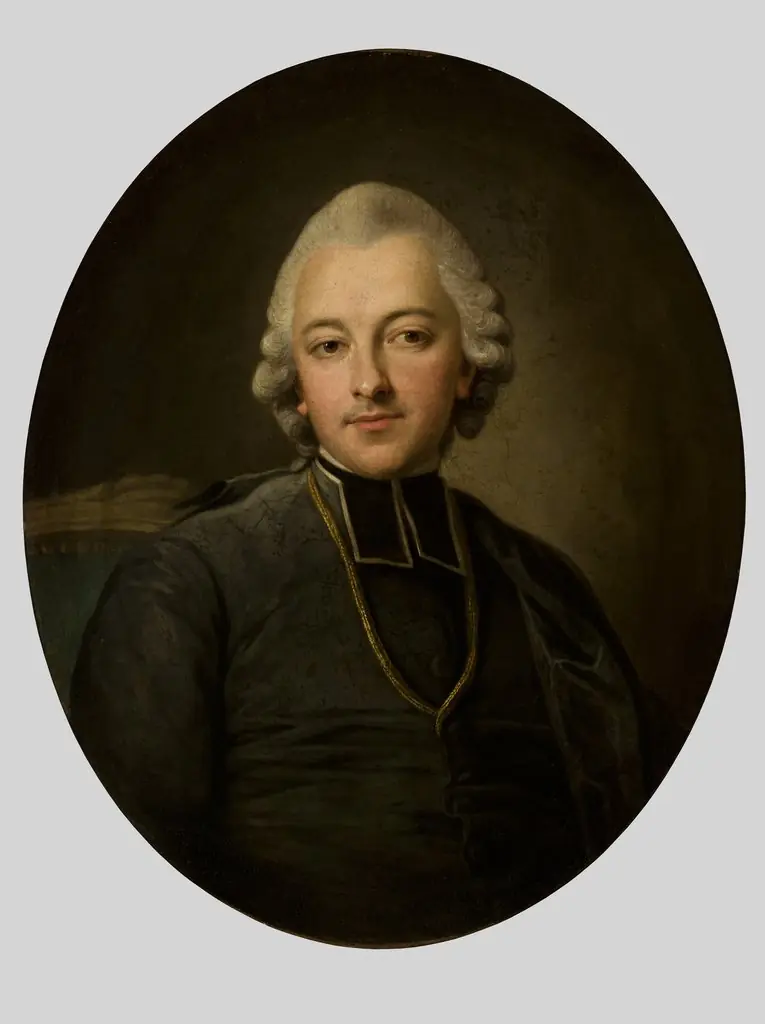 Portrait of Bishop Ignacy Krasicki
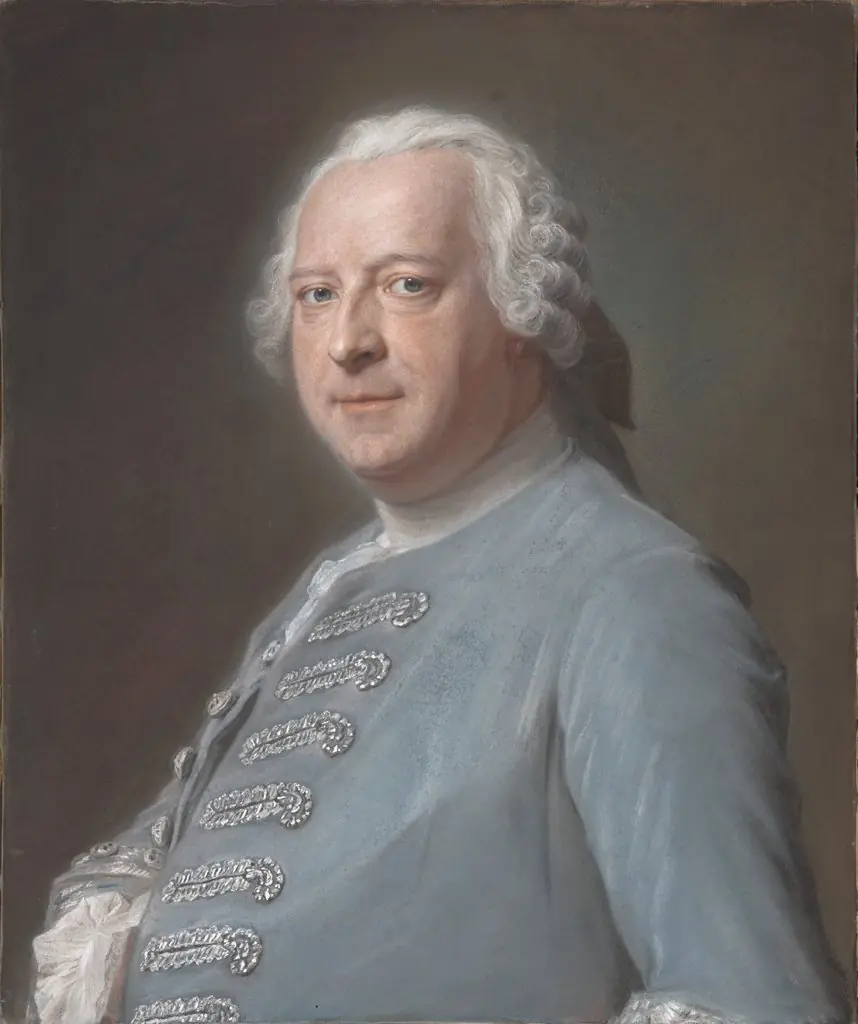 Jean Charles Garnier d'Isle (1697–1755)
 Company director and ironmaster Claes Grill
 Étienne-François, Duke of Choiseul-Stainville (1719-1785)
 Portrait of P.I. Vyrubov
 Portræt af kgl. hofapoteker Johann Gottfried Becker
 Bildnis: Karl Friedrich von Baden
 Louis de Bourbon-Condé, Count of Clermont