Artwork
Rahbek ved sin hustrus dødsleje
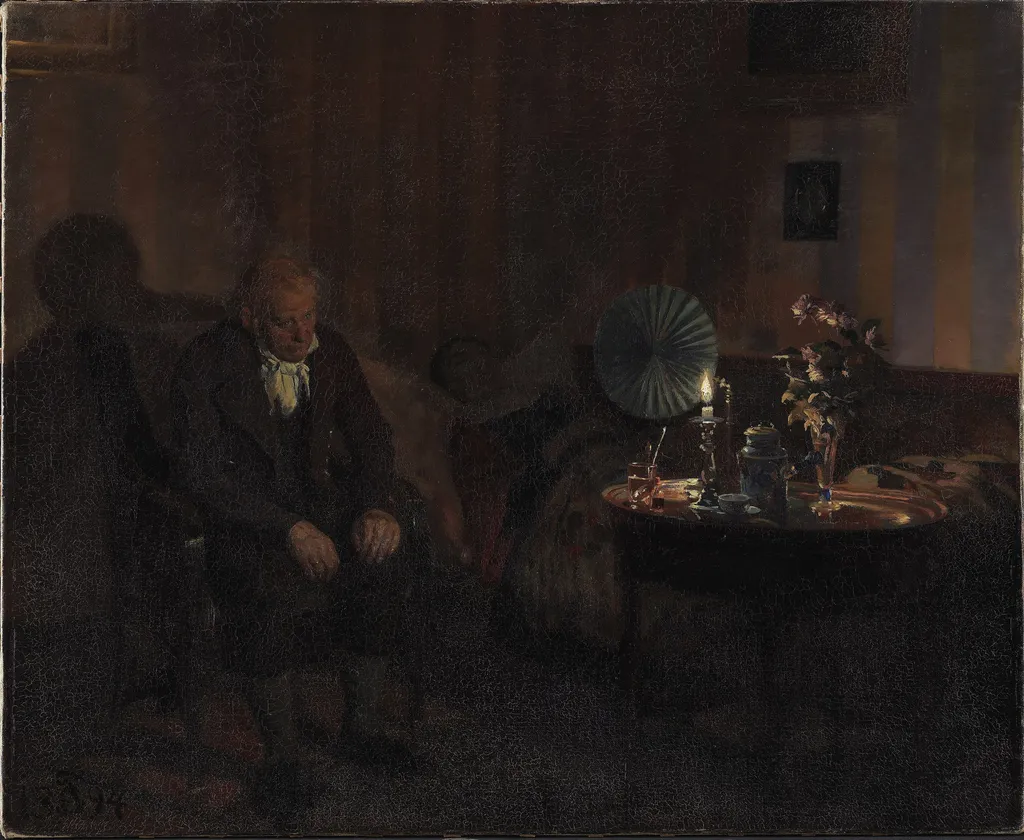
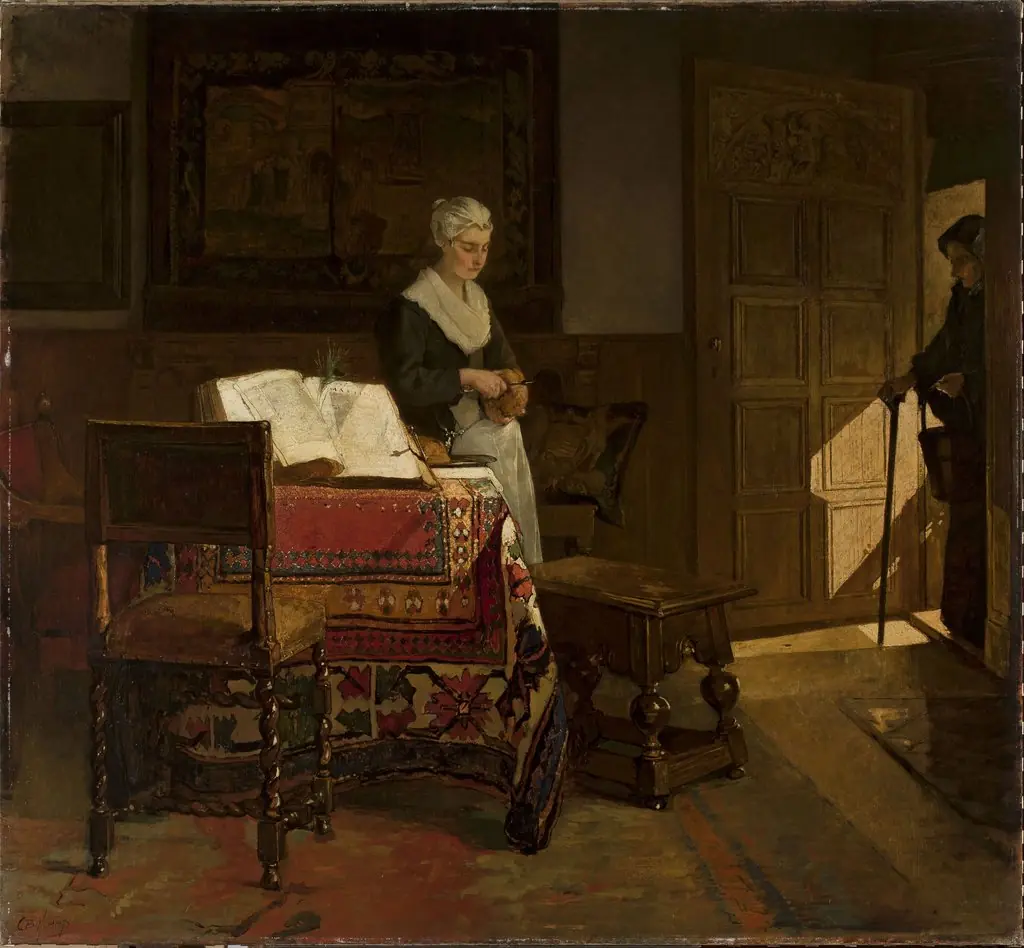
Rahbek ved sin hustrus dødsleje is an oil painting by the Post-Impressionist artist Carl Thomsen. It dates from 1898 and is held in the collection of the Statens Museum for Kunst.
About this work
Technique & Style
The composition centers on the recumbent figure of Kamma Rahbek, rendered with subdued modeling to convey the gravity of the scene.
The painting is executed in oil on canvas, a choice consistent with academic practice in late 19th-century Denmark. The handling is restrained and descriptive, aligning with the work’s commemorative purpose rather than expressive experimentation. The composition centers on the recumbent figure of Kamma Rahbek, rendered with subdued modeling to convey the gravity of the scene. The muted palette and controlled brushwork emphasize solemnity and clarity, subordinating surface texture to narrative legibility.
The scale, approximately 65.5 cm by 80 cm, positions the work within the modest dimensions typical of intimate memorial portraits of the period.
History & Provenance
The painting Rahbek ved sin hustrus dødsleje was created in 1894 by Carl Thomsen, as indicated by both the artist’s date and the work’s Wikidata entry.
The work depicts Knud Lyne Rahbek and his wife Kamma Rahbek in a scene associated with her deathbed, aligning with its Danish title. It has been held by the Statens Museum for Kunst since its inception, where it remains part of the national collection.
The painting is part of the collection at the Statens Museum for Kunst, where it is listed with the inventory number not provided in the available documentation. It was first exhibited in 1894 and has since been included in various retrospectives of Carl Thomsen's work, though specific exhibition venues and years are not detailed in the cited sources.
Context
Carl Thomsen's 1894 painting depicting Knud Lyne Rahbek and Kamma Rahbek at his wife's deathbed entered the collection of Statens Museum for Kunst, where it remains on view. The work is recognized as a significant example of Danish funerary portraiture from the late 19th century, reflecting evolving attitudes toward personal grief in art. Its composition combines precise detail with emotional restraint, characteristic of Thomsen's realist approach.
The painting measures 800 by 655 centimeters and is part of the museum's permanent holdings, contributing to scholarly understanding of domestic themes in Scandinavian art.
Research emphasizes its role in documenting 19th-century Danish cultural rituals, with recent studies analyzing how Thomsen's portrayal of mortality influenced contemporaries like Peder Severin Krøyer. The piece is frequently cited in analyses of gender and mourning in Nordic art, underscoring its enduring academic relevance.
Overview
Carl Thomsen’s 1898 oil on canvas, titled Rahbek ved sin hustrus dødsleje, portrays a domestic interior at a moment of mourning. The composition centers on Kamma Rahbek attending her husband, Knud Lyne Rahbek, as he lies on a modest bed. The work belongs to the collection of Denmark’s Statens Museum for Kunst and exemplifies Thomsen’s focus on everyday narrative scenes.
Subject & Meaning
The painting captures the quiet finality of a 19th‑century Danish household, emphasizing the personal bond between the grieving wife and her ailing spouse. By placing Kamma beside the dying Knud, Thomsen highlights themes of loyalty, loss, and the intimate rituals surrounding death in a middle‑class setting.
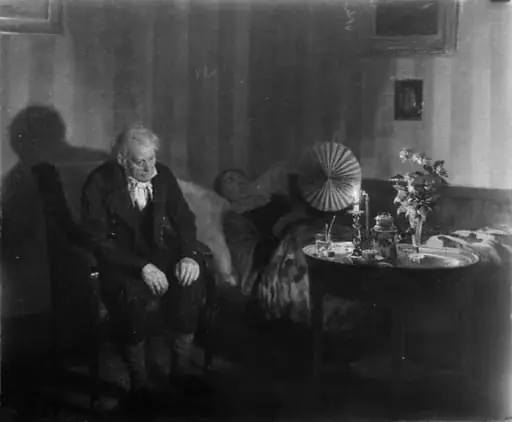
Own this work as a print
Artist & collection
Artist
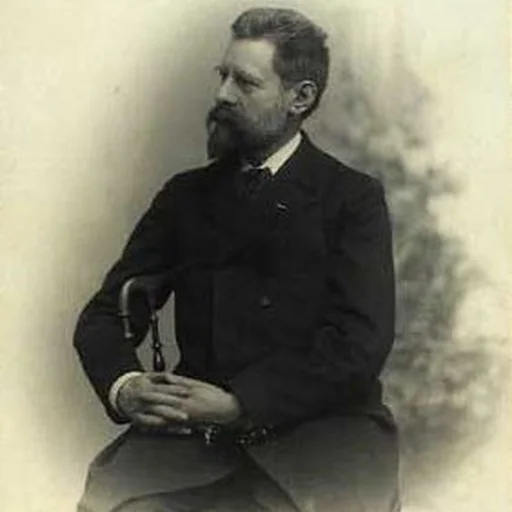
Carl Christian Frederik Jacob Thomsen (6 April 1847 – 4 October 1912) was a Danish painter and illustrator. He specialized in genre painting and also illustrated the works of several Danish authors.

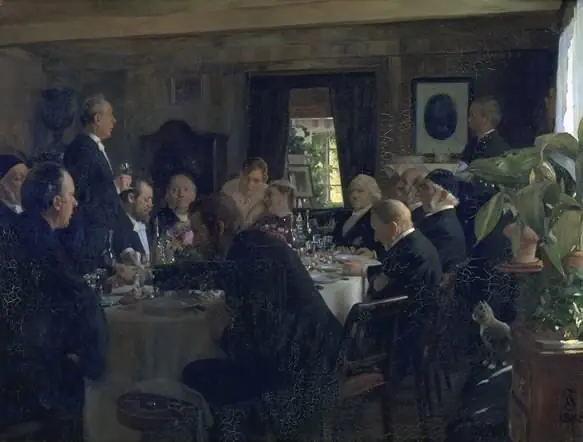
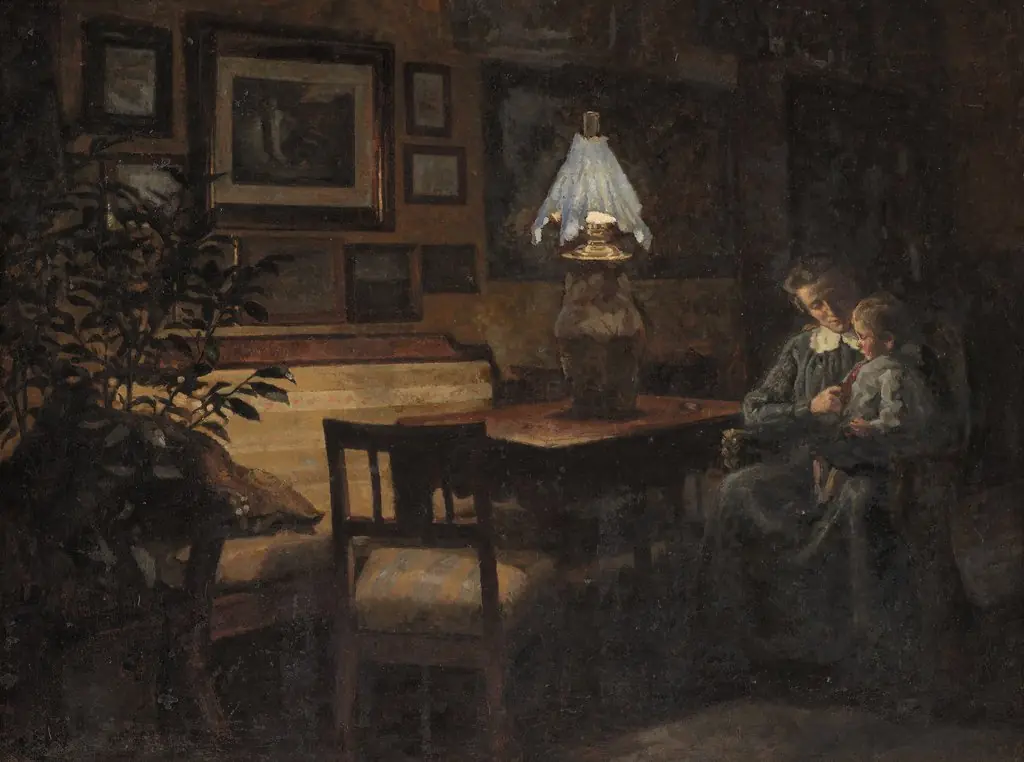 Afteninteriør. Moder og barn
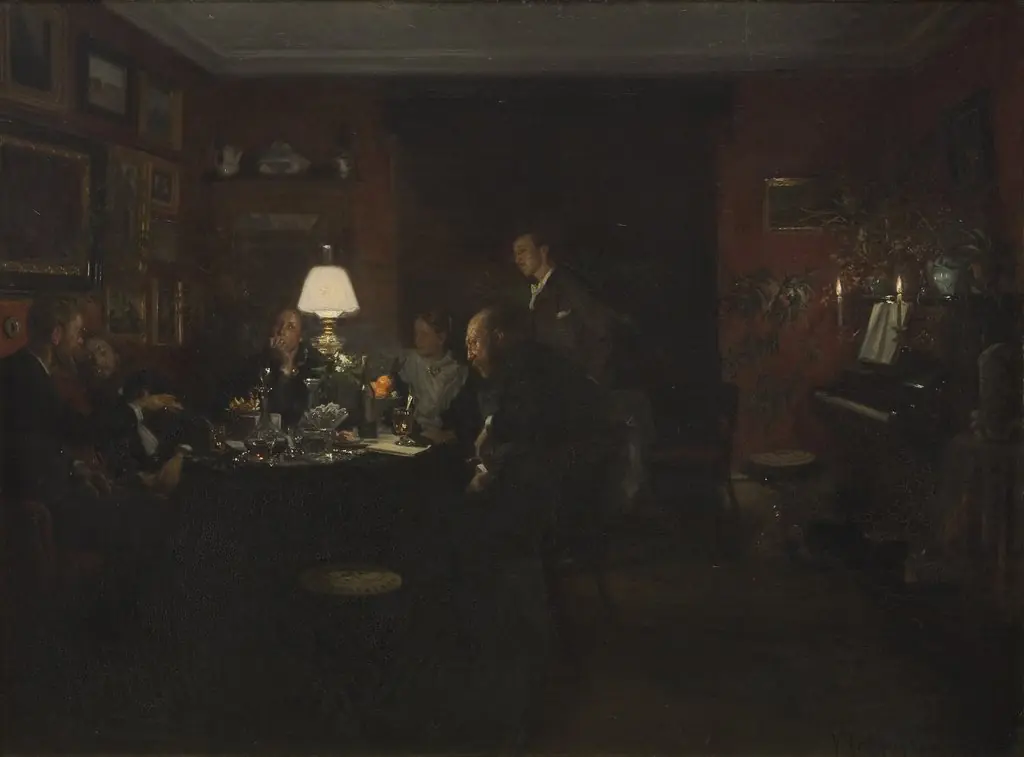 Evening talk
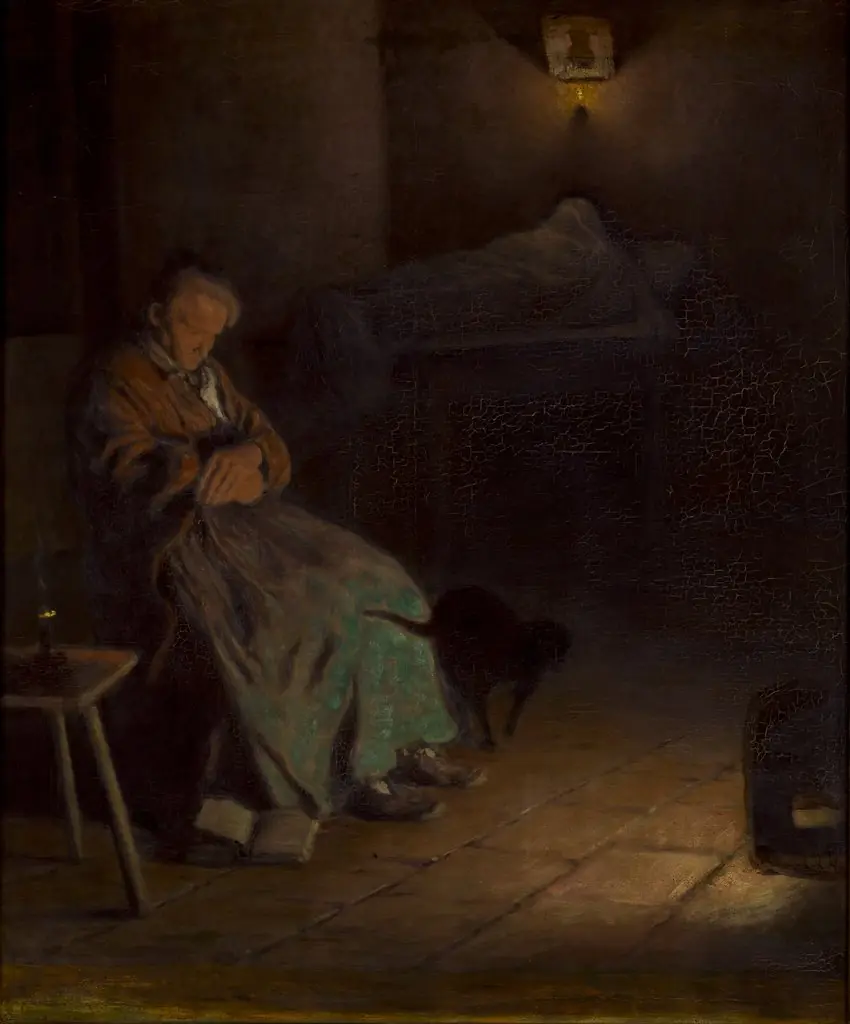 Old Woman Watching over a Dead Body II
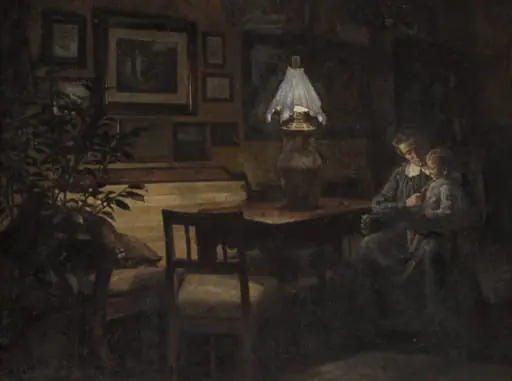 Afteninteriør. Moder og barn
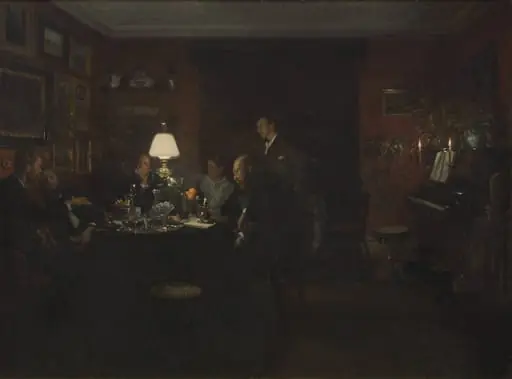 Evening Talk
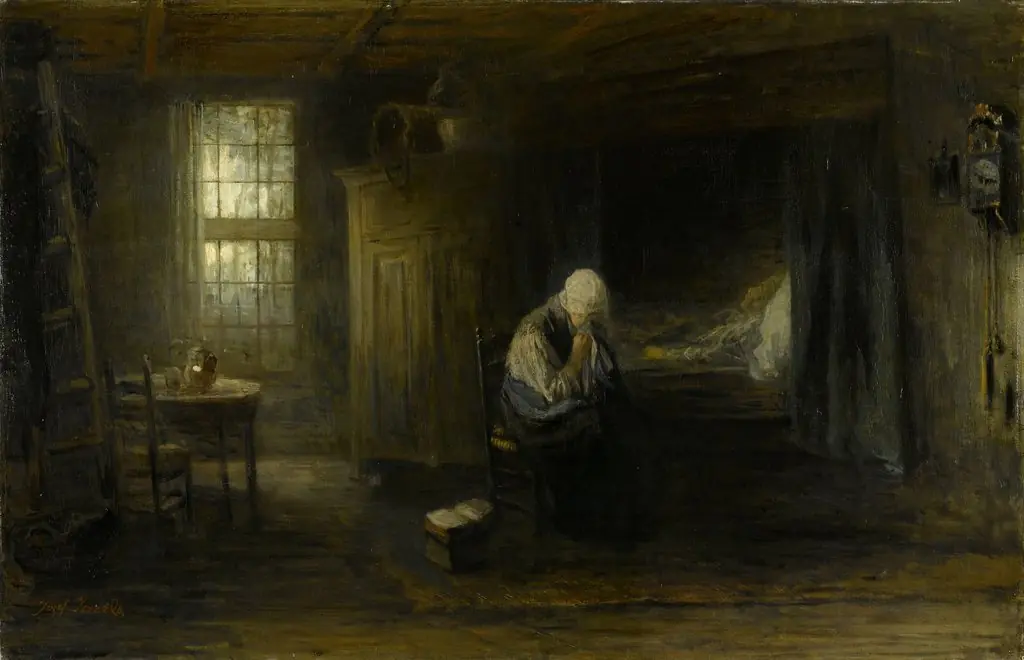 'Alone in the World'
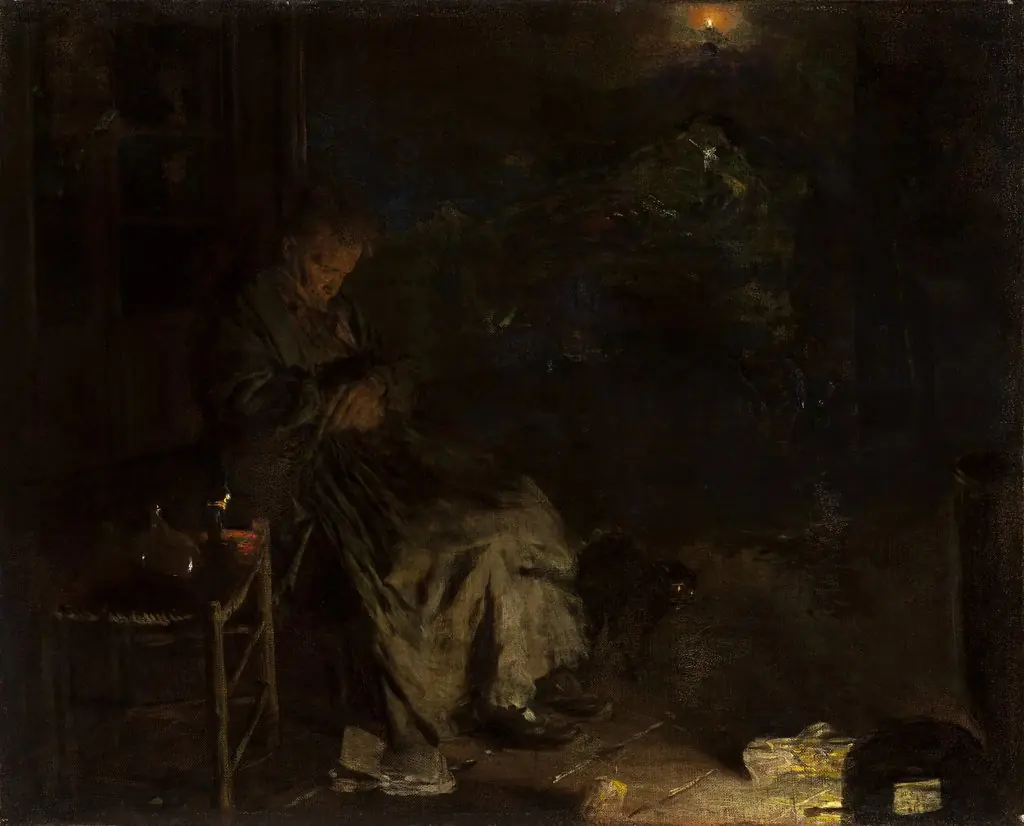 Old Woman Watching over a Dead Body I
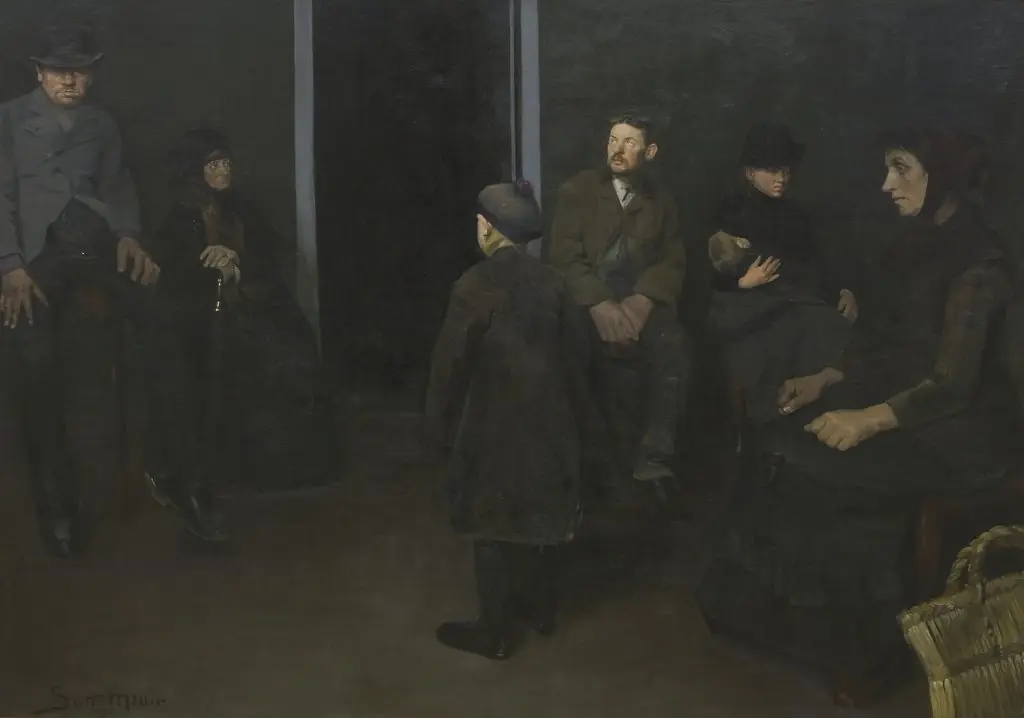 The Poor: The Waiting Room of Death
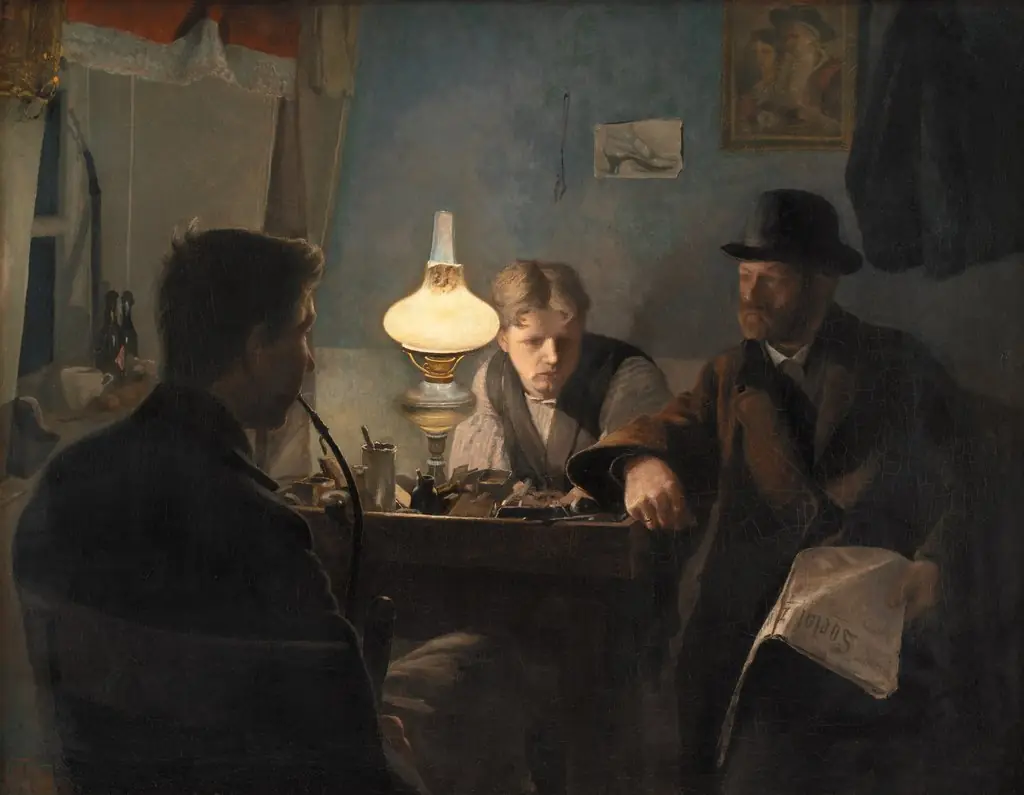 Et besøg i et skomagerværksted
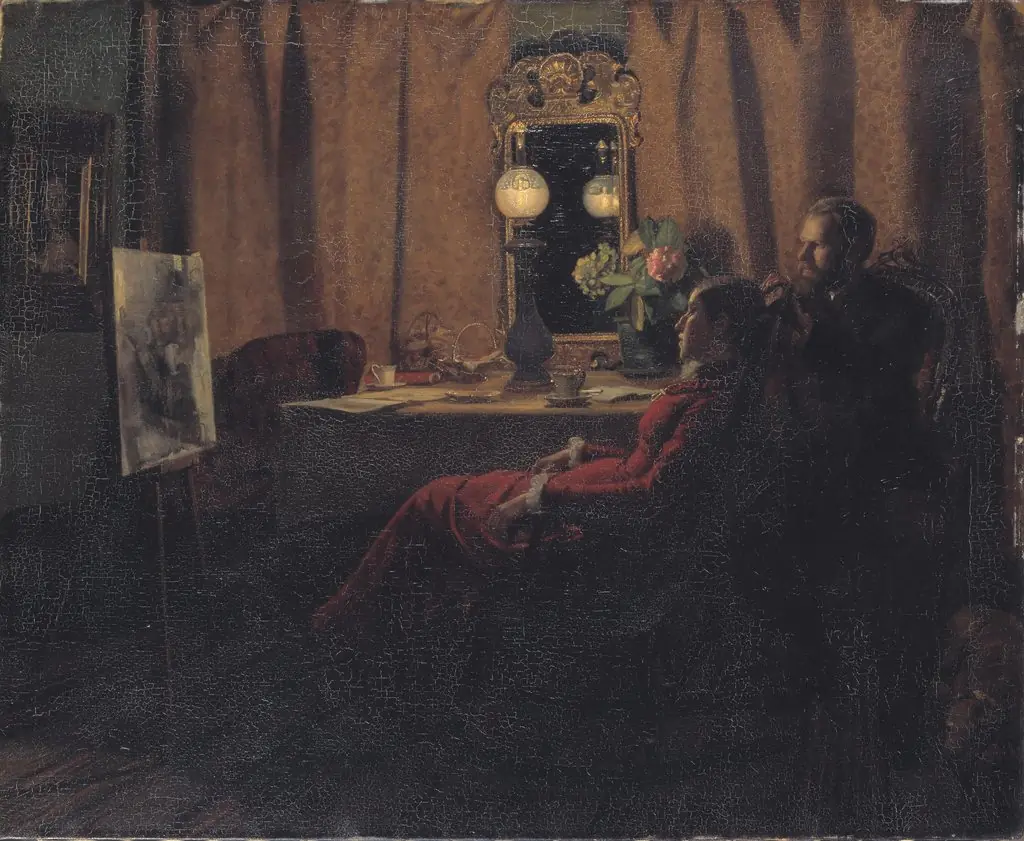 Appraising the Day's Work
 Alms
Alms- Rahbek ved sin hustrus dødsleje