Artwork
Mary Magdalene
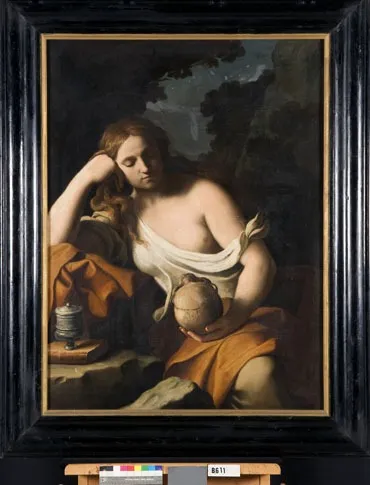
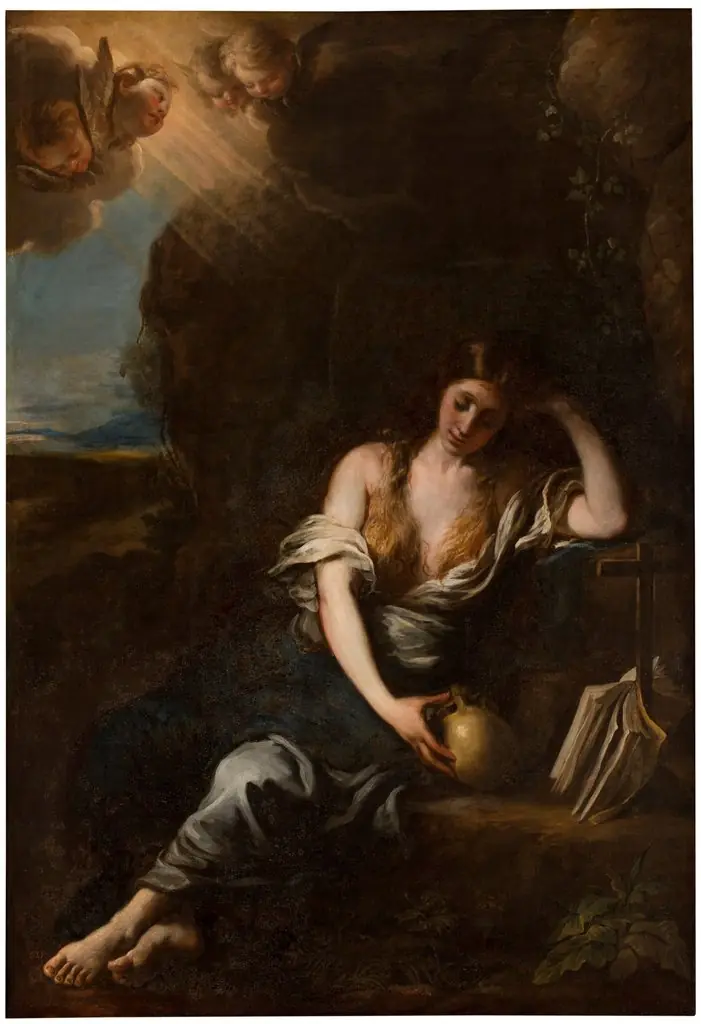
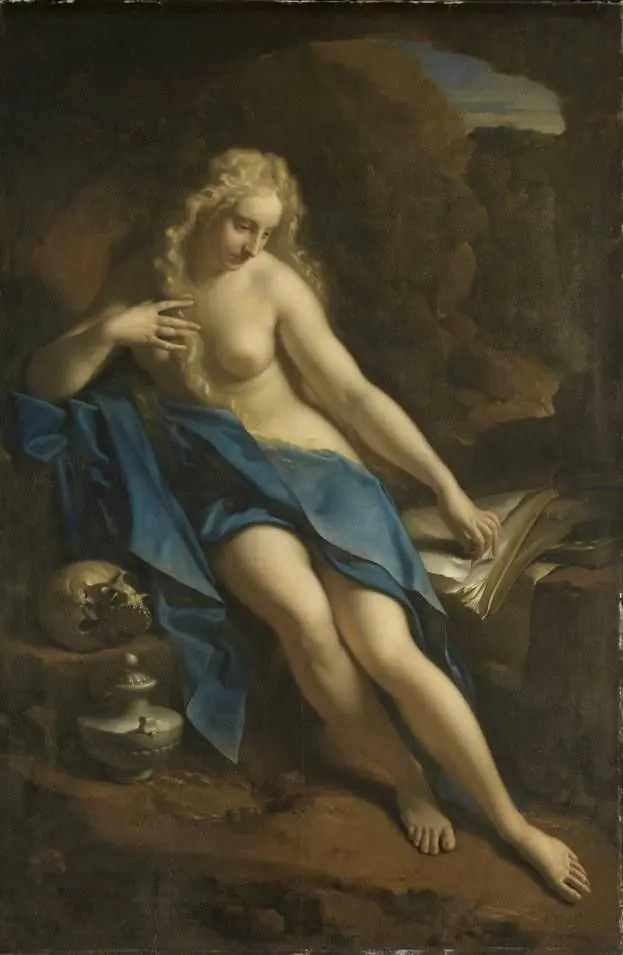
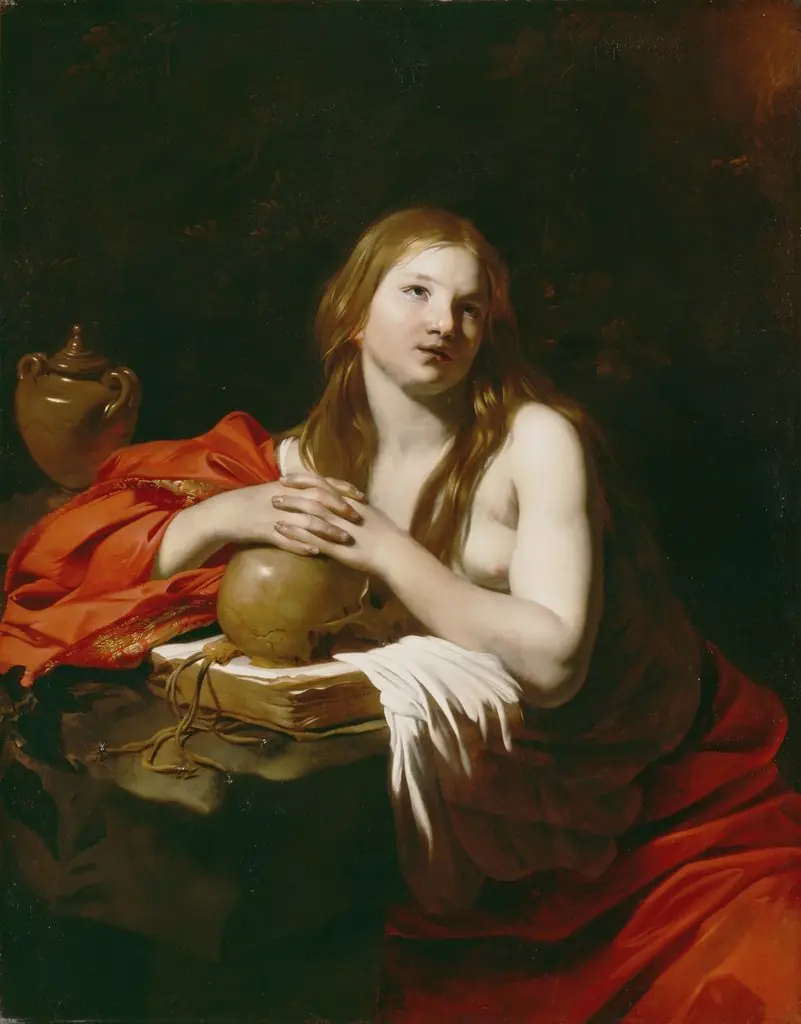
Mary Magdalene is an oil painting by the Early Baroque Italian artist Guercino. It dates from 1645 and is held in the collection of the Rijksmuseum.
About this work
Subject & Meaning
The composition isolates the figure, emphasizing her identity as the main subject rather than placing her within a broader historical or mythological context.
Guercino's 1645 oil painting depicts Mary Magdalene as its sole religious subject. The work functions as a piece of devotional art, focusing entirely on the biblical figure without additional narrative scenes or complex symbolic attributes described in the available records. As a representation of the saint, the image serves to visualize her for spiritual contemplation within the tradition of Catholic religious art.
The composition isolates the figure, emphasizing her identity as the main subject rather than placing her within a broader historical or mythological context.
Technique & Style
Created in 1645, this work by Guercino is an oil painting executed on a canvas support. The piece measures 125 cm in height and 95 cm in width. As a religious artwork depicting Mary Magdalene, it falls within the artist's established practice of using oil paint to render devotional subjects.
The painting is currently held within the Cultural Heritage Agency of the Netherlands Art Collection, where it is stored in a depot facility.
History & Provenance
The painting Mary Magdalene was created by Guercino in 1645 as an oil on canvas measuring 125 cm high by 95 cm wide. While the sources do not record a specific patron or commission, the work is presently held by the Cultural Heritage Agency of the Netherlands Art Collection, forming part of the Rijksmuseum’s holdings and stored in its depot RCE. This provenance reflects the artwork’s entry into the Dutch national collection after its creation in the mid‑17th century.
Overview
Guercino’s 1645 oil on canvas portrays Mary Magdalene, rendered in the early Baroque idiom of Italy. The work measures a modest size and is part of the Rijksmuseum’s permanent collection, where it is displayed among other religious paintings from the period.
Context
Produced during a period when Guercino was transitioning from vigorous naturalism toward a more classical balance, the work reflects the broader shift in Italian art toward dramatic lighting and emotional expression. Its religious subject aligns with the Counter‑Reformation’s demand for evocative devotional images.
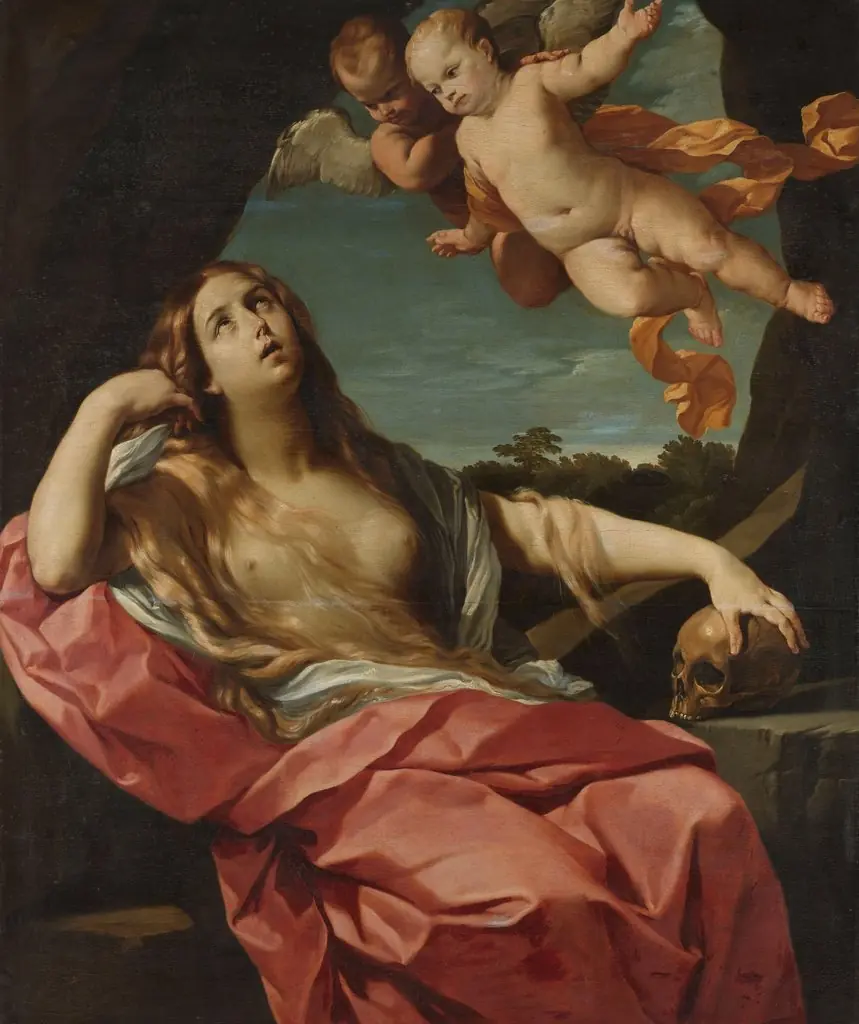
Artist & collection
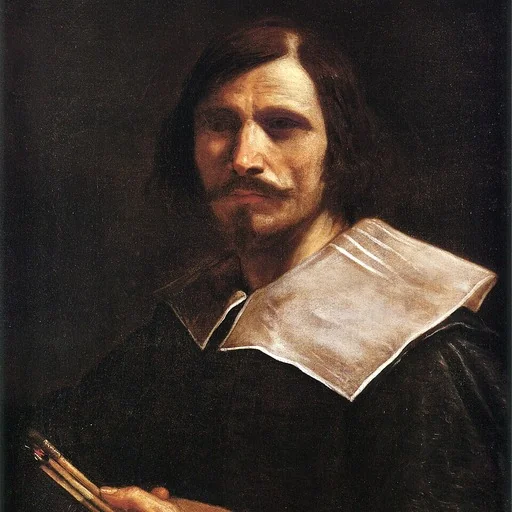
Artist
Giovanni Francesco Barbieri (8 February 1591 – 22 December 1666), better known as (il) Guercino (Italian pronunciation: ), was an Italian Baroque painter and draftsman from Cento in the Emilia region, who was active in Rome and Bologna.