Artwork
Maria Magdalena
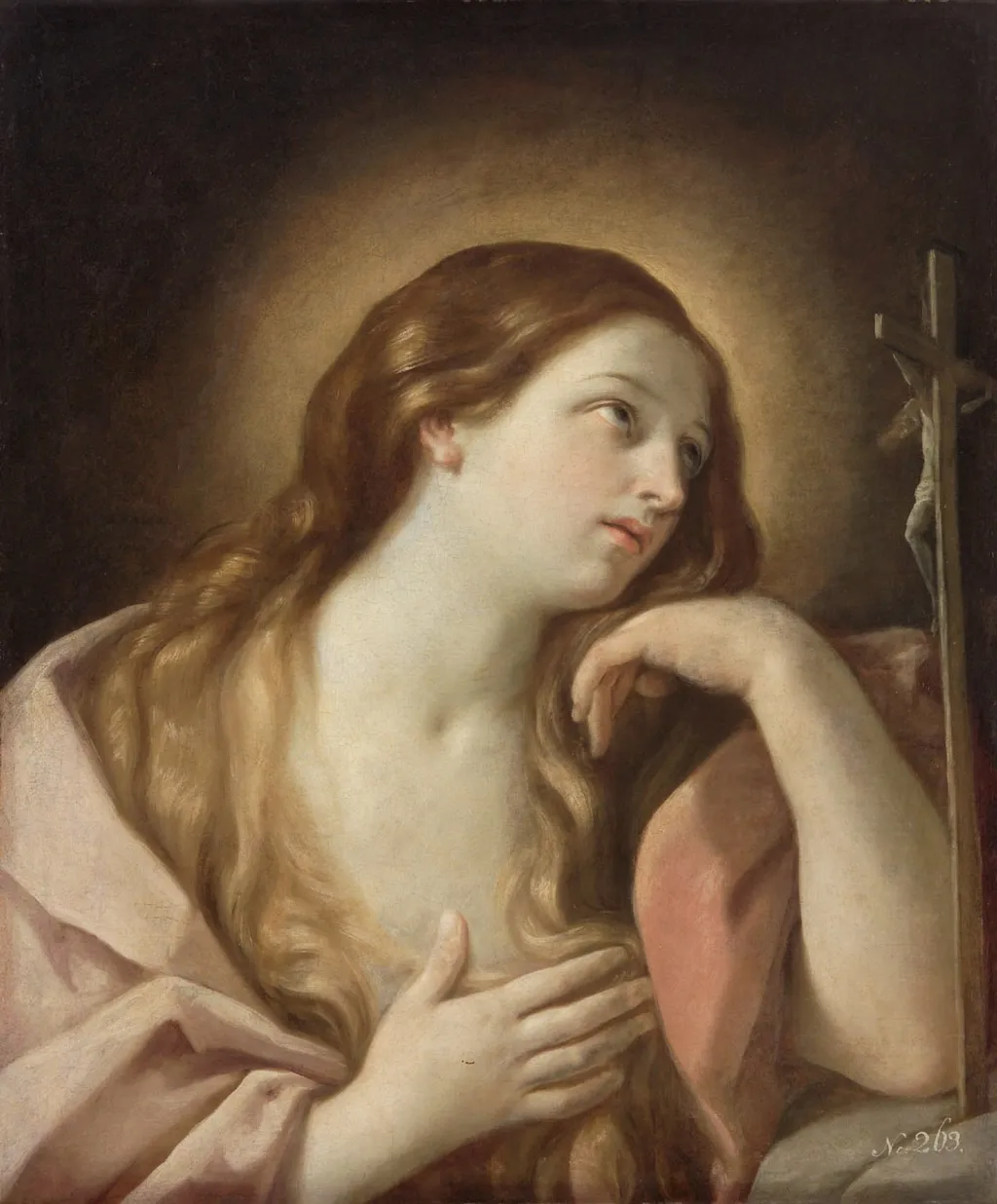
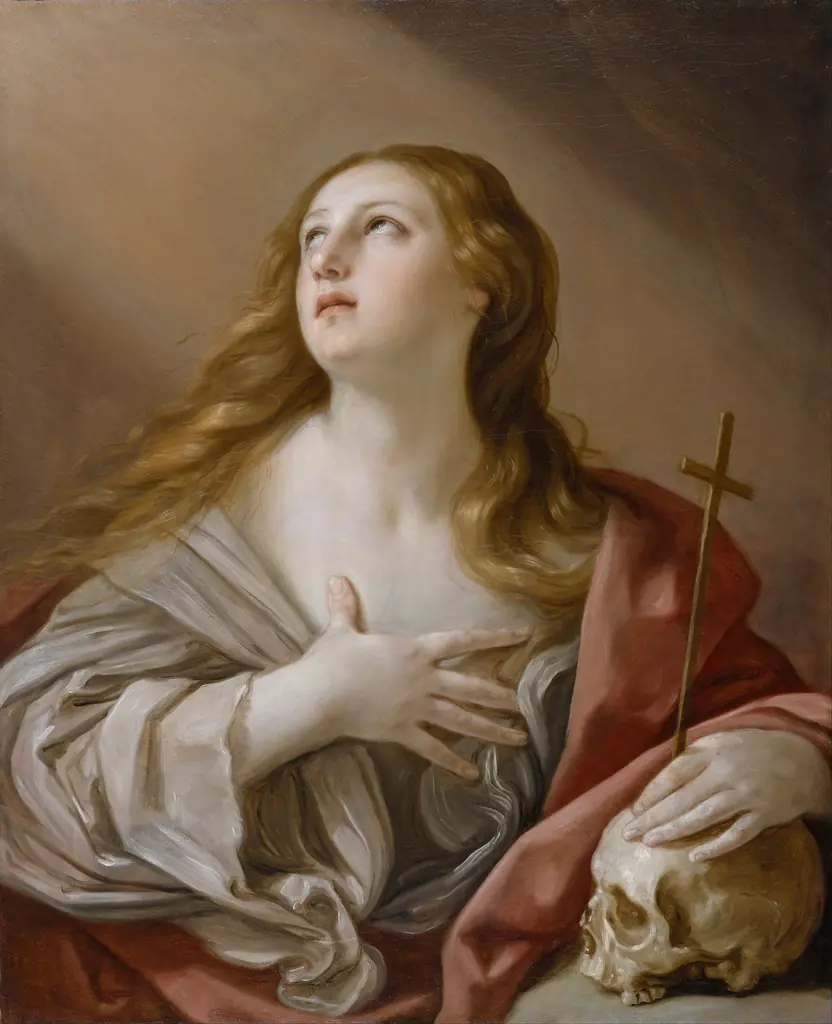
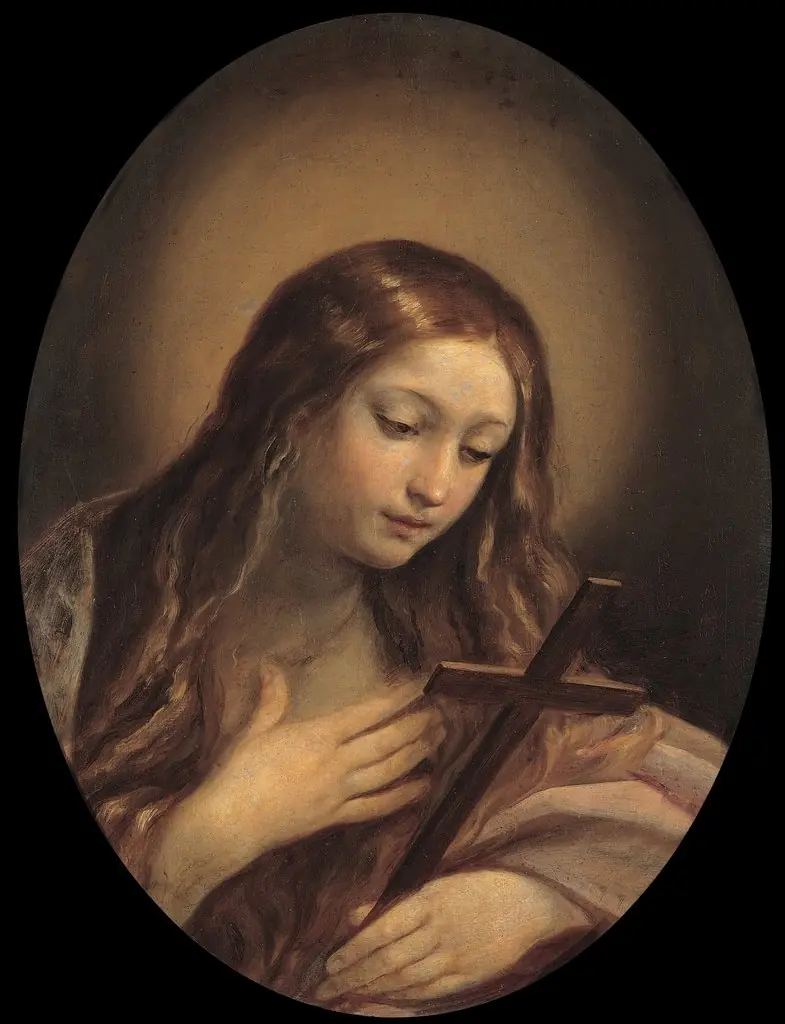
Maria Magdalena is an oil painting by the Early Baroque Italian artist Guido Reni. It dates from 1637 and is held in the collection of the Kunsthistorisches Museum.
About this work
Technique & Style
The work is executed in oil paint, a medium consistent with Guido Reni's mature practice. Classified as a painting of religious genre, it is held in the collection of the Kunsthistorisches Museum in Vienna. The sources document the medium and institutional provenance but provide no further detail on support, dimensions, handling, condition, or specific stylistic qualities.
History & Provenance
Historical records indicate that the work was once owned by Archduke Leopold Wilhelm of Austria before entering the museum's holdings.
Maria Magdalena was painted by Guido Reni in 1637 as an oil on canvas depicting the penitent saint. The work’s early provenance is not documented beyond its creation, and no specific commission is recorded in the sources. It entered the collection of Archduke Leopold Wilhelm of Austria, who owned it in the mid‑17th century, and later became part of the holdings of the Kunsthistorisches Museum in Vienna, where it remains today.
The painting Maria Magdalena by Guido Reni is held in the collection of the Kunsthistorisches Museum. Historical records indicate that the work was once owned by Archduke Leopold Wilhelm of Austria before entering the museum's holdings. The provided sources do not contain specific inventory numbers or details regarding the artwork's exhibition history.
Legacy
Maria Magdalena by Guido Reni, painted in 1637, has been recognized for its devotional intensity and subtle modeling of the figure, influencing later interpretations of the Magdalene in Baroque art. The work's presence in the Kunsthistorisches Museum collection has cemented its reputation as a key example of the artist's religious output, shaping scholarly discussions of Reni's impact on 17th‑century devotional painting.
Overview
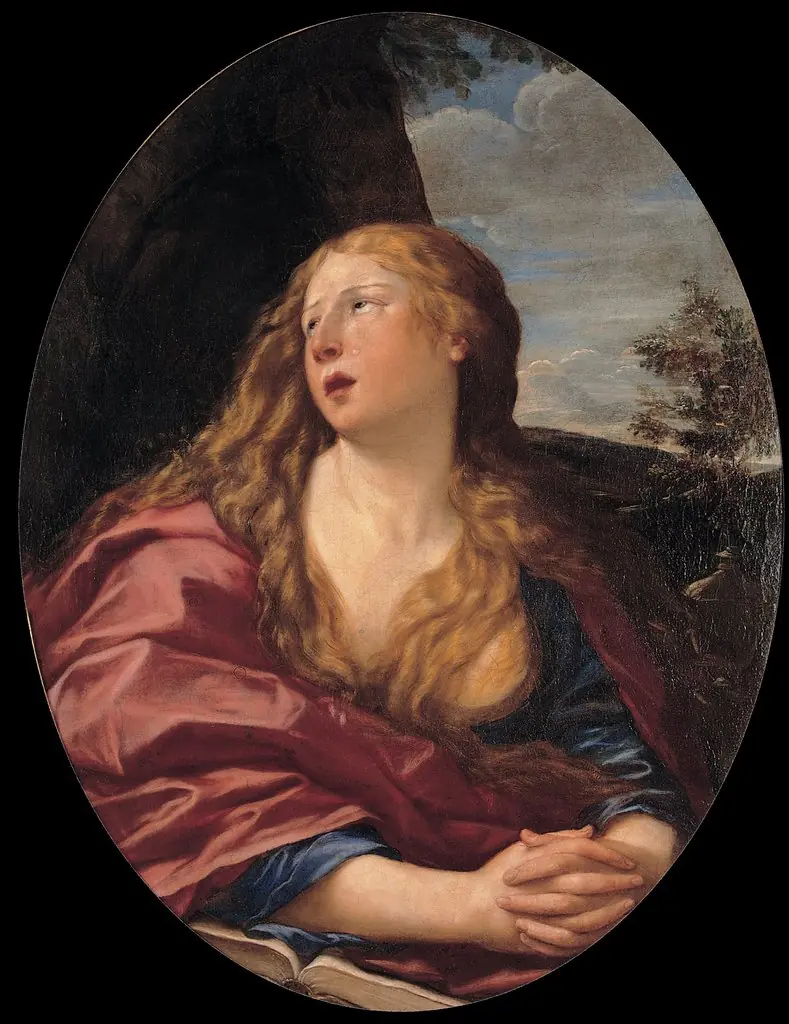
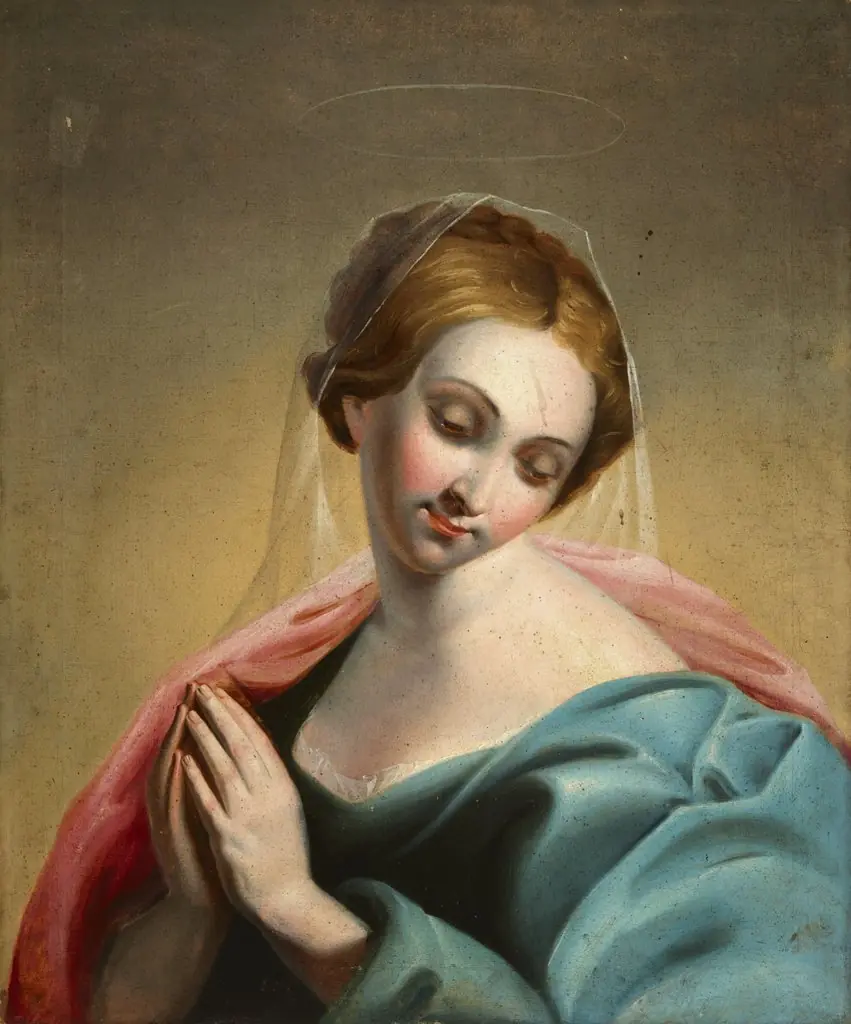
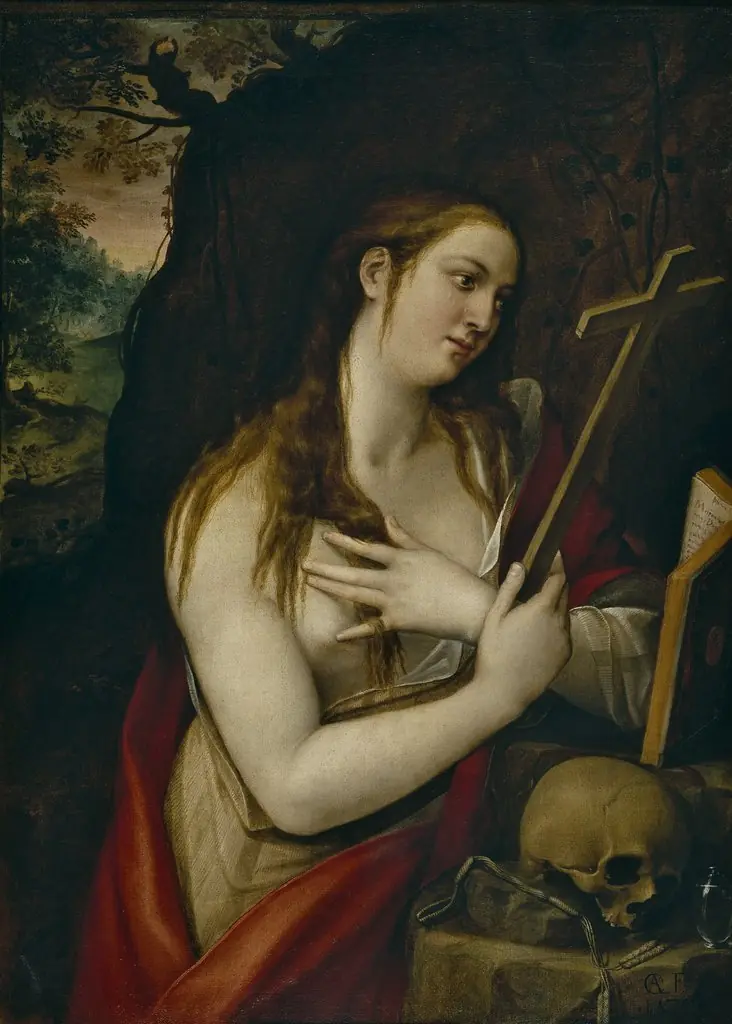
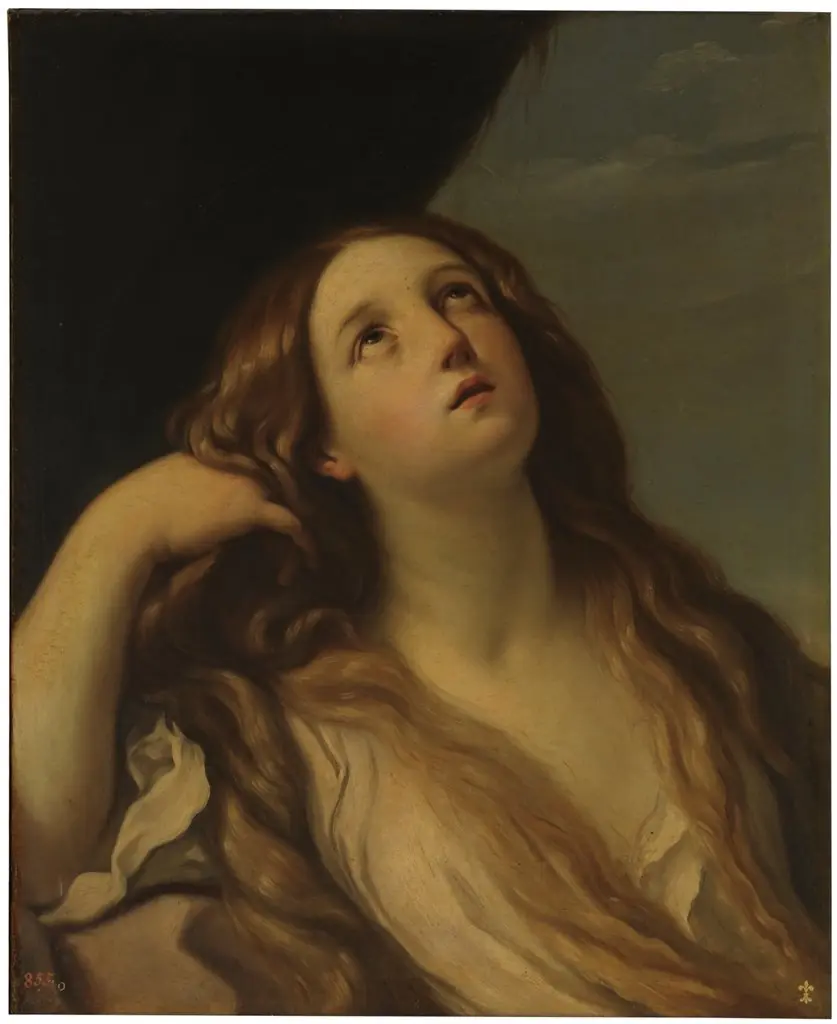
Guido Reni’s oil painting titled Maria Magdalena was executed in 1637 and is part of the collection of the Kunsthistorisches Museum. The work presents a single figure, the biblical Mary Magdalene, rendered in a restrained composition that emphasizes her contemplative demeanor.
Subject & Meaning
The sitter is portrayed with long, reddish‑gold hair and a solemn gaze directed downward, suggesting introspection and penitence. Dressed in a loosely draped, pale pink‑white robe that falls over one shoulder, she embodies the traditional iconography of the repentant saint, inviting viewers to contemplate themes of remorse and spiritual renewal.
Context
Created in the Baroque period, the painting reflects the era’s interest in dramatic lighting and emotional depth. Reni’s approach balances the theatricality of Baroque chiaroscuro with a restrained, classical serenity, aligning the work with contemporary Counter‑Reformation ideals that emphasized personal piety and devotion.
Artist & collection
Artist
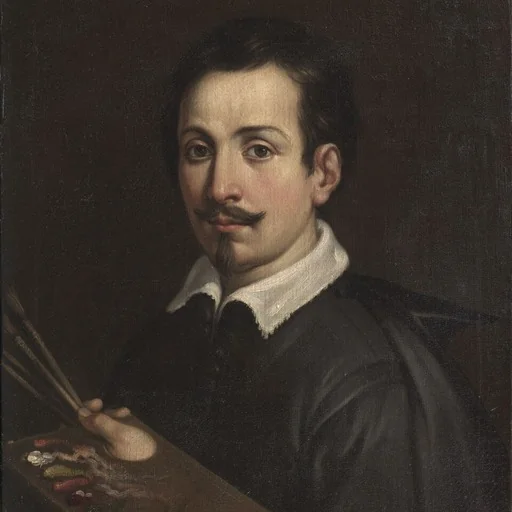
Guido Reni was an Italian Baroque painter, although his works showed a classical manner, similar to Simon Vouet, Nicolas Poussin, and Philippe de Champaigne.