Artwork
Gustavus Adolphus
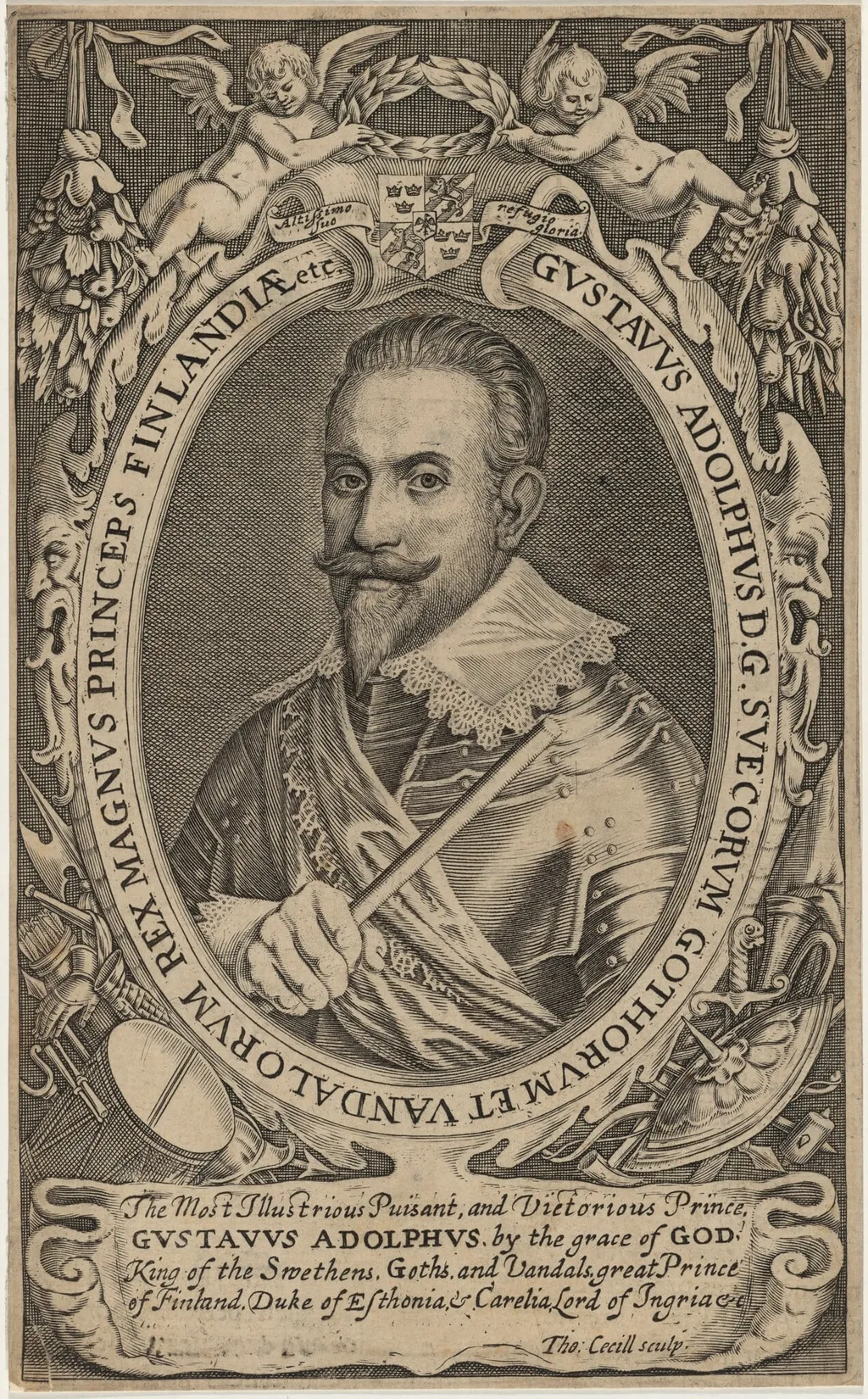
Gustavus Adolphus is an ink print by the Renaissance artist Thomas Cecil. It dates from 1621 and is held in the collection of the National Gallery of Art.
About this work
Overview
Thomas Cecil’s 1621 engraving presents a portrait of Gustavus Adolphus, the Swedish monarch. Rendered in black and white, the image shows the king in a formal pose, holding a sword in one hand and a document in the other, framed by an ornamental border that includes cherubic figures, crowns, and Latin lettering.
Subject & Meaning
The central figure is identified as the “King of the Swethens,” listing the ruler’s official titles. The sword suggests military authority, while the paper may allude to diplomatic or legislative duties, reflecting the dual role of Gustavus Adolphus as both war leader and statesman.
Technique & Style
Cecil employs fine cross‑hatching, a method of intersecting lines that builds tonal variation and depth without the use of color. This meticulous line work creates subtle shadows on the king’s face, collar, and surrounding ornamentation, giving the print a three‑dimensional quality despite its monochrome medium.
History & Provenance
Created in 1621, the engraving was produced shortly after Gustavus Adolphus’s death in 1632, contributing to the visual commemoration of his reign. The work is attributed to Thomas Cecil, an English printmaker active in the early seventeenth century, though its subsequent ownership trail remains undocumented.
Context
The portrait belongs to a broader tradition of early modern European prints that celebrated sovereigns through elaborate allegorical framing. The inclusion of cherubs and crowns aligns with contemporary iconography that linked royal power to divine favor and classical virtues.
Own this work as a print
Artist & collection

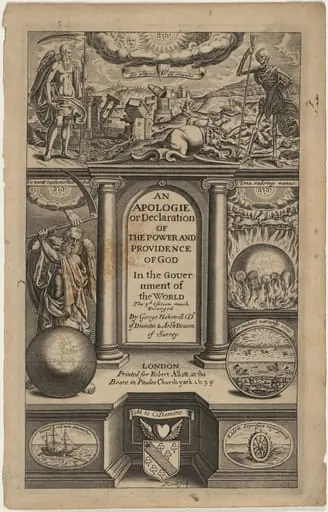 Title Page to An Apologie, or Declaration of the Power and Providence of God
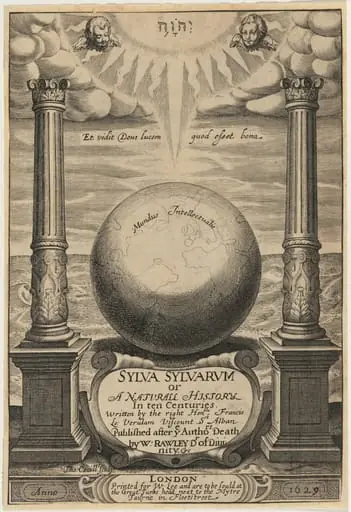 Title Page for Sylva Sylvarum, Francis Bacon
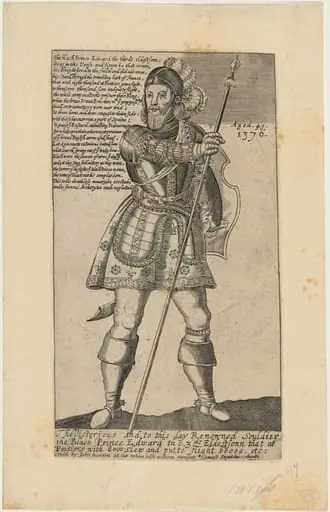 Edward, the Black Prince at the Age of 49
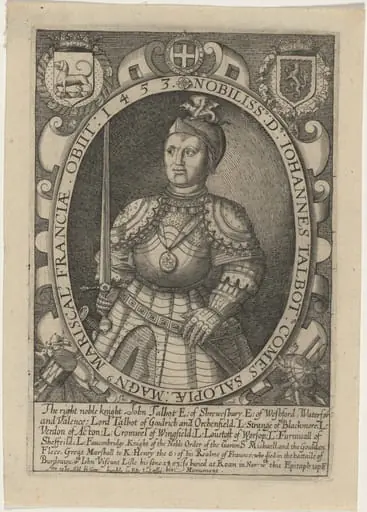 John Talbot, First Earl of Shrewsbury
- Gustavus Adolphus
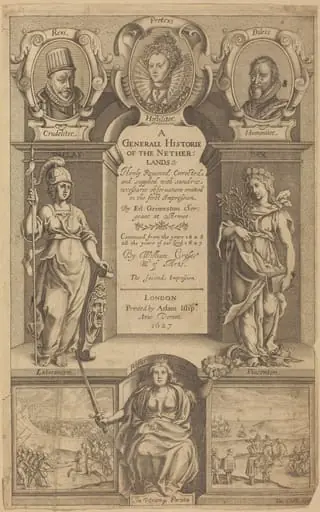 Frontispiece
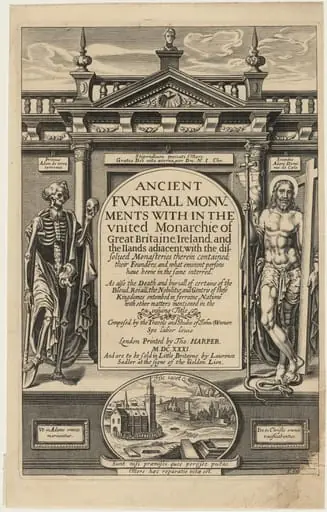 Title Page to John Weever, Ancient Funeral Monuments
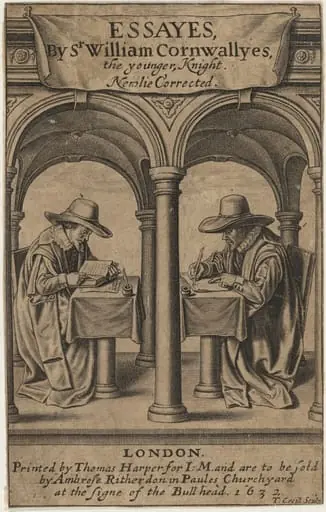 Title Page to Sir William Cornwally's Essays
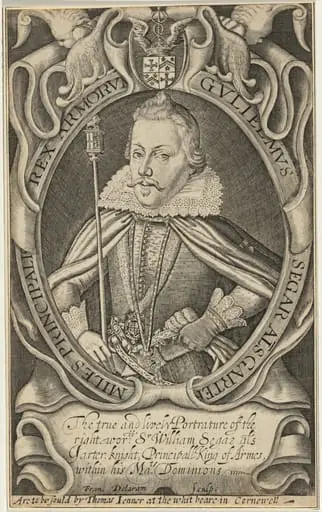 Guliemus Segar (Sir William Segar)
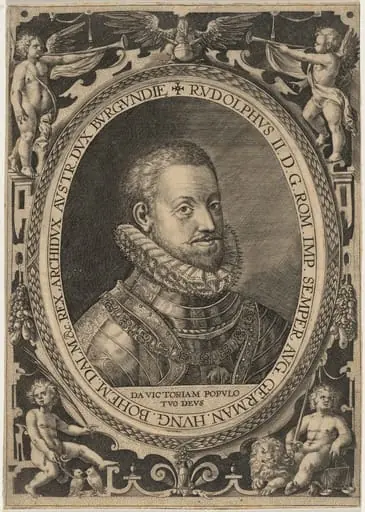 Rudolph II, Roman Emperor
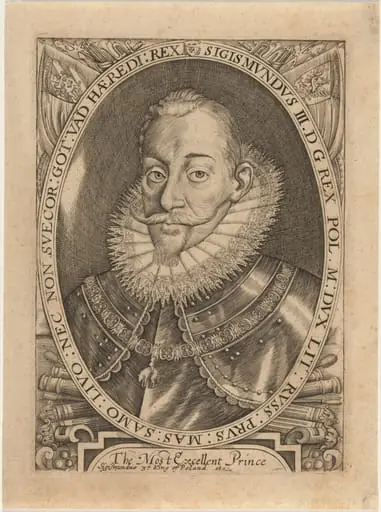 Sigismund III, King of Poland and Sweden
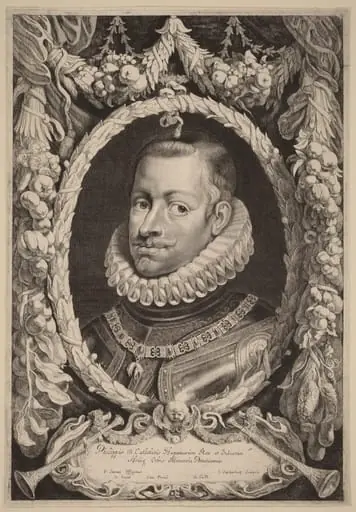 Philip III, King of Spain
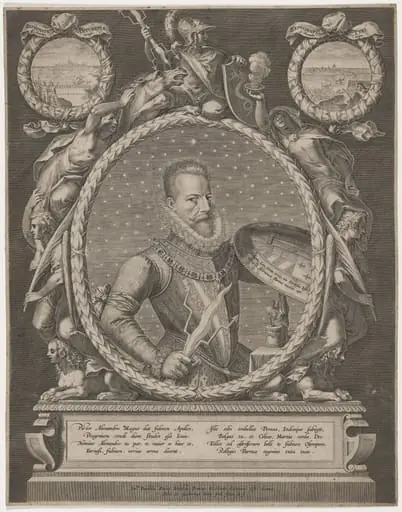 Alexander Farnese, Duke of Parma
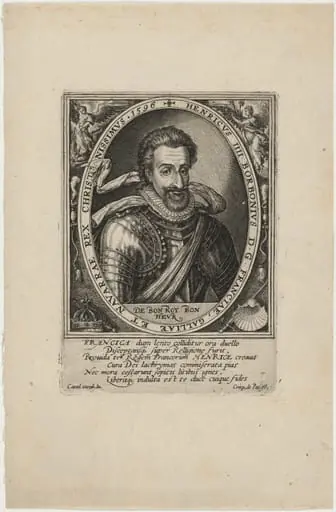 Henry IV, King of France
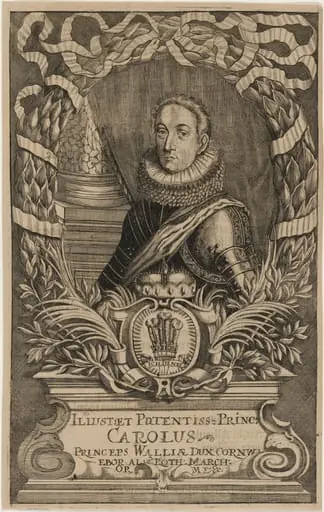 Charles I as Prince of Wales
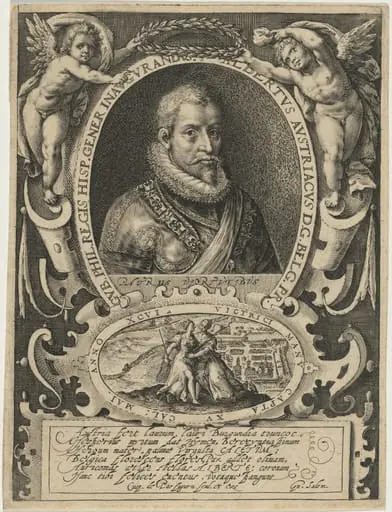 Albert of Austria, Archduke
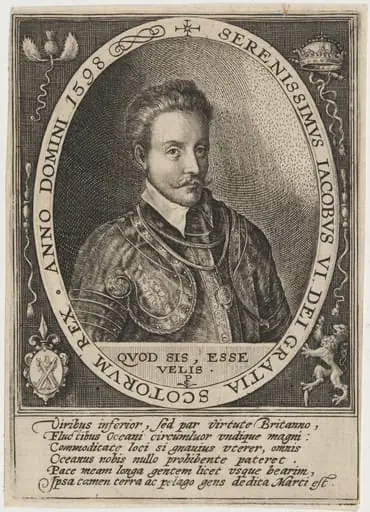 James I, as King of Scotland
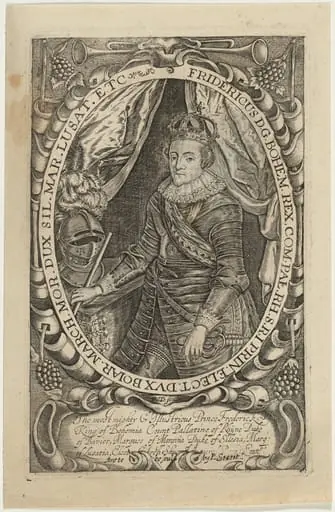 Fredericus D.G. Bohem. Rex (Frederick V, Kingof Bohemia)