Artwork
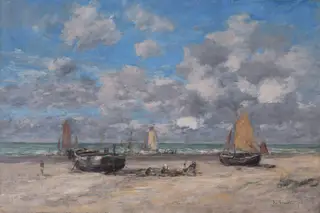
Boats on the Seacoast at Étaples
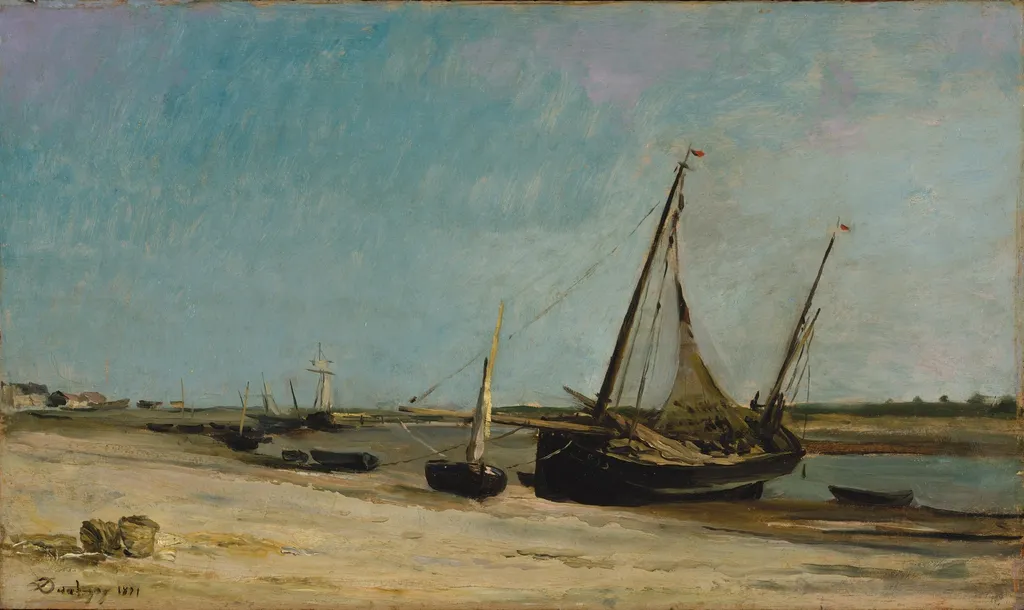
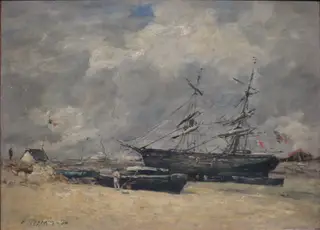
Boats on the Seacoast at Étaples is an oil painting by the Impressionist artist Charles François Daubigny. It dates from 1871 and is held in the collection of the Metropolitan Museum of Art.
About this work
Subject & Meaning
Daubigny renders the water and shoreline in naturalistic detail, emphasizing texture and the fleeting quality of light that characterized his marine subjects.
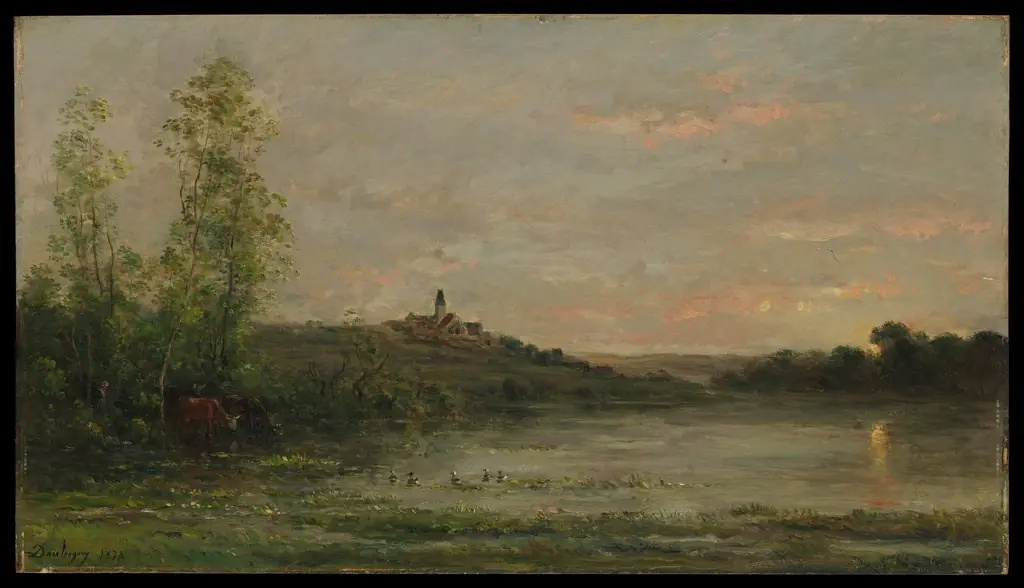
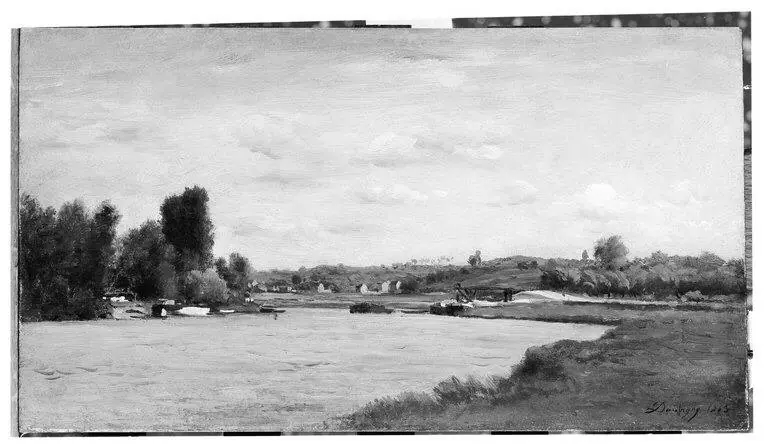
The painting depicts a coastal scene at Étaples with small boats beached on sand beneath a soft, cloudy sky. Daubigny renders the water and shoreline in naturalistic detail, emphasizing texture and the fleeting quality of light that characterized his marine subjects. The work belongs to the marine genre, a focus of the artist’s output that highlighted everyday maritime activity along the French coast.
By positioning the vessels within a balanced composition of sky and sea, the painting invites contemplation of the relationship between humanity and the coastal environment, a theme recurring throughout his career.
Technique & Style
Boats on the Seacoast at Étaples is an oil painting on panel created in 1871. The work measures 34.3 cm in height by 58.1 cm in width. Its subject matter, a coastal scene with boats, classifies it within the marine art genre.
The painting is part of the Metropolitan Museum of Art collection, having been owned by Mary Jane Morgan.
History & Provenance
Boats on the Seacoast at Étaples is an oil painting on panel created in 1871 by Charles-François Daubigny. The work measures 34.3 cm in height and 58.1 cm in width, reflecting the marine genre of the period. It was recorded as being owned by Mary Jane Morgan, who later transferred the piece to the Metropolitan Museum of Art, where it remains.
No documentation indicates a specific commission for the painting; its production appears to have been for private display.
Overview
Charles-François Daubigny's Boats on the Seacoast at Étaples, painted in oil in 1871, captures a serene coastal view. This work exemplifies the French artist's consistent engagement with marine subjects and natural landscapes. It is a significant example of his output, reflecting his stylistic innovations that anticipated later art movements. The painting is currently part of The Metropolitan Museum of Art's collection.
Context
As a prominent figure associated with the Barbizon school, Charles-François Daubigny was instrumental in shifting artistic focus towards direct observation of nature. His practice of painting outdoors, or en plein air, allowed him to capture transient effects of light and atmosphere. This dedication to naturalism and his experimental brushwork positioned him as a crucial precursor, significantly influencing the emerging Impressionist movement that followed.
Own this work as a print
Artist & collection
Artist
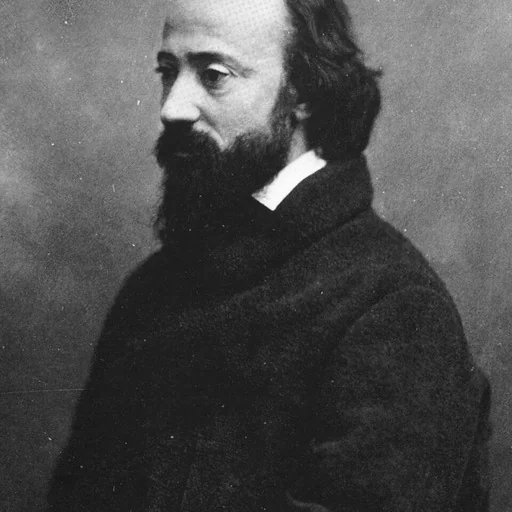
Charles-François Daubigny ( DOH-bin-yee, US: DOH-been-YEE, doh-BEEN-yee, French:; 15 February 1817 – 19 February 1878) was a French painter, one of the members of the Barbizon school, and is considered an important precursor of…