Artwork
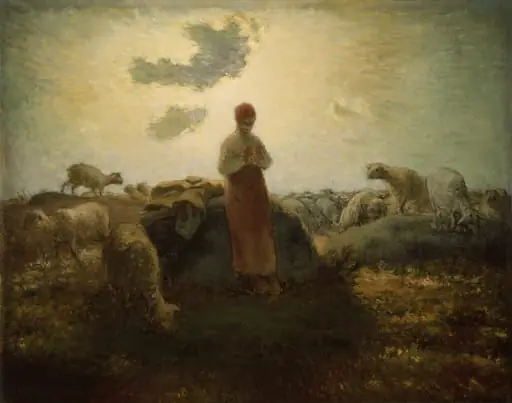
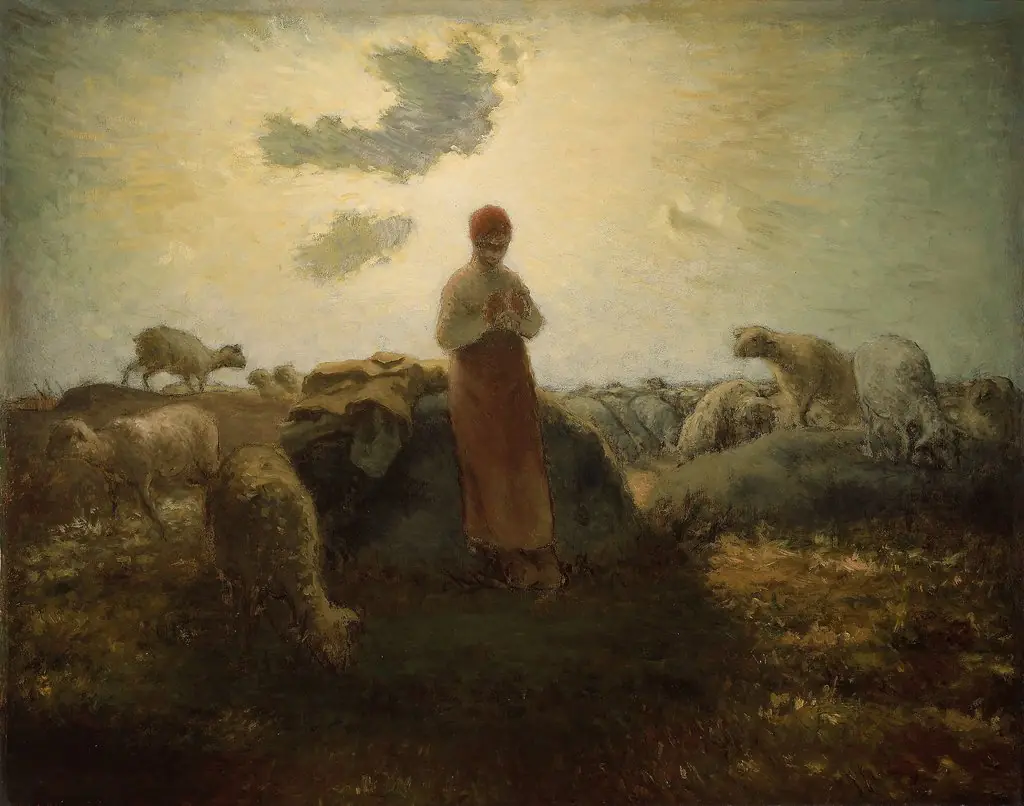
Lever de lune à Auvers
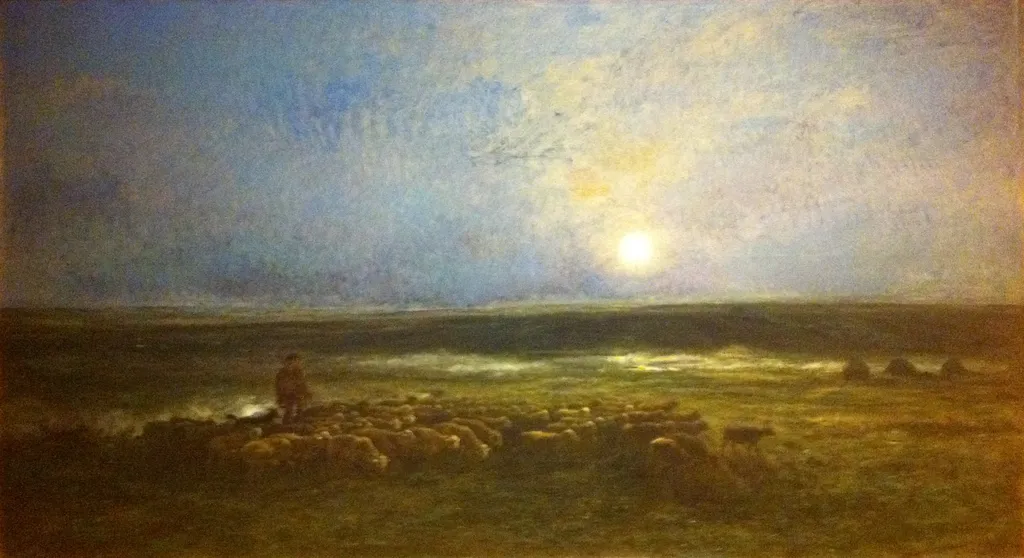
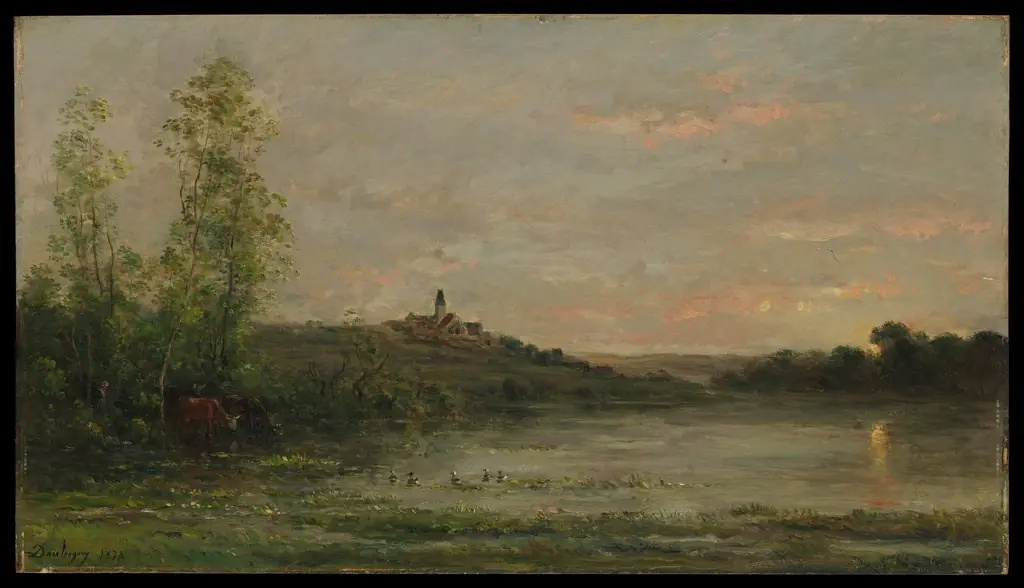
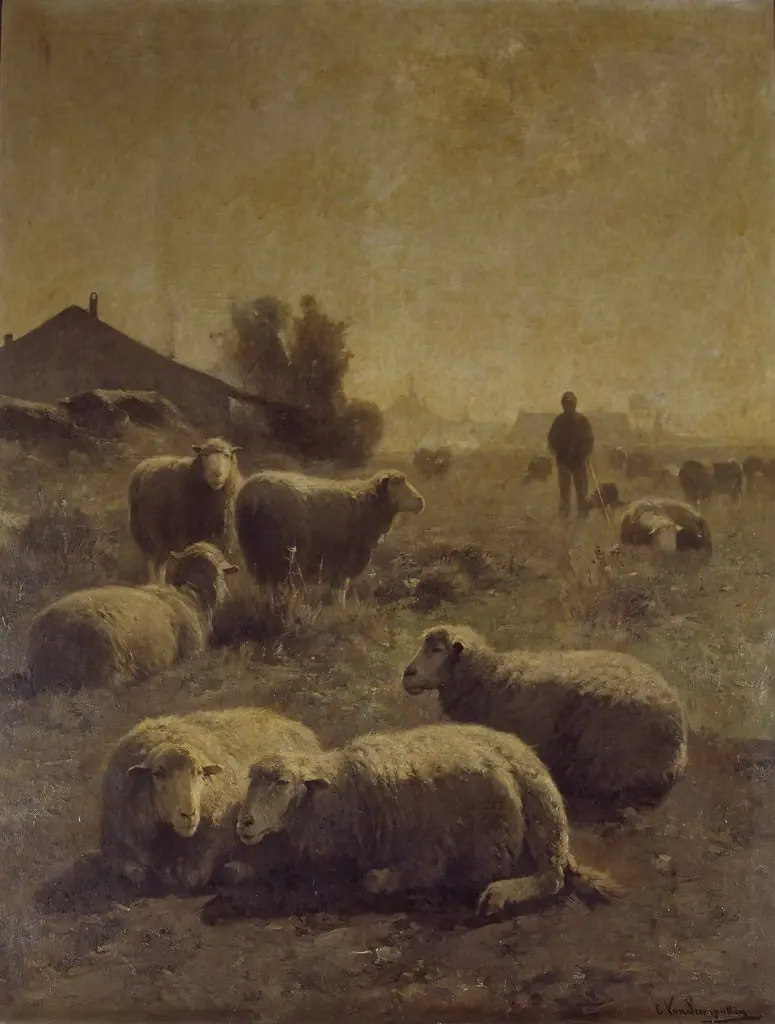
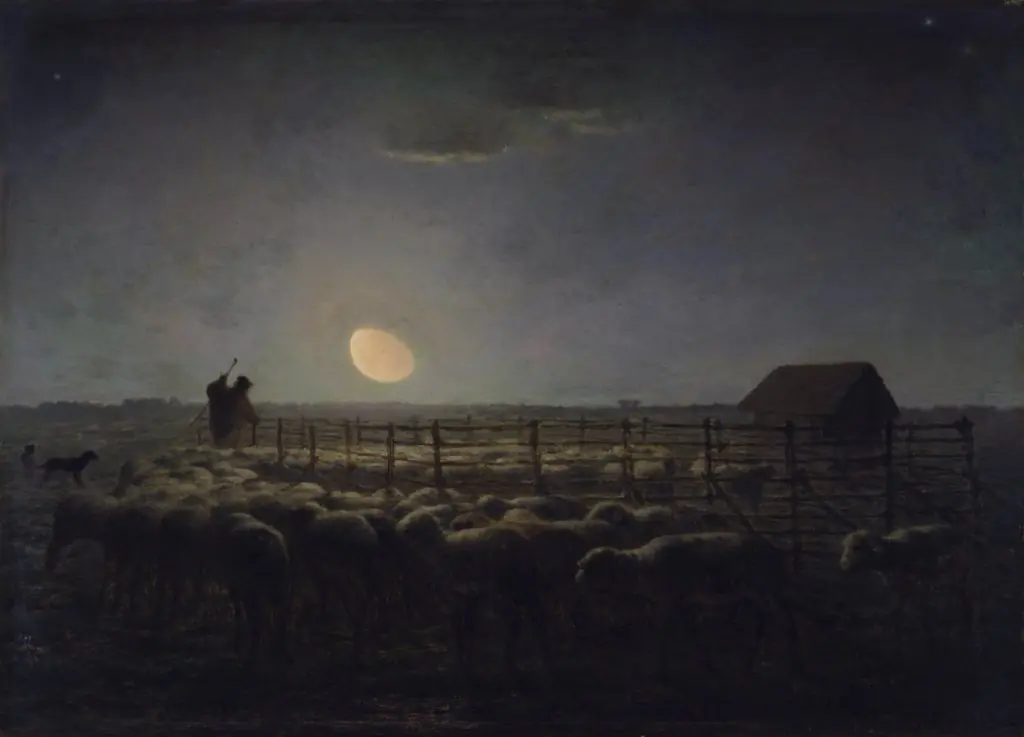
Lever de lune à Auvers is an oil painting by the Plein Air artist Charles François Daubigny. It is held in the collection of the Montreal Museum of Fine Arts.
About this work
Overview
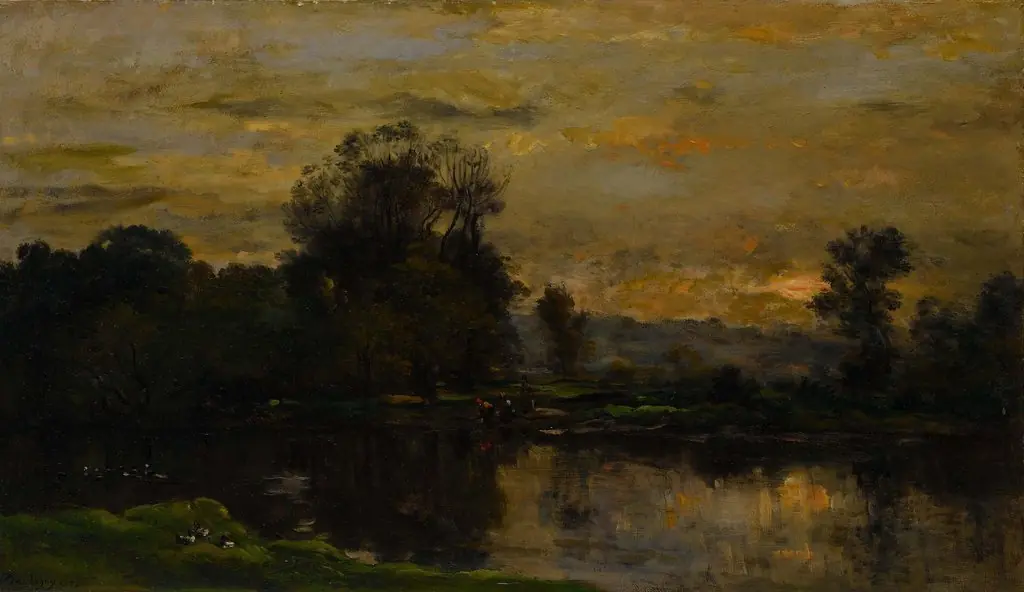
Lever de lune à Auvers is an 1889 oil-on-canvas landscape by Charles-François Daubigny, a French painter bridging the Barbizon school and Impressionism. The painting captures a serene nighttime scene en plein air.
Subject & Meaning
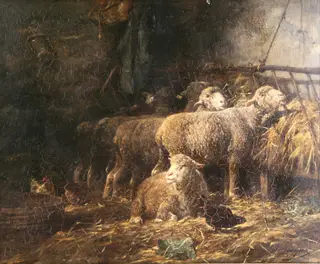
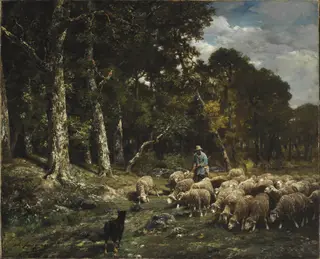
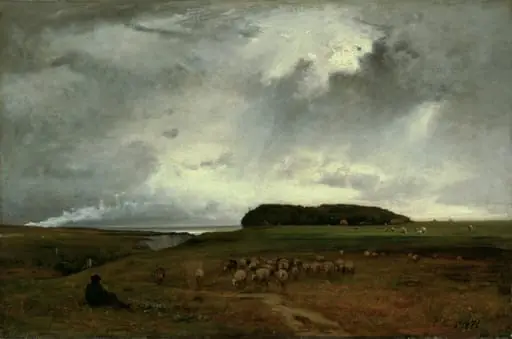
The work depicts a moonlit gathering of sheep near a body of water, emphasizing Daubigny’s fascination with natural light and rural landscapes. The composition conveys a sense of peacefulness under the moon’s glow.
Technique & Style
Characterized by soft brushstrokes and muted colors, the painting employs chiaroscuro to achieve depth, contrasting the illuminated sheep and water against a darker backdrop. This approach contributes to its dreamy, ethereal atmosphere.
History & Provenance
Created in 1889, Lever de lune à Auvers represents Daubigny’s continued experimentation with atmospheric effects in his later works, alongside his known innovations in printmaking techniques like etching and cliché verre.
Context
As a precursor to Impressionism, Daubigny’s work reflects a transitional period in French landscape painting, emphasizing outdoor lighting effects and everyday rural themes.
Legacy
Lever de lune à Auvers exemplifies Daubigny’s influence on the development of landscape painting, particularly in capturing ephemeral natural light, appealing to viewers interested in the evolution of Impressionist precursors.
Artist & collection
Artist
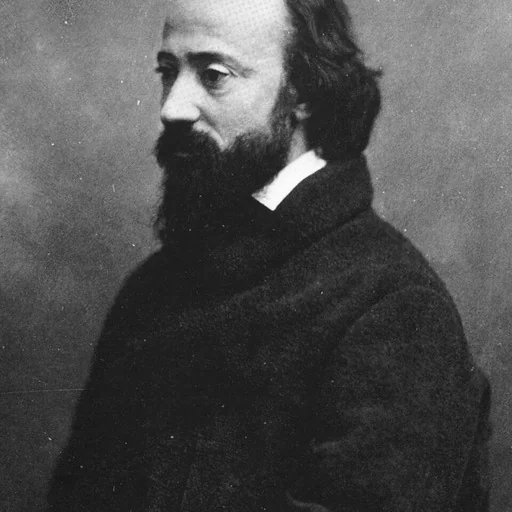
Charles-François Daubigny ( DOH-bin-yee, US: DOH-been-YEE, doh-BEEN-yee, French:; 15 February 1817 – 19 February 1878) was a French painter, one of the members of the Barbizon school, and is considered an important precursor of…