Artwork
Lost Illusions
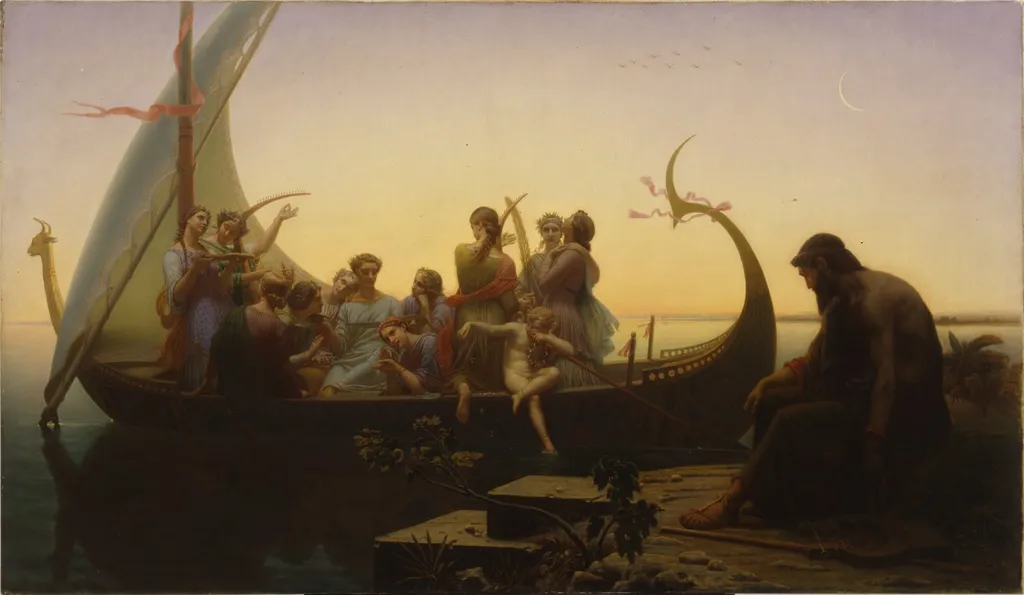
Lost Illusions is an oil painting by the Academic Art artist Charles Gleyre. It dates from 1865 and is held in the collection of the Walters Art Museum.
About this work
Overview
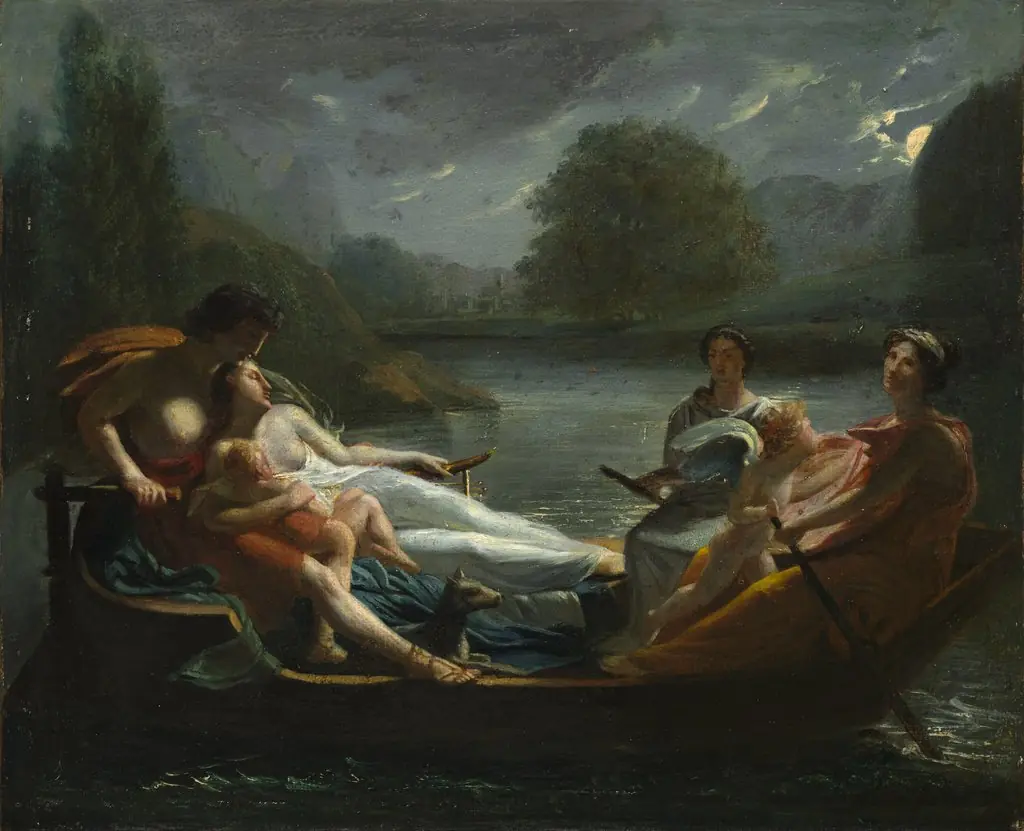
The work depicts a tranquil scene on water, blending classical attire with a contemplative mood.
Lost Illusions is an 1865 oil painting jointly created by Charles Gleyre and his pupil Léon Dussart, commissioned by American collector William Thompson Walters. The work depicts a tranquil scene on water, blending classical attire with a contemplative mood. It reflects the academic tradition of the time, merging narrative suggestion with atmospheric landscape to evoke emotional resonance rather than literal storytelling.
Subject & Meaning
A group of figures in classical dress occupy a boat drifting on calm water, while a solitary man sits on the shore, gazing toward them. The composition suggests a moment of separation or reflection, possibly symbolizing the passage of time or the distance between memory and reality. The lack of clear narrative cues invites interpretation centered on longing, loss, or the quiet end of an era.
Technique & Style
The painting employs soft, warm tonalities to unify the scene, with gentle transitions between sky, water, and land. Figures are rendered with refined detail, their drapery and gestures echoing classical sculpture. The brushwork is controlled, favoring smooth surfaces and muted contrasts, characteristic of academic training. Light is diffused, enhancing the hushed, introspective atmosphere without dramatic emphasis.
History & Provenance
Commissioned in 1865 by William Thompson Walters, the painting entered his private collection in Baltimore. After his death, it became part of the Walters Art Museum’s founding holdings. Its joint authorship by Gleyre and Dussart reflects the studio practices of the time, where masters often collaborated with advanced students on commissioned works, blending individual contributions into a cohesive whole.
Context
Created during the height of academic painting in France, Lost Illusions aligns with the era’s preference for mythic or allegorical themes rendered in idealized forms. While contemporary Realism gained traction, Gleyre’s studio maintained classical ideals, responding to collectors who valued refined aesthetics over social commentary. The work reflects a broader cultural fascination with nostalgia and the elegiac tone of fading traditions.
Legacy
Though not widely exhibited outside institutional collections, the painting remains a representative example of late 19th-century academic collaboration. It illustrates how master-student relationships shaped production in Parisian ateliers and how American patrons influenced the dissemination of European academic art. Its quiet mood continues to invite quiet contemplation rather than public acclaim.
Artist & collection
Artist
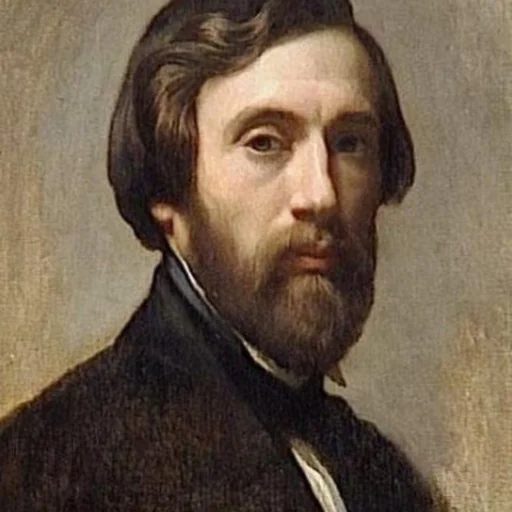
Marc Gabriel Charles Gleyre (2 May 1806 – 5 May 1874), was a Swiss artist who was a resident in France from an early age.

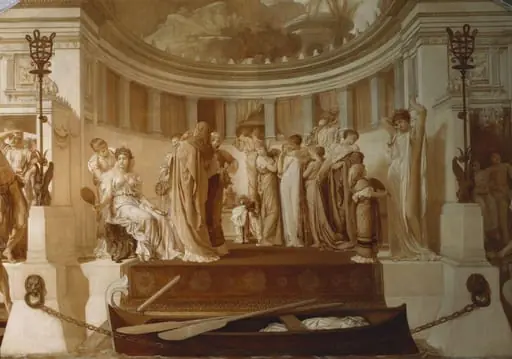
- Half-size monochrome cartoon for the spirit fresco 'The Arts of Industry as Applied to Peace'
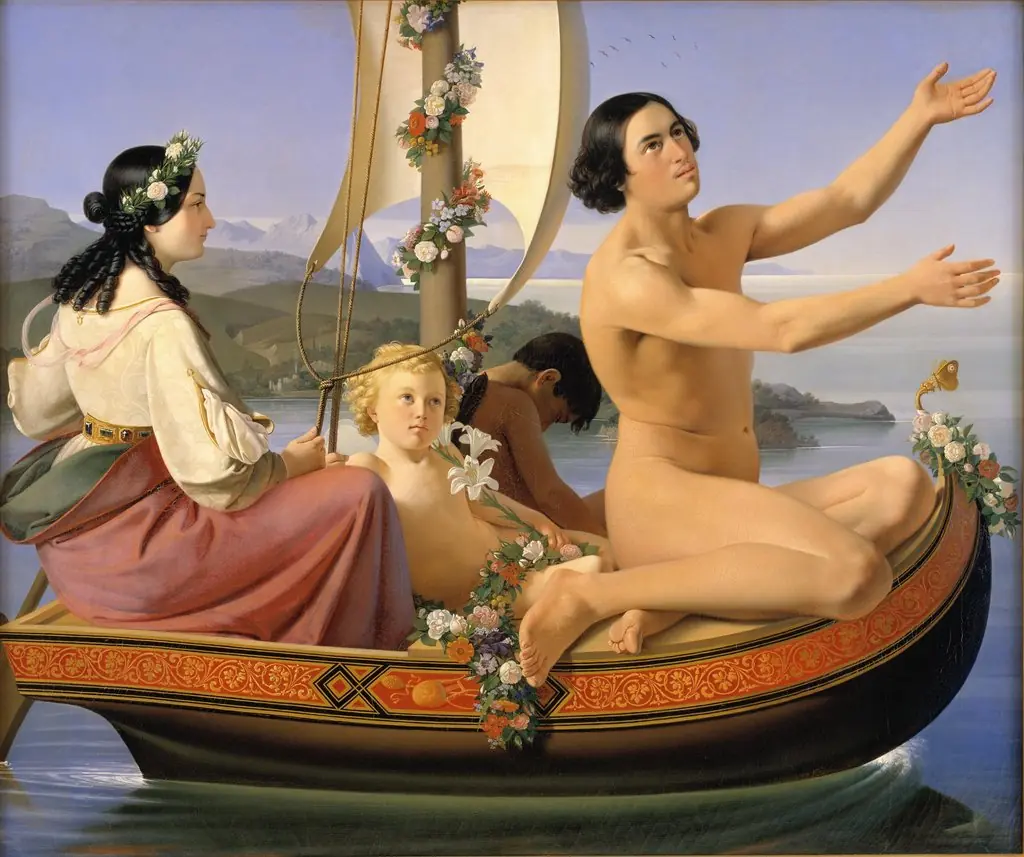 Youth. From the series: The Four Ages of Man
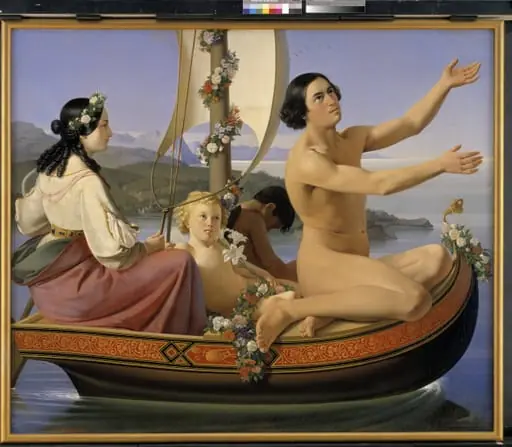 Youth. From the series: The Four Ages of Man
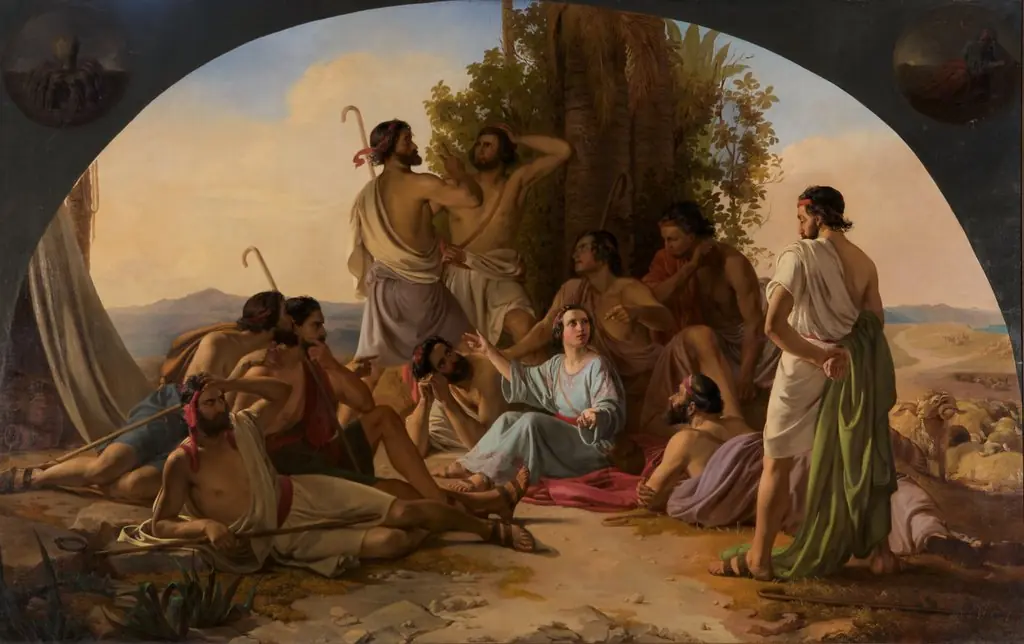 Joseph tells his dream
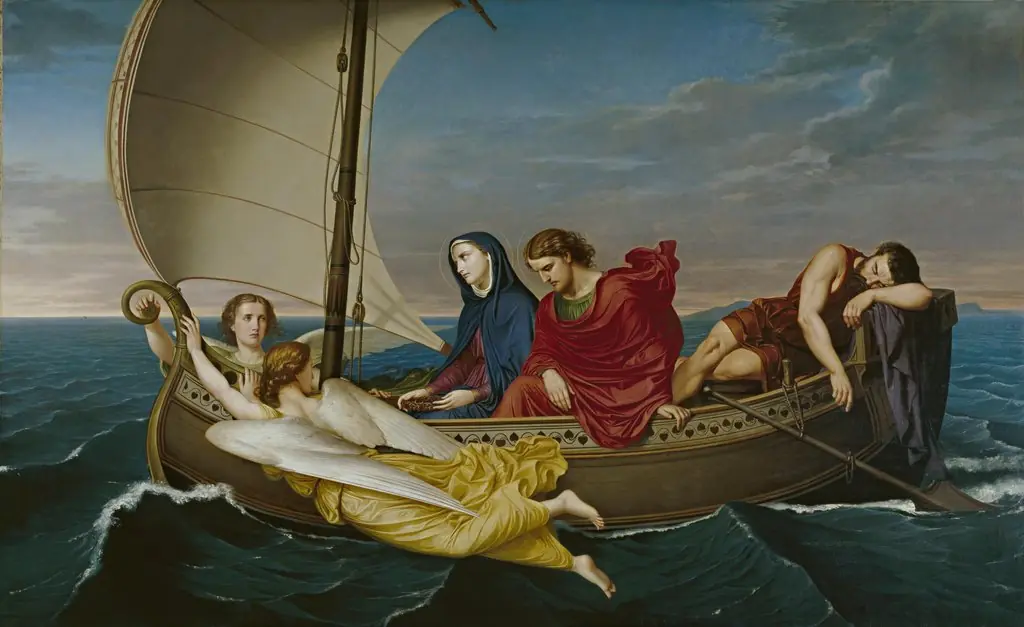 Travel of the Blessed Virgin and St. John to Ephesus after the death of Savior
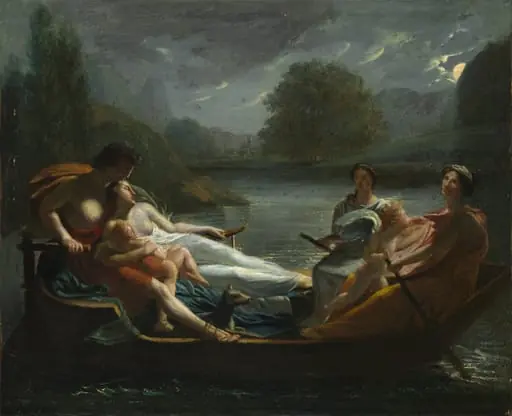 The Dream of Happiness
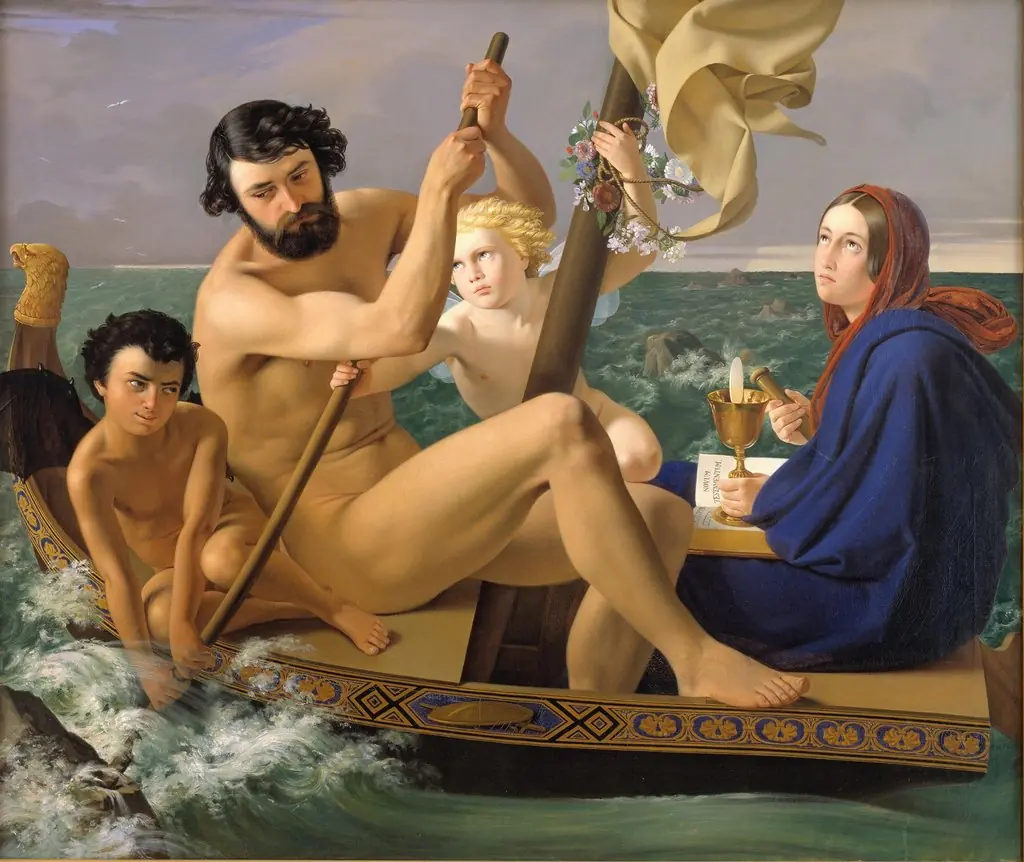 Manhood. From the series: The Four Ages of Man
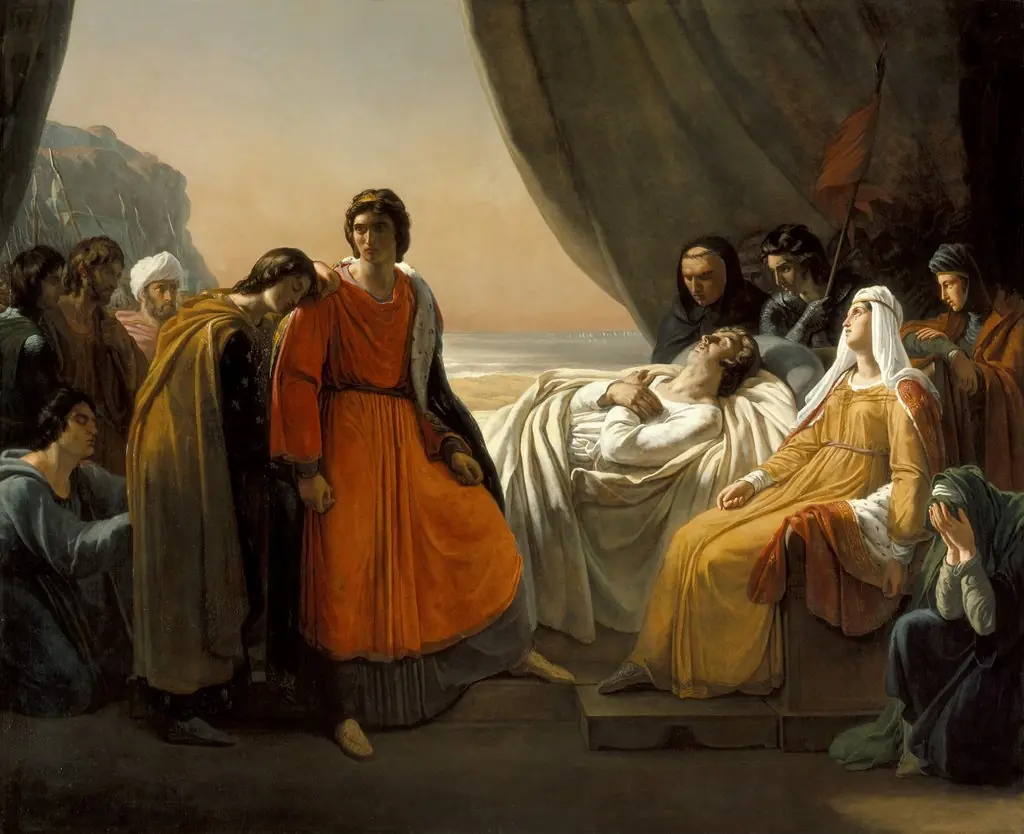 The Death of Saint Louis
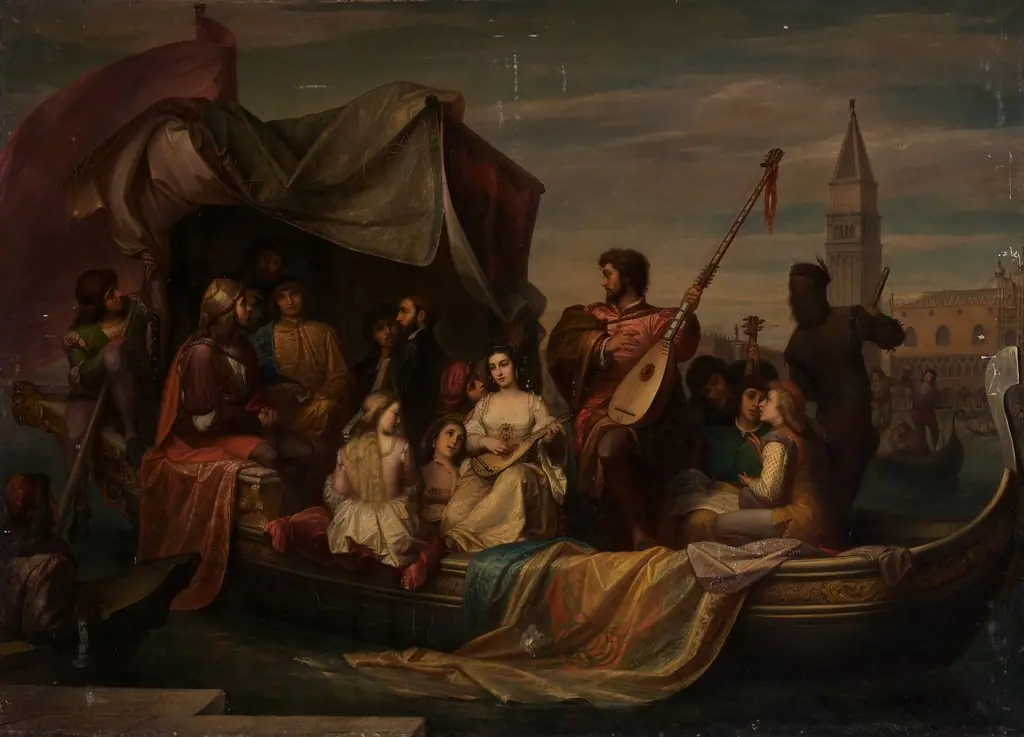 Giovanni Bellini and Albrecht Dürer are Celebrated by Venetian Artists
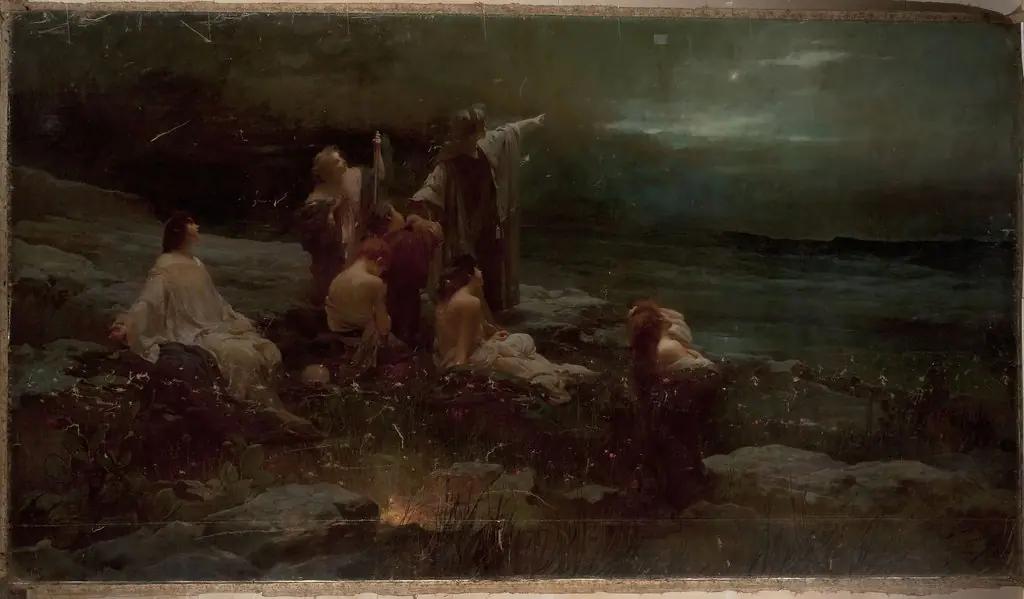 Morning star
 The Dream of Happiness
 Fishing port at dawn (Morning)