Artwork
The Dream of Happiness
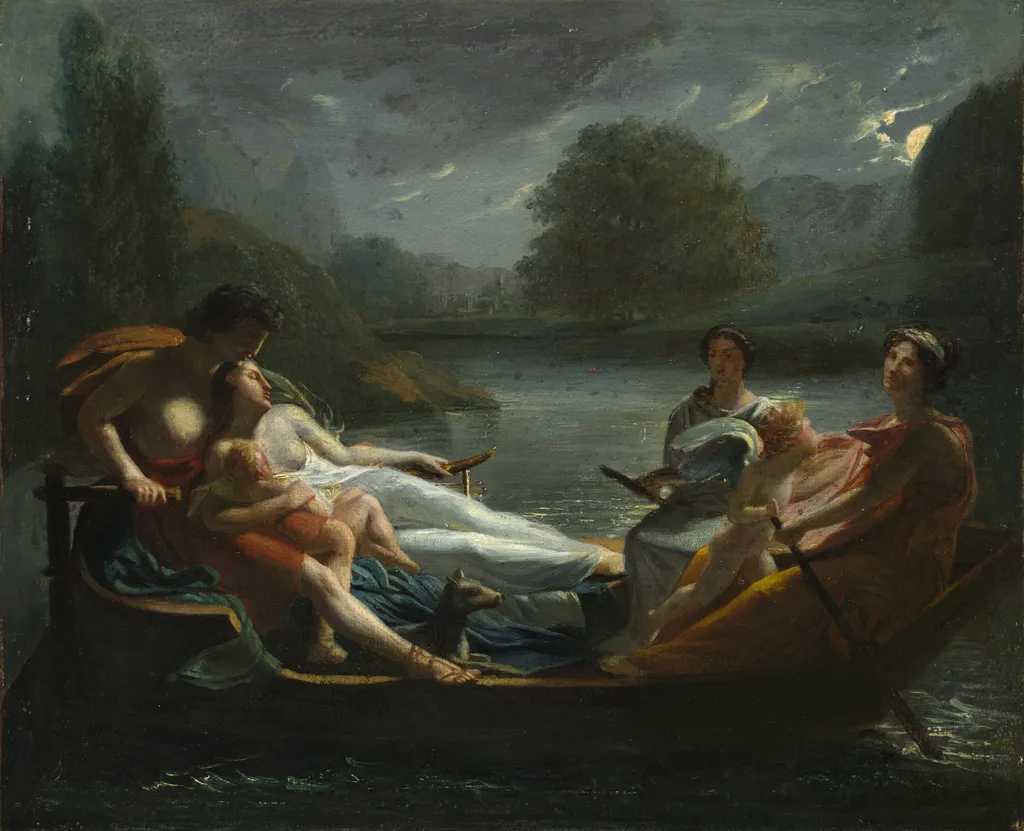
The Dream of Happiness is an unspecified painting by the French Romanticist artist Pierre Paul Prud'hon. It dates from 1819 and is held in the collection of the Cleveland Museum of Art.
- Accession no.
- 1980.277
- Credit line
- Bequest of Noah L. Butkin
About this work
Overview
Created in 1819 by French artist Pierre‑Paul Prud’hon, The Dream of Happiness is an oil painting now part of the Cleveland Museum of Art’s collection. Though Prud’hon is often linked to Neo‑classicism, this work aligns with the Romantic tendency toward atmosphere and feeling.
Subject & Meaning
The canvas depicts four women gathered beside a river at twilight. One holds a parasol, another cradles a sleeping infant, while the remaining figures recline on cushions or sit upright, all dressed in flowing garments. The composition suggests a tranquil, perhaps contemplative interlude, evoking a gentle mystery within a natural setting.
Technique & Style
Prud’hon employs loose, expressive brushwork that softens the transition between light and shadow, emphasizing the dusk’s muted illumination. The palette is dominated by dusky blues and earth tones, while the subtle moonlight glints on the water, creating a serene yet slightly enigmatic ambience.
History & Provenance
After its completion, the painting entered private collections before being acquired by the Cleveland Museum of Art, where it remains on view. Prud’hon’s reputation at the time included portraiture of notable figures such as Empress Joséphine, yet this allegorical scene reflects his broader interest in poetic subject matter.
Context
Although Prud’hon trained in the Neo‑classical tradition, The Dream of Happiness exemplifies the Romantic era’s focus on emotion, nature, and the sublime. The work’s emphasis on mood, the interplay of figures with a natural landscape, and the soft, atmospheric rendering are characteristic of Romantic visual strategies.
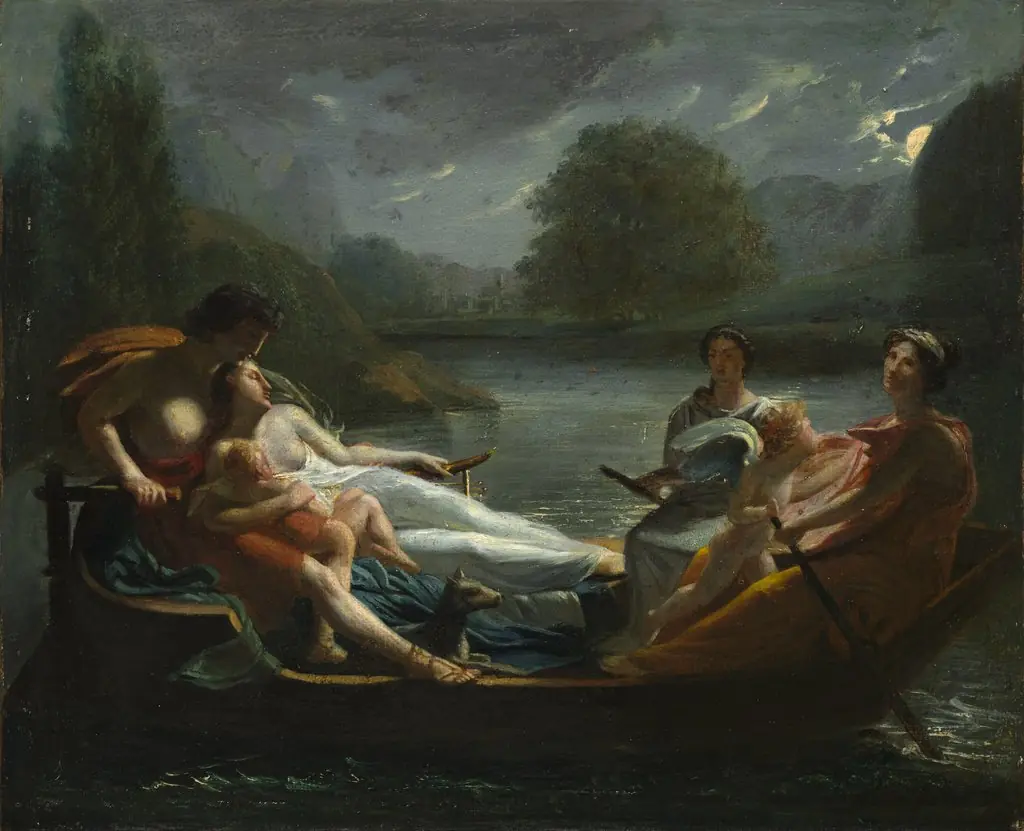
Own this work as a print
Artist & collection
Artist
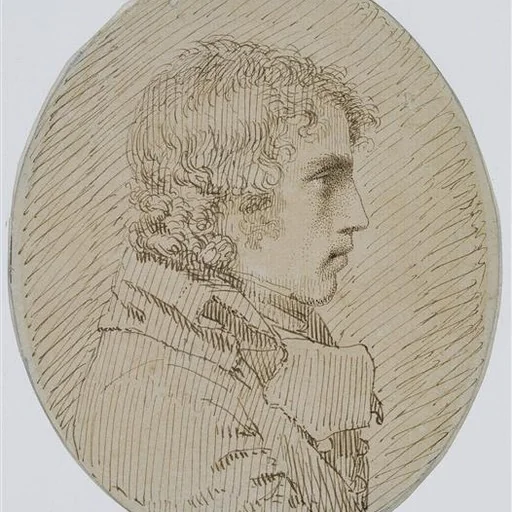
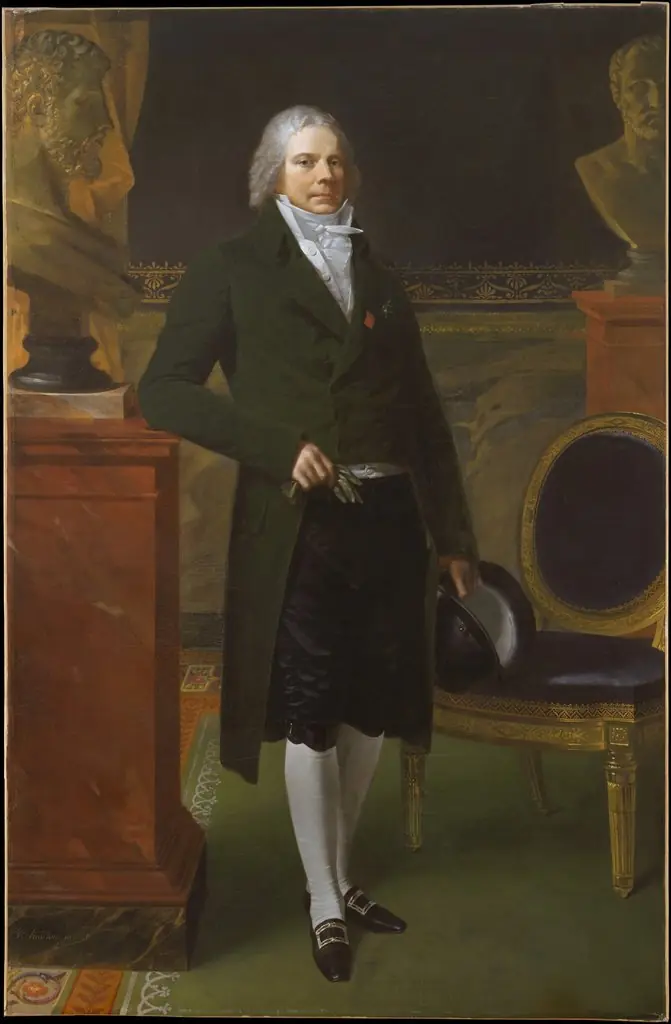
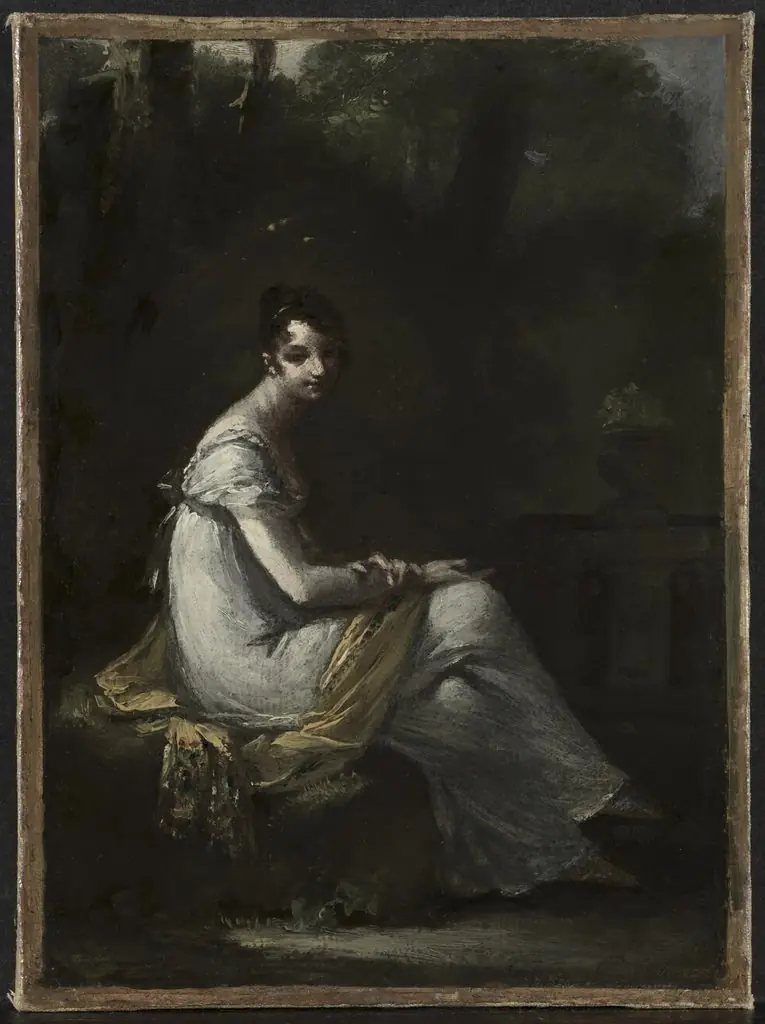
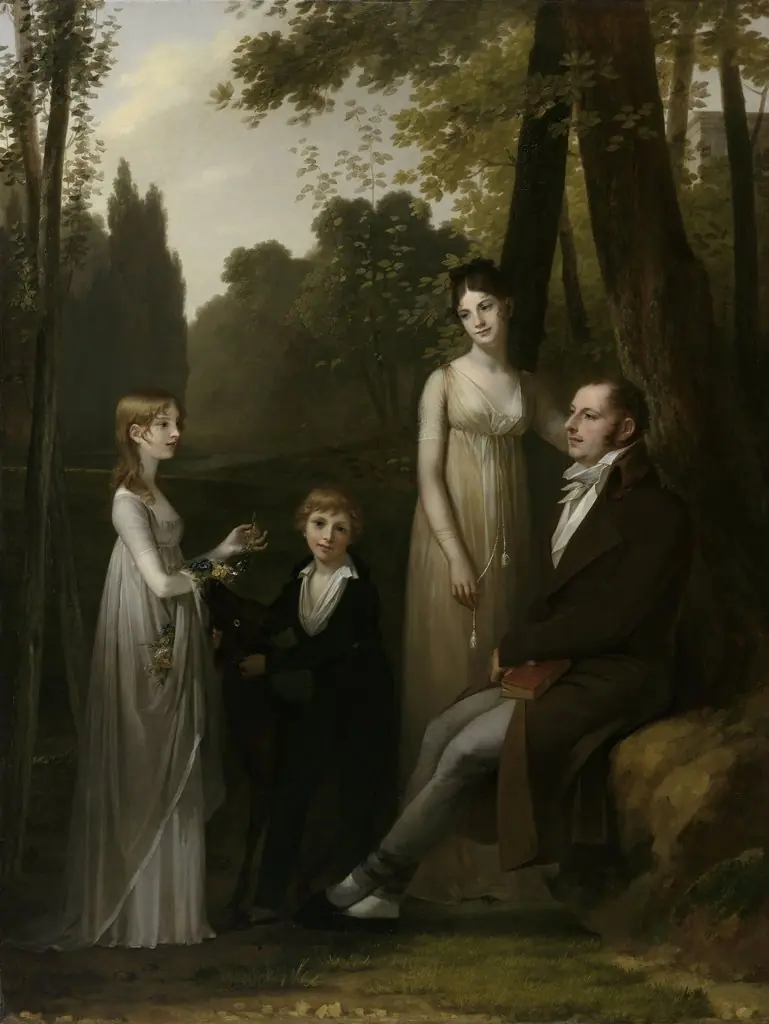
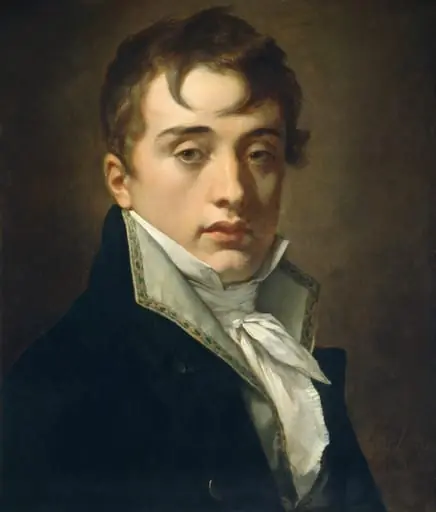
Pierre-Paul Prud'hon (French pronunciation: 4 April 1758 – 16 February 16, 1823) was a French Neo-classical painter and draughtsman best known in his own time for his allegorical paintings and portraits, now for his drawings.

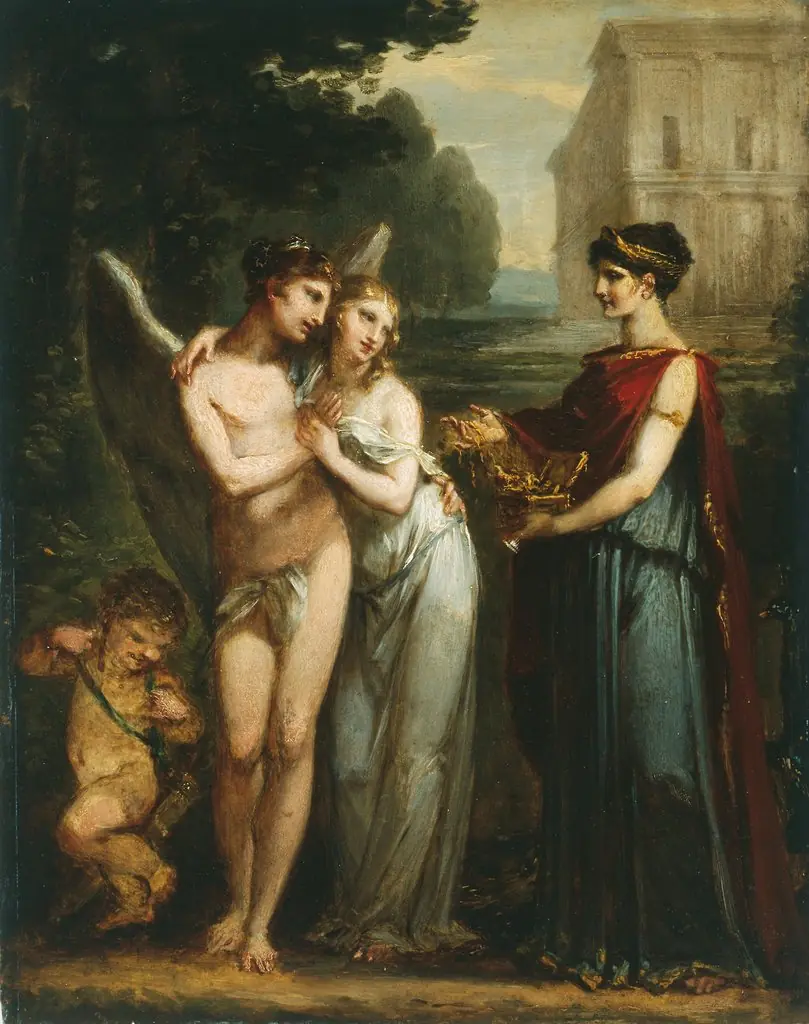
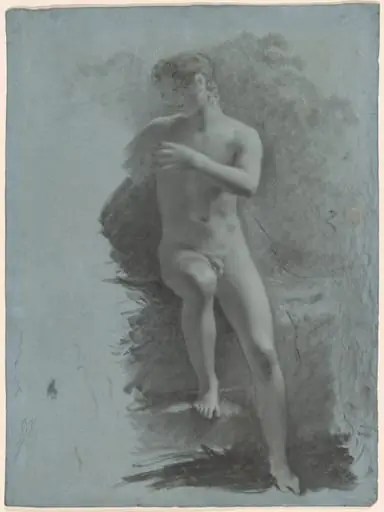
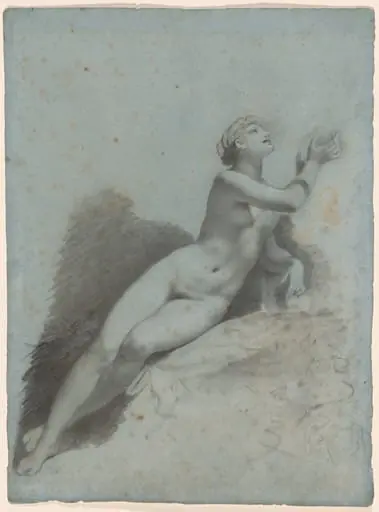
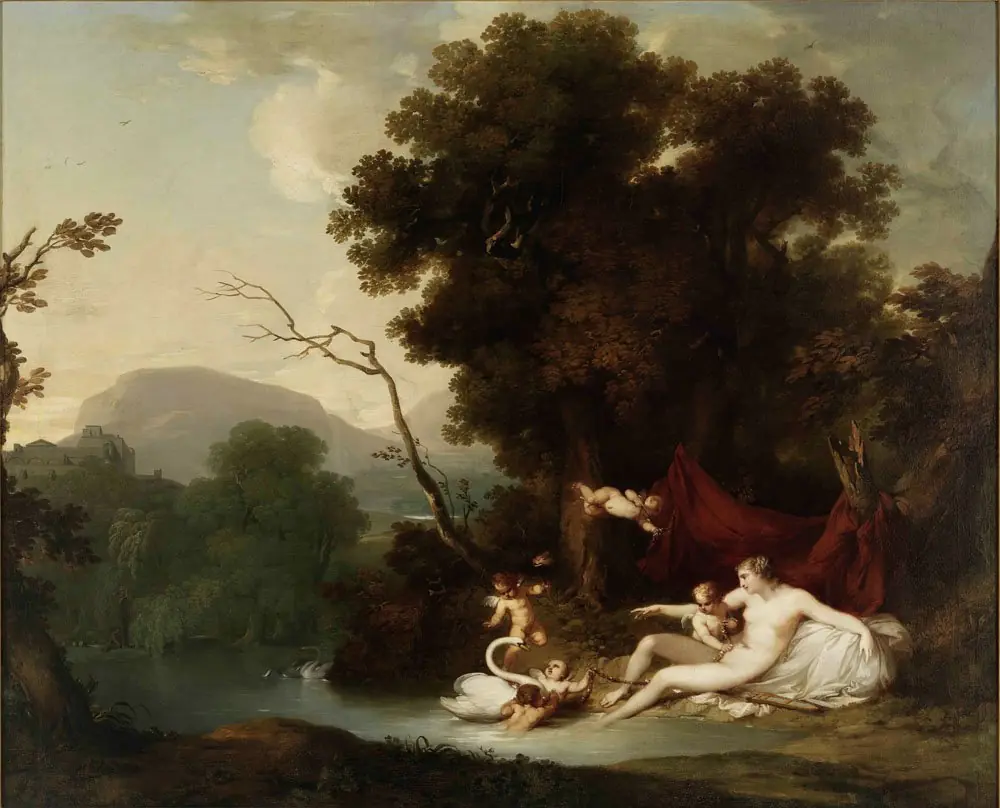 Leda and the Swan
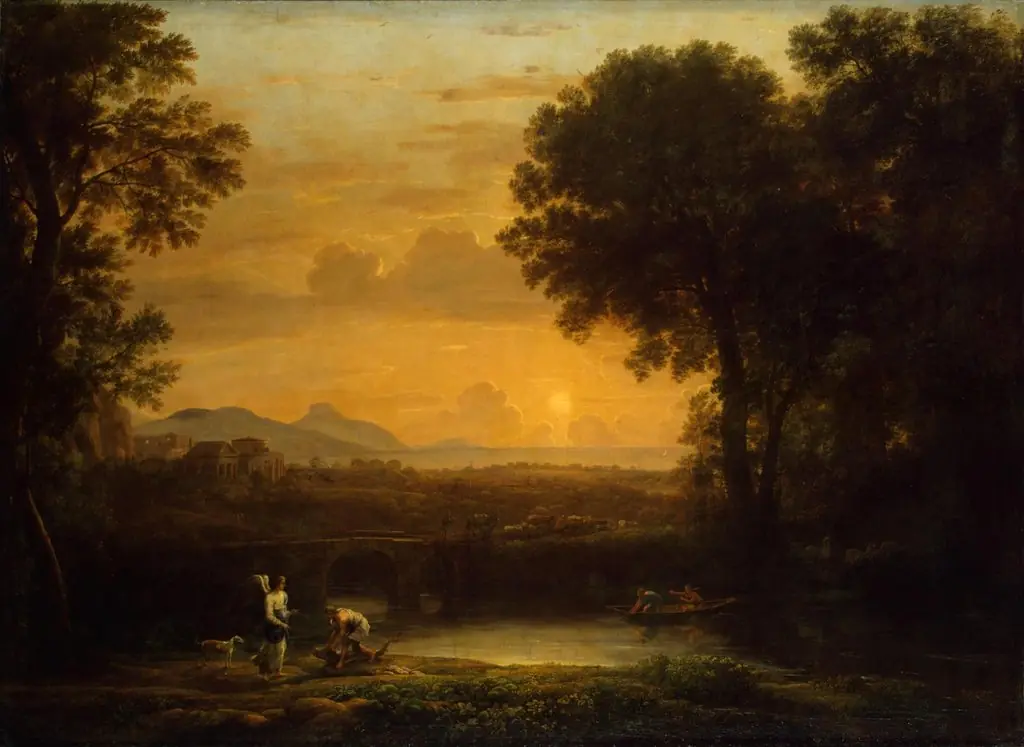 Landscape with Tobias and the Angel (Evening)
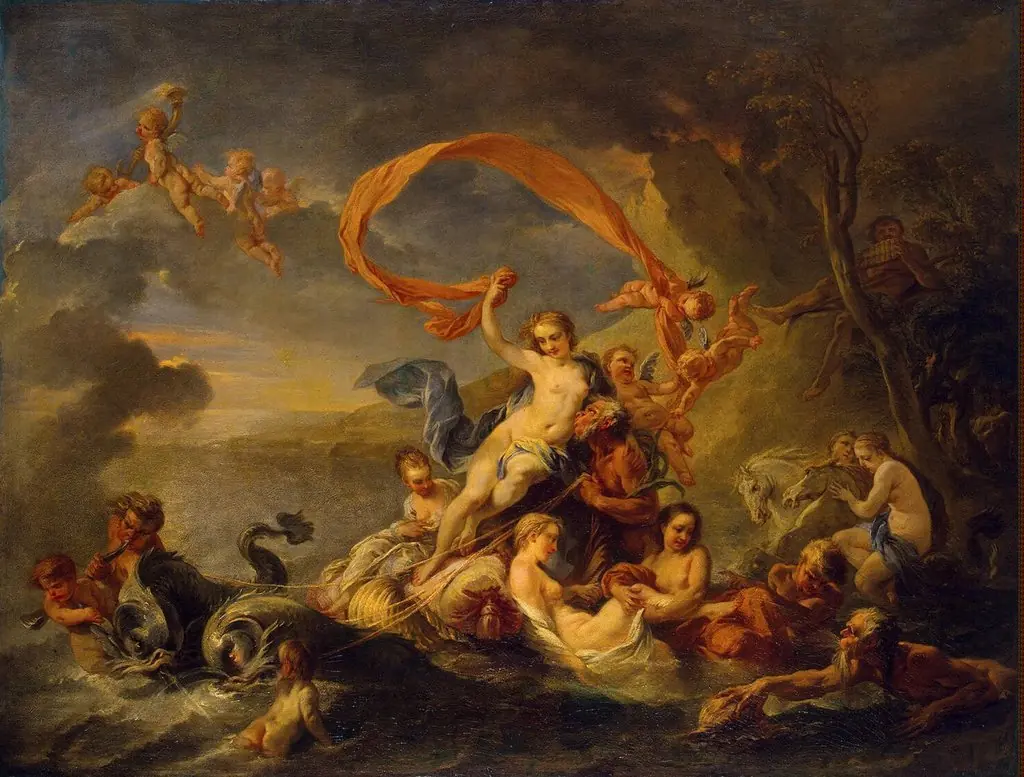 Tiumph of Galatea
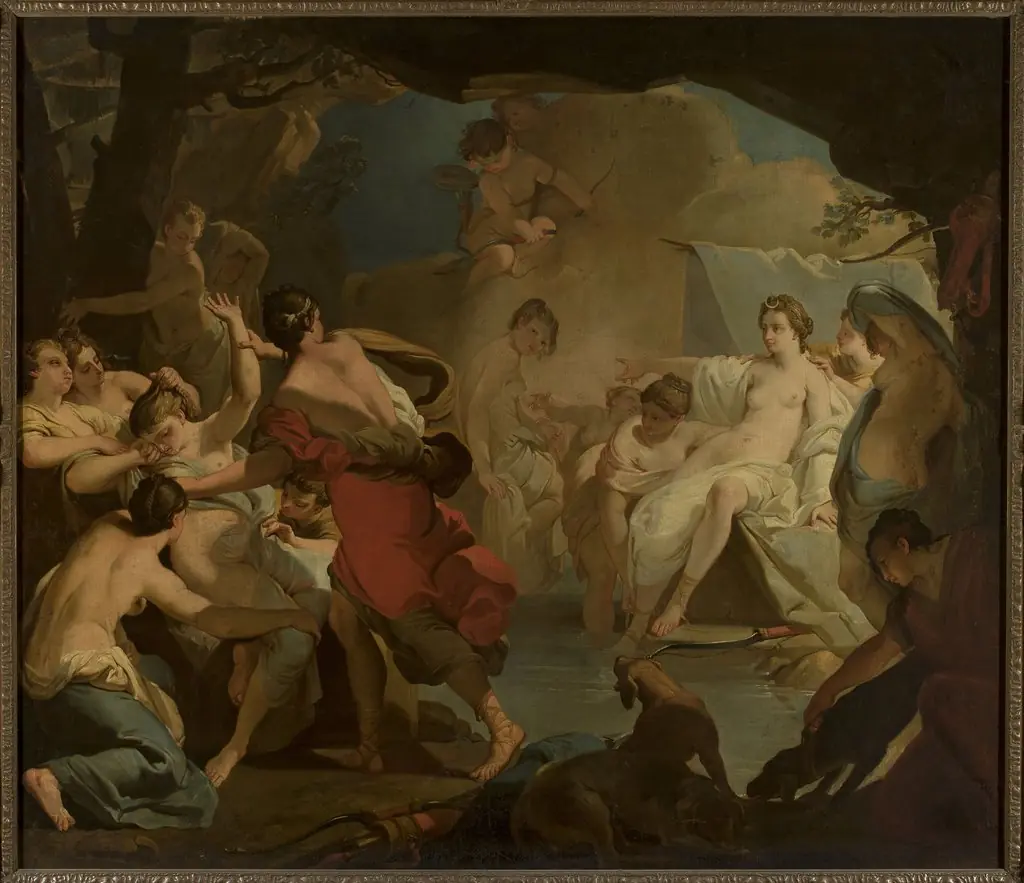 Diana's judgement of the nymph Callisto
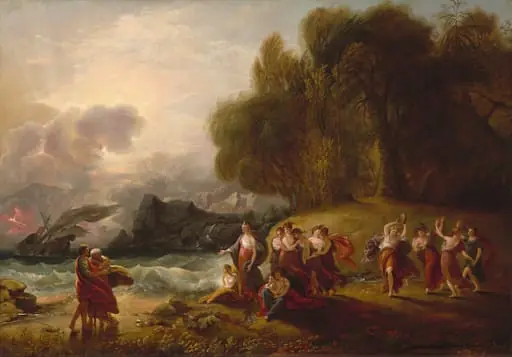 Telemachus and Calypso
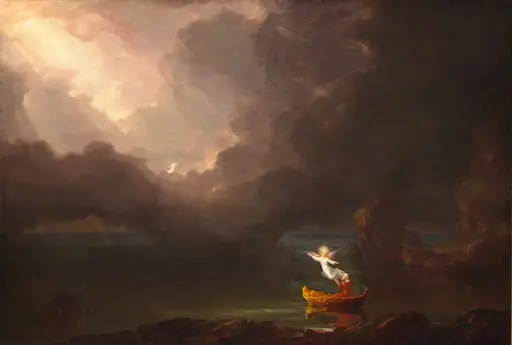 The Voyage of Life: Old Age
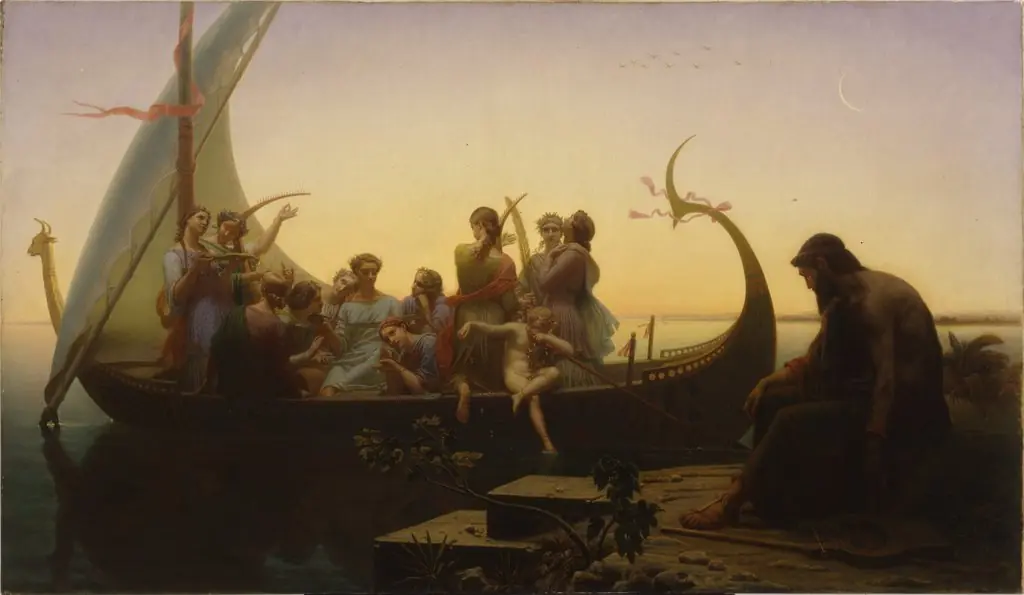 Lost Illusions
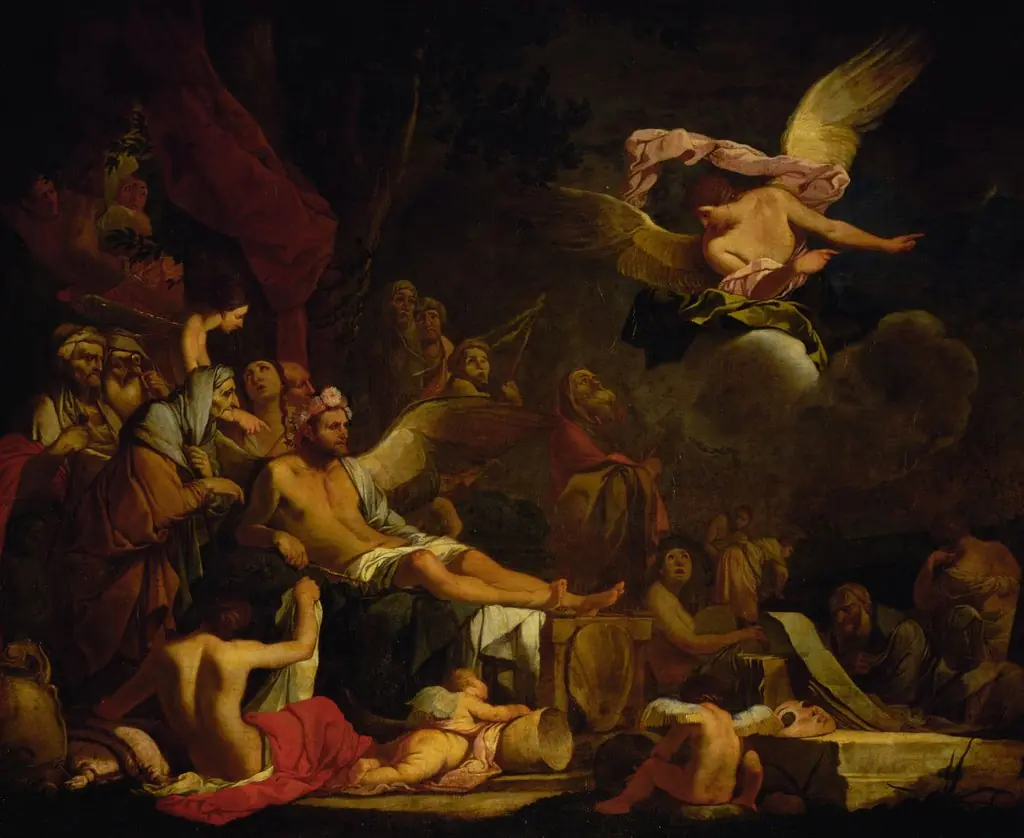 Iris als Botschafterin im Reich des Hypnos
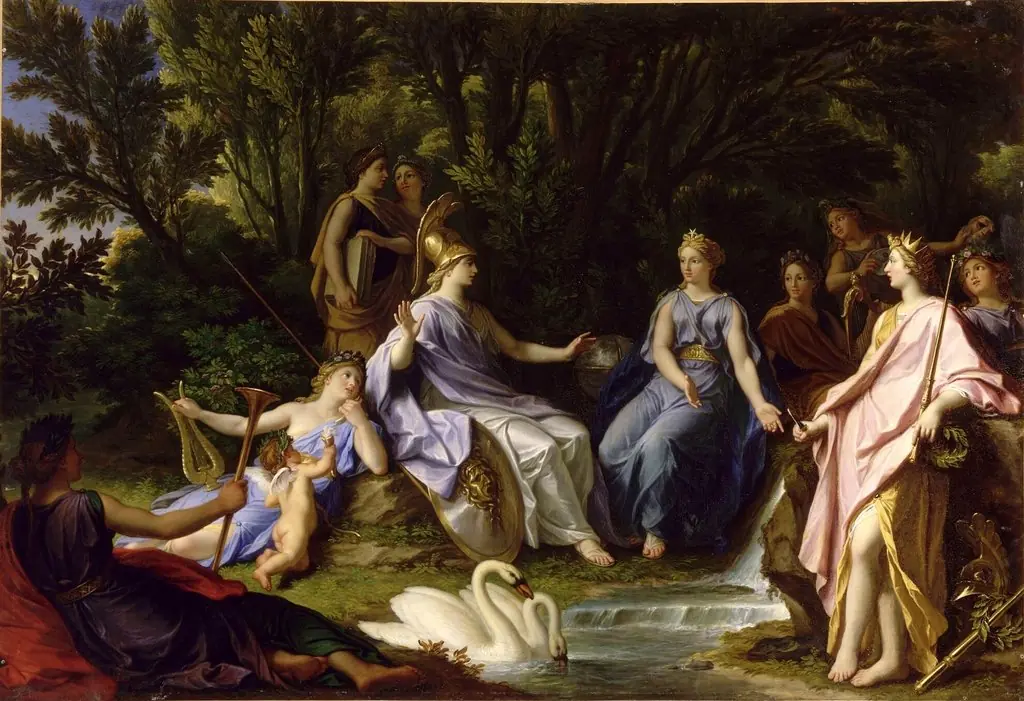 Story of Minerva - The Muses Showing Minerva Hippocrene Waters of the River that Brings Out Pegasus
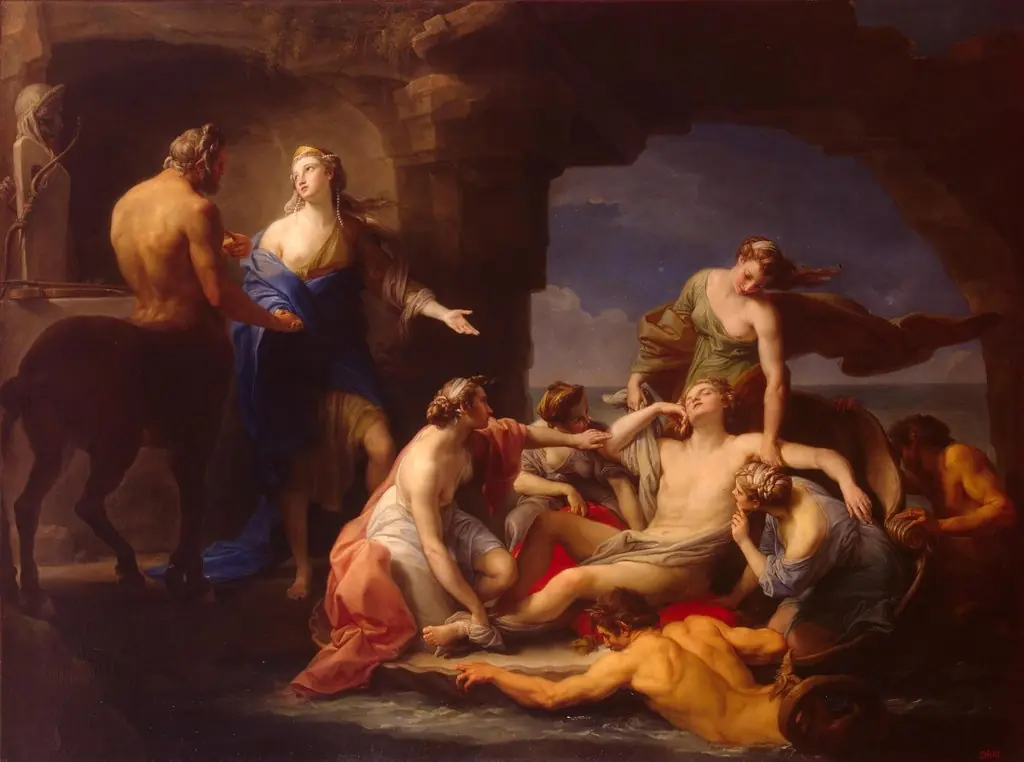 Thetis takes Achilles from the Centaur Chiron
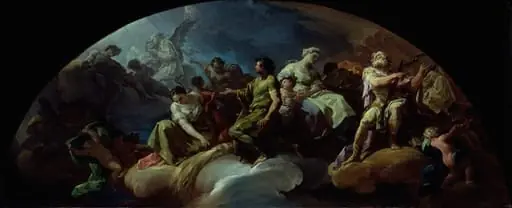 Old Testament Figures in Paradise
- The Dream of Happiness