Artwork
The Miniature
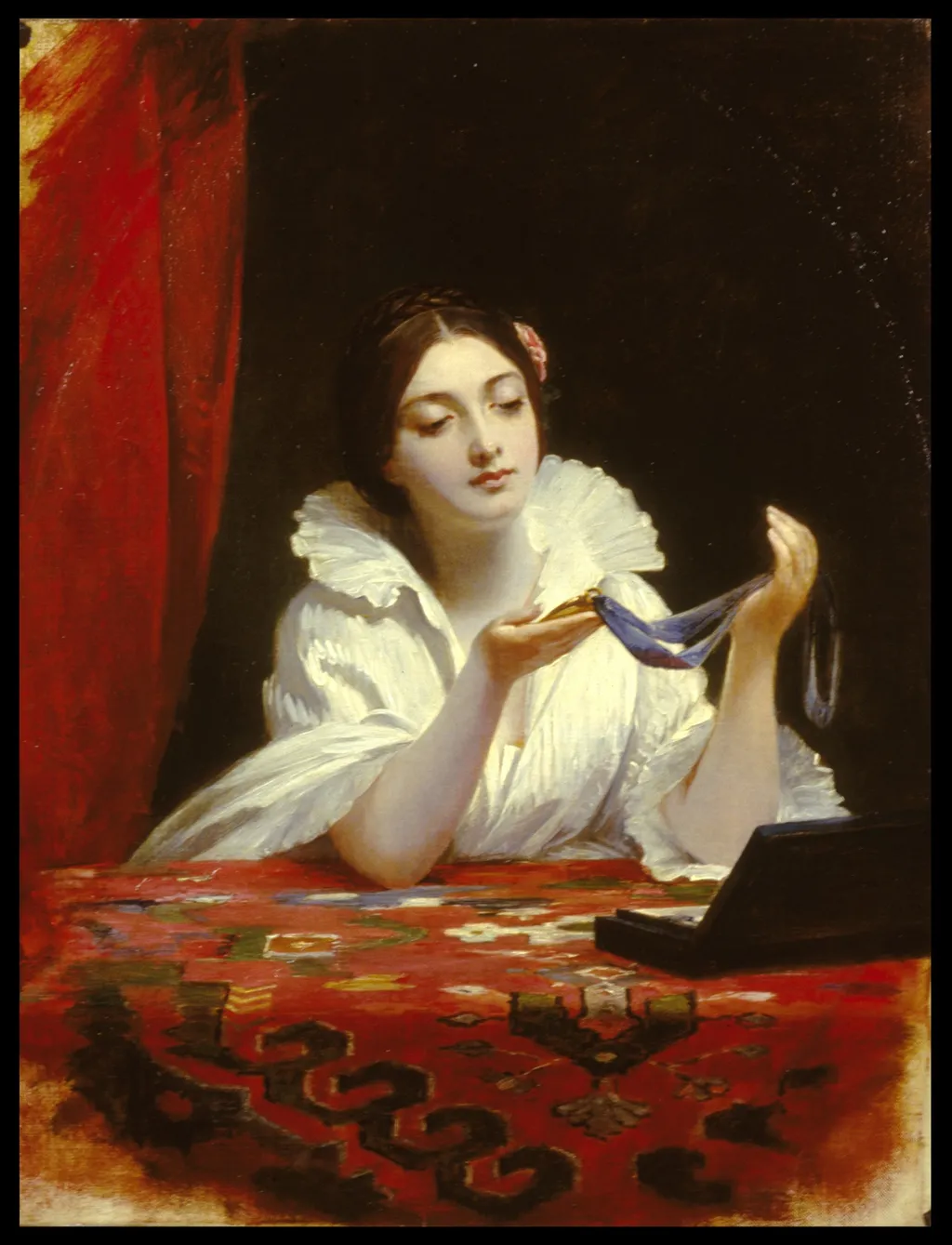
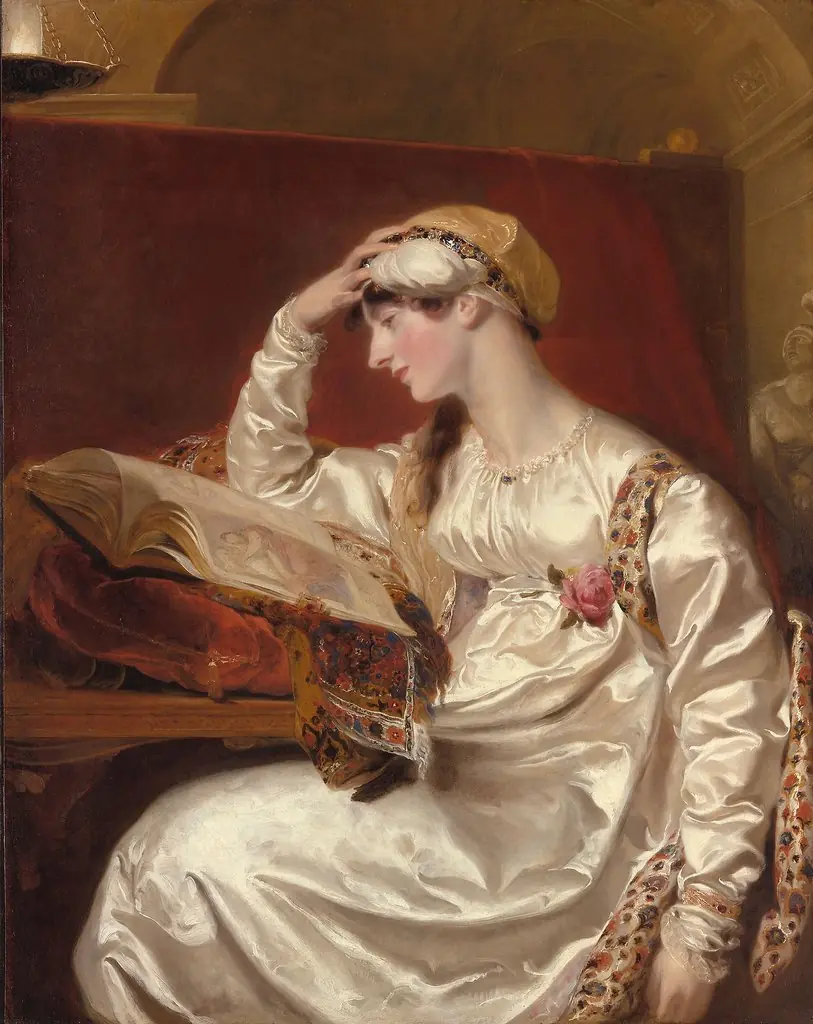
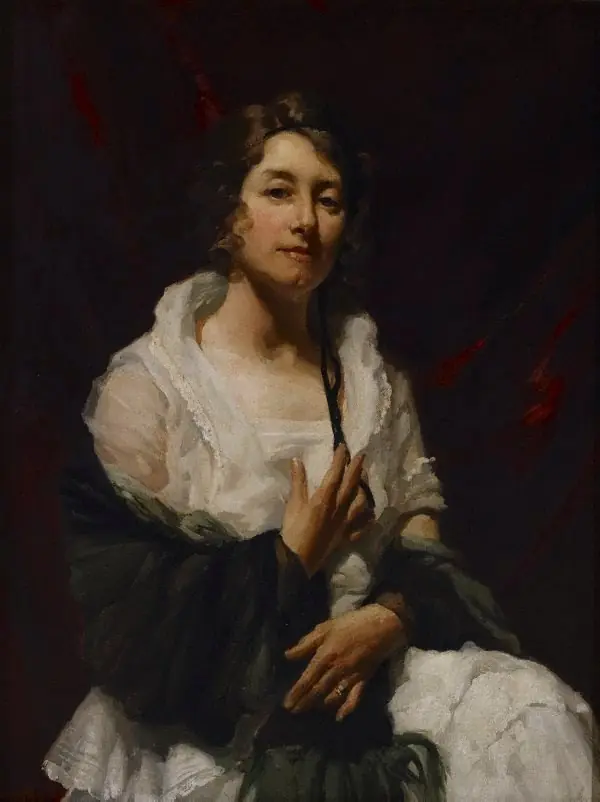
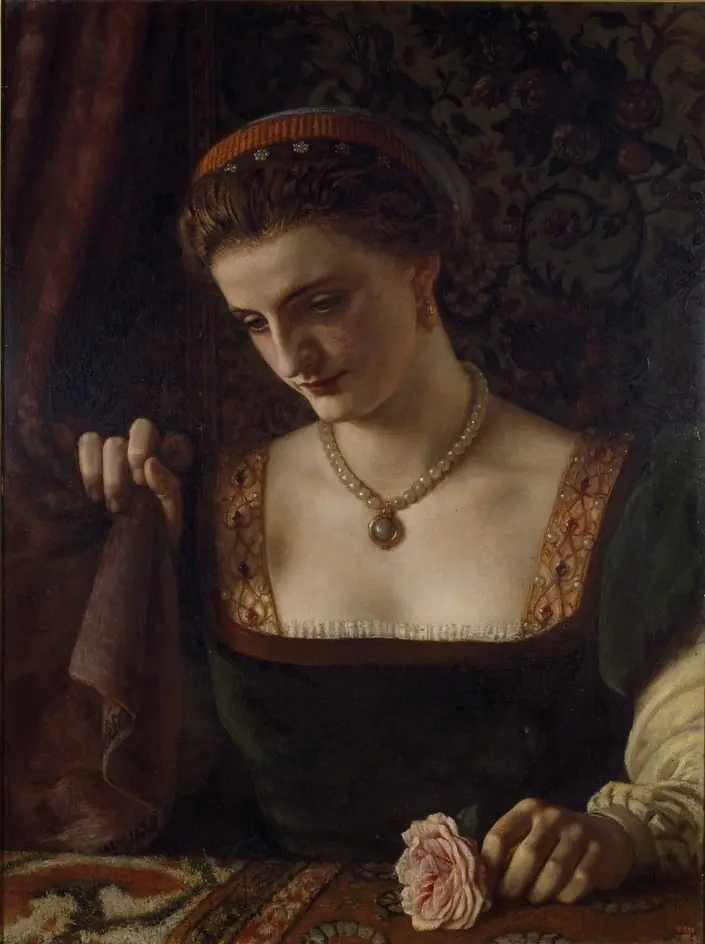
The Miniature is an oil painting by the British Romanticist artist Charles Robert Leslie. It dates from 1826 and is held in the collection of the Walters Art Museum.
About this work
Overview
Painted in 1826 by Charles Robert Leslie, this small-scale oil work captures a solitary woman in a moment of introspection. The painting is part of the Walters Art Museum’s collection and exemplifies Leslie’s interest in intimate, emotionally resonant scenes. Unlike grand historical narratives common in his era, this piece focuses on a private gesture, emphasizing quietude over drama.
Subject & Meaning
The object suggests a personal connection, perhaps a loved one’s likeness, inviting speculation about memory, loss, or affection.
The woman holds a miniature portrait, her gaze fixed on it with subdued attention. The object suggests a personal connection, perhaps a loved one’s likeness, inviting speculation about memory, loss, or affection. Her stillness and the absence of narrative context elevate the image beyond portraiture, transforming it into a meditation on private emotion and the weight of small, cherished keepsakes.
Technique & Style
Leslie employs fine brushwork to render textures: the sheen of silk, the grain of wood in the frame, and the delicate folds of the woman’s dress. The palette is restrained, with soft whites, muted pinks, and deep reds creating a harmonious tonal balance. Light falls gently from the left, modeling her face and the miniature without harsh contrast, reinforcing the painting’s contemplative mood.
History & Provenance
The painting entered the Walters Art Museum’s collection through the bequest of Henry Walters in the early 20th century. Its provenance prior to that is not well documented, though it likely circulated among private collectors in 19th-century Britain. Leslie’s reputation as a genre painter ensured its preservation, even as larger historical works dominated public taste.
Context
In the 1820s, miniature portraits remained popular as personal mementos, especially among the middle and upper classes. Leslie, influenced by Romantic ideals, often depicted domestic moments with psychological nuance. This work aligns with a broader trend in British art that valued emotional sincerity over grandeur, reflecting changing social attitudes toward intimacy and individual feeling.
Legacy
Though not widely exhibited, the painting endures as a quiet example of Leslie’s skill in conveying inner life through subtle gesture. It contributes to the understanding of how 19th-century artists redefined portraiture by focusing on private, everyday moments. Its preservation in a major museum underscores its value as a document of emotional and material culture in the Romantic period.
Own this work as a print
Artist & collection