Artwork
Dr. John Wakefield Francis
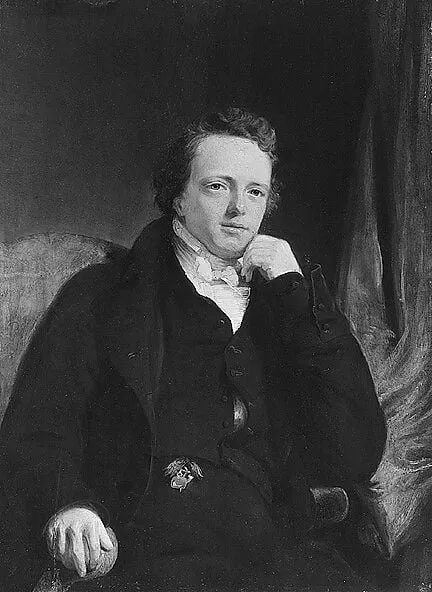
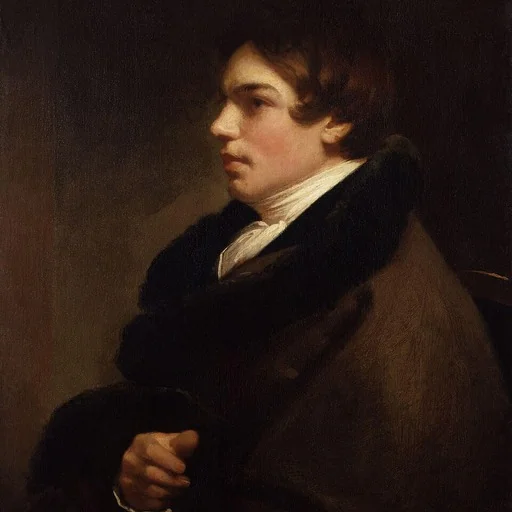
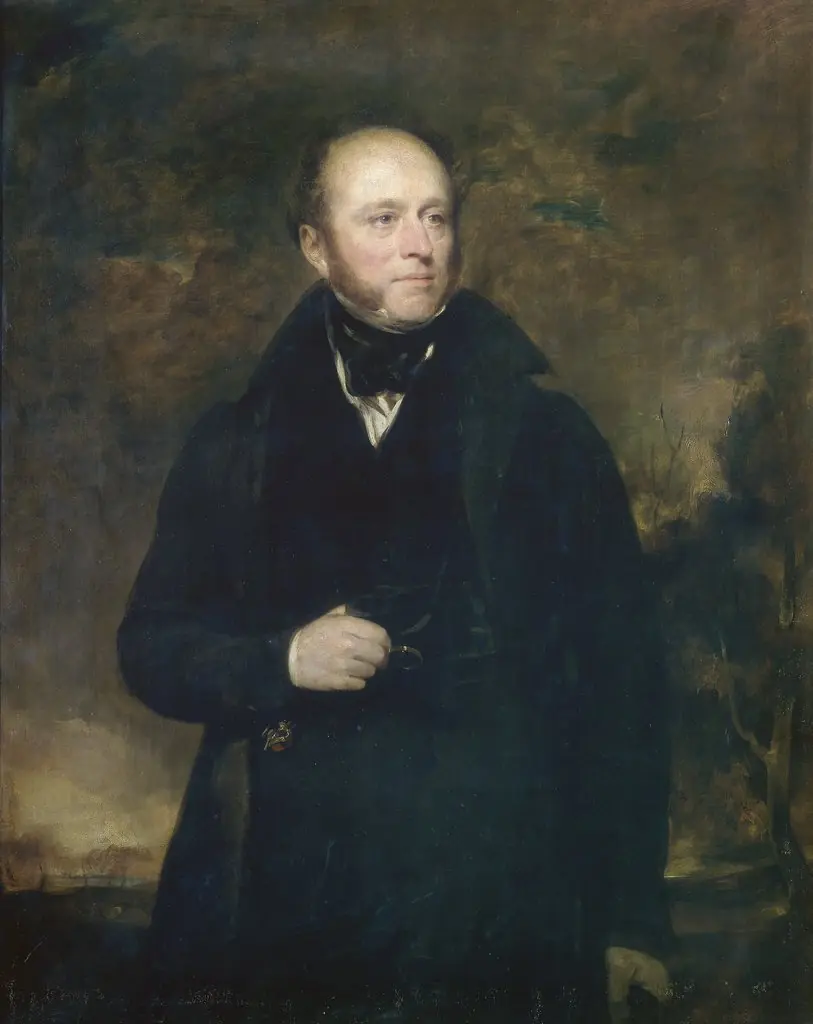
Dr. John Wakefield Francis is an oil painting by the British Romanticist artist Charles Robert Leslie. It dates from 1829 and is held in the collection of the Metropolitan Museum of Art.
About this work
Technique & Style
As a formal portrait, the piece adheres to the genre conventions of the period, presenting the subject with a focus on likeness and dignified presence.
Charles Robert Leslie executed the portrait of Dr. John Wakefield Francis in 1829 using oil paint applied to a wood panel support. The work measures approximately 39.4 centimeters in height and 29.2 centimeters in width. As a formal portrait, the piece adheres to the genre conventions of the period, presenting the subject with a focus on likeness and dignified presence.
The choice of a wooden panel rather than canvas reflects a material preference for portraiture during this era, offering a rigid, smooth surface for the oil medium. The painting is housed within the American Wing of the Metropolitan Museum of Art.
History & Provenance
The portrait of Dr. John Wakefield Francis was created by artist Charles Robert Leslie in 1829. Executed in oil paint on a wood panel, the work measures 39.4 by 29.2 centimeters. While the specific commissioning details or initial ownership chain are not documented in the available records, the painting's creation is firmly dated to the year 1829.
The artwork is currently held in the collection of the Metropolitan Museum of Art, where it is classified within the American Wing. The piece depicts John W. Francis and serves as a primary visual record of the subject from the early nineteenth century.
Overview
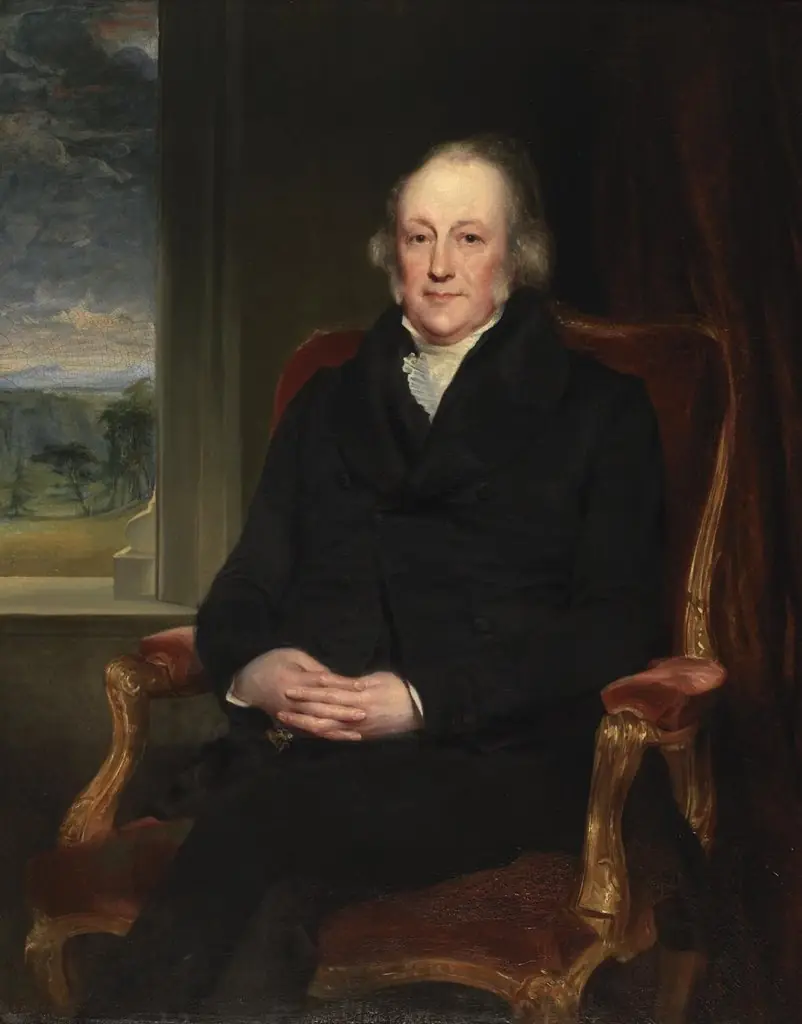
This oil on wood portrait, created by Charles Robert Leslie in 1829, depicts Dr. John Wakefield Francis. The artwork captures the sitter seated in a chair, dressed in period attire. Leslie focused on rendering the specific features of Francis's face and hands, aiming to convey the individual's character through a detailed representation.
Subject & Meaning
The subject of this painting is Dr. John Wakefield Francis, a notable figure in American history. Leslie's objective in this portrait was likely to present more than just a likeness, seeking to reveal the sitter's personality and inner qualities. The formal pose and attire suggest a portrayal intended to reflect Francis's public standing and intellectual gravitas.
Context
This portrait is part of The American Wing collection, underscoring its relevance within the broader narrative of American art history. The inclusion of Dr. John Wakefield Francis's likeness within such a collection highlights his importance as a historical figure and the artwork's value as a document of American portraiture from the early nineteenth century.
Artist & collection