Artwork
Mother and child
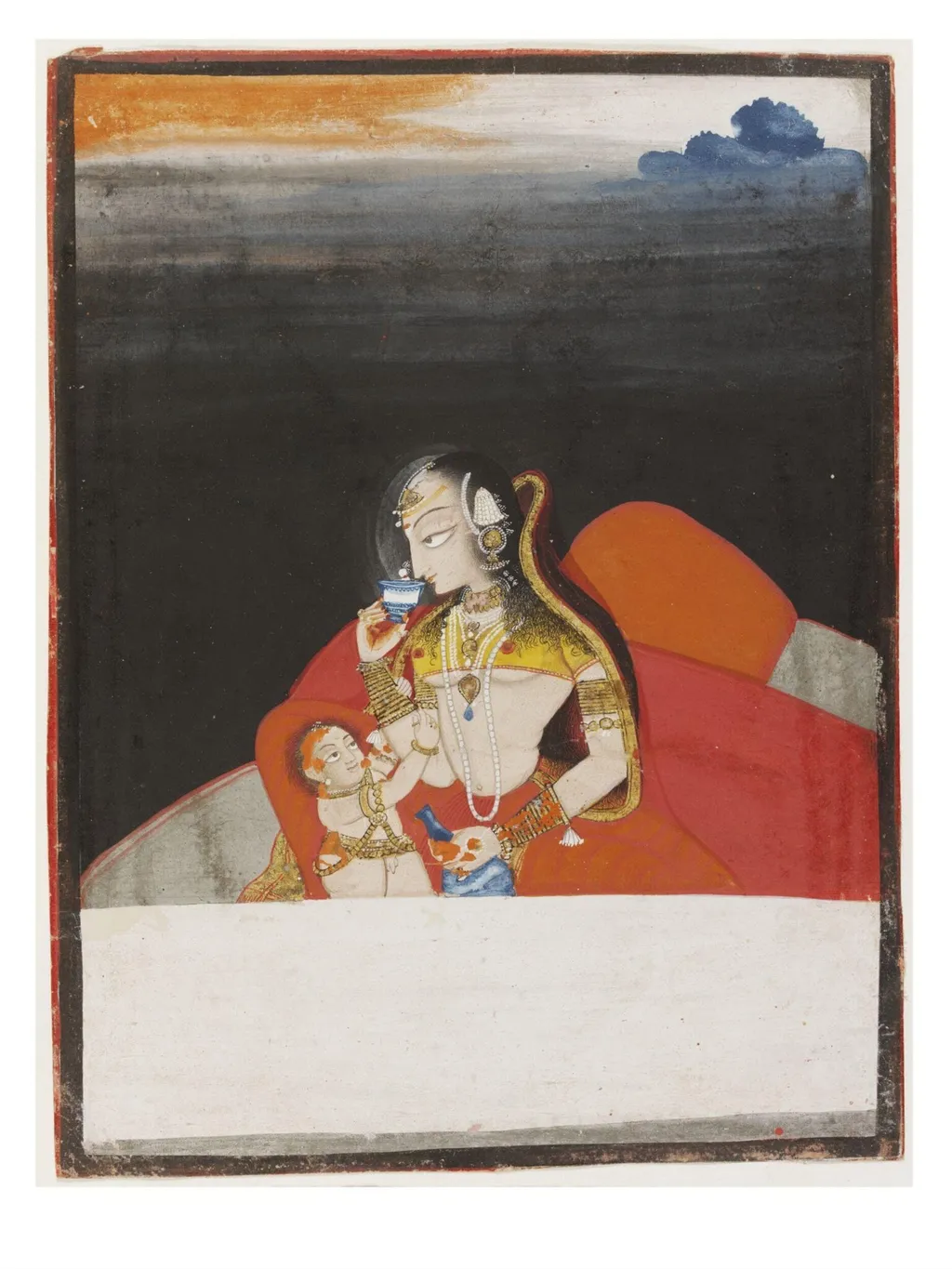
Mother and child is a paint painting by the Patna School of Painting artist Chokha. It dates from 1815 and is held in the collection of the Victoria and Albert Museum.
About this work
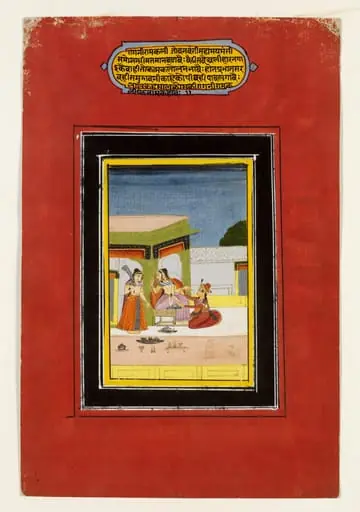
A woman holds a baby in her lap. She wears a red sari. The baby’s skin glows against the dark background. Brushstrokes are smooth and fine.
Chokha painted this around 1815 in Rajasthan. He likely saw European art at the Mewar court. That shows in the way light falls on the figures, softer than earlier Indian styles.
Look up the artist who inspired his light play: Chokha.
Overview
This painting, created around 1815 in Rajasthan, is attributed to the artist Chokha, who was active in the courts of Udaipur and Deogarh.
This painting, created around 1815 in Rajasthan, is attributed to the artist Chokha, who was active in the courts of Udaipur and Deogarh. Executed in tempera on paper, it reflects a shift in regional style during a period of increased exposure to European visual conventions. The composition centers on a maternal figure and infant, rendered with refined brushwork and an unusual emphasis on atmospheric lighting.
Subject & Meaning
The scene depicts a mother cradling her child, a theme common in devotional and domestic imagery across South Asia. While the subject is rooted in local traditions, the treatment, particularly the soft modeling of the infant’s skin and the directional light, suggests influence from European prints or paintings encountered at the Mewar court. The intimacy of the moment is heightened by the absence of narrative context, focusing attention on the bond between the two figures.
Technique & Style
Chokha employed fine, even brushstrokes to achieve a smooth surface, contrasting with the more linear conventions of earlier Rajasthani painting. The infant’s luminous skin emerges from a dark, unmodeled background, a technique likely inspired by chiaroscuro effects seen in European works. Color is restrained, with the mother’s red sari providing a focal contrast without ornamental excess, signaling a move toward naturalism.
History & Provenance
The work originates from the early 19th-century atelier of Chokha, who moved between the courts of Udaipur and Deogarh. Its creation coincides with a period when Mewar rulers collected European artworks, which were occasionally displayed to local artists. Chokha’s adaptation of these visual strategies marks a rare instance of direct stylistic exchange between European and Rajasthani painting traditions during this era.
Context
Around 1815, several Rajasthani courts were exposed to European prints and oil paintings brought by diplomats and travelers. These works introduced new approaches to volume, shadow, and spatial depth. Chokha’s response was not imitation but selective integration, retaining indigenous composition and color while incorporating subtle lighting effects. This synthesis reflects a broader trend of localized adaptation rather than wholesale westernization.
Legacy
Chokha’s experimentation with light in works like this one influenced later artists in the Deogarh and Udaipur schools, contributing to a gradual evolution in Rajasthani painting toward greater naturalism. Though his oeuvre remains limited in number, his handling of luminosity stands as a distinctive bridge between traditional Indian aesthetics and the emerging visual vocabulary introduced by foreign sources.
Own this work as a print
Artist & collection


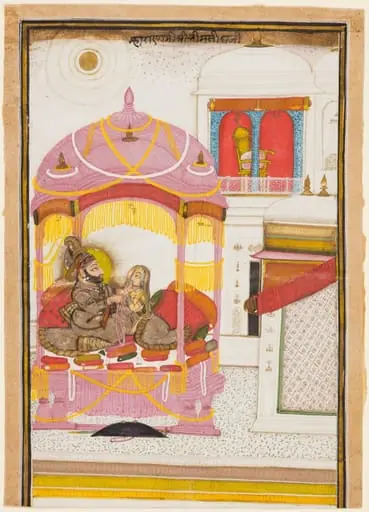
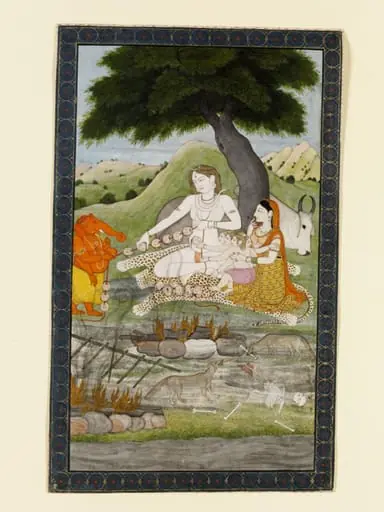
- Shiva, Ganesh and Kartikeya
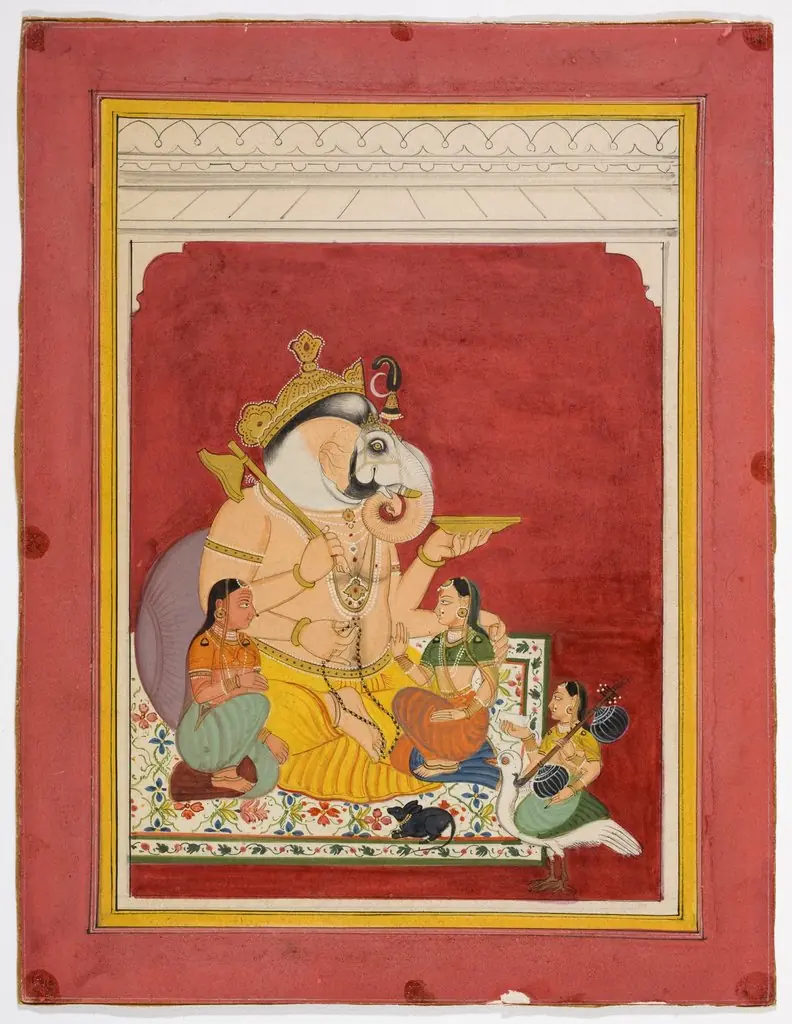 Ganesha and His Wives, Siddhi and Buddhi
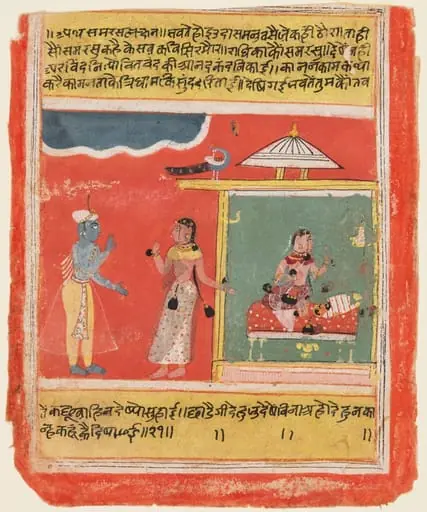 The Sentiment of Peace: Sama Rasa, from a Rasikapriya
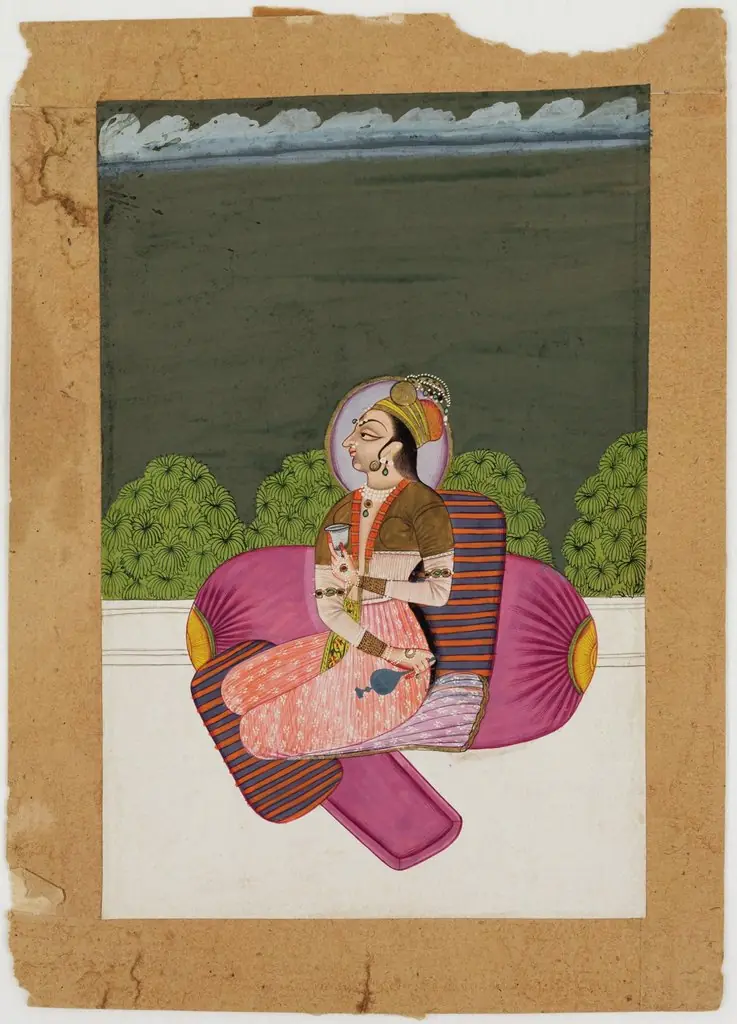 Portrait of a Lady
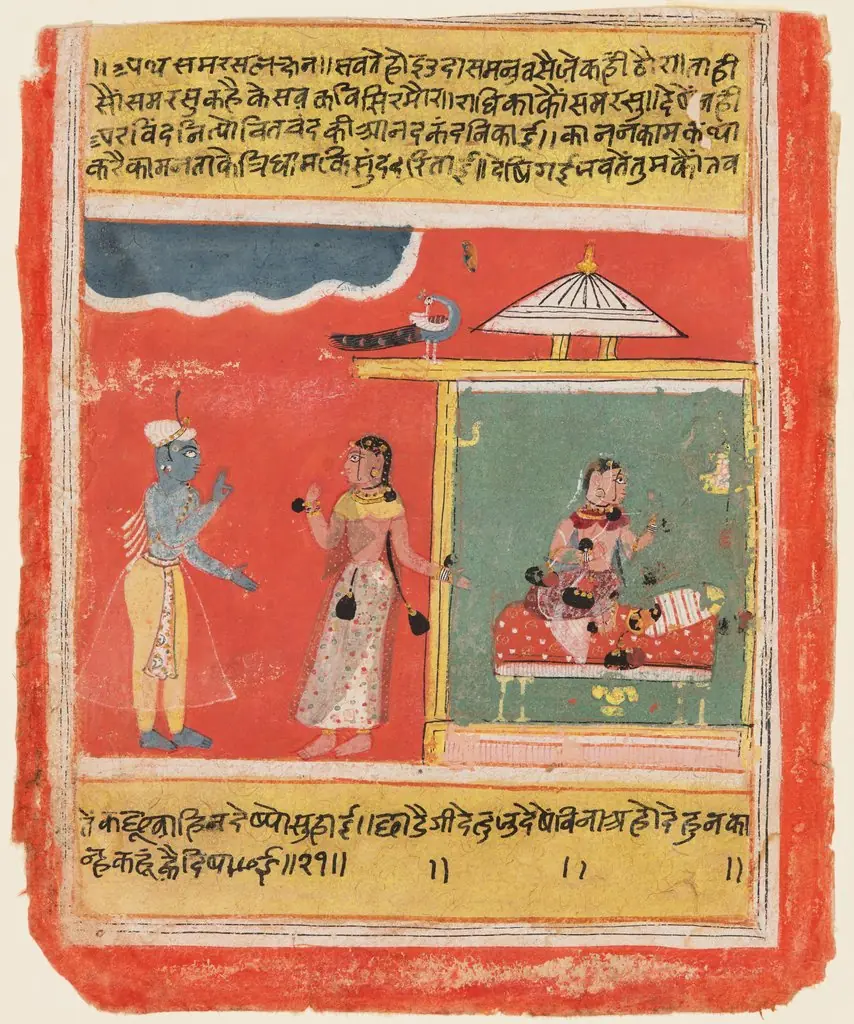 The Sentiment of Peace: Sama Rasa, from a Rasikapriya
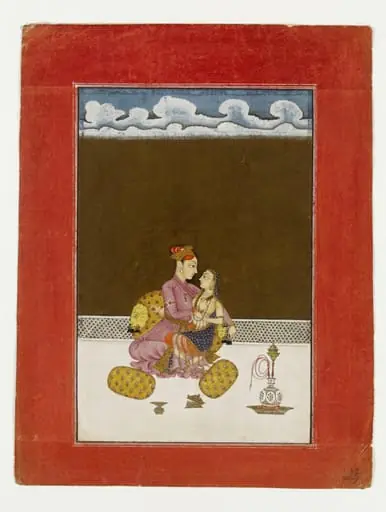 Madhmadhyavi Ragini
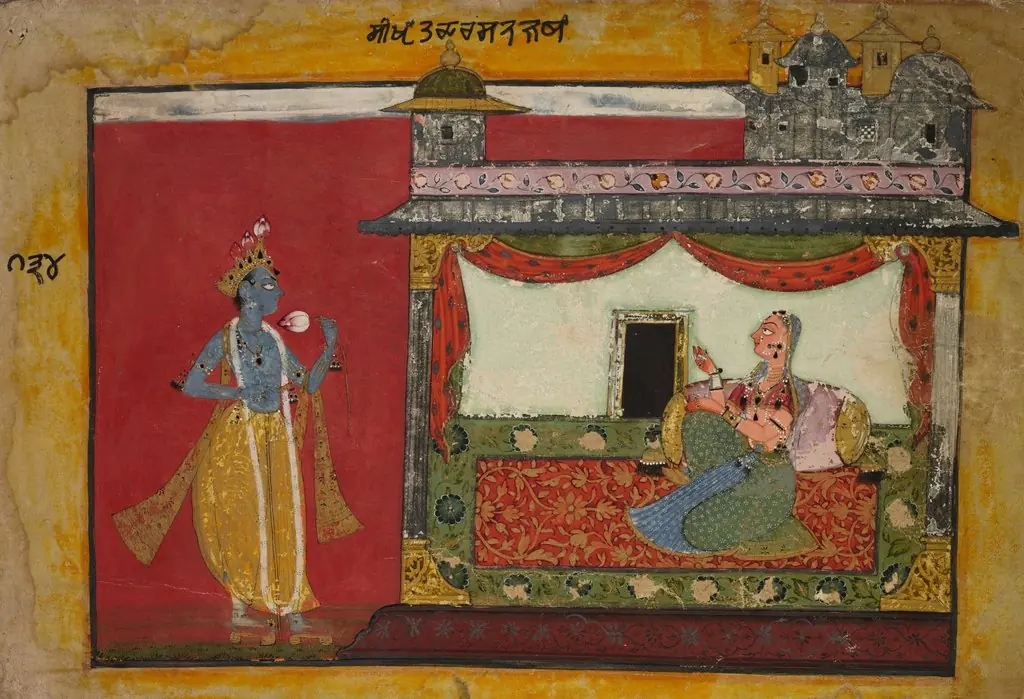 The Approach of Krishna. Page from a Rasamanjari
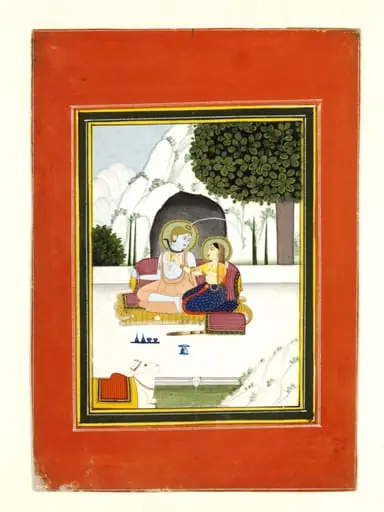 Shiva and Parvati
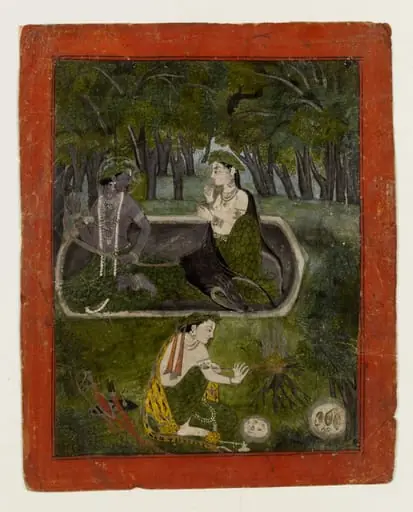 Rama, Sita and Lakshmana
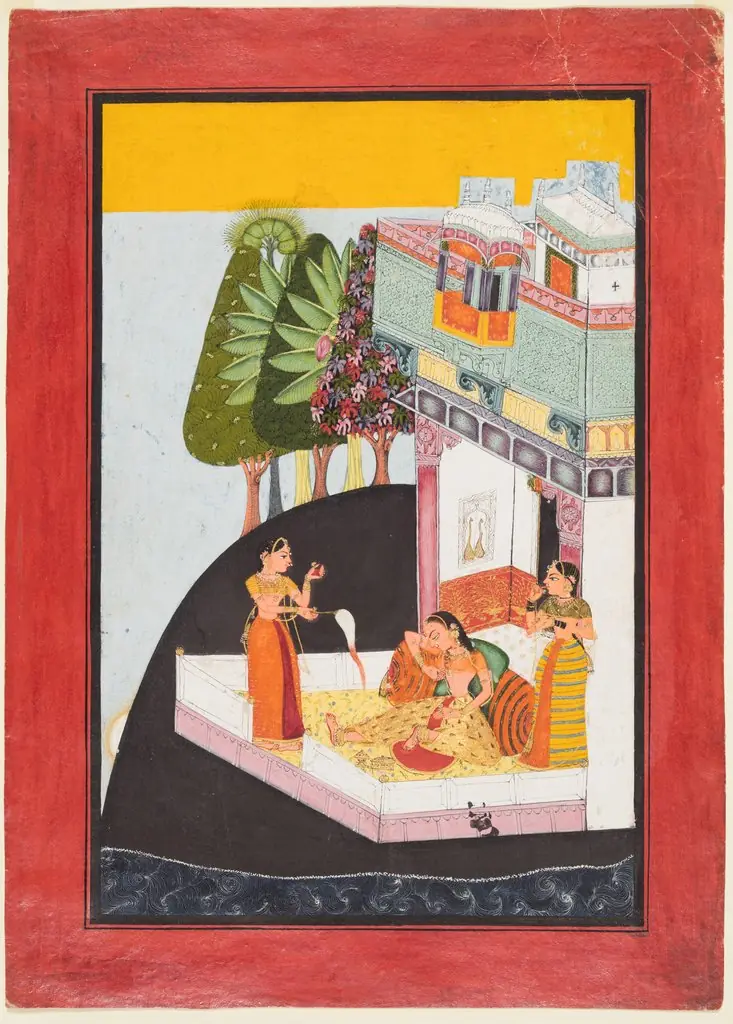 A Disconsolate Lady on a Terrace with Attendants
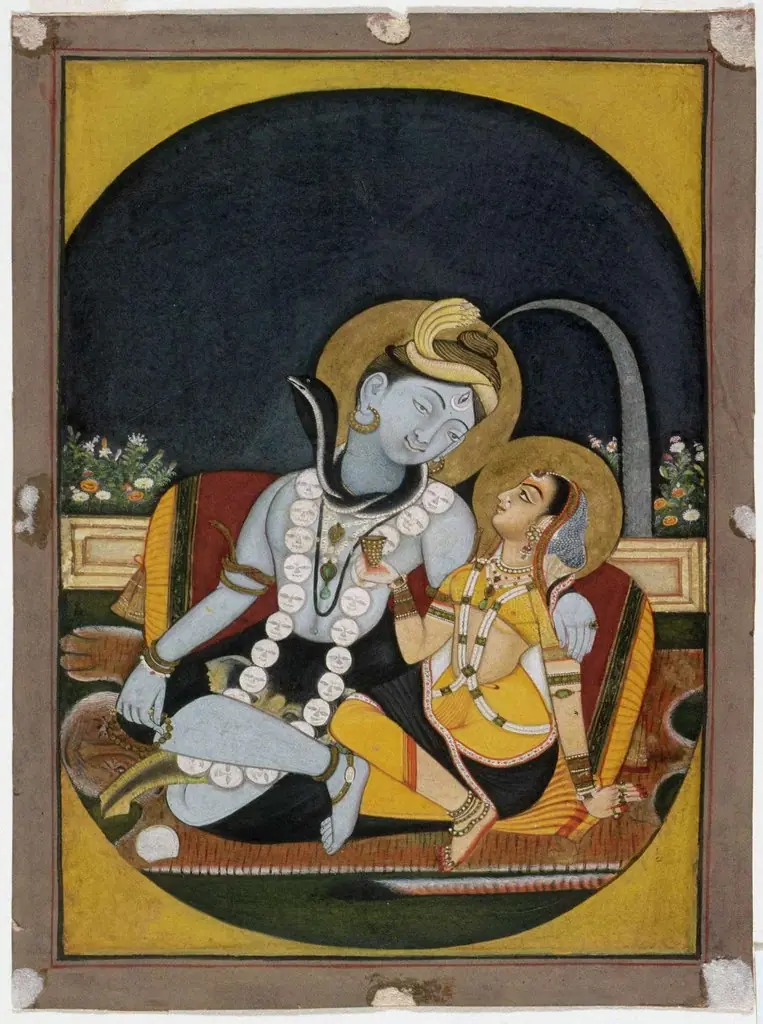 Shiva and Parvati
 Ramakali Ragini