Artwork
Skull and Hourglass
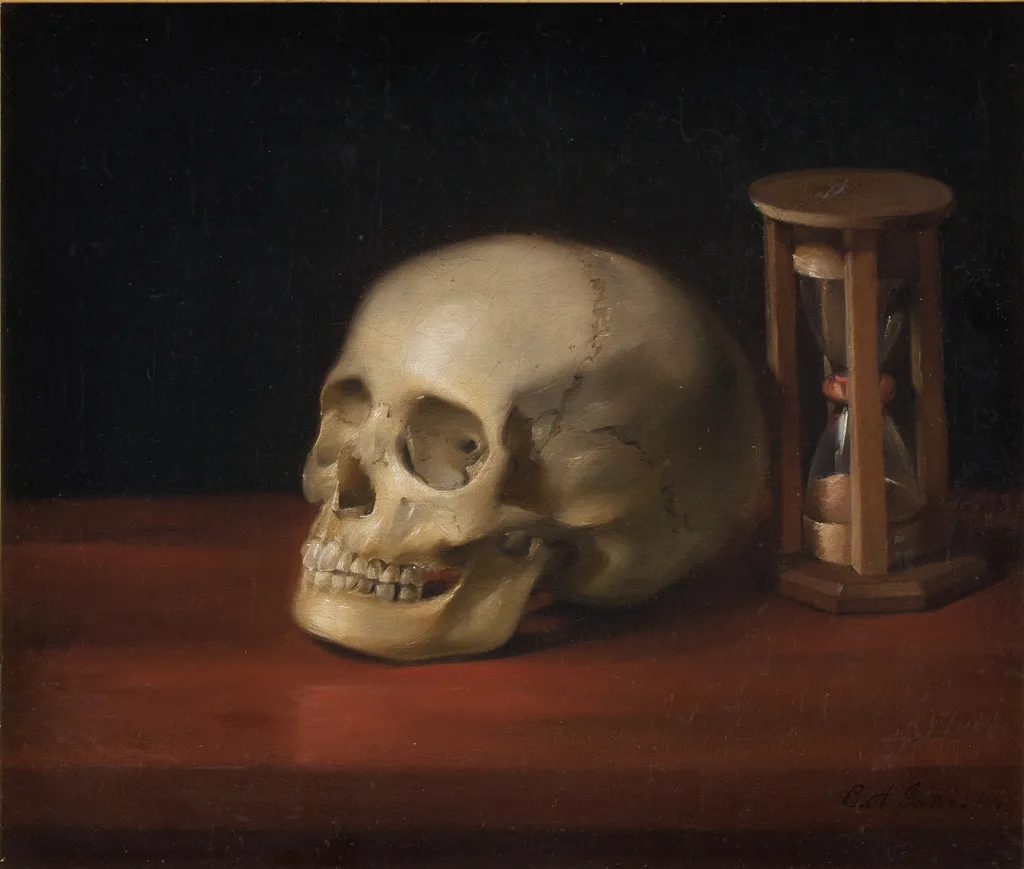
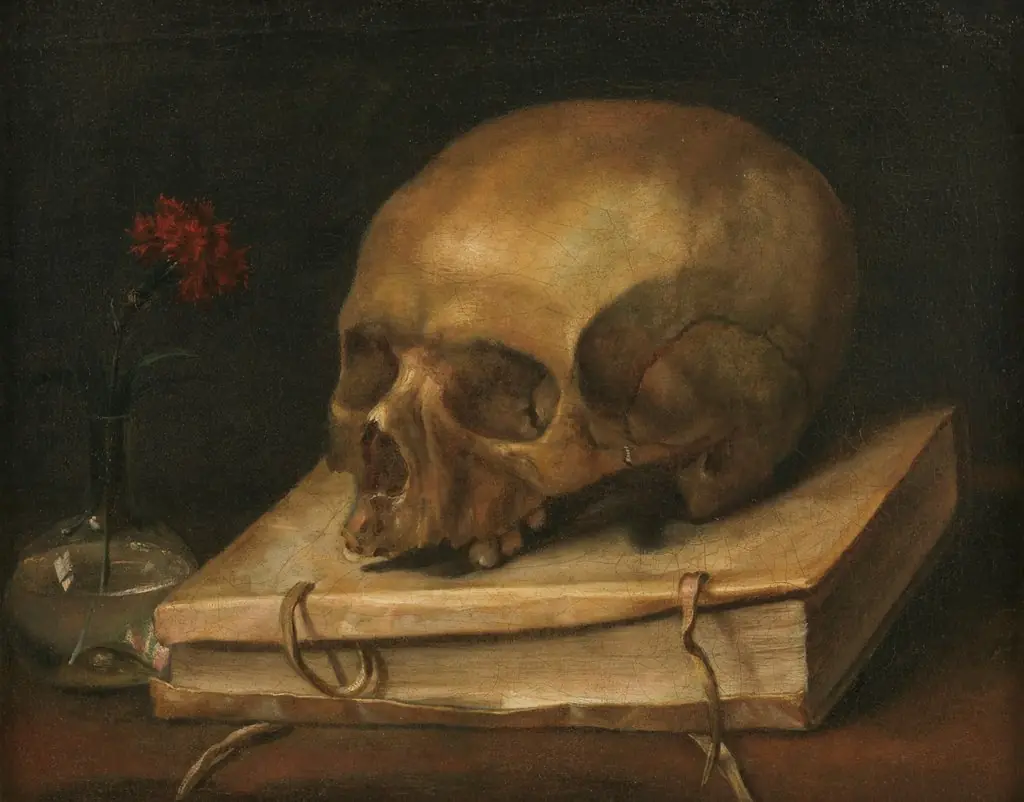
Skull and Hourglass is an oil painting by the German Romanticist artist Christian Albrecht Jensen. It dates from 1813 and is held in the collection of the Statens Museum for Kunst.
About this work
Overview
Skull and Hourglass is an 1813 still life painting by Christian Albrecht Jensen, a Danish portrait painter associated with the Danish Golden Age and German Romanticism. The work is part of the collection at Statens Museum for Kunst.
Subject & Meaning
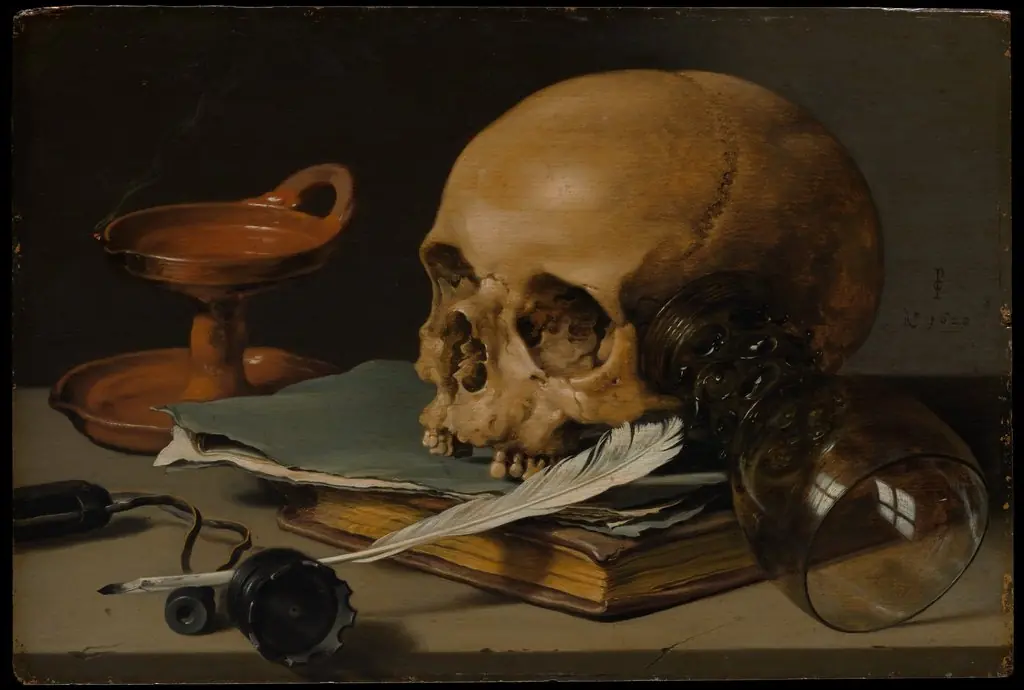
The painting features a contemplative arrangement of a skull and a half-empty wooden hourglass on a dark surface, symbolizing mortality and the passing of time, reflective of the introspective and symbolic tendencies of the German Romanticism movement.
Technique & Style
Jensen employed chiaroscuro, a technique characterized by strong light and dark contrasts, to create depth and make the skull prominently stand out against the dark background. The side-lit skull appears smooth and pale, while the hourglass is depicted with sand in motion.
History & Provenance
Created in 1813, the painting is now held in the collection of Statens Museum for Kunst. Jensen, known for portraits of notable figures like Hans Christian Andersen and Bertel Thorvaldsen, deviated from his typical subject matter with this still life.
Context
Skull and Hourglass exemplifies the thematic preoccupations of German Romanticism, which often explored themes of mortality, introspection, and the symbolic. Jensen's adaptation of these elements in a still life reflects the movement's influence on Danish art during the period.
Legacy
While specific legacy details of Skull and Hourglass are not highlighted, the piece contributes to the broader understanding of Danish Golden Age artists' engagement with European Romantic movements and the enduring use of chiaroscuro in emphasizing thematic depth in art.
Own this work as a print
Artist & collection
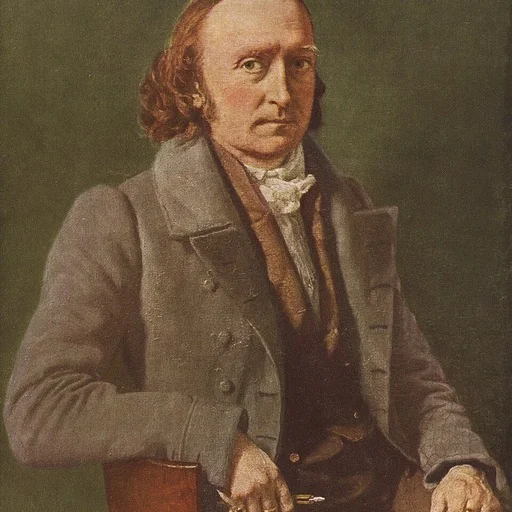
Artist
Christian Albrecht Jensen (26 June 1792 – 13 July 1870) was a Danish painter who specialised in portrait painting and was active during the Danish Golden Age.

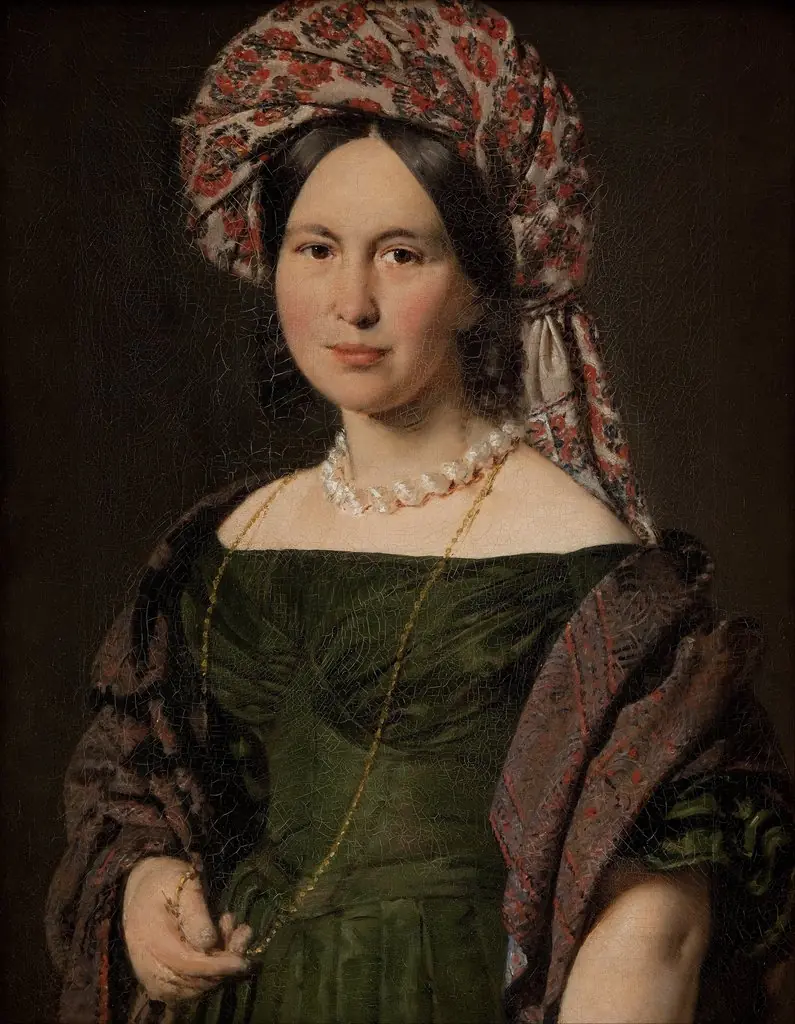 Portrait of Cathrine Jensen, née Lorenzen, the Artist's Wife Wearing a Turban
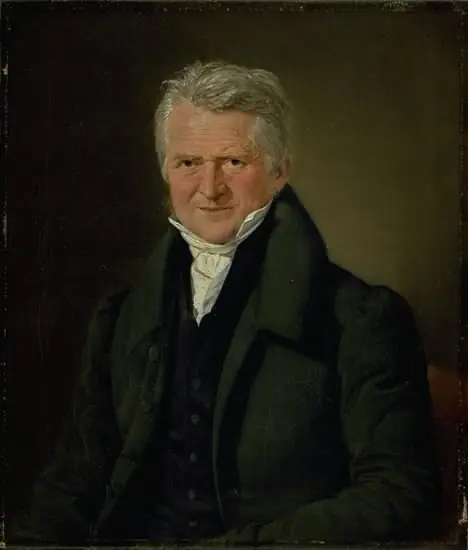 The Painter C.W. Eckersberg
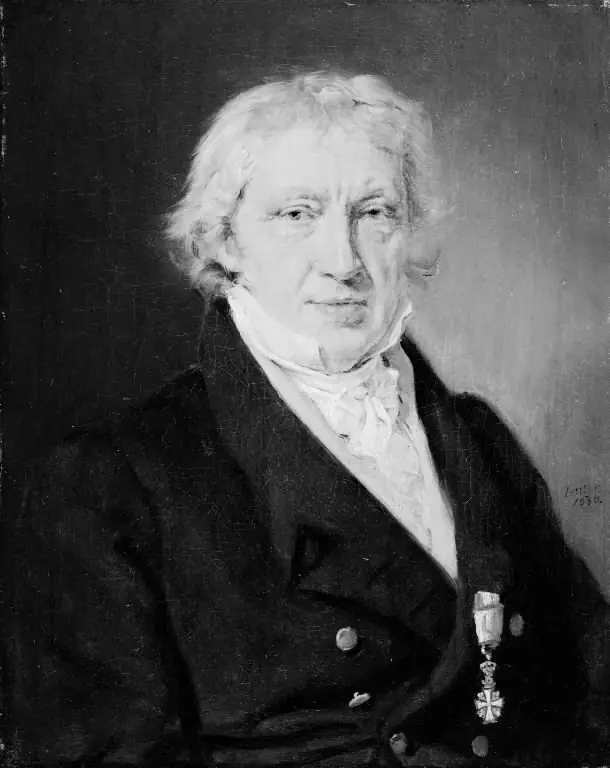 Portræt af Søren Nicolaus Johan Bloch, rektor ved Roskilde Kathedralskole
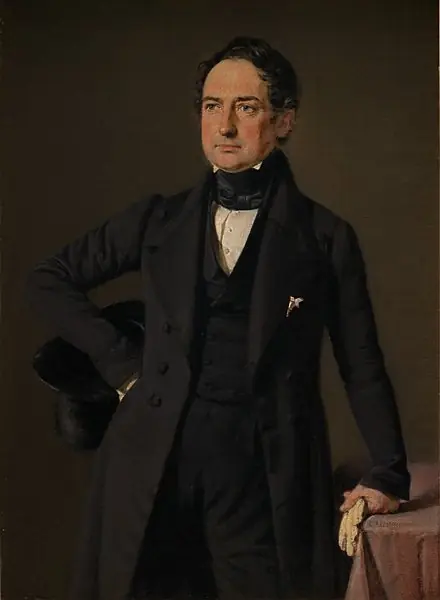 Fabriksdirektør Ole Jørgen Rawert
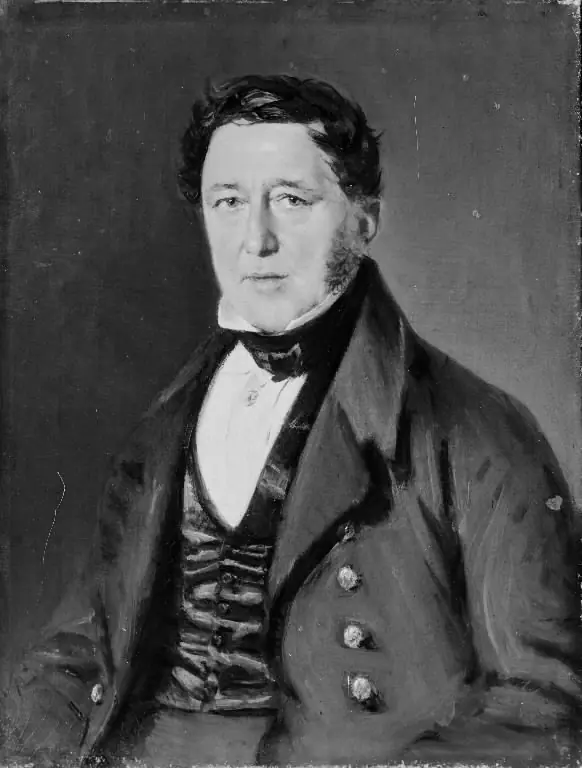 Peter Hiort Lorenzen, slesvigsk stænderdeputeret, kunstnerens svoger
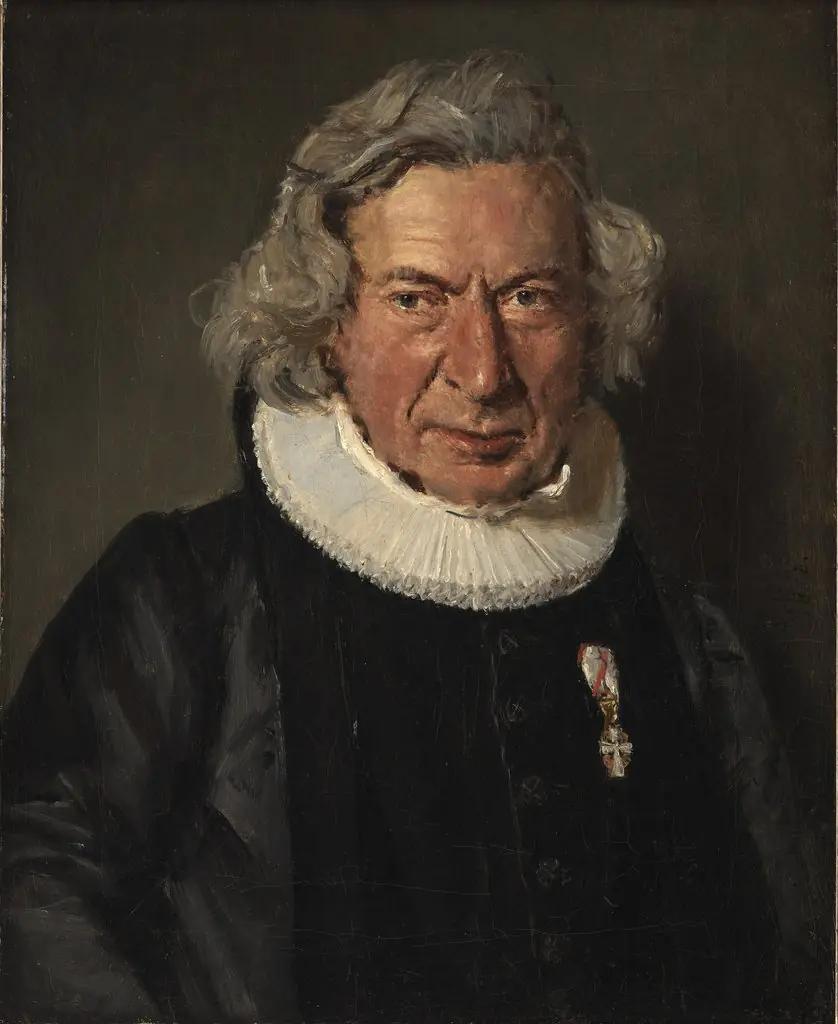 The Theologian Andreas Gottlob Rudelbach
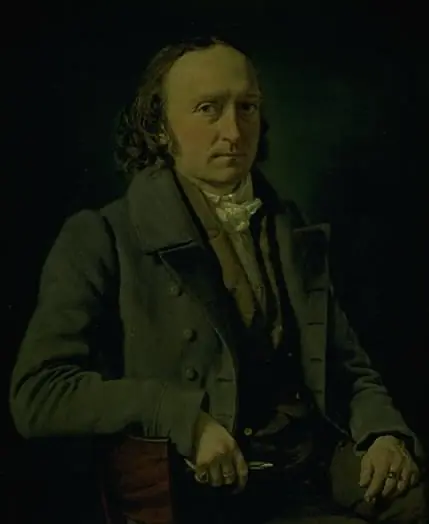 Self-Portrait
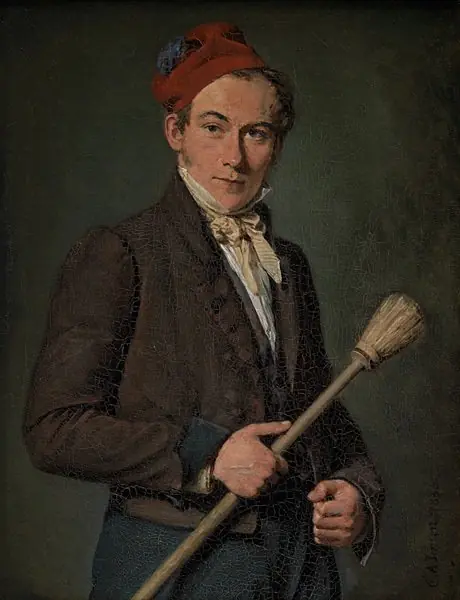 The Scene-Painter Troels Lund