Subject
Hourglass
Hourglass is a subject in art. The gallery holds 35 works in this subject in art, including works by Paolo Veronese, Johann Georg Platzer and David Teniers the Younger.
An hourglass (or sandglass, sand timer, or sand clock) is a device used to measure the passage of time. It comprises two glass bulbs connected vertically by a narrow neck that allows a regulated flow of a substance (historically sand) from the upper bulb to the lower one due to gravity.
Key artists

Overview
An hourglass, also known as a sandglass, sand timer, or sand clock, is a device used to measure the passage of time. It consists of two glass bulbs connected vertically by a narrow neck that allows a regulated flow of granular substance from the upper bulb to the lower one via gravity. The specific duration measured depends on factors such as the quantity and coarseness of the particulate matter and the width of the neck. Originating as a practical successor to the clepsydra, or water clock, the hourglass appears in art as a potent symbol of time's passage, mortality, and the ephemeral nature of human life, recurring across various artistic movements and mediums.
Iconography & meaning
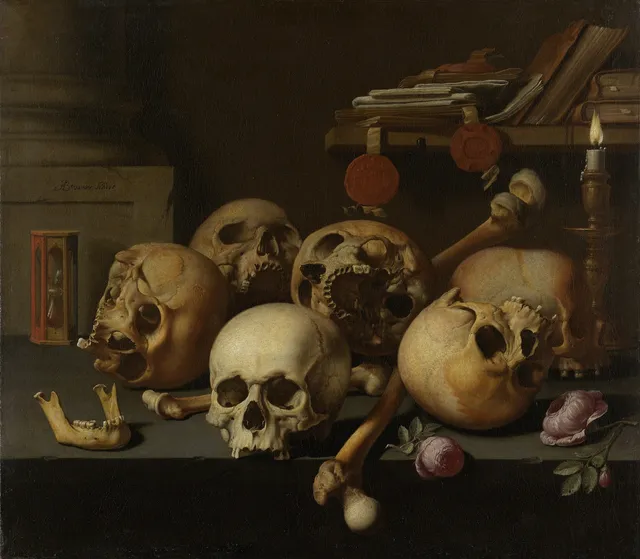
In art, the hourglass symbolizes the flight of time and the precariousness of life, and it is frequently associated with death. Allegorical figures of Time and Death often carry an hourglass as an attribute, as do personifications of melancholy. A winged hourglass serves as a literal depiction of the Latin phrase tempus fugit, meaning time flies. The motif appears prominently on tombstones and other monuments. Between the mid-fifteenth and mid-seventeenth centuries, the hourglass or a clock appeared in numerous depictions of the Annunciation, where it functioned as an emblem of a new era in Christian iconography, marking the Incarnation as the instant when Eternity becomes Time. The hourglass also features in Masonic rituals as a symbol presented to initiates.
Across movements & periods
The earliest artistic depiction of an hourglass dates to 1338, appearing in Ambrogio Lorenzetti's fresco Allegory of Good Government. By the late Middle Ages, the device was established in European visual culture. During the Dutch Renaissance, the hourglass became a frequent motif in allegorical paintings and vanitas still lifes, reflecting cultural anxieties about the brevity of life. The symbol also appeared on pirate flags to signal the limited time remaining for their victims. In Christian art of the fifteenth through seventeenth centuries, the object took on theological significance in Annunciation scenes, shifting from a purely mortal symbol to one representing the intersection of the eternal and the temporal.
Notable depictions
The canonical early depiction of the hourglass is Ambrogio Lorenzetti's 1338 fresco Allegory of Good Government in the Palazzo Pubblico in Siena. In this work, the device appears as a documented timekeeping instrument rather than a purely symbolic motif. In the context of vanitas and allegorical art, notable depictions include The Triumph of Death and The Ages and Death, where the hourglass underscores the inevitability of mortality. The motif is central to numerous vanitas still lifes, such as Vanitas Still Life with a Candlestick, Musical Instruments, Dutch Books, a Writing Set, an Astrological and a Globe, which use the draining sand to contrast worldly knowledge and pleasure with the inevitability of death.
Legacy
Although the development of the mechanical clock and the eighteenth-century marine chronometer reduced the practical necessity of the hourglass, its symbolic resonance endured. The image of the hourglass remains closely tied to personifications of death, such as Father Time and the Grim Reaper, who continue to be depicted with the device. In the modern era, the hourglass has been adopted as a visual metaphor for processing time, most notably as the waiting cursor in computer operating systems. The form has also been scaled to monumental proportions, including the eight-meter-tall Roue du temps in Budapest and a six-meter example at the Nima Sand Museum in Japan, both designed to measure a full year, as well as a promotional 11.90-meter, 40-ton hourglass installed in Moscow in 2008.
Works
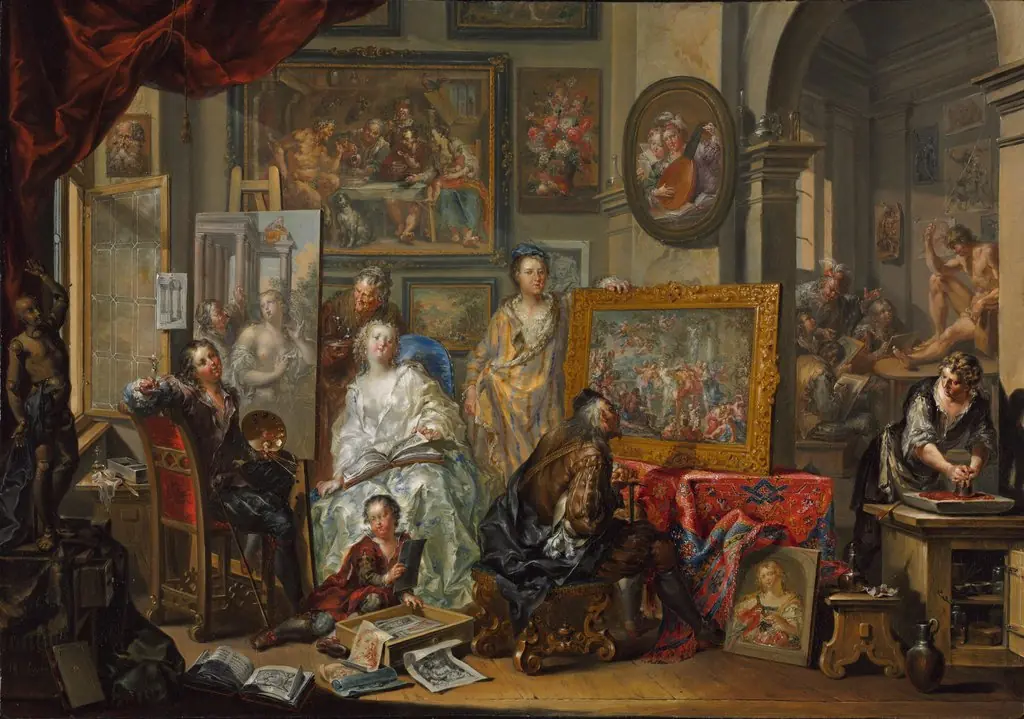 The Artist's Studio
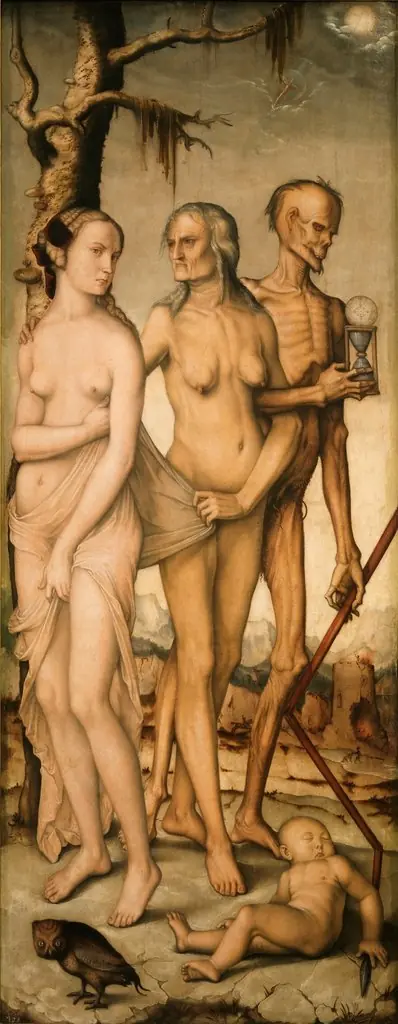 The Ages and Death
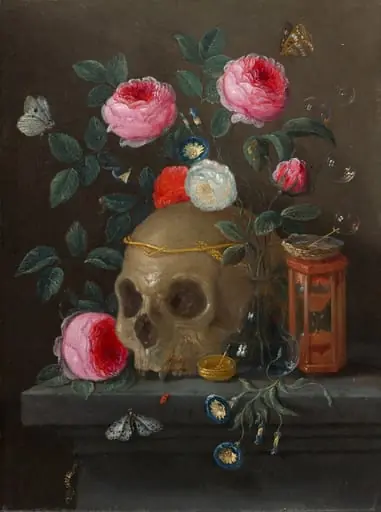 Vanitas Still Life
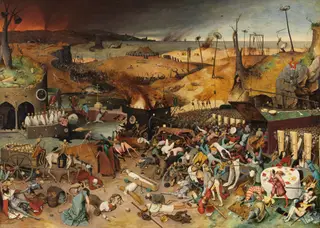 The Triumph of Death
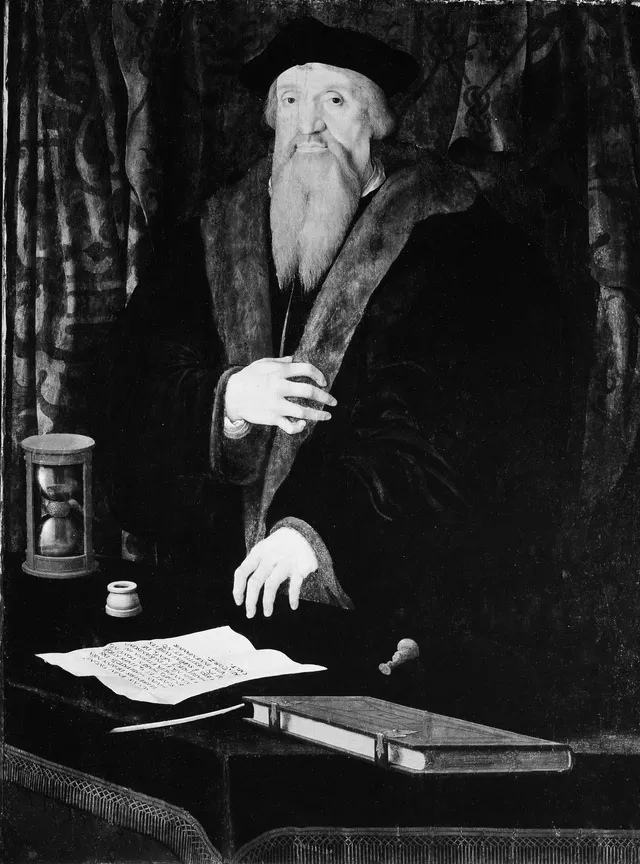
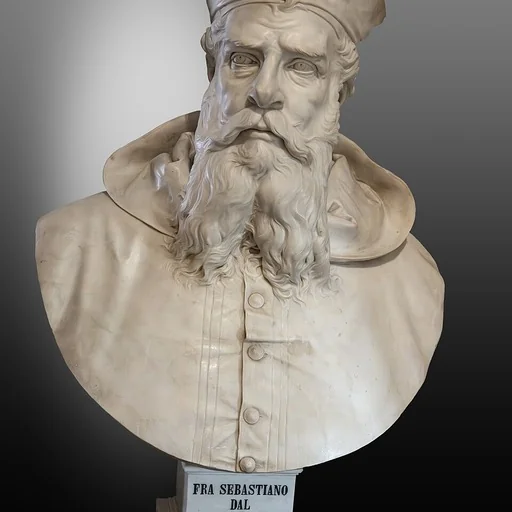
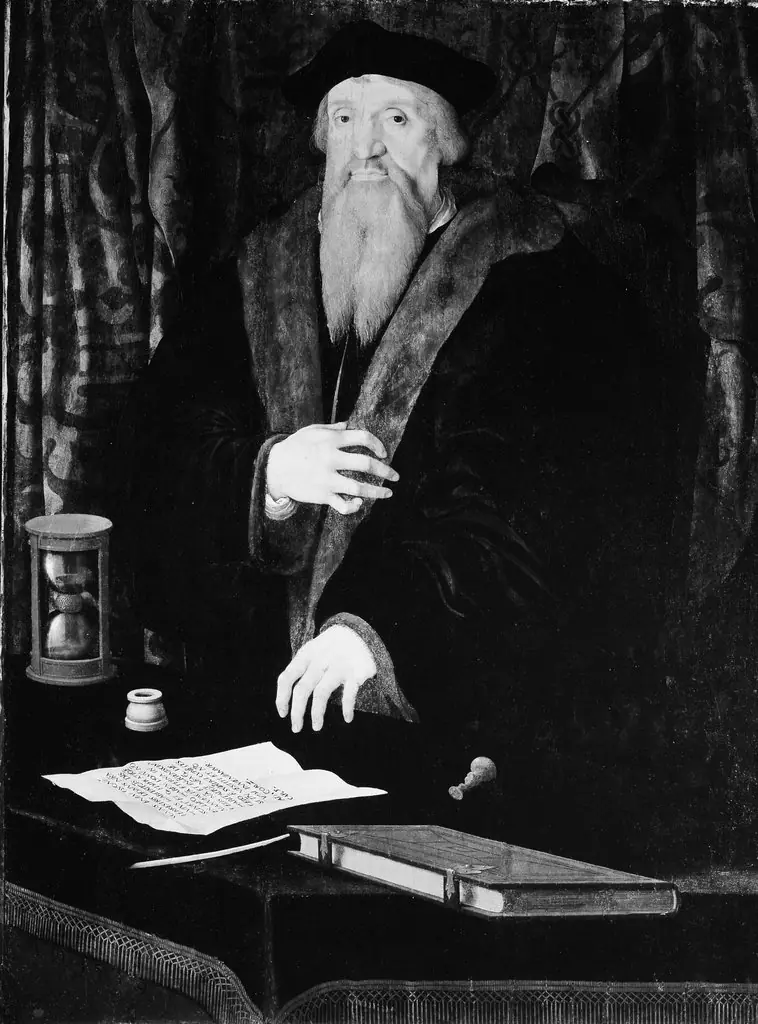 Portrait of a Man, Possibly Jean de Langeac (died 1541), Bishop of Limoges
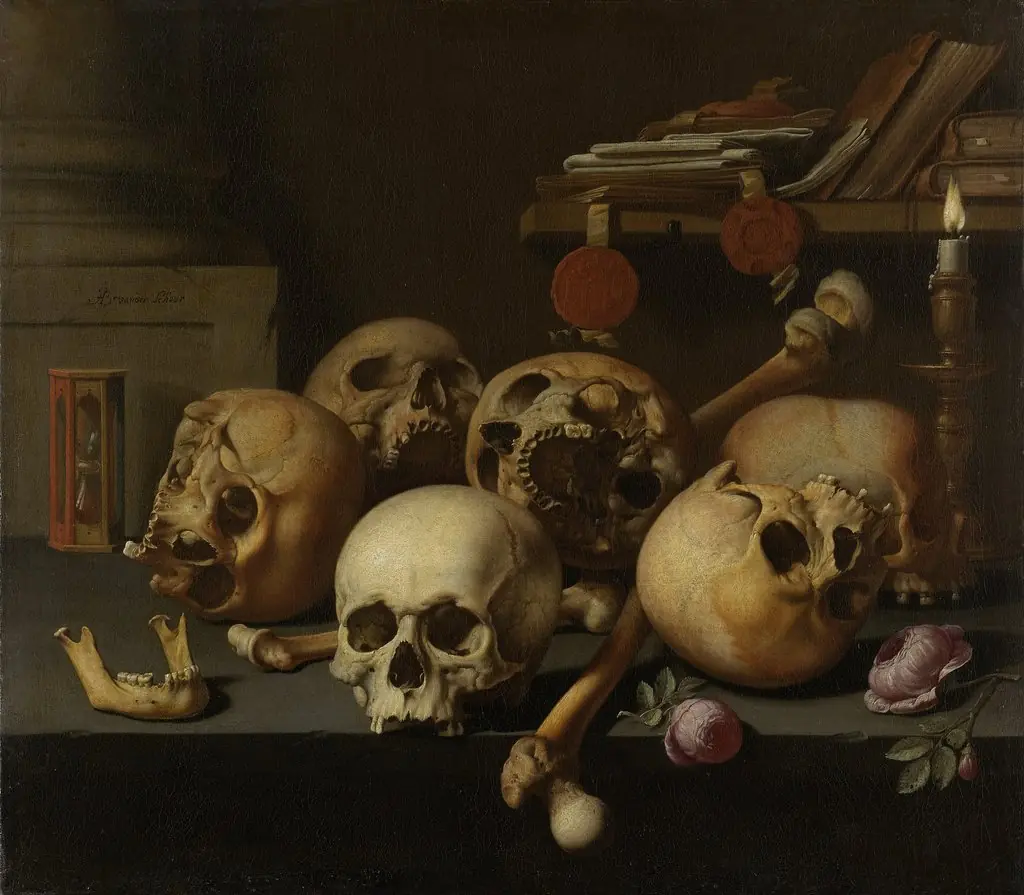 Vanits still life
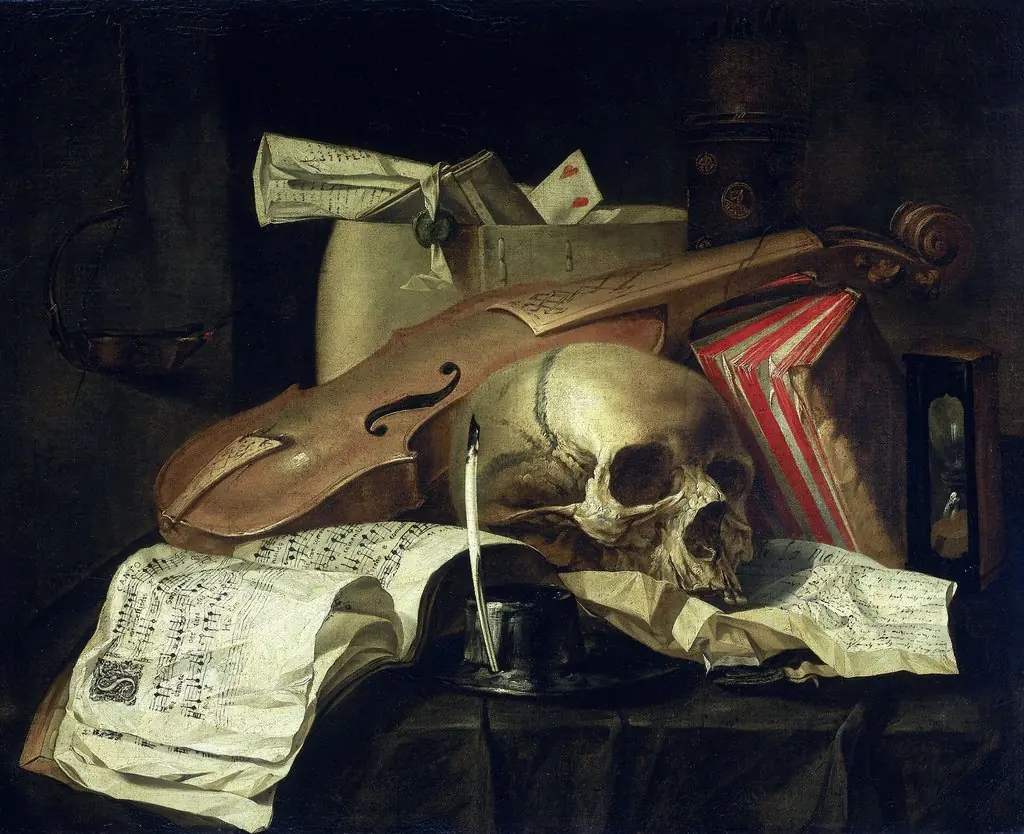 Vanitas still life
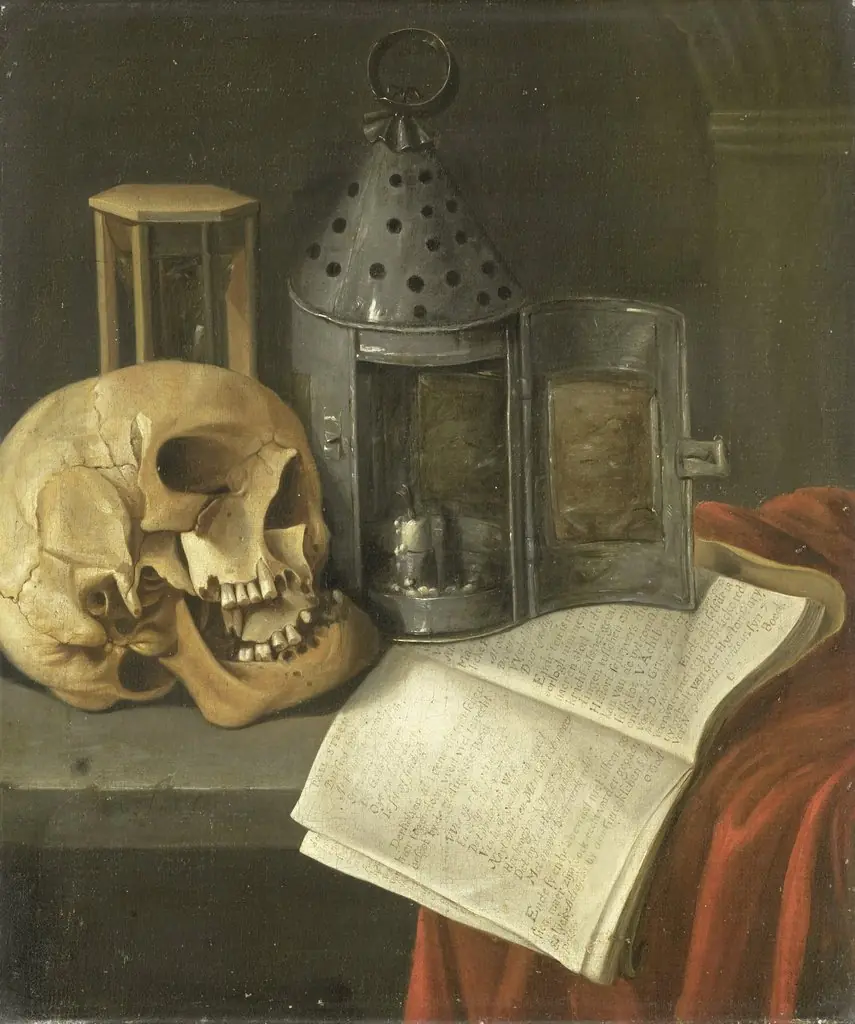 Vanitas Still Life
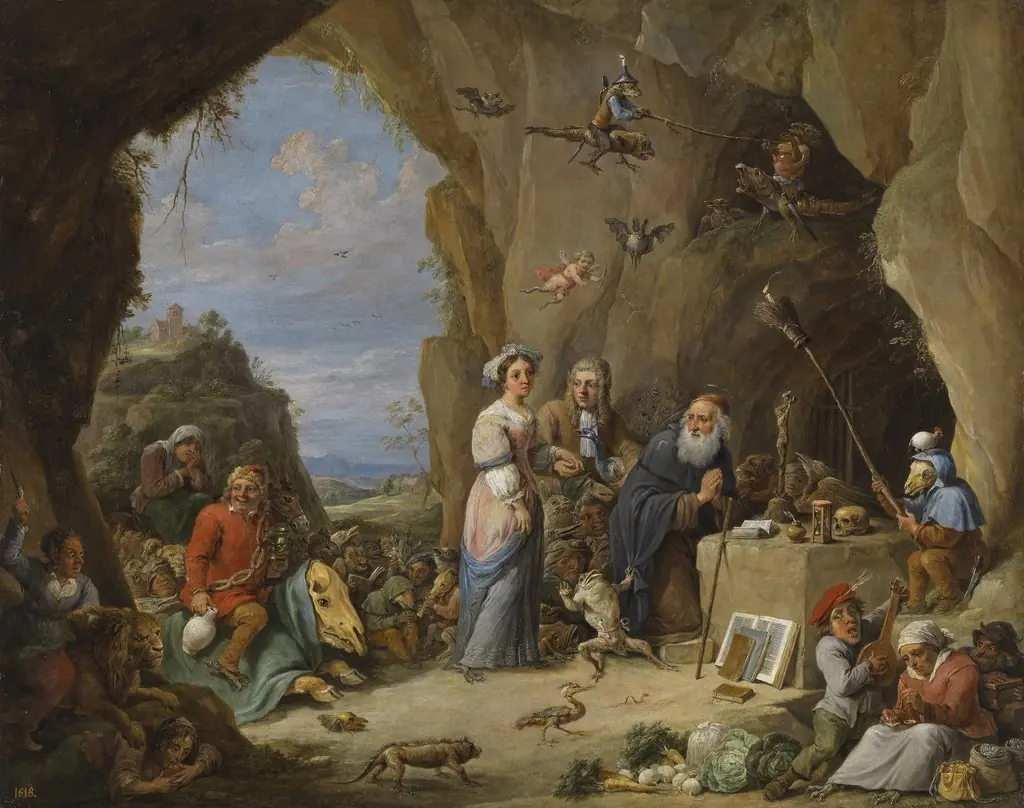 Temptation of St. Anthony
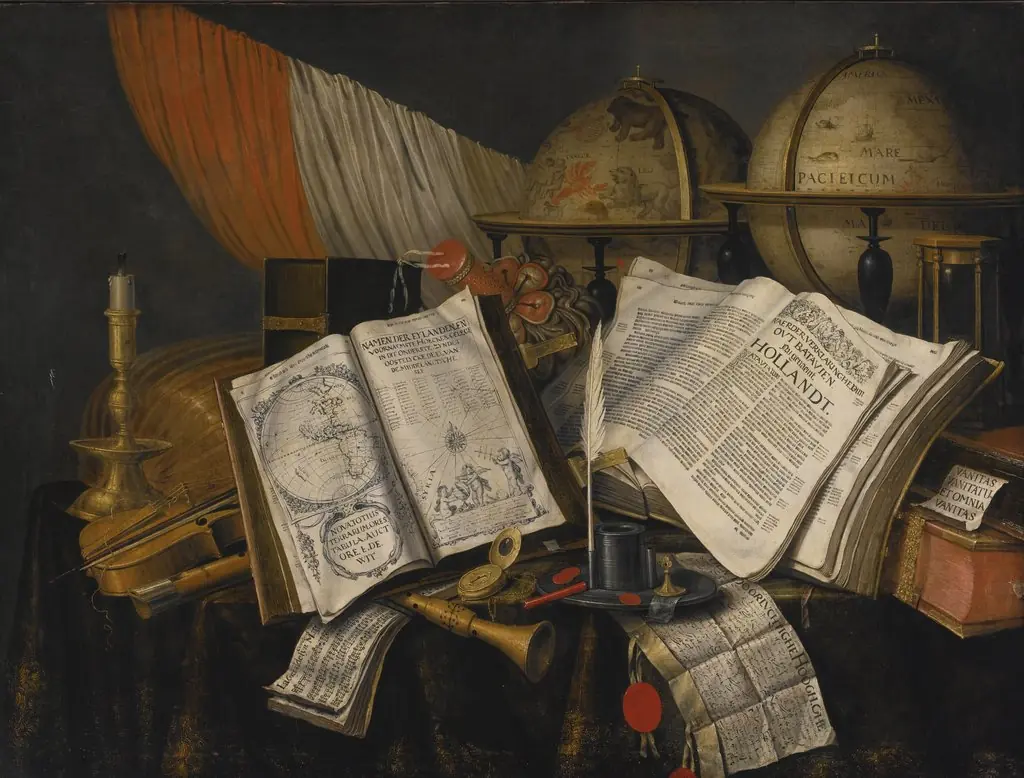 Vanitas Still Life with a Candlestick, Musical Instruments, Dutch Books, a Writing Set, an Astrological and a Terrestial Globe and an Hourglass, All on a Draped Table
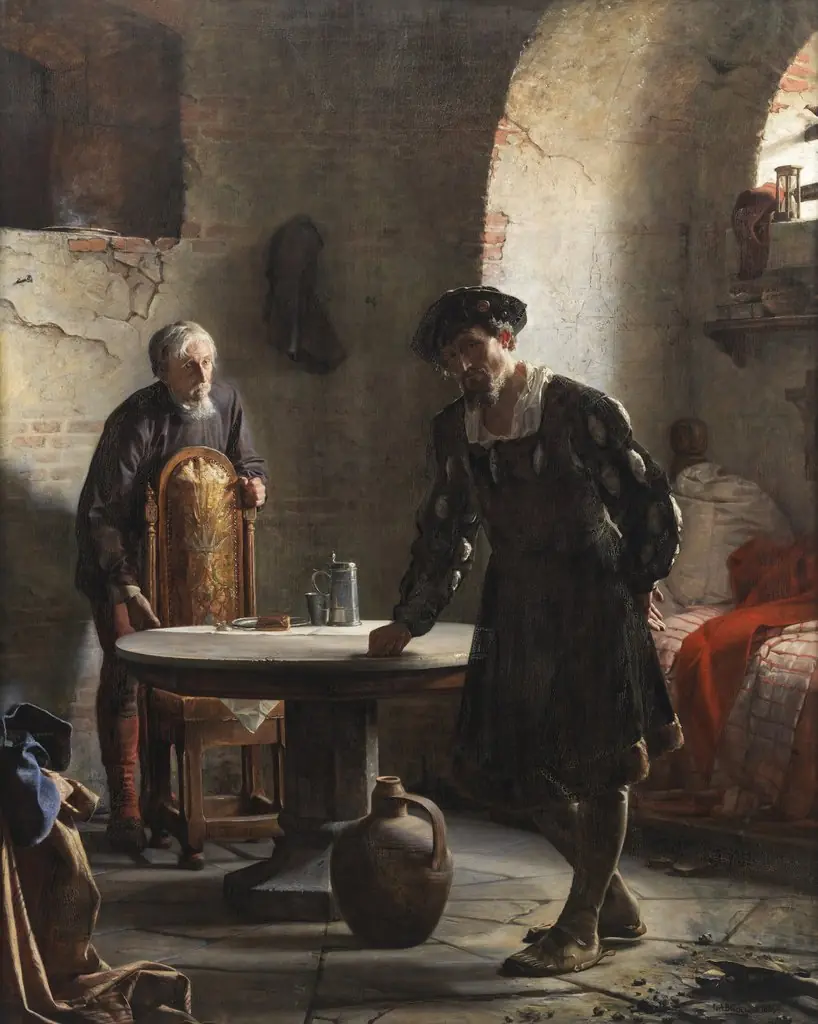 Christian II i fængslet på Sønderborg Slot
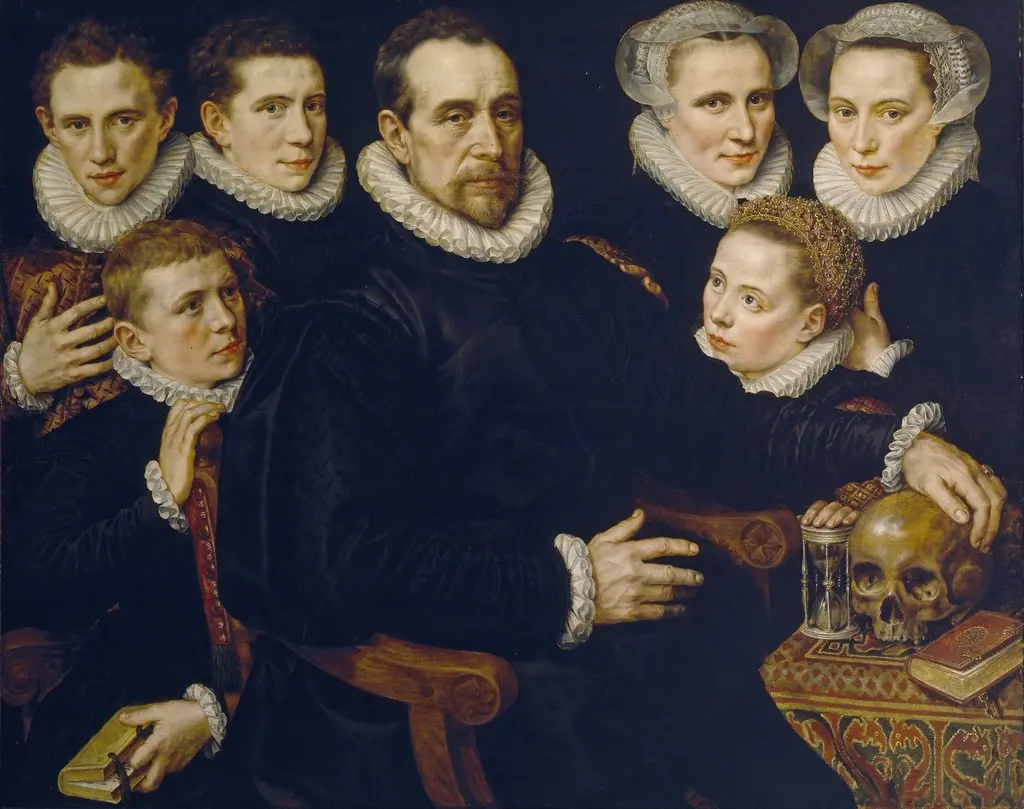 Family Portrait
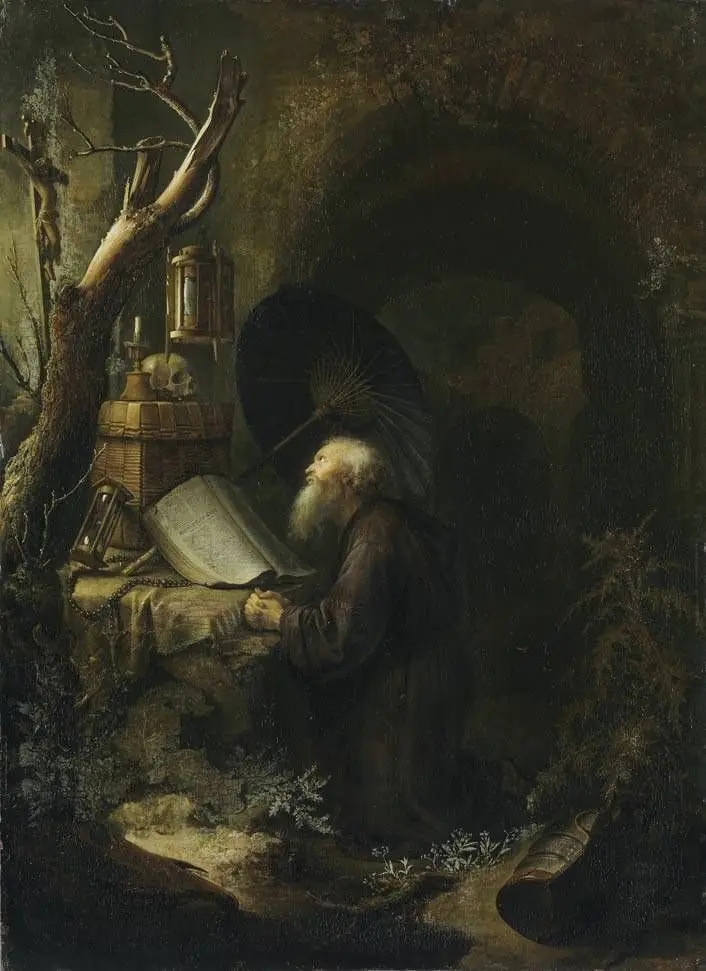 Praying hermit
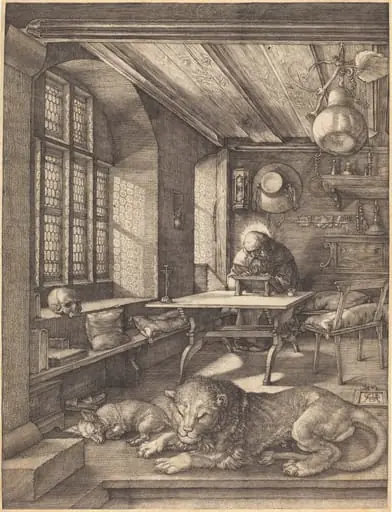 Saint Jerome in His Study
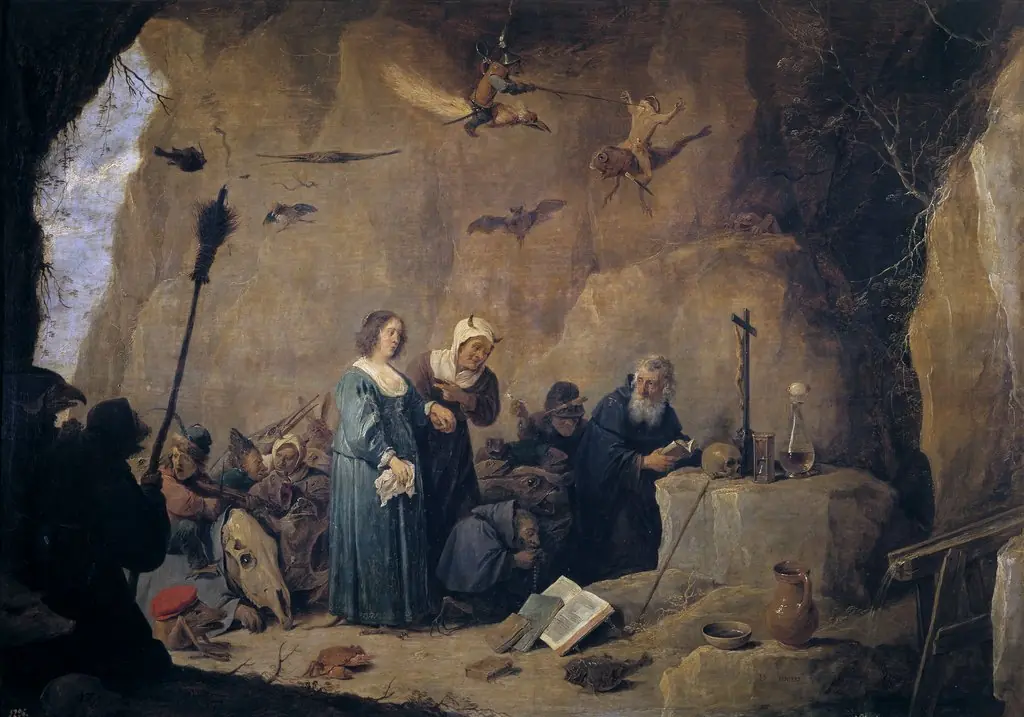 The Temptations of Saint Anthony the Abbot
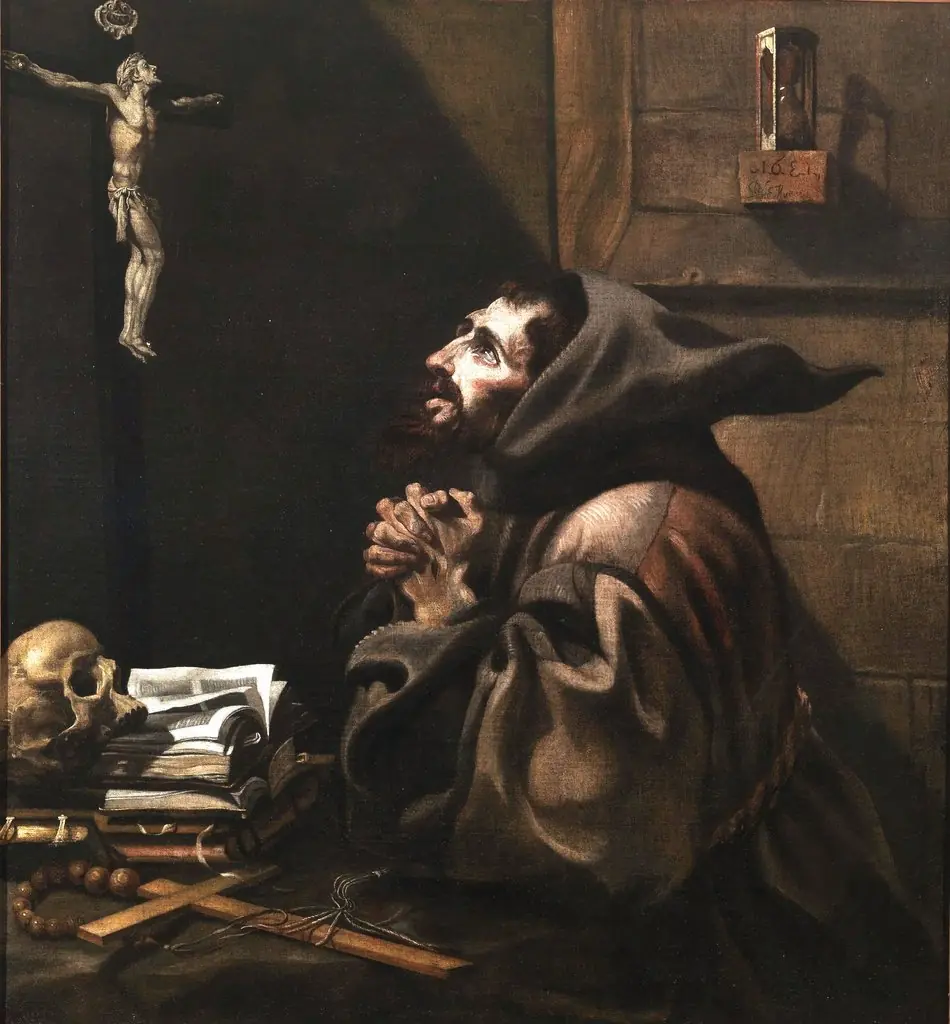 St. Francis in Prayer
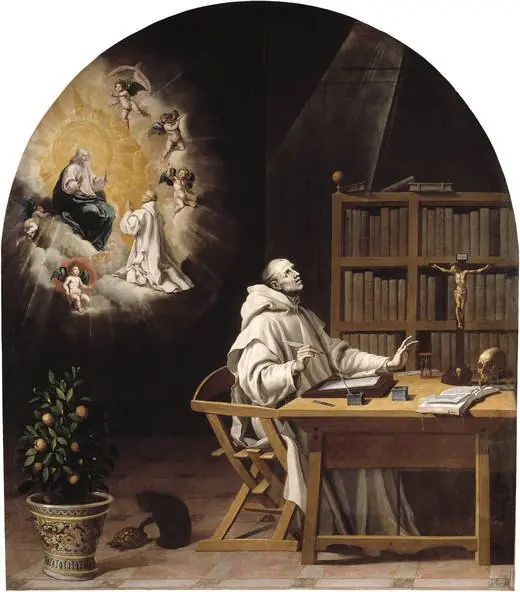 The Vision of Dionisio Rickel The Carthusian
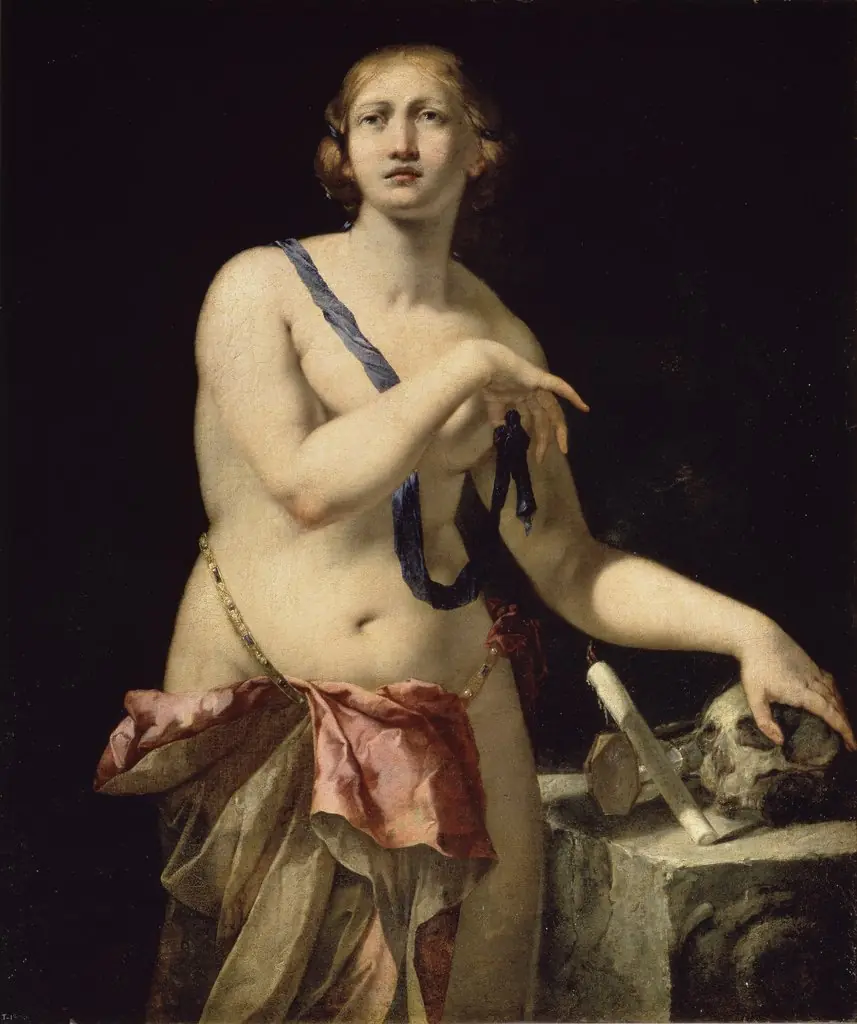 Vanitas
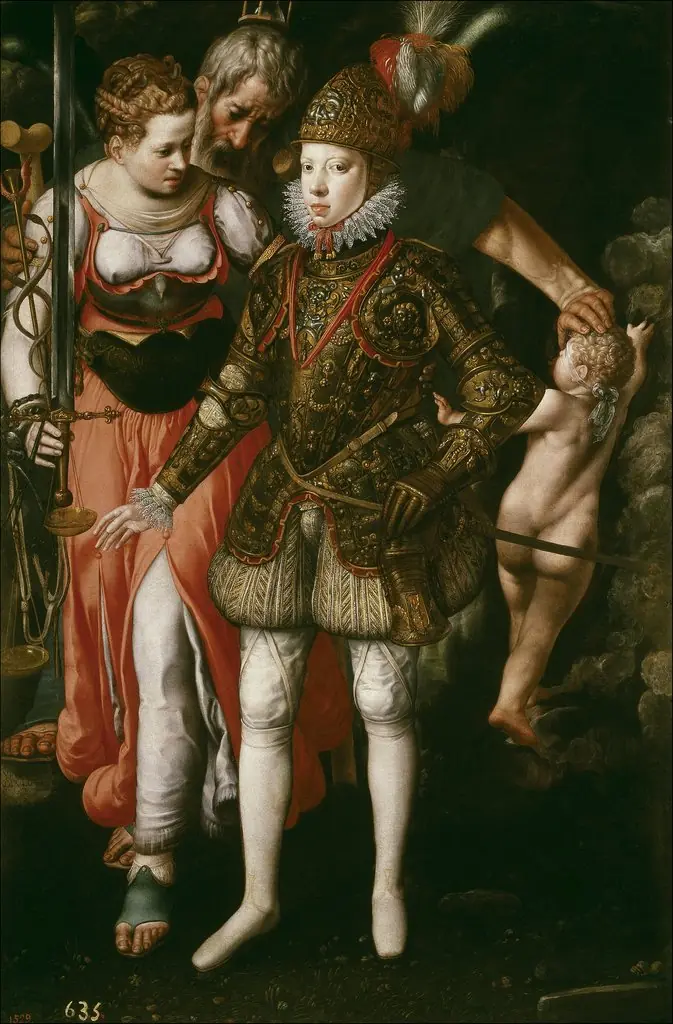 Allegory of the Education of Philip III
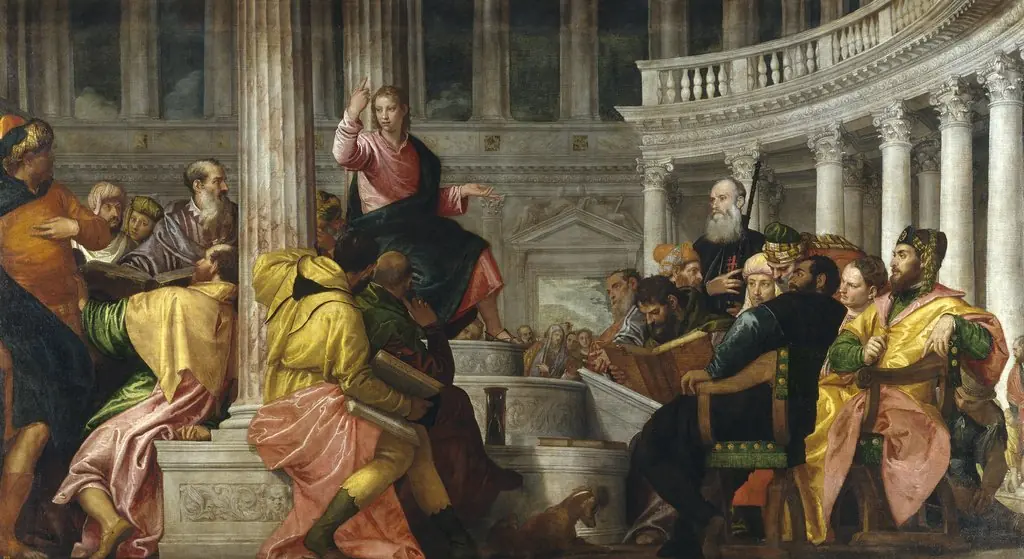 Christ Among the Doctors
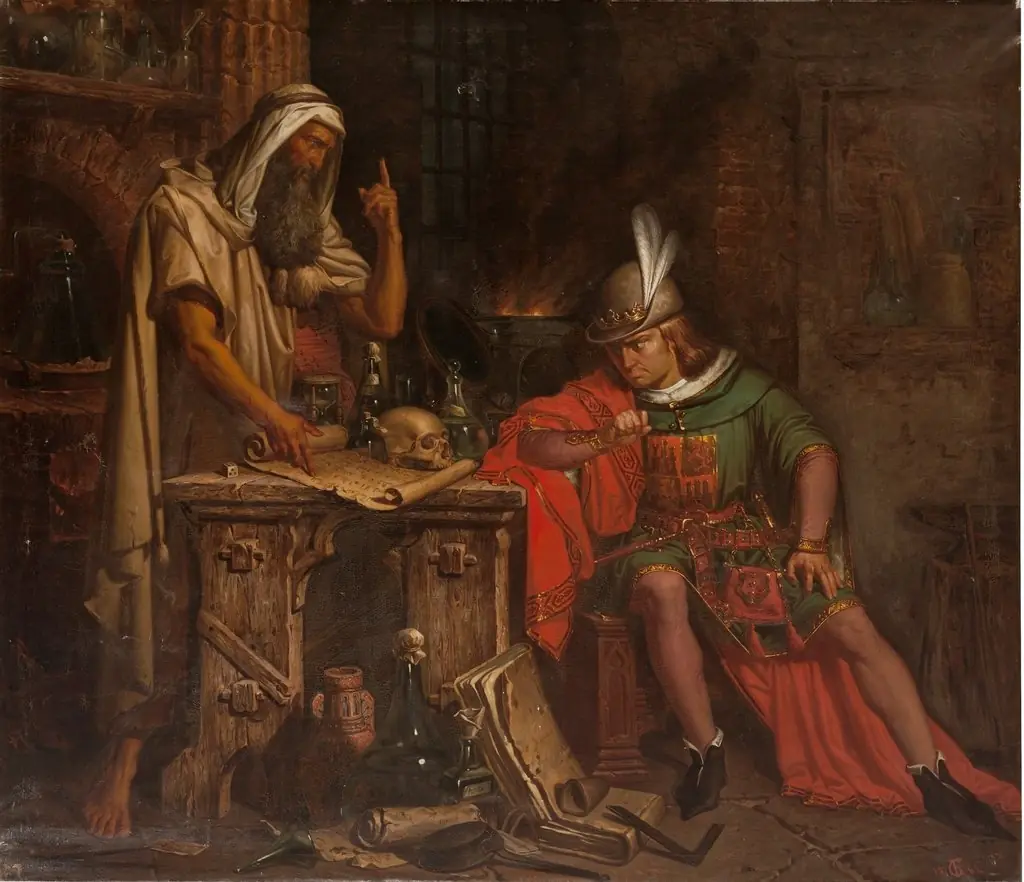 Don Pedro I de Castilla consulta su horóscopo a un moro sabio de Granada llamado Ben-Agatim
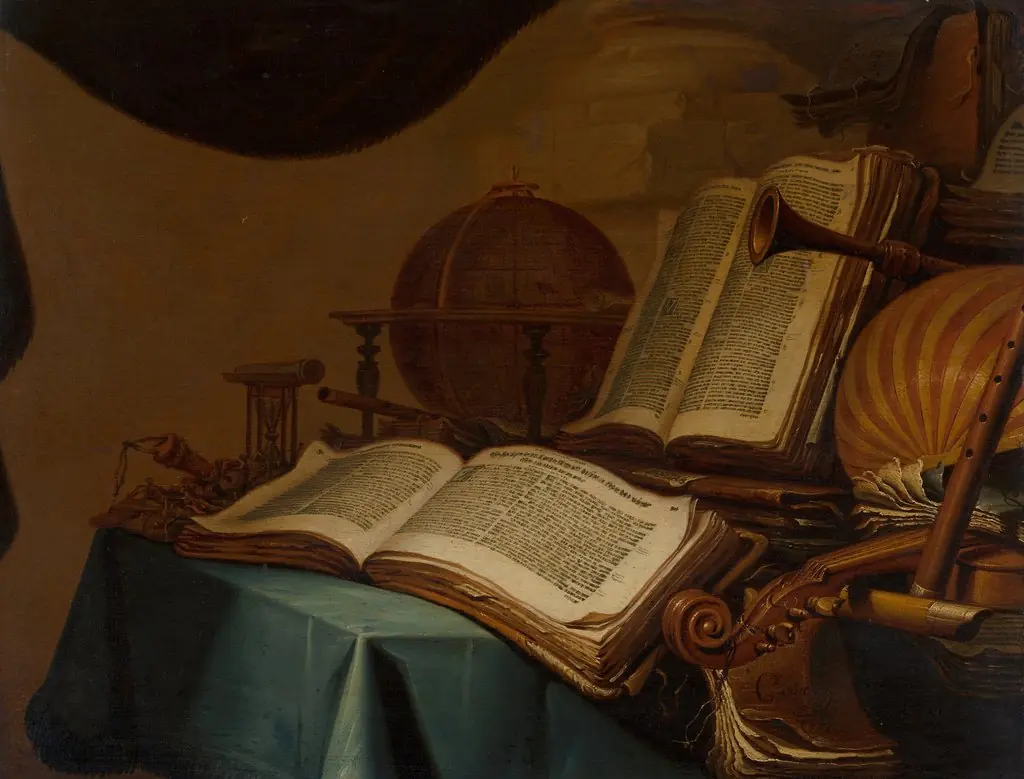 Still Life with Books, a Globe and Musical Instruments
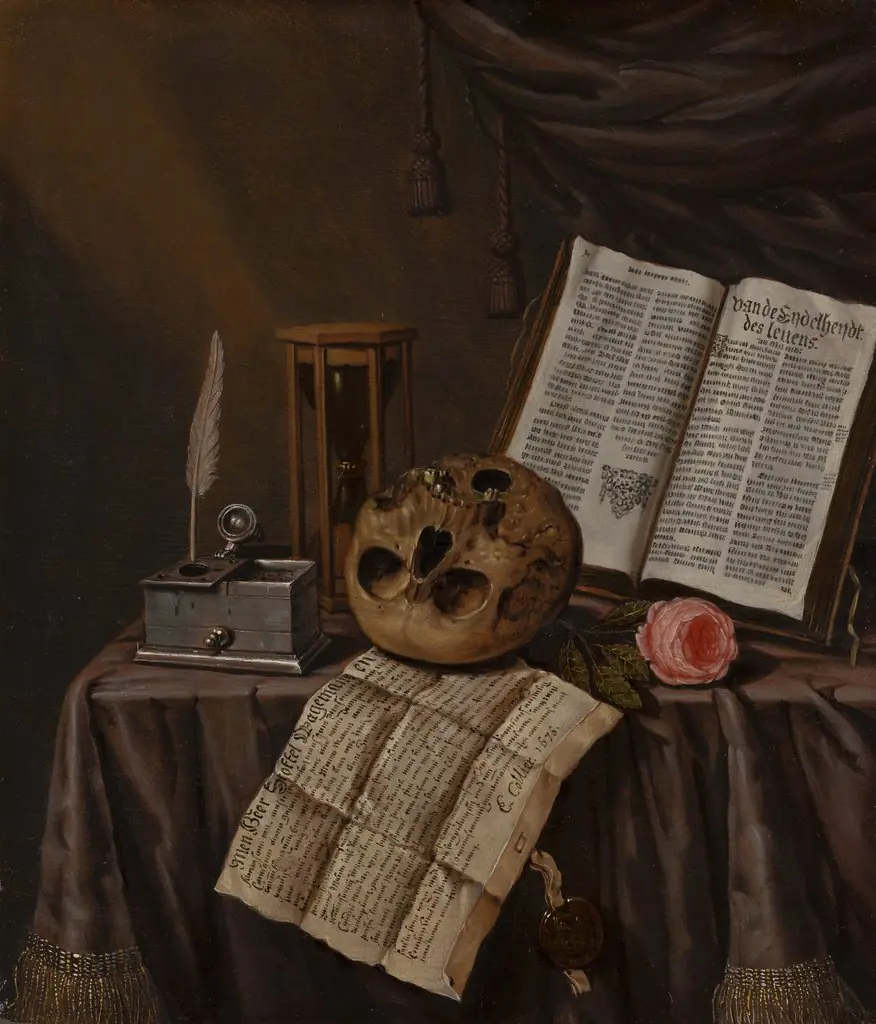 Vanitas Still Life
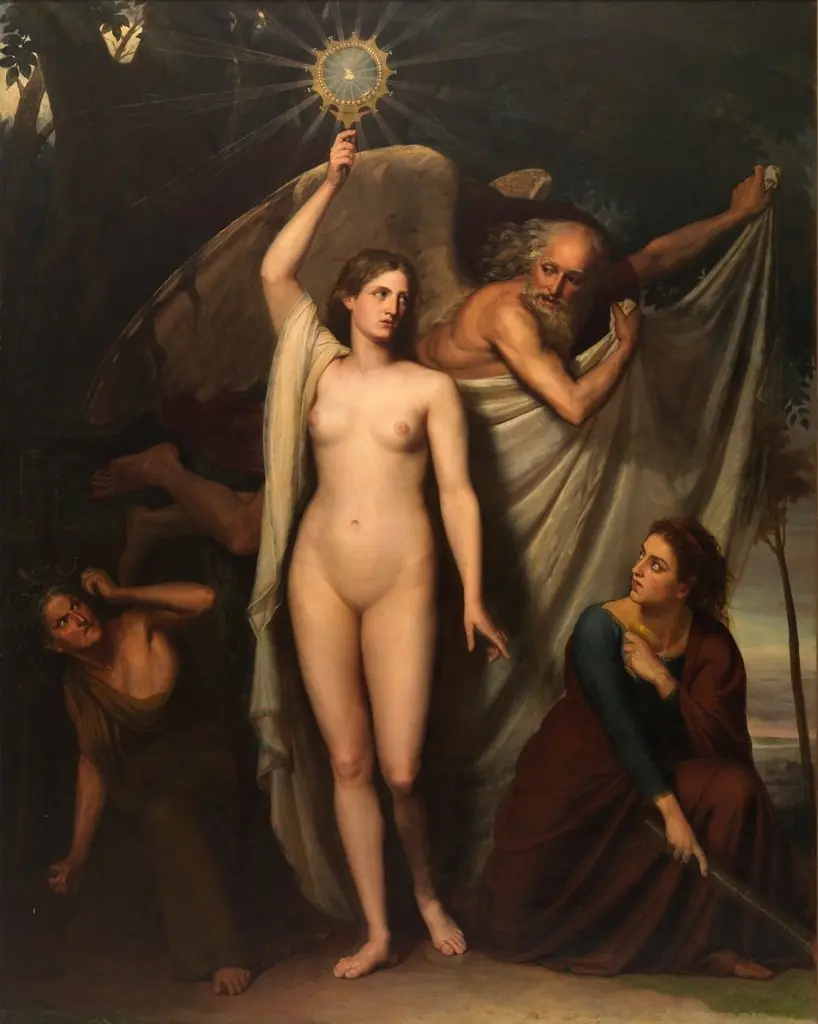 El tiempo descubre la verdad
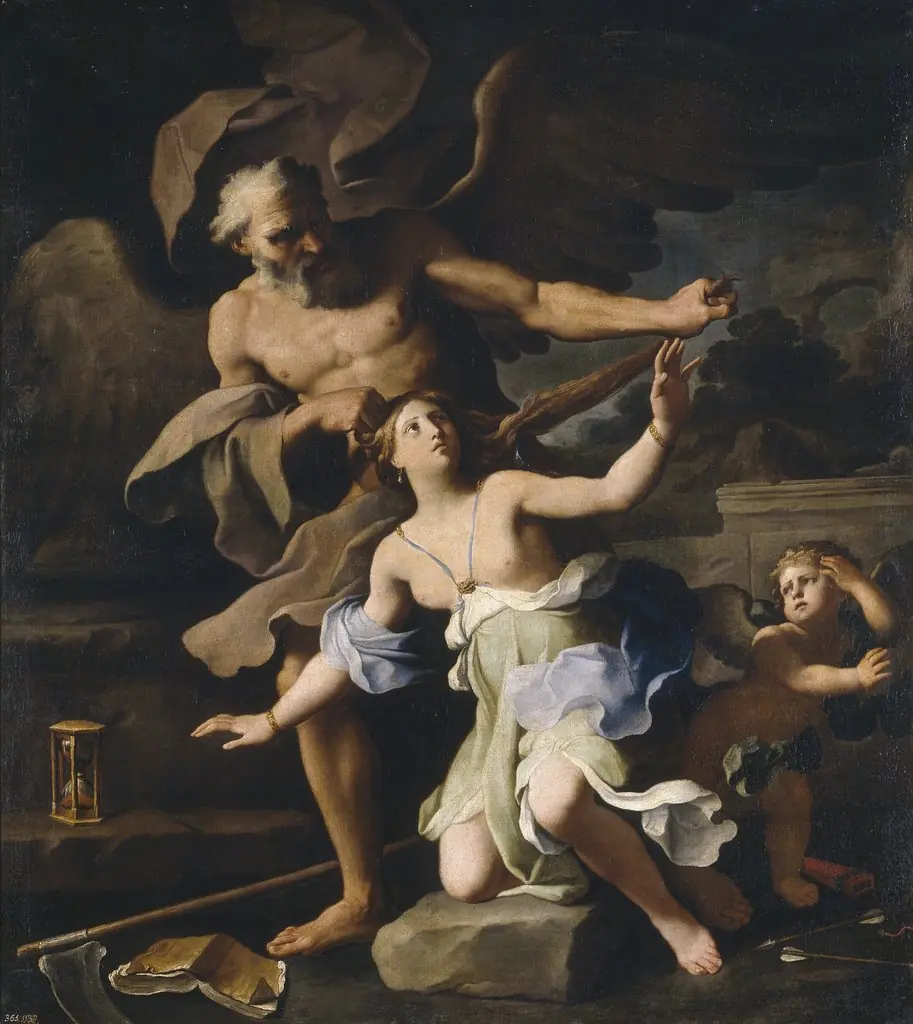 El Tiempo destruyendo la Hermosura
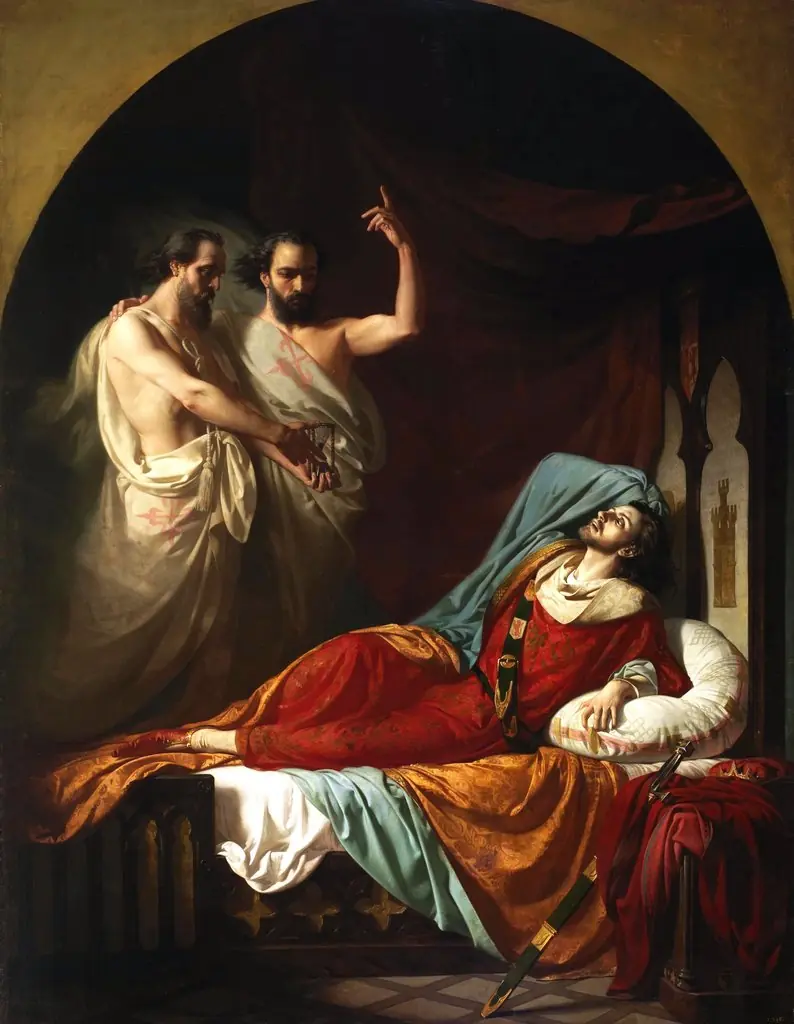 Últimos momentos de Fernando IV el Emplazado
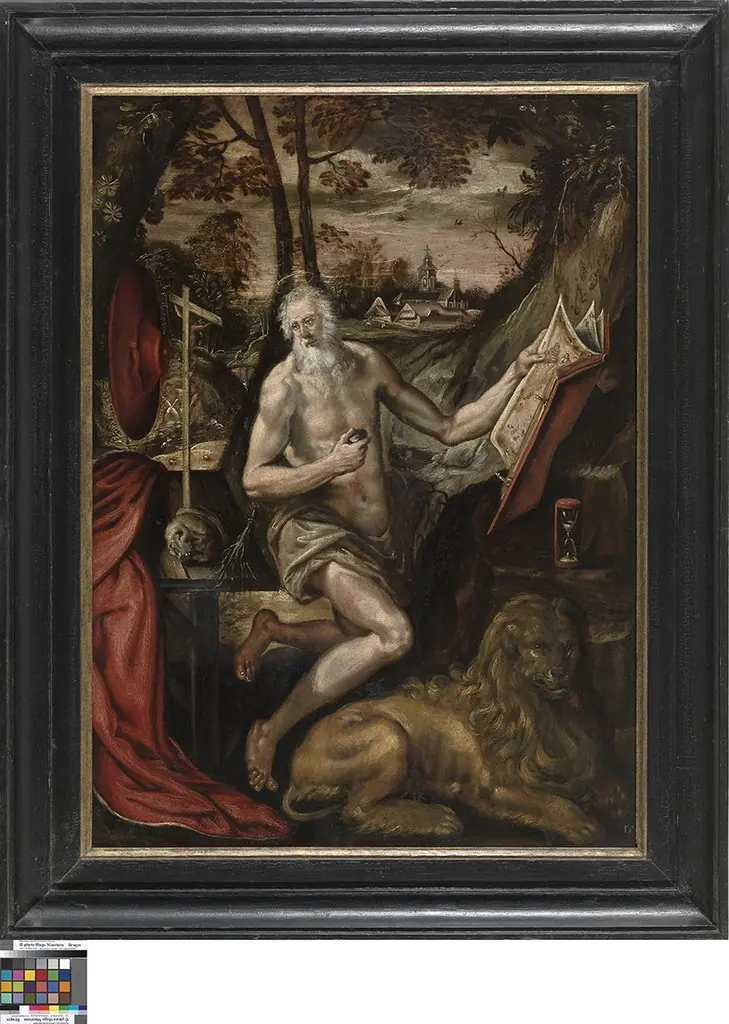 Saint Jerome
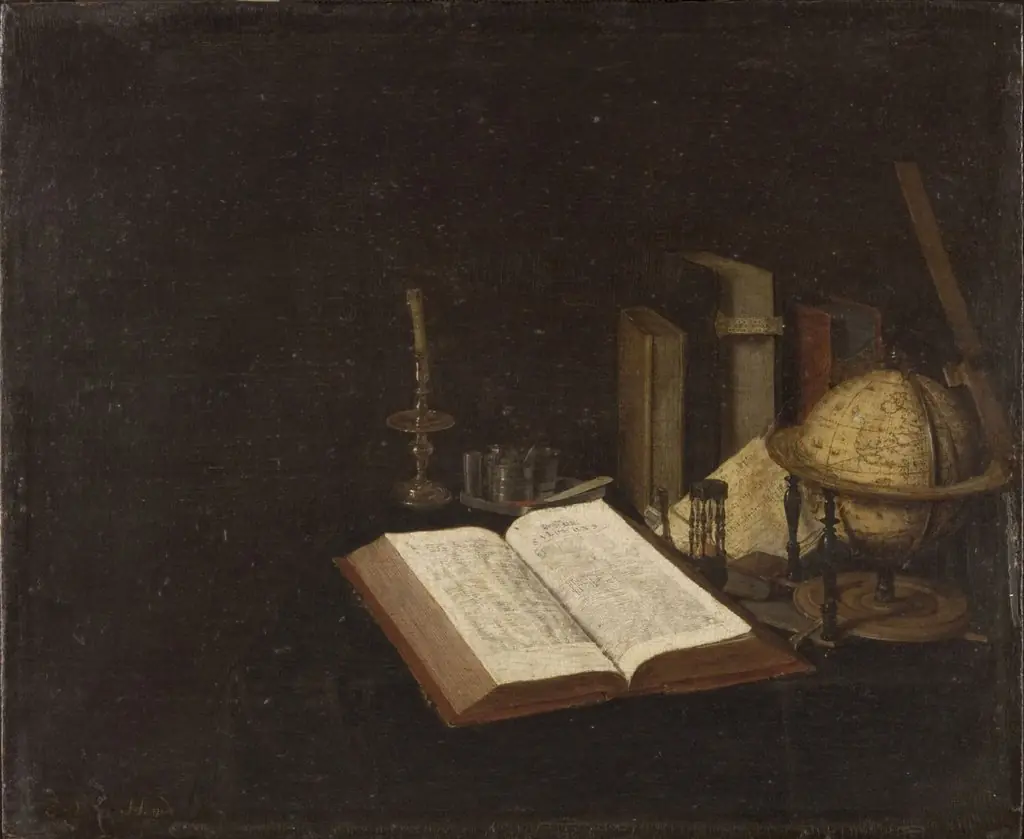 Still Life with Books and a Globe
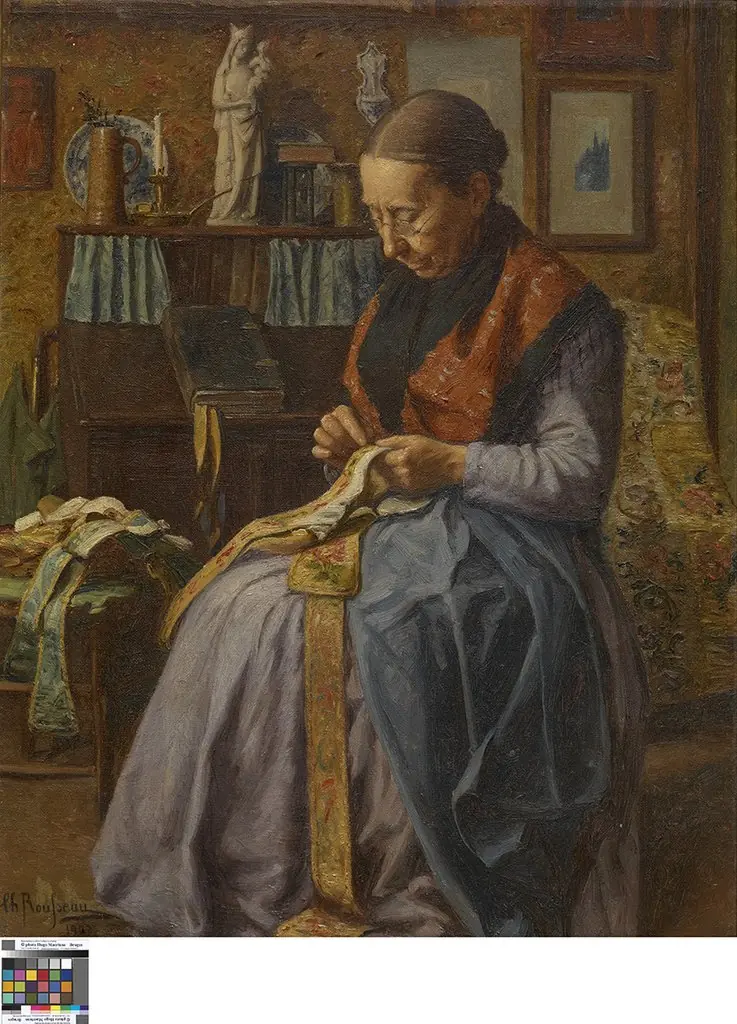 Binnenzicht
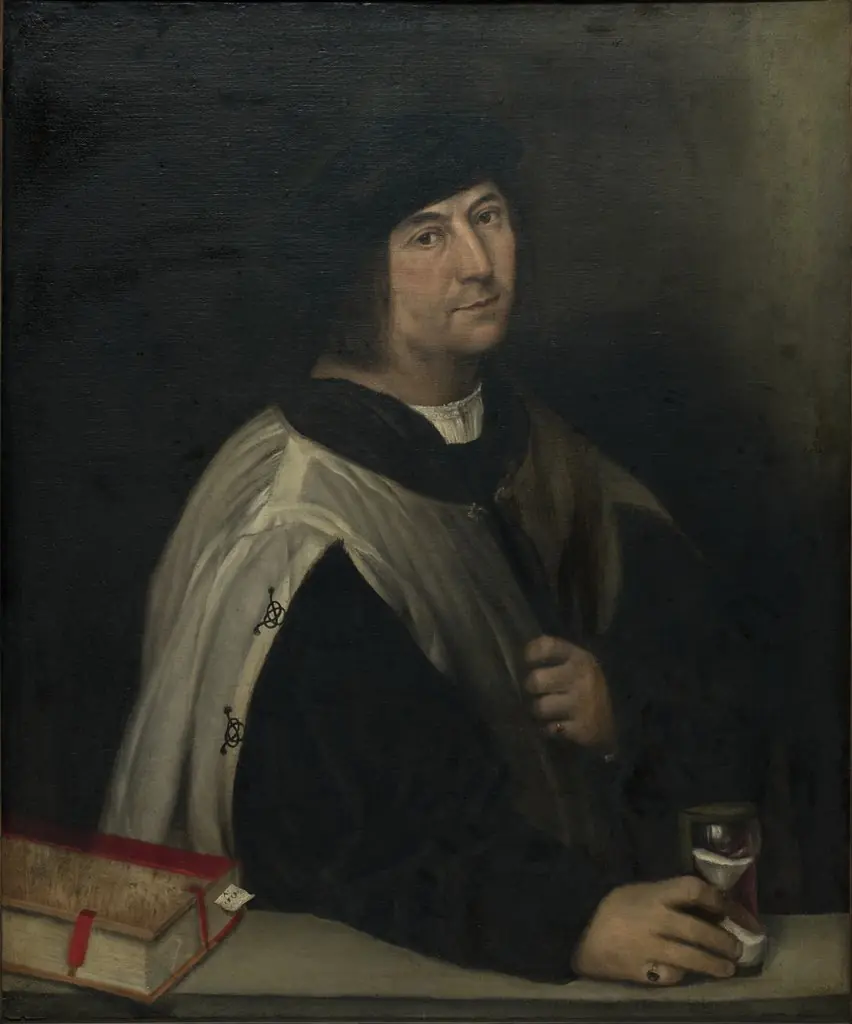 Prelate with an Hourglass
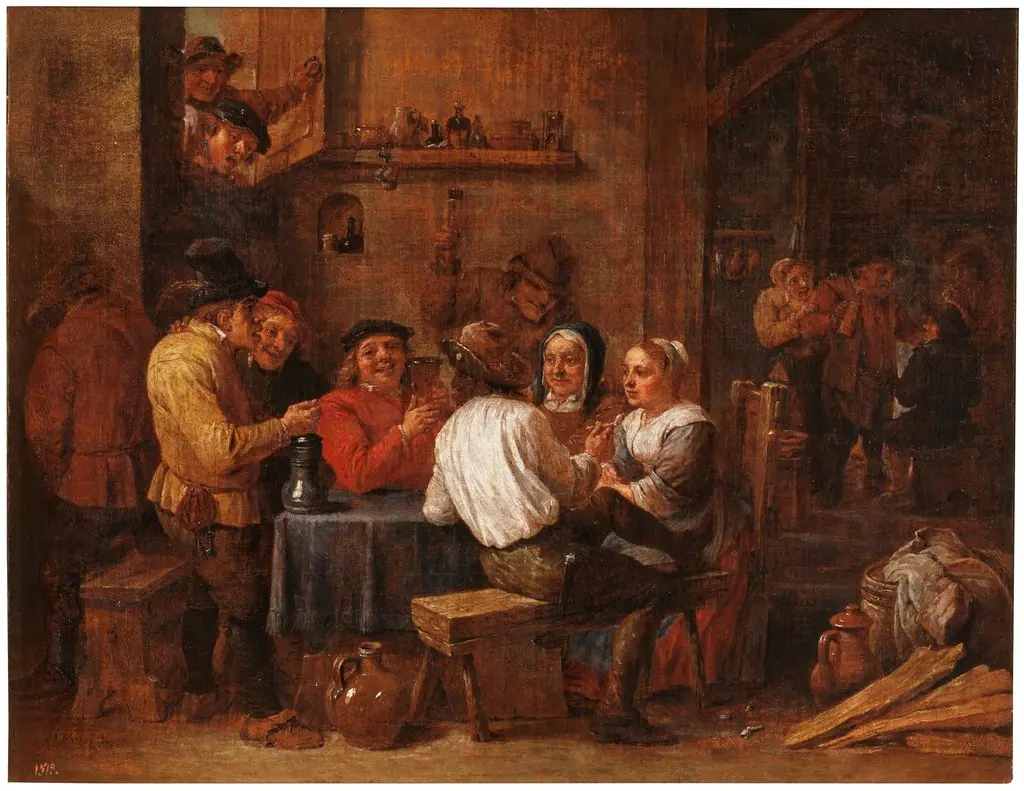 Bebedores y fumadores
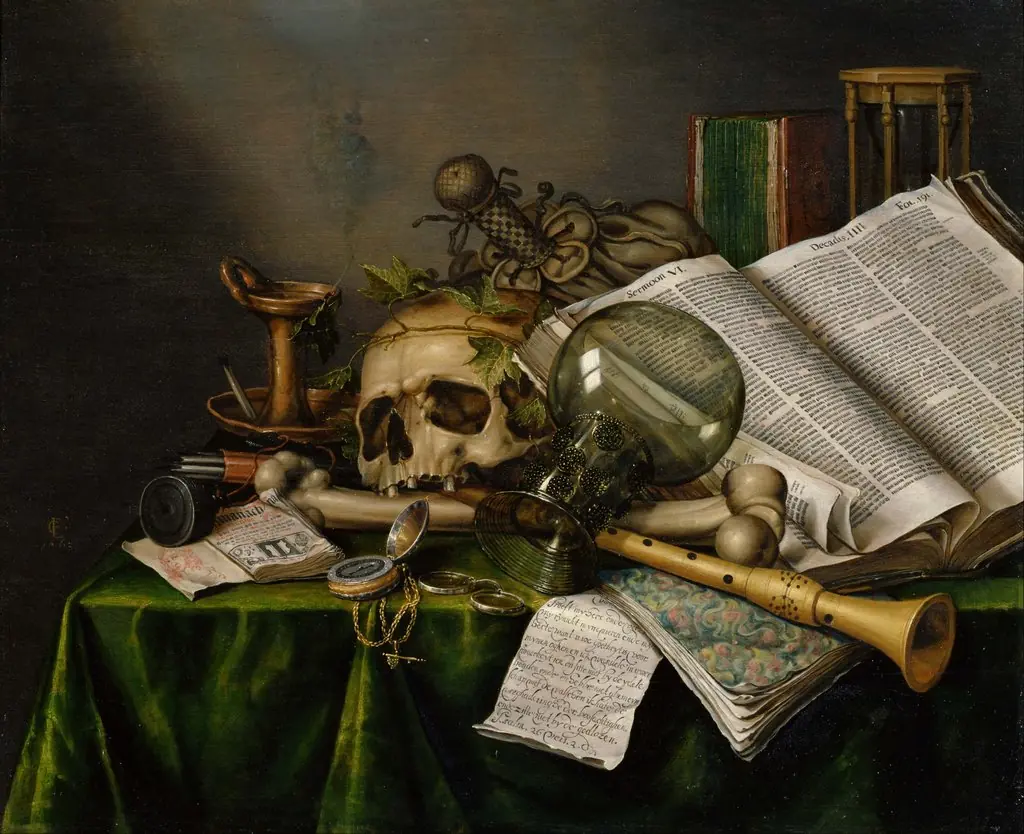 Vanitas, Still Life with Books and Manuscripts and a Skull
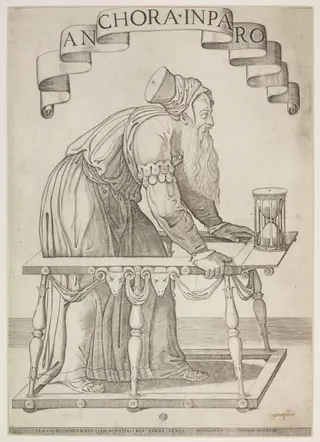 ANCHORA o INPARO
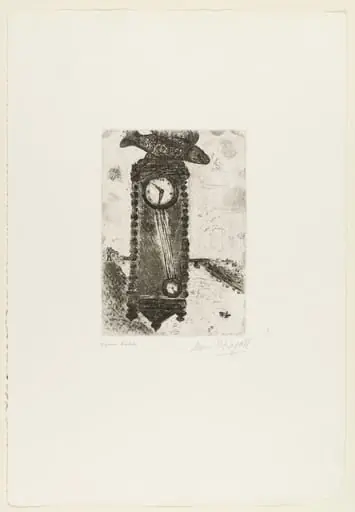 Untitled
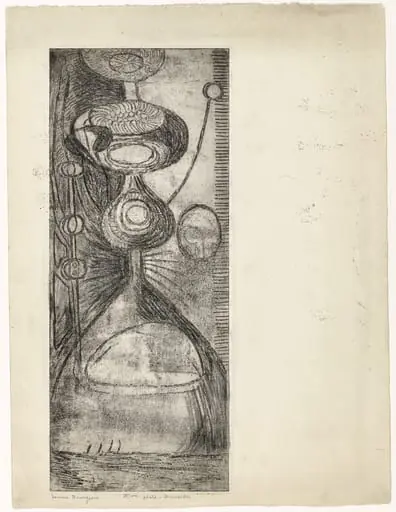 Untitled
Frequently asked questions
What is Hourglass?
Hourglass is a subject in art. An hourglass (or sandglass, sand timer, or sand clock) is a device used to measure the passage of time.
How many Hourglass works does Artifact World Gallery have?
Artifact World Gallery holds 35 public-domain Hourglass works, all free to view and download.
Who are the key Hourglass artists?
Key Hourglass artists in the collection include Paolo Veronese, Johann Georg Platzer and David Teniers the Younger.
Where can I see Hourglass works?
Hourglass works in the collection are held by Museo del Prado, Rijksmuseum and Mauritshuis.