Artwork
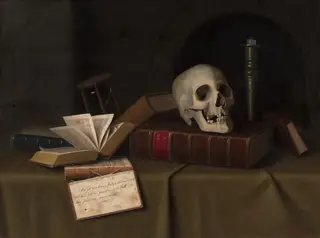
Memento Mori, "To This Favour"
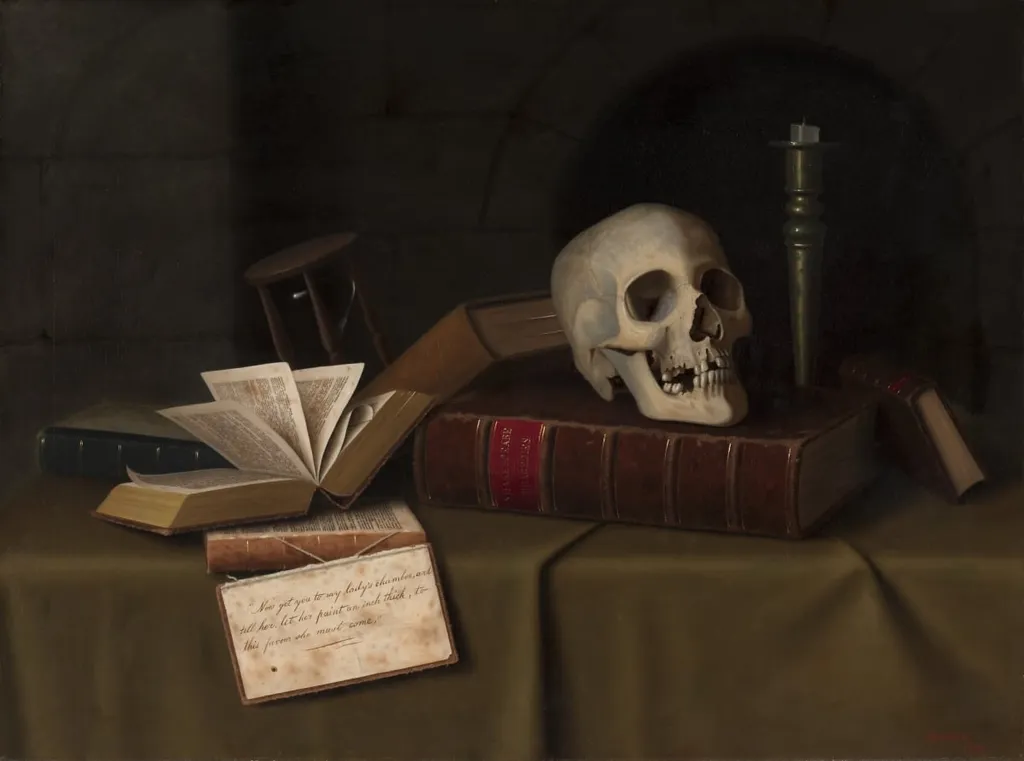
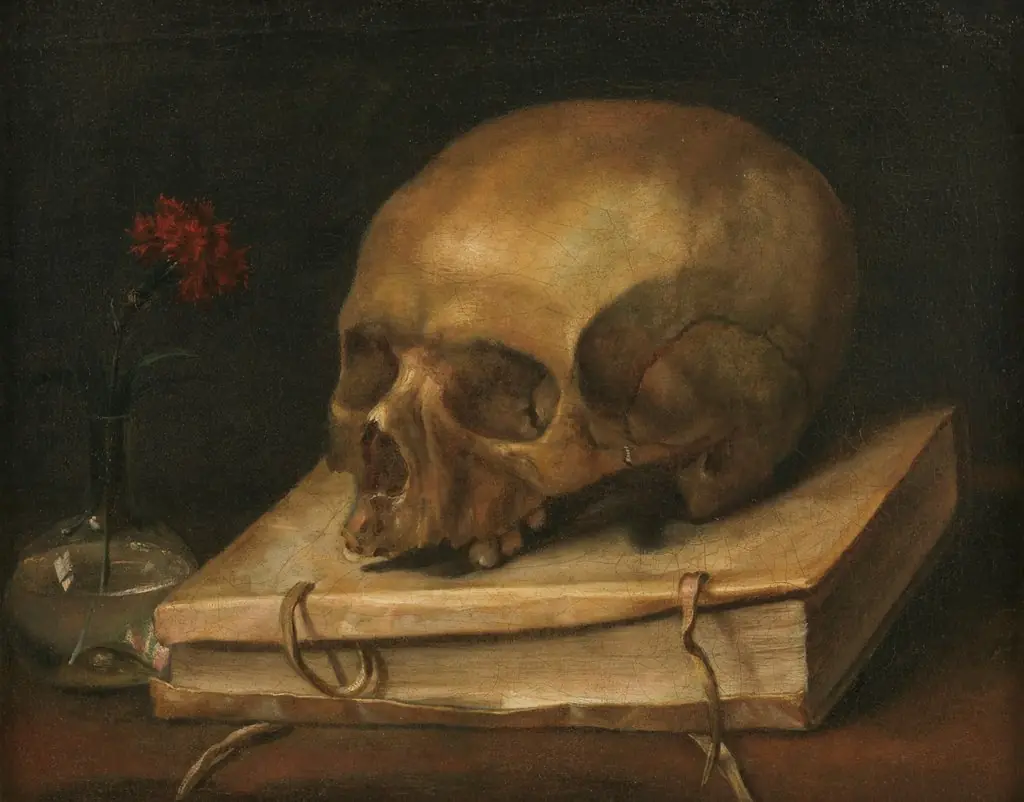
Memento Mori, "To This Favour" is an unspecified painting by the American Impressionist artist William Harnett. It dates from 1879 and is held in the collection of the Cleveland Museum of Art.
- Accession no.
- 1965.235
- Credit line
- Mr. and Mrs. William H. Marlatt Fund
About this work
Overview
Memento Mori, "To This Favour" is a painting by James Harnett that embodies the traditional art subject of memento mori, serving as a reminder of mortality.
Subject & Meaning
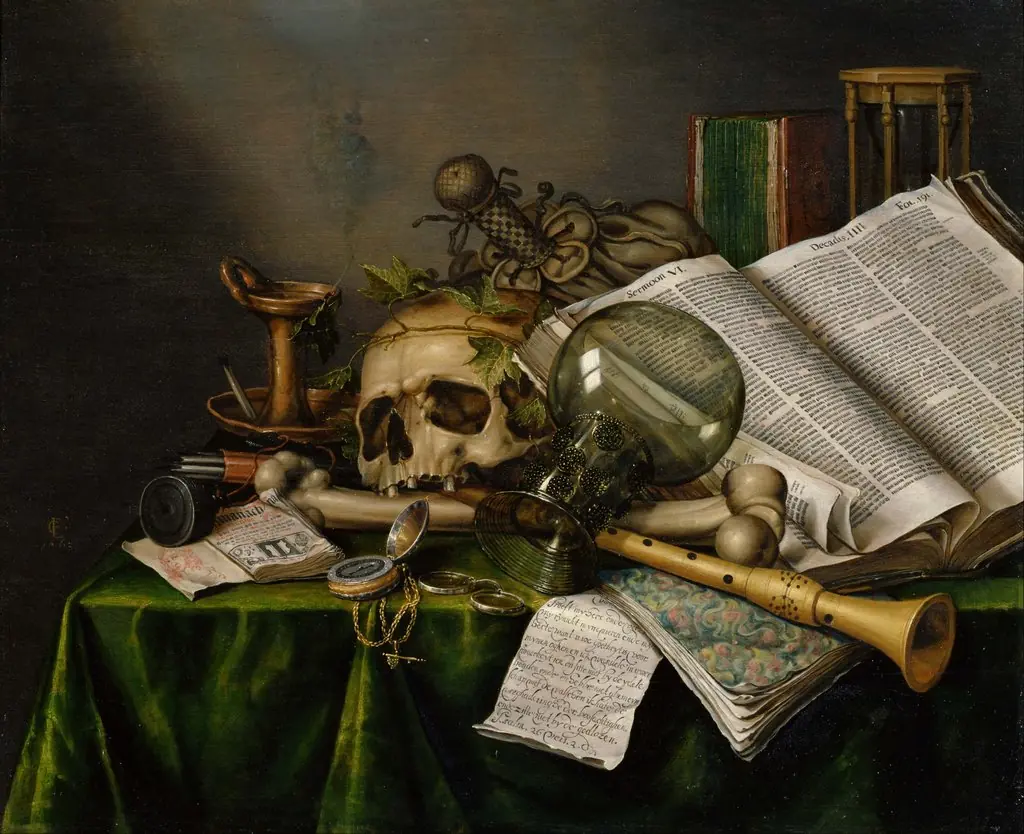
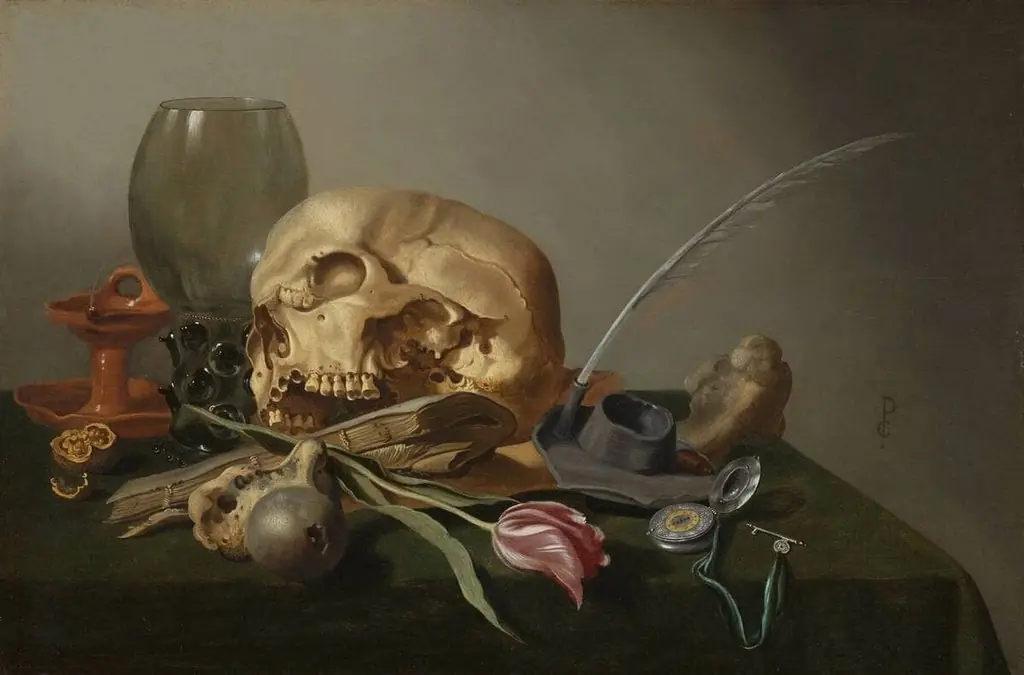
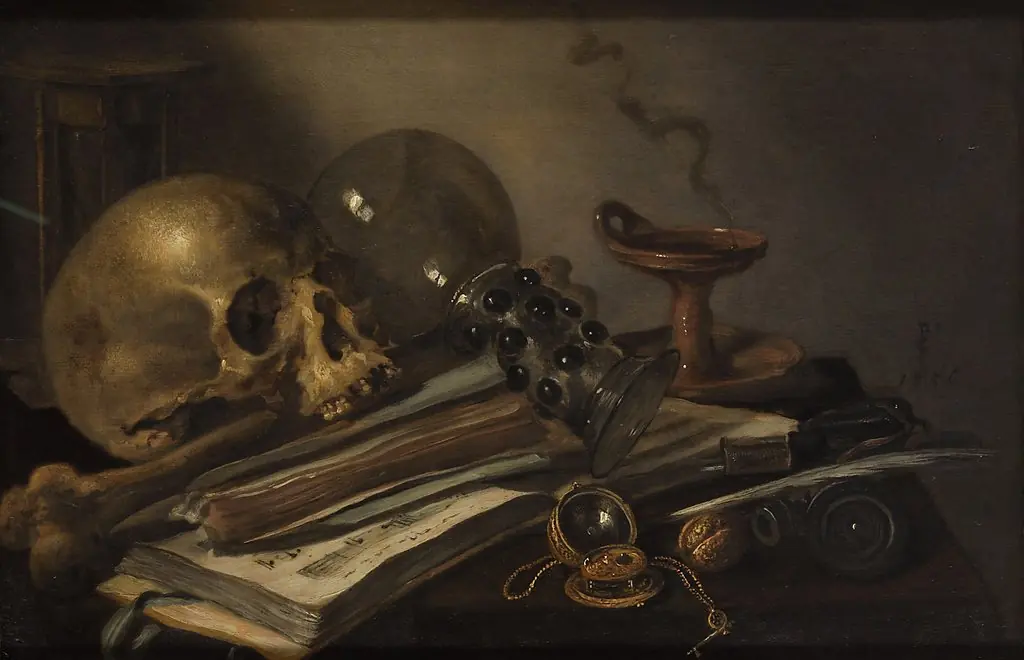
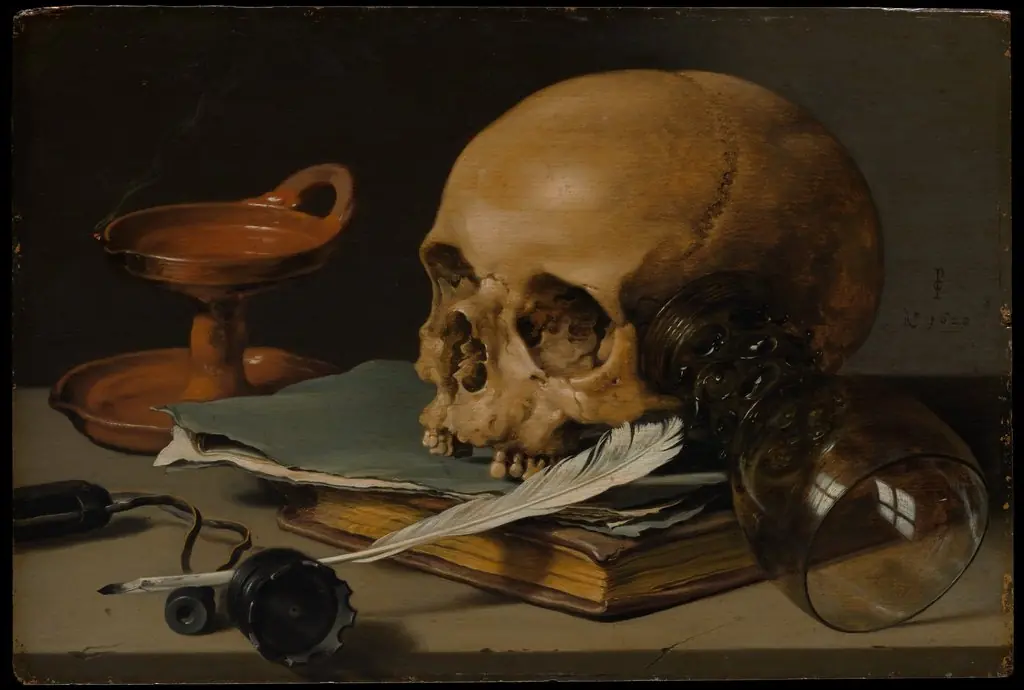
The painting features symbolic objects - an extinguished candle, an emptied hourglass, and a skull - conveying the inevitability of death. A quote from Shakespeare's Hamlet, inscribed in a tattered book, further emphasizes the theme, drawing a parallel between the transience of life and the artifice of representation.
Technique & Style
Harnett employs trompe l'oeil, a highly realistic technique, to create an illusion of three-dimensionality, inviting the viewer to engage intimately with the still-life arrangement. The use of chiaroscuro enhances the dramatic and contemplative atmosphere.
History & Provenance
No specific historical ownership or exhibition details are provided for this work, focusing instead on its thematic and stylistic attributes.
Context
Created within the broader tradition of memento mori art, this painting reflects a common theme across various artistic periods, encouraging viewers to contemplate mortality. The incorporation of a Shakespearean quote situates it within a cultural dialogue spanning literature and visual arts.
Legacy
While not individually highlighted as a landmark work, "To This Favour" contributes to the enduring appeal of trompe l'oeil and memento mori themes in art, influencing subsequent still-life painters in their exploration of realism and mortality.
Artist & collection

Artist
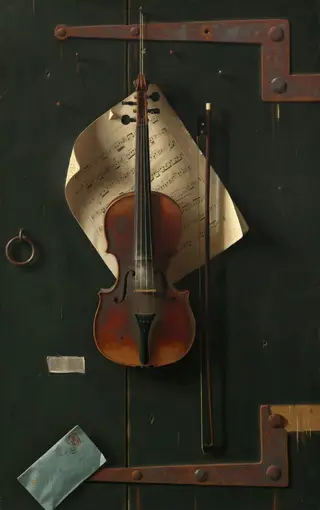
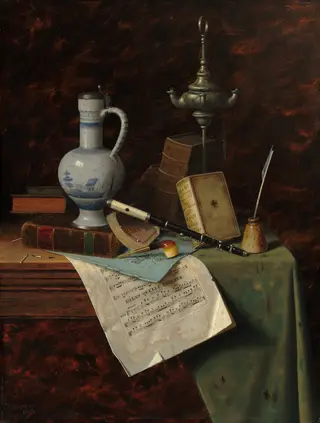
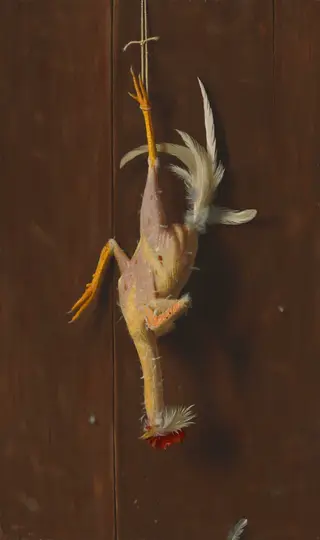
William Michael Harnett (August 10, 1848 – October 29, 1892) was an American painter known for his trompe-l'œil still lifes of ordinary objects.