Artwork
Porta Angelica and Part of the Vatican
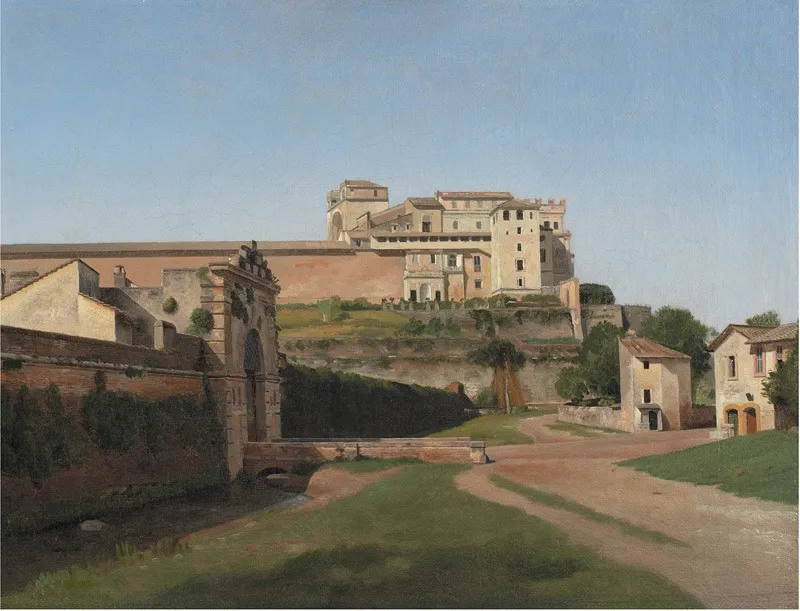
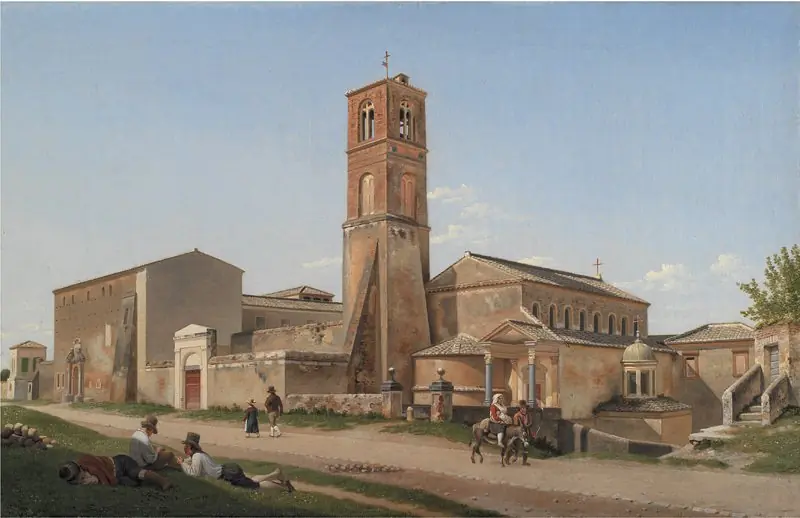
Porta Angelica and Part of the Vatican is an oil painting by the Neoclassicist artist Christoffer Wilhelm Eckersberg. It dates from 1813 and is held in the collection of the Statens Museum for Kunst.
About this work
Subject & Meaning
The work belongs to the genre of architectural painting, reflecting early-19th-century interest in classical monuments and the interplay of light and stone.
Porta Angelica and Part of the Vatican depicts the eponymous gate and surrounding Vatican structures set against a Roman sky. The composition presents an architectural view that emphasizes the monumental scale of the papal complex within its urban context. By rendering the façade and the open sky, Eckersberg conveys both the physical presence of the site and a sense of openness that hints at spiritual illumination.
The work belongs to the genre of architectural painting, reflecting early-19th-century interest in classical monuments and the interplay of light and stone.
Technique & Style
Executed in 1813, this architectural cityscape is an oil painting on canvas. The work depicts the Porta Angelica and a section of the Vatican in Rome, featuring the sky above the structures. As an example of Eckersberg's output during this period, the piece utilizes oil paint to render the specific details of the papal enclave and its surrounding architecture.
History & Provenance
Christoffer Wilhelm Eckersberg painted 'Porta Angelica and Part of the Vatican' in 1813 in oil on canvas. The work depicts the Porta Angelica gateway by Vatican City under a sky, reflecting the artist's interest in architectural subjects. It was exhibited as part of the show "A beautiful lie – Eckersberg" and is held in the collection of Statens Museum for Kunst, where it remains.
No earlier owners or commissioning details are documented; the painting's history is confined to its 1813 execution and subsequent inclusion in the museum's holdings.
Legacy
Christoffer Wilhelm Eckersberg painted Porta Angelica and Part of the Vatican in 1813 (oil on canvas); the work is part of the Statens Museum for Kunst's collection in Copenhagen.
The painting was featured in the museum's exhibition 'A beautiful lie – Eckersberg', a presentation that highlighted its importance within the artist's oeuvre and contributed to a contemporary reassessment of early nineteenth-century Danish architectural vedute.
Its classification as an architectural painting situates it within the veduta tradition of urban representation.
Overview
Christoffer Wilhelm Eckersberg’s 1813 oil painting captures a tranquil view of Rome’s Porta Angelica and the surrounding Vatican landscape. Executed in a neoclassical style, the work presents a clear sky, a modest stone gate in the foreground, and a gentle rise of light‑toned buildings with red roofs beyond. The composition balances architectural detail with a serene natural setting, reflecting the artist’s interest in precise observation.
Context
At the time of its execution, Rome attracted many Northern European artists seeking classical inspiration. Eckersberg’s depiction of Porta Angelica aligns with this tradition, offering a measured, observational study of a historic site rather than an idealized, mythological tableau.
Artist & collection
Artist
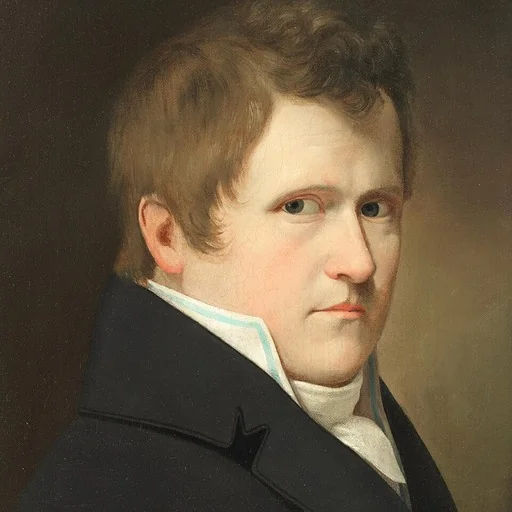
Christoffer Wilhelm Eckersberg
Christoffer Wilhelm Eckersberg (2 January 1783 – 22 July 1853) was a Danish painter.

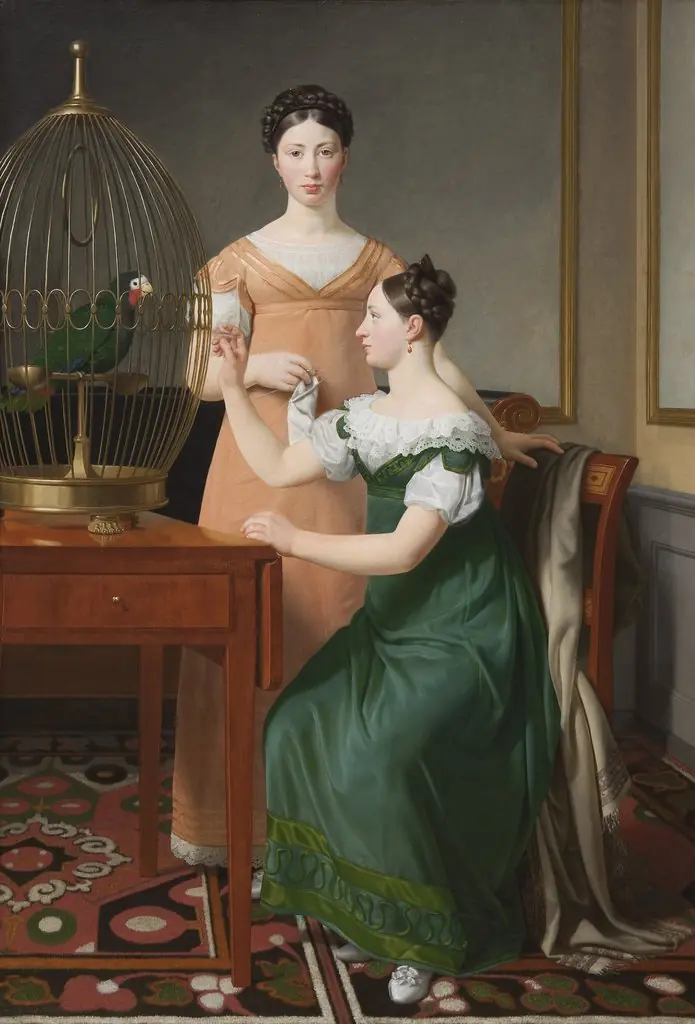 Bella and Hanna. The Eldest Daughters of M. L. Nathanson
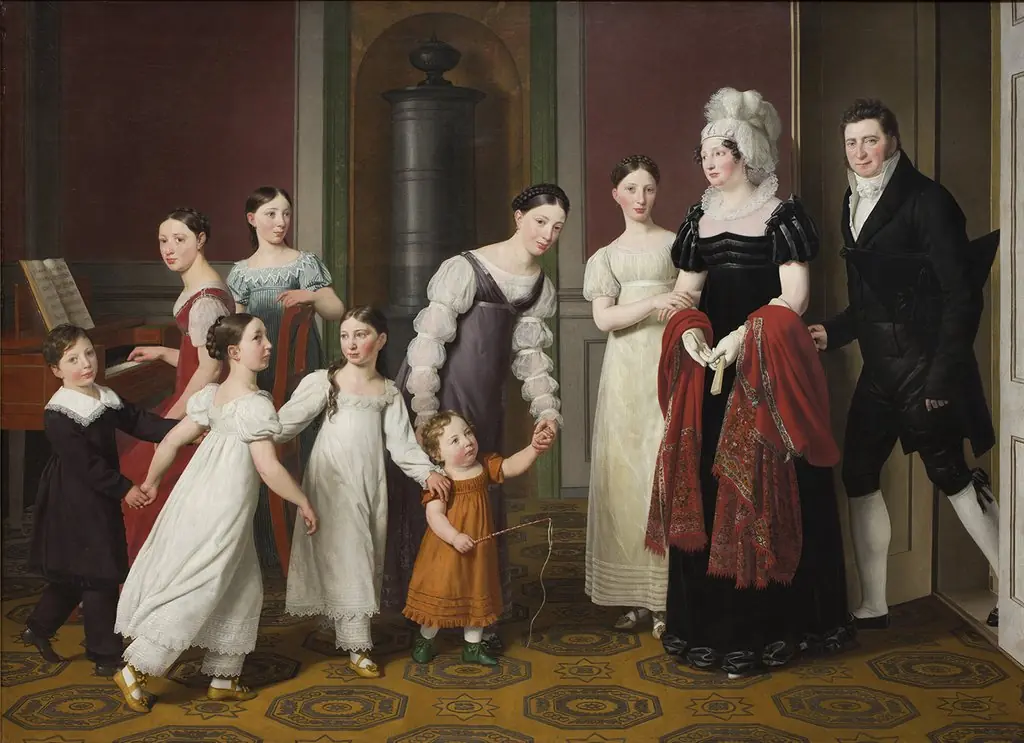 Familien Nathanson
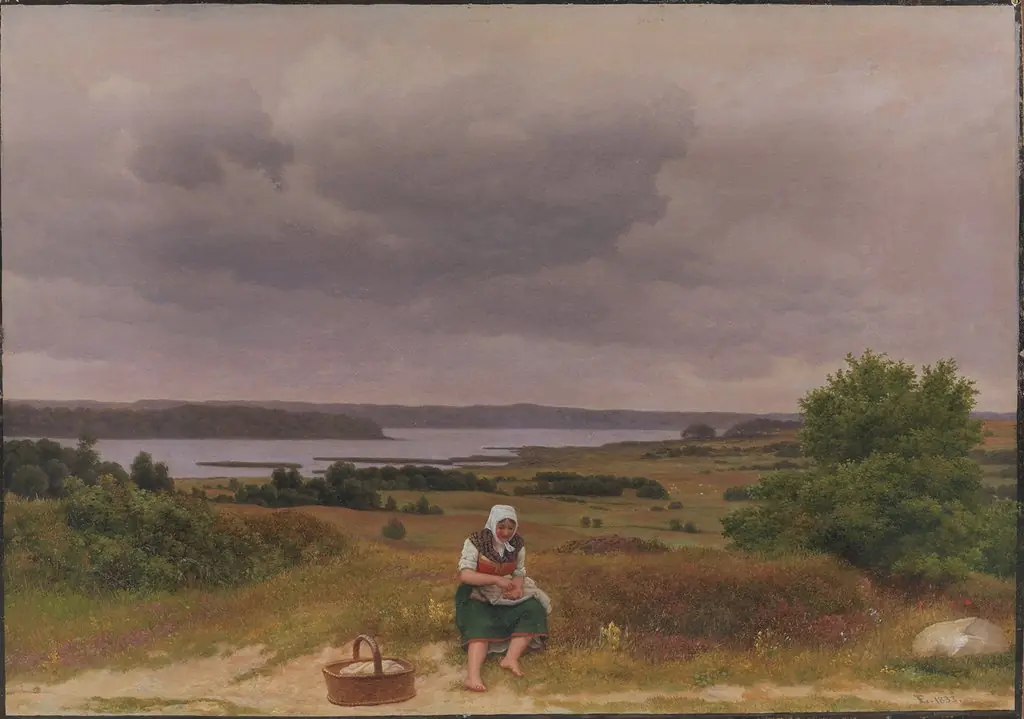 View of Lake Fure near Rudersdal, North Sealand.
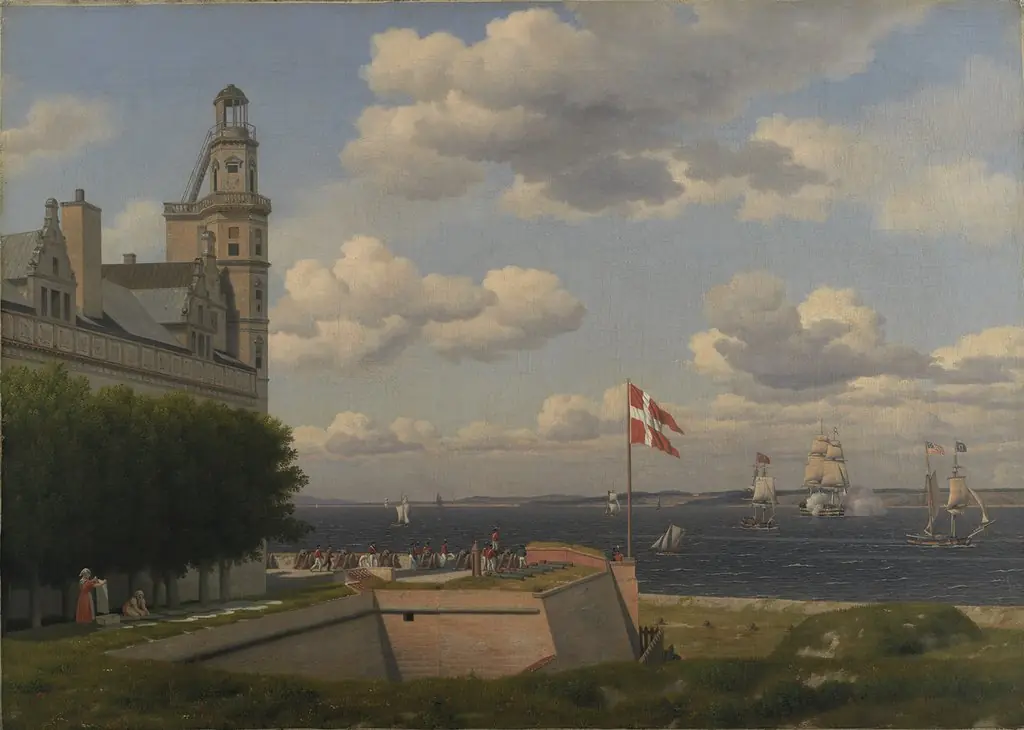 A View towards the Swedish Coast from the Ramparts of Kronborg Castle
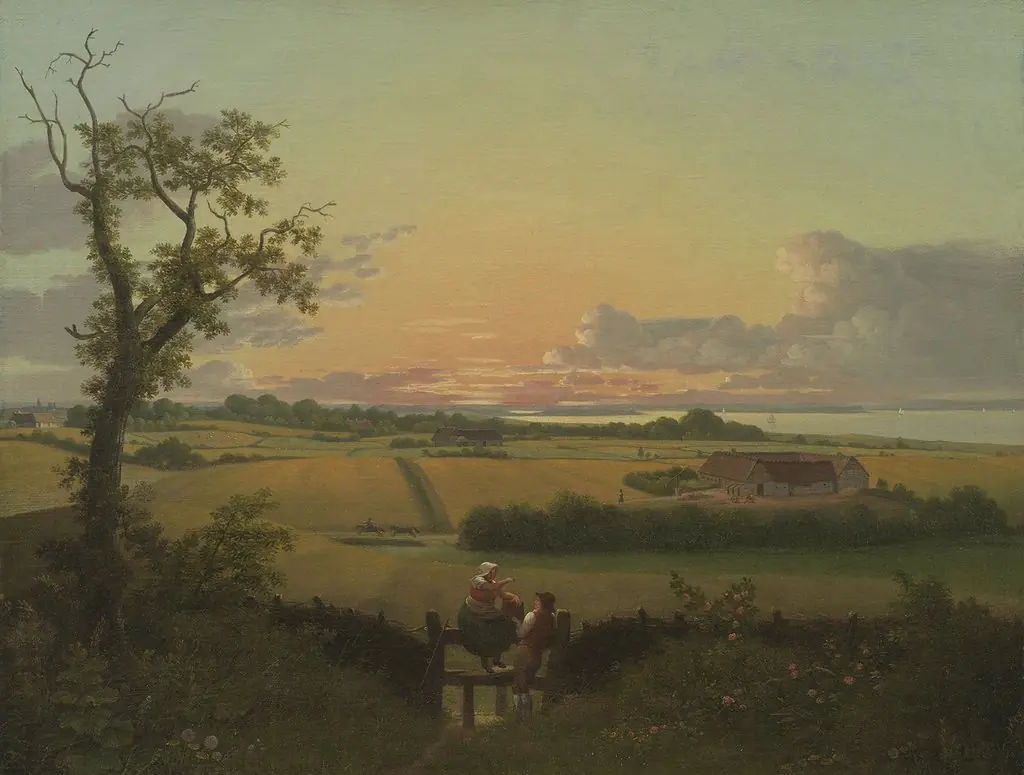 Landscape with a Stile. The Isle of Møn
 Renbjærg Tileworks by Flensburg Fiord
 View of the Cloaca Maxima, Rome
 Street Scene in Windy and Rainy Weather
 A Section of the Via Sacra, Rome (The Church of Saints Cosmas and Damian)
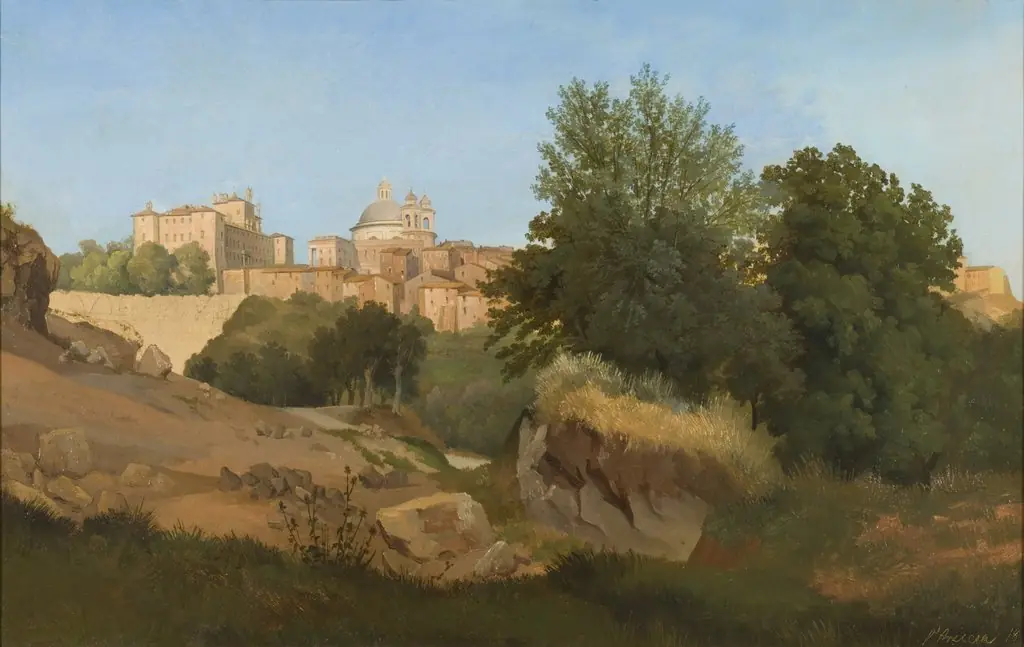 View of Ariccia
 View of Rome
 Monte Pincio, Rome
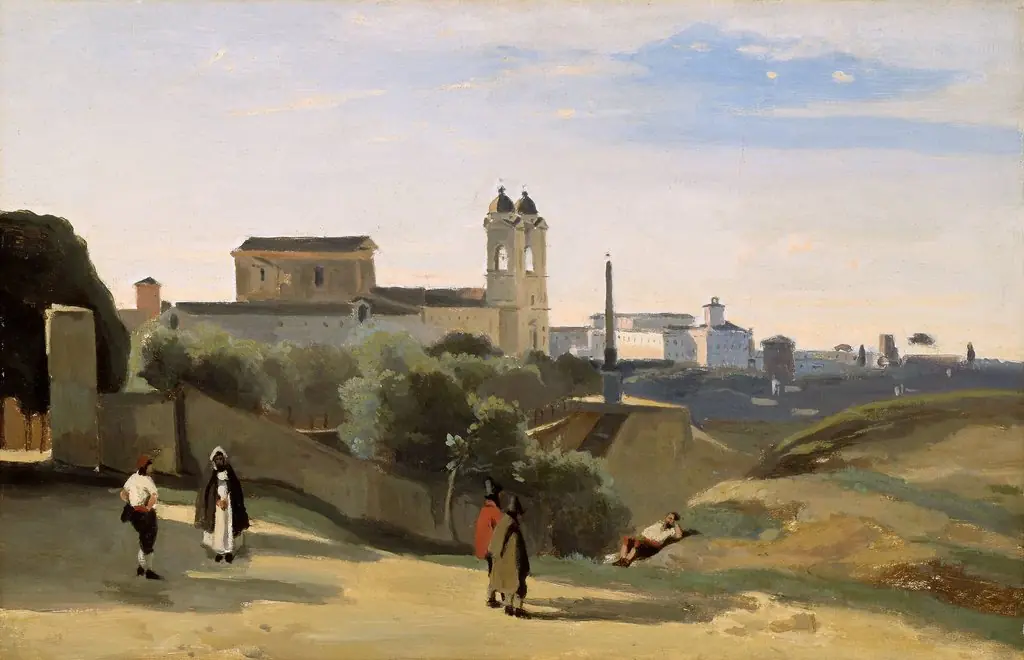 Monte Pincio, Rome
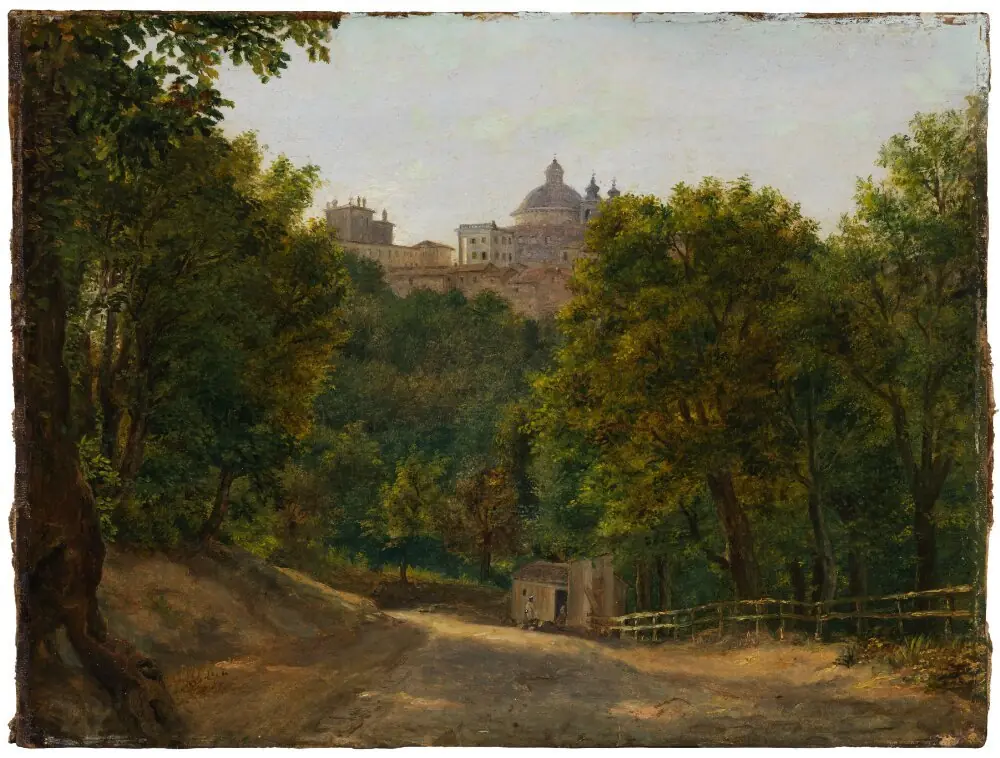 Landscape with Santa Maria Assunta in Ariccia
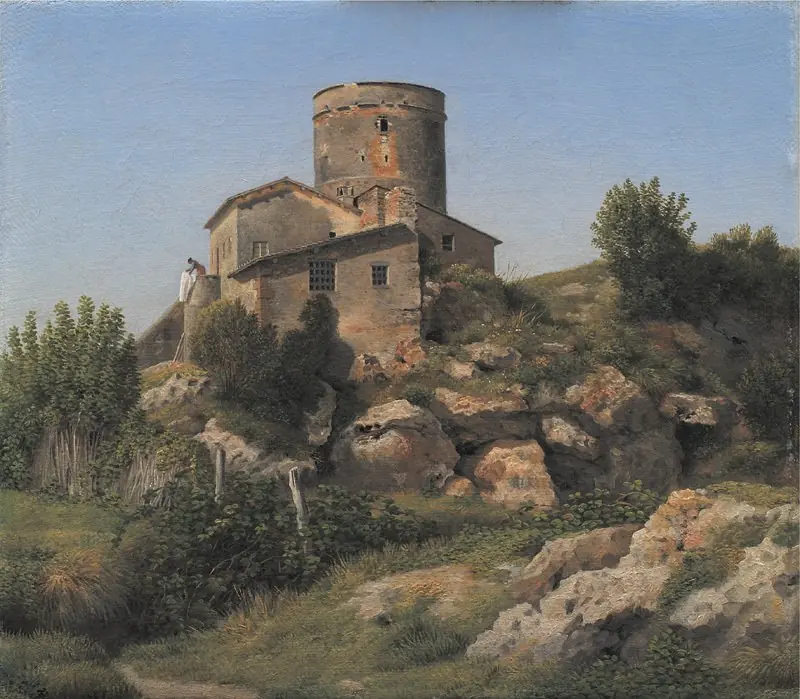 A Building near Tor di Quinto outside Rome
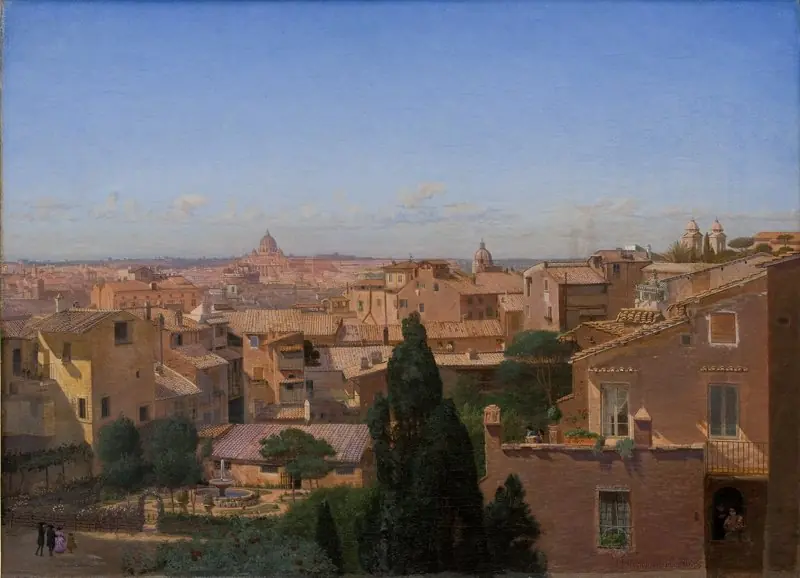 A View of Rome Seen from the Artist's Dwelling
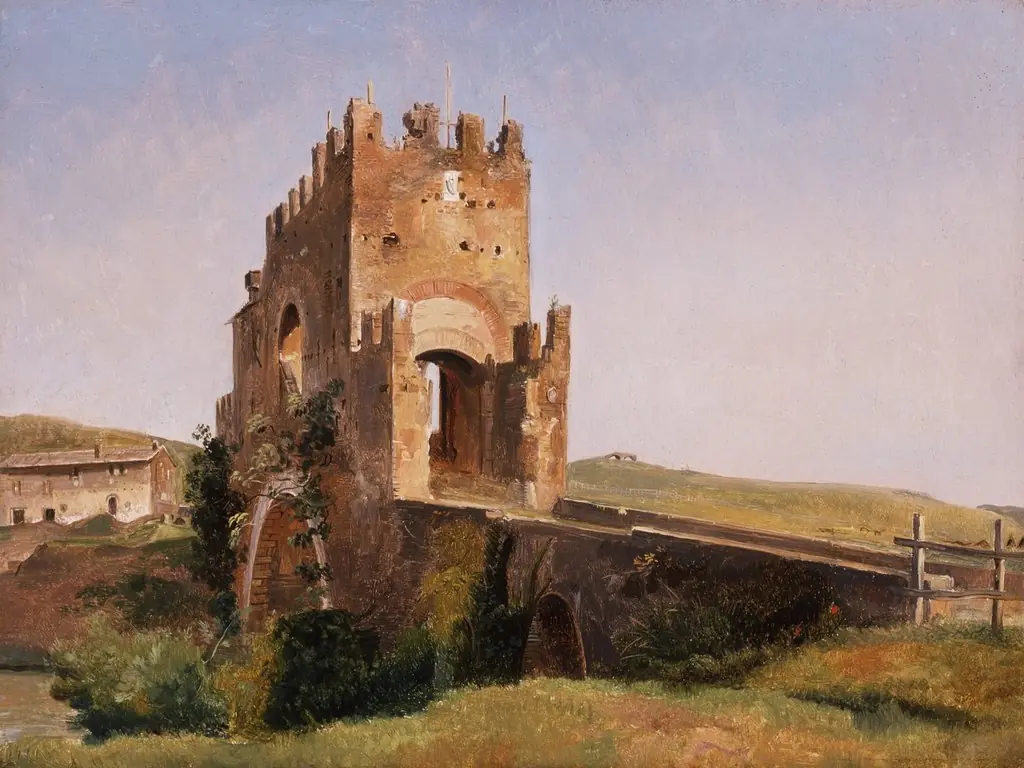 View of the Ponte Nomentano (Roman Campagna)
 S. Agnese fuori le mura, Rome