Artwork
View of Rome
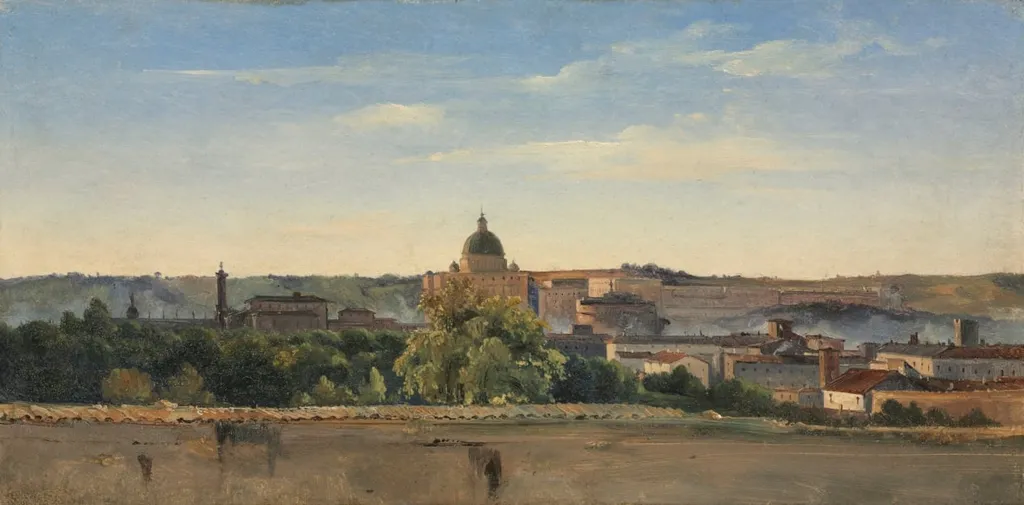
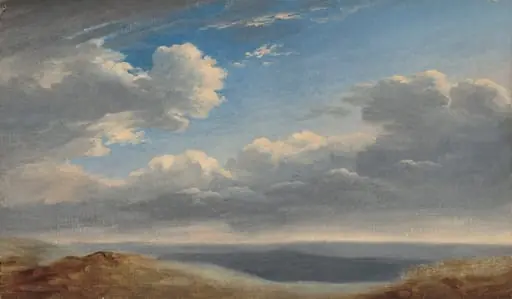
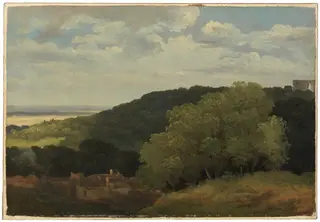
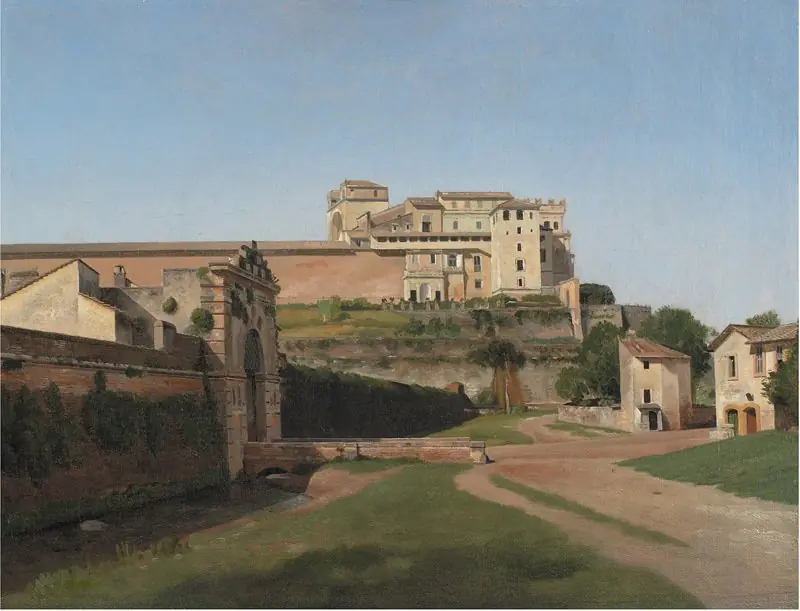
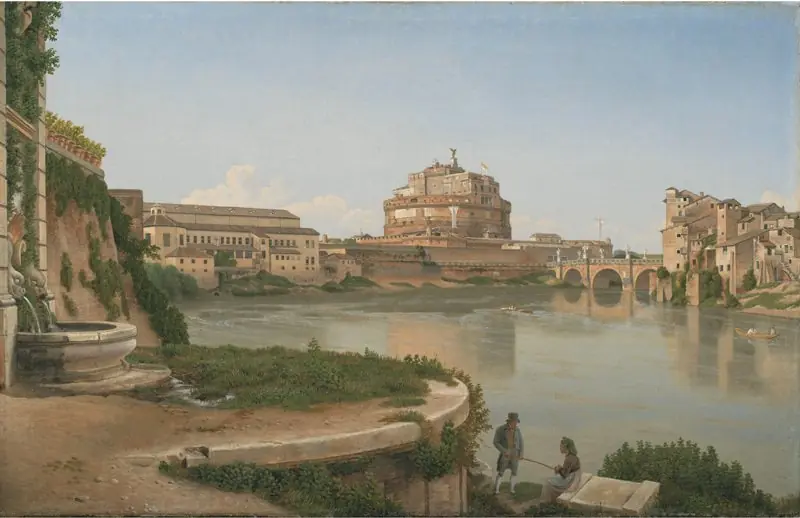
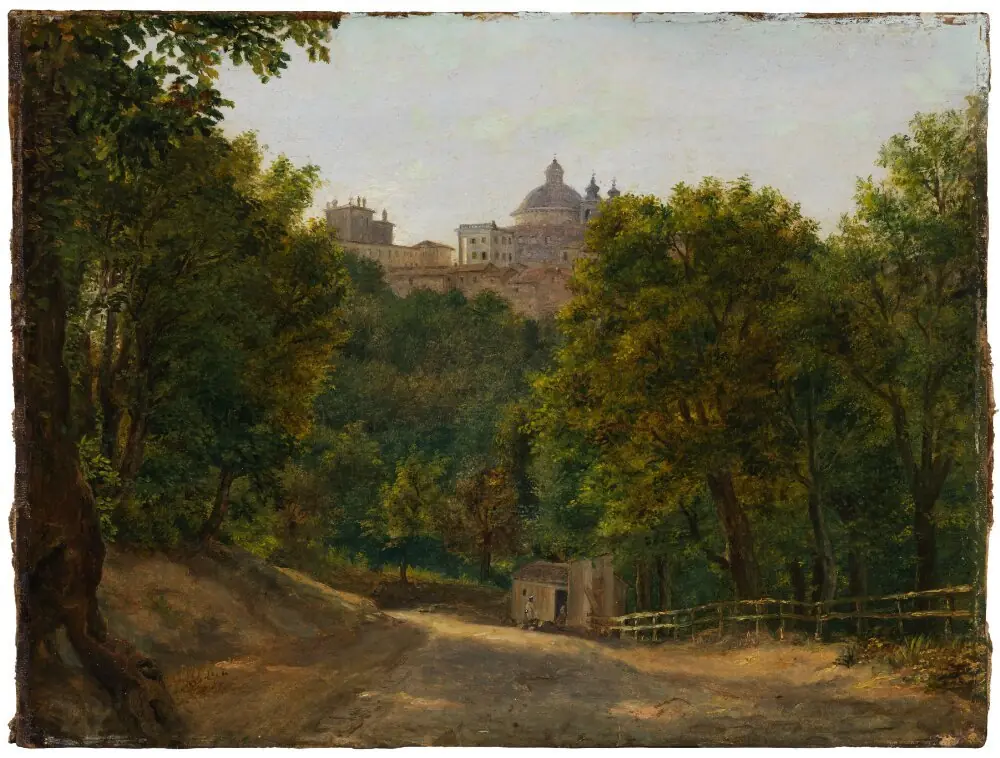
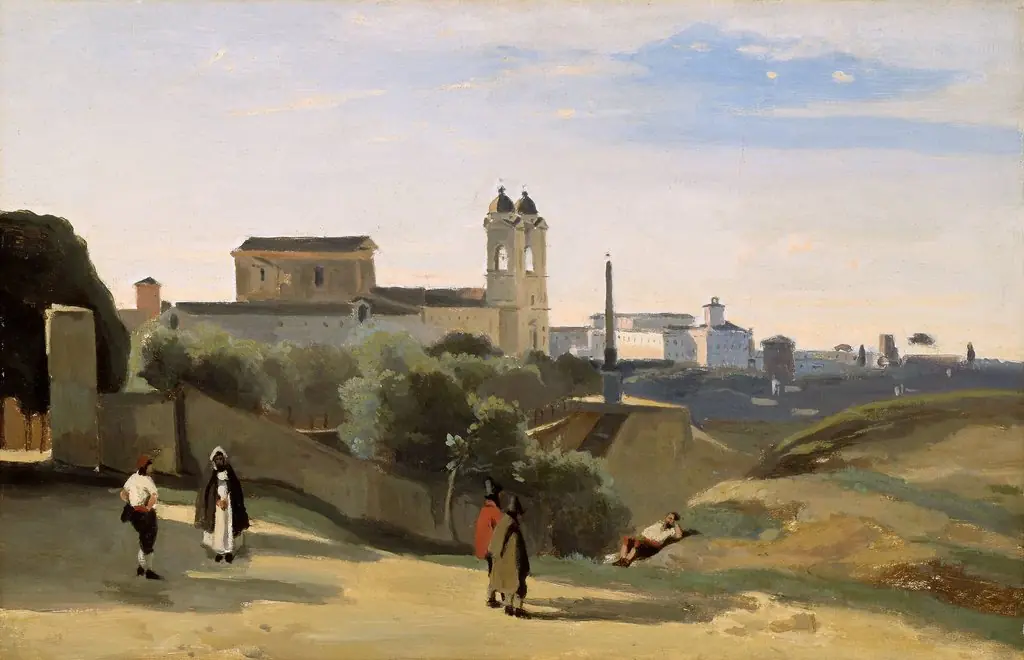
View of Rome is an unspecified painting by the Plein Air artist Pierre Henri de Valenciennes. It dates from 1783 and is held in the collection of the Cleveland Museum of Art. Painted between 1777 and 1785 during the artist’s time in Rome, this oil sketch captures a quiet urban vista with St.
- Accession no.
- 1970.55
- Credit line
- Purchase from the J. H. Wade Fund
About this work
Overview
Executed en plein air, the work reflects a direct engagement with the city’s ambient conditions, prioritizing transient effects of light over detailed finish.
Painted between 1777 and 1785 during the artist’s time in Rome, this oil sketch captures a quiet urban vista with St. Peter’s Basilica rising on the horizon. Executed en plein air, the work reflects a direct engagement with the city’s ambient conditions, prioritizing transient effects of light over detailed finish. Its unpolished surface and loose handling distinguish it as a study rather than a formal composition.
Subject & Meaning
The scene presents a modest, unidealized stretch of Rome’s outskirts, with the distant dome of St. Peter’s serving as a quiet anchor rather than a focal monument. No figures or activity intrude, emphasizing stillness and solitude. The subject is less about landmark identification than about the experience of being present in the city’s atmosphere at a particular moment.
Technique & Style
Brushwork is rapid and varied, with thin washes of pigment suggesting sky and distant architecture, while thicker strokes define foreground textures. The palette is restrained, dominated by earth tones and pale blues, calibrated to reflect natural daylight. The absence of fine detail and the emphasis on atmospheric gradation reveal a commitment to optical truth over narrative or decorative intent.
History & Provenance
Created during the artist’s extended stay in Rome, the painting likely served as a personal record of his observations. It entered the Cleveland Museum of Art’s collection in the 20th century, where it is preserved as an example of 18th-century outdoor sketching practices. No significant alterations or later additions are documented.
Context
In the late 18th century, artists increasingly turned to direct observation to capture the sensory qualities of place, moving away from idealized classical landscapes. This work aligns with a broader trend among travelers and landscape painters who valued immediacy and sensory authenticity, particularly in Rome, a hub for artistic study and experimentation.
Legacy
Though not widely exhibited, the painting exemplifies a shift in artistic priorities toward empirical observation and ephemeral effects. It contributes to the understanding of how artists of the period used small-scale outdoor studies to inform larger studio works, preserving the fleeting qualities of light and space through direct engagement with the environment.
Artist & collection

Artist
Pierre-Henri de Valenciennes (6 December 1750 – 16 February 1819) was a French painter. A neoclassicist artist, he was influential in elevating the status of En plein air (open-air painting).