Artwork
Villa Albani seen from the Garden. Rome
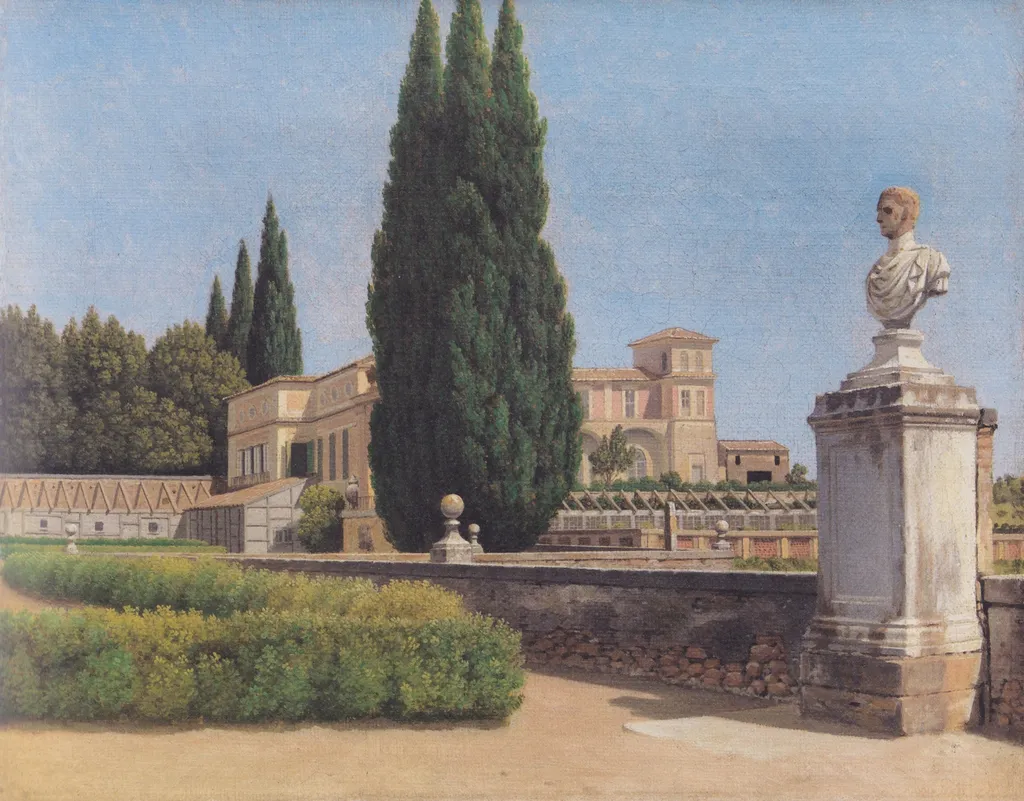
Villa Albani seen from the Garden. Rome is an oil painting by Christoffer Wilhelm Eckersberg. It dates from 1813 and is held in the collection of the Statens Museum for Kunst.
About this work
Overview
Painted in 1813 by Danish artist Christoffer Wilhelm Eckersberg, this oil on canvas depicts a view of the Villa Albani in Rome as seen from its garden. The work is a measured observation of architecture and landscape, reflecting the artist’s time in Italy during his studies. It belongs to the cityscape tradition and is held in the collection of Statens Museum for Kunst in Copenhagen.
Subject & Meaning
The painting presents the Villa Albani, a neoclassical villa known for its antiquities collection, framed by formal garden elements.
The painting presents the Villa Albani, a neoclassical villa known for its antiquities collection, framed by formal garden elements. A cypress tree rises beside the structure, while a statue on a pedestal and a low stone wall with shrubs define the foreground. The path leading toward the villa suggests quiet movement, evoking contemplation rather than narrative. The scene reflects an 18th-century ideal of ordered nature and classical harmony.
Technique & Style
Eckersberg employs precise brushwork and subtle tonal gradations to render architectural detail and natural forms. Light falls evenly across the composition, enhancing spatial depth without dramatic contrast. The careful rendering of foliage, stone, and shadow reveals his training in observational accuracy, influenced by Danish and Italian academic traditions. The palette is restrained, favoring earth tones and muted greens to sustain a serene atmosphere.
History & Provenance
Eckersberg painted this work during his stay in Rome as a scholarship recipient from the Danish Academy. He produced numerous studies of Roman architecture and gardens between 1810 and 1813, many of which informed his later Danish landscapes. The painting entered the collection of Statens Museum for Kunst in the 19th century, where it remains as part of a broader group of Danish works from the Grand Tour period.
Context
In early 19th-century Europe, Roman ruins and villas were central to artistic education. Danish artists like Eckersberg traveled to Italy to study classical forms and light. This painting aligns with a broader trend of topographical accuracy in landscape painting, where architecture and garden design were recorded as cultural artifacts.
The Villa Albani itself was a hub for antiquarians and artists drawn to its collection of ancient sculpture.
Legacy
Eckersberg’s Roman views, including this one, helped establish a Danish tradition of disciplined landscape painting. His focus on structure, light, and quiet observation influenced generations of Nordic artists. While not widely exhibited outside Denmark, this work remains a key example of how Northern European painters engaged with classical Italy, not through idealization, but through attentive documentation.
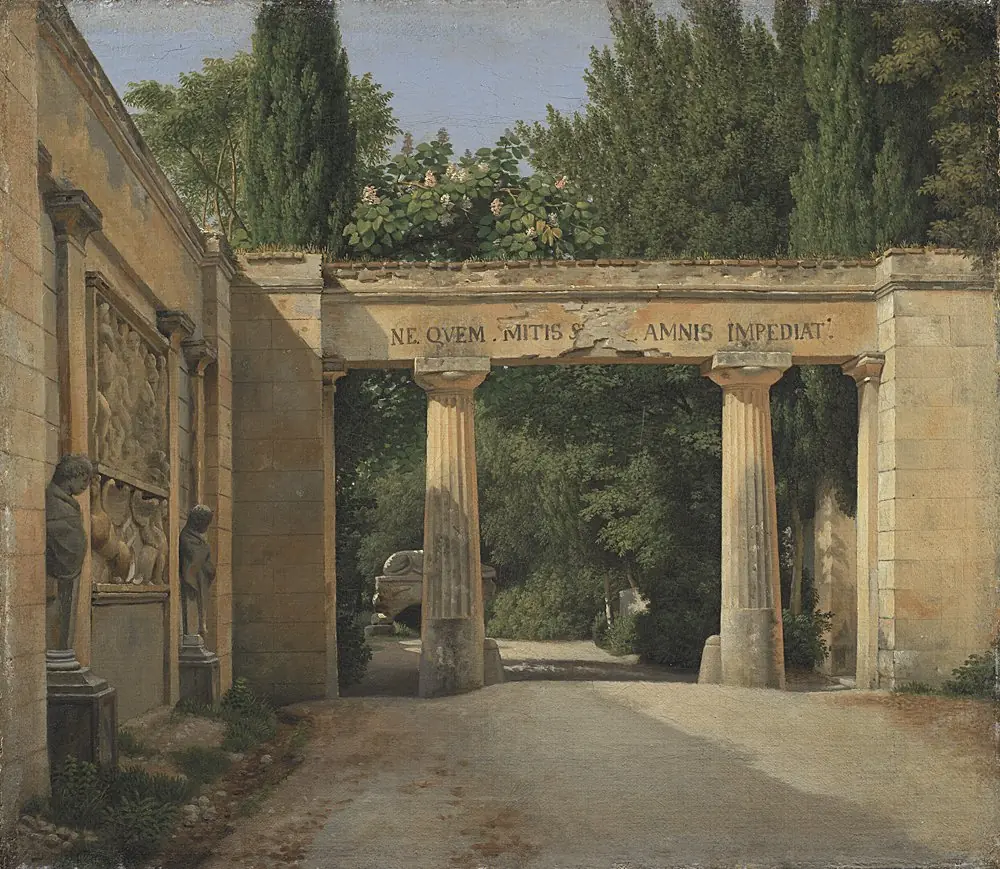
Own this work as a print
Artist & collection
Artist
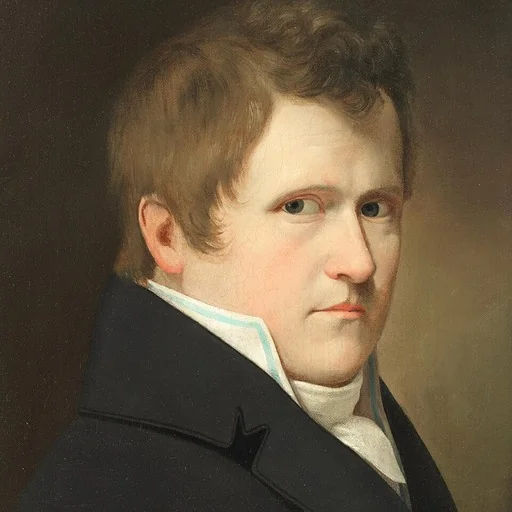
Christoffer Wilhelm Eckersberg
Christoffer Wilhelm Eckersberg (2 January 1783 – 22 July 1853) was a Danish painter.

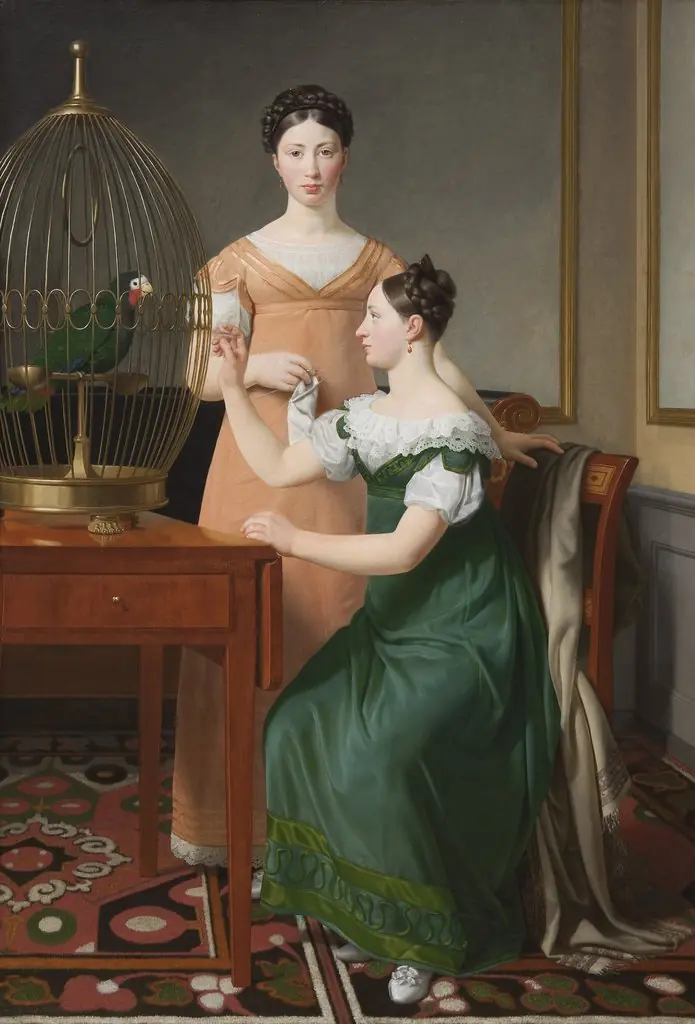 Bella and Hanna. The Eldest Daughters of M. L. Nathanson
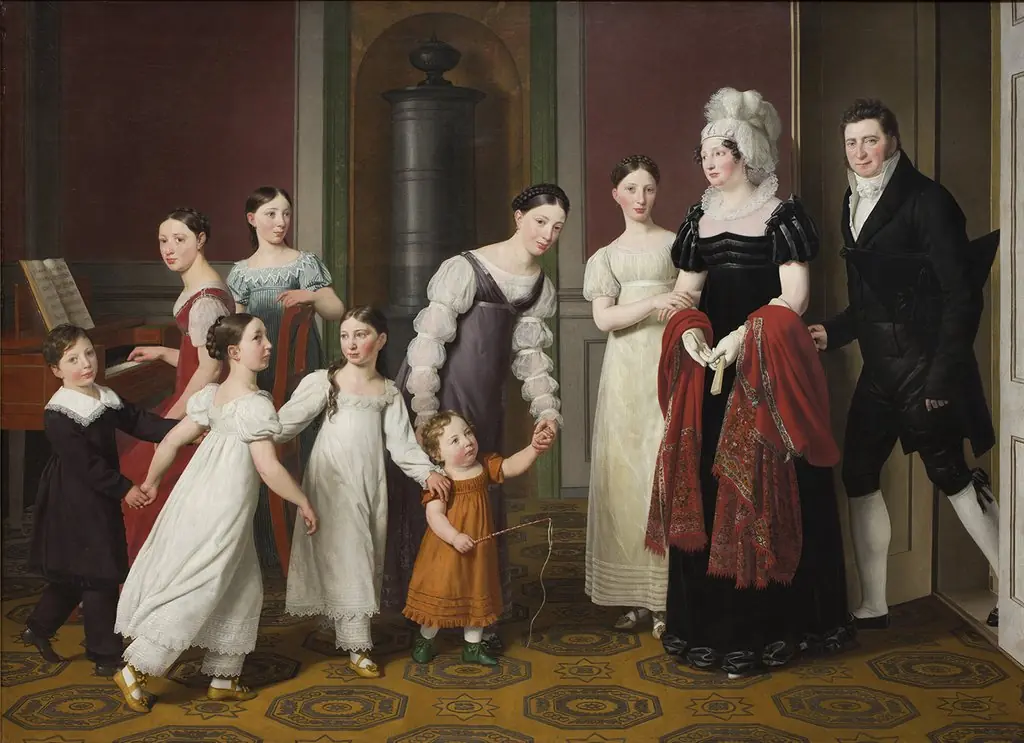 Familien Nathanson
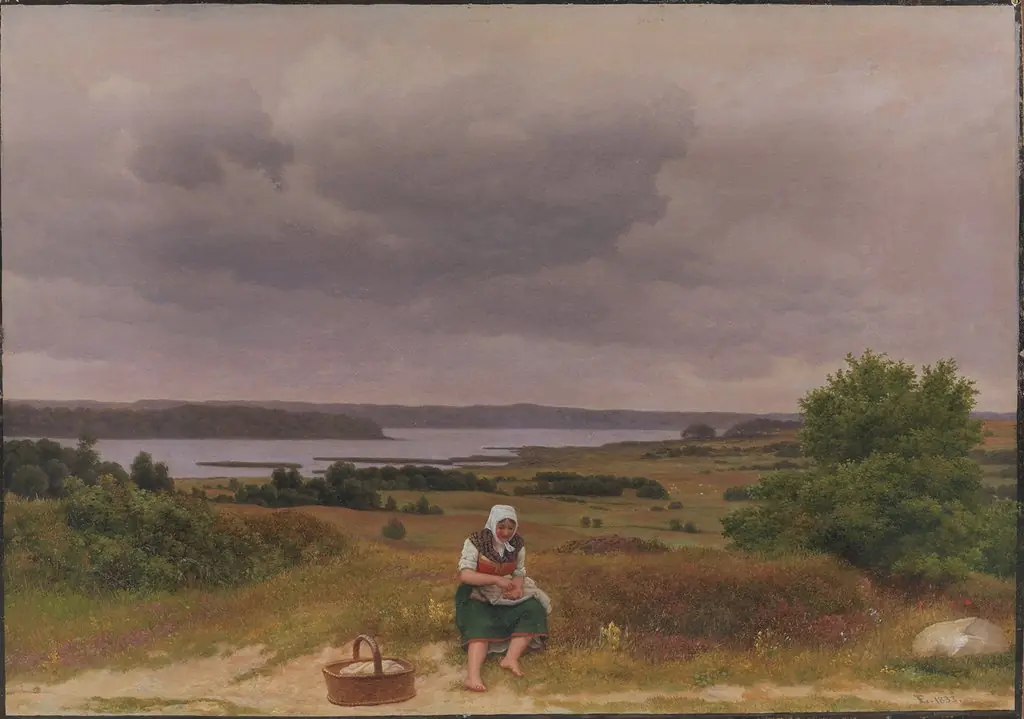 View of Lake Fure near Rudersdal, North Sealand.
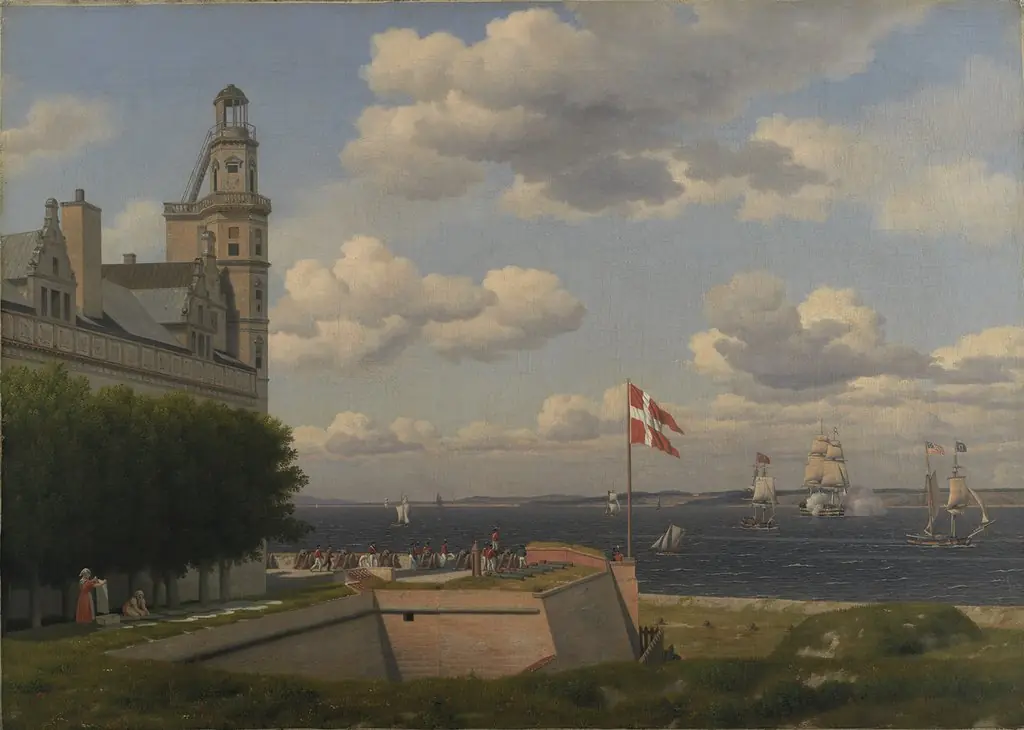 A View towards the Swedish Coast from the Ramparts of Kronborg Castle
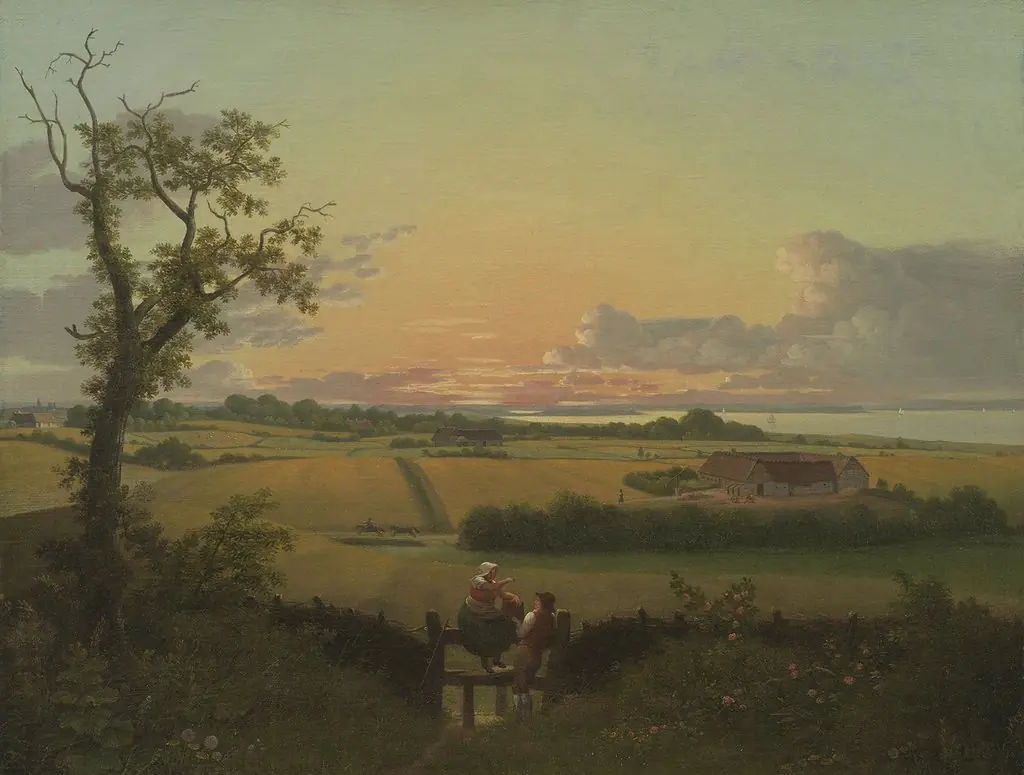 Landscape with a Stile. The Isle of Møn
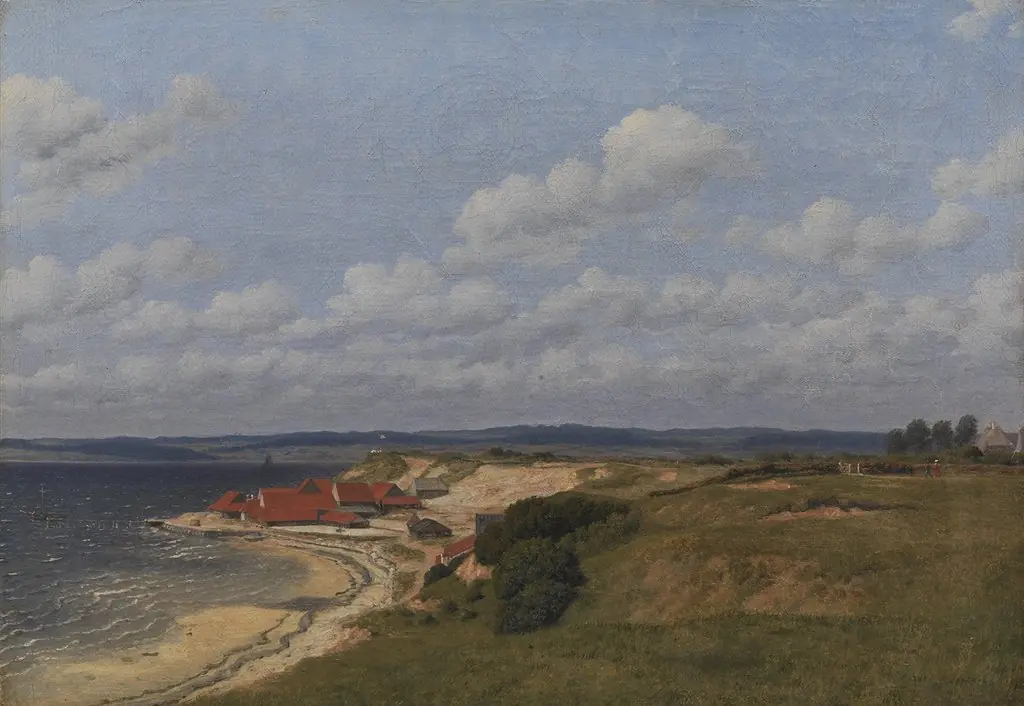 Renbjærg Tileworks by Flensburg Fiord
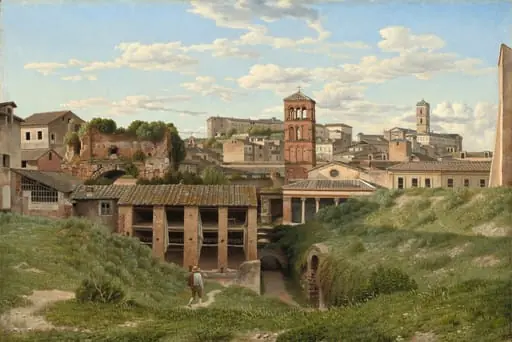 View of the Cloaca Maxima, Rome
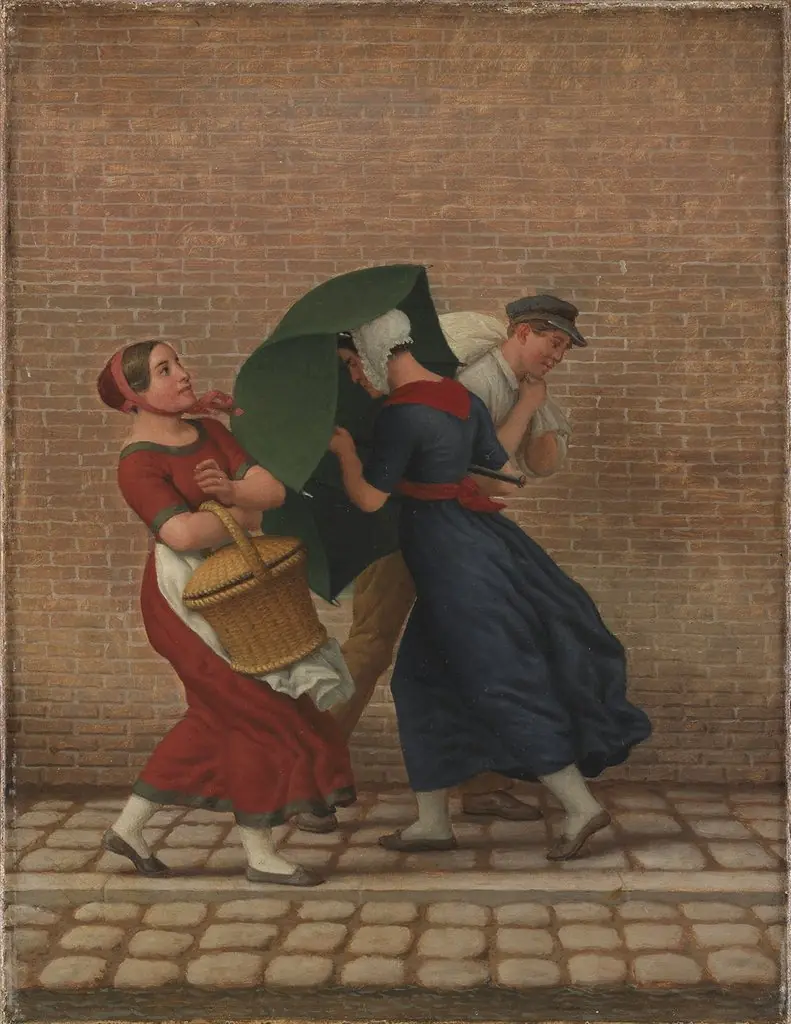 Street Scene in Windy and Rainy Weather
- View of the Garden of the Villa Borghese in Rome
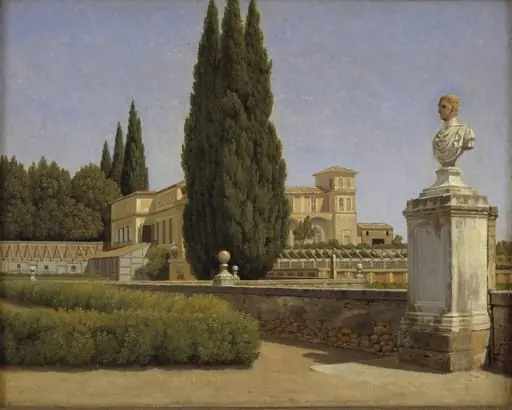 View of the Gardens of the Villa Albani. Rome
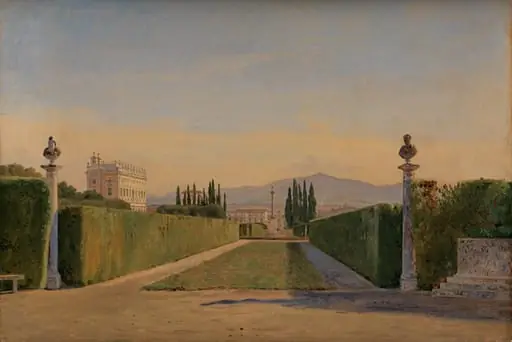 In the Gardens of the Villa Albani, Rome
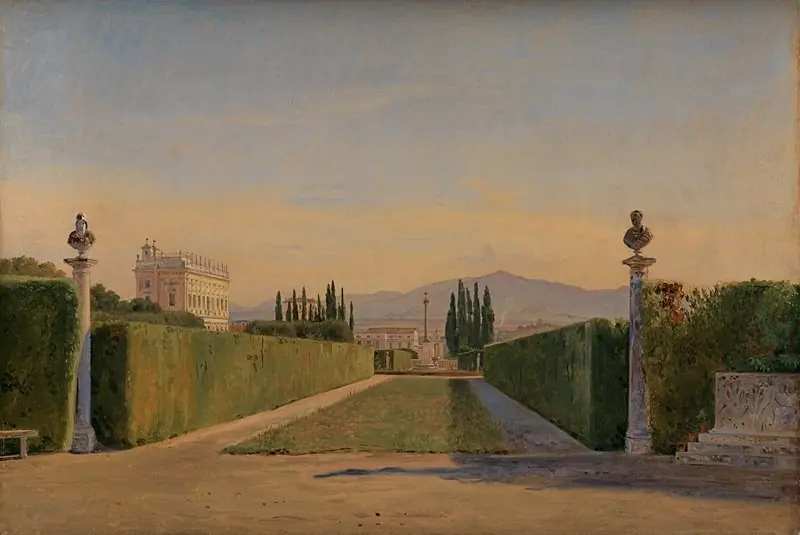 In the Gardens of the Villa Albani, Rome
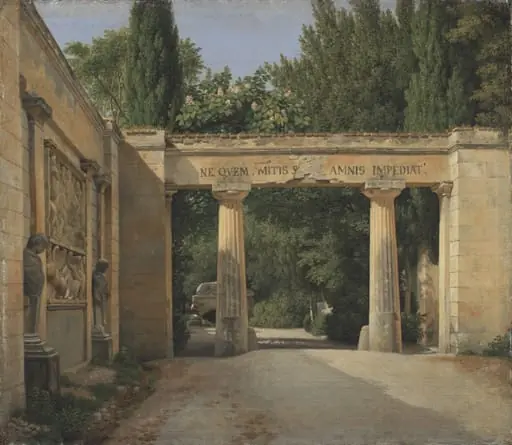 View of the Garden of the Villa Borghese in Rome
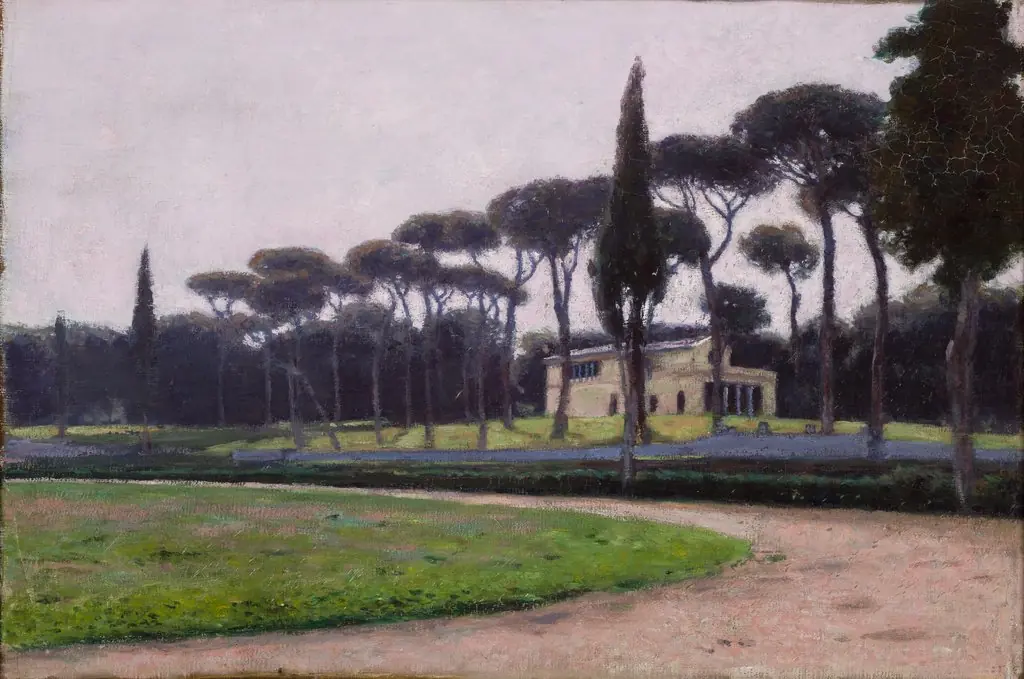 Villa Borghese in Rome
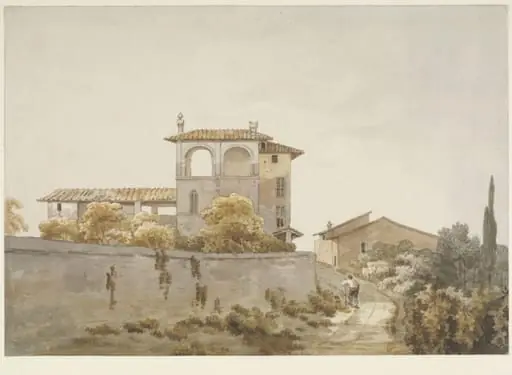 Italian villa
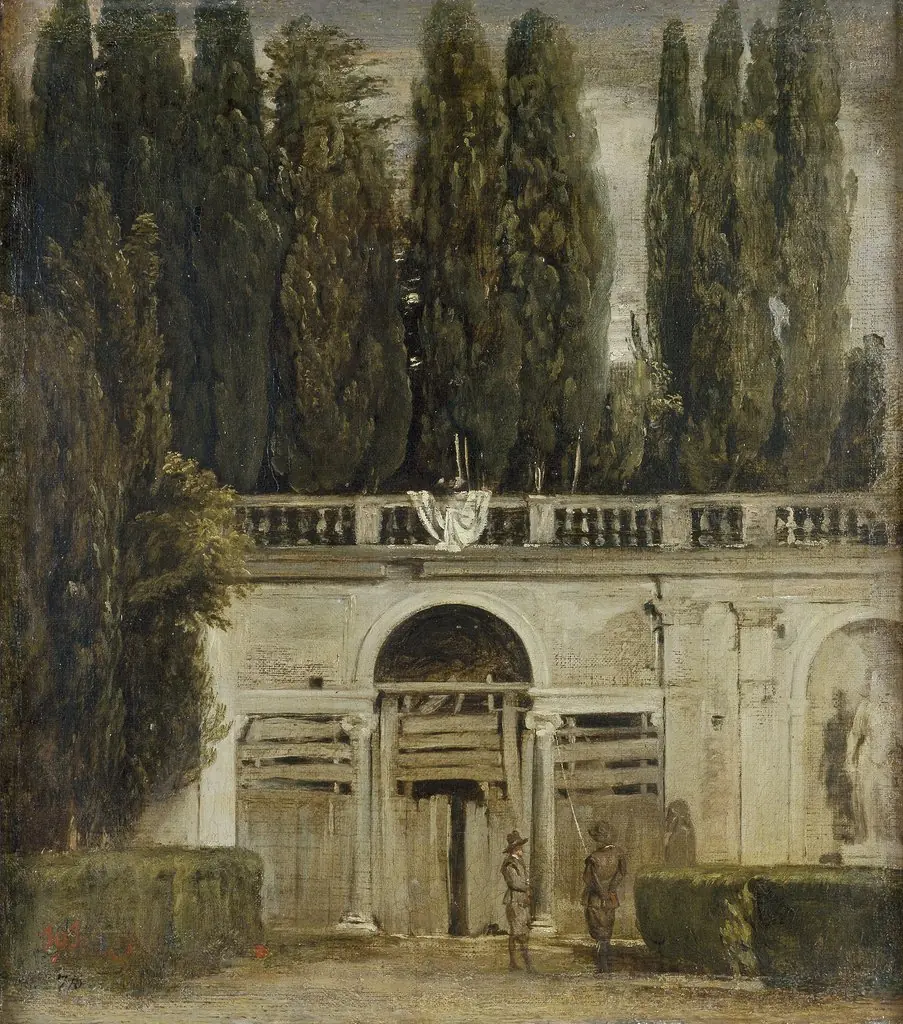 View of the Garden of the Villa Medici
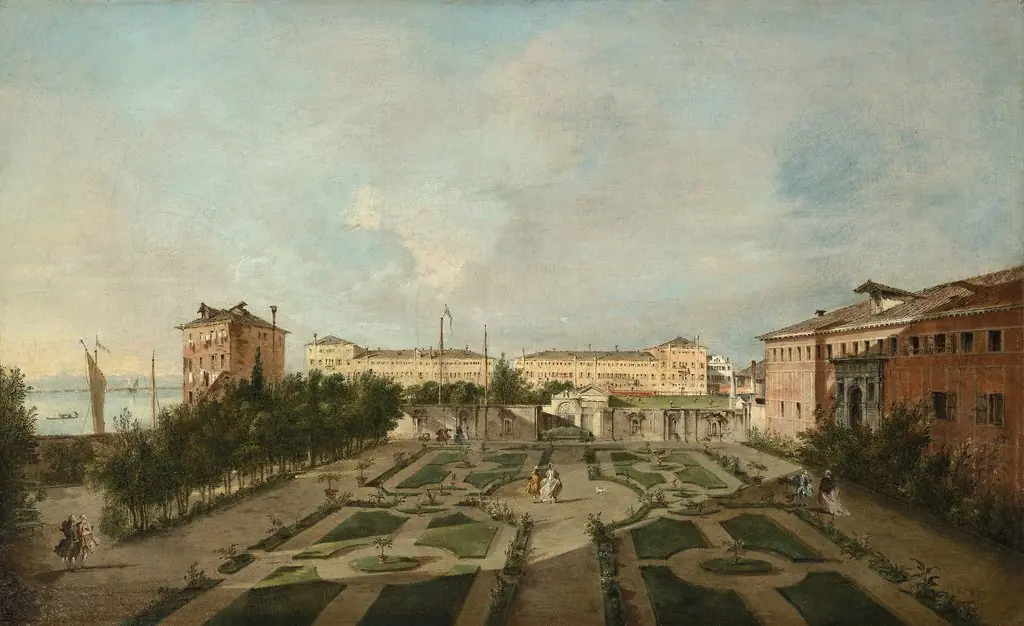 The Garden of Palazzo Contarini dal Zaffo