Artwork
View of the Garden of the Villa Medici
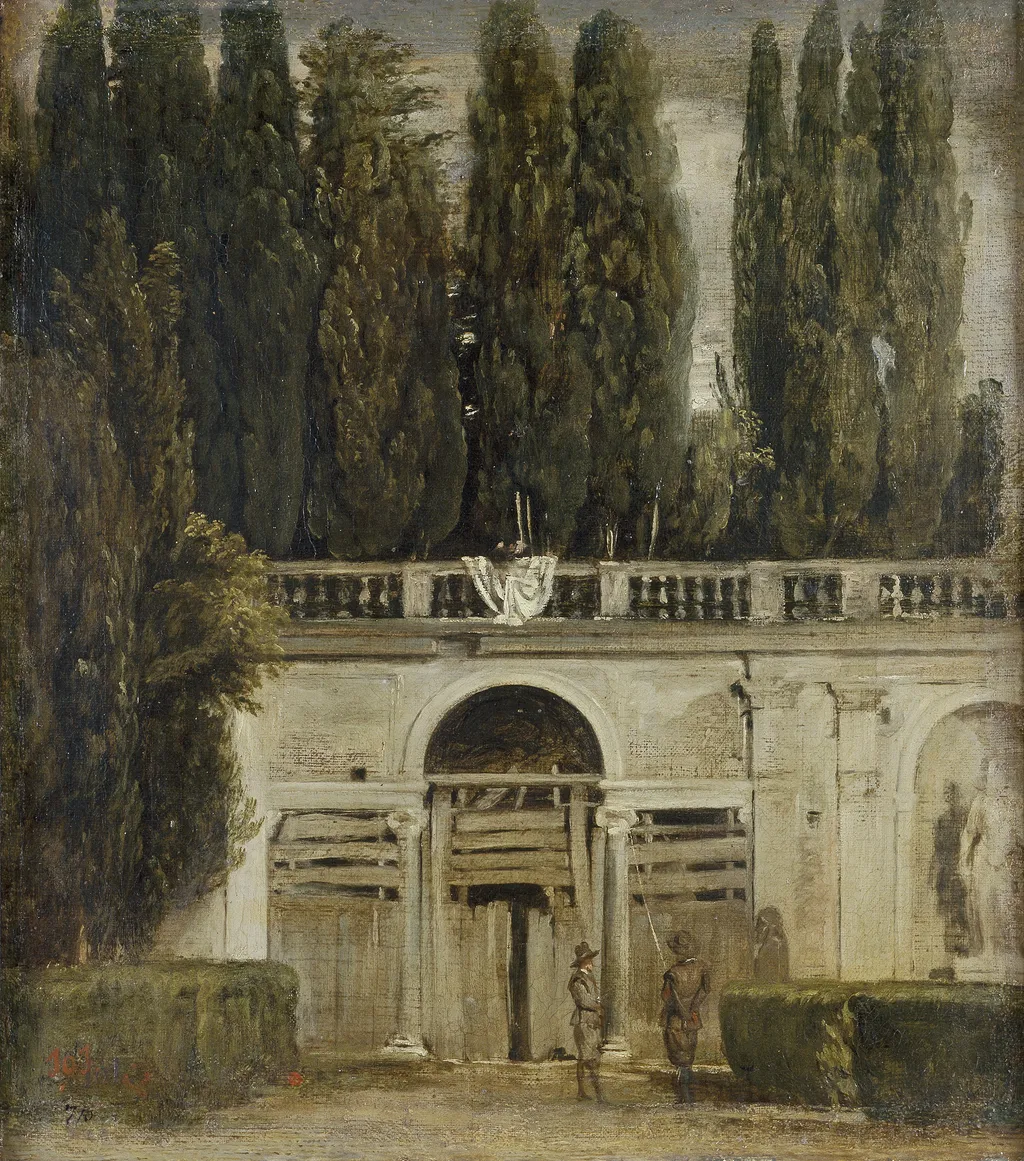
View of the Garden of the Villa Medici is an oil painting by the Early Baroque Italian artist Diego Velázquez. It dates from 1630 and is held in the collection of the Museo del Prado.
About this work
Subject & Meaning
This approach challenges the notion that painters must prioritize architectural theory over direct observation.
The work depicts a quiet, atmospheric scene of the Villa Medici gardens in Rome, focusing on architectural elements and natural light rather than narrative or mythological themes typical of the era. The composition features a Serlio portal, boarded up for repairs, leading to a dark grotto, with figures conversing nearby who appear secondary to the architecture. Unlike contemporaries such as Poussin or Claude, Velázquez avoids a clear storyline or symbolic message, instead emphasizing the momentary experience of real life through the interplay of light and shadow.
This approach challenges the notion that painters must prioritize architectural theory over direct observation. The painting represents a significant departure from the hierarchy of genres by treating the landscape itself as the primary subject, executed en plein air to capture the specific conditions of the site during a period of restoration.
Technique & Style
Executed in oil on canvas, this work measures approximately 48.5 by 43 centimeters. Technical analysis reveals the application of oil paint over a brown primer layer, a method characteristic of Velázquez's early Italian period. The artist employed an innovative en plein air technique, painting directly outdoors to capture natural light and atmosphere rather than relying on studio sketches.
This approach involved a loose, sketch-like handling where forms are suggested through light brushstrokes and patches of color rather than meticulous detail. The composition prioritizes the interplay of light and shadow over narrative content, depicting architectural elements and figures with a rapid, almost impressionistic touch that distinguishes it from the more rigid classical landscapes of contemporaries like Poussin.
History & Provenance
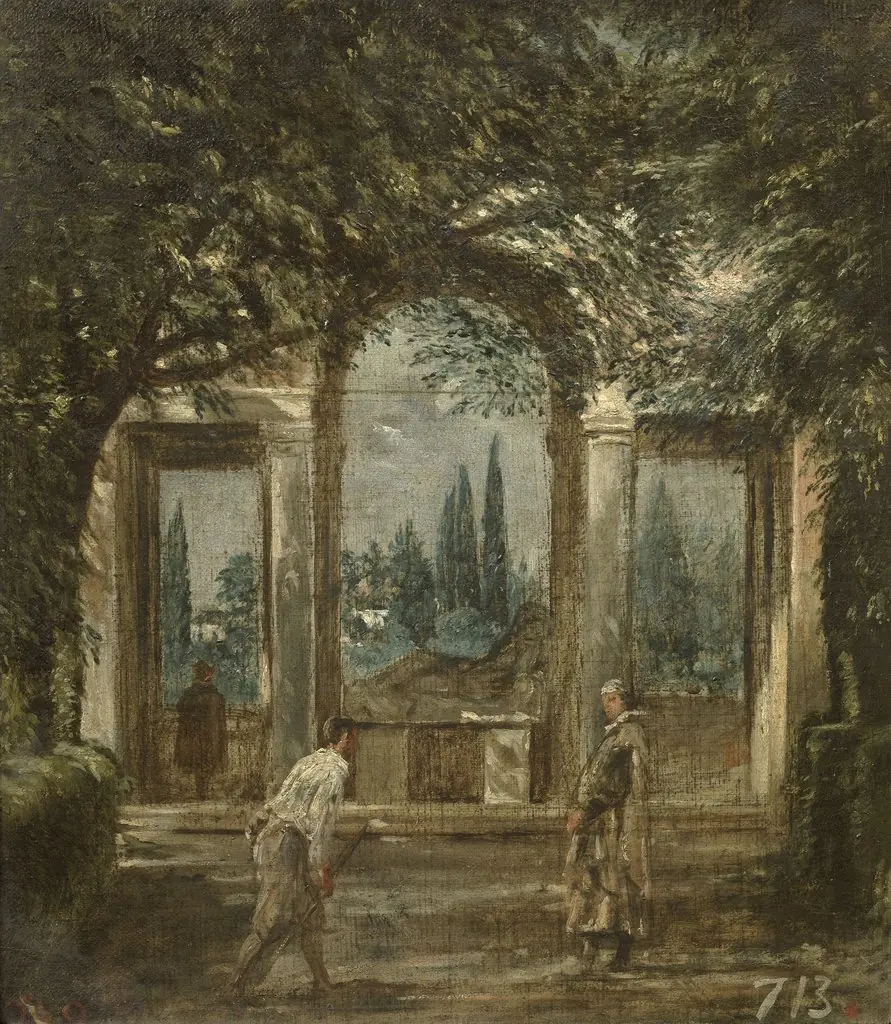
The painting is held by the Museo del Prado in Madrid, where it has been housed since 1819. It was formerly owned by Ferdinand VII of Spain. The work's documented provenance traces back to 1666, when it was inventoried at the Alcázar de Madrid alongside its pendant, the Pavilion of Ariadne.
It may be among four small landscapes acquired from Velázquez in 1634 for Philip IV of Spain through Jerónimo de Villanueva. After the 1734 Alcázar fire, it was transferred to the Buen Retiro Palace, where inventories in 1789 and 1794 misattributed it to Juan Bautista Martínez del Mazo. No specific exhibition history beyond its permanent display at the Prado is documented in the sources.
Context
View of the Garden of the Villa Medici is recognized as an early plein-air oil landscape that breaks from the narrative tradition of 17th-century Roman vistas. Critics highlight its quiet realism and focus on architectural detail and natural light, traits that later influenced Impressionist practice. Scholarship places the work either during Velázquez's first Italian visit in 1630 or his second trip around 1649, with technical studies and documentary evidence pointing to the earlier date while restoration records suggest a later context.
The painting reflects the artist's longstanding interest in observing nature directly, a concern evident in his court portraits and Italian period. Its status in the Prado collection and as part of a paired series underscores its role in reshaping the hierarchy of genres in Spanish art.
Legacy
View of the Garden of the Villa Medici has secured a lasting place in art history as a pioneering example of oil painting executed en plein air. By setting up his easel outdoors to capture the Villa Medici gardens directly from observation, a practice previously limited to Dutch artists working in quick pencil, pen, or watercolor sketches, Velázquez anticipated techniques that would only become standard in 19th-century Impressionism. The painting's loose brushwork, which barely sketches the forms of the figures, and its emphasis on the interplay of light and nature over narrative content have led critics to link the work directly to the Impressionist movement.
Its originality lies in treating landscape as an autonomous subject rather than a subordinate backdrop, departing from the classical landscape tradition of Poussin and Claude Lorrain, who typically justified expansive scenery with prominent staffage figures. The work's quiet realism and atmospheric naturalism continue to shape scholarly assessments of Velázquez's technical evolution.
Overview
Diego Velázquez's View of the Garden of the Villa Medici is an oil painting capturing a serene moment within the Roman gardens. This work is one of two small canvases depicting the same location, both noted for their intimate scale and focus on atmosphere rather than grand narratives. Scholars generally attribute its creation to the artist's second journey to Italy, around 1649–1650.
Own this work as a print
Artist & collection

Artist
Diego Rodríguez de Silva y Velázquez was a Spanish Baroque painter, the leading artist in the court of King Philip IV of Spain and Portugal, and of the Spanish Golden Age.



- View of the Garden of the Villa Medici
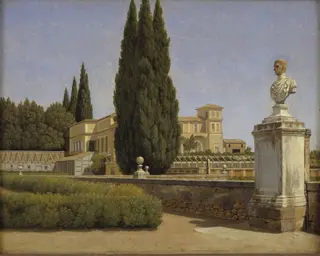 View of the Gardens of the Villa Albani. Rome
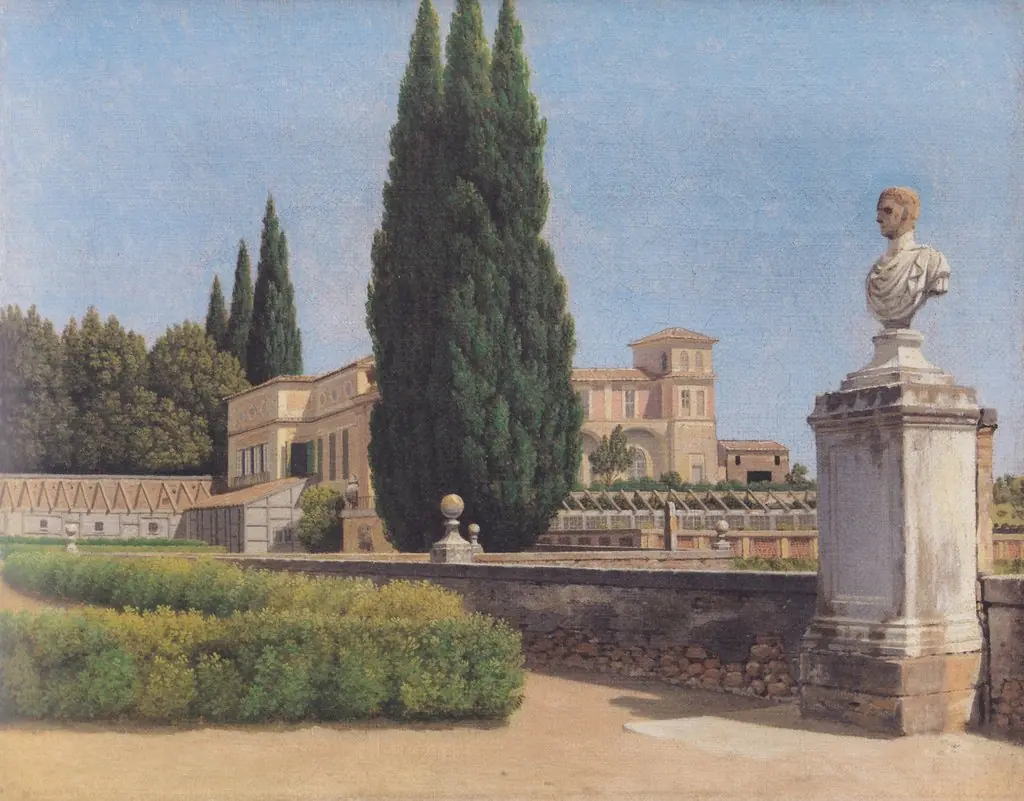 Villa Albani seen from the Garden. Rome
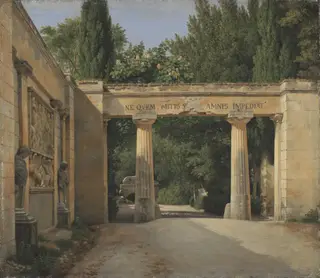 View of the Garden of the Villa Borghese in Rome
 View on the Grounds of a Villa near Florence
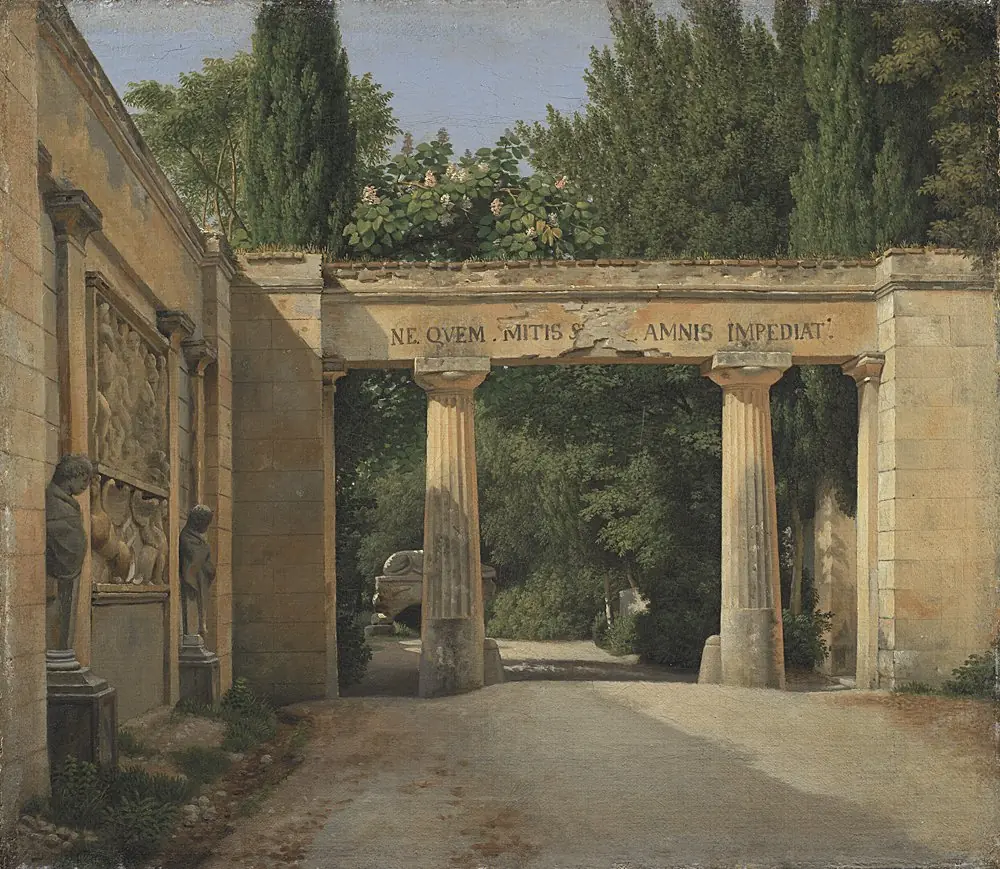 View of the Garden of the Villa Borghese in Rome
 In the Gardens of the Villa Albani, Rome
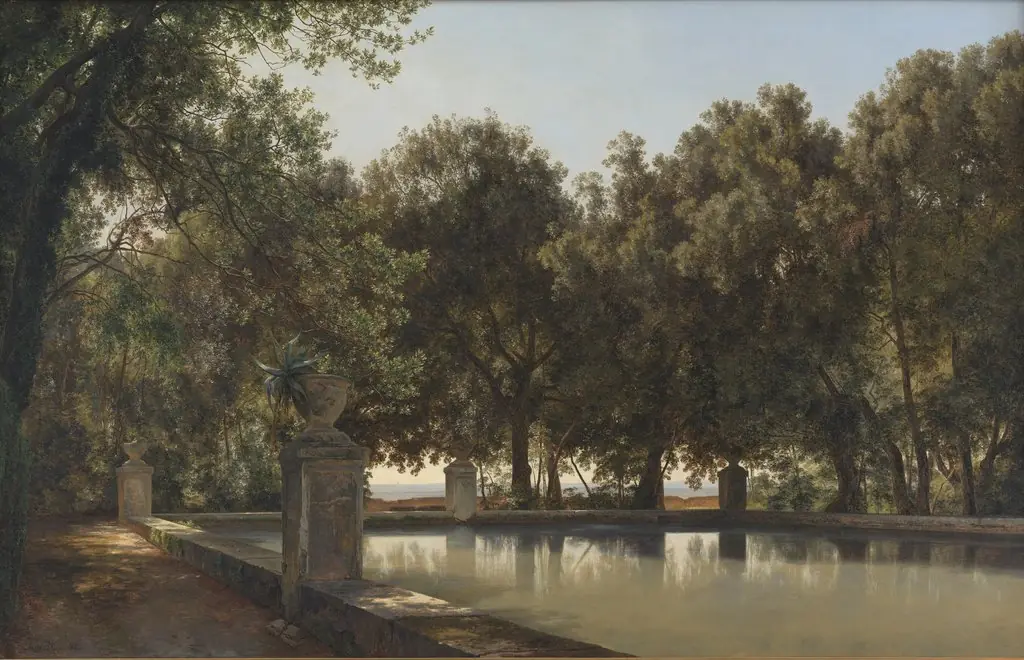 The Gardens of the Villa d'Este, Tivoli
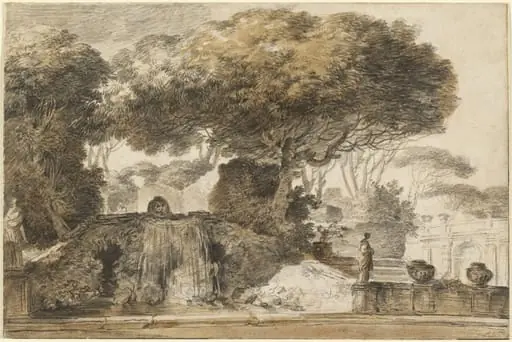 Park of an Italian Villa