Artwork
Portrait of a man in a black wig
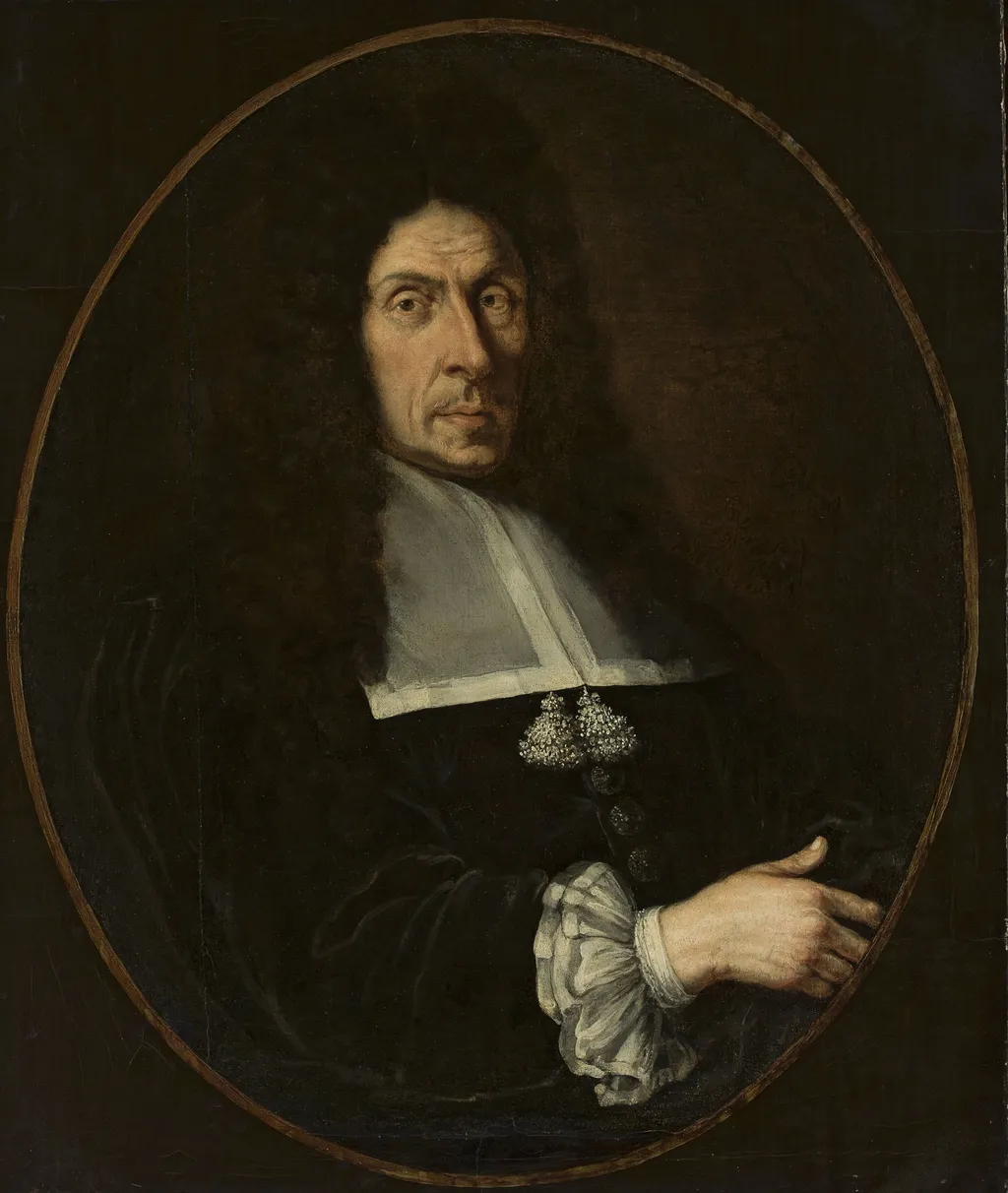
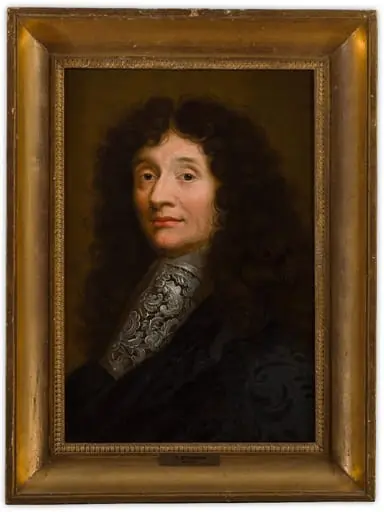
Portrait of a man in a black wig is an oil painting by the French Classical Baroque artist Claude Lefèbvre. It dates from 1663 and is held in the collection of the National Museum in Warsaw.
About this work
Overview
The composition centers on an unidentified male sitter who gazes directly at the viewer with a composed, serious demeanor.
Claude Lefèbvre's Portrait of a Man in a Black Wig, executed in 1663, is a half-length oil portrait characteristic of French academic portraiture during the reign of Louis XIV. The composition centers on an unidentified male sitter who gazes directly at the viewer with a composed, serious demeanor. He is depicted wearing a voluminous black wig, a fashion staple of the era, paired with a light-colored shirt featuring elaborate lace cuffs and a ruffled collar.
Lefèbvre employs a chiaroscuro technique, utilizing deep shadows to isolate the figure against a dark, indistinct background, thereby directing the viewer's focus to the illuminated face and hands. The sitter's right hand rests firmly on a dark surface, while his left hand grasps a small, dark object, likely a glove or a piece of fabric, adding a subtle narrative element to the static pose. Painted during the height of Lefèbvre's career, shortly before his death in 1675, the work demonstrates his skill in rendering textures, particularly the contrast between the soft skin tones and the intricate lace.
As a product of the French Academy's influence, the painting reflects the period's preference for dignity, restraint, and technical precision in capturing the likeness of the bourgeoisie or minor nobility.
Subject & Meaning
The sitter is presented with a sober expression, dressed in a light‑coloured shirt with lace‑trimmed cuffs and a ruffled collar, suggesting a status of refinement. His right hand rests on a dark surface while the left holds a small, dark object, perhaps a personal token or a symbol of his profession, reinforcing the portrait’s function as a record of identity.
Technique & Style
Lefèbvre employs a pronounced chiaroscuro, using stark contrasts between illuminated facial features and a deep, shadowed background to give the figure a three‑dimensional presence. The handling of light on the wig and lace demonstrates a refined brushwork that captures texture and materiality typical of French Baroque portraiture.
History & Provenance
Created circa 1663, the painting entered the holdings of the National Museum in Warsaw, where it remains on display. Its acquisition reflects the museum’s broader effort to represent French artistic production of the 17th century within its European painting collection.
Own this work as a print
Artist & collection

- Gregorius Martens, Mayor of Antwerp and Dean of the Guild of Saint Luke
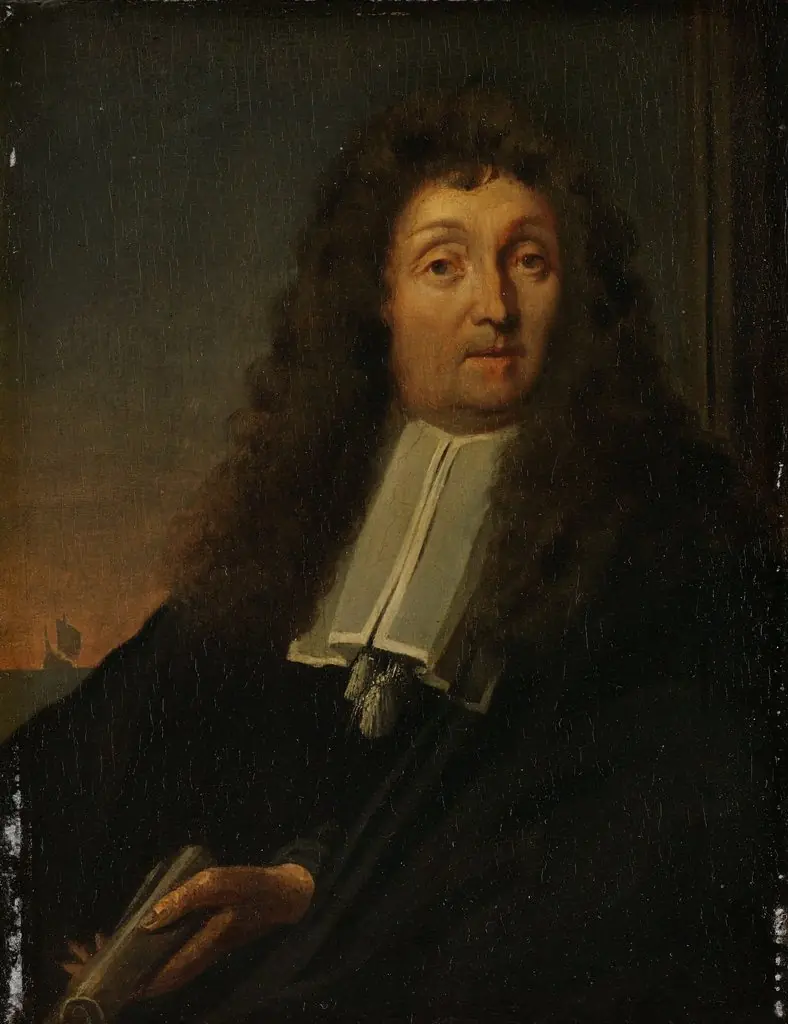 Self portrait
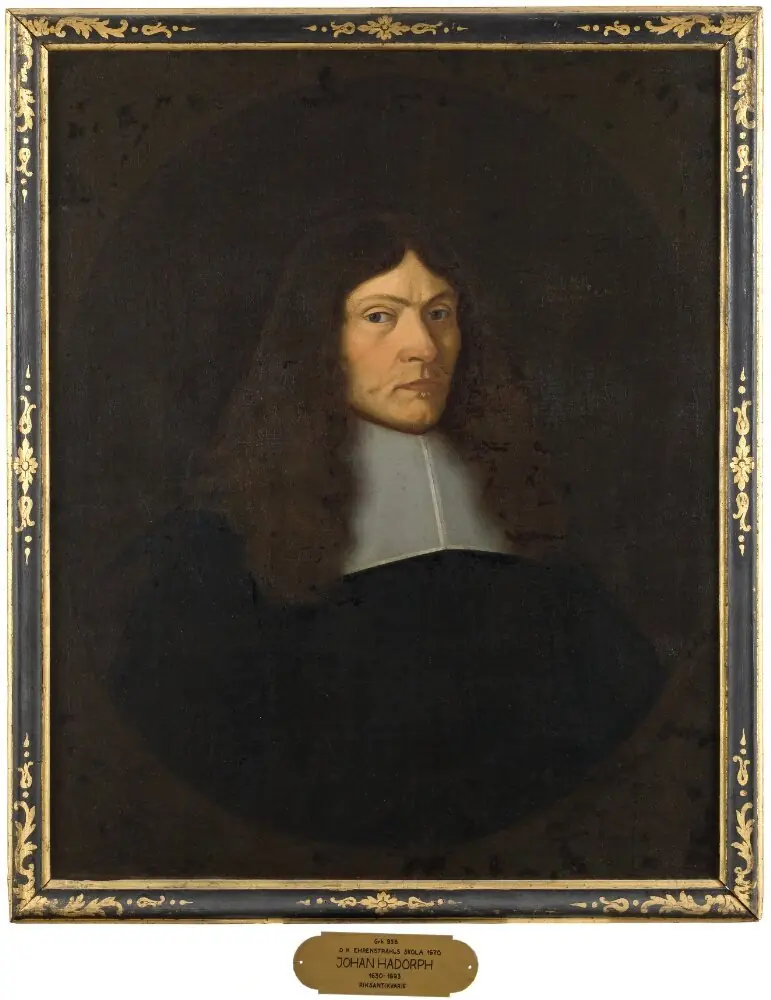 Johan Hadorph,1630-1693
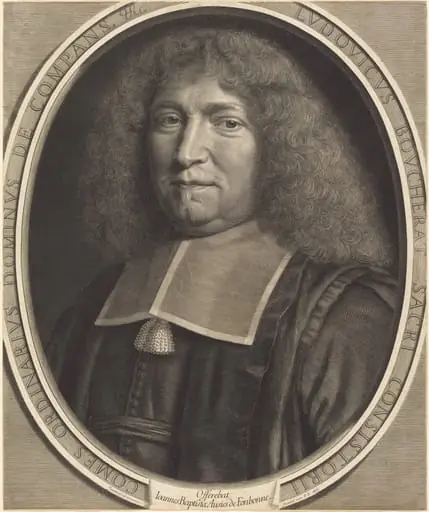 Chancellor Bouchert
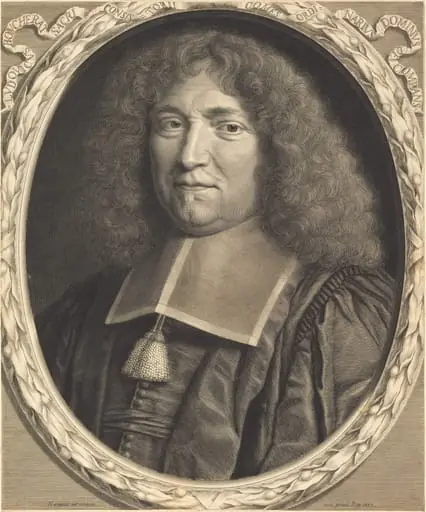 Chancellor Boucherat
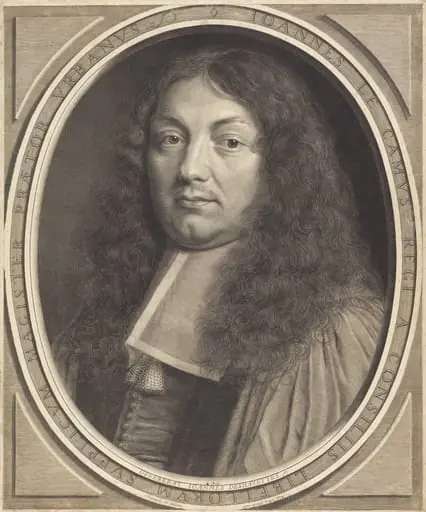 Jean Le Camus
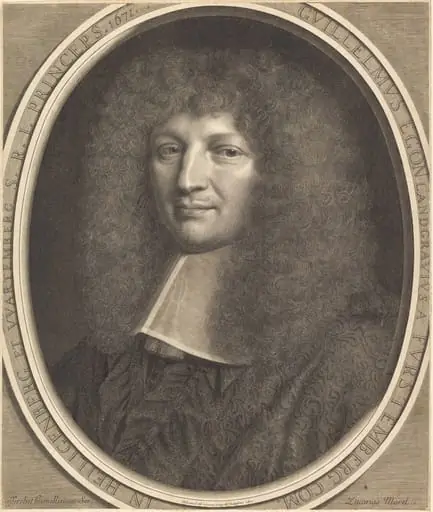 Cardinal de Furstenberg
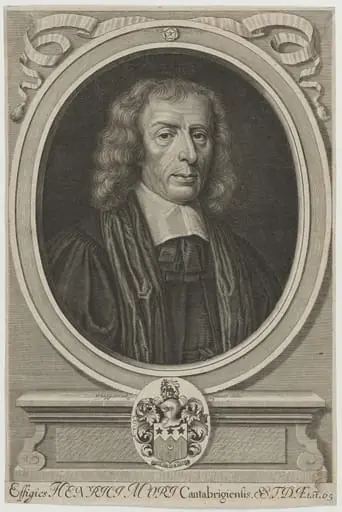 Henry More, Platonist and Theologian
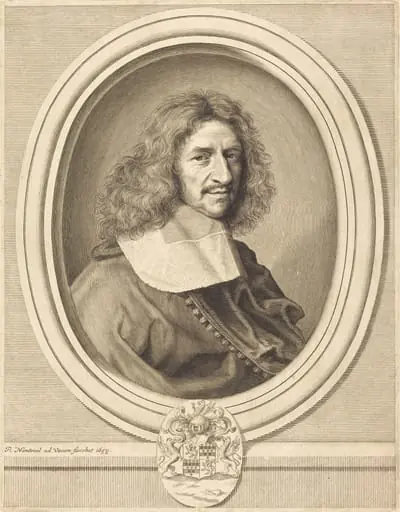 Louis Hesselin
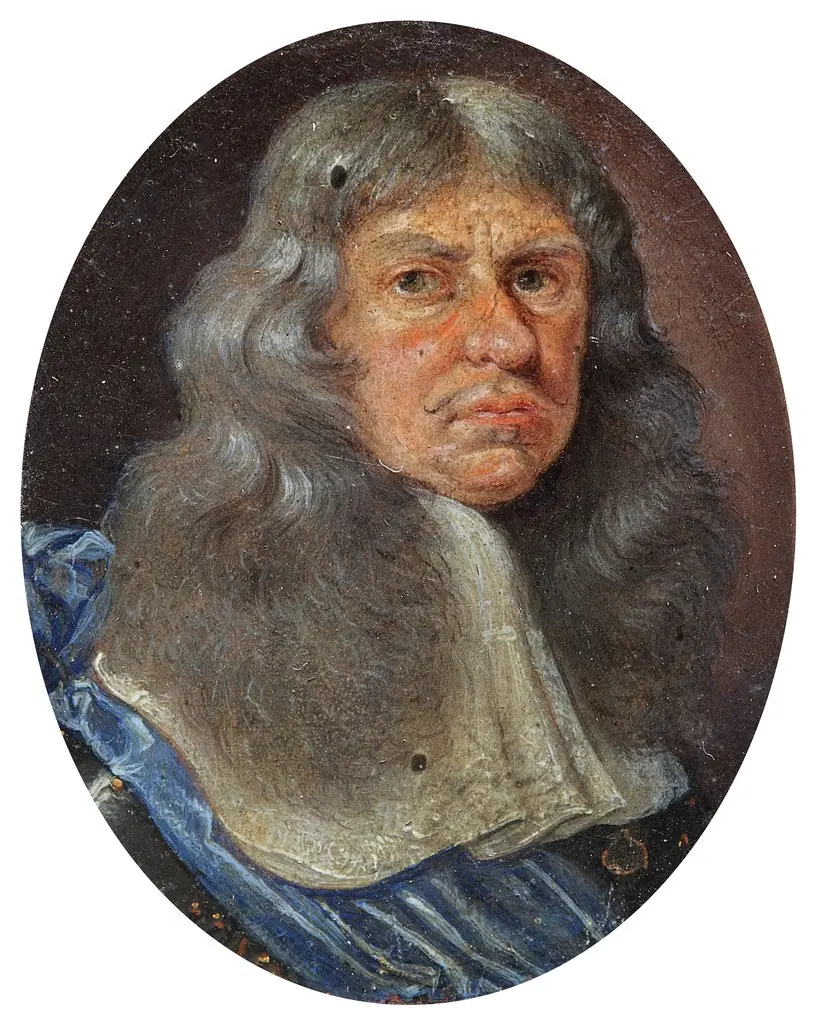 Portrait of a Man with Grey Hair
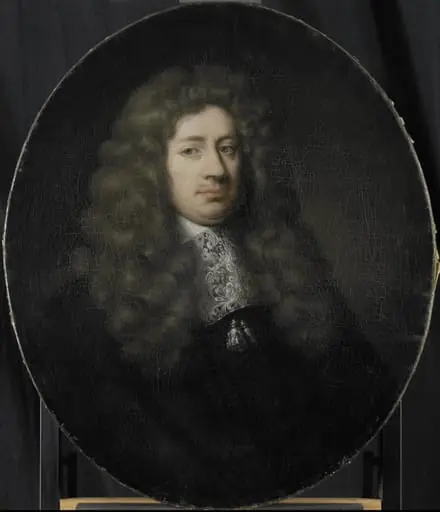 Portrait of Dominicus Rosmale, Director of the Rotterdam Chamber of the Dutch East India Company, elected 1677
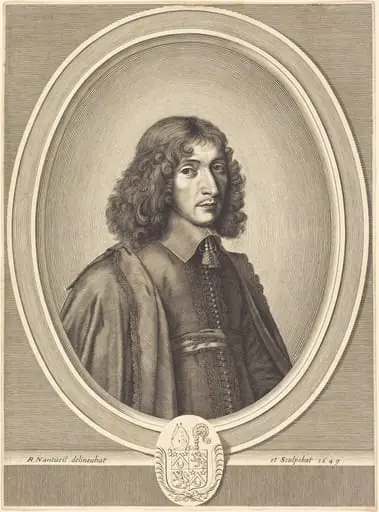 Francois Mole