Artwork
Self portrait
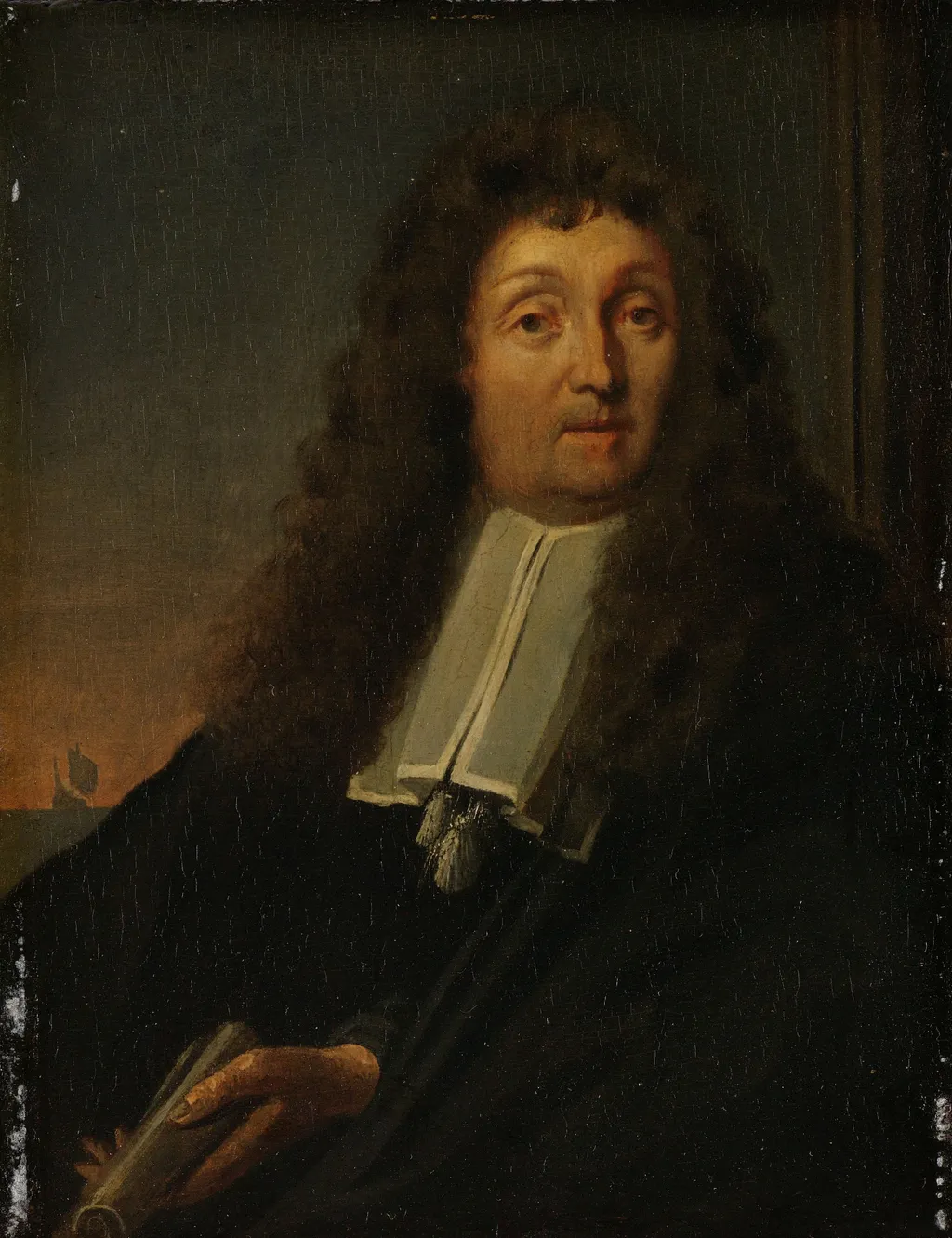
Self portrait is an oil painting by the Dutch Golden Age artist Ludolf Bakhuizen. It dates from 1696 and is held in the collection of the Rijksmuseum.
About this work
The man's attire and hairstyle are typical of the 17th century, and the painting's style is reminiscent of Dutch Golden Age art.
The painting depicts a man with long, curly hair and a dark coat, holding a rolled-up paper in his left hand. He wears a white collar and has a serious expression on his face. The background is dark, with a subtle gradient of colors that suggests a sense of depth.
The man's attire and hairstyle are typical of the 17th century, and the painting's style is reminiscent of Dutch Golden Age art. The use of chiaroscuro creates a sense of drama and highlights the subject's features.
To learn more about this style of painting, look up the artist Ludolf Bakhuizen.
Subject & Meaning
The work depicts the artist Ludolf Bakhuizen himself, serving as a direct visual record of the creator. As a self-portrait executed in 1690, the painting functions primarily as an assertion of the artist's identity and professional presence. The subject is portrayed in the genre of portraiture, focusing entirely on the likeness of Bakhuizen without additional narrative figures or allegorical elements.
The composition centers on the individual, establishing the artist as both the maker and the main subject of the image.
Technique & Style
Executed in 1690, this self-portrait by Ludolf Bakhuizen is an oil painting applied on a wooden panel. The work measures 18.4 cm in height and 14.4 cm in width, indicating a small-scale format typical of intimate portraiture. As a genre piece, it depicts the artist himself as the primary subject.
The combination of oil paint and panel support reflects standard materials used by Dutch artists of the late seventeenth century for durable, detailed likenesses.
History & Provenance
The Self portrait by Ludolf Bakhuizen was created in 1690, executed in oil paint on panel. The work entered the collection of the Rijksmuseum, where it is currently held. Prior to its institutional ownership, the painting was owned by Mietje van den Brink.
The work has been included in the exhibition "Ludolf Bakhuizen, 1631-1708, schrijfmeester - teykenaer - schilder," which traced aspects of the artist's career.
No specific commission details, intermediate ownership transfers, or earlier provenance steps are documented in the available sources.
Overview
Ludolf Bakhuizen’s self‑portrait, executed in oil in 1696, presents the artist at the height of the Dutch Golden Age. The canvas, now part of the Rijksmuseum’s collection, shows Bakhuizen in a dark, subtly graded background that gives the figure a three‑dimensional presence while maintaining the restrained palette typical of his era.
Own this work as a print
Artist & collection
Artist
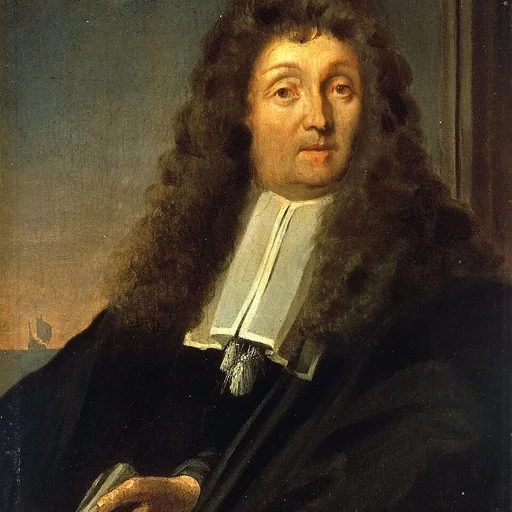
Ludolf Bakhuizen (28 December 1630 or 1632 – 7 November 1708) was a German-born Dutch painter, draughtsman, calligrapher and printmaker.

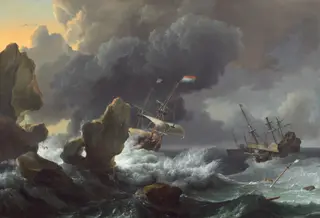 Ships in Distress off a Rocky Coast
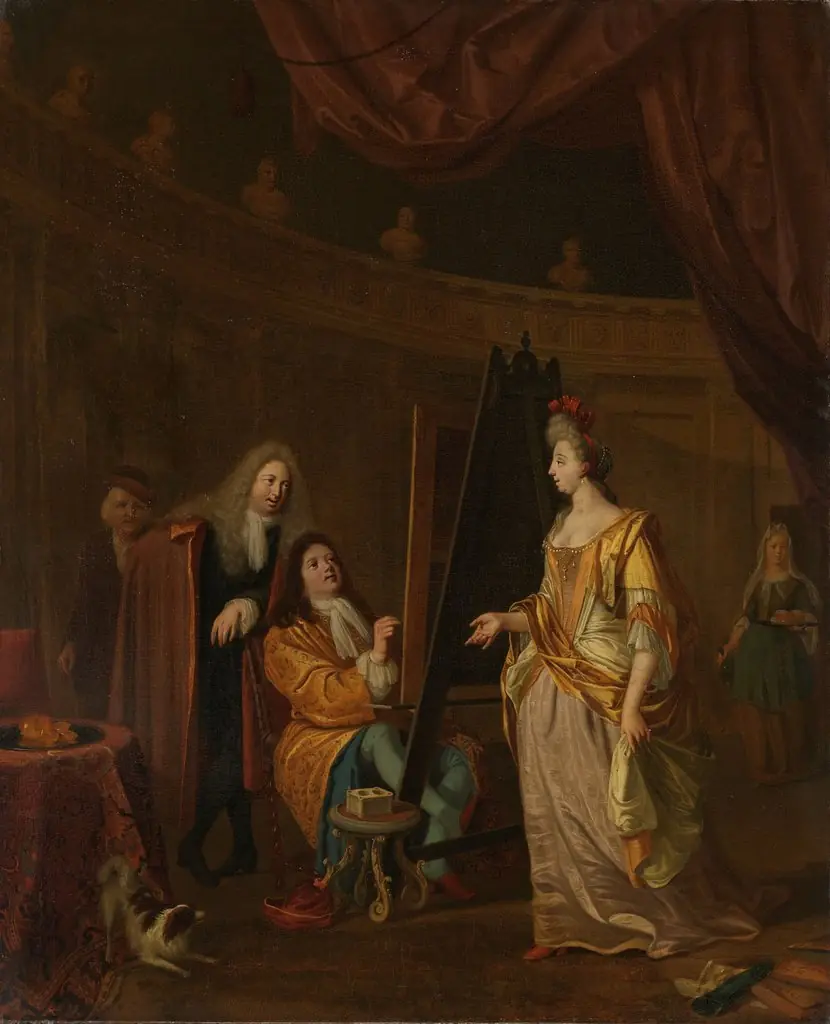 An artist in his studio, painting the portrait of a lady
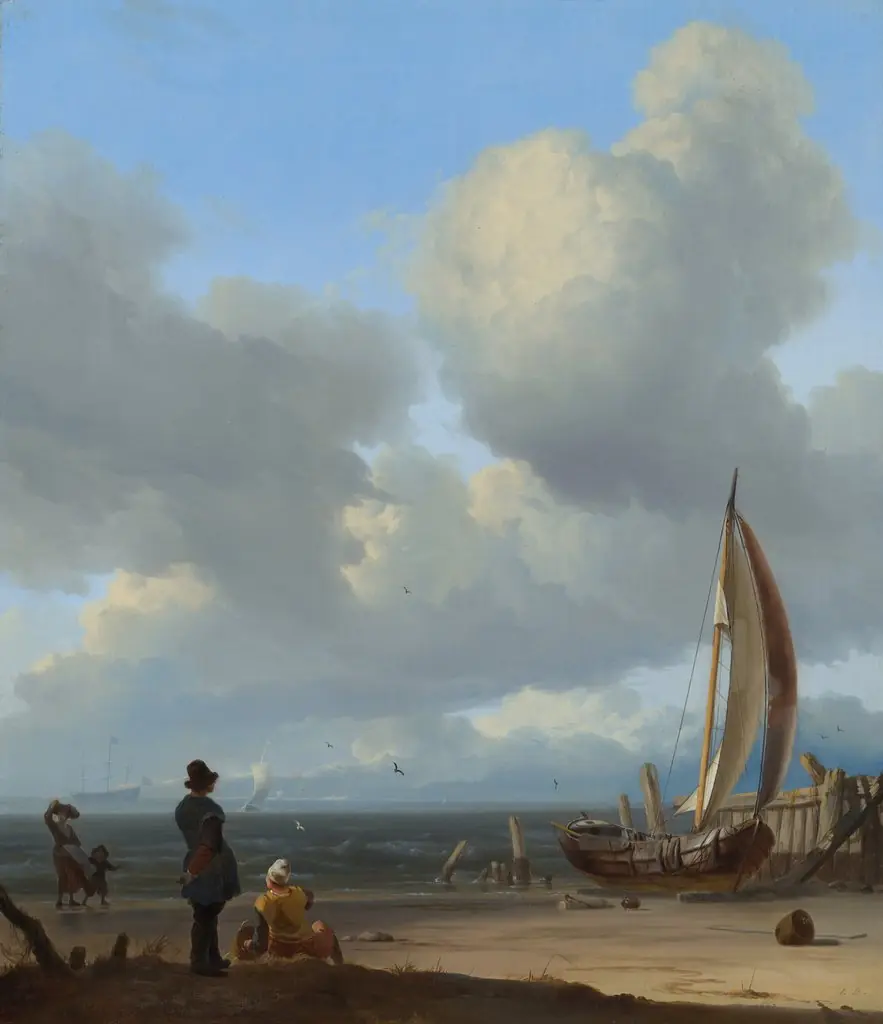 An extensive seascape with figures by a boat on a shore near Huisduinen
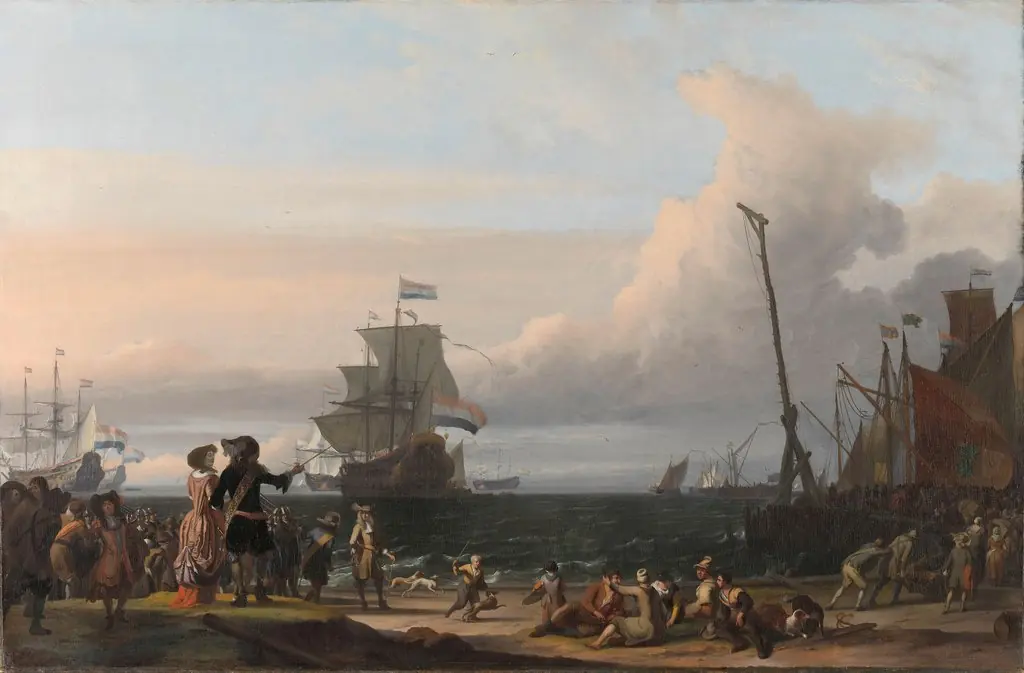 Dutch ships in the roads of Texel; in the middle the 'Gouden Leeuw,' the flagship of Cornelis Tromp
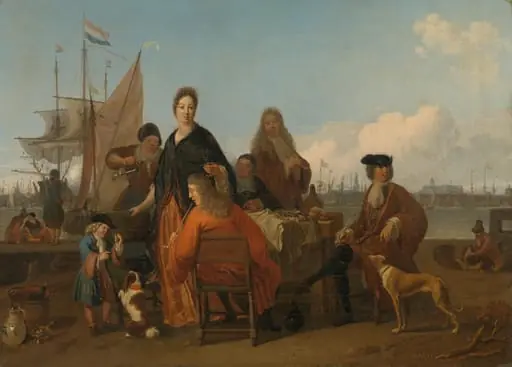 The Bakhuysen and de Hooghe Families dining at the Mosselsteiger (Mussel Pier) on the Y, Amsterdam
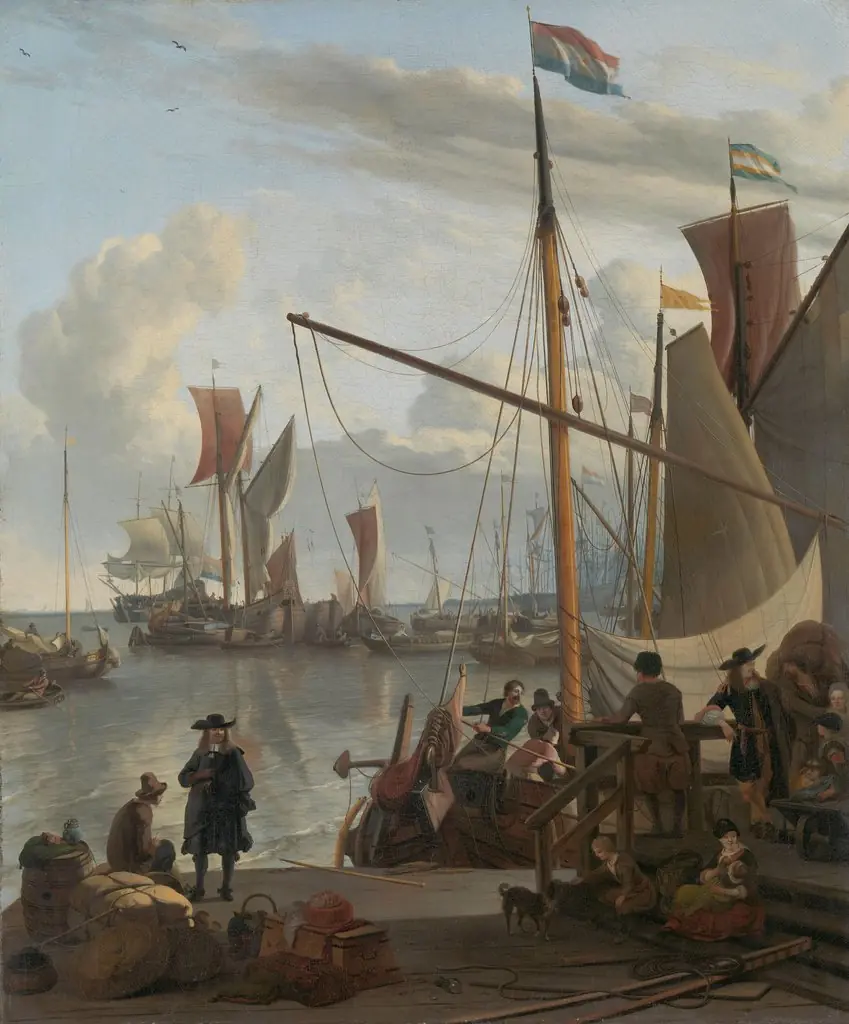 The Y at Amsterdam, seen from the Mosselsteiger (mussel pier)
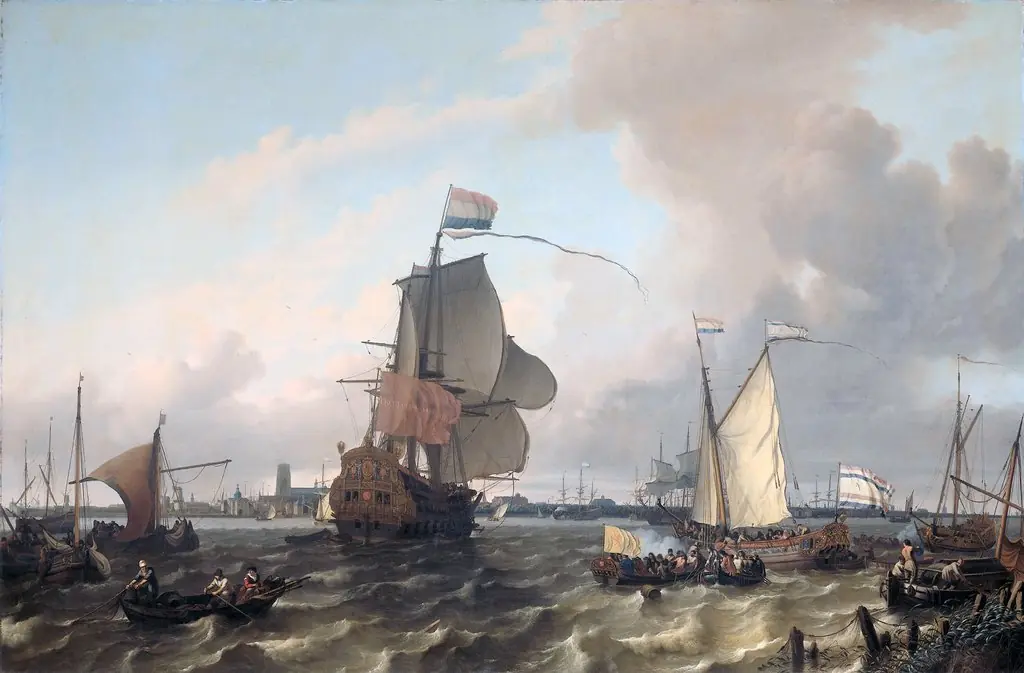 The Man-of-War Brielle on the River Maas off Rotterdam
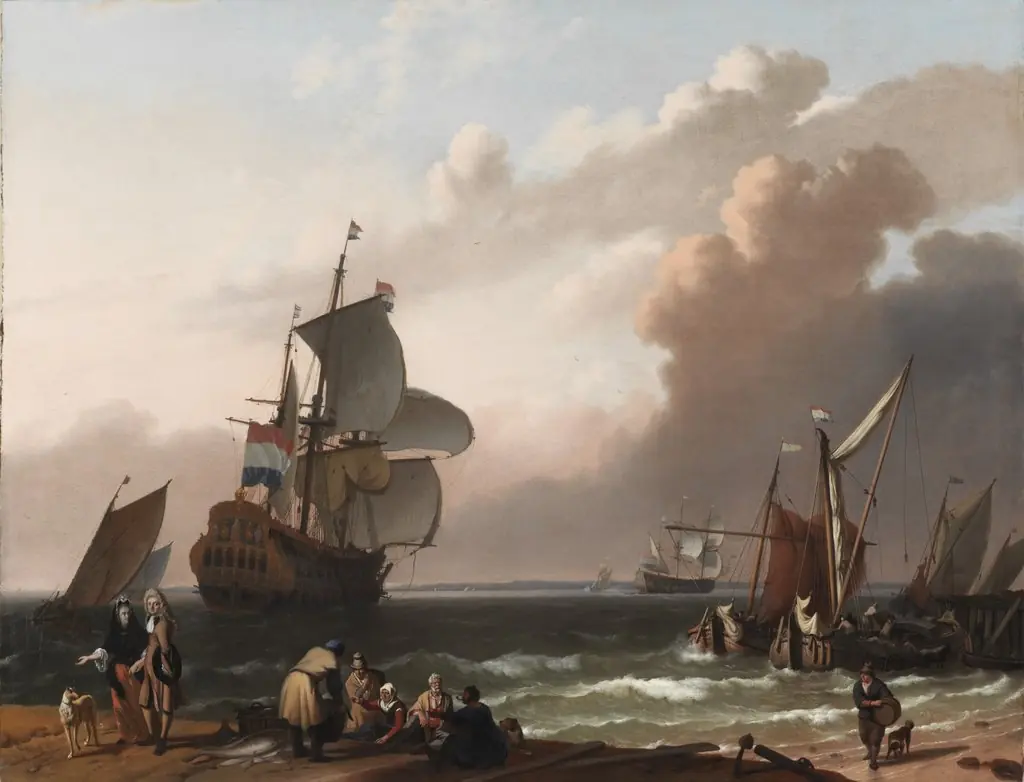 Warship and Dutch Sailboats near the Shore
- Gregorius Martens, Mayor of Antwerp and Dean of the Guild of Saint Luke
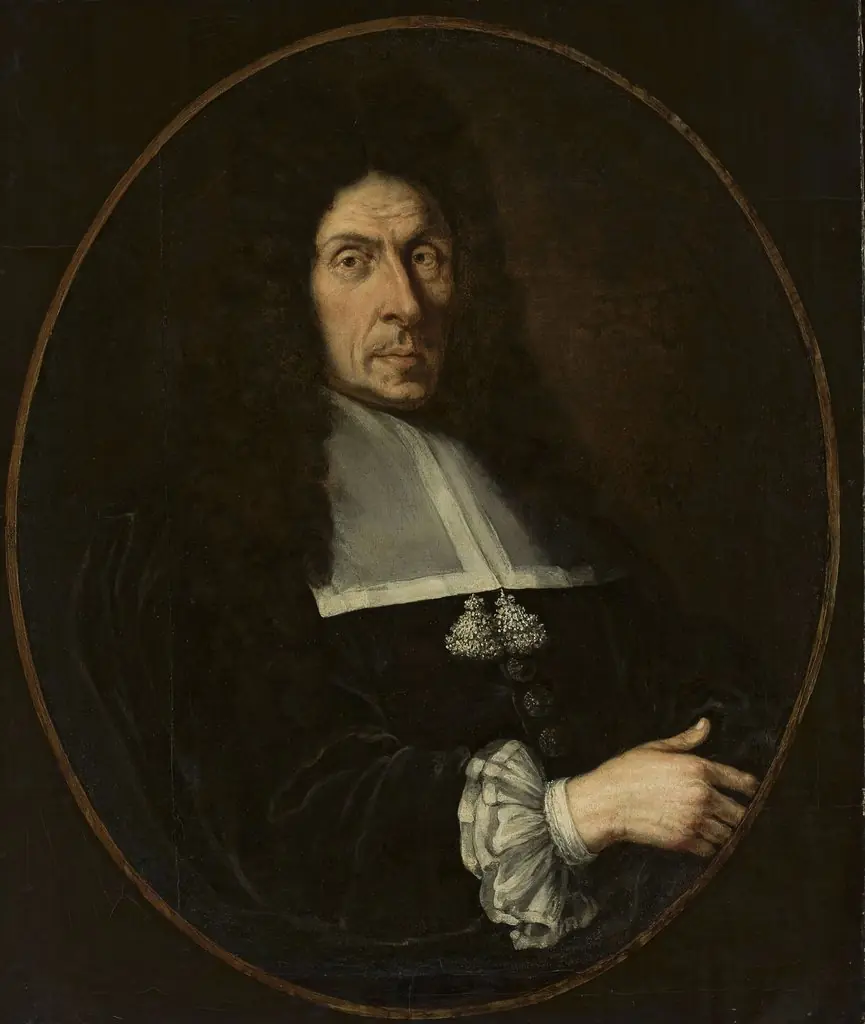 Portrait of a man in a black wig
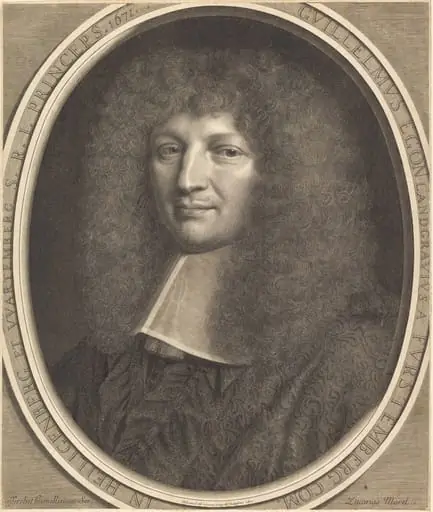 Cardinal de Furstenberg
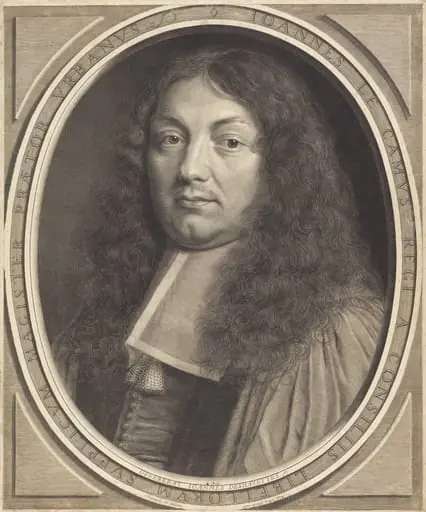 Jean Le Camus
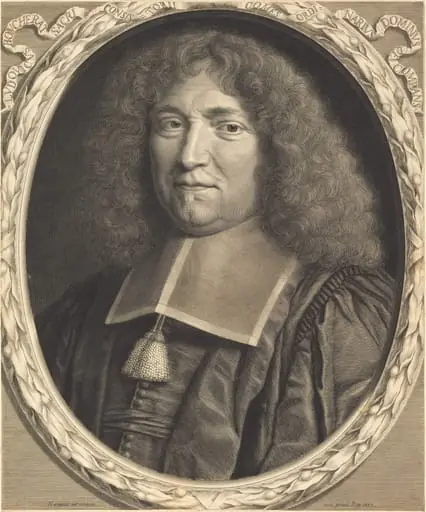 Chancellor Boucherat
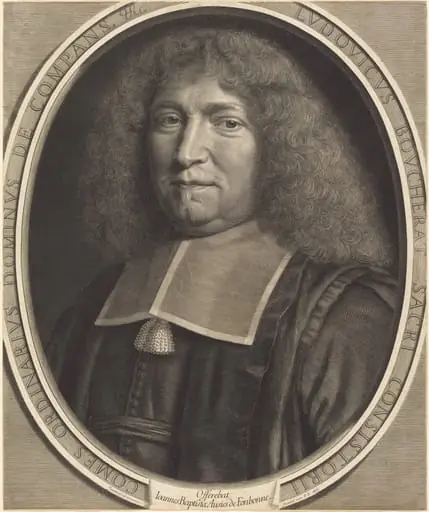 Chancellor Bouchert
 Olivier Patru (1604-1681), avocat au Parlement de Paris, membre de l'Académie française
 Portret van Adrianus Lanchry
 John Gadbury, Astrologer
 Louis Boucherat, Chancelier, Garde des Sceaux de France
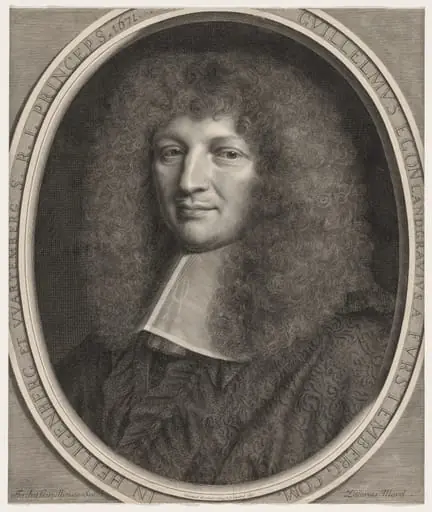 Cardinal of Furstenberg
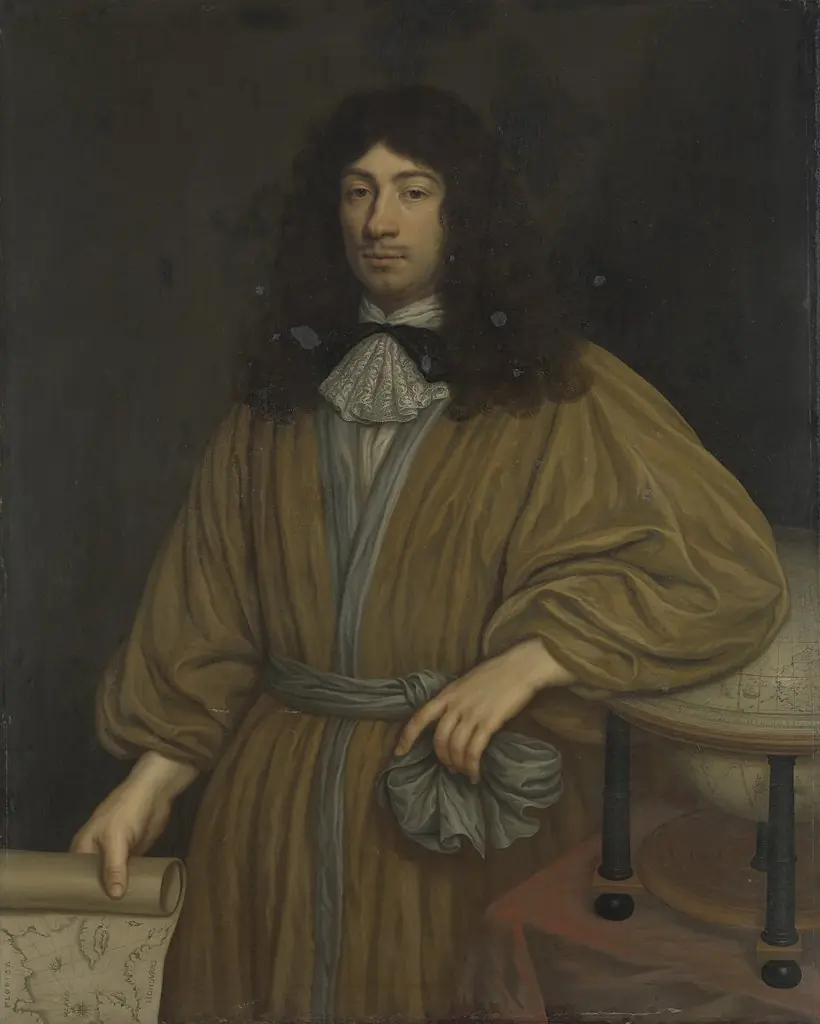 Portrait of Jan Boudaen Courten (1635-1716), lord of St Laurens, Schellach and Popkensburg. Councillor of Middelburg and director of the Dutch East India Caompany