Artwork
A Clump of Trees
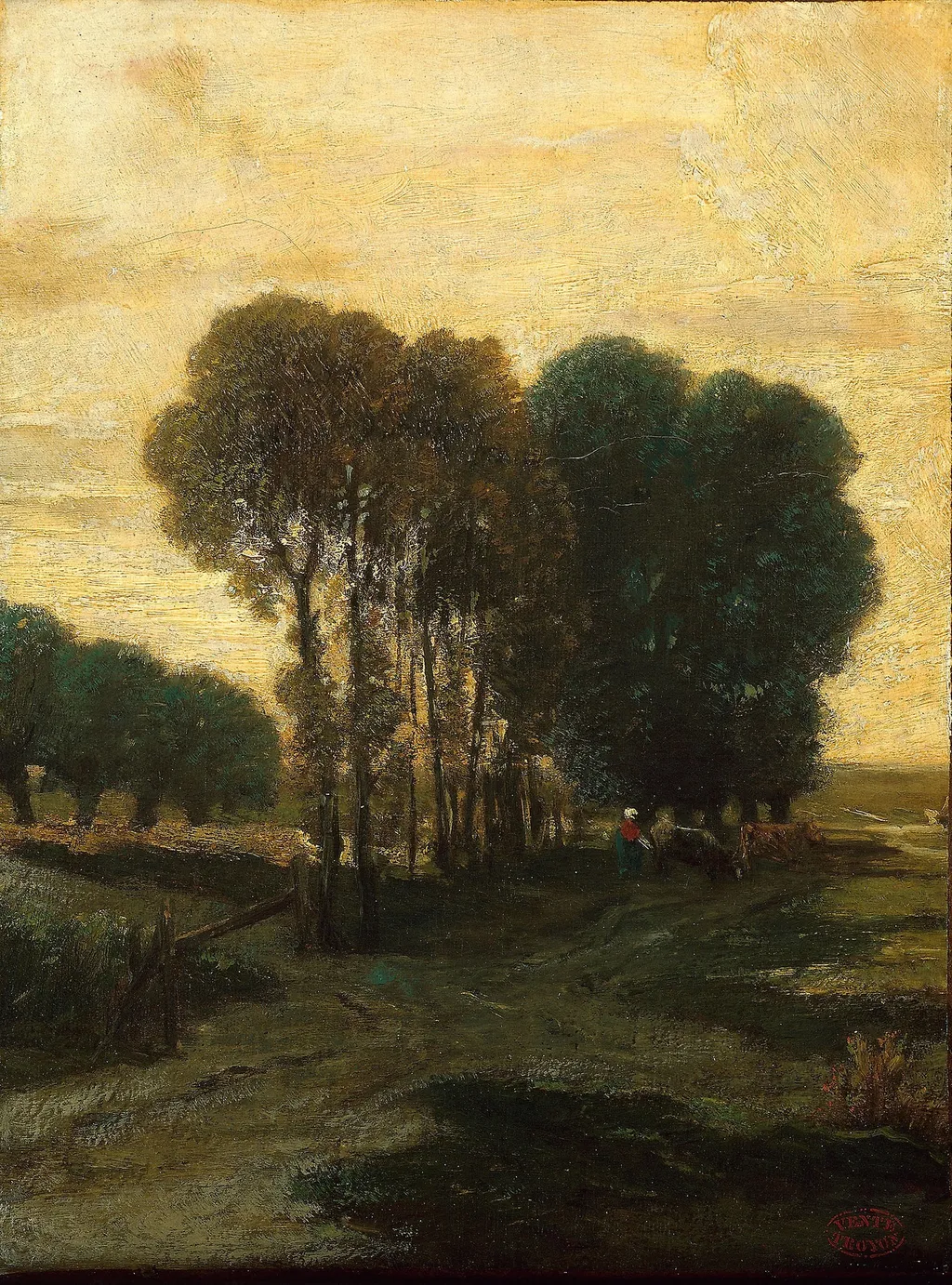
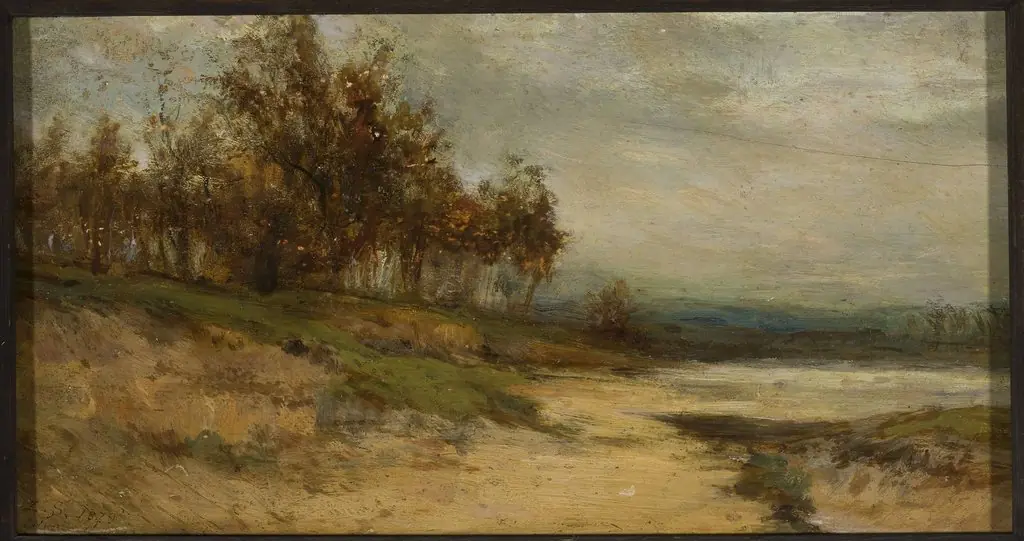
A Clump of Trees is an oil painting by the Barbizon school artist Constant Troyon. It dates from 1860 and is held in the collection of the Art Institute of Chicago.
About this work
Overview
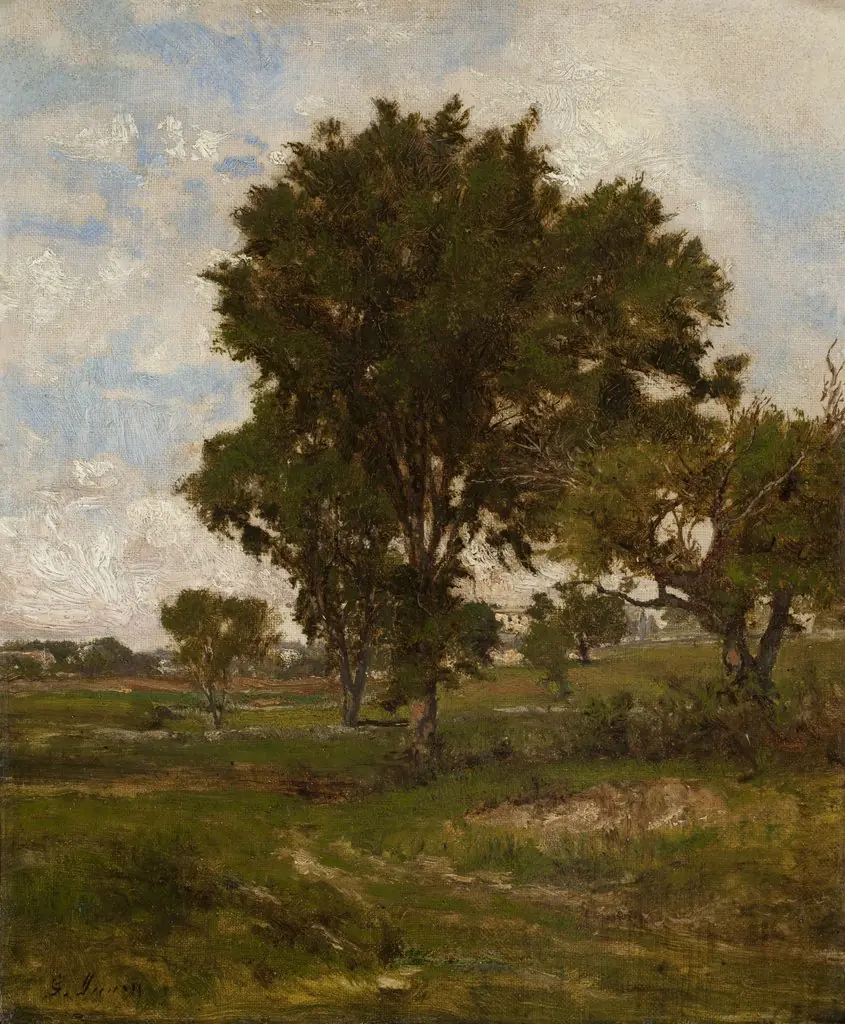
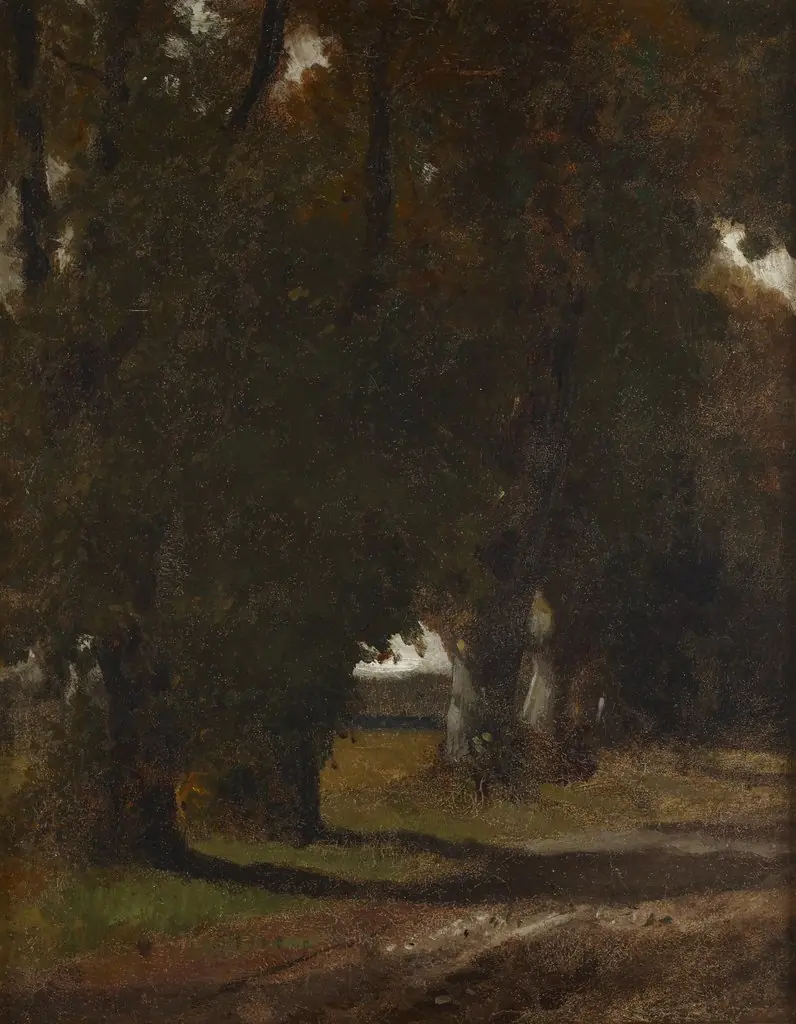
A Clump of Trees is an 1860 oil painting by French artist Constant Troyon, depicting a quiet rural landscape centered on a dense grouping of trees.
A Clump of Trees is an 1860 oil painting by French artist Constant Troyon, depicting a quiet rural landscape centered on a dense grouping of trees. The work is part of the permanent collection at the Art Institute of Chicago. It reflects Troyon’s focus on naturalistic scenes, avoiding idealized compositions in favor of observed, unembellished environments.
The painting’s calm mood and restrained palette align with the Barbizon School’s emphasis on direct engagement with nature.
Subject & Meaning
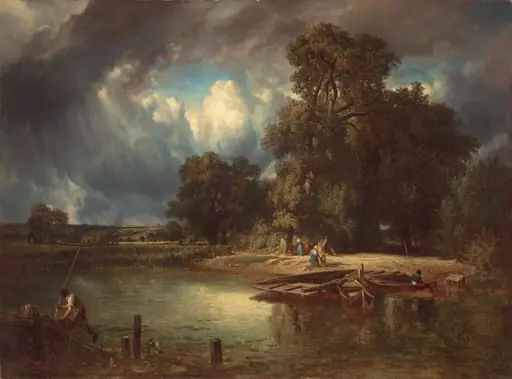
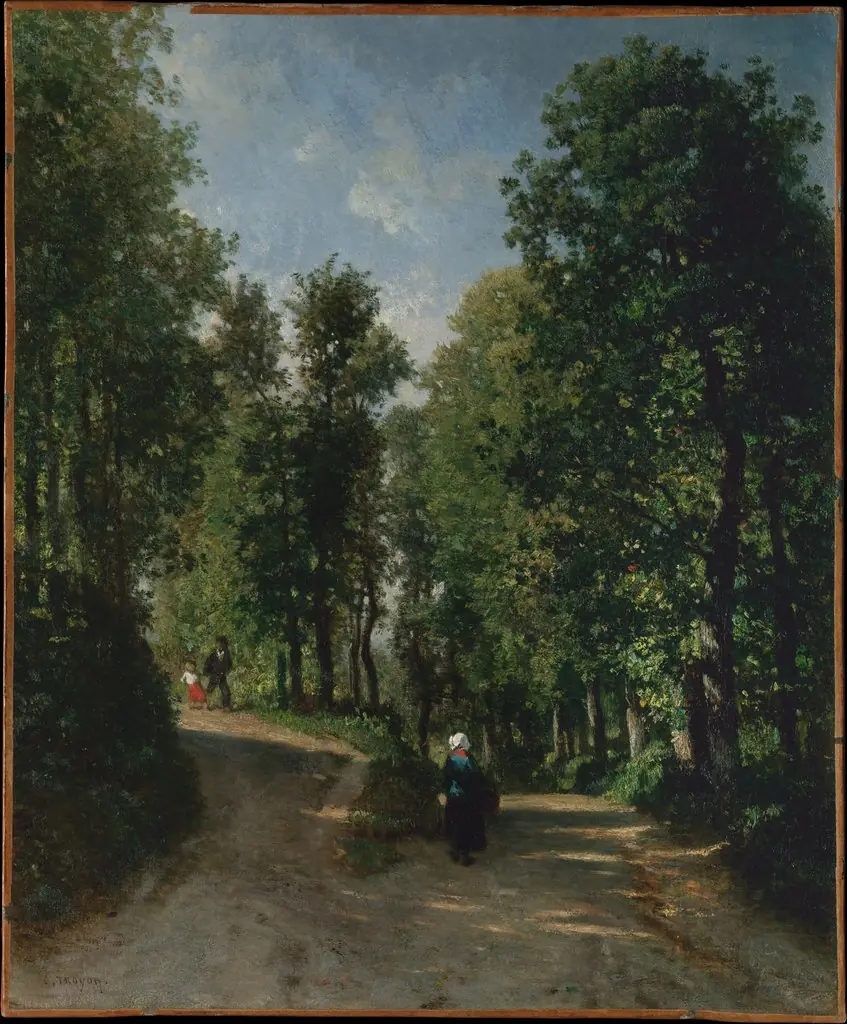
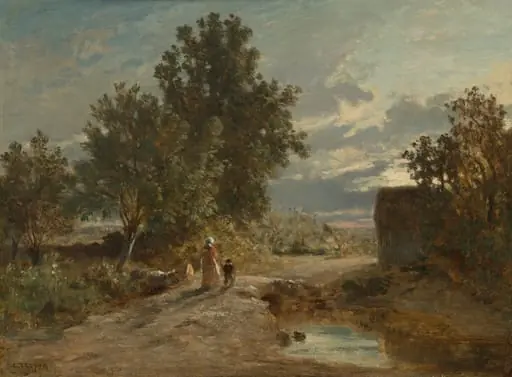
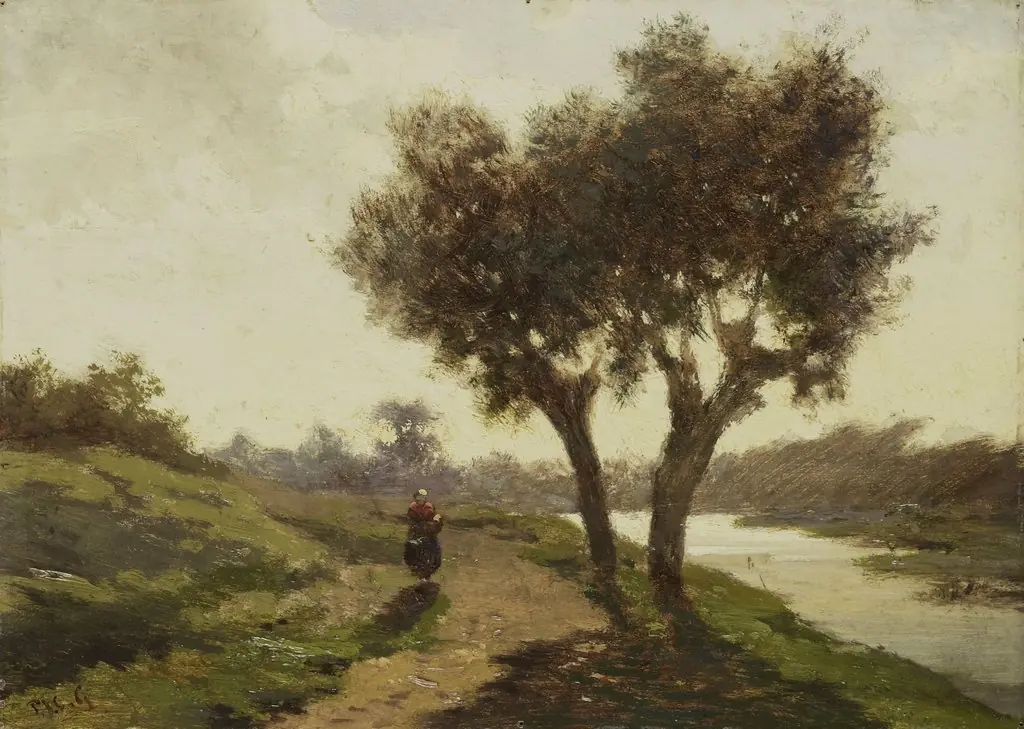
The painting’s subject is a modest cluster of trees, rendered without dramatic flair or symbolic overture. A solitary human figure, possibly a shepherd, appears faintly in the distance, suggesting quiet coexistence between people and the land. The absence of narrative or grandeur invites quiet contemplation, emphasizing the dignity of ordinary rural life and the subtle rhythms of the natural world as experienced in daily observation.
Technique & Style
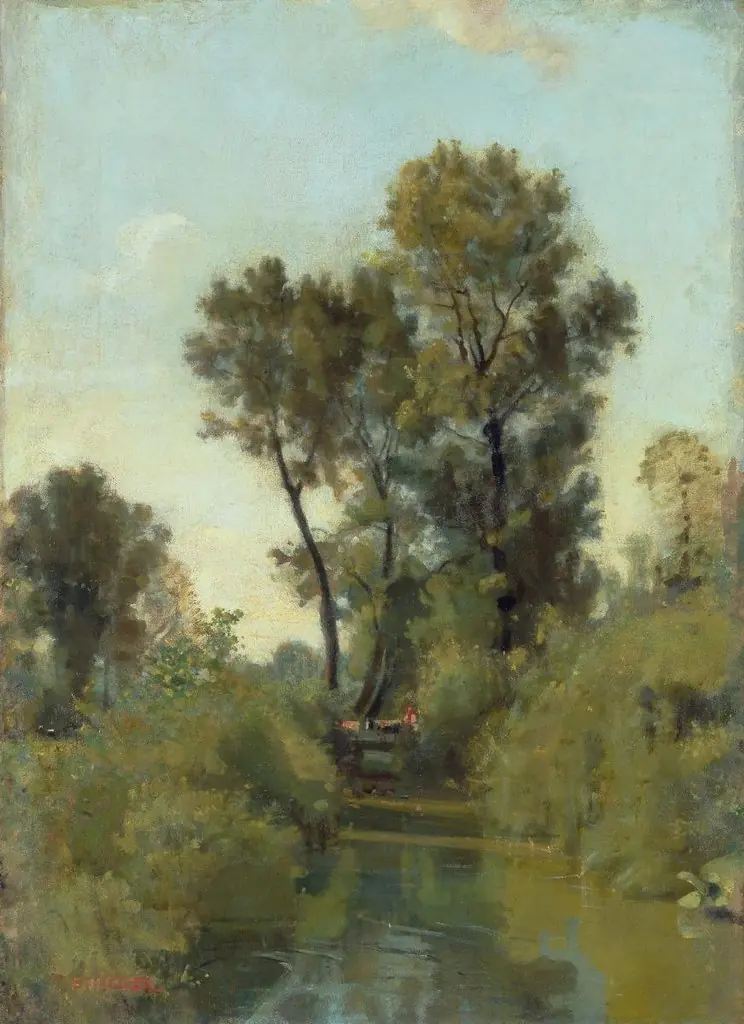
Troyon employed layered oil paint to build texture in the tree trunks and foliage, using dark greens, browns, and grays to suggest depth and variation in bark and leaf mass. The background sky transitions softly from pale yellow to muted orange, implying overcast light without sharp definition. Brushwork is deliberate but unobtrusive, favoring atmospheric cohesion over fine detail, characteristic of the Barbizon approach to landscape painting.
History & Provenance
Painted in 1860, the work entered the Art Institute of Chicago’s collection in the early 20th century, likely through a donation or acquisition from a private collector. Troyon’s reputation as a leading animal and landscape painter of his time ensured his works were sought after by institutions and patrons interested in realistic rural scenes. Its preservation and display reflect its enduring value as a representative example of mid-19th-century French naturalism.
Context
Created during the height of the Barbizon School’s influence, the painting responds to a broader movement that rejected academic idealism in favor of painting outdoors and capturing unadorned rural life. Troyon, alongside artists like Millet and Daubigny, contributed to a shift in French art toward sincerity and observation. This work exemplifies the movement’s quiet reverence for nature, distinct from both Romantic drama and later Impressionist light studies.
Legacy
A Clump of Trees remains a quiet testament to Troyon’s commitment to truthful landscape representation. While less widely known than some of his contemporaries, his work helped shape the trajectory of modern landscape painting by prioritizing mood and material reality over spectacle. The painting continues to serve as a reference point for studies in 19th-century French realism and the evolution of naturalist aesthetics.
Own this work as a print
Artist & collection
Artist
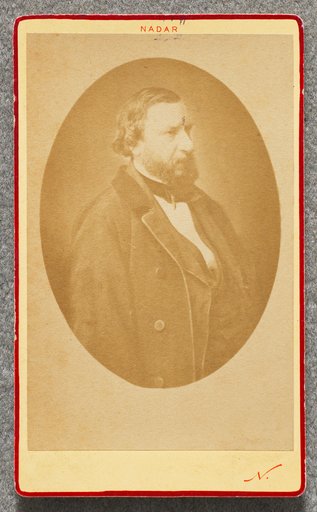
Constant Troyon was a French painter of the Barbizon school. In the early part of his career, he painted mostly landscapes. It was only comparatively late in life that Troyon found his métier as a painter of animals,…