Artwork
Kirchhof (Cemetery)
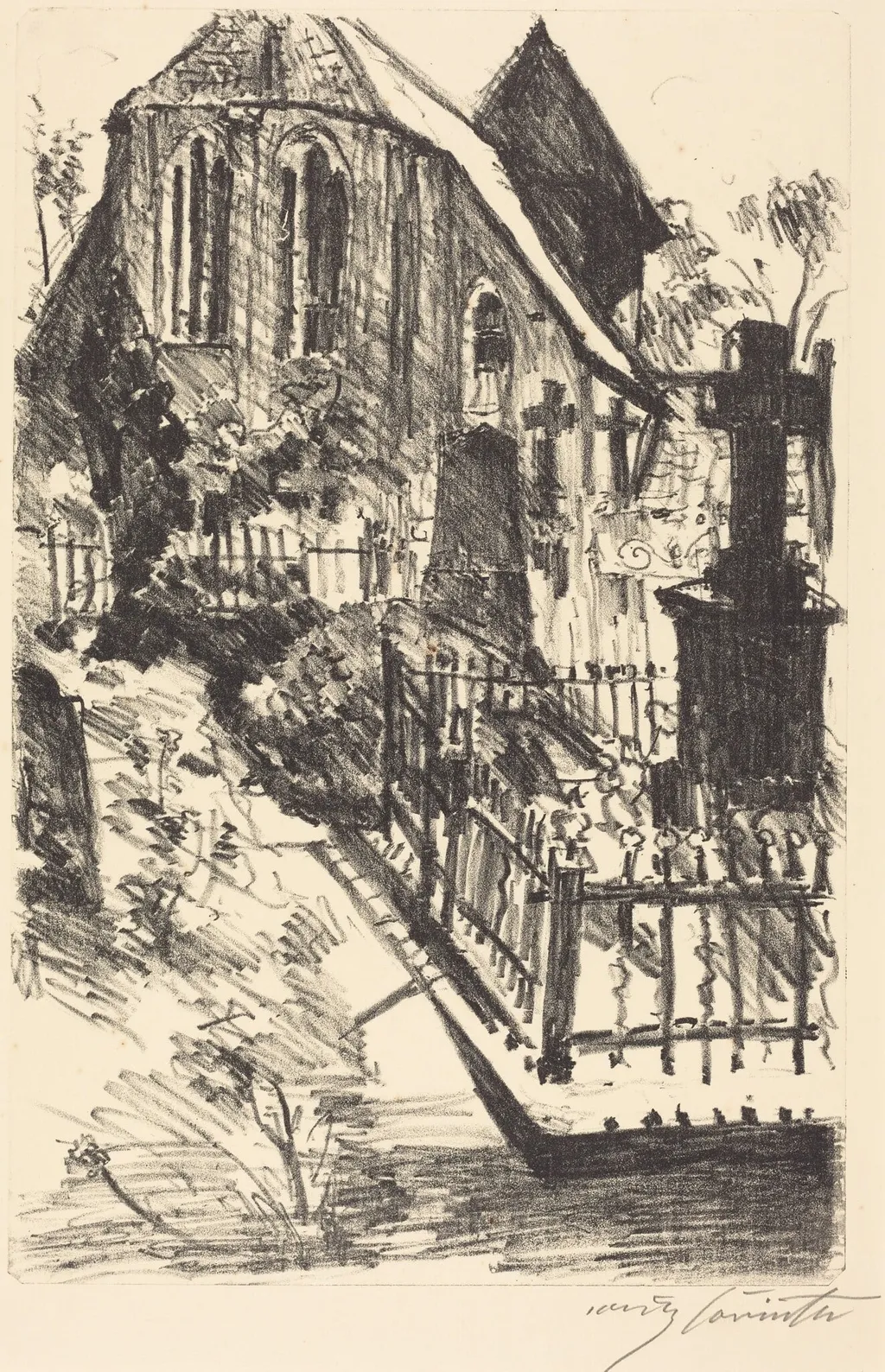
Kirchhof (Cemetery) is an ink print by Lovis Corinth. It dates from 1916 and is held in the collection of the National Gallery of Art.
- Inscription
- Inscribed:lower right in graphite: Lovis Corinth; lower left verso in graphite by unknown hand: Schw. 257
About this work
Overview
Lovis Corinth’s 1916 lithograph titled Kirchhof (Cemetery) depicts a modest stone church and its surrounding burial ground. Executed in black on laid paper, the print presents a stark, graphic composition that emphasizes line and form over color, characteristic of the medium’s monochrome possibilities.
Subject & Meaning
The scene centers on an old church with a steep, pointed roof, its arched windows hinting at a quiet interior. A wrought‑iron fence encloses a modest cemetery, where uneven, simple gravestones rise from the ground, conveying a somber, contemplative atmosphere.
Technique & Style
Corinth employs rapid, sketch‑like strokes, allowing portions of the image to remain loosely rendered while other elements, such as the fence and church outline, are more sharply defined. This juxtaposition of rough and precise lines reflects his post‑stroke shift toward looser, more expressive handling of form.
History & Provenance
Created during Corinth’s later period, the lithograph follows his 1911 stroke, a turning point that prompted a move away from naturalistic detail toward a synthesis of impressionist lightness and expressionist vigor. The artist’s signature appears in small lettering at the lower right, confirming authorship.
Context
By 1916, Corinth was integrating the graphic immediacy of printmaking with the emotional intensity of his paintings. The choice of lithography, a medium that captures spontaneous drawing, mirrors his broader artistic aim to fuse observation with personal response.
Own this work as a print
Artist & collection
Artist
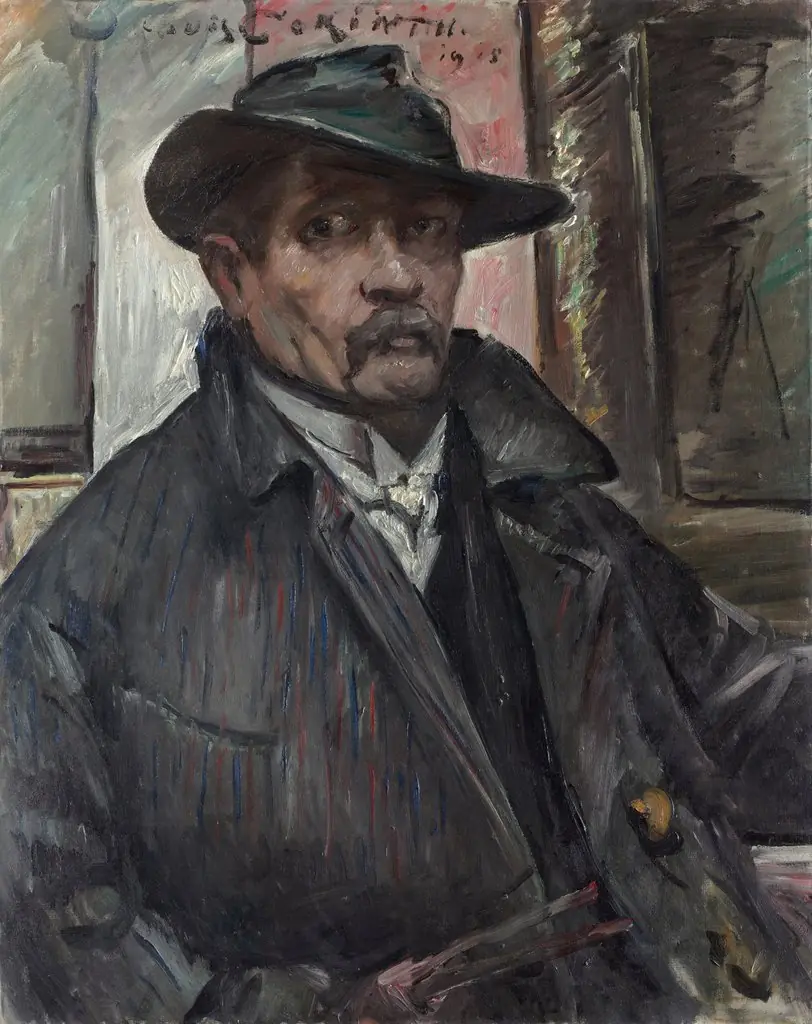
Lovis Corinth (21 July 1858 – 17 July 1925) was a German artist and writer whose mature work as a painter and printmaker realized a synthesis of impressionism and expressionism.





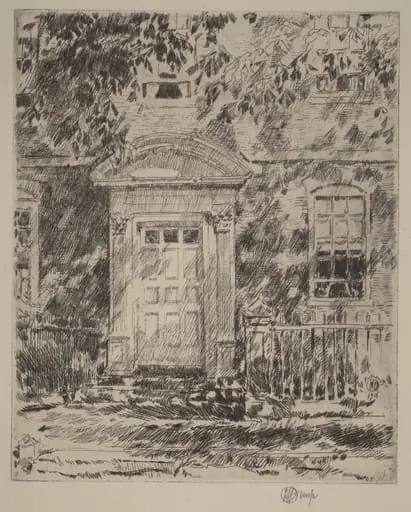 Portsmouth Doorway
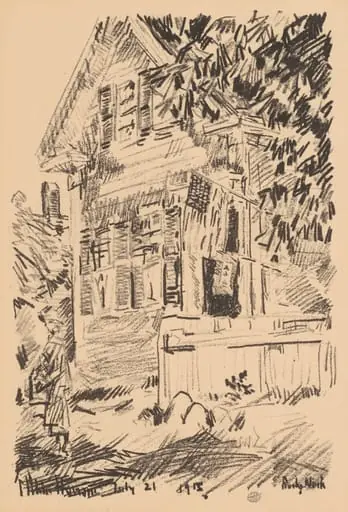 The Service Flag
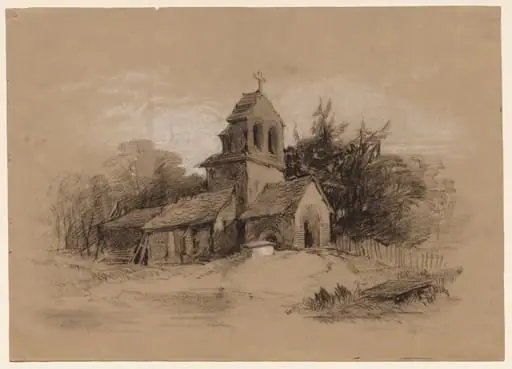 Church in a Landscape
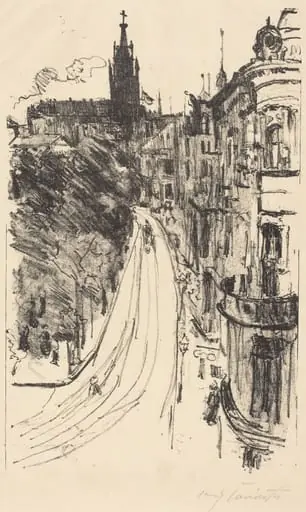 Strasse in Königsberg (Street in Königsberg)
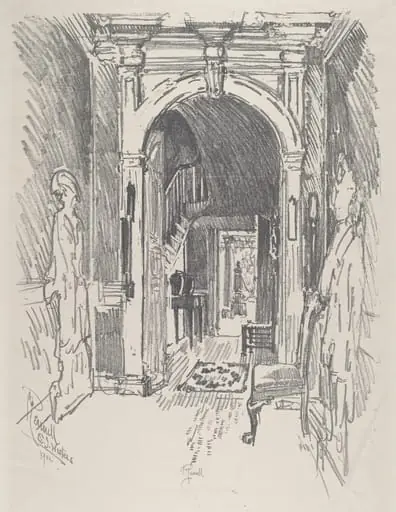 Hallway at Dr. Wister's
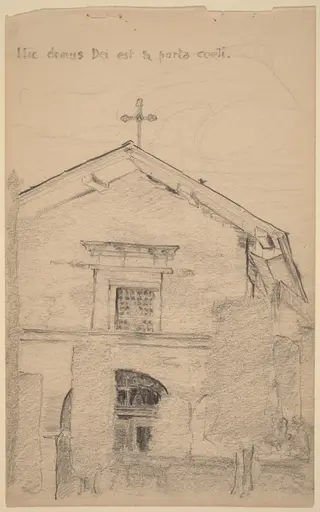 Mission Dolores, San Francisco
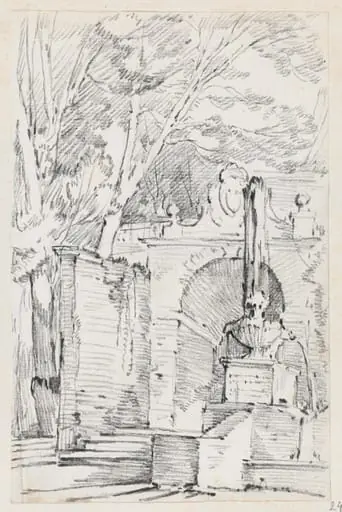 Fountain of Pomona in the Gardens of the Villa d'Este, Tivoli
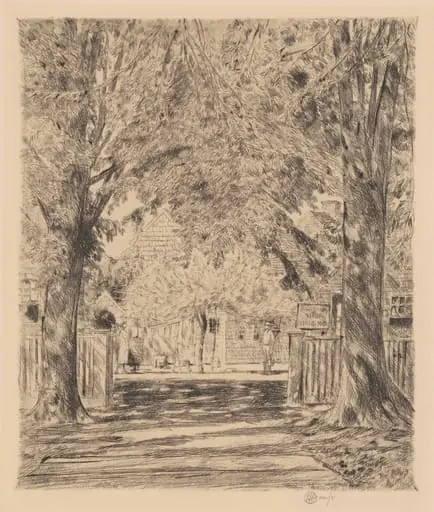 An Easthampton Idyll
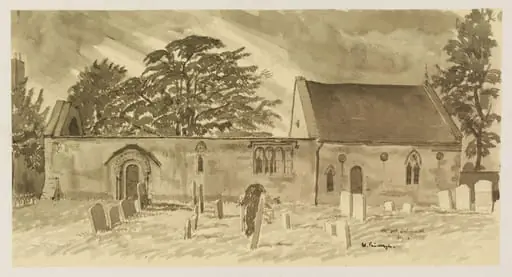 St.George's Church, Hatford
 Music Title
 Old Doorway, Easthampton
- Churchyard