Artwork
Portrait of a Woman
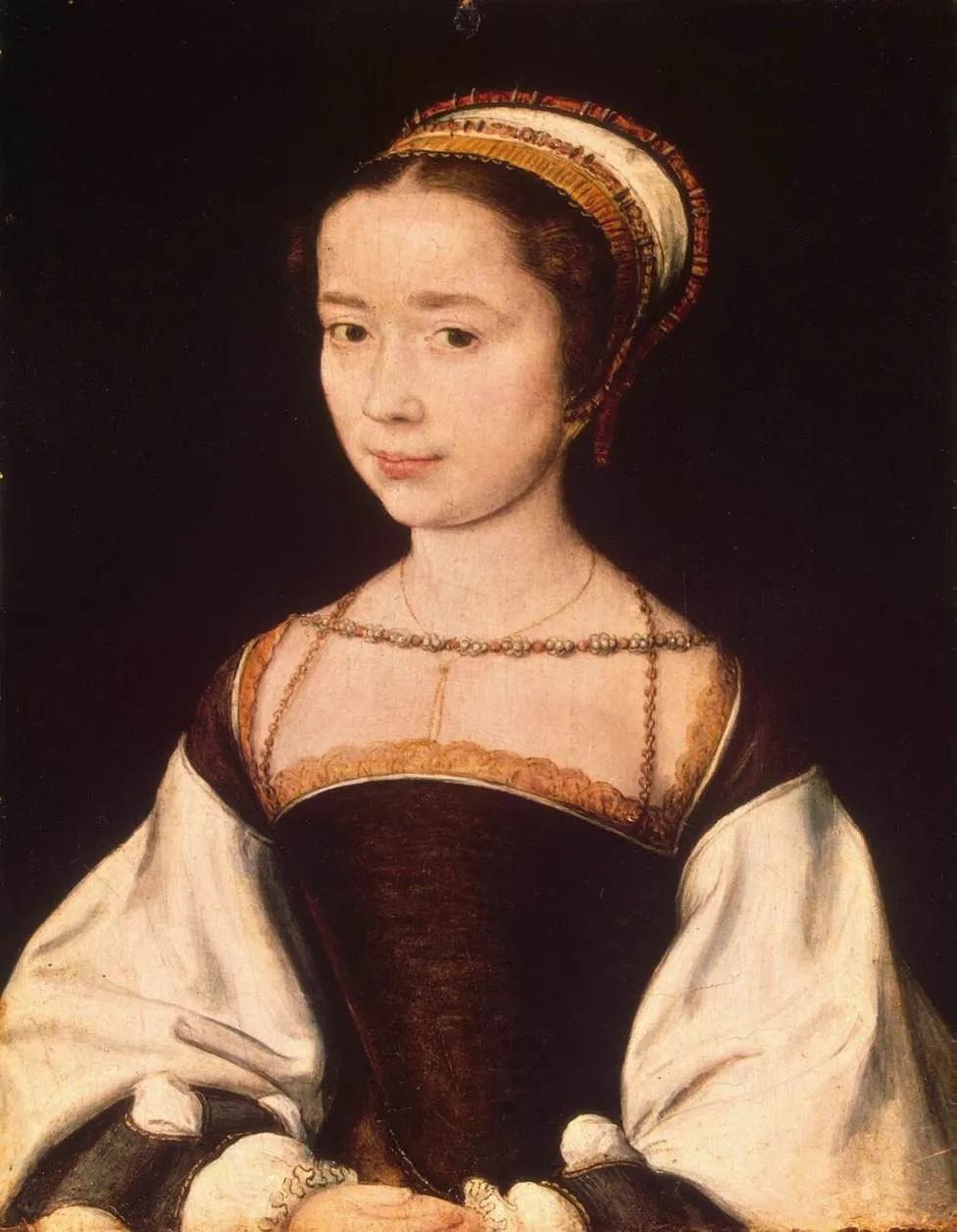
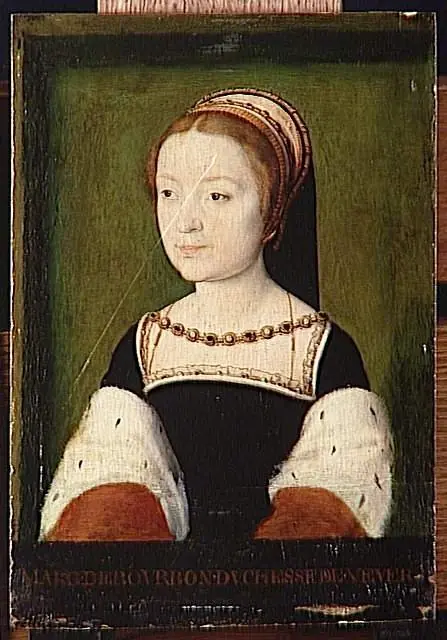
Portrait of a Woman is an oil painting by the Northern Renaissance artist Corneille de Lyon. It dates from 1535 and is held in the collection of the Hermitage Museum.
About this work
Overview
Portrait of a Woman is a small oil painting on wood panel by the Netherlandish artist Corneille de Lyon, active in France during the sixteenth century.
Portrait of a Woman is a small oil painting on wood panel by the Netherlandish artist Corneille de Lyon, active in France during the sixteenth century. The work is dated to approximately 1540, though some sources suggest a range around 1535. Measuring roughly 16.5 by 14.8 cm unframed, or 20 by 15.5 cm according to alternate measurements, the portrait exemplifies the intimate scale and meticulous technique for which Corneille became renowned. The painting is currently held by the Cleveland Museum of Art, acquired in 1942 through the gift of Grace Rainey Rogers, and is recognized as a significant example of French Renaissance portraiture that resists Italianate conventions in favor of a distinctly northern European sensibility.
Subject & Meaning
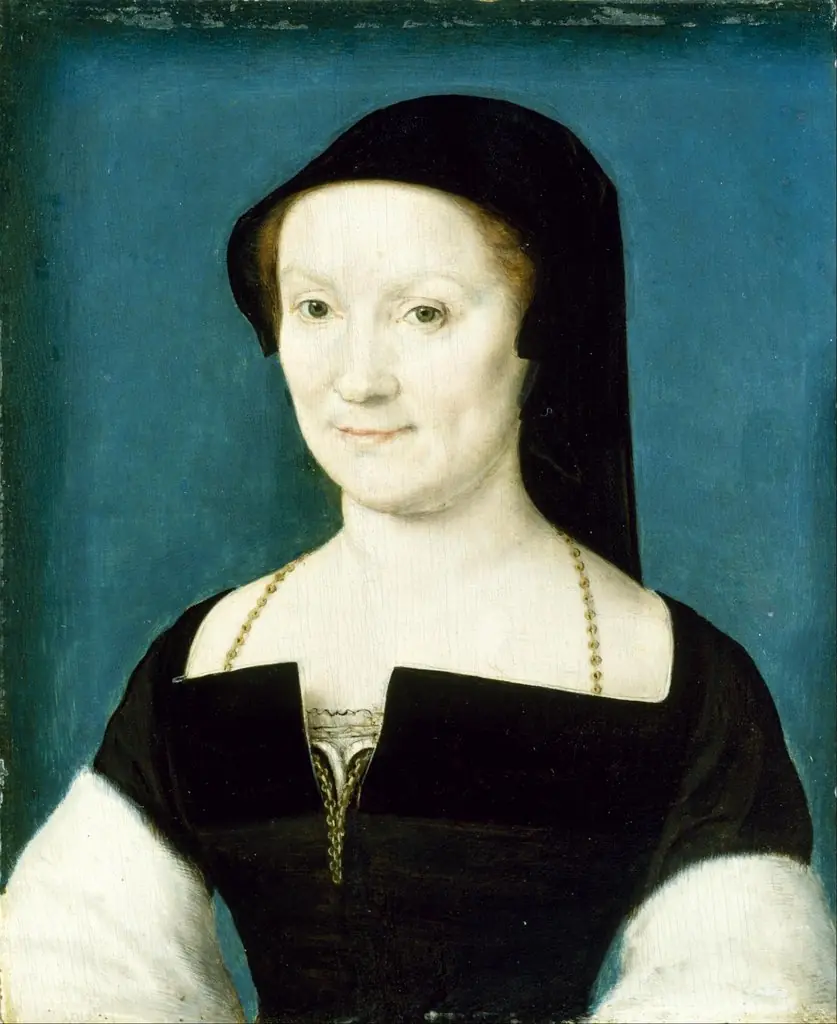
The sitter is depicted half-length, positioned frontally against a dark, unadorned background with no setting, furniture, or landscape elements visible. She wears a headpiece with gold and red decorative bands framing a white coif that covers her hair, along with a dark brown or black bodice with a square neckline edged with gold trim. Voluminous white sleeves with dark fur or fabric cuffs extend from the bodice, and a string of pearls or beads crosses her chest, complemented by a thin gold chain around her neck. Her hands are clasped or held together at waist level. The costume and headdress communicate social status within the conventions of French court fashion, though the restrained palette and absence of overt luxury suggest a sitter of moderate rather than exalted rank. The Web Gallery of Art has proposed that the subject may be Marquise de Rothelin or Francoise de Longwy-Givry, though this identification remains tentative. The portrait's meaning resides in its balance of composed dignity and vivid naturalness, reflecting a Renaissance demand for likenesses that captured individual character alongside social position.
Technique & Style
The painting is executed in oil on an oak wood panel primed with a lead white-containing ground layer. Technical examination reveals that the grain of the wood runs horizontally and has telegraphed through to the ground and paint layers. An infrared reflectogram shows a delicate underdrawing in a dry medium, indicating careful planning beneath the painted surface. The brushwork appears smooth and precise, particularly in the rendering of flesh and textile textures, with the face modeled in subtle, warm flesh tones. X-ray fluorescence measurements of the blue background reveal major intensities of copper indicative of azurite, while jewels in the headdress and clothing are embellished with gold leaf. The palette is restrained, dominated by browns, whites, golds, and deep black. Light falls evenly on the face and costume, modeling the folds of fabric and the roundness of features. The surface shows fine craquelure throughout. This technique connects closely to portrait miniatures and manuscript painting, with a smooth, enamel-like background that recent conservation restored. The distinctive northern style stands in marked contrast to contemporary Italian Renaissance painting, emphasizing microscopic precision over classical idealization.
History & Provenance
The painting's provenance traces from Lancaster, Lisbon, through Grace Rainey Rogers, who gave it to the Cleveland Museum of Art in 1942. The accession number is 1942.48. The work has been featured in multiple museum publications, including the Cleveland Museum of Art Handbook editions of 1958, 1966, and 1969, and the Catalogue of Paintings, Part 3, in 1982. It was exhibited in the museum's 35th Anniversary Exhibition from June 20 to September 30, 1951. The Cleveland Museum of Art notes that information about the object, including provenance, may not be currently accurate, indicating ongoing scholarly attention to its history.
Context
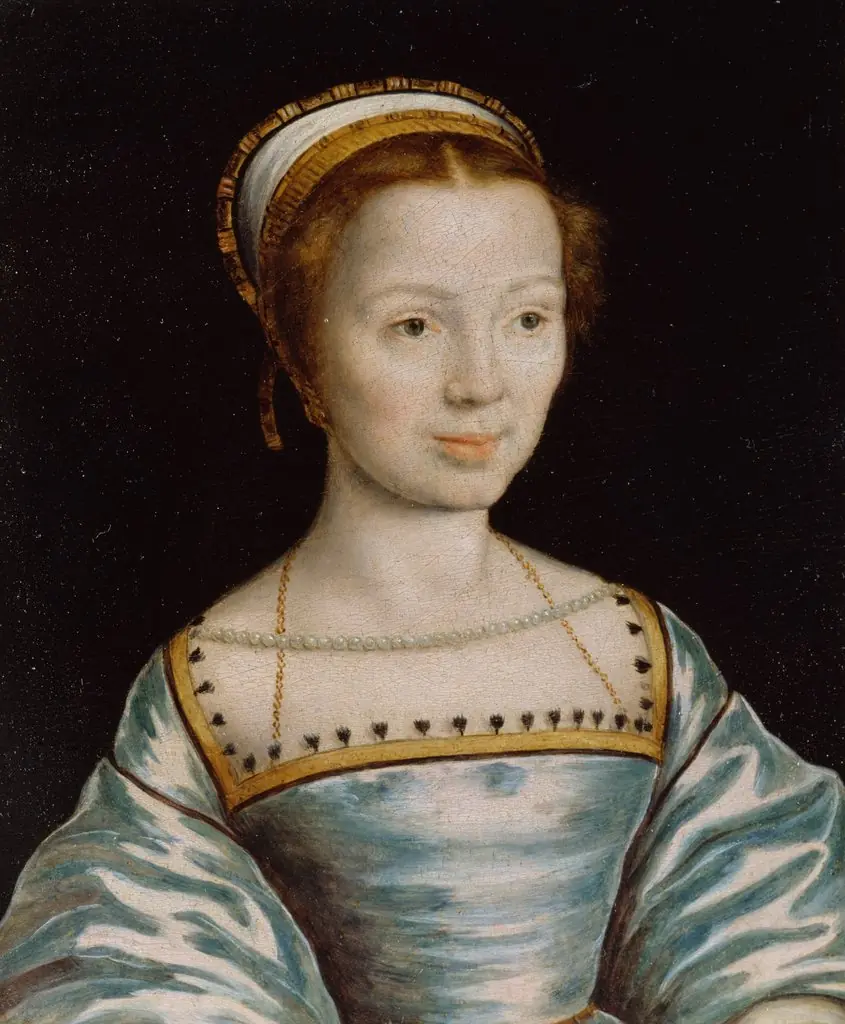
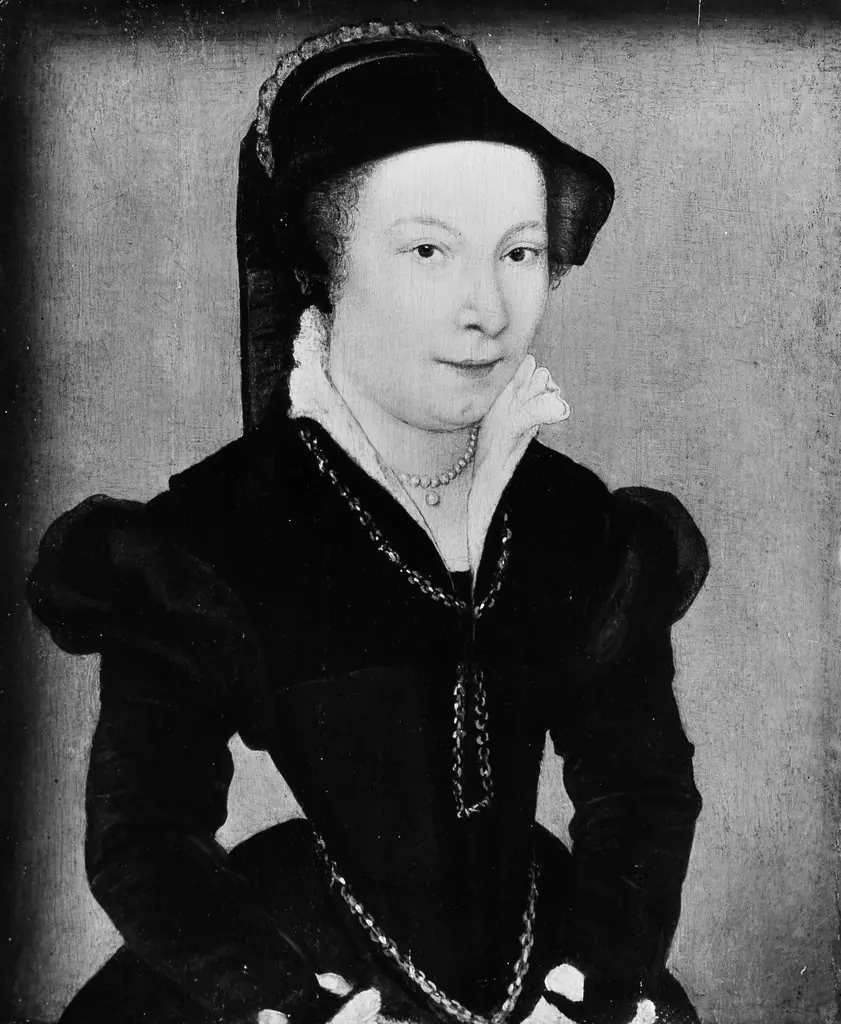
Corneille de Lyon, born in The Hague around 1500 or 1510 and active until his death in 1574 or 1575, worked both for the French court and wealthy merchants. By approximately 1540, he had established himself as the leading portraitist in Lyon and received appointment as court painter to the Dauphin, placing him at the center of French court culture. The French Renaissance, much assisted by the Italian enthusiasm of King Francis I, expressed itself primarily in a blossoming of portrait painting, with young aristocrats increasingly commissioning likenesses of their sweethearts. Corneille's work illustrates the tendency toward vivid naturalness rather than strict upper-class decorum. His female portraits, slightly less numerous than his male ones, demonstrate the same microscopic precision in facial observation. The portrait connects to a broader network of similar works, including a rather similar but even smaller portrait in the collection of the Duke of Westminster at Eaton Hall, and a painting in the National Gallery, London, attributed to a follower of Corneille de Lyon and dated probably about 1560. The National Gallery work shares features with the Cleveland portrait, including a dark veil associated with women of lesser rank and a necklace looped into the neckline, suggesting workshop practices and the circulation of compositional models among the artist and his circle.
Legacy
Portrait of a Woman remains a key example of Corneille de Lyon's contribution to French Renaissance portraiture and his resistance to Italianate conventions. The painting's preservation at the Cleveland Museum of Art, where it has been studied through advanced conservation and technical analysis, has allowed scholars to understand better the materials and methods of northern European portrait practice in the sixteenth century. The work's influence extends through its connection to portrait miniatures and manuscript painting traditions, demonstrating how small-scale, meticulously detailed portraiture could achieve psychological presence despite its modest dimensions. The portrait continues to serve as a touchstone for understanding the social and aesthetic values of French court culture, where dress and jewelry communicated status and artists were expected to balance individual likeness with appropriate decorum. Its presence in major museum collections and repeated publication underscores its enduring significance in the history of European art.
Artist & collection
Artist
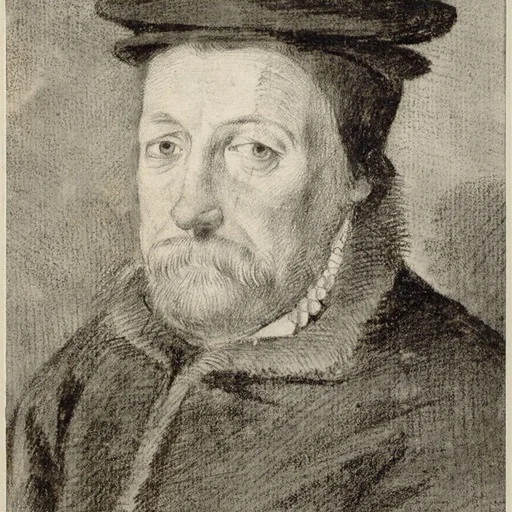
Corneille de Lyon was a Dutch painter of portraits who was active in Lyon, France, from 1533 until his death. In France and the Netherlands he is also still known as Corneille de La Haye after his birthplace, The Hague.

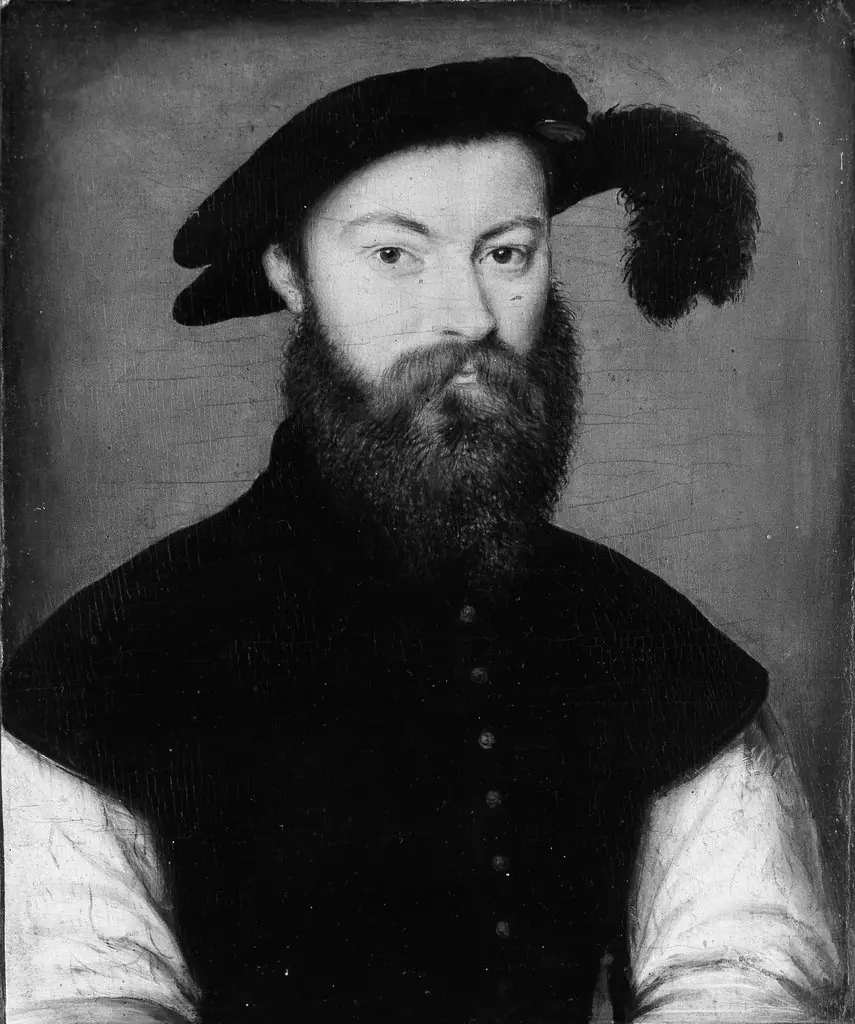
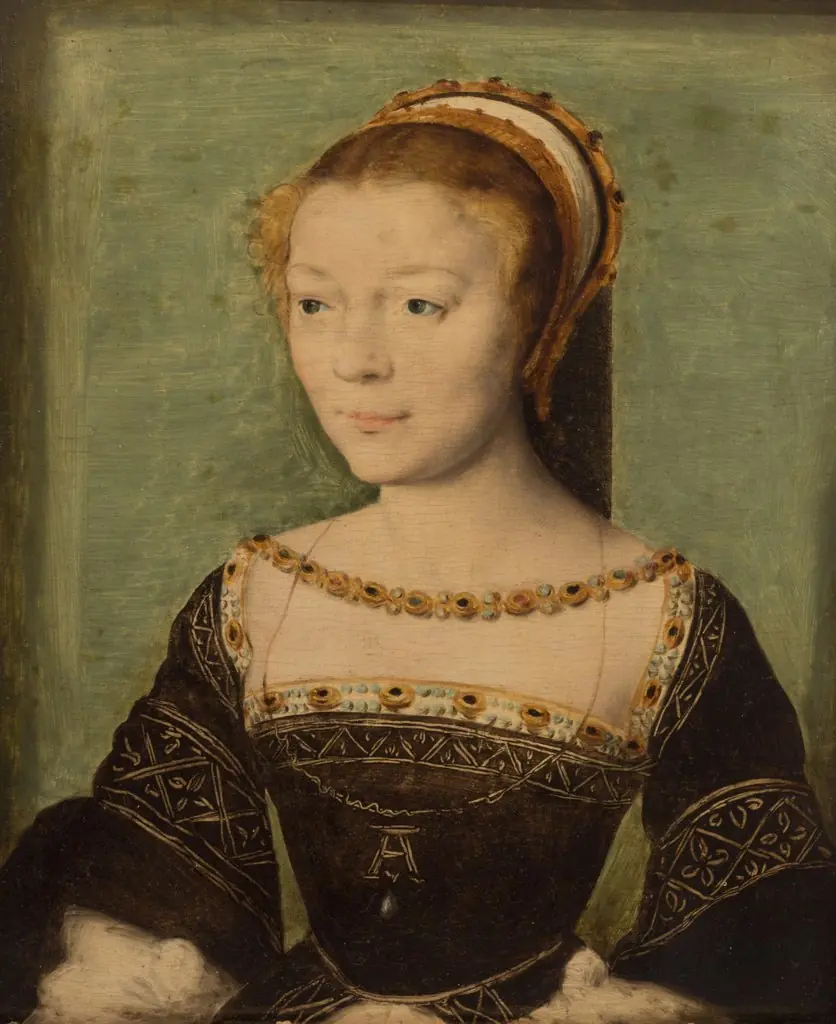
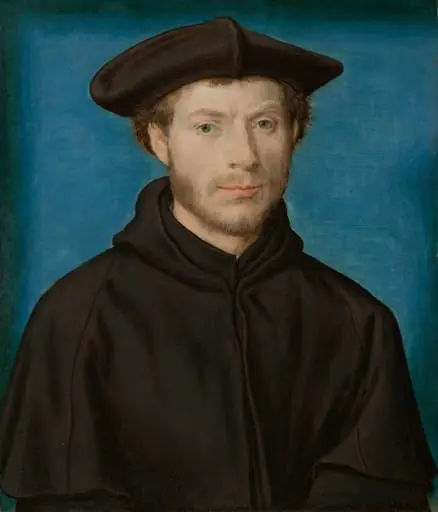
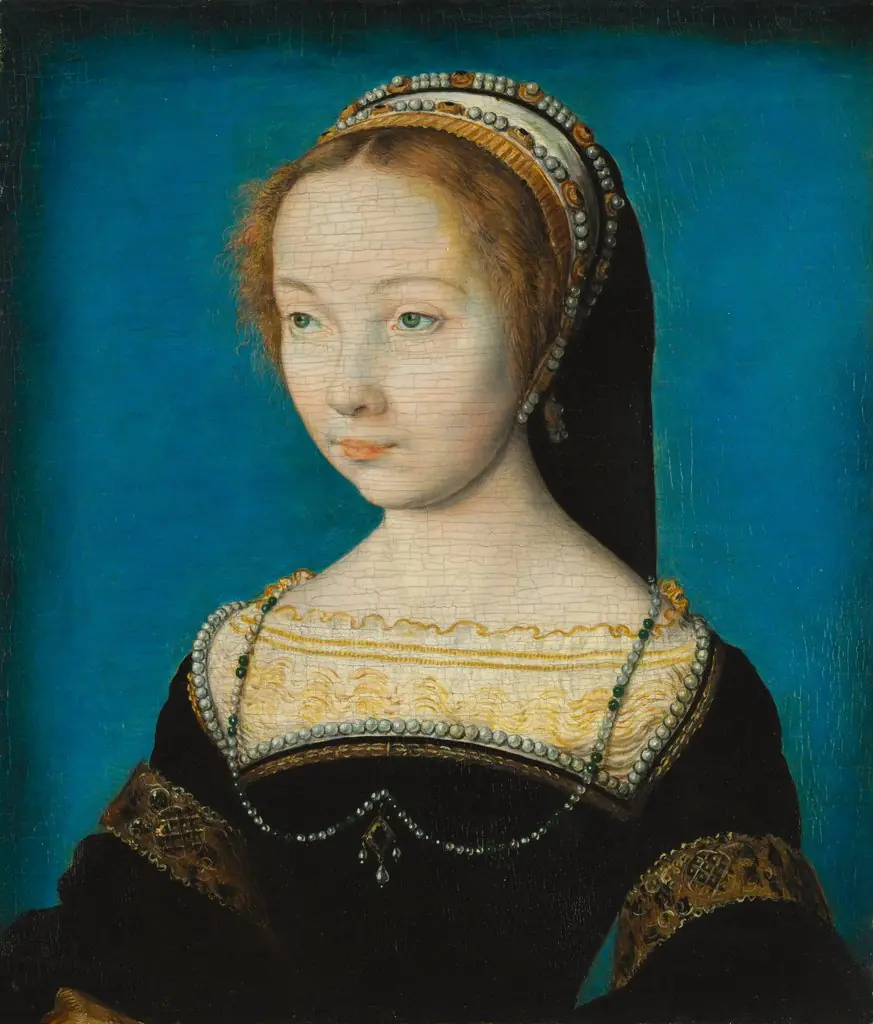
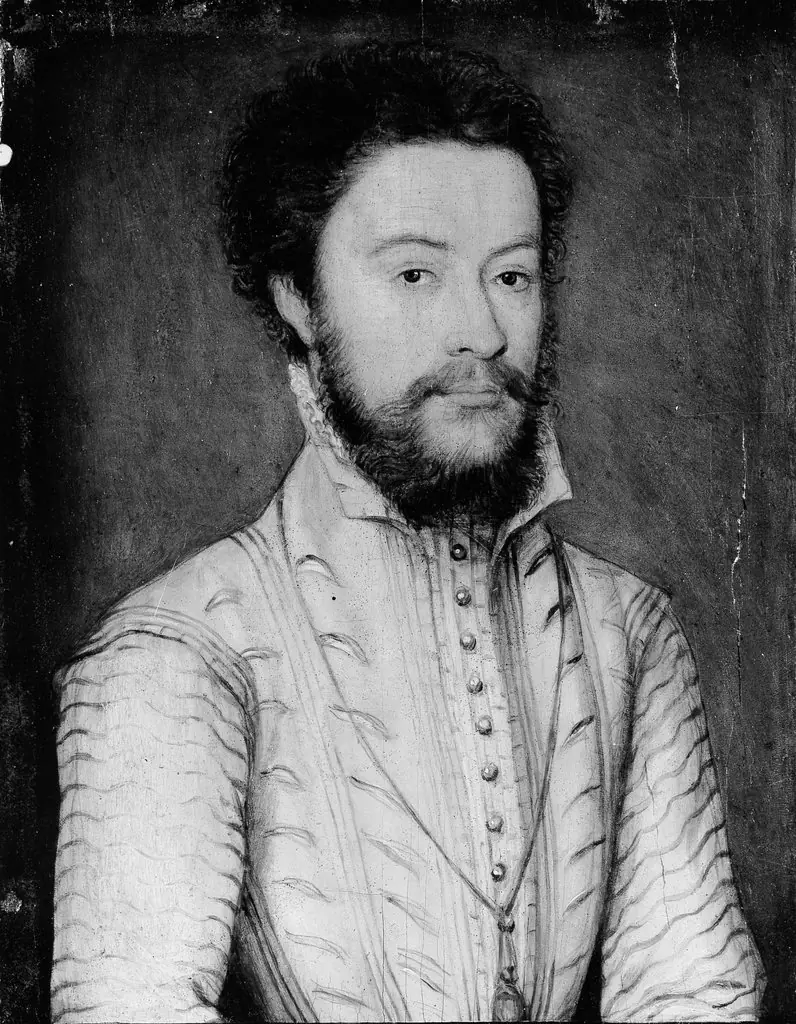
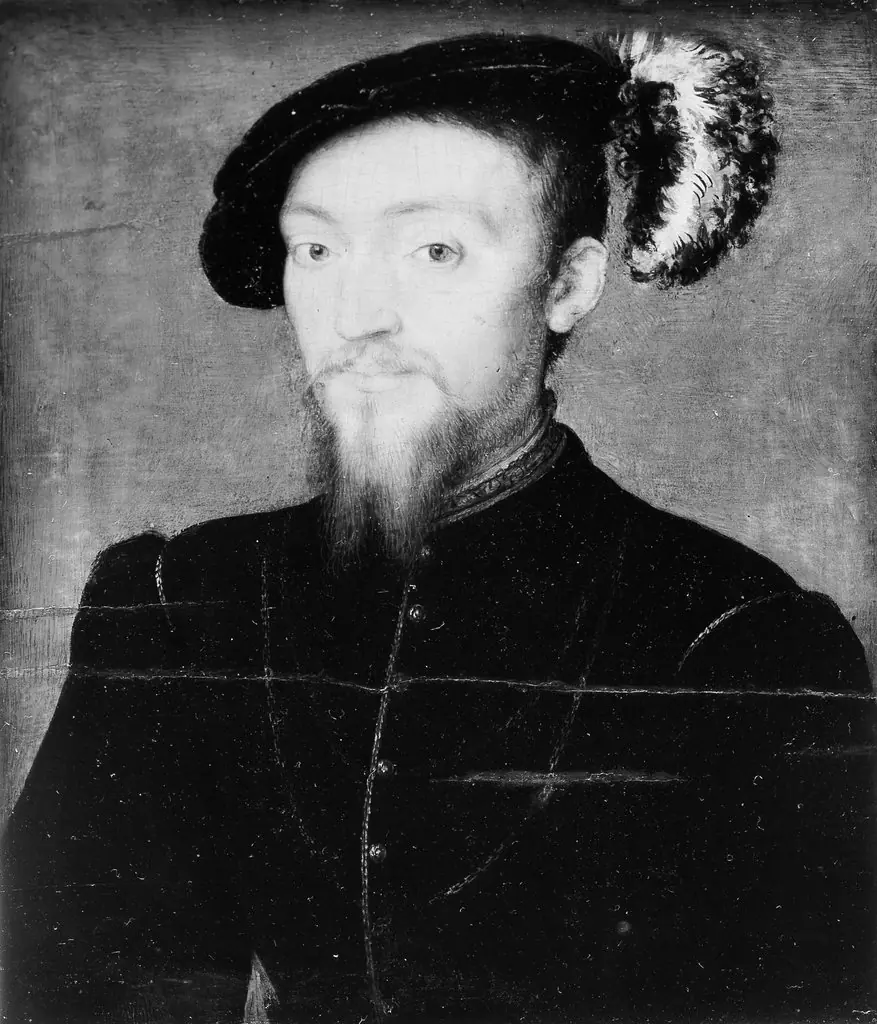
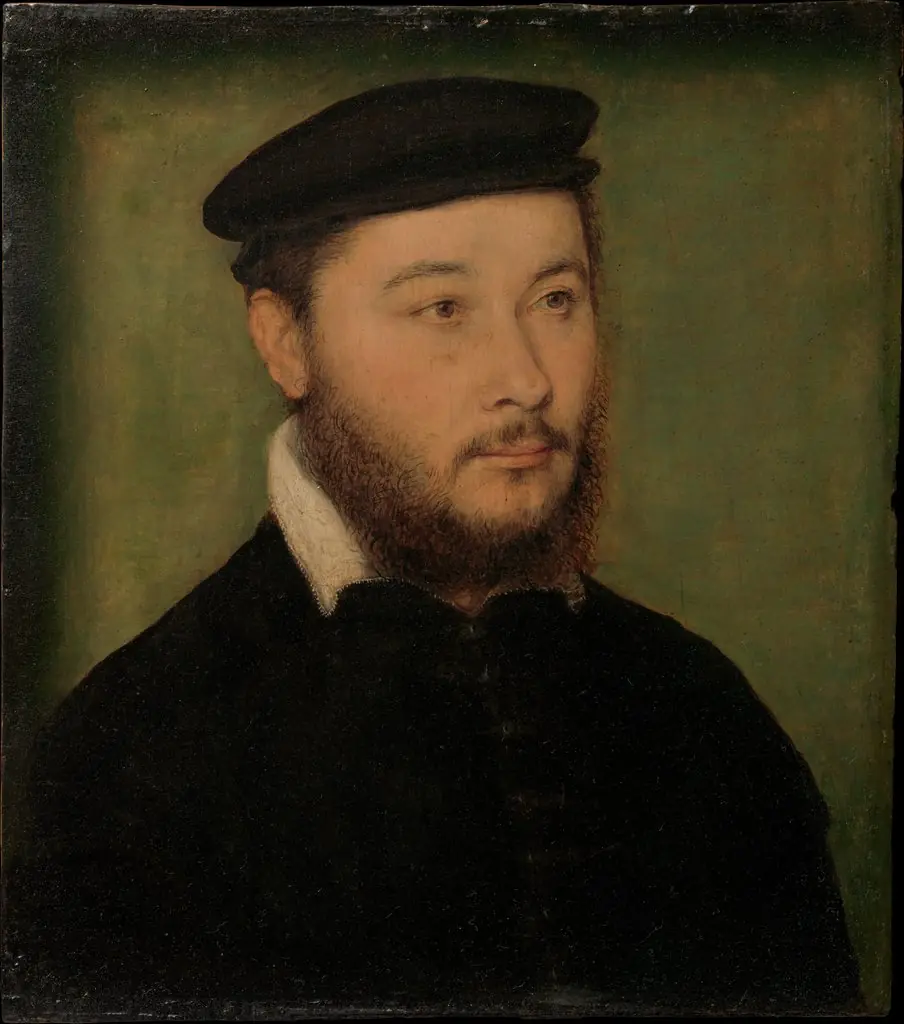
- Portrait of a Woman
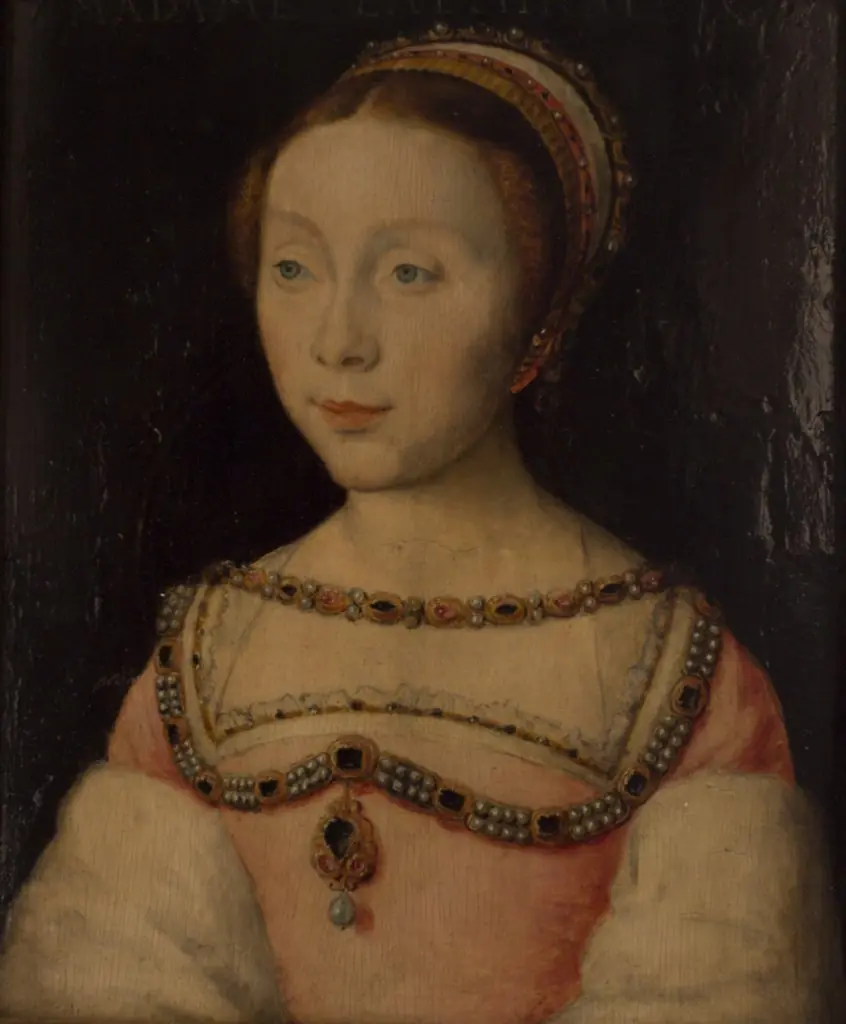 Françoise de Longwy, Countess of Chabot
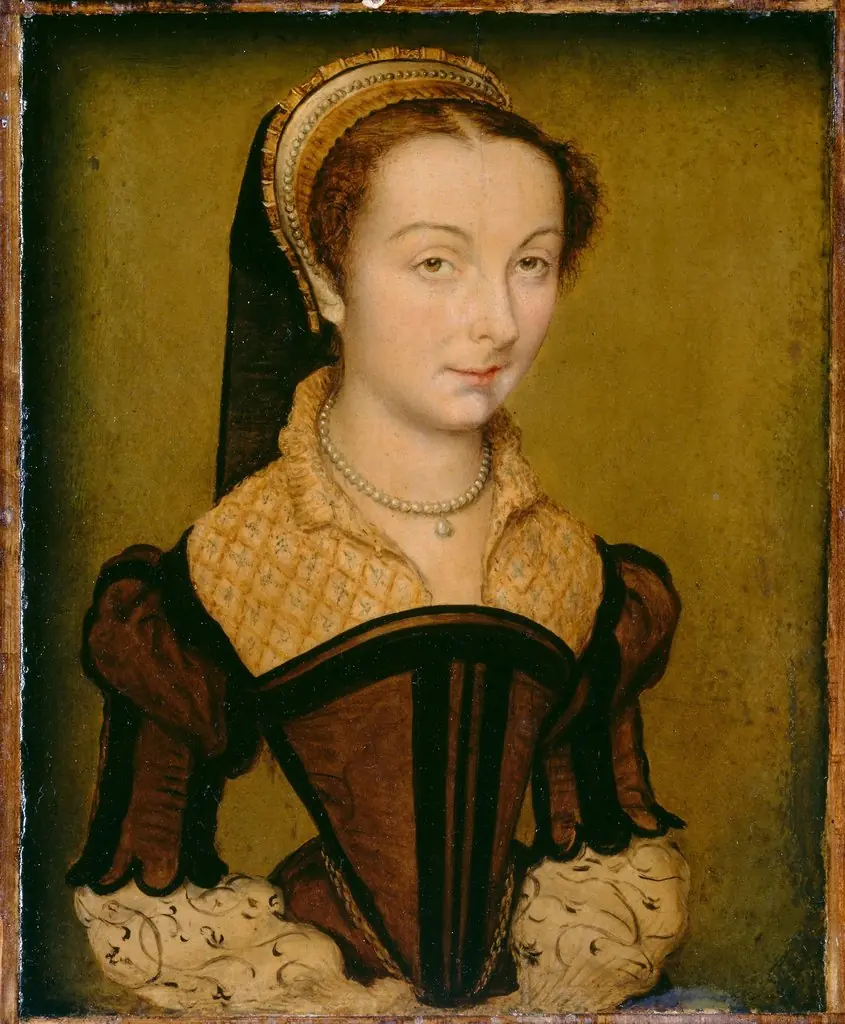 Portrait of Louise de Halluin, dame de Cipierre
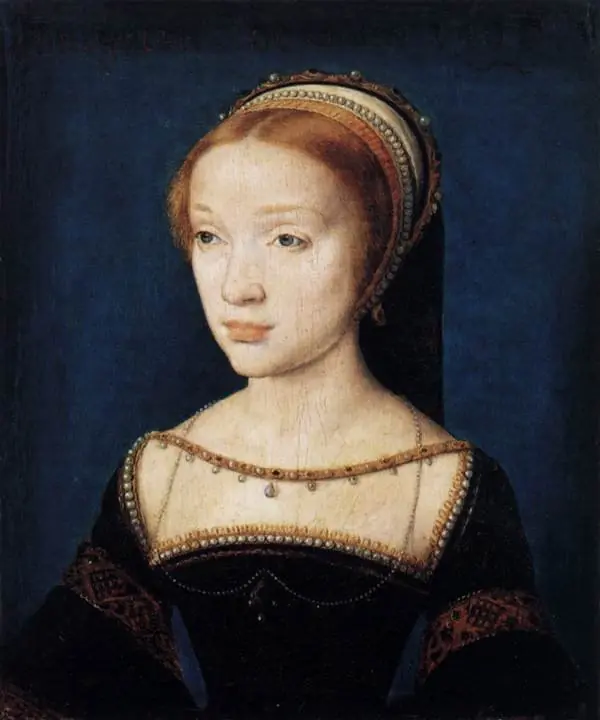 Jacqueline de Rohan
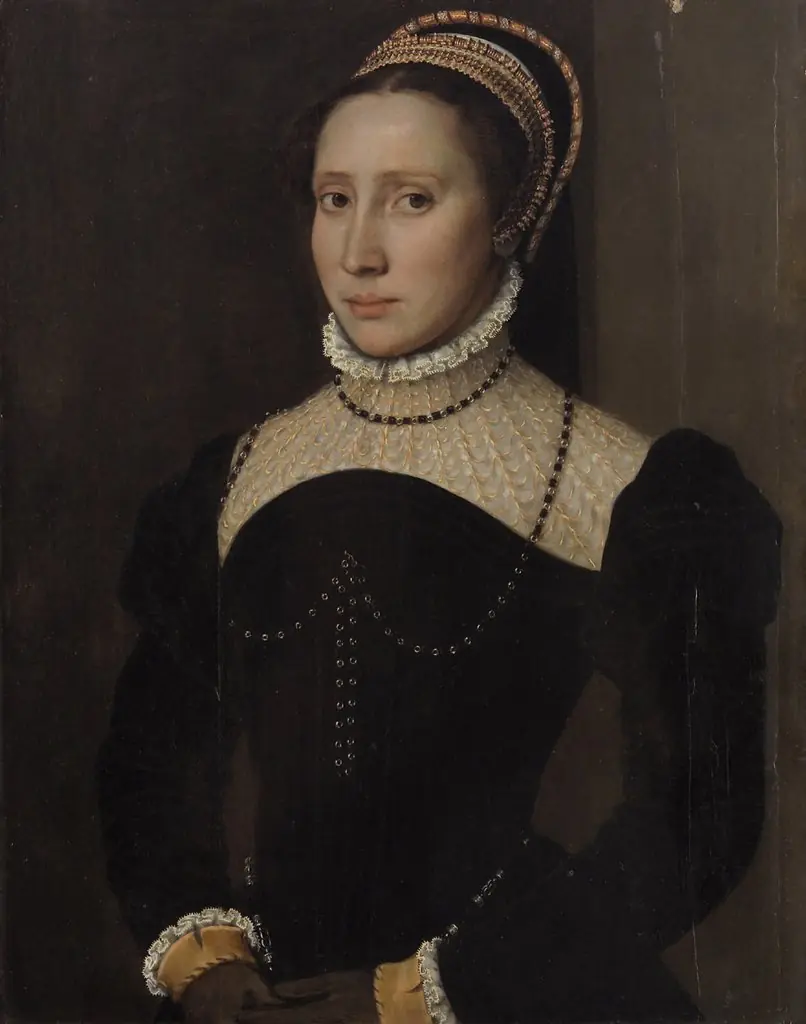 Weibliches Bildnis
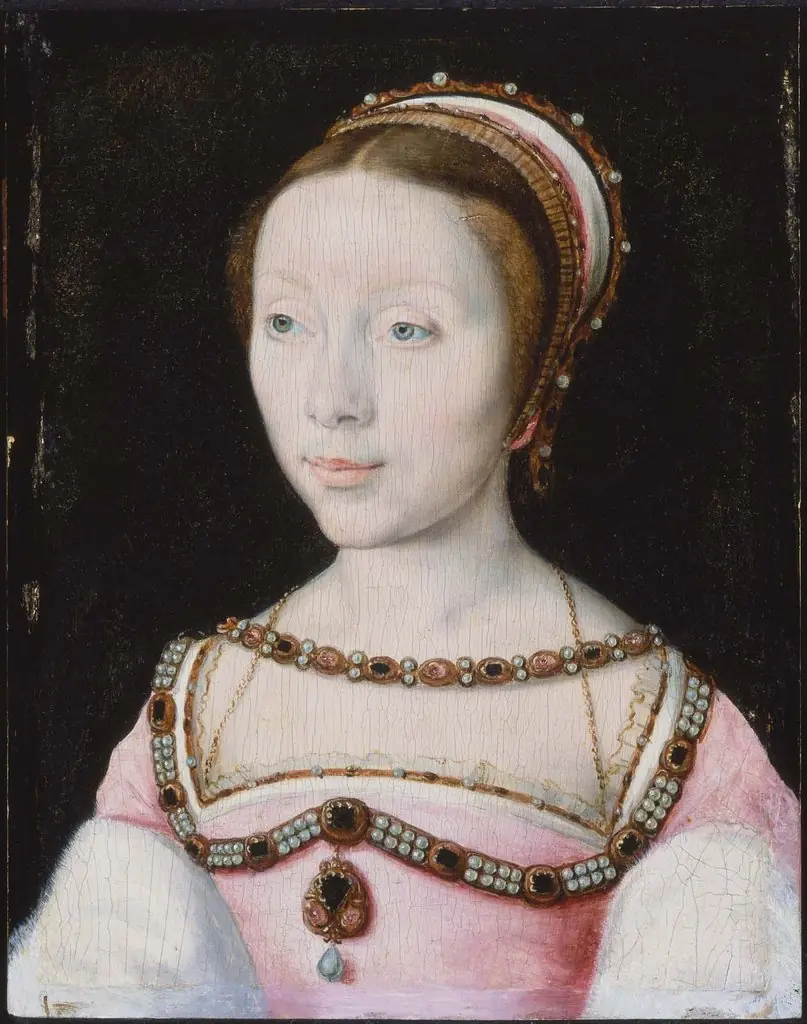 Françoise de Longwy
 Weibliches Bildnis
 Isabeau de Savoie, Comtesse du Bouchage
 Portrait of a young woman
 Portrait of a Widow
 Madeleine of France, Queen of Scots (1520-1537)