Artwork
Sebastiaan Cornelis Nederburgh (1762-1811). Commissaris-generaal (1791-99)
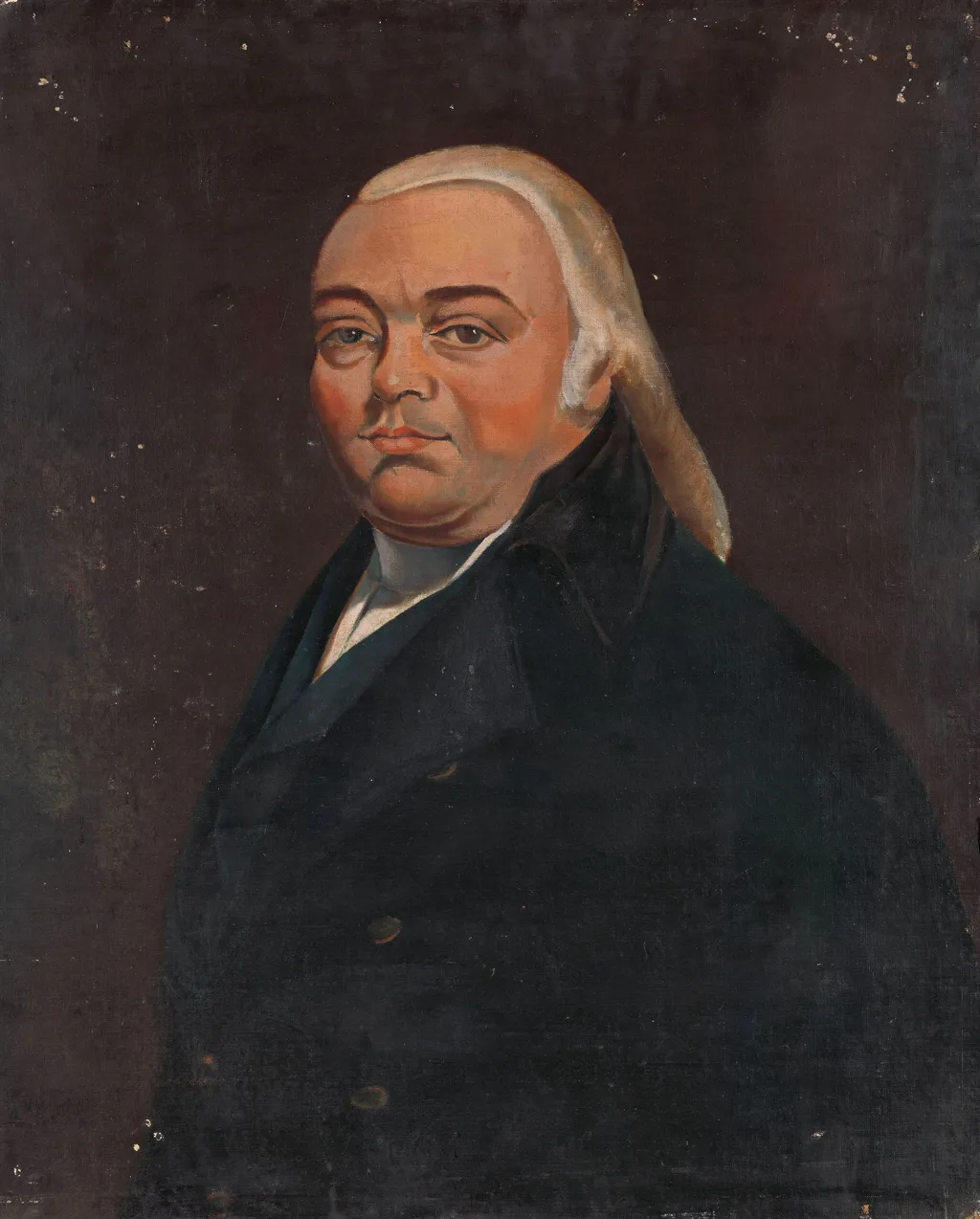
Sebastiaan Cornelis Nederburgh (1762-1811). Commissaris-generaal (1791-99) is an oil painting by the Biedermeier artist Cornelis de Cocq. It dates from 1862 and is held in the collection of the Rijksmuseum. The canvas presents a formal portrait of Sebastiaan Cornelis Nederburgh, who served as Commissaris‑generaal from 1791 to 1799.
About this work
He has a distinctive hairstyle, with white hair on the sides and back, and a balding spot on top.
This painting depicts a man with a serious expression, wearing a dark jacket and white shirt. He has a distinctive hairstyle, with white hair on the sides and back, and a balding spot on top.
The man's attire and hairstyle suggest that the painting is from the 18th or 19th century. The dark background of the painting draws attention to the subject's face and clothing.
The artist's use of chiaroscuro creates a sense of depth and dimensionality in the painting. For more information on this technique, look up chiaroscuro.
Technique & Style
The work is an oil painting executed on canvas. Rendered circa 1862, it portrays the Dutch colonial official Sebastiaan Cornelis Nederburgh, who held the title Commissaris-generaal from 1791 to 1799. The composition follows conventional portrait conventions of the period, presenting the sitter in a dignified manner against a muted background.
The surface retains its original oil medium without noted alterations. Currently housed in the Rijksmuseum, the painting measures 80.5 cm by 65 cm.
History & Provenance
The portrait of Sebastiaan Cornelis Nederburgh was painted by Cornelis de Cocq in 1862 and entered the collection of the Rijksmuseum, where it remains on display. Its creation is documented by the museum’s cataloguing of the work as a canvas portrait completed in that year, and it was commissioned to depict the historical figure who served as Commissaris-generaal from 1791 to 1799.
Context
Sebastiaan Cornelis Nederburgh (1762-1811) served as Commissaris-generaal from 1791 to 1799, a role reflecting his prominence in Dutch colonial administration during the late 18th century. This painting by Cornelis de Cocq, created in 1862, portrays him decades after his tenure, capturing his legacy through a formal portrait in the tradition of Dutch Golden Age portraiture. The work is housed in the Rijksmuseum's collection and exemplifies 19th-century historical interest in reconstructing figures from earlier administrative eras.
Its dimensions (80.5 cm x 65 cm) and oil on canvas medium align with contemporary portrait conventions of the period, situating it within the broader context of 19th-century Dutch art's engagement with national historical narratives.
Overview
The canvas presents a formal portrait of Sebastiaan Cornelis Nederburgh, who served as Commissaris‑generaal from 1791 to 1799. Executed by Cornelis de Cocq, the work dates to 1862 and is part of the Rijksmuseum’s collection. The composition focuses on the sitter’s face, set against a dark, unadorned background.
Subject & Meaning
Nederburgh is shown with a sober expression, his attire reflecting the official rank he held. The dark jacket and crisp white shirt convey authority, while the distinctive hairstyle, white hair on the sides and back with a balding crown, marks his age and status during the late eighteenth century.
Own this work as a print
Artist & collection

 The Artist's Father
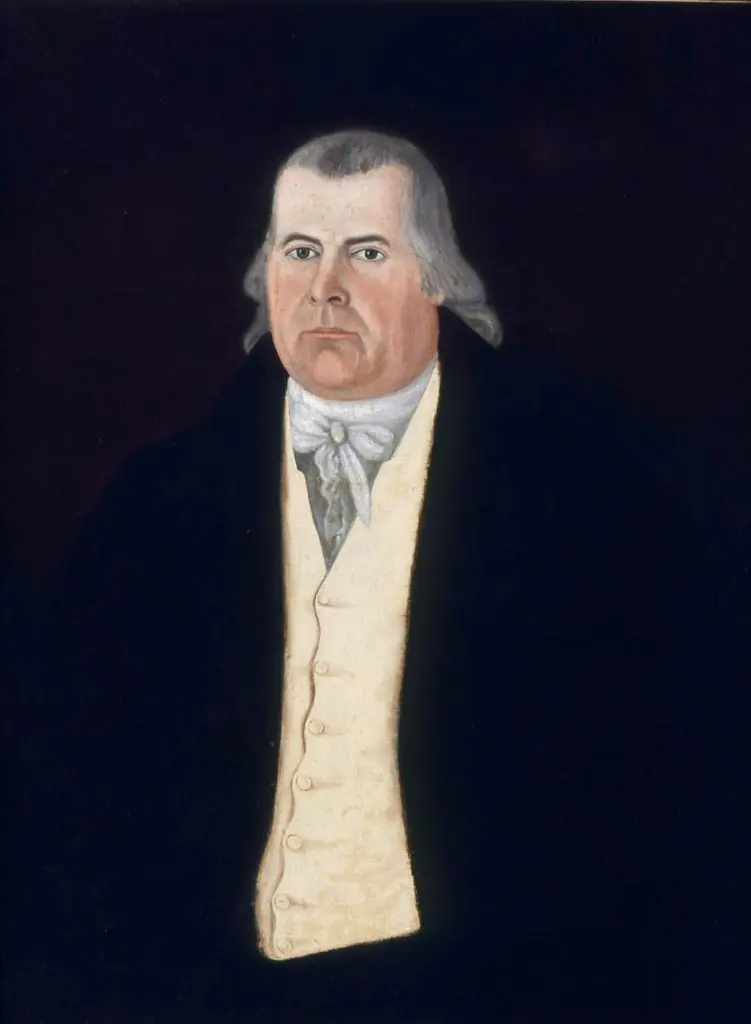 Captain Daniel Tyler
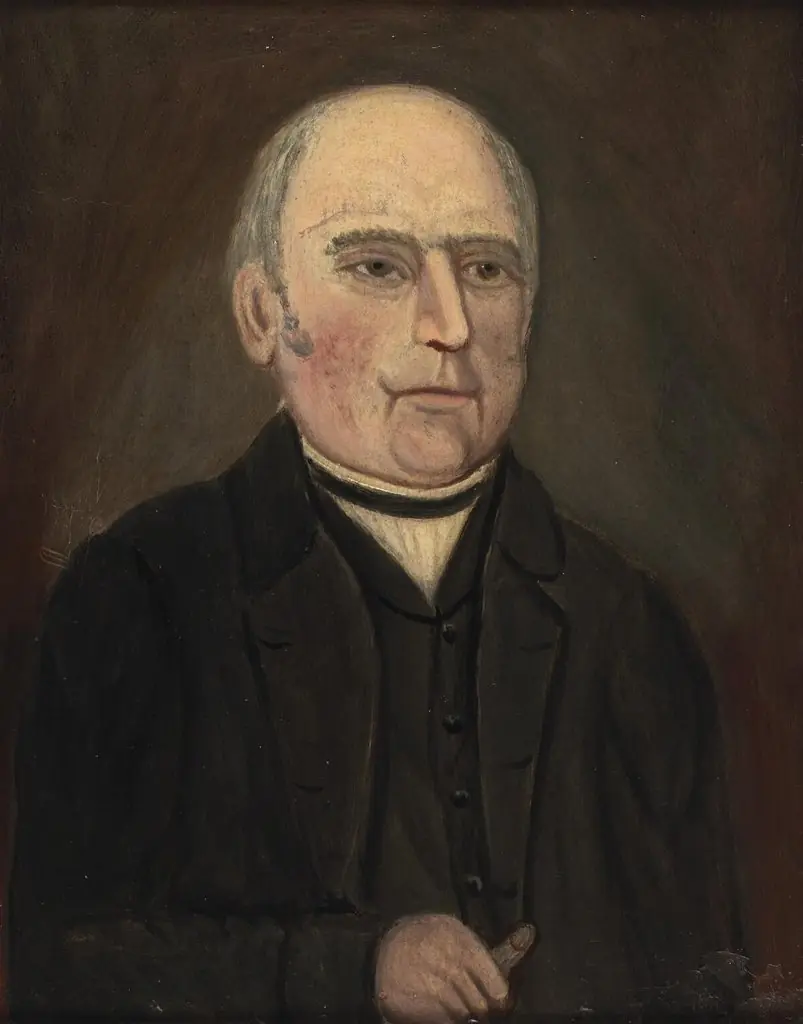 Reverend John Jones, Talysarn, Carnarvon
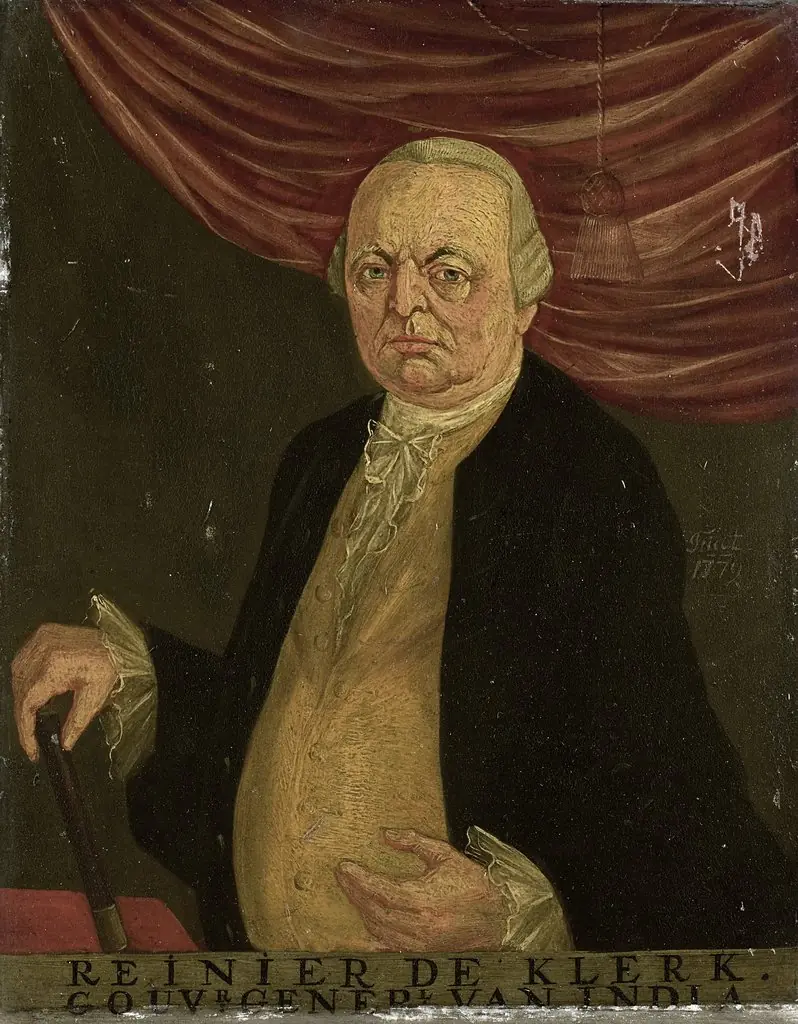
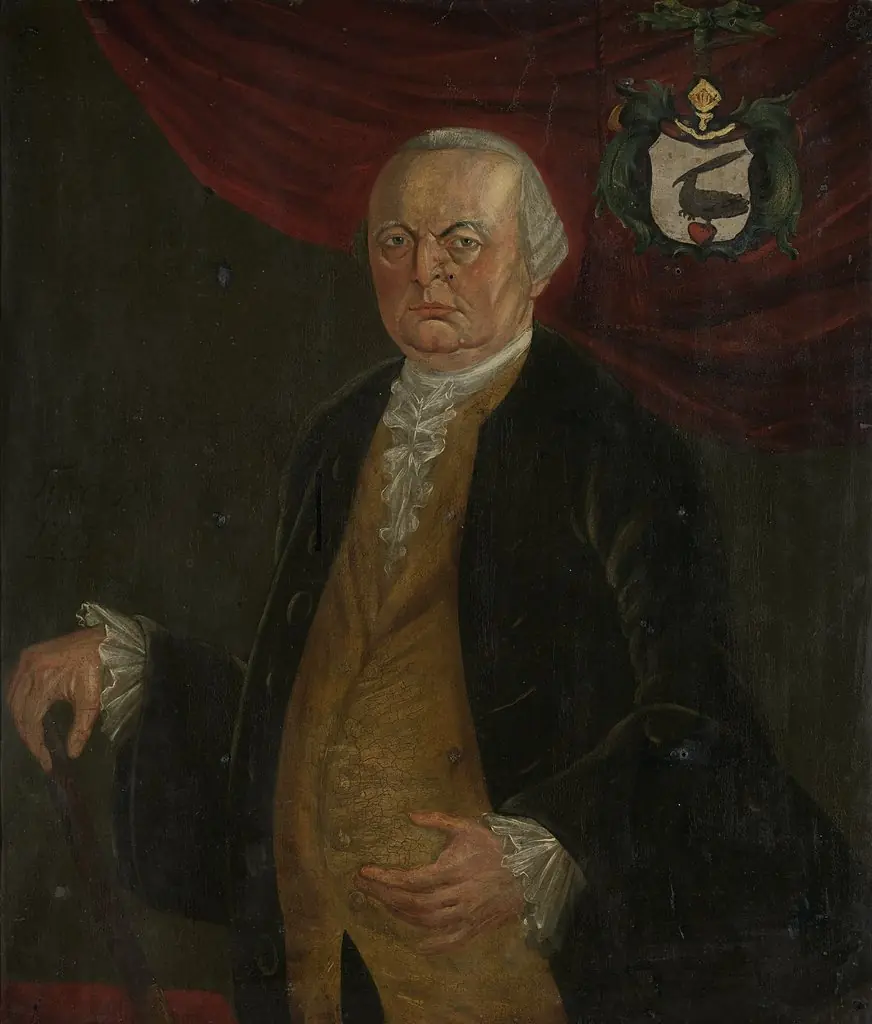 Portrait of Reinier de Klerk (1710-80), Gouverneur-generaal (1777-80)
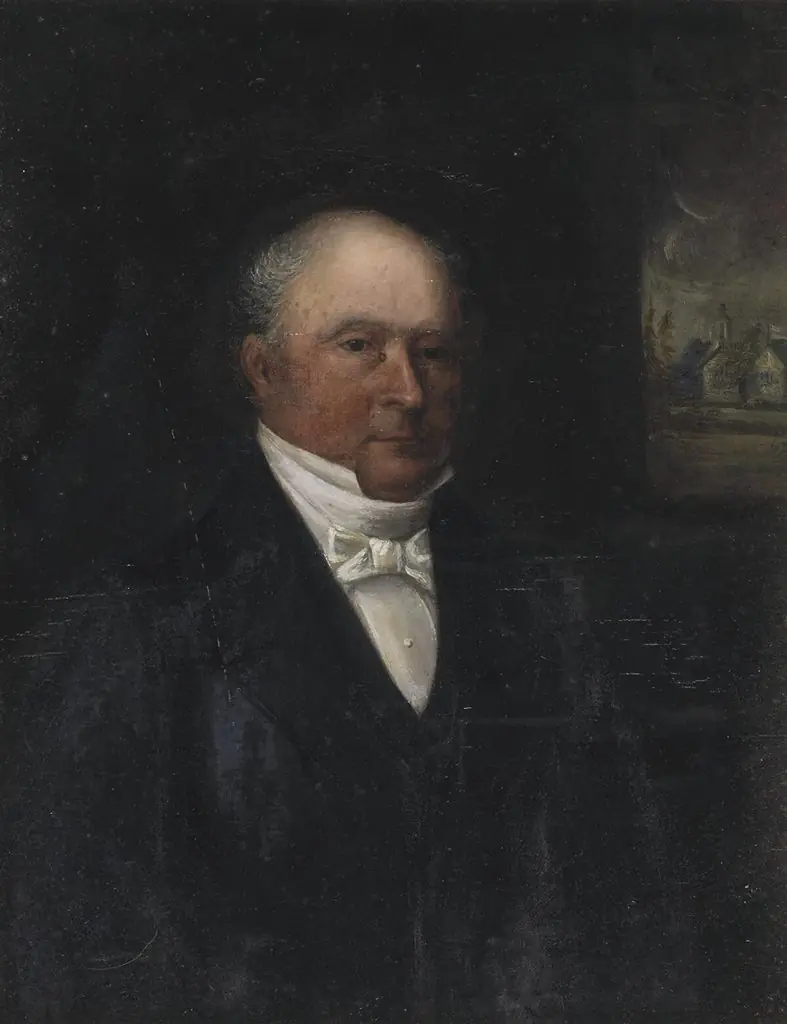 Rev. Thomas Davies
 Rev Matthew Worthington (1732-1797)
 John Davenport
 Portrait of a man
 Noah Webster
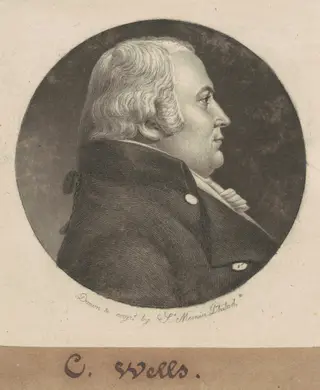 John Craig Wells
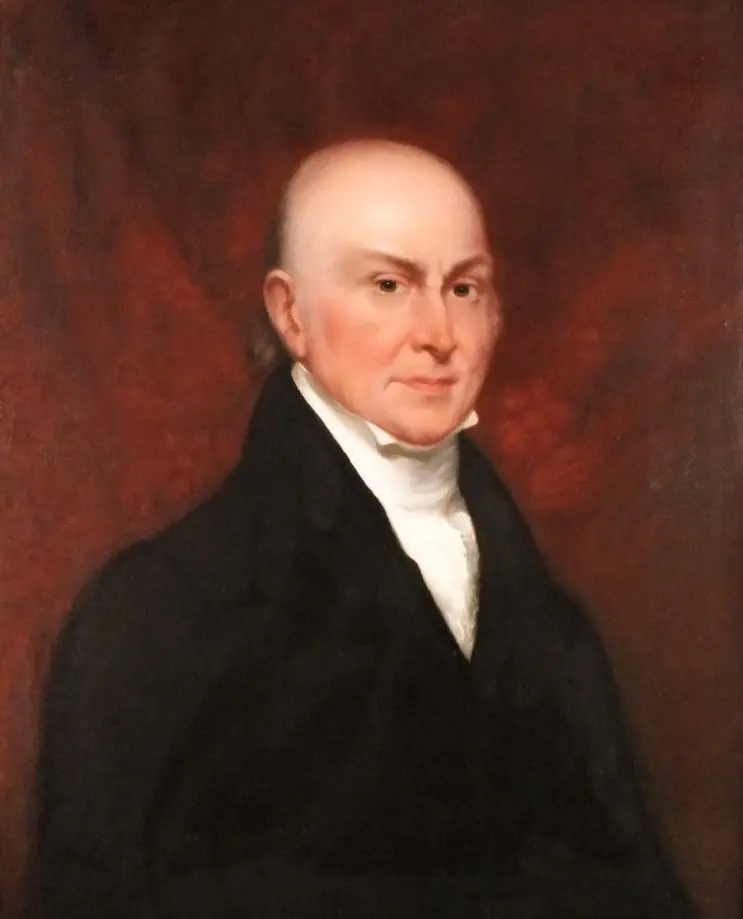 John Quincy Adams by Charles Osgood
- Portrait of Reinier de Klerk (1710-80). Gouverneur-generaal (1777-80)