Artwork
Portrait of Reinier de Klerk (1710-80). Gouverneur-generaal (1777-80)
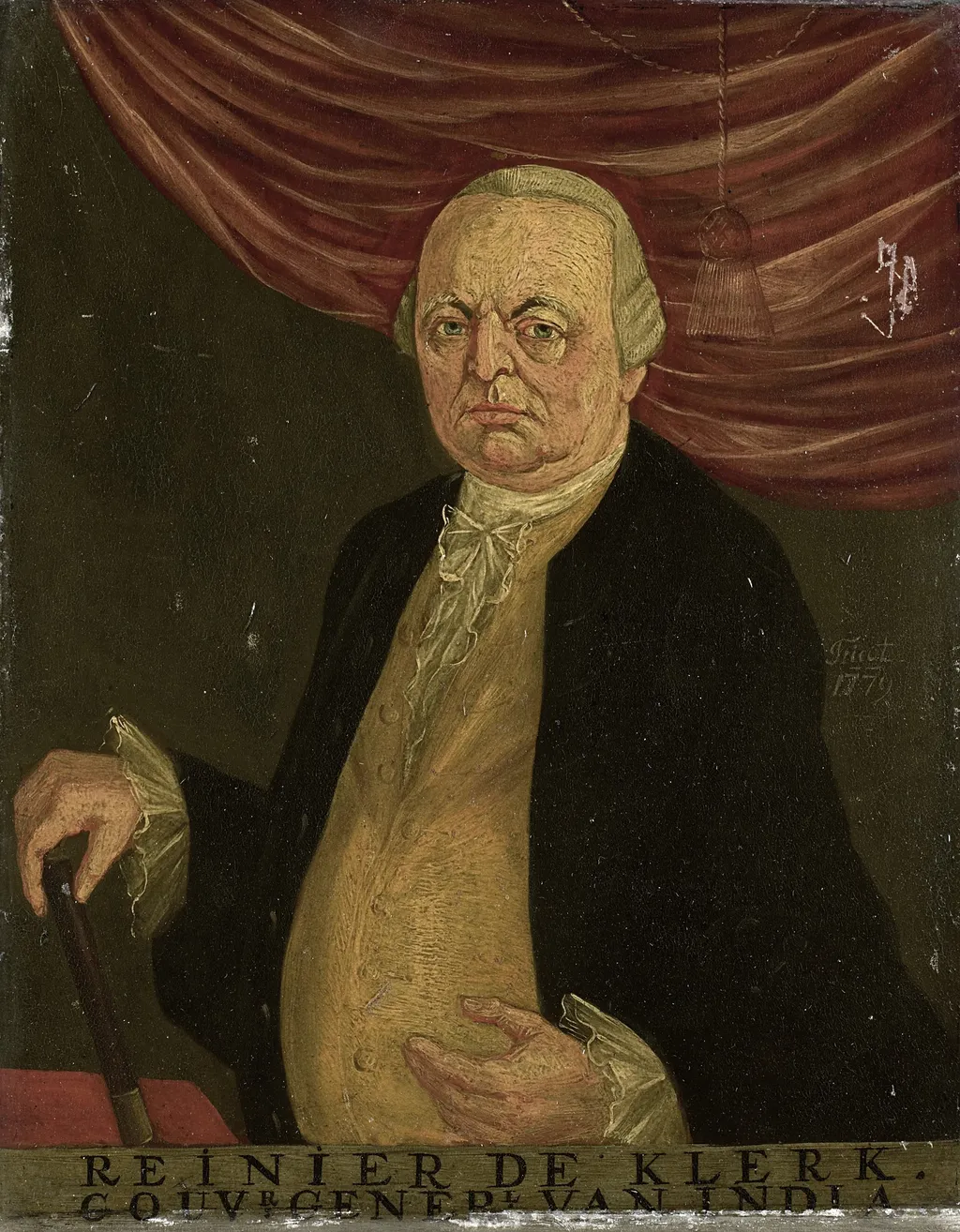
Portrait of Reinier de Klerk (1710-80). Gouverneur-generaal (1777-80) is an oil painting by the Rococo painting artist Franciscus Josephus Fricot. It dates from 1790 and is held in the collection of the Rijksmuseum.
About this work
Technique & Style
The work is an oil painting created on a copper support, a material choice that was common for portrait commissions in the late 18th century.
The work is an oil painting created on a copper support, a material choice that was common for portrait commissions in the late 18th century. The small dimensions of 35 cm by 27 cm suggest an intimate format suited for private display. The surface bears the characteristic handling of a finished portrait, with fine brushwork that delineates the sitter’s features and attire, while the background remains subdued to keep focus on the figure.
The composition follows the formal conventions of Dutch portraiture of the period, emphasizing a straightforward, dignified pose and careful rendering of texture.
History & Provenance
The work was painted by Franciscus Josephus Fricot in 1779 on copper, depicting Reynier de Klerck, who served as Gouverneur-generaal from 1777 to 1780. It was created as a portrait of this individual and is currently part of the Rijksmuseum's collection. The painting measures 35 cm in height and 27 cm in width.
Overview
Franciscus Josephus Fricot’s 1790 portrait of Reinier de Klerk, rendered on copper, is part of the Rijksmuseum’s collection. The work presents the former governor‑general in a formal pose, his gaze directed forward, set against a dark backdrop punctuated by a deep red curtain. The composition conveys a restrained dignity appropriate to the subject’s high office.
Subject & Meaning
Reinier de Klerk (1710‑1780) served as governor‑general from 1777 until his death in 1780. In the portrait he is shown in a black coat with a white shirt and cravat, holding a cane in his right hand while his left rests on his abdomen. The solemn expression, greying hair, and prominent facial features underscore his authority and the gravitas of his administrative role.
Context
The portrait was produced during a period when Dutch officials abroad were often commemorated in formal oil or copper works, reflecting both personal prestige and the broader imperial narrative. Fricot’s choice of copper aligns with contemporary practices for durable, high‑clarity portraiture intended for official display.
Own this work as a print
Artist & collection
Artist
This 18th-century Dutch painter specialized in portrait medallions cast in brass, copper, and bronze.

 Portrait of Adriaan du Bois, Director of the Rotterdam Chamber of the Dutch East India Company, elected 1742
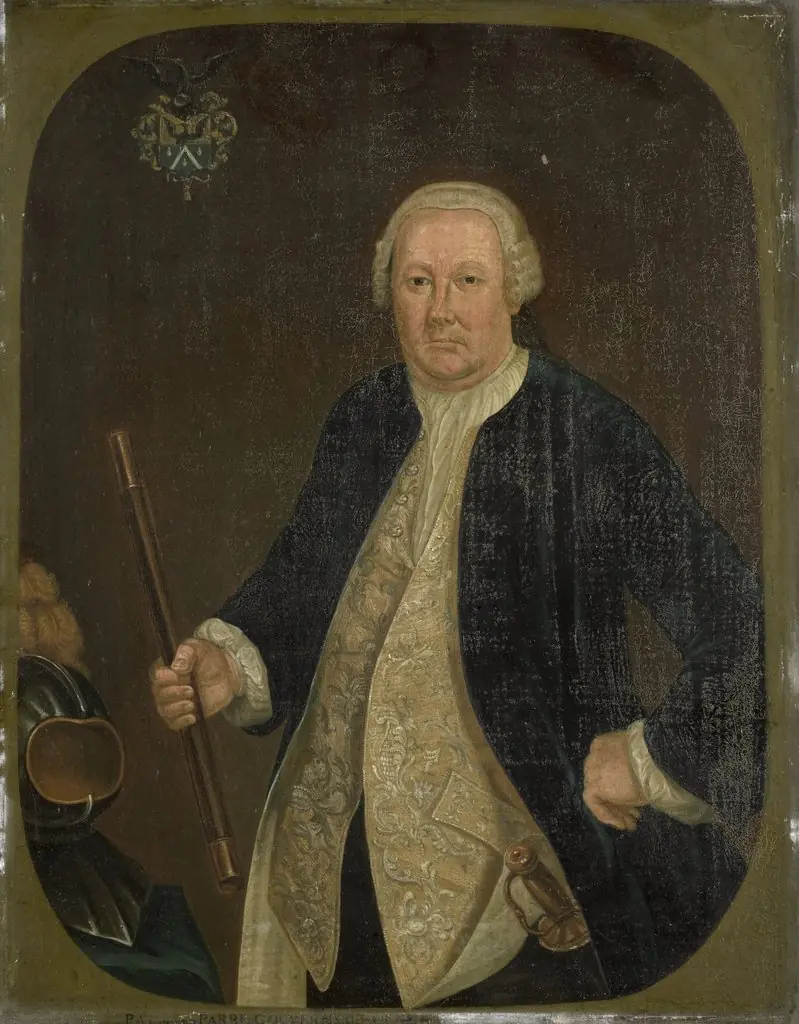 Portrait of Petrus Albertus van der Parra (1714-1775)
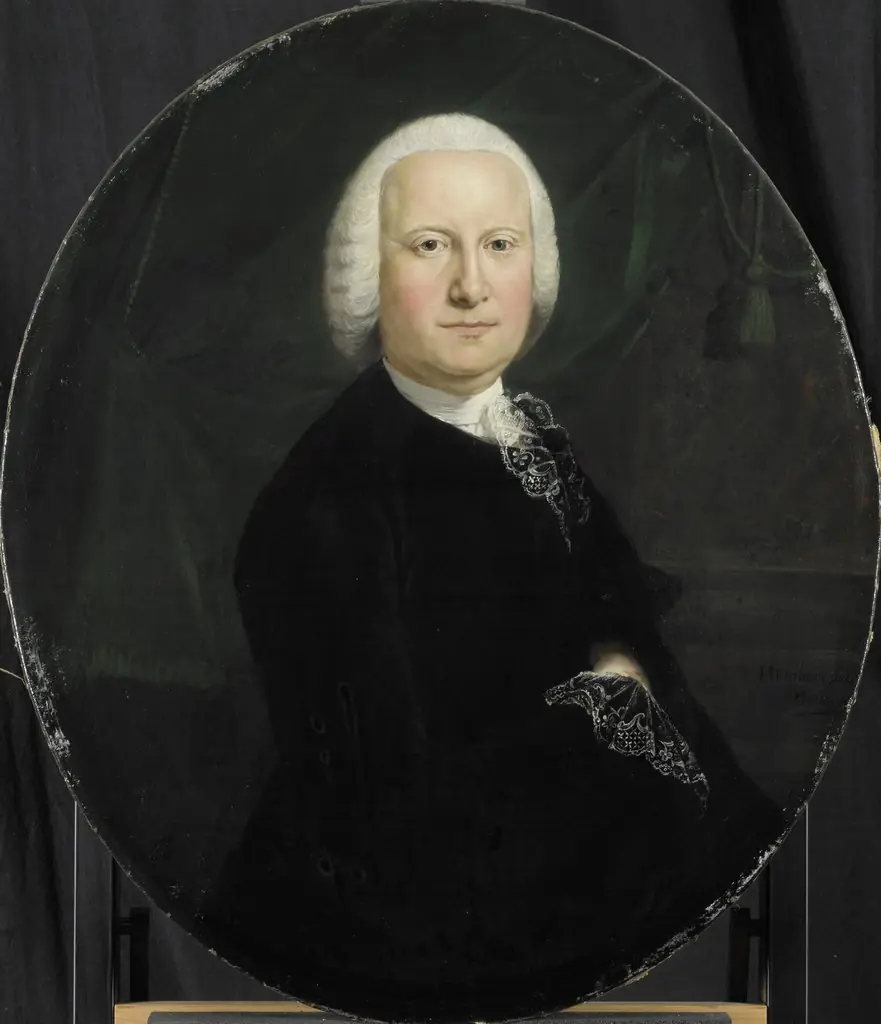 Portrait of Adriaan du Bois, Director of the Rotterdam Chamber of the Dutch East India Company, elected 1742
 Portrait of Wincenty Tyszkiewicz (1757–1816)
 Portrait of Józef Morykoni
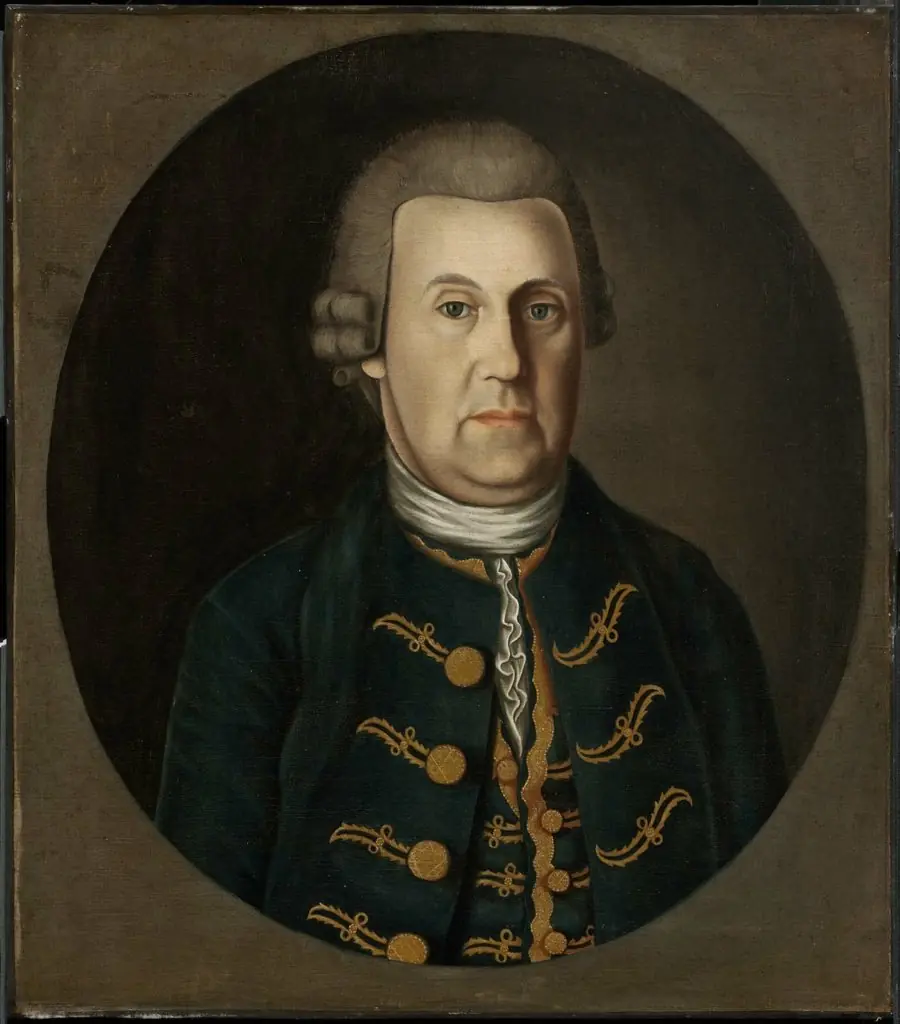 Levi Willard
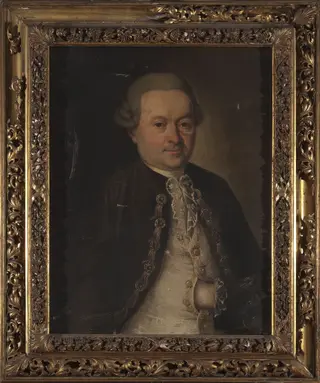 Portrait of Franciszek Halka-Ledóchowski
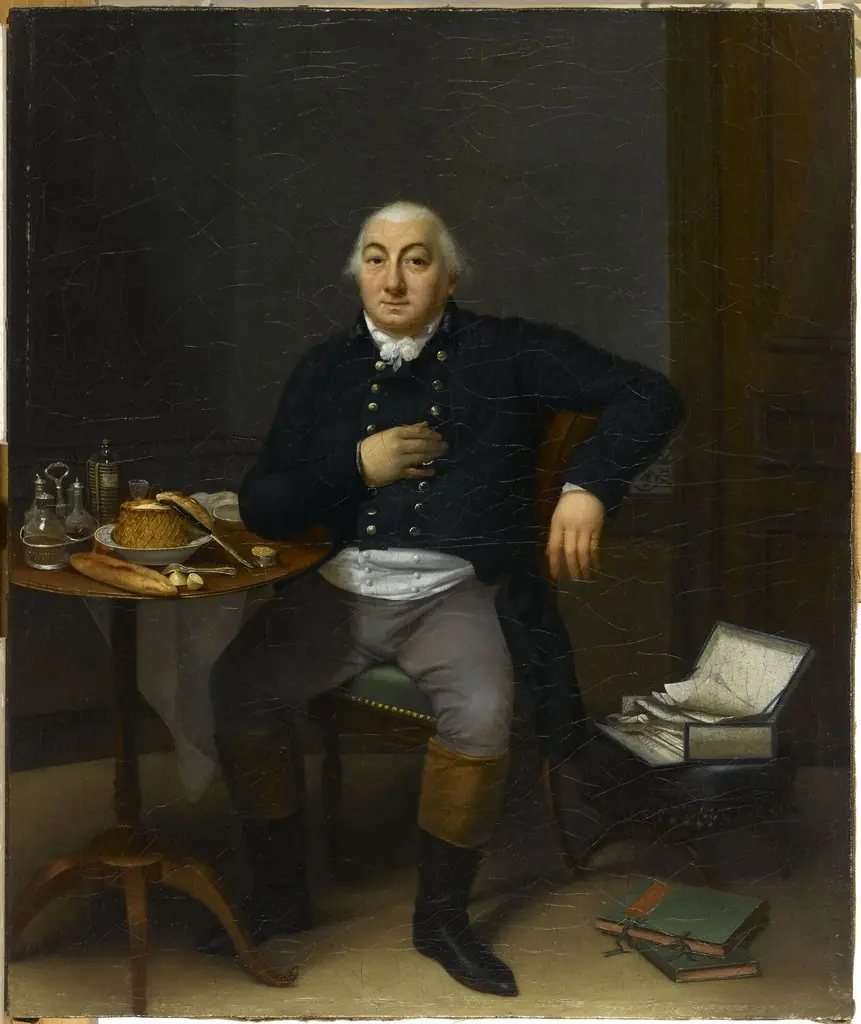 The Marquis de Romance Mesmon's snack
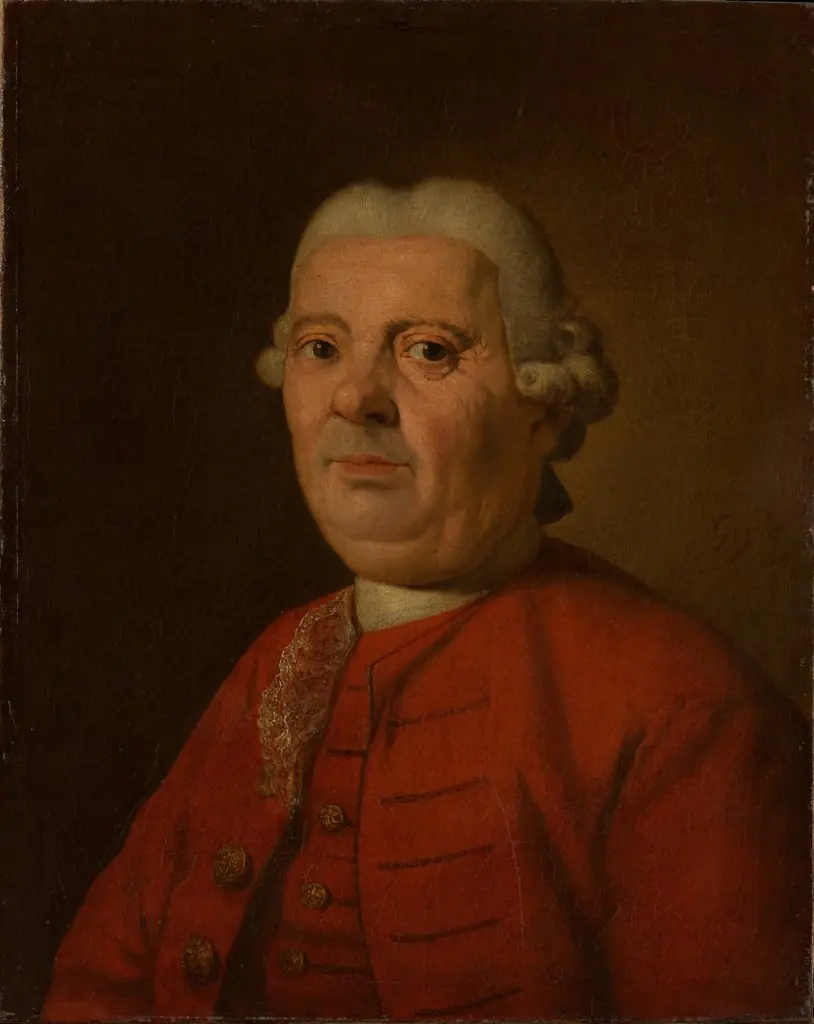 Portrait of a Man