Artwork
The Citizens of Antwerp bring back to Saint Norbert the Monstrance and other Sacred Vessels that they had hidden from Tankelin
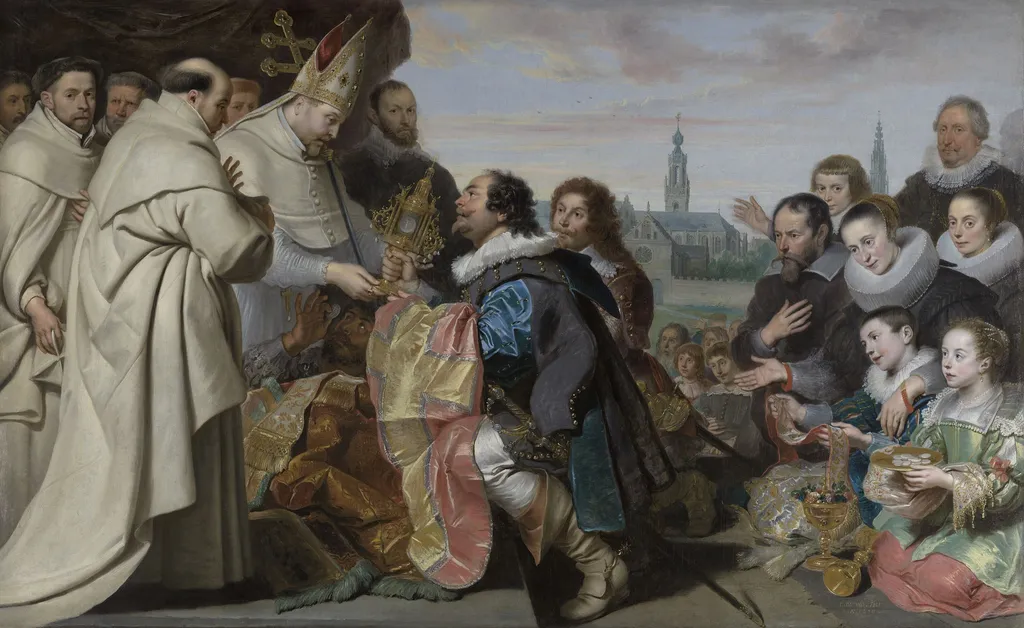
The Citizens of Antwerp bring back to Saint Norbert the Monstrance and other Sacred Vessels that they had hidden from Tankelin is an oil painting by the Flemish Baroque painting artist Cornelis de Vos. It dates from 1630 and is held in the collection of the Royal Museum of Fine Arts Antwerp.
About this work
Subject & Meaning
The scene underscores the community's dedication to preserving Catholic liturgical objects during a period of religious turmoil.
The painting depicts the citizens of Antwerp solemnly returning the monstrance and other sacred vessels to Saint Norbert after they had concealed them from the iconoclast Tankelin. The scene underscores the community's dedication to preserving Catholic liturgical objects during a period of religious turmoil. By portraying the orderly restoration of these holy items, the work symbolizes the triumph of faith over iconoclastic destruction and highlights the collective piety of Antwerp's populace.
History & Provenance
Cornelis de Vos created the oil-on-canvas painting The Citizens of Antwerp bring back to Saint Norbert the Monstrance and other Sacred Vessels that they had hidden from Tankelin in 1630. The work measures 153 cm in height and 249 cm in width. It is currently held in the collection of the Royal Museum of Fine Arts Antwerp, which is part of the Vlaamse Kunstcollectie.
The painting depicts religious figures including Norbert of Xanten and the monstrance within a scene set in Antwerp.
The painting is housed in the Royal Museum of Fine Arts Antwerp, where it is recorded under the collection designation of the Vlaamse Kunstcollectie. Its accession details are not specified in the provided documentation, but the work is listed as part of the museum’s permanent holdings. The artwork has been exhibited in museum displays focusing on 17th‑century religious painting, including presentations of the museum’s collection of works by Cornelis de Vos.
Legacy
The painting's influence is noted through its presence in major collections and scholarly reference, particularly its role as a representative example of 17th-century religious art within the Antwerp school. Its reputation rests on the detailed depiction of the Eucharistic procession and the historical narrative it illustrates, shaping understanding of Counter-Reformation visual culture. The work remains accessible to researchers and the public through its continued display at the Royal Museum of Fine Arts Antwerp, where it contributes to the study of Flemish Baroque painting and religious iconography.
Overview
Cornelis de Vos painted this large oil composition in 1630, placing it within the Flemish Baroque tradition. The work records a civic‑religious ceremony in Antwerp, where local citizens return a sacred monstrance and other liturgical vessels to Saint Norbert after they had been concealed during a period of danger.
Technique & Style
De Vos employs a balanced composition typical of early 17th‑century Flemish painting, with a clear foreground of figures and a receding cityscape. His handling of oil paint renders textures of fabric, metal, and stone with fine detail, while the lighting subtly highlights the gilt monstrance against the muted tones of the surrounding crowd.
Context
The work reflects Antwerp’s turbulent early‑17th‑century history, when sacred objects were often hidden to protect them from conflict or iconoclastic threats. By depicting their safe return, de Vos underscores the resilience of the city’s faith community and the role of Saint Norbert as a protective patron.
Own this work as a print
Artist & collection
Artist
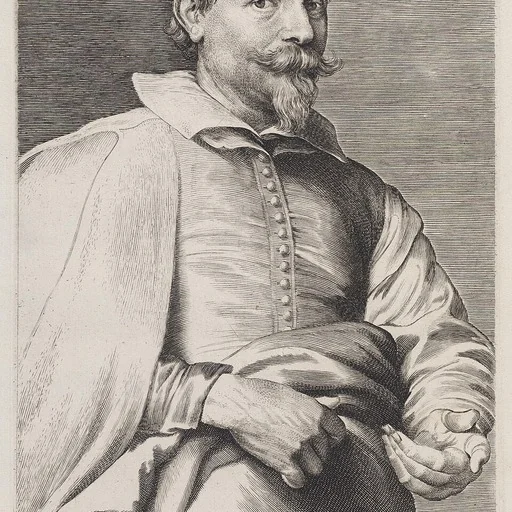
Cornelis de Vos (1584 - 9 May 1651) was a Flemish painter, draughtsman and art dealer.

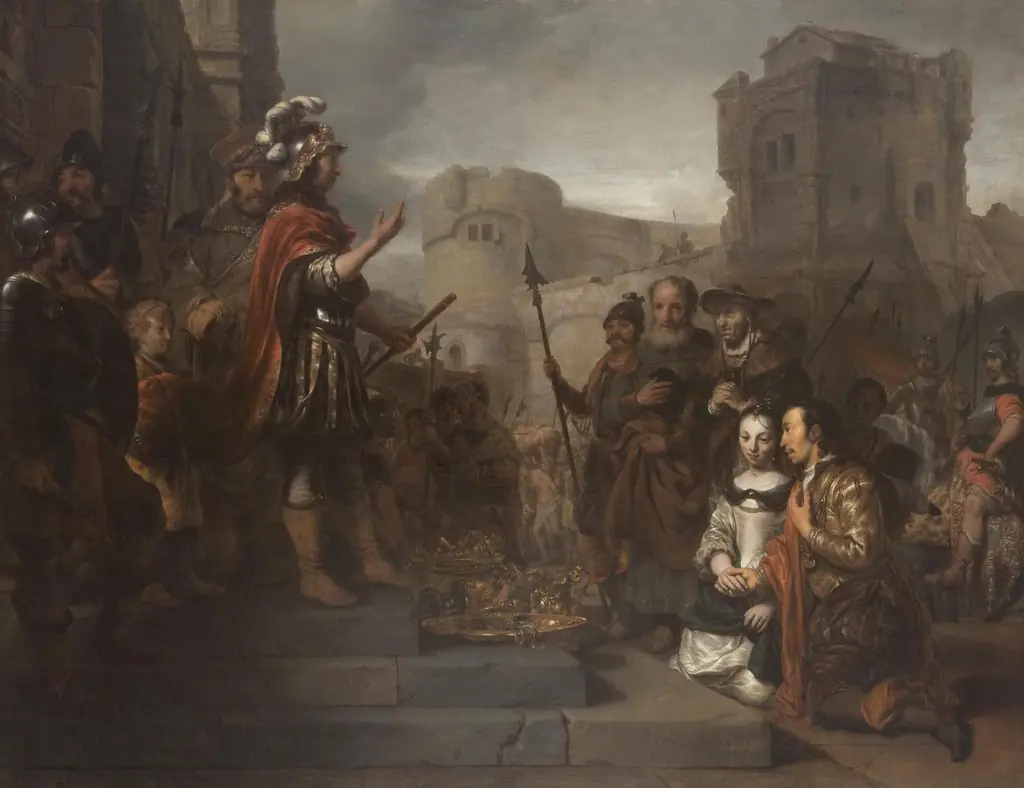
- The Continence of Scipio
 Anointing of a bishop
 A Feast
 Frederik II Builds Kronborg Castle at Elsinore
 The Magnanimity of Scipio Africanus
 Saint Ambrose absolves the Emperor Theodosius
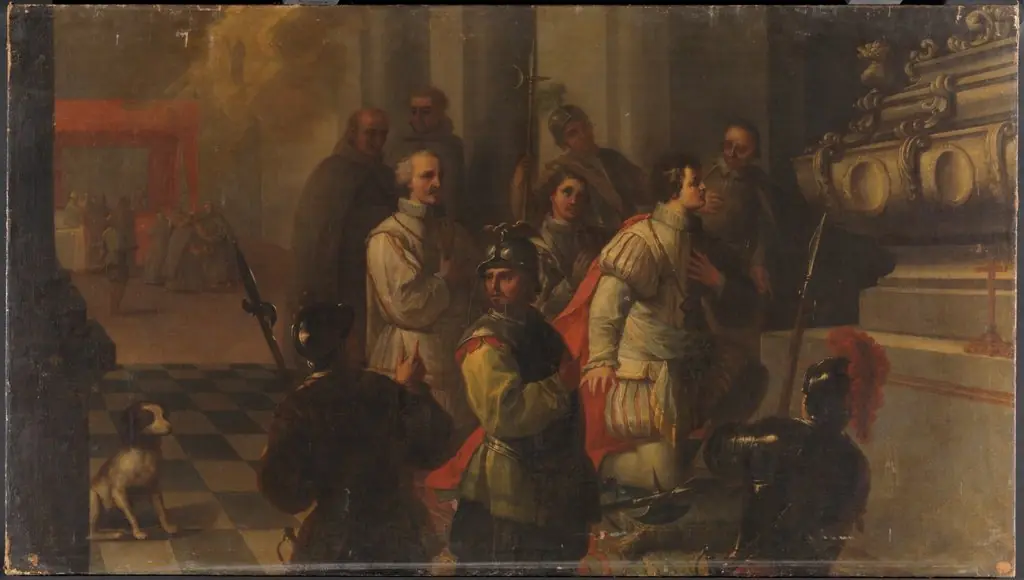 Curación y acción de gracias del príncipe don Carlos. Serie de la Vida de San Diego de Alcalá
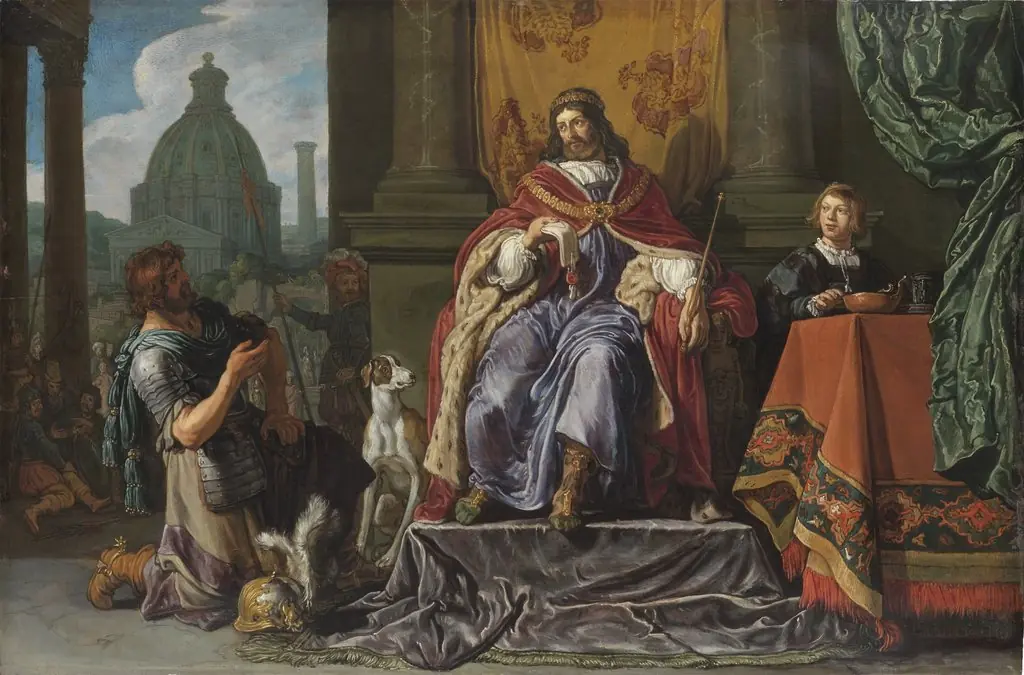 David Gives Uriah a Letter for Joab
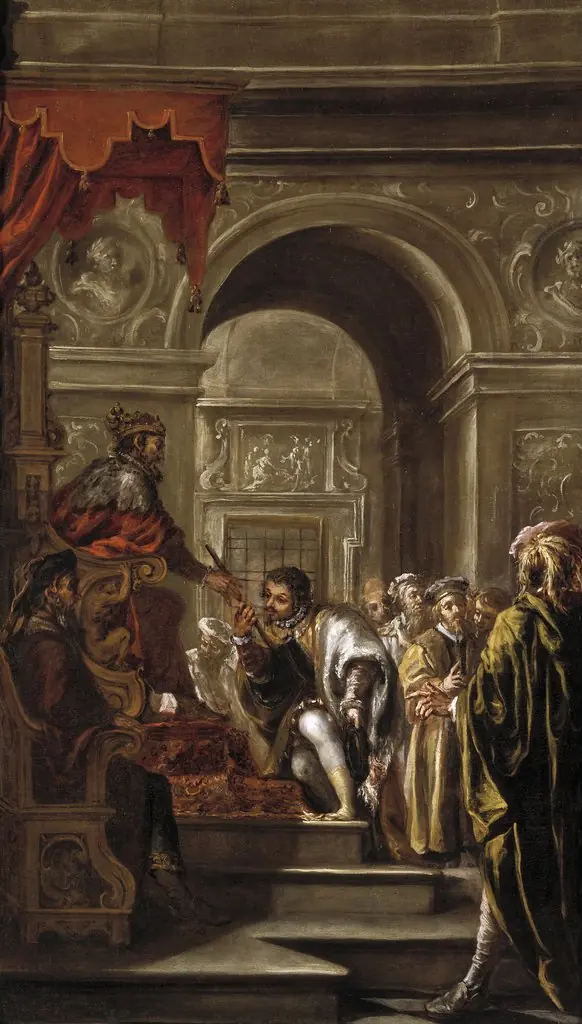 Saint Ambrose appointed Governor of Liguria and Emilia
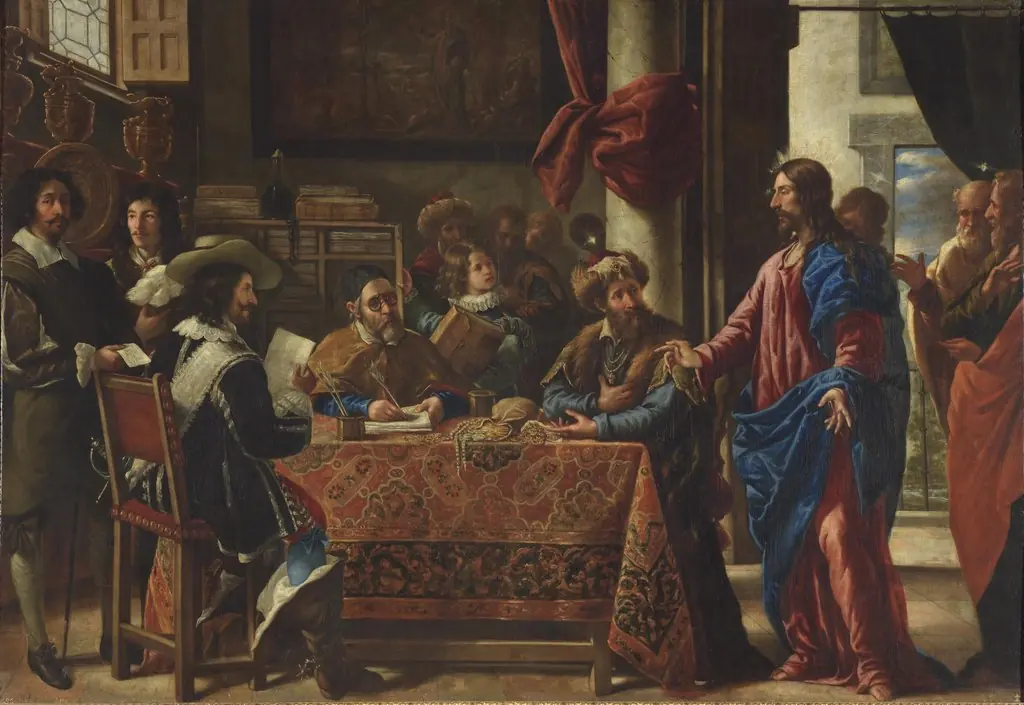 The Calling of Saint Matthew
 King David Handing the Letter to Uriah
 Esther before Ahasuerus (Esther 2:16)