Artwork
Apollo and the Python
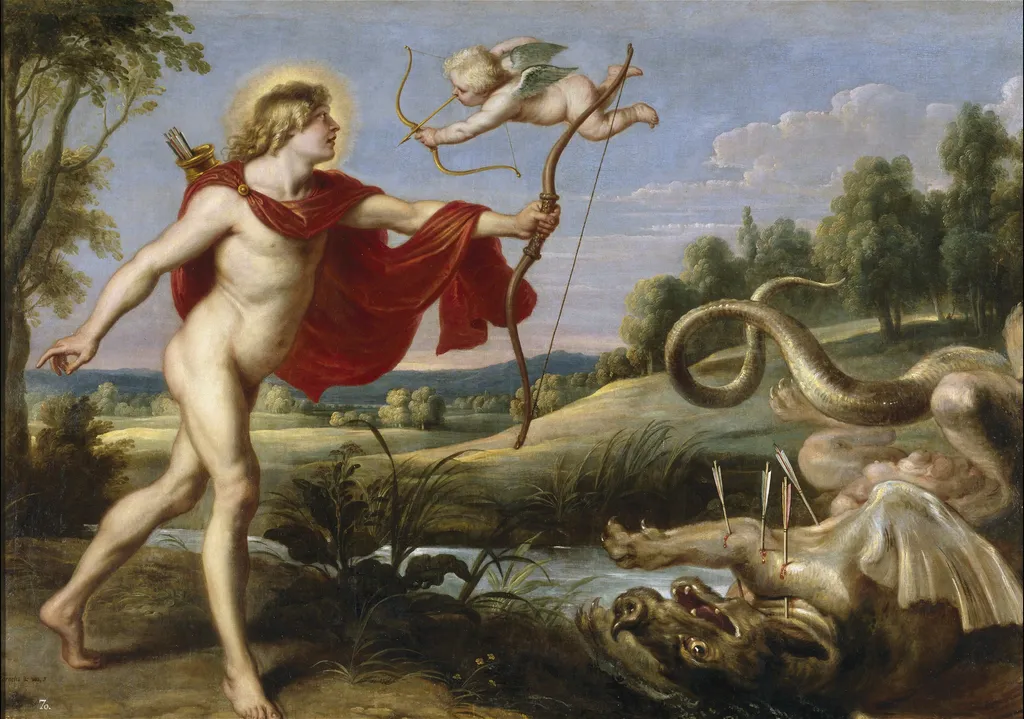
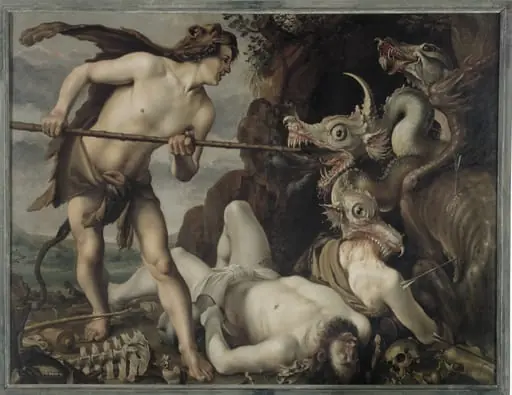
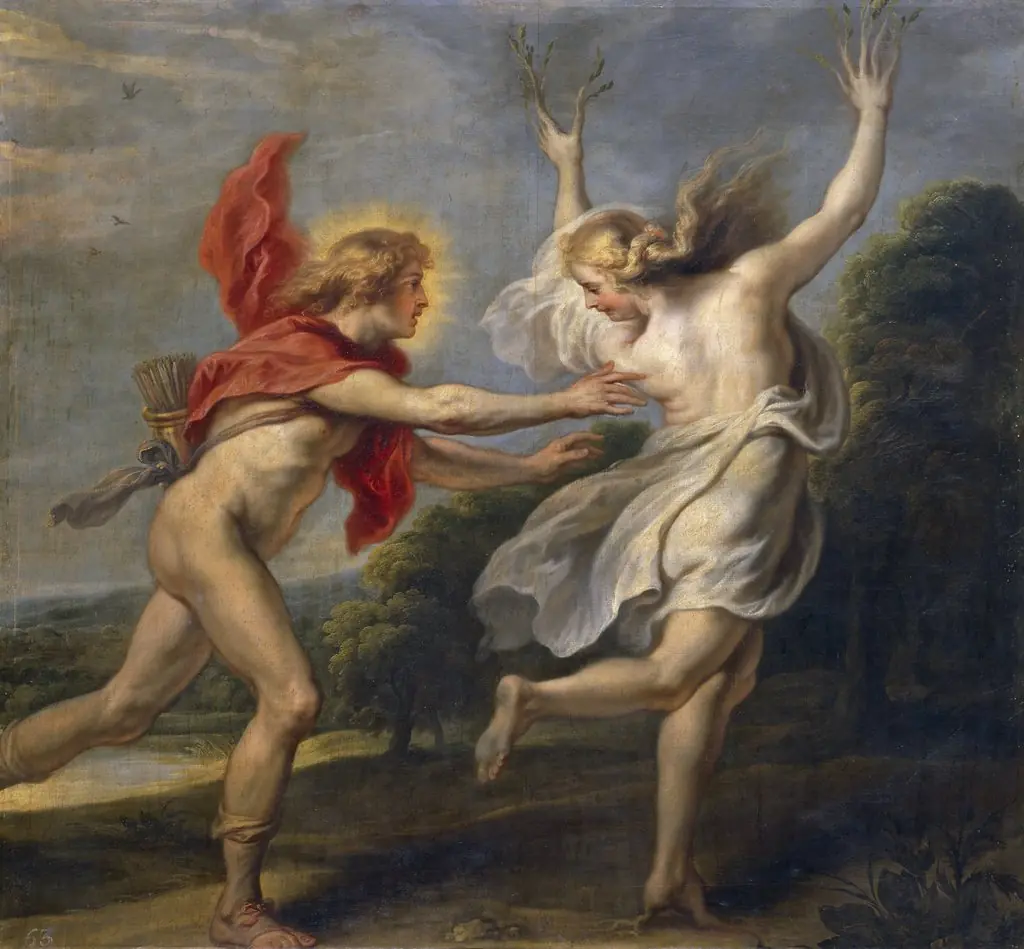
Apollo and the Python is an oil painting by the Flemish Baroque painting artist Cornelis de Vos. It dates from 1636 and is held in the collection of the Museo del Prado.
About this work
Subject & Meaning
The work belongs to the mythological genre, presenting a dramatic moment of heroic confrontation.
The painting depicts Apollo, the Greek god of music, poetry, and light, in his mythological combat with the Python, a monstrous serpent that guarded the oracle at Delphi. In classical mythology, Apollo slew the Python to establish his dominance and claim the sanctuary for his own cult, making the scene a foundational narrative of divine triumph and the establishment of order. The work belongs to the mythological genre, presenting a dramatic moment of heroic confrontation.
As an oil painting of substantial scale (188 × 265 cm), the composition would emphasize the physical struggle between the youthful god and the serpentine creature, embodying themes of civilization overcoming chaos and Apollo's role as a slayer of primordial monsters.
Technique & Style
Apollo and the Python is executed in oil paint on canvas, a standard support for seventeenth-century Flemish cabinet pictures of this scale. The canvas measures 188 cm in height by 265 cm in width, an unusually large format that places the work at the upper end of Cornelis de Vos's mythological output and supports an ambitious multi-figure composition.
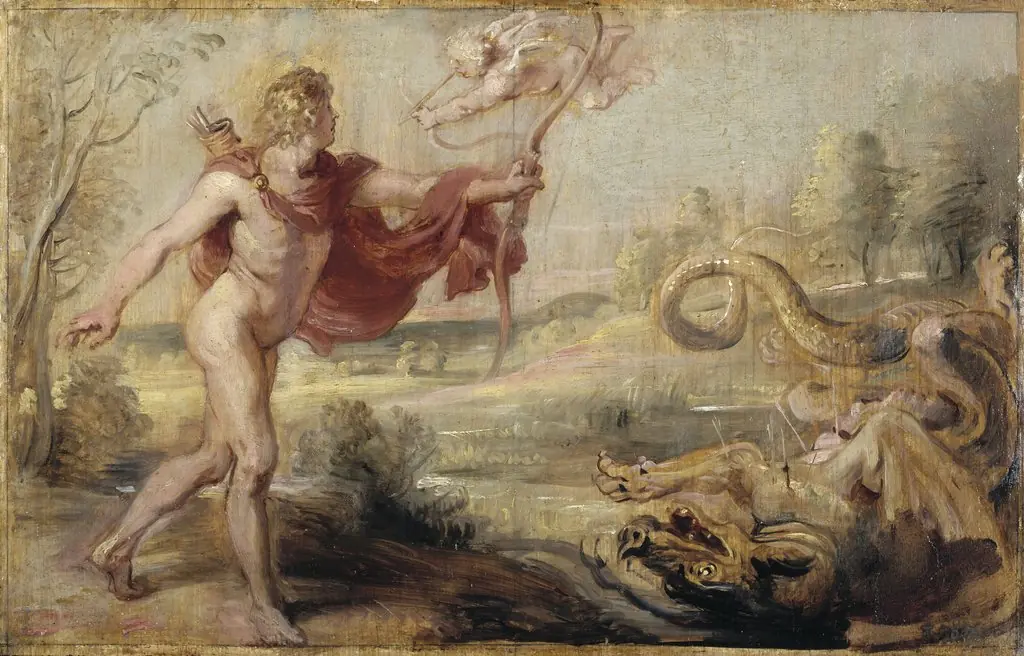
Stylistically, the painting belongs to the mythological genre and adapts the iconography of the earlier Apollo and the Python tradition, recast in de Vos's smooth, polished handling of flesh and drapery. The combination of a warm oil medium and a broad canvas allowed for the soft tonal modeling and saturated palette characteristic of his mature style, while the work's condition and any specific conservation history are not documented in the available sources.
History & Provenance
The oil painting Apollo and the Python was created by Cornelis de Vos in 1636. Executed on canvas, the work measures 188 cm in height and 265 cm in width. It is currently held in the collection of the Museo del Prado. The artwork depicts the mythological subject of Apollo and the Python.
Apollo and the Python is part of the collection of the Museo del Prado, where it is recorded under the inventory number P00968. The work was created by Cornelis de Vos in 1636 and has been displayed in exhibitions of the museum’s Baroque holdings, including a major Baroque art showcase held at the Prado in 2015.
Context
The painting depicting Apollo slaying the Python is part of Cornelis de Vos's mythological oeuvre in the 1630s, reflecting the Baroque fascination with dynamic narratives drawn from classical antiquity. Its reception has been noted for the dramatic interplay of light and movement, aligning with contemporary accounts of de Vos's style, while scholarship situates it within the broader trajectory of Flemish artists who adapted Italianate compositional strategies for local religious and secular patronage. The work's placement in the Museo del Prado collection underscores its recognized significance as a representative example of 17th-century mythological painting, informing studies on the transmission of Baroque aesthetics across Northern Europe.
Overview
Apollo and the Python is a 1636 oil painting by Cornelis de Vos, a Flemish artist known for his portraits and history scenes.
Own this work as a print
Artist & collection
Artist
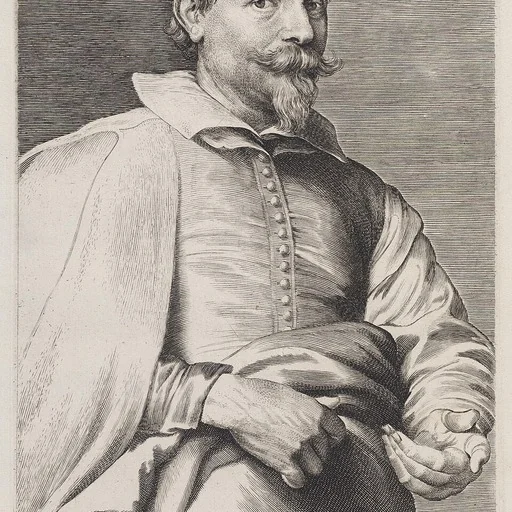
Cornelis de Vos (1584 - 9 May 1651) was a Flemish painter, draughtsman and art dealer.

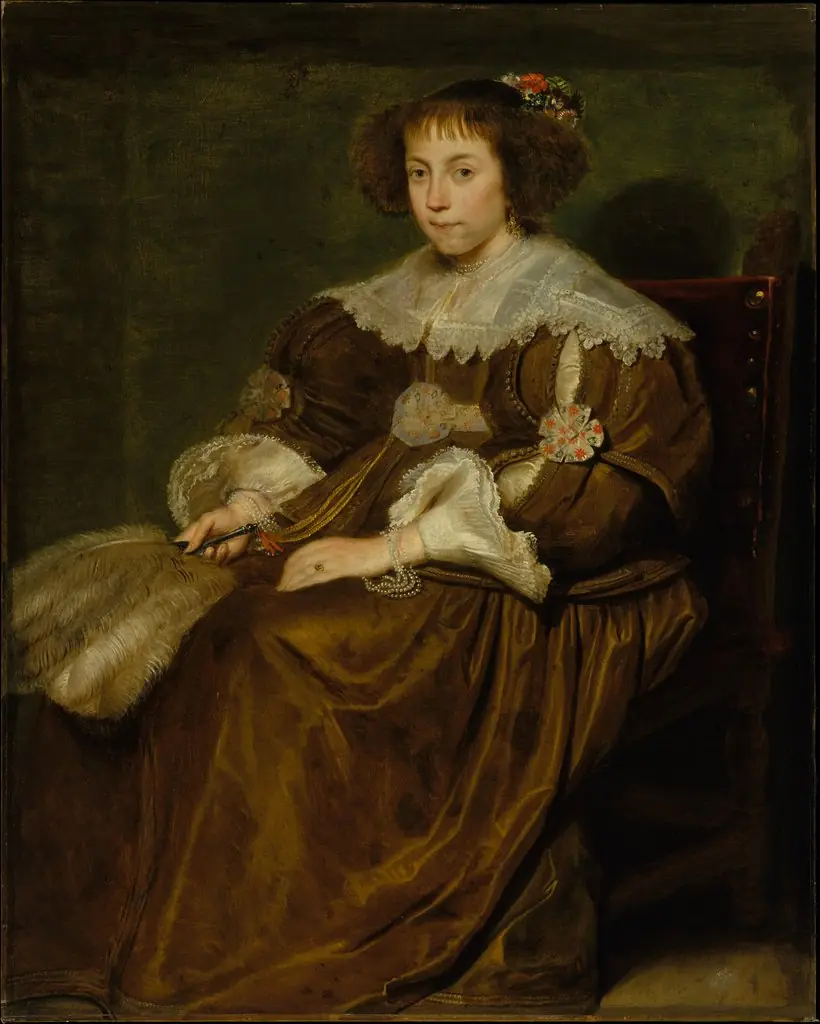 Portrait of a Young Woman
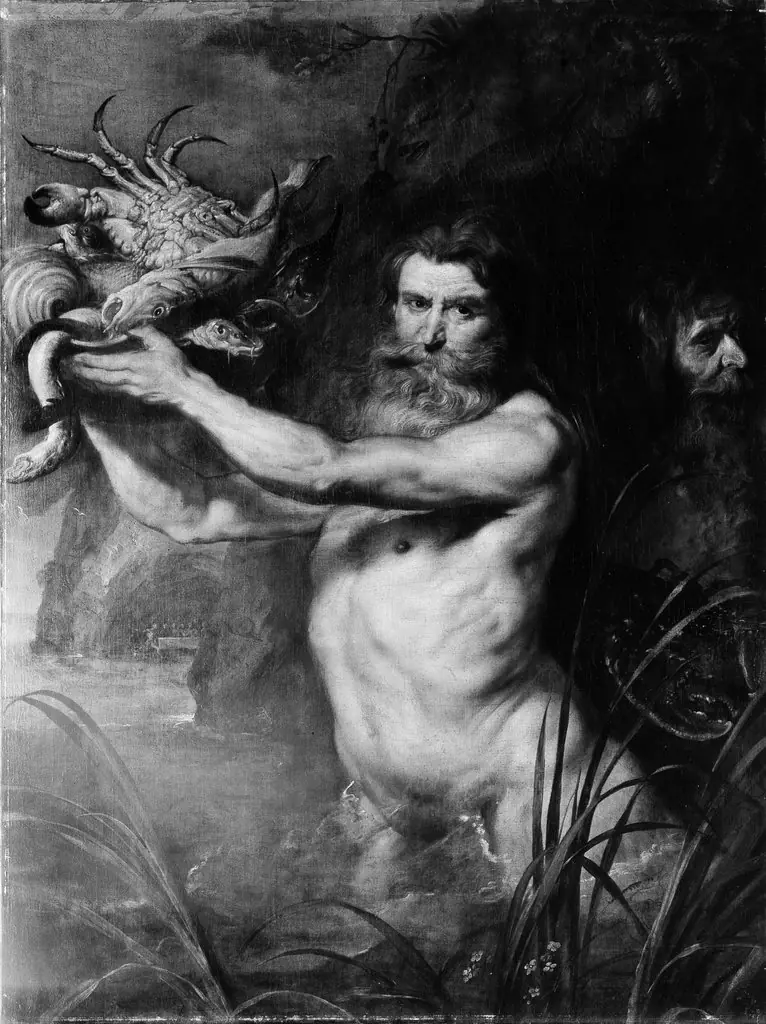 Two Tritons at the Feast of Acheloüs
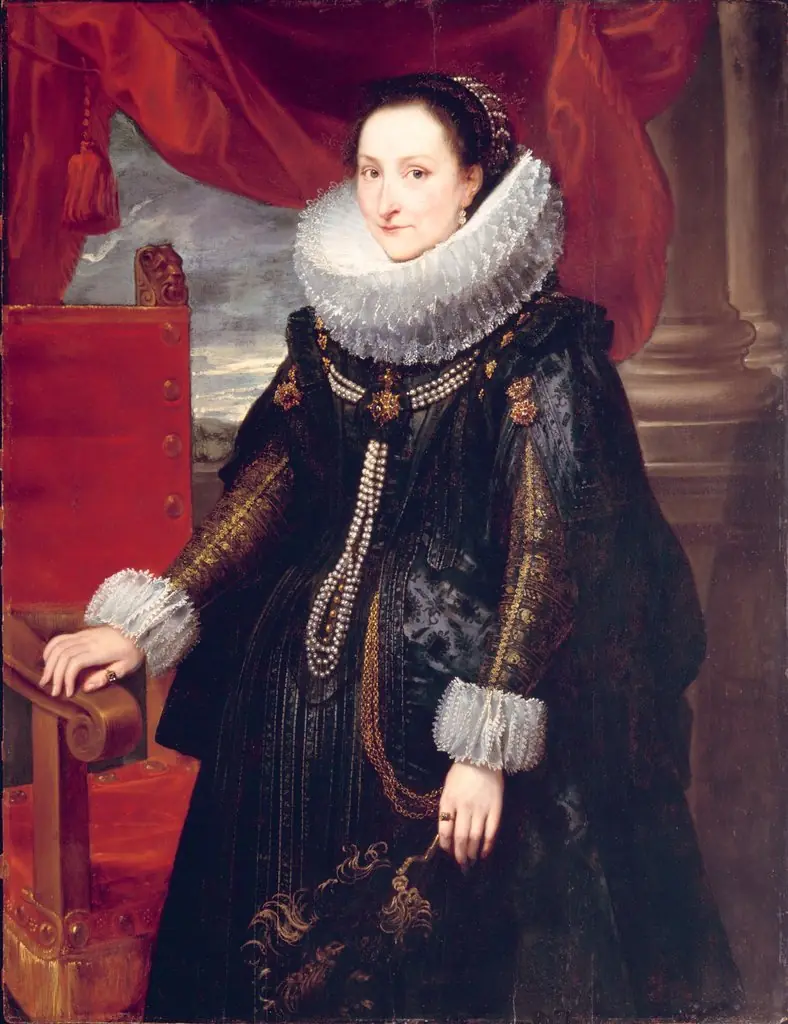 Portrait of a Woman
 The Holy Family with John the Baptist as child
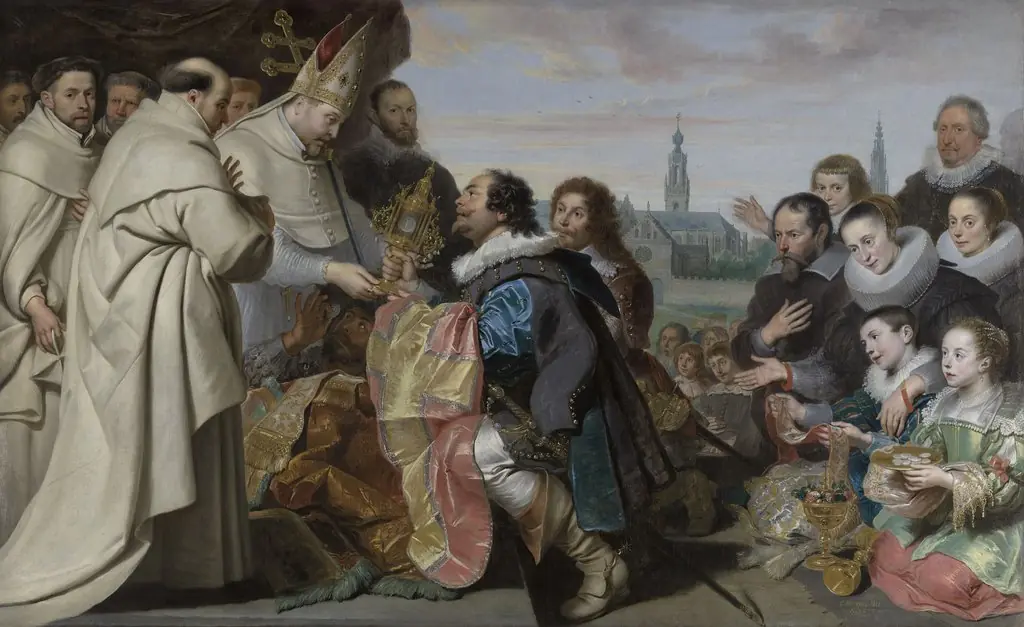 The Citizens of Antwerp bring back to Saint Norbert the Monstrance and other Sacred Vessels that they had hidden from Tankelin
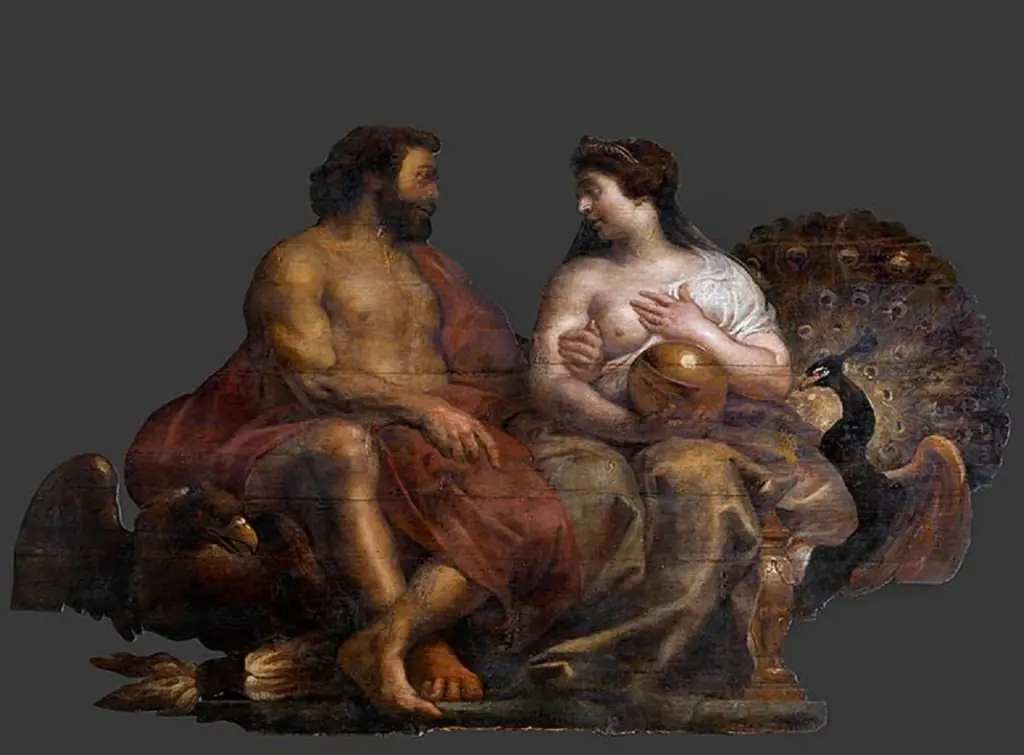 Jupiter and Juno
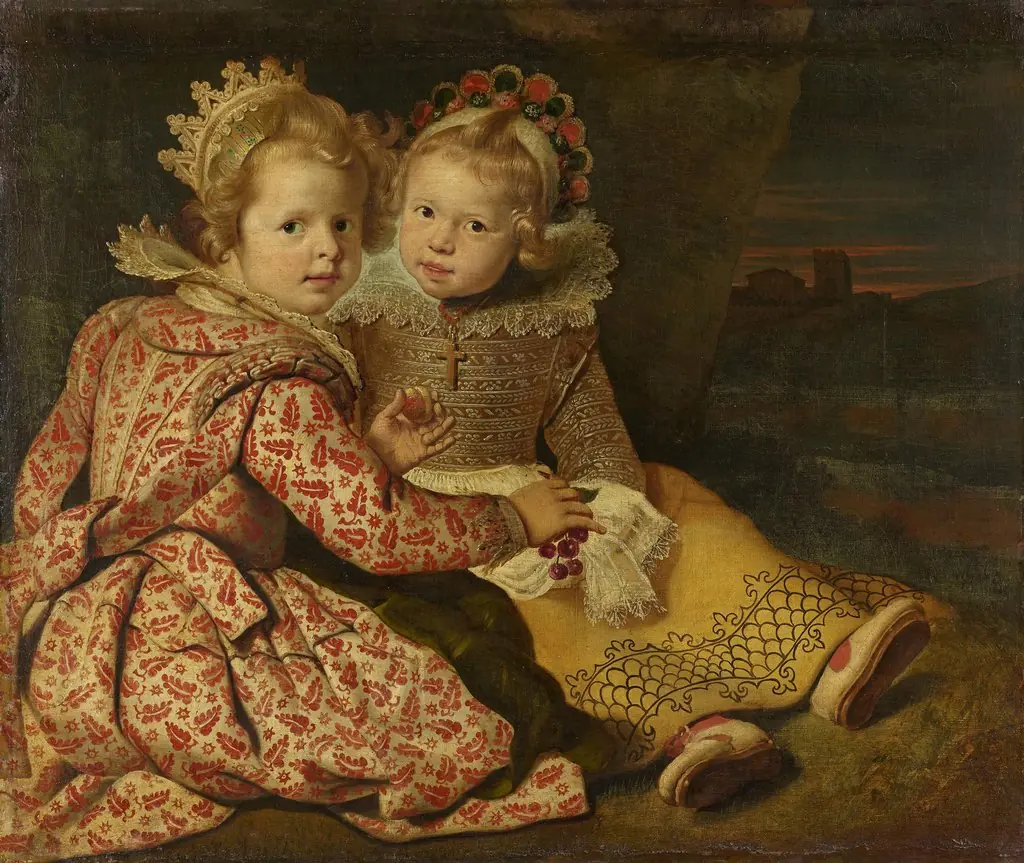 Magdalena and Jan-Baptist de Vos, Children of the Painter
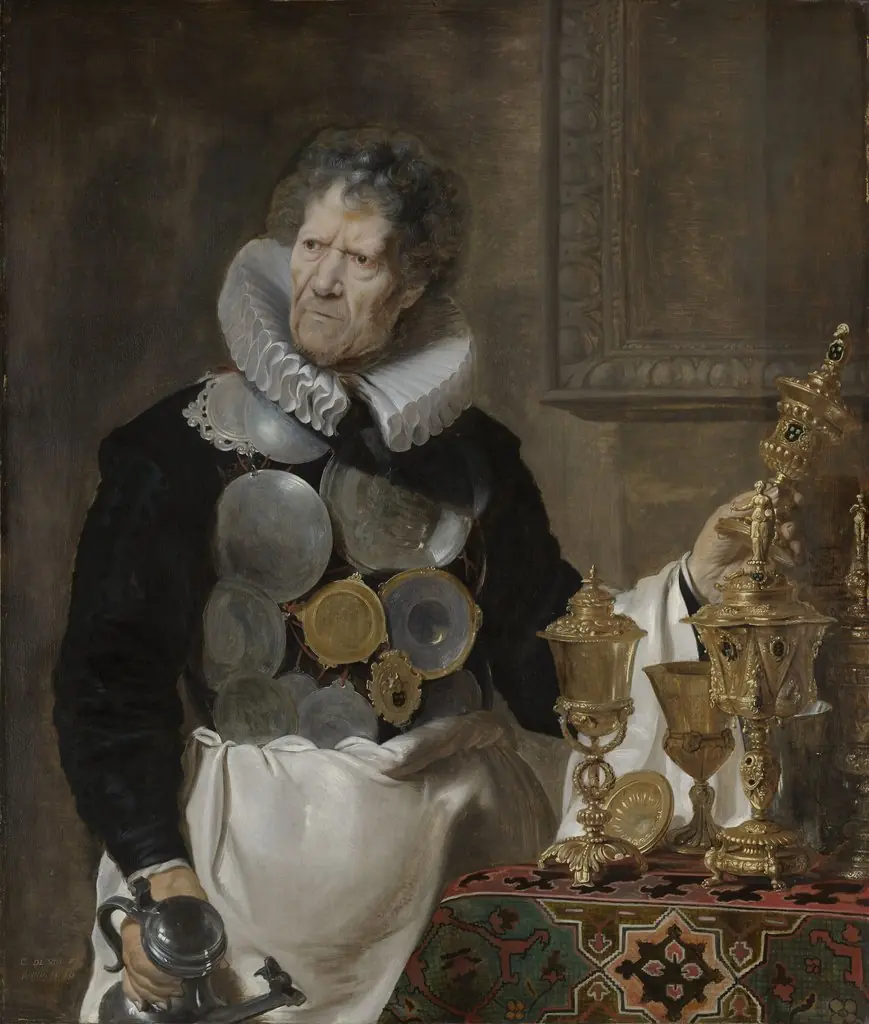 Portrait of Abraham Grapheus