Artwork
The Notary Barthel van den Berghe
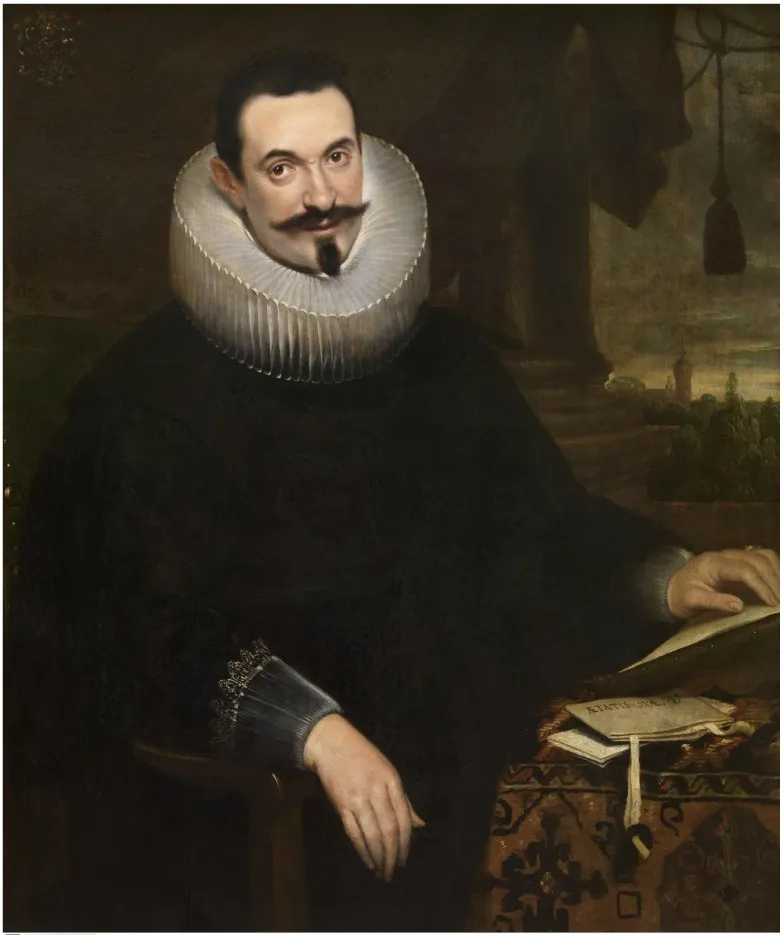
The Notary Barthel van den Berghe is an oil painting by the Flemish Baroque painting artist Cornelis de Vos. It dates from 1625 and is held in the collection of the Royal Museum of Fine Arts Antwerp.
About this work
Subject & Meaning
His attire includes a dark doublet and a white ruff, emphasizing his professional status and social standing in early seventeenth-century Antwerp.
The work depicts Barthel van den Berghe, a notary, presented in a three-quarter pose typical of contemporary portraiture. His attire includes a dark doublet and a white ruff, emphasizing his professional status and social standing in early seventeenth-century Antwerp. The portrait conveys the sitter’s role through sober attire and composed demeanor, aligning with conventions for civic officials of the period.
The composition underscores the individual’s identity and professional identity rather than allegorical or symbolic content, focusing on verisimilitude and social representation.
Technique & Style
The portrait is executed in oil paint on a wooden panel support, measuring 109 cm in height and 91 cm in width. The handling reflects the Antwerp tradition of the 1620s, with smooth, blended transitions in the face and carefully delineated details in the costume and accessories. The sitter’s black gown and white ruff are rendered with precise brushwork, while the background remains subdued to emphasize the notary’s presence. The condition appears stable, with no significant losses reported in the available records.
History & Provenance
The portrait The Notary Barthel van den Berghe was painted by Cornelis de Vos in 1625, as indicated by the work’s inscription and the artist’s documented activity in Antwerp during that period.
The painting entered the collection of the Royal Museum of Fine Arts Antwerp, where it remains held. Its provenance within private or institutional hands prior to the museum’s acquisition is not specified in the available records.
Overview
Cornelis de Vos, a prominent Flemish painter active in early‑17th‑century Antwerp, executed this oil‑on‑canvas portrait in 1625. The work depicts a seated gentleman dressed in a dark, sumptuous robe with a crisp white ruff, his face illuminated against a muted backdrop. The composition balances the figure’s solemn demeanor with subtle details, a book, a quill, and a faint landscape that recede into shadow.
Context
Created during a period when de Vos collaborated frequently with Peter Paul Rubens, the painting reflects the broader Flemish Baroque interest in realistic, character‑focused portraiture. While de Vos is also known for religious and genre scenes, his ability to capture the individuality of patrons is evident here, aligning with contemporary expectations for civic portraiture among Antwerp’s professional class.
Artist & collection
Artist
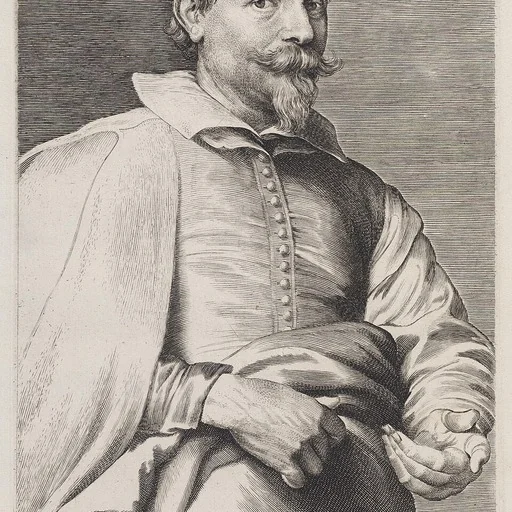
Cornelis de Vos (1584 - 9 May 1651) was a Flemish painter, draughtsman and art dealer.

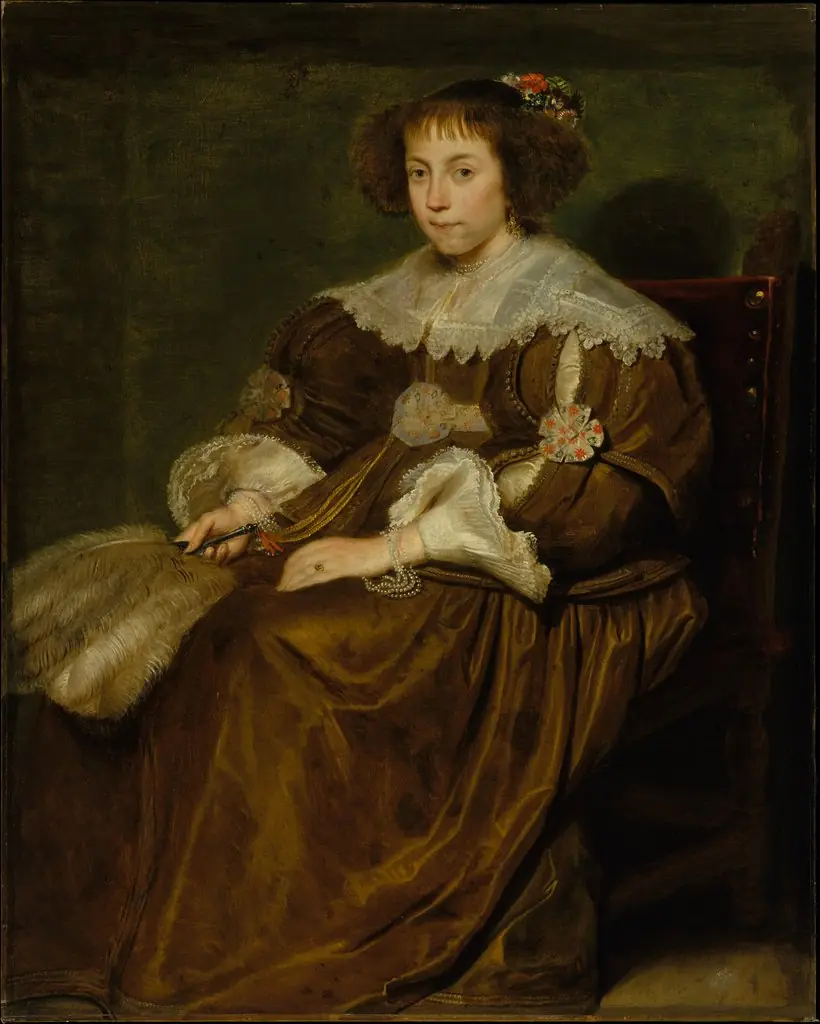 Portrait of a Young Woman
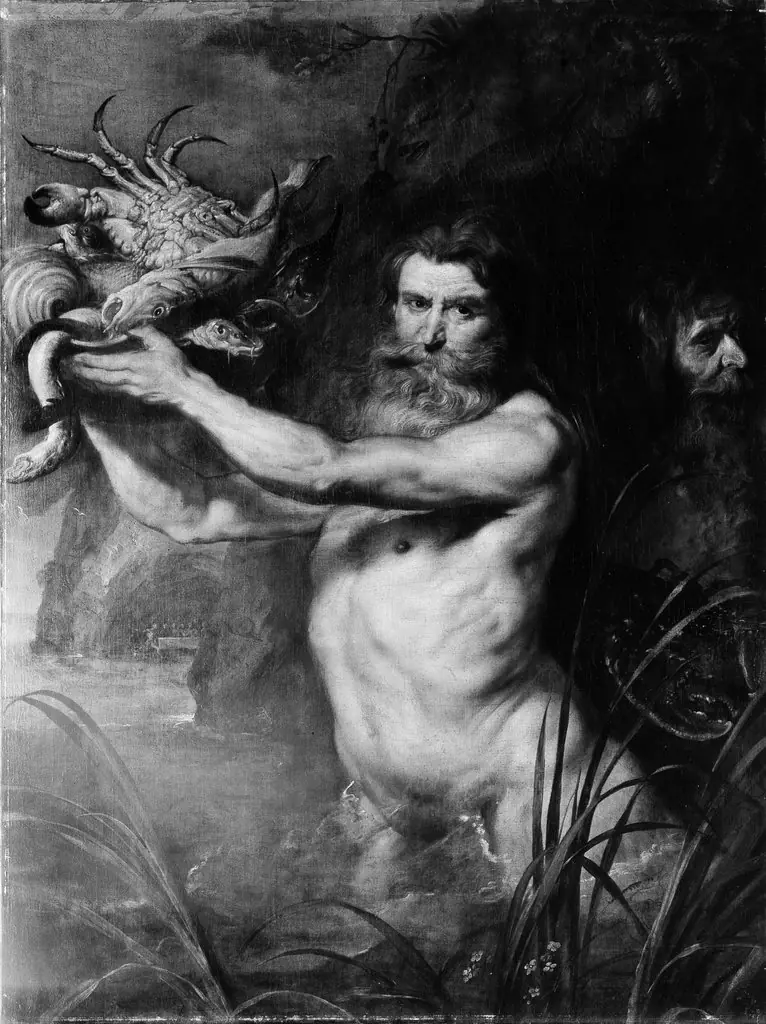 Two Tritons at the Feast of Acheloüs
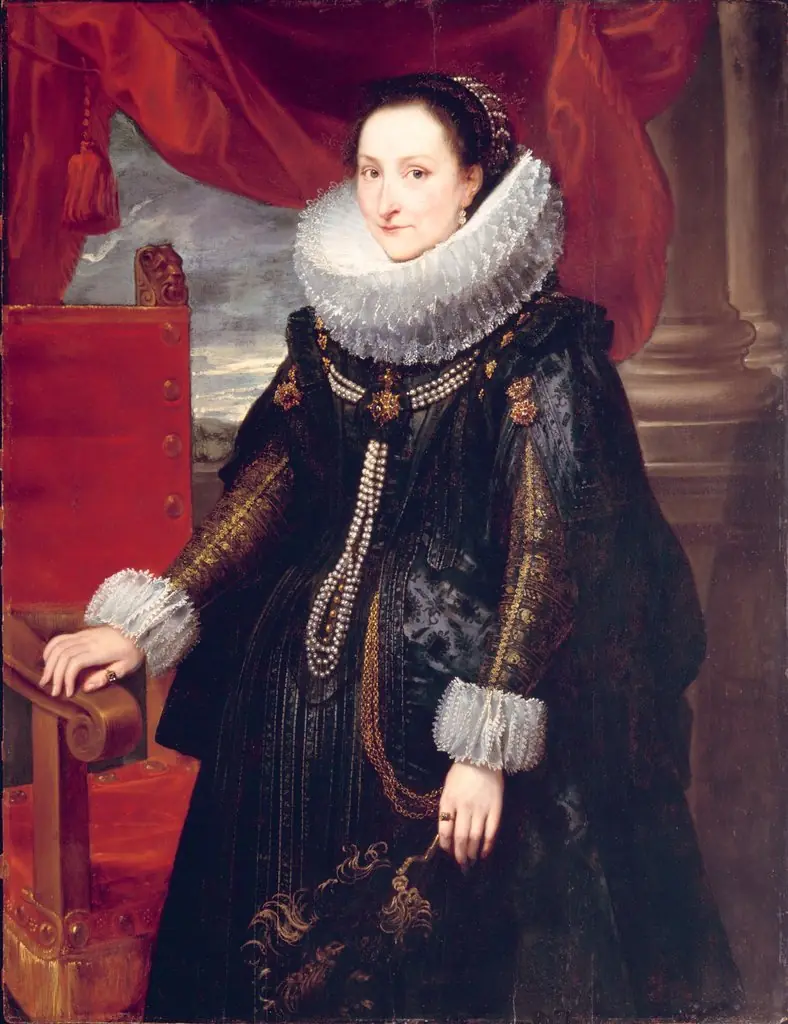 Portrait of a Woman
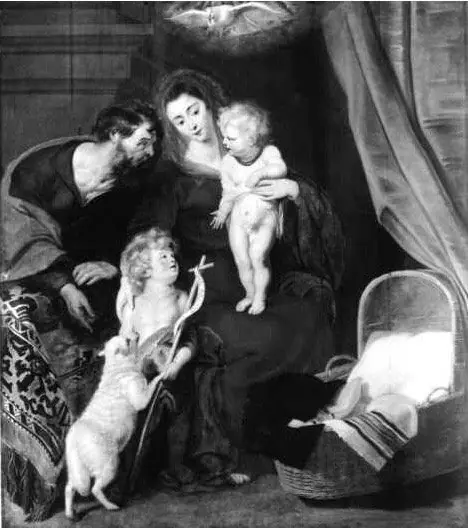 The Holy Family with John the Baptist as child
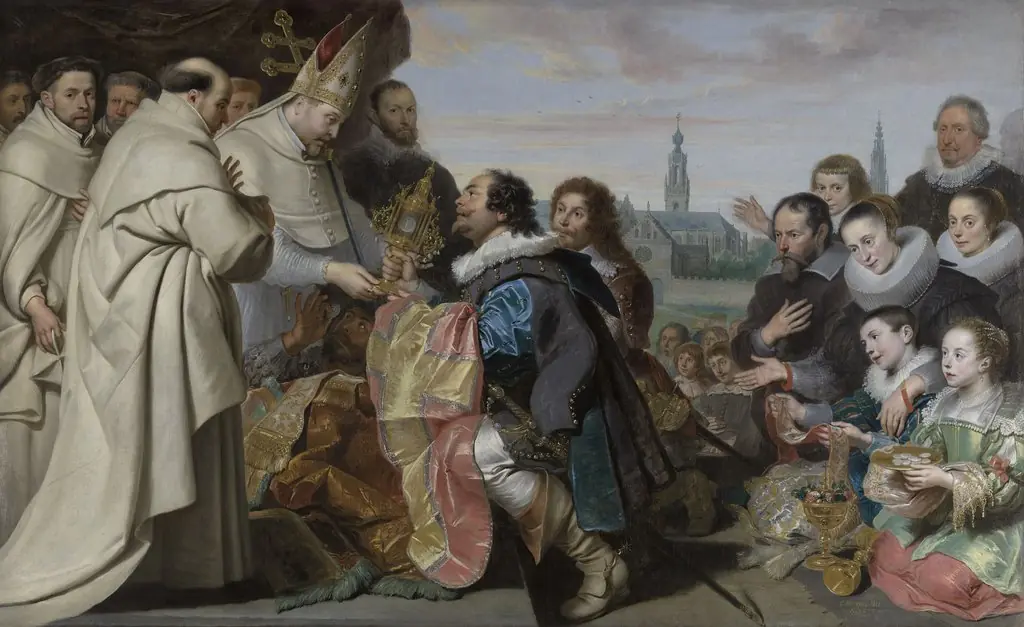 The Citizens of Antwerp bring back to Saint Norbert the Monstrance and other Sacred Vessels that they had hidden from Tankelin
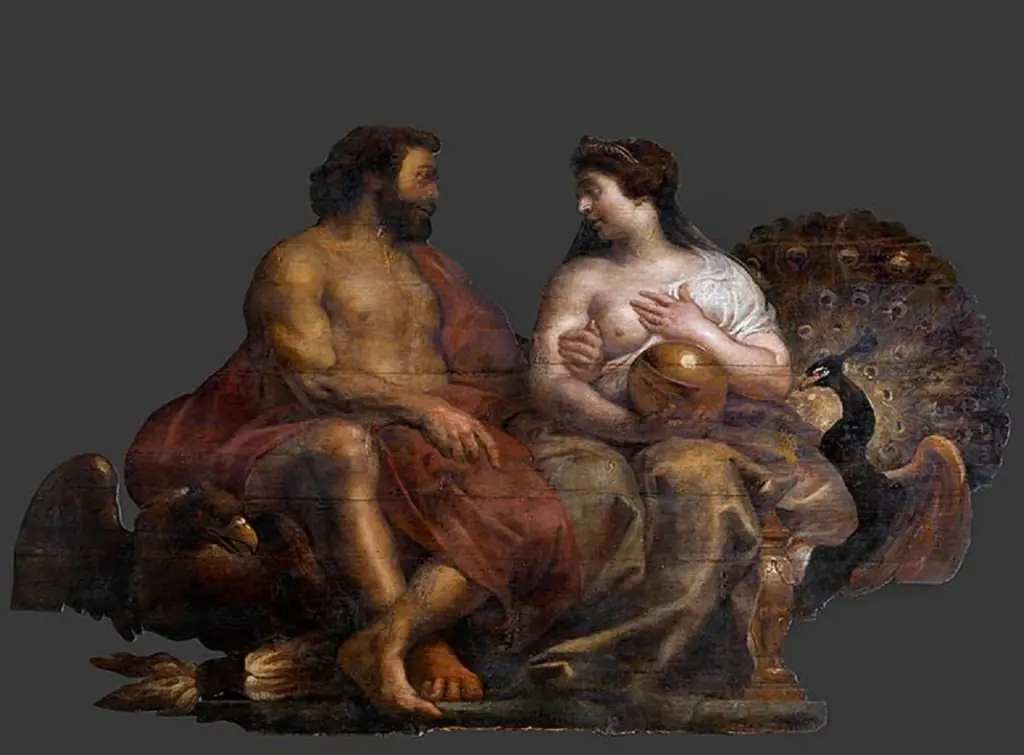 Jupiter and Juno
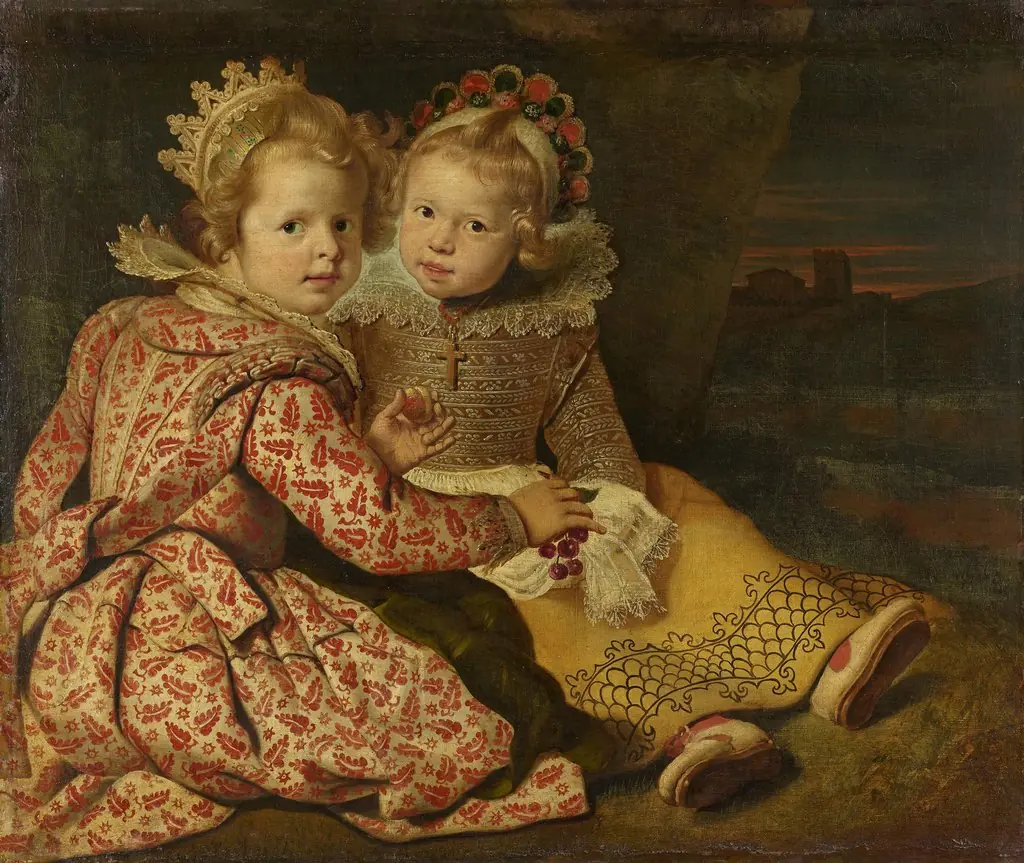 Magdalena and Jan-Baptist de Vos, Children of the Painter
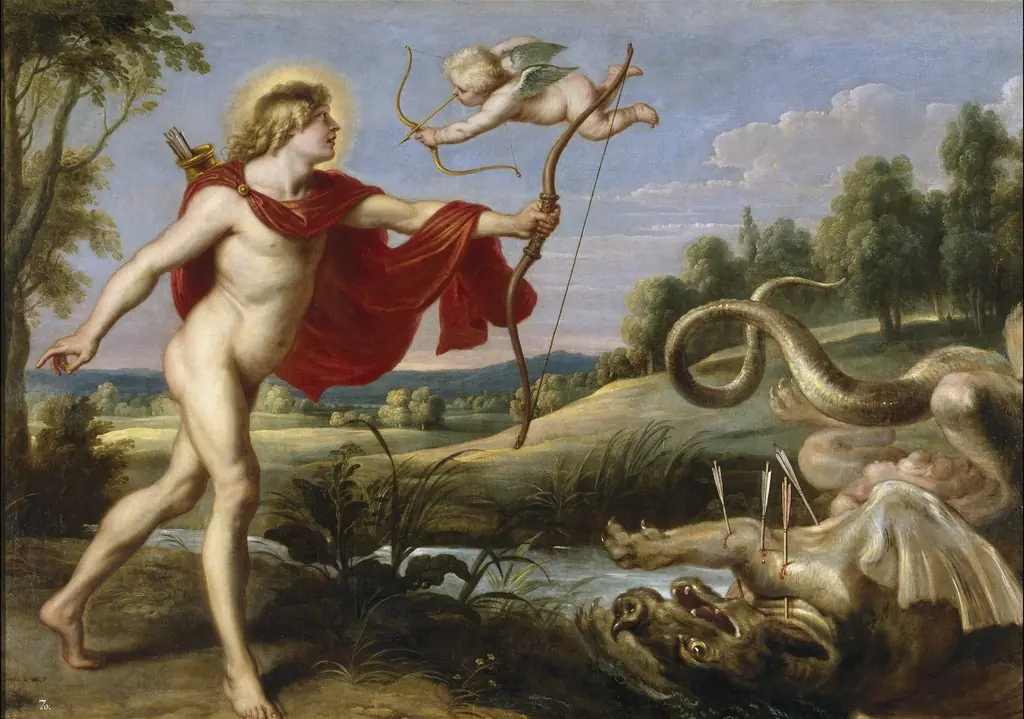 Apollo and the Python
- Peeter Symons
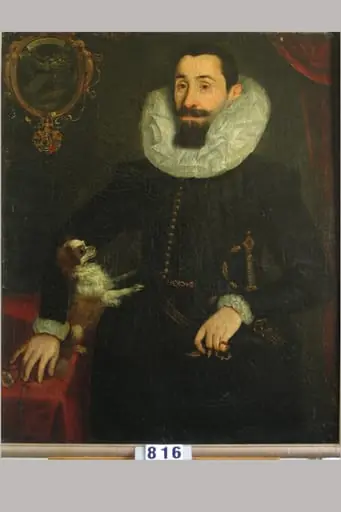 Necunoscut în costum german de curte (în Reg. Inv.: Necunoscut în costum german)
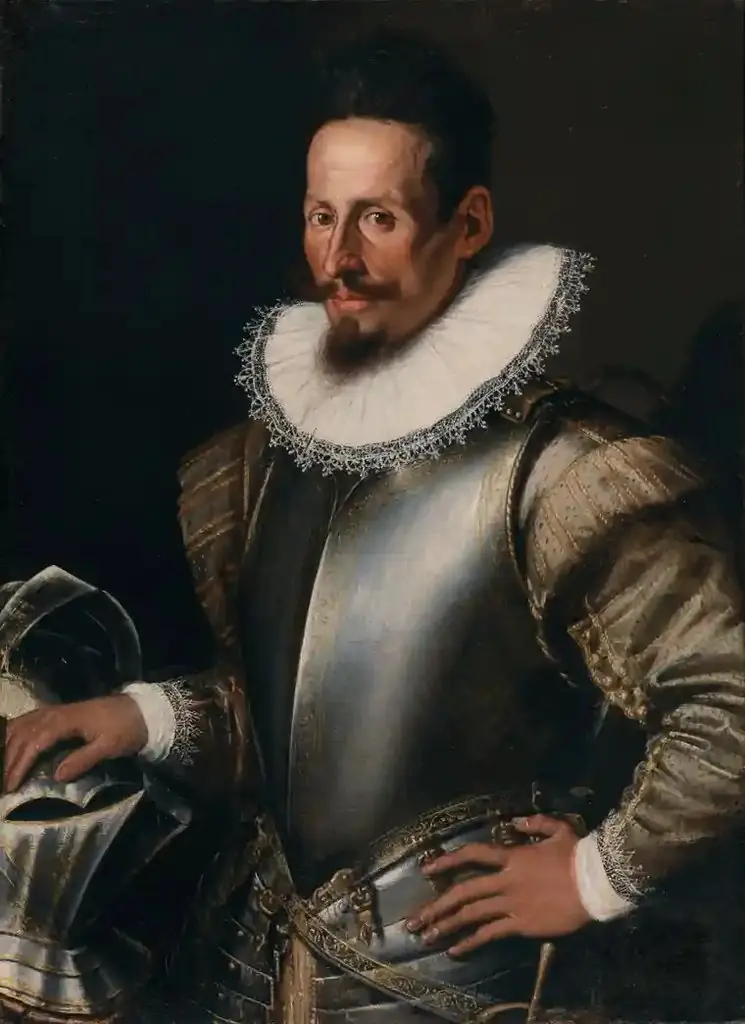 Portrait of a Gentleman in Armour
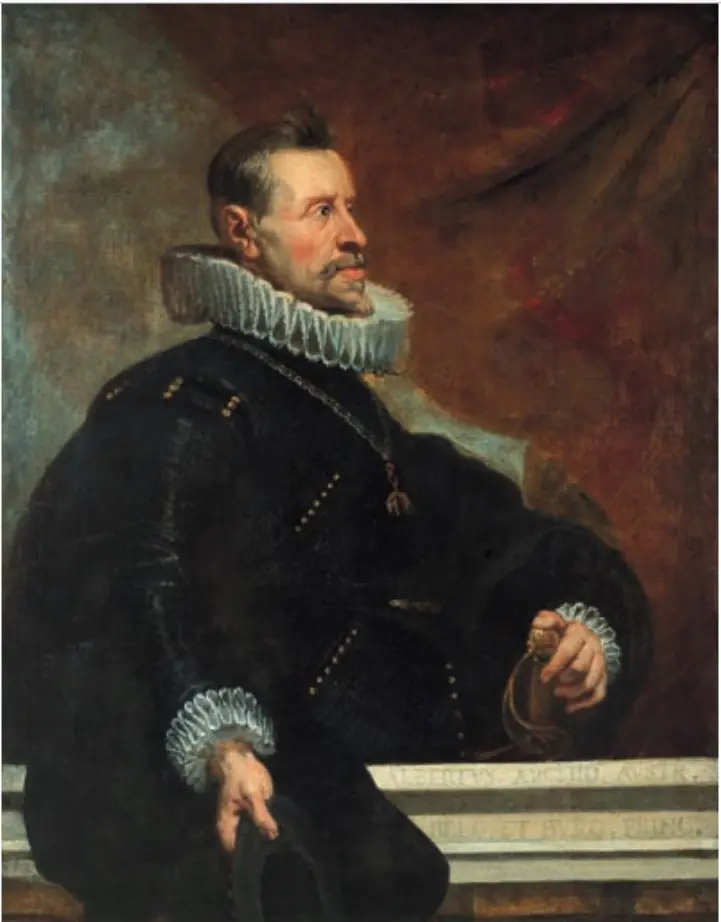 Portrait of Albert VII, Archduke of Austria
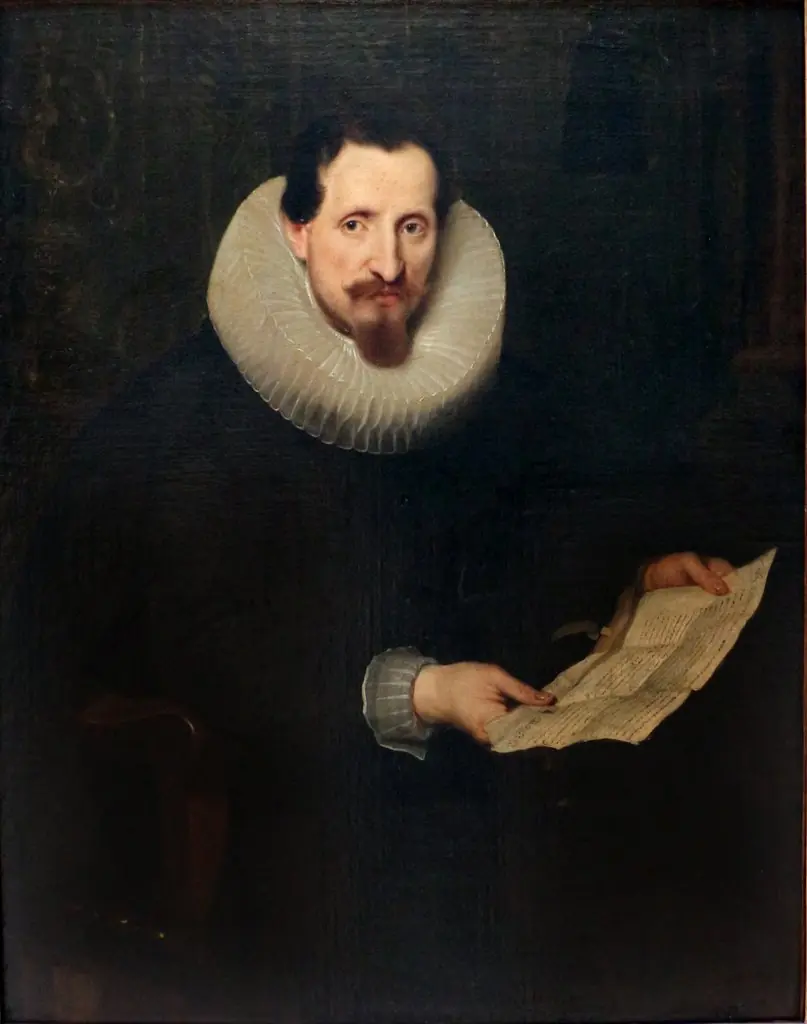 Portrait of Jan Roose
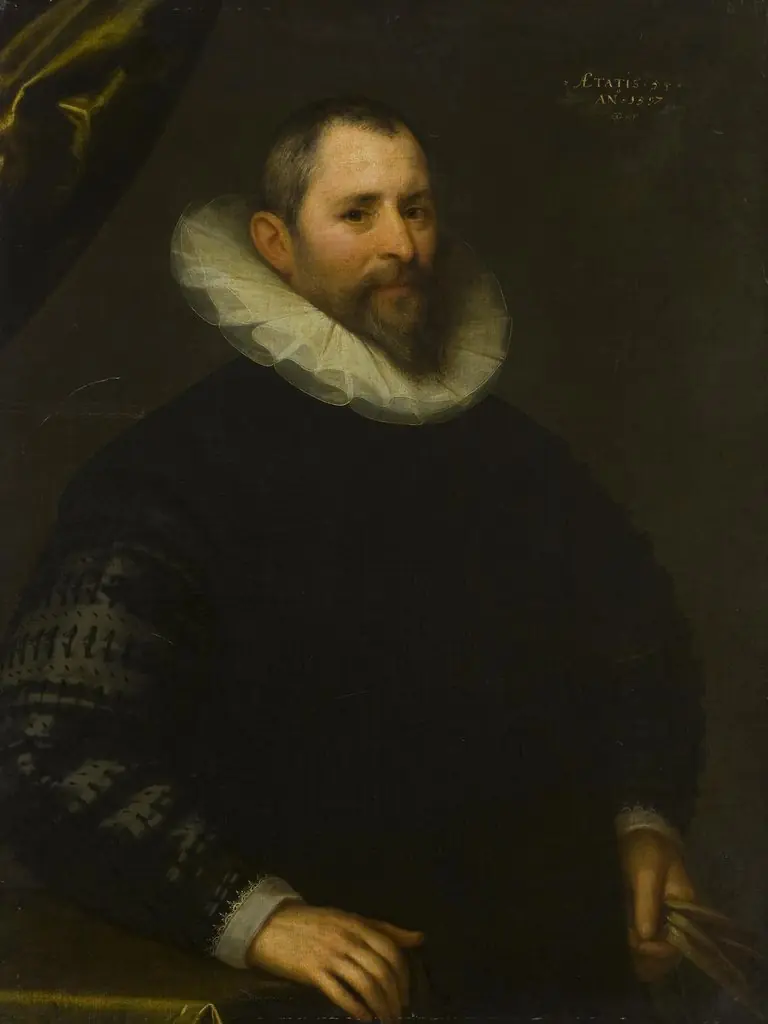 Portrait of Gottfried Hautappel
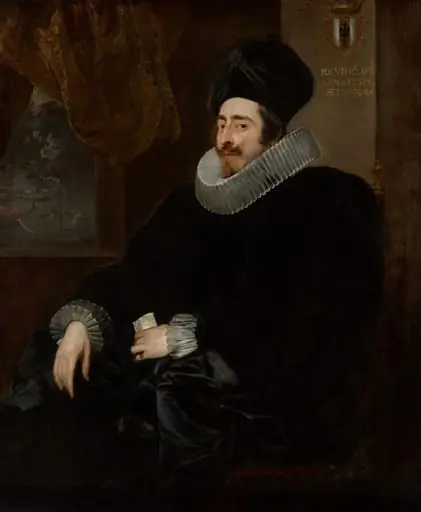 Giovanni Vincenzo Imperiale
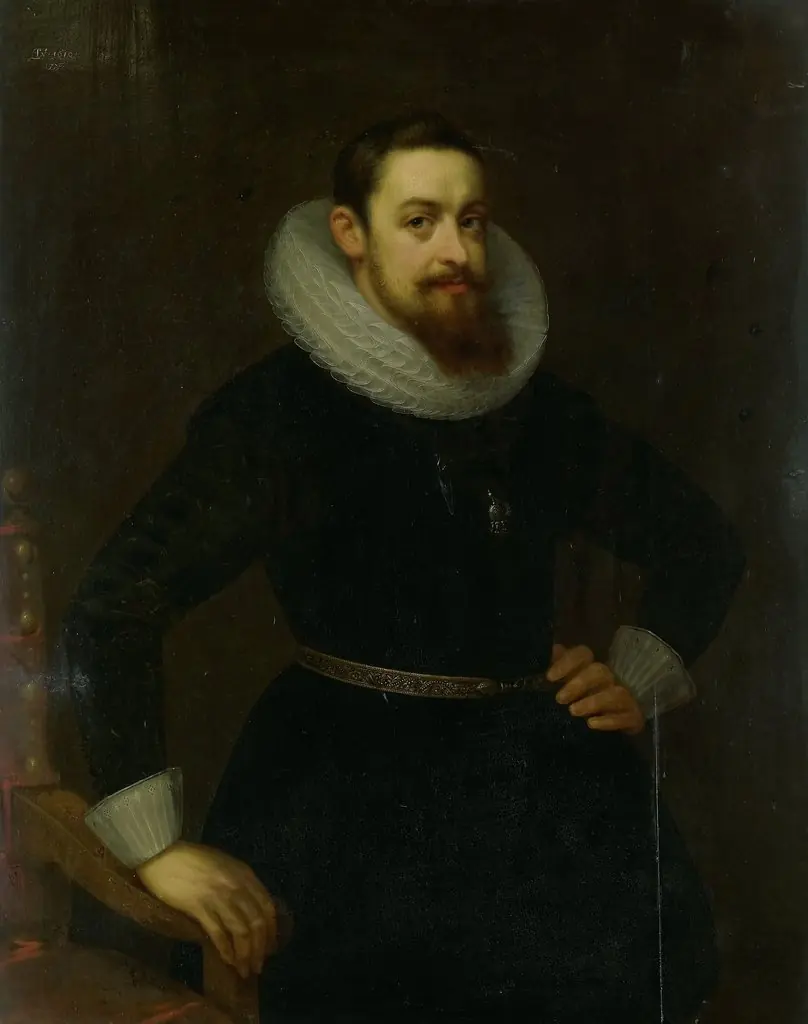 Portrait of Jeremias Boudinois
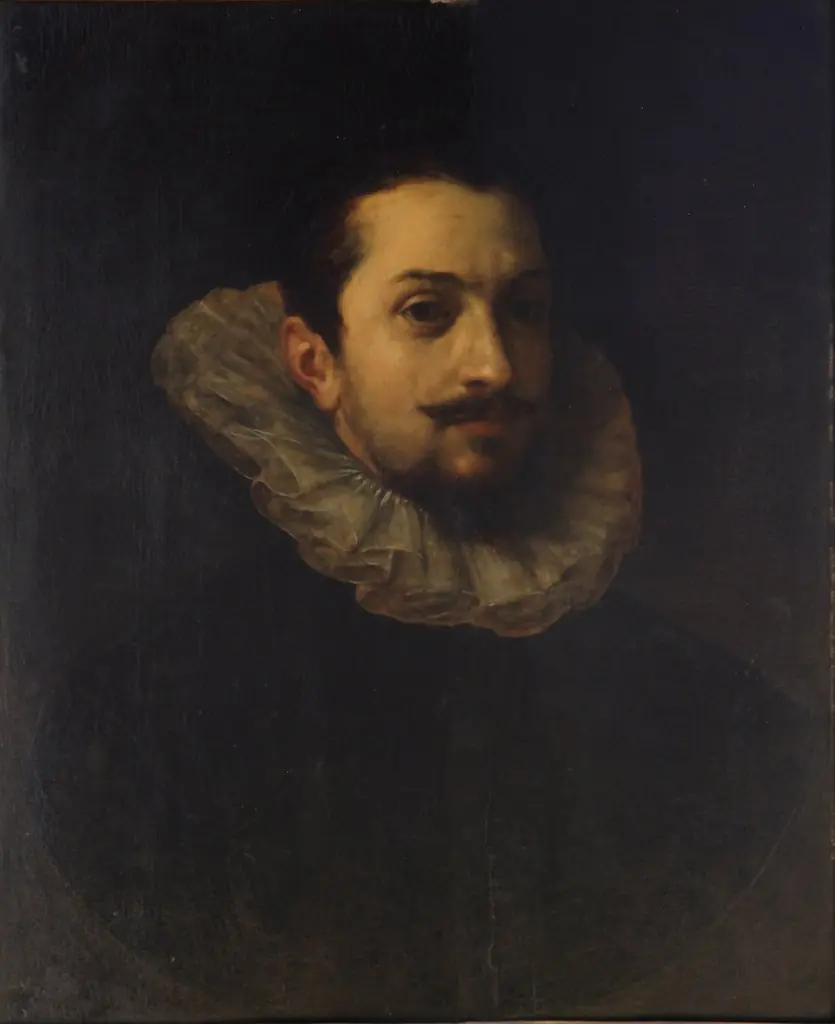 Portrait of a man
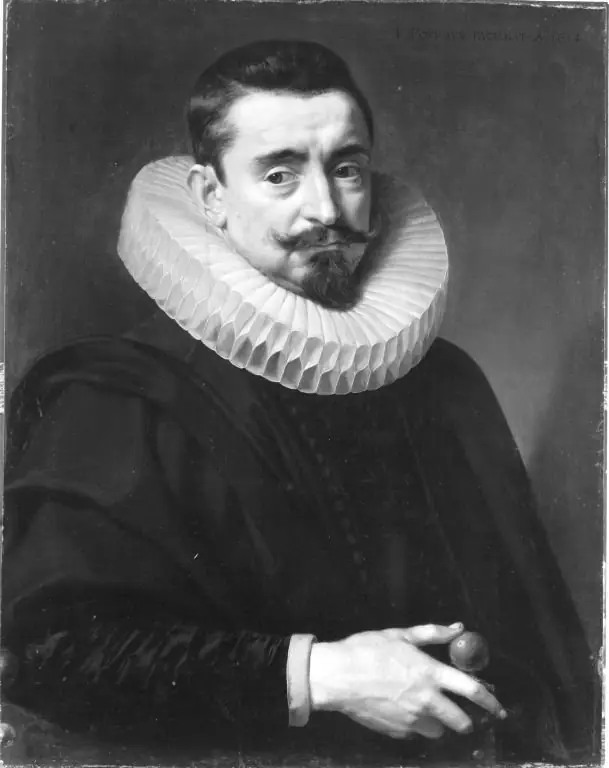 Portrait of a man
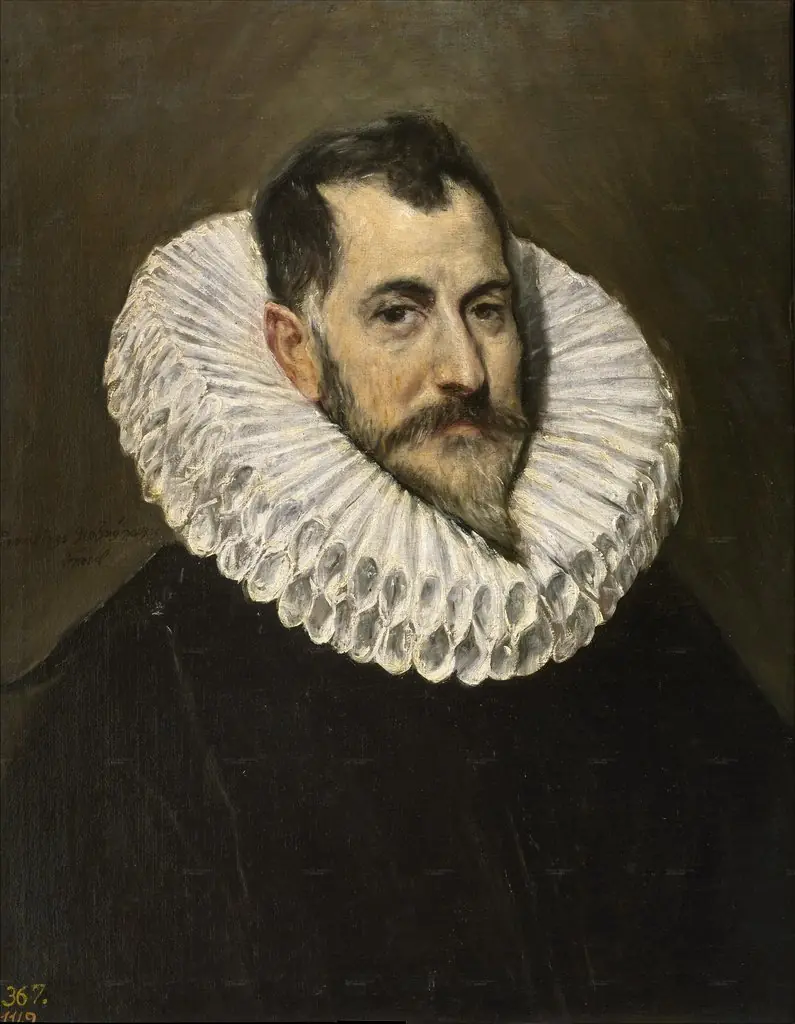 Retrato de un caballero desconocido
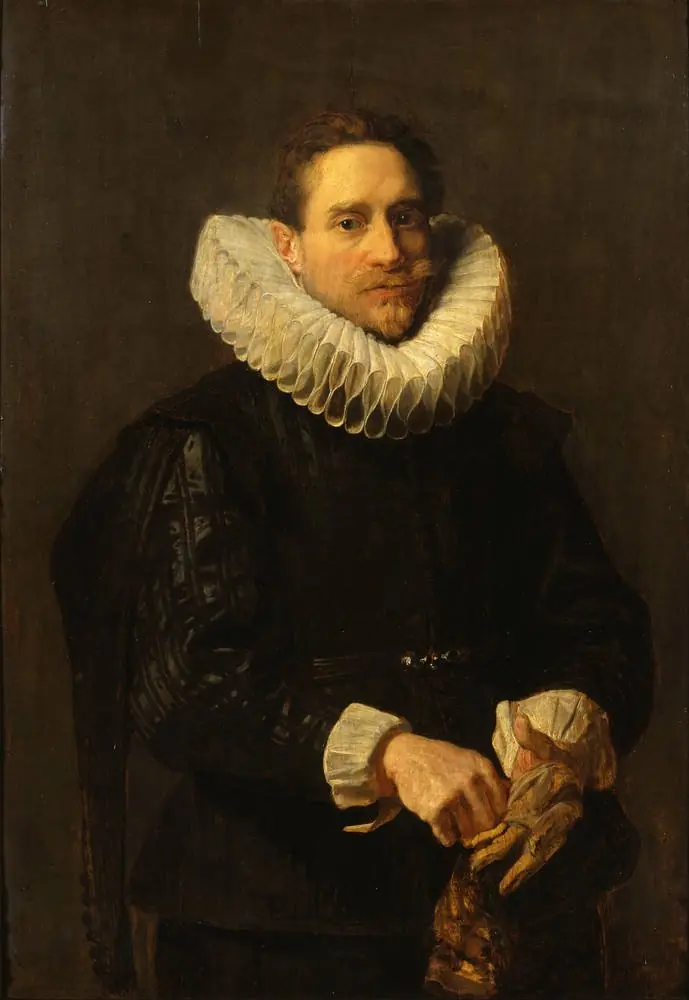 Portrait of a Man