Artwork
Giovanni Vincenzo Imperiale
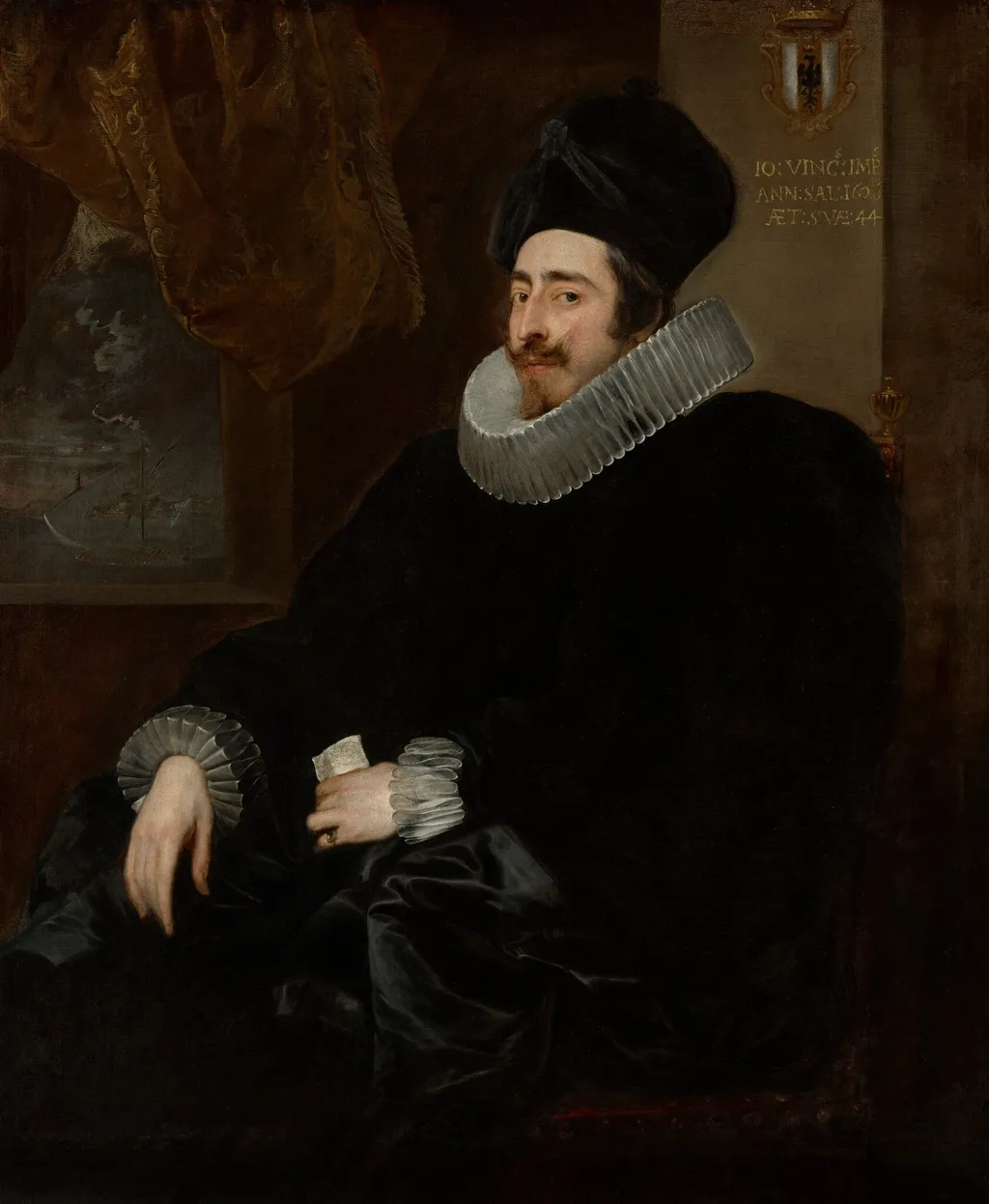
Giovanni Vincenzo Imperiale is an oil painting by the Baroque artist Anthony van Dyck. It dates from 1626 and is held in the collection of the National Gallery of Art.
- Inscription
- Inscribed:upper right under coat of arms: IO:VINCs:IMPs: / ANN:SAL:1626 / AET:SVAE:44.
About this work
Subject & Meaning
The portrait Giovanni Vincenzo Imperiale (1626) by Anthony van Dyck depicts its namesake, a Genoese nobleman and noted art collector (1582–1648).
The portrait Giovanni Vincenzo Imperiale (1626) by Anthony van Dyck depicts its namesake, a Genoese nobleman and noted art collector (1582–1648). The work exemplifies Van Dyck’s aristocratic portraiture style, emphasizing the sitter’s refined status through pose, attire, and composition. Imperiale is portrayed in three-quarter length, clad in luxurious black garments with a white lace collar, a visual convention signaling wealth and sophistication.
The restrained palette and direct gaze convey authority and intellectual gravitas, aligning with the sitter’s reputation as a patron of the arts and a figure of cultural prominence. Symbolically, the portrait functions as both a personal likeness and a statement of social rank, reflecting the period’s emphasis on individual prestige within elite circles (1, 2).
Technique & Style
Executed in oil on canvas, the portrait measures approximately 128.9 cm by 105.4 cm and depicts Giovanni Vincenzo Imperiale, a Genoese nobleman. The work belongs to the portrait genre and was painted circa 1626 by Sir Anthony van Dyck, whose technique employs layered oil paint to achieve a realistic rendering of facial features and drapery. The canvas support is typical of early‑seventeenth‑century portraiture, and the composition follows the three‑quarter pose favored by the artist, emphasizing chiaroscuro modeling and fine detail in clothing. The painting’s condition reflects its age, with a relatively intact surface and stable varnish layer.
History & Provenance
Commissioned in 1626 by Giovanni Vincenzo Imperiale (1582–1648), this portrait was executed by Anthony van Dyck during his Italian period. The work remained within the sitter’s family, passing by inheritance to his nephew, Gian Giacomo Imperiale (1627–1663), at the Villa dell'Albero d'Oro in Terralba, near Genoa. It descended further to Marchese Cesare Imperiale Lercari before entering the London art market through Lawrie & Co.
In June 1902, the painting was acquired by M. Knoedler & Co., New York (inventory no. 10024), and sold on 24 February 1905 to collector Peter A.B. Widener of Lynnewood Hall, Pennsylvania. Following Widener’s estate, it was gifted in 1942 to the National Gallery of Art, Washington, D.C., via Joseph E. Widener’s bequest.
The portrait is currently held in the collection of the National Gallery of Art in Washington, D.C., having entered the institution as a gift in 1942 from Joseph E. Widener. Prior to this acquisition, the work passed through the estate of Peter A.B. Widener at Lynnewood Hall. During its time with the dealer M. Knoedler & Co., the painting carried specific inventory identifiers: it was initially recorded as number 3134 at the firm's London gallery before being shipped to the United States and assigned inventory number 10024 at the New York location in October 1902.
The provided sources detail the ownership lineage from the sitter in Genoa through various heirs and dealers but do not list specific public exhibition events.
Overview
This oil on canvas painting depicts Giovanni Vincenzo Imperiale, presented in a formal seated pose. The subject directly engages the viewer with a steady gaze, conveying a serious demeanor. The artist meticulously rendered the details of his attire and facial features, contributing to a sense of presence and individuality. The work exemplifies portraiture of its period, capturing the sitter's likeness and social standing.
Own this work as a print
Artist & collection
Artist
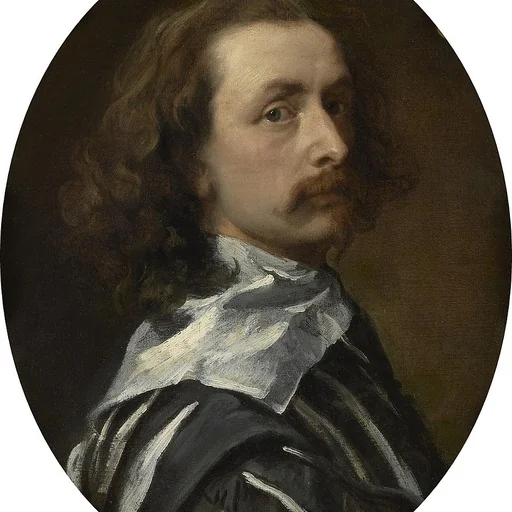
Sir Anthony van Dyck (; Dutch: Antoon van Dijck; 22 March 1599 – 9 December 1641) was a Flemish Baroque artist, who became the leading court painter in England after success in the Spanish Netherlands and Italy.

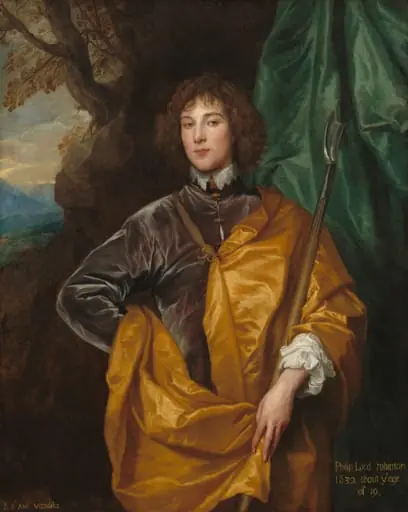
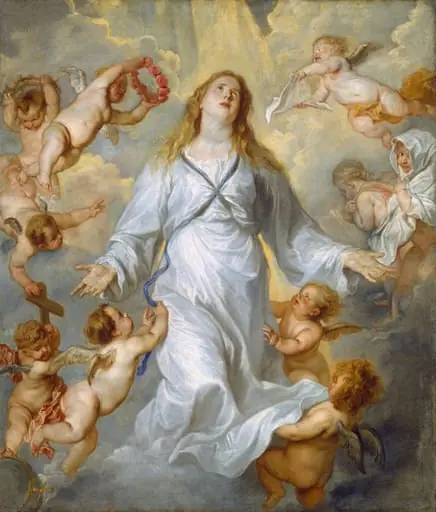
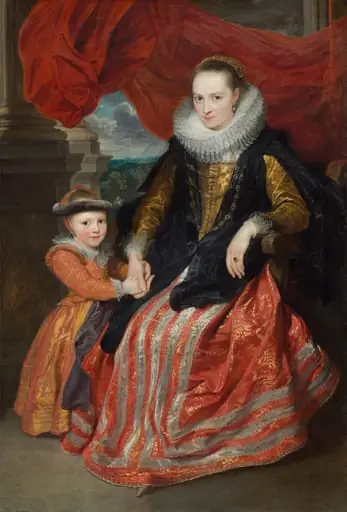
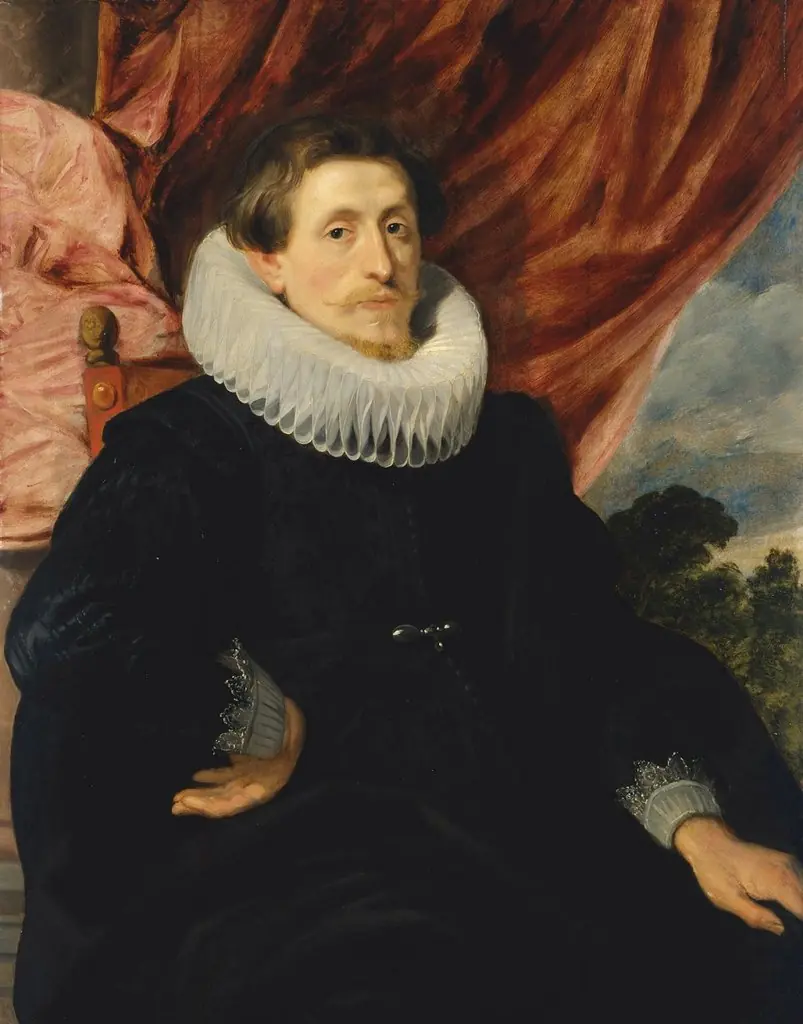 Portrait of a Man, 1618
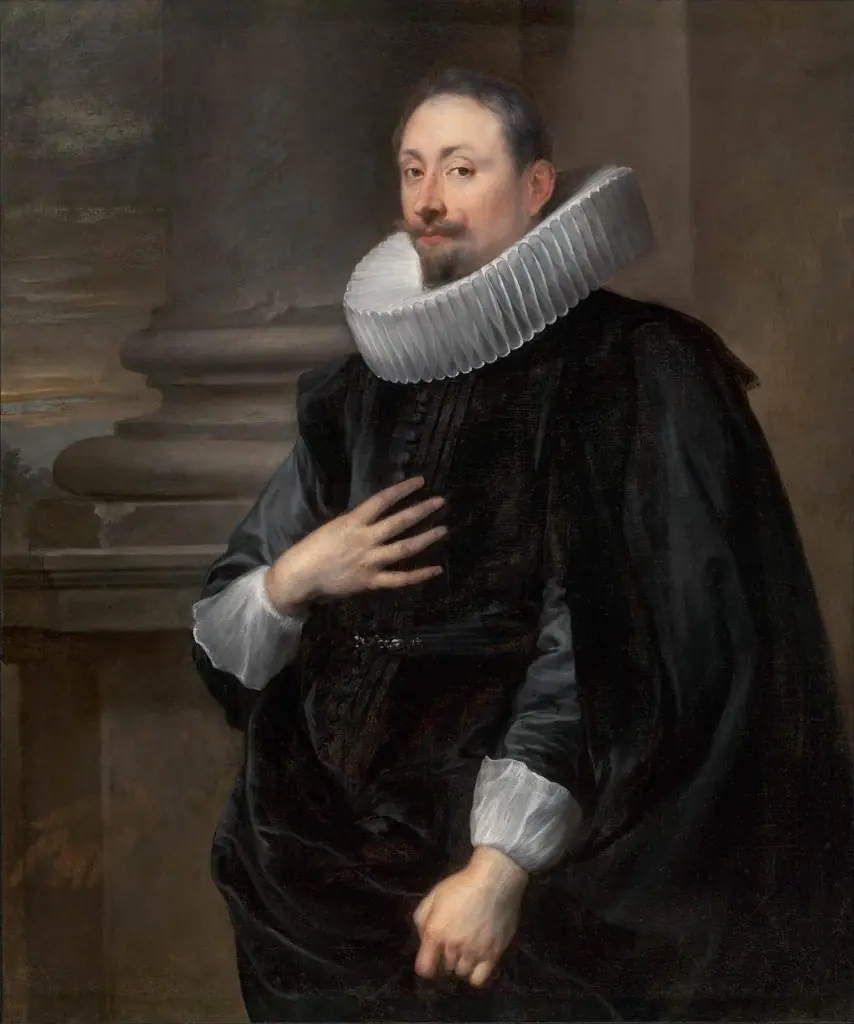 Peeter Symons
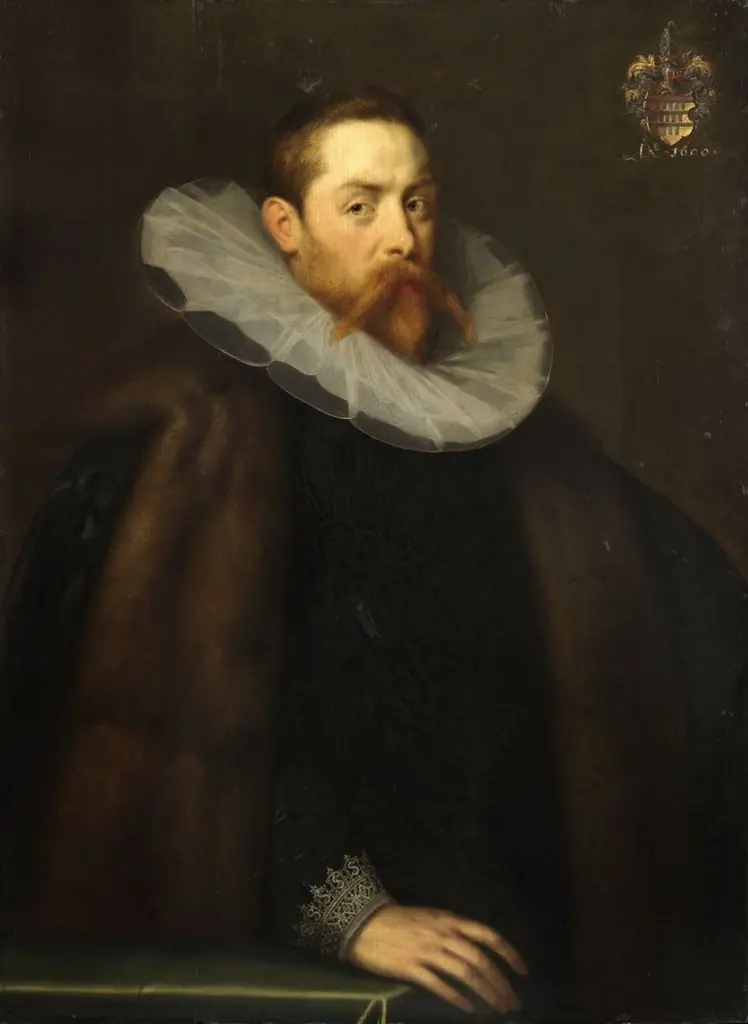 Portrait of a Member of the Lyskirchen Family
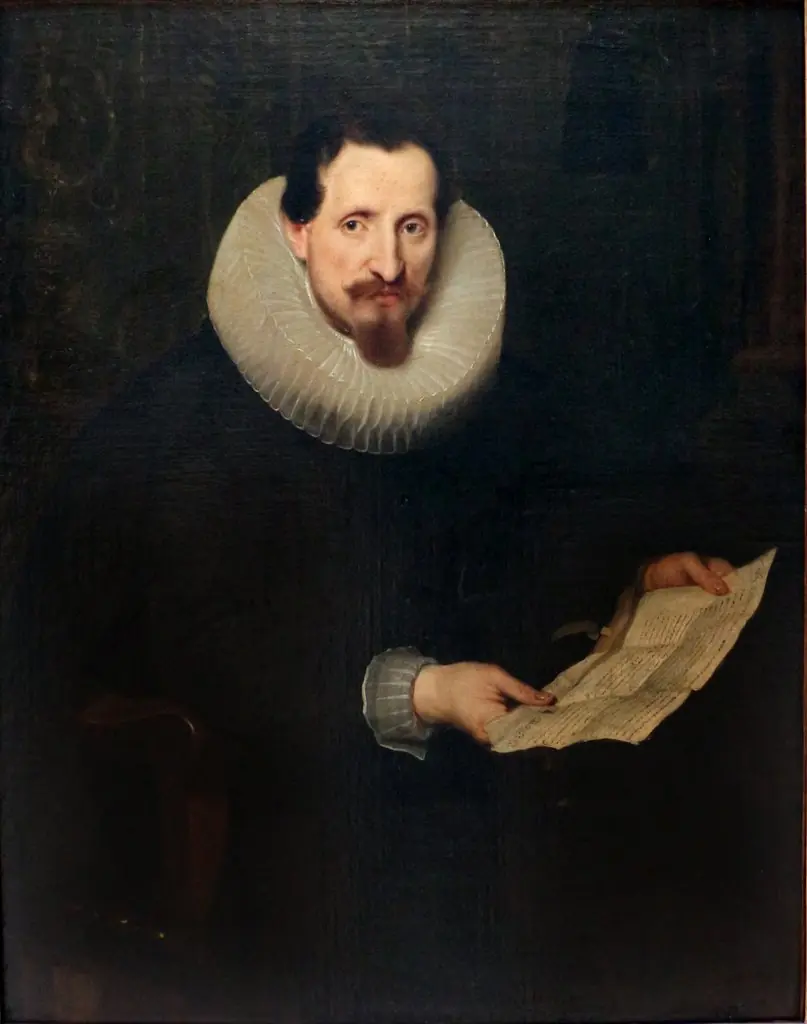 Portrait of Jan Roose
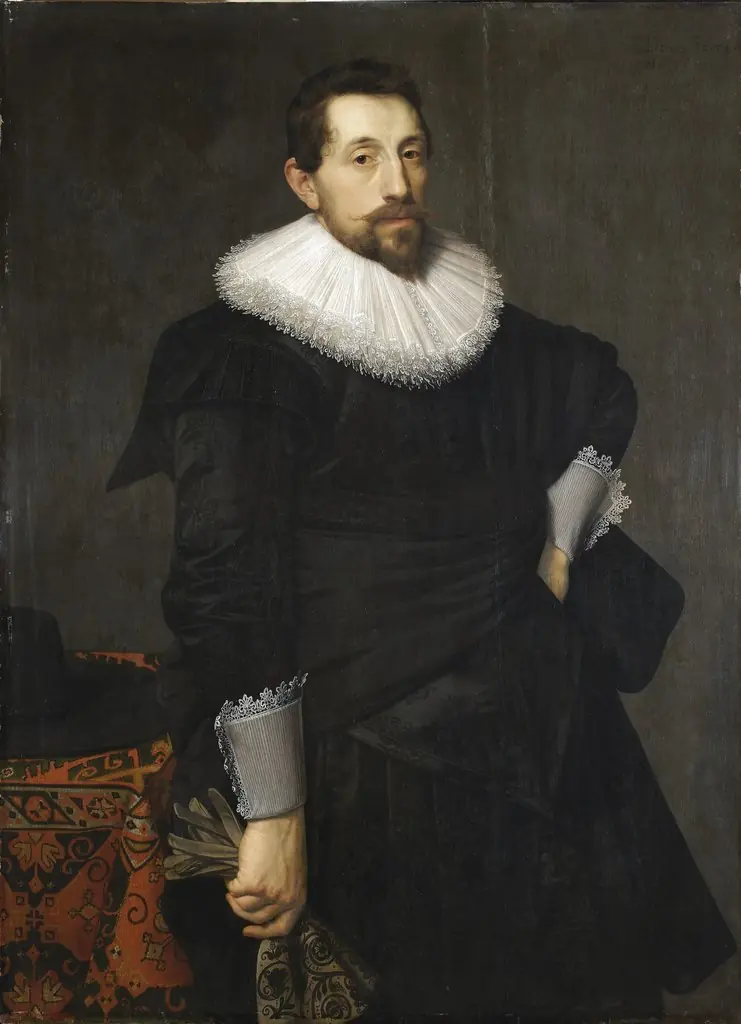 Portrait of a Man with Gloves
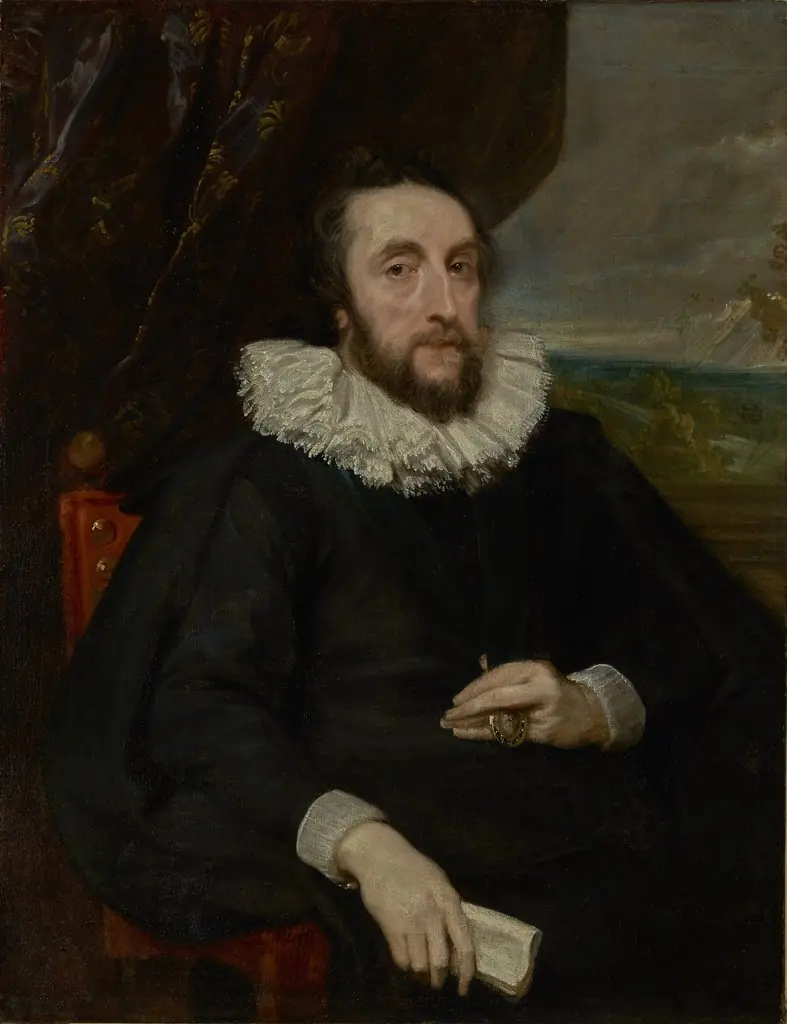 Portrait of Thomas Howard, 21st Earl of Arundel
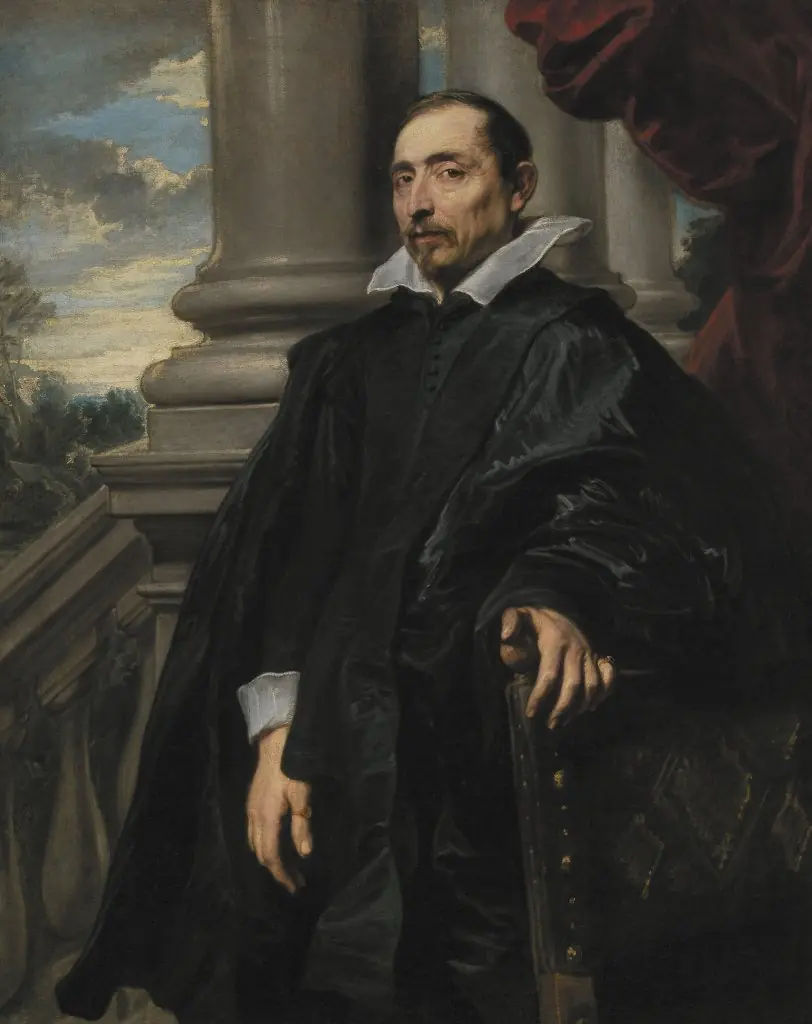 Portrait of a Man, ca. 1620-1621
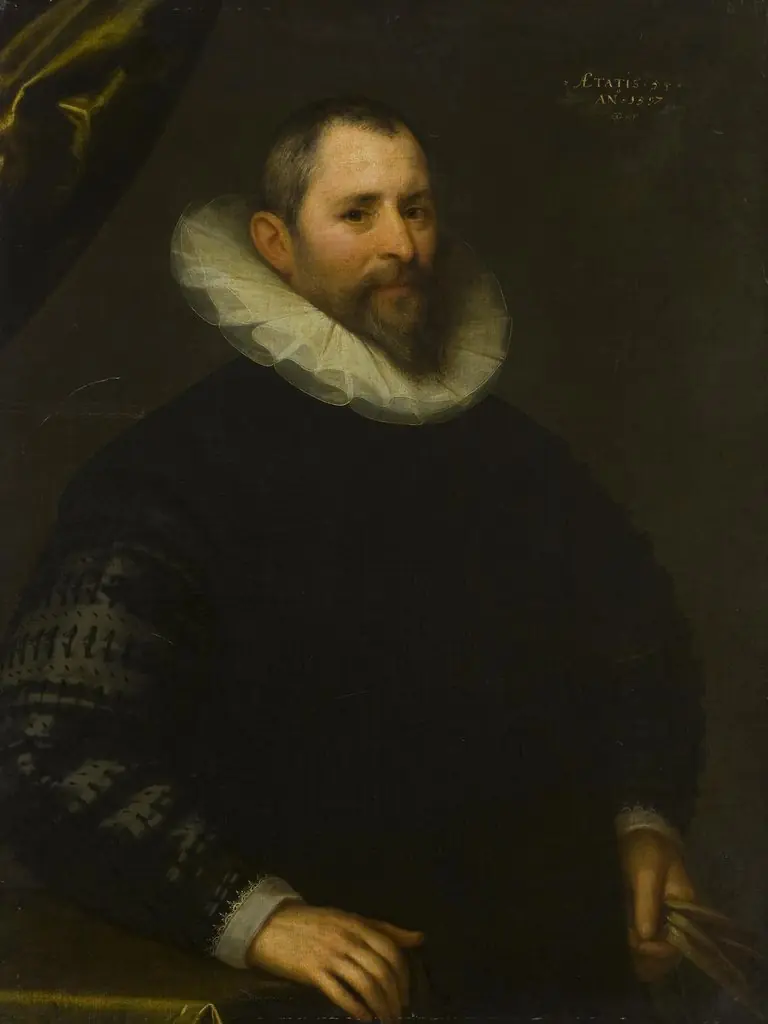 Portrait of Gottfried Hautappel
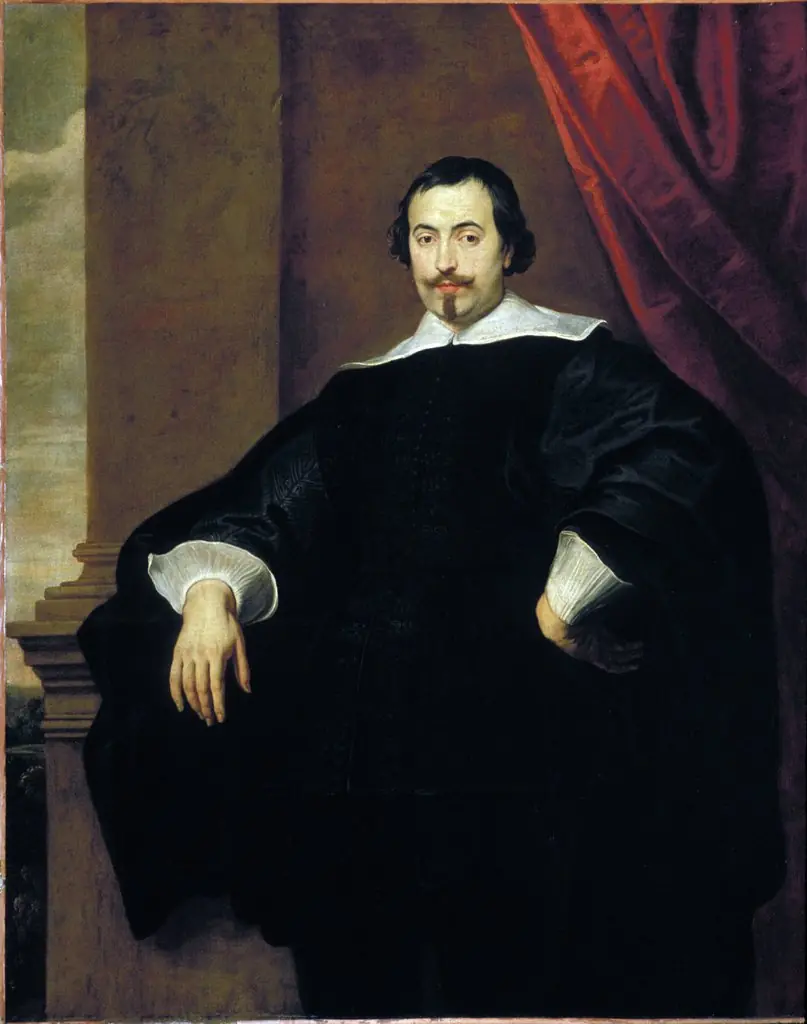 Portrait of a Man
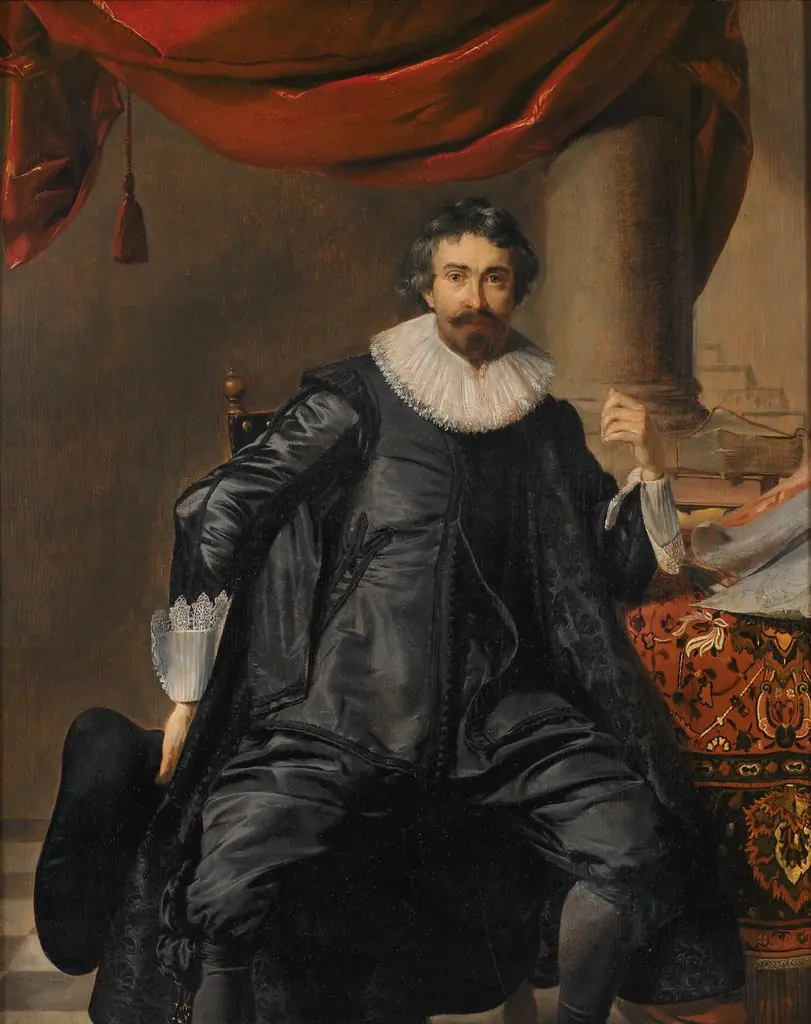 Portrait of a Man
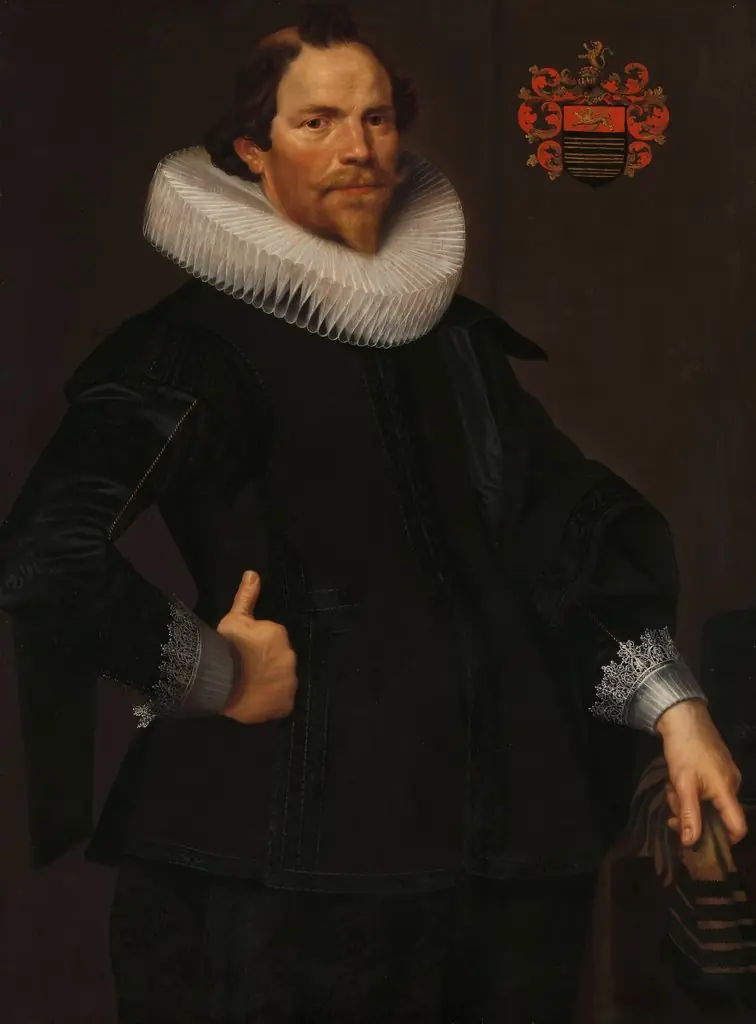 Portrait of Pieter van Son (c. 1590-1654)
- Portrait of Giovanni Vincenzo Imperiale