Artwork
Adoration of the Kings
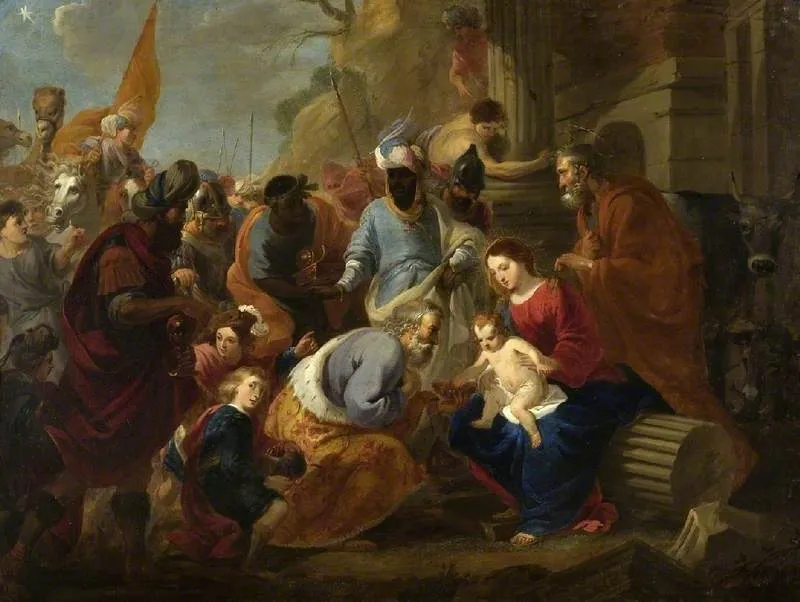
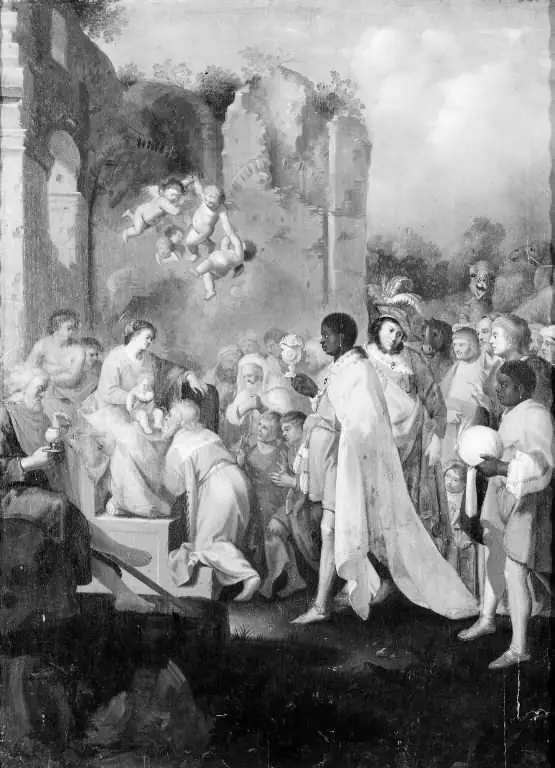
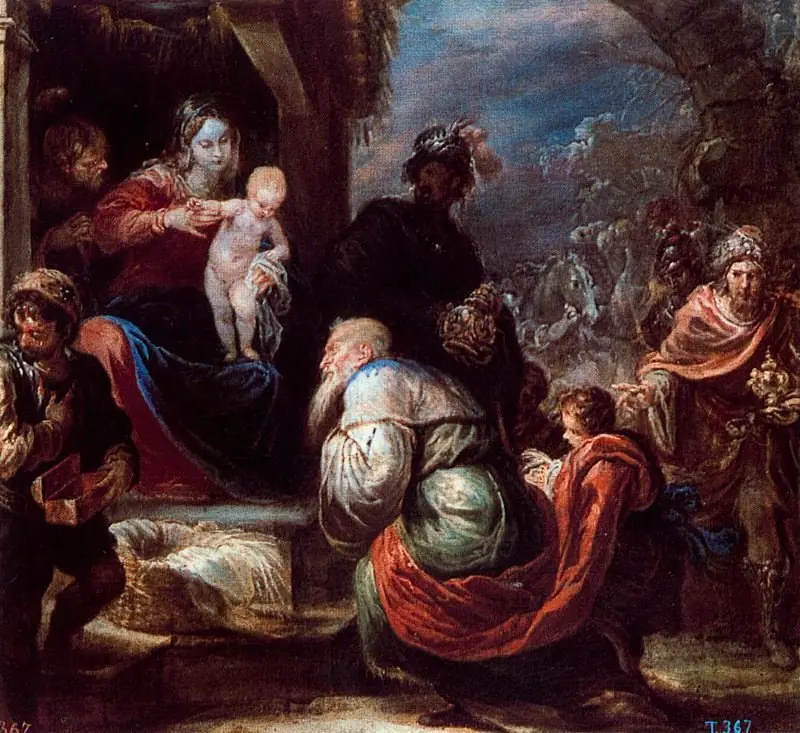
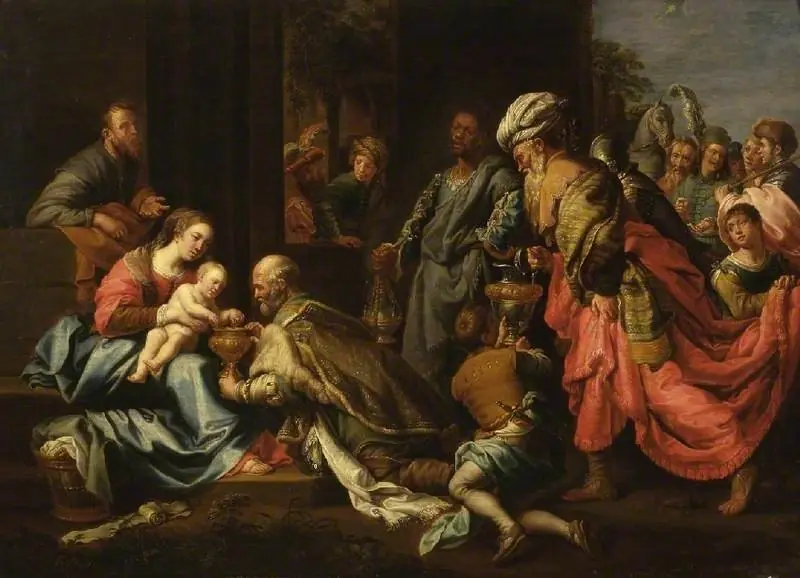
Adoration of the Kings is an oil painting by Cornelius van Poelenburgh. It dates from 1640 and is held in the collection of the Fitzwilliam Museum.
About this work
Overview
The choice of copper as a support reflects a trend among Dutch artists in Rome who favored durable, smooth surfaces for finely detailed religious scenes.
Painted around 1640 on a small copper panel, this work by Cornelius van Poelenburgh presents a quiet, intimate depiction of the Adoration of the Magi. The choice of copper as a support reflects a trend among Dutch artists in Rome who favored durable, smooth surfaces for finely detailed religious scenes. Its modest scale aligns with private devotional practices of the period, emphasizing contemplation over grandeur.
Subject & Meaning
The scene centers on the Christ Child, reclining on the Virgin Mary’s lap, as three figures in elaborate, archaic attire offer gifts. Their gestures and proximity convey reverence, while the inclusion of attendants and distant observers suggests a broader recognition of the child’s significance. The setting, though earthly, is imbued with symbolic weight, framing the moment as both human and divine.
Technique & Style
Van Poelenburgh renders the figures with precise, delicate brushwork, their forms softened against a landscape background of muted earth tones and pale skies. The composition balances foreground intimacy with a receding architectural backdrop of classical columns, echoing his Italianate influences. Subtle modeling and restrained palette enhance the scene’s quiet solemnity, avoiding dramatic contrast in favor of atmospheric harmony.
History & Provenance
Created during van Poelenburgh’s later years in the Netherlands after his time in Rome, the painting reflects his sustained engagement with Italian Renaissance models. While specific early ownership records are sparse, its survival in private collections underscores its appeal to connoisseurs of refined, small-scale religious art. The copper panel’s condition suggests careful preservation over centuries.
Context
This work emerged amid a flourishing market in the Dutch Republic for intimate religious paintings, often commissioned for domestic devotion. Artists like van Poelenburgh, trained in Italy, adapted Italian compositional principles to Northern tastes, blending biblical narrative with landscape detail. Such works catered to a growing middle class seeking spiritually resonant imagery in modest formats.
Legacy
Van Poelenburgh’s approach influenced later Dutch painters who merged biblical themes with landscape sensibility. Though not widely celebrated in his own time, his small-scale religious panels are now recognized for their technical precision and quiet emotional resonance. They represent a distinctive branch of 17th-century Dutch art that prioritized subtlety over spectacle.
Artist & collection
Artist
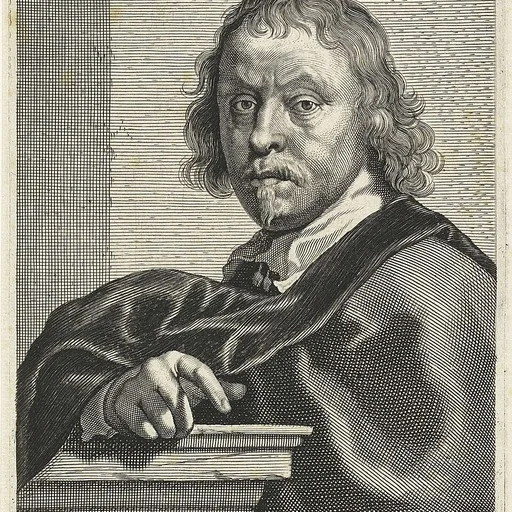
Cornelis van Poelenburgh or Cornelis van Poelenburch (1594 – 12 August 1667), was a Dutch landscape painter and draughtsman.