Artwork
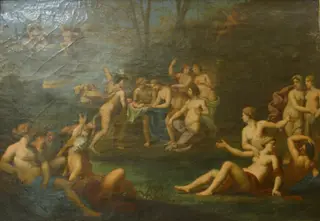
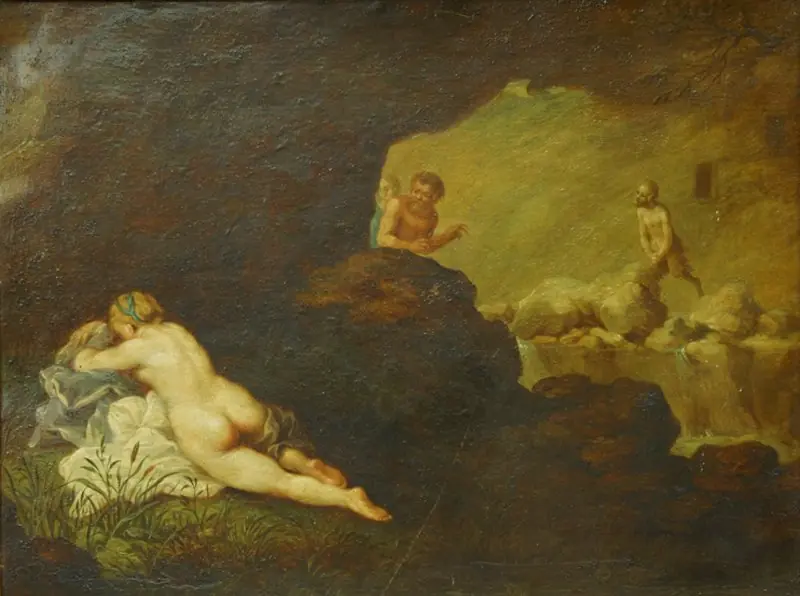
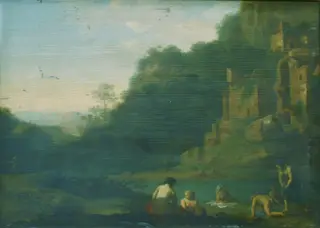
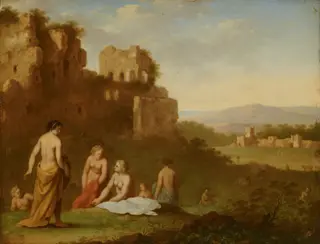
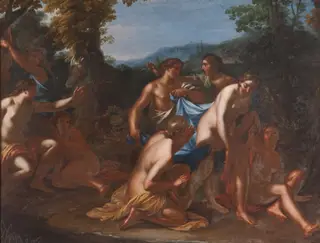
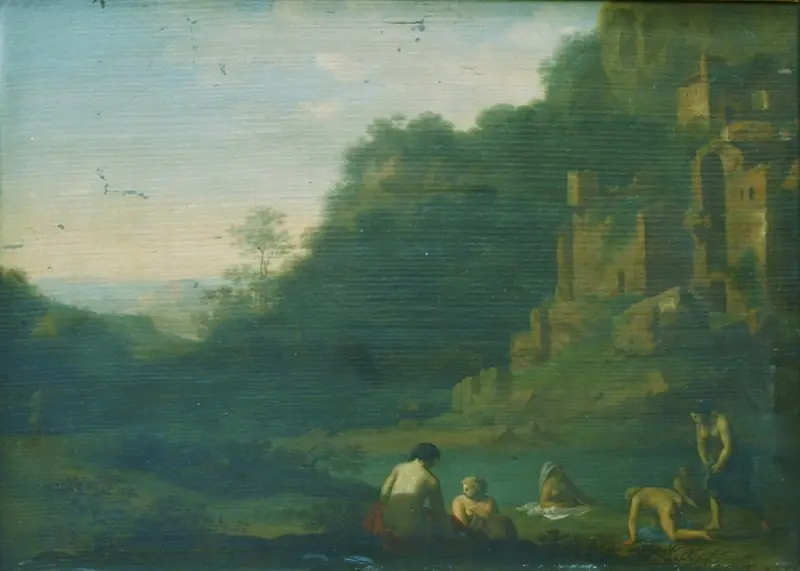
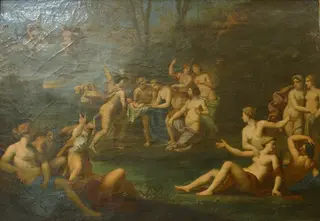
Diana and Actaeon
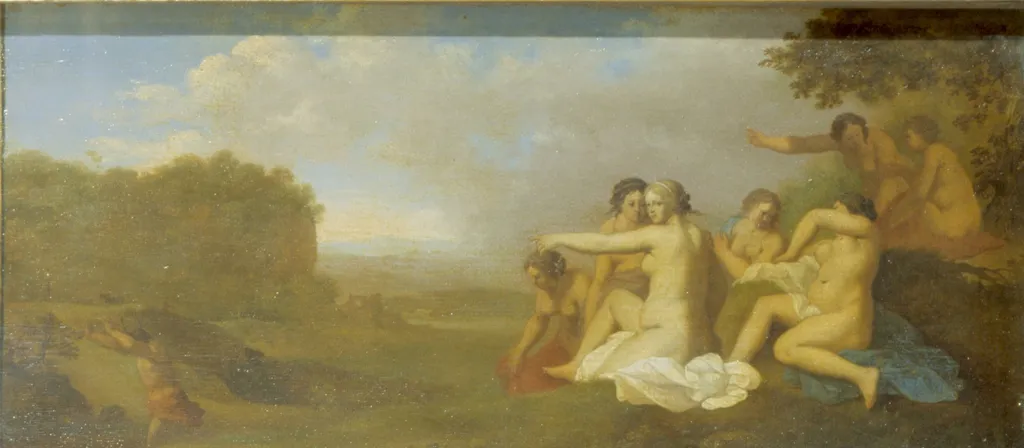
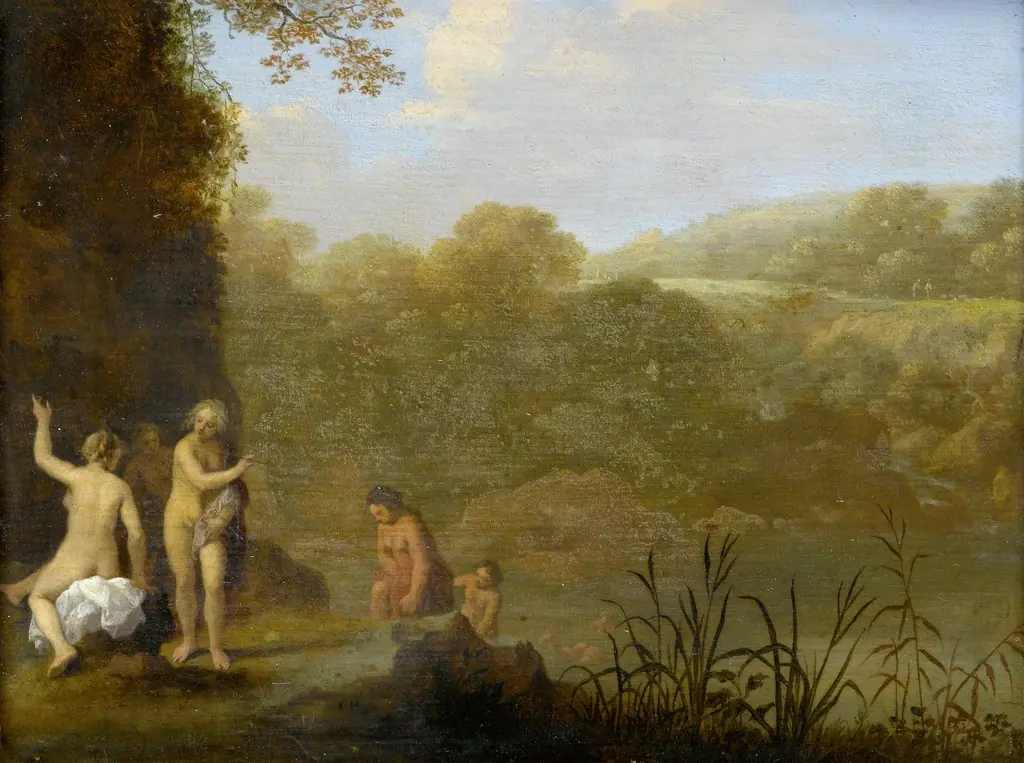
Diana and Actaeon is an oil painting by the Flemish Baroque painting artist Cornelius van Poelenburgh. It dates from 1650 and is held in the collection of the Hermitage Museum.
About this work
Technique & Style
As a mythological painting, it exemplifies the artist’s refined handling of the oil medium to render the narrative with clarity and delicate colour.
Cornelis van Poelenburgh’s Diana and Actaeon is executed in oil paint on a wooden panel, a typical support for his small-scale mythological works. The painting measures 17.3 cm in height and 39.5 cm in width, presenting a compact yet detailed scene. As a mythological painting, it exemplifies the artist’s refined handling of the oil medium to render the narrative with clarity and delicate colour. It is housed in the Hermitage Museum, where its small format allows close viewing.
History & Provenance
Diana and Actaeon was painted by Cornelius van Poelenburgh in 1650 as an oil on panel mythological scene. The Hermitage Museum holds the work today and has done so since its creation, maintaining its provenance from the artist's studio to the museum's collection. The painting measures 39.5 centimeters in width and 17.3 centimeters in height.
The painting is held in the collection of the State Hermitage Museum, St. Petersburg, where it is inventoried as Ж-590.
It was exhibited at the Hermitage in the display "From Rembrandt to Vermeer: Masterpieces of The Dutch Golden Age" held from 5 April to 24 September 2017.
Overview
Cornelius van Poelenburgh’s oil painting Diana and Actaeon dates to the mid‑17th century, around 1650. Executed on a modestly sized panel, the work places a mythological encounter within an Italianate landscape, a hallmark of the Dutch artist’s output while he was based in Rome. The composition captures a fleeting moment from Ovid’s Metamorphoses and is now part of the State Hermitage Museum’s collection in St. Petersburg.
Subject & Meaning
The scene illustrates the hunter Actaeon’s accidental intrusion upon the goddess Diana and her nymphs as they bathe beside a river. Diana is shown turning away, while a nymph tends to another’s hair; Actaeon appears in the distant foliage, his arm raised in startled alarm. The narrative underscores themes of voyeurism and divine retribution that recur throughout classical mythology.
Artist & collection
Artist
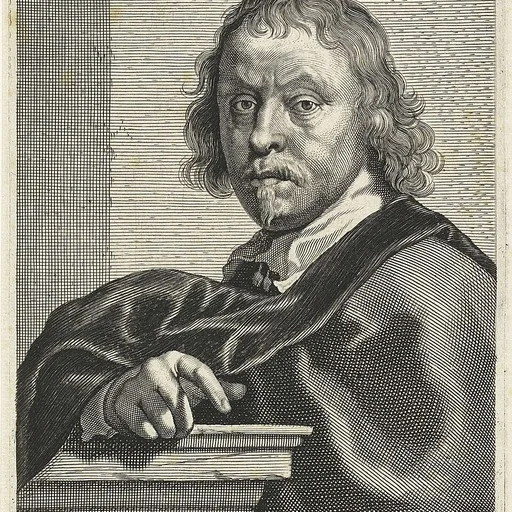
Cornelis van Poelenburgh or Cornelis van Poelenburch (1594 – 12 August 1667), was a Dutch landscape painter and draughtsman.